Rapid half-centuries from Kusal Mendis, Pathum Nissanka and Janith Liyanage put Sri Lanka on course to a substantial total, before an electric new-ball spell from Asitha Fernando wrecked New Zealand’s chase.
Asitha swung the ball prodigiously in his five-over opening spell, taking 3 for 17 in that period. By the end of over seven, and chasing 291 for victory, New Zealand were 22 for 5, their chances all but dashed. Mark Chapman battled bravely for a run-a-ball 81, but had no team-mates to go with him.
New Zealand soon slipped to 48 for 6, then 77 for 7, and though the last rites took some time, Sri Lanka dismissed the opposition for 150, inside 30 overs. This was the third one-sided game in the series. New Zealand had won the other two.
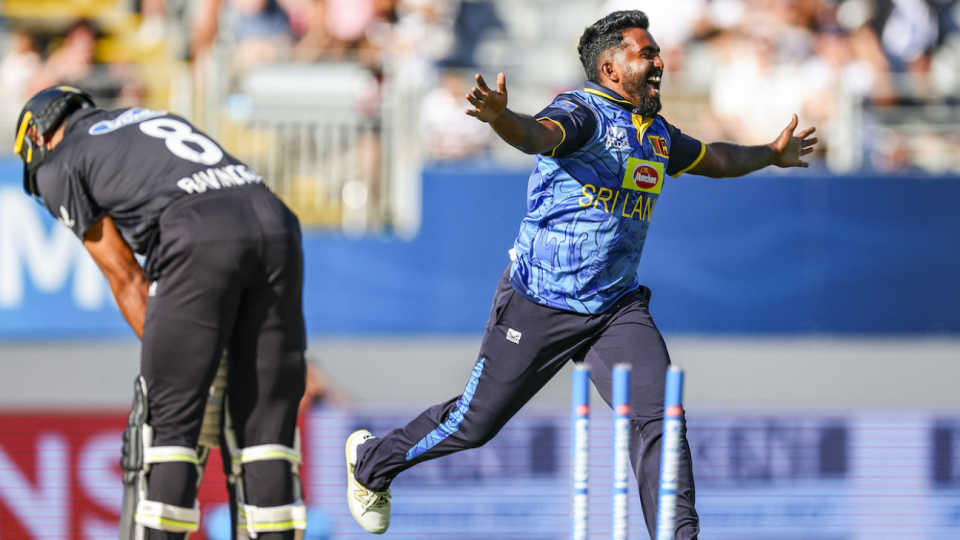
Asitha’s 3 for 26 wasn’t quite a swing-bowling masterclass, as he occasionally struggled with his lines. But it did feature some spectacular deliveries, as he gleaned substantially more swing than any other bowler in the game. The ball to take out Rachin Ravindra’s leg stump was magnificent; Asitha angled it across the left-hander, and got it to tail in very late to slip between bat and pad. All through that new-ball spell, he had that shape to his deliveries. He struck twice in the seventh over, removing Tom Latham and Glenn Phillips, both for ducks.
Malinga also swung the ball, though not as much as Asitha, and bowled probing lines. Theekshana got turn out of a pitch that the New Zealand spinners had also enjoyed earlier in the match, particularly when they picked their way through Sri Lanka’s middle order. Though it was still Matt Henry, who was most penetrative, taking 4 for 55 from his ten overs. Three of those wickets came at the death, but Henry had been instrumental in building pressure through the middle overs too.
The first ingredients of Sri Lanka’s 140-run victory, however, were the fifties to Nissanka and Kusal. Nissanka’s 66 off 42 was unusual. He got to 50 off the 31st delivery he played, but as he was completing that run, appeared to pull a hamstring, and left the field at the end of the tenth over. Kusal then replaced him at the crease and reeled off 54 off 48 to salvage what has otherwise been a modest tour for him.
Nissanka, especially, reveled in taking on the short ball. He crashed five sixes and six fours in his innings, coming back to the middle in the 34th over to swing at a few though he was unable to run or reach particularly far outside off. Kusal hit two sixes and five fours, having made all his runs after the initial fielding restrictions had ended.
Both batters were dismissed by wide, turning Mitchell Santner deliveries, that they were trying to drag over the deep-midwicket boundary.
Santner had been among the primary architects of Sri Lanka’s middle-overs slowdown. They had been 155 for 1 (Nissanka was retired hurt also) after 27 overs, but in the following seven overs lost three wickets and made only 28. They recovered through a half-century to Liyanage, who constructed a clever innings that shepherded the lower-middle order and the tail. Liyanage made 53 off 52 balls before falling in the final over. He had hit five boundaries – two of them sixes – but largely sought to push the game deep and ensure Sri Lanka batted out their 50 overs.
But New Zealand had no answers to Asitha bowling one of the white-ball spells of his career. Chapman saw out that new-ball spell, and then gained confidence once the powerplay was over, finding the boundary with the kind of ease that Nissanka and Kusal earlier had. He was especially strong through the off side, hitting all but two of his ten fours on that side of the ground.
But thanks to that early collapse, they never looked like threatening the target.
Brief scores:
Sri Lanka 290 for 8 in 50 overs (Pathum Nissanka 66, Kusal Mendis 54, Janith Liyanage 53; Matt Henry 4-55, Mitchell Santner 2-55) beat New Zealand 150 in 29.4 overs (Mark Chapman 81; Asitha Fernando 3-26, Eshan Malinga 3-35, Maheesh Theekshana 3-35) by 140 runs
Matt Henry got rid of Pathum Nissanka with a beauty first up [Cricinfo]
“I’m going to put it very simple: it’s hurtful, it’s painful and it’s shameful,” Farveez Mahroof, the former Sri Lanka allrounder, said, pretty much summing up the mood among cricket fans in the island after their abject failure against New Zealand on Wednesday in Colombo. That it came after being bowled out for 95 by England and meant Sri Lanka’s T 20 World Cup 2026 was over just added to the sense of dejection.
“It’s not a pitch that you can play through the line, I get it. But the way some of the batters just gifted their wickets away, apart from Pathum Nissanka’s delivery [from Matt Henry], every other dismissal was a soft dismissal, giving the wickets away, just like the England game, where all ten were soft dismissals,” Maharoof said on ESPN Cricinfo TimeOut after the match. “Continuing the same trend into another game, a must-win game, shows Sri Lanka were not up to the mark with the bat.”
Nissanka has been Sri Lanka’s best batter in the tournament, and the main man in their win over Australia, when he slammed a 52-ball 100 not out. On Wednesday, Henry produced a peach to Nissanka first ball, and “whatever hopes that Sri Lanka had just vanished”.
At the T20 World Cup, which Sri Lanka came to after losing 3-0 to England in a series at home, they beat Oman and Ireland, teams ranked lower than them, and then Australia in the group stage, but since then, it has all been downhill. Zimbabwe, England and now New Zealand have beaten Sri Lanka, and the last two have come after poor batting performances.
“It’s becoming a bad habit to have. I have been doing this analysis for seven-eight years, I keep saying the same old thing: once in a while, a good game, and our hopes are high; all of a sudden, come crashing down to the earth,” Maharoof said, referring to the Australia game. “It’s not the first time. I just hope something down the line, this has to come to an end, some hard decisions have to be made.
“I think after the next game, before the next series starts, Sri Lanka’s selectors and the think tank should really think of the future, what are the capabilities of the players, who should stick and who should not stick, and move on. I expect probably in the next couple of weeks, some hard decisions are going to be made. If not, I will be very surprised.”
Sri Lanka end their campaign with a game against Pakistan, in Pallekele on February 28.
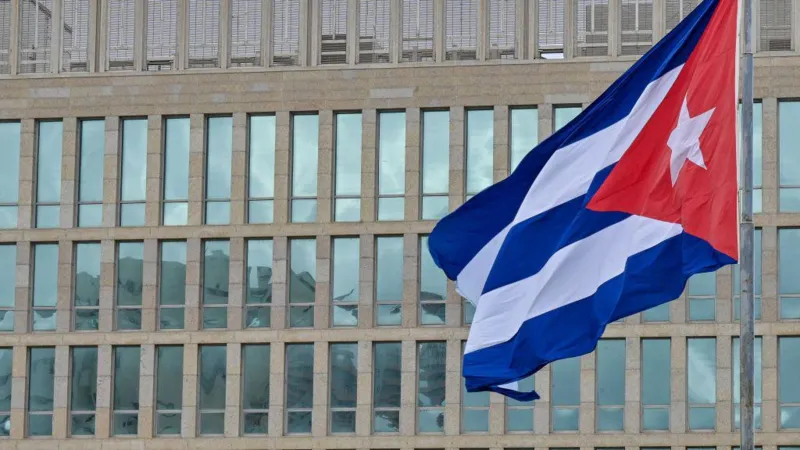
Four people shot dead by Cuban border guards in a US-registered speedboat were Cuban nationals living in the United States, Cuba’s government said.
In a statement posted online, Cuba’s interior ministry said that the speedboat’s passengers – the four who were killed and six others who were wounded, also Cuban citizens – opened fire on a coast guard vessel that approached them near an island off the country’s northern coast on Wednesday.
The 10 individuals, some with previous criminal records, were armed and intended to “carry out an infiltration for terrorist purposes” the statement said.
US Secretary of State Marco Rubio said the US was also investigating the “highly unusual” incident
Cuba’s interior ministry identified the six surviving passengers, who have since been detained, and one passenger who was killed.
They added that most of them “have prior records involving criminal and violent activity”.
Handguns, assault rifles and improvised explosive devices were recovered on the speedboat, according to the statement, along with other tactical gear.
The interior ministry also identified an eleventh person they said had been arrested and had confessed to being part of the alleged plot.
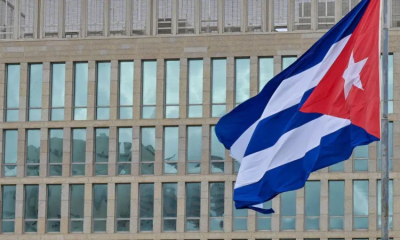
In an earlier statement posted on X, the ministry said the Florida-registered vessel – with the registration number FL7726SH – was detected near Cayo Falcones, in the country’s central Villa Clara province on Wednesday morning.
When a Cuban boat carrying five members of the ministry’s border guard approached the vessel for identification, “the crew of the violating speedboat opened fire” and wounded the Cuban commander, the statement said.
“As a consequence of the confrontation, as of the time of this report, four aggressors on the foreign vessel were killed and six injured.”
Those injured were evacuated and given medical assistance, the statement added.
Before the Cuban government released some of the passengers’ identities, Rubio confirmed the boat was not carrying US government personnel and that an investigation was ongoing to “clarify” the event and what the passengers were doing in the area.
Rubio, spoke from Saint Kitts and Nevis, where he had travelled to meet with Caribbean leaders amid the Trump administration’s push to ramp up pressure on Cuba’s government, as well as other regional issues.
“We’re going to find out exactly what happened, who was involved, and we’ll make a determination on the basis of what we find out,” he told reporters.
He vowed that US investigators would move “quickly” to gather the key facts, and that the US Coast Guard has travelled to the “vicinity” of the attack.
But he added that the US would not rely on information provided by the Cuban government, and that Washington would independently verify the facts of the case.
“It is highly unusual to see shootouts on the open sea like that. It’s not something that happens everyday,” Rubio said.
The incident comes amid increased tensions between the US and Cuba, which is facing a deepening fuel crisis that has been worsened by the US blocking oil shipments from Venezuela, a long-standing ally in the region, to the island.
The first Cuban interior ministry statement alluded to these tensions, saying that “in the face of current challenges, Cuba reaffirms its determination to protect it territorial waters” and safeguard its sovereignty.
On Wednesday, the US Treasury said it would ease some small private sector transactions, including oil sales, to “support the Cuban people, for commercial and humanitarian use”.
The incident also happened one day after Cuban-American groups in Miami commemorated the 30th anniversary of the Brothers to the Rescue shootdown, which killed four people.
Wednesday’s incident sparked Florida lawmakers and state to call for an investigation and to criticise the Cuban government.
Florida Congressman Carlos Gimenez, a Cuban-American former mayor of Miami, said he would demand an investigation into what he called a “massacre”.
James Uthmeier, Florida’s attorney general, said he would direct local law enforcement to investigate the incident.
“The Cuban government cannot be trusted, and we will do everything in our power to hold these communists accountable,” he said.
In the US Senate, Florida Republican Rick Scott, demanded “a full investigation into this deeply concerning situation and to determine what happened.”
“The Communist Cuban regime must be held accountable!” he added.
’Reimagining International Relations from a Global South Perspective’ offers a timely and rigorous contribution, providing key insights into policy, diplomacy, and global governance – PM
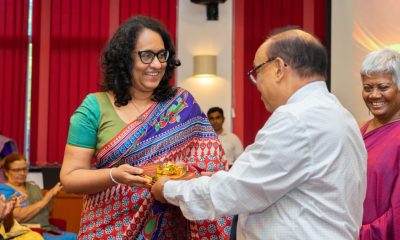
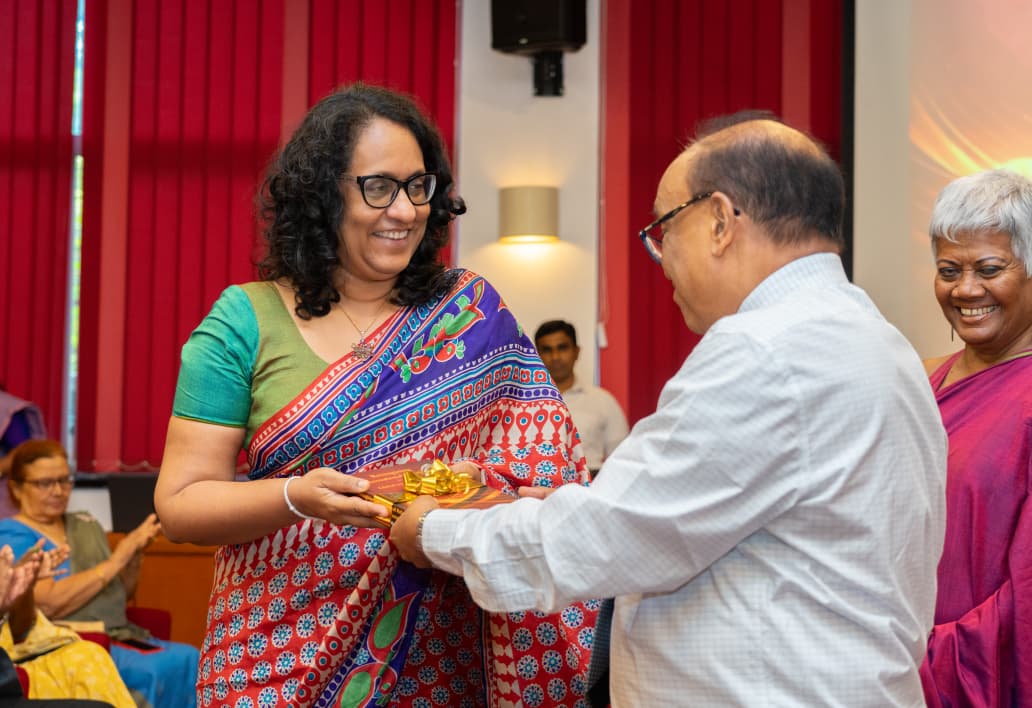
Prime Minister Dr. Harini Amarasuriya made while participating in the latest publication of the Bandaranaike Center for International Studies (BCIS) titled ‘Reimagining International Relations from a Global South’ held on the 24 February 2026 at the BCIS Auditorium said that the volume offers a timely and rigorous contribution, providing key insights into policy, diplomcy and global governance.
Authored by Emeritus Professor Gamini Keerawella, former Senior Professor of History at the University of Peradeniya and a member of the BCIS Council of Management and Academic Affairs Board, the book ’Reimagining International Relations from a Global South Perspective’ offers a compelling re-examination of International Relations through a distinctly Global South perspective.
Congratulating on the publication, the Prime Minister stated that the publication represents a timely and important intervention in understanding how the Global South’s international relations and international policy has evolved and traces the many different pathways. She further noted that this volume invites for re-imagine international relations as a genuinely plural and it doesn’t necessarily only go for the discipline of international relations, that is something that applies to all disciplines.
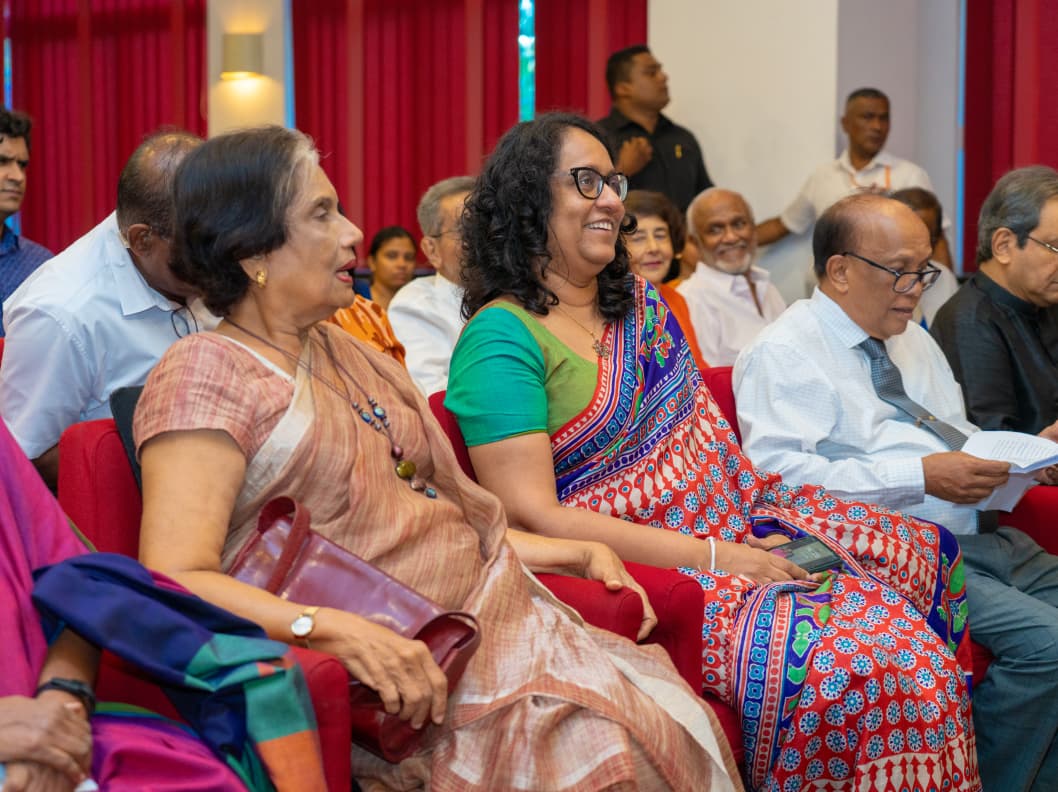
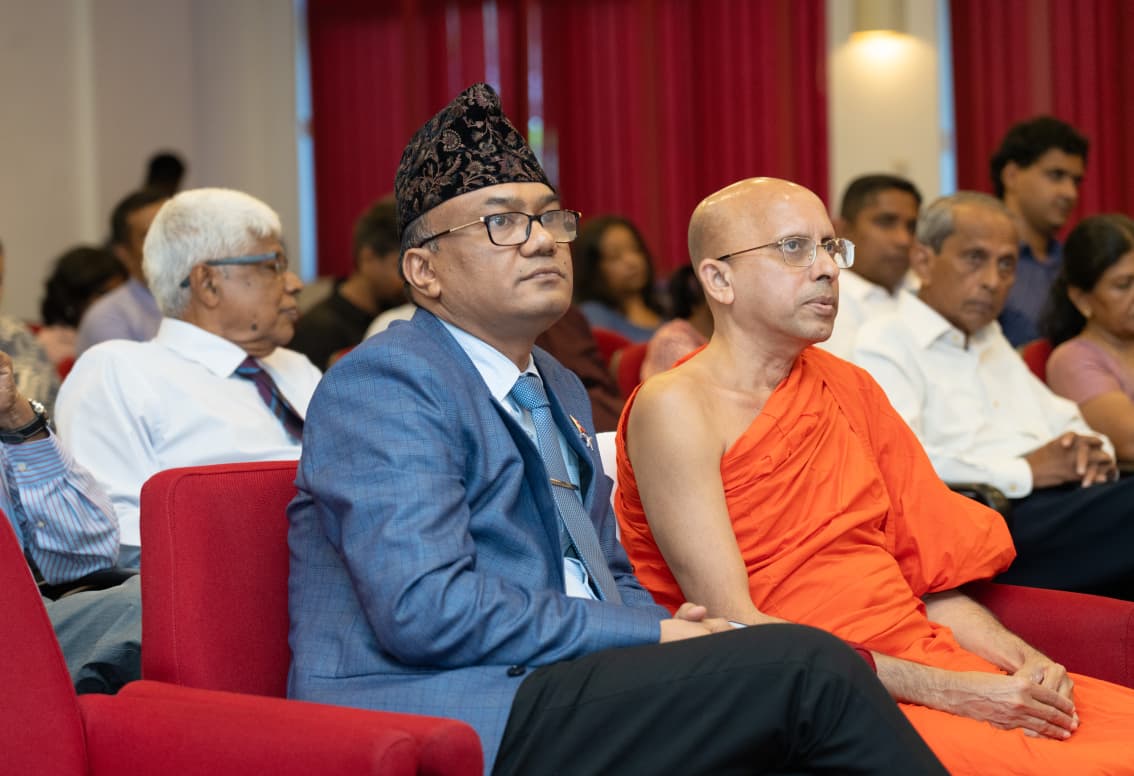
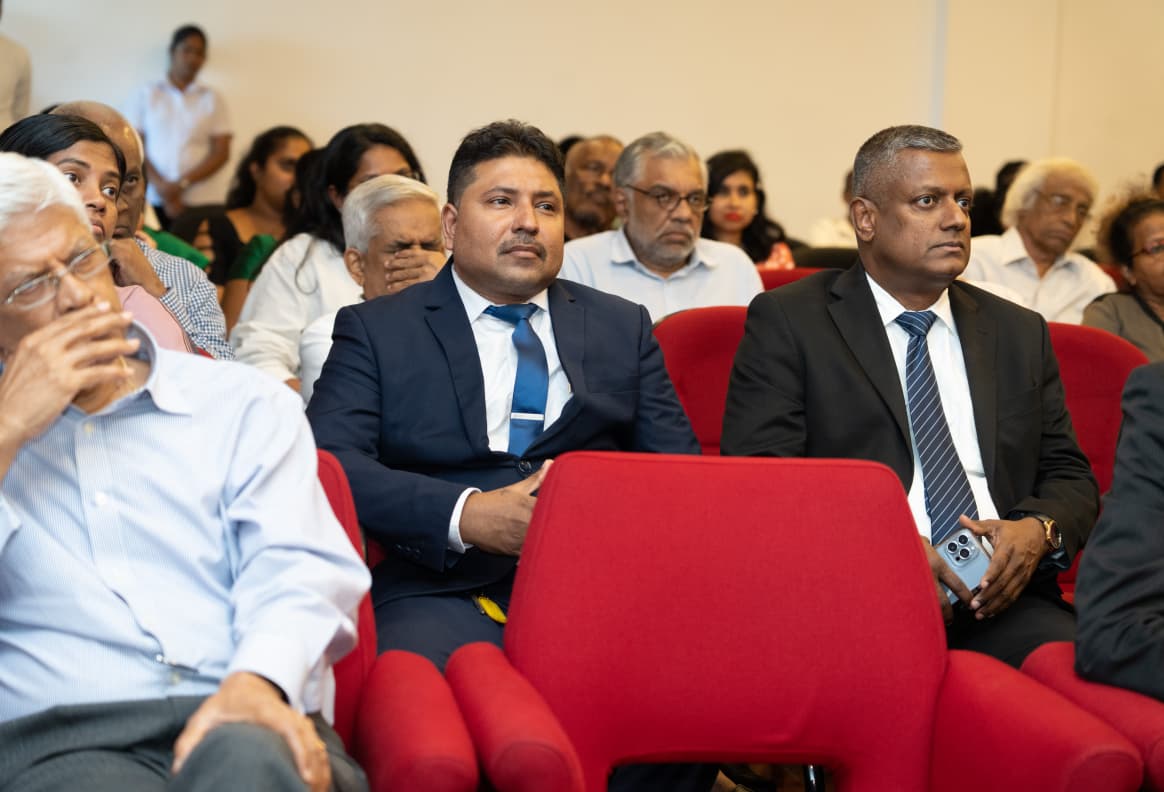
The occasion was attended by the former President Chandrika Bandaranaike Kumaratunga, Chairperson of BCIS, Deputy Minister of Mass Media Dr. Kaushalya Ariyarathne, members of the diplomatic community, representatives of the Bandaranaike National Memorial Foundation Board of Management, members of the BCIS governing bodies, and invited scholars and practitioners.