
Latest News
Navy intercepts fishing trawler with 46kg & 116g of heroin

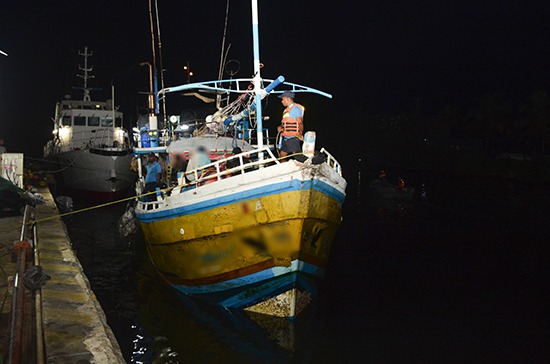
The Sri Lanka Navy, during a special operation on the high seas about 110 nautical miles (200km) west of Sri Lanka, intercepted a local multi-day fishing trawler suspected of smuggling narcotics.
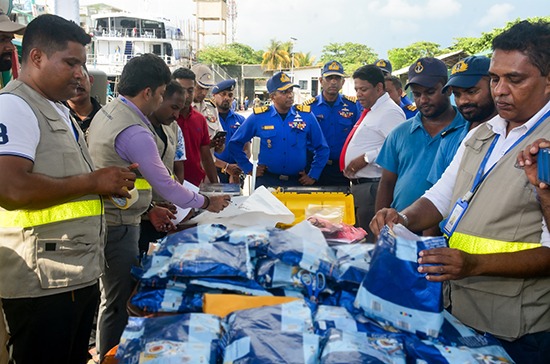
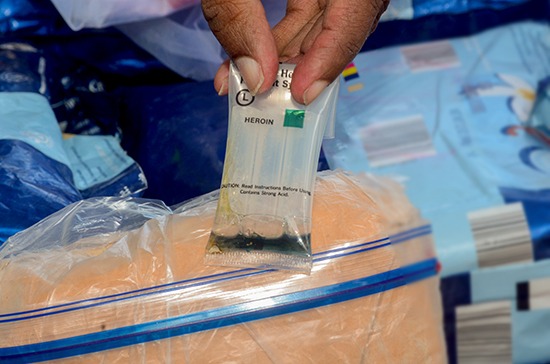
The operation, conducted by SLNS Nandimithra, resulted in the apprehension of 05 suspects linked to the illicit activity. Upon escorting the vessel to Galle Harbour, a detailed inspection uncovered approximately 46kg and 116g of heroin, concealed in 40 parcels packed into 02 sacks. The seized narcotics is estimated to have a street value
exceeding Rs. 1152 million.
To support the national goal of eradicating the drug menace, the Navy remains vigilant, conducting relentless operations across maritime zones to intercept and prevent narcotic trafficking.
The apprehended suspects, who are between 23 to 33 years of age, have been identified as residents of Gandara. The 05 suspects, together with the haul of heroin and the fishing trawler held in this operation will be handed over to the Police Narcotic Bureau for onward legal action.
The Sri Lanka Navy, under the able leadership of Vice Admiral Priyantha Perera, the Commander of the Navy and Chairman of the Presidential Task Force to Combat the Use of Poisonous and Dangerous Drugs, has been instrumental in curbing narcotics smuggling.
In 2024, the Navy’s relentless operations have resulted in the seizure of narcotics worth over Rs. 18,790 million in street value, and have been handed over to authorities for legal action.
Against this backdrop, the Navy urges the public to report any individuals posing as fishermen and engaging in drug smuggling to the Navy or law enforcement agencies.
This collective effort aims to safeguard future generations from the devastating effects of drug-related activities.


Latest News
Iran strikes Qatar and Saudi energy sites as US jets shot down by Kuwaiti ‘friendly fire’
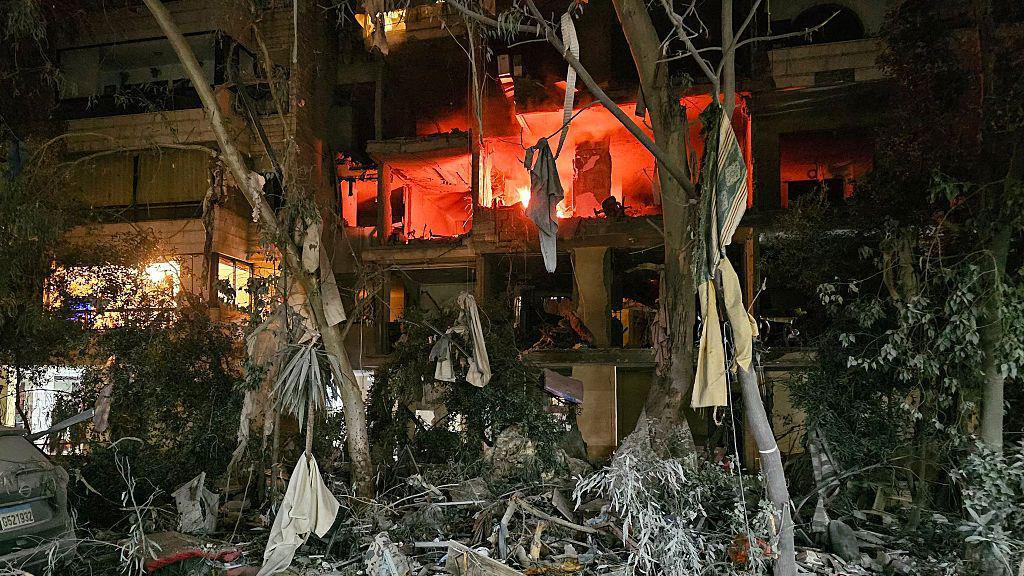
New Iranian strikes have been reported on a major gas plant in Qatar and in Saudi Arabia, where an oil refinery fire is “under control”
The price of gas on international markets has risen sharply – at one point up 42%.
The US and Israel struck Iran on Saturday, killing the country’s Supreme Leader Ayatollah Ali Khamenei. The Israeli military has launched new strikes on Tehran, but the US defense secretary says there will not be “endless war”.
In Kuwait, several US fighter planes have crashed, in what the US military says was “an apparent friendly fire incident” – one plane plummeting to the ground was caught on film.
Meanwhile, the US says a fourth member of its military was killed in Iran’s initial attacks. – it did not say where
The Lebanese health ministry says Israeli attacks in Beirut and southern Lebanon killed at least 31 people – Israel says it was responding to Hezbollah attacks
And in Cyprus, two drones heading for a UK base were intercepted, after an earlier attack on Sunday.
[BBC]
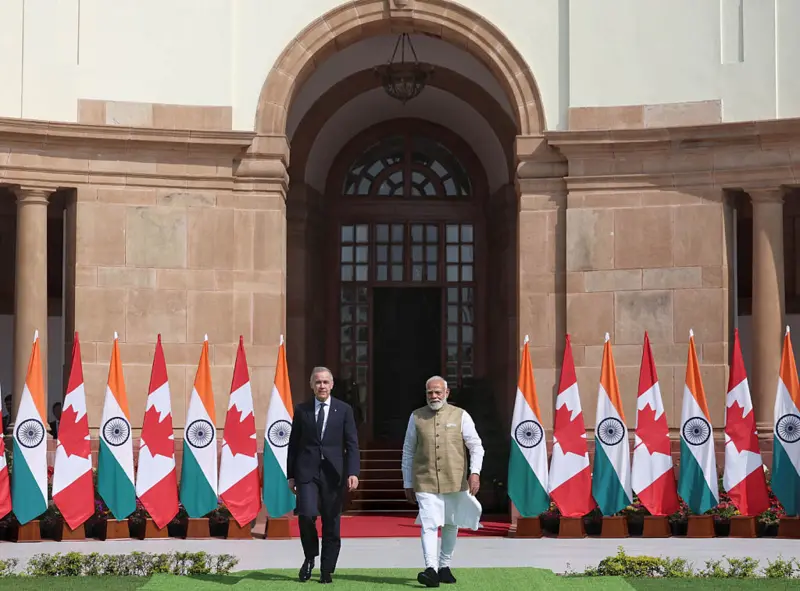
India and Canada’s prime ministers have agreed a number of accords, including a long-term deal to supply uranium to India
After talks in Delhi, Mark Carney said he and Narendra Modi had agreed to conclude an economic partnership agreement by the end of this year. The two leaders are attempting to reset ties that have been strained since 2023 when then PM Justin Trudeau said there were “credible allegations” linking India to the killing of a Sikh separatist leader on Canadian soil
Under Carney, Canada has sought to rebuild engagement with India amid tariff pressure from its largest trading partner, the United States
On Monday, Modi and Carney also agreed to co-operate in areas like critical minerals, clean energy, space and higher education
[BBC]
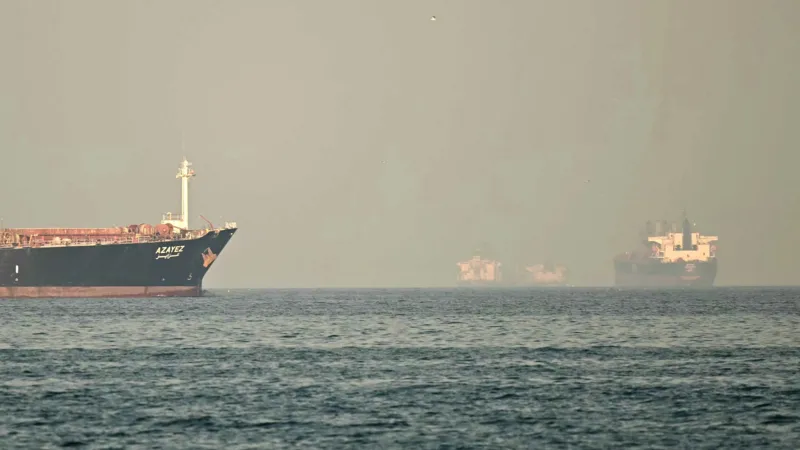
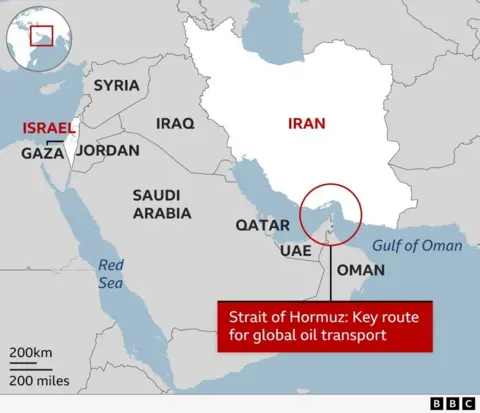
Global oil prices have risen after at least three ships were attacked near the Strait of Hormuz, as Iran continues to launch strikes across the Middle East in response to ongoing attacks by the US and Israel.
Two vessels have been struck, and an “unknown projectile” was reported to have “exploded in very close proximity” to a third, the UK Maritime Trade Operations Centre (UKMTO) said.
Iran has warned ships not to pass through the strait, which carries about 20% of the world’s oil and gas.
International shipping has almost come to a standstill at the strait’s entrance, with analysts warning that a prolonged conflict could push energy prices even higher.
In early trade in Asia on Monday, global oil prices jumped by more than 10% before those gains eased during the morning.
At 02:00 GMT, Brent crude was more than 4% higher at $76.16 (£56.53) a barrel, while US-traded oil was also up by around 4% at $69.67.
“The market isn’t panicking”, Saul Kavonic, head of energy research at MST Research told the BBC.
“There is more clarity that so far, oil transport and production infrastructure hasn’t been a primary target by any side,” he added.
“The market will be watching for signs that traffic through the Strait of Hormuz returns, which would see oil prices subside again.”
But some analysts have warned it could go over $100 in the event of a prolonged conflict.
On Sunday, the Opec+ group of oil producing nations – which includes Saudi Arabia and Russia – agreed to increase their output by 206,000 barrels a day to help cushion any price rises, but some experts doubt this would help much.
Edmund King, president of the AA, warned the disruption could drive up petrol prices around the world.
“The turmoil and bombing across the Middle East will surely be a catalyst to disrupt oil distribution globally, which will inevitably lead to price hikes,” he said.
“The magnitude and duration of pump price increases depends on how long the conflict goes on.”

Iran strikes Qatar and Saudi energy sites as US jets shot down by Kuwaiti ‘friendly fire’

India and Canada agree series of deals as Carney and Modi reset ties in Delhi

Oil prices rise after ships attacked near Strait of Hormuz

War photographer Paul Conroy dies as tributes paid

Allies of US in the Gulf bear brunt of Iran attacks

Dry weather will prevail in most parts of the island

‘Dates have the highest sugar content to fight Coronavirus’

Sunday Island 27 December – Headlines

#SundayIsland 17th December – Headlines

Sunday Island – 28th March

Sunday Island Headlines – 21 March

Sunday Island – 21st February – Headlines
-

 Opinion4 days ago
Jamming and re-setting the world: What is the role of Donald Trump?
-
 Features4 days ago
An innocent bystander or a passive onlooker?
-
 Features6 days ago
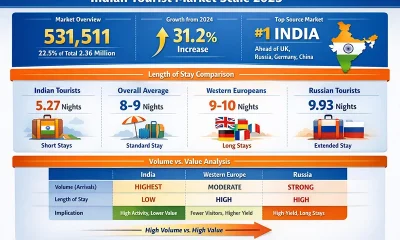
Building on Sand: The Indian market trap
-

 Opinion6 days ago
Future must be won
-
 Features5 days ago
Ratmalana Airport: The Truth, The Whole Truth, And Nothing But The Truth
-

 Business6 days ago
Dialog partners with Xiaomi to introduce Redmi Note 15 5G Series in Sri Lanka
-

 Business5 days ago
IRCSL transforms Sri Lanka’s insurance industry with first-ever Centralized Insurance Data Repository
-

 Sports7 days ago
CEA halts development at Mandativu grounds until EIA completion