
News
Nominations close, NPP and SJB reveal National List nominees


By Rathindra Kuruwita
The nomination period for the 2024 general election, which commenced on 4 October, officially concluded at noon on Friday, 11 October. Commissioner General of Elections, Saman Sri Ratnayake, confirmed that nominations were received at the District Secretaries’ offices across 22 electoral districts.
The upcoming election will see 225 Members of Parliament elected, 196 members chosen from the 22 electoral districts and 29 appointed via the National List, based on the votes secured by each party or group.
On Friday, the JVP-led NPP released its National List. Its nominees are as follows:
Bimal Rathnayake, Prof. Wasantha Subasinghe, Dr. Anura Karunathilake, Prof. Upali Pannilage, Eranga Udesh Weeraratne, Ret. Maj. Gen. Aruna Jayasekara, Dr. Harshana Suriyapperuma, Janitha Ruwan Kodituwakku, Punya Sri Kumara Jayakody, Ramalingam K. Chandrasekar, Dr. Najith Indika, Sugath Thilakaratne, Lakmali Hemachandra – Attorney-at-Law, Sunil Kumara Gamage, Gamini Rathnayake, Prof. Ruwan Chaminda Ranasinghe, Sugath Wasantha De Silva, Keerthi Welisarage, Chamila Kumudu Peiris, Abdul Fatha Mohamed Ikram, Ranjan Jayalal Perera, Mohamed Nazeer Ikram, Martin Nelson, Romesh Mohan De Mel, Benita Prishanthi Hettithanthri, Pubudu Nuwan Samaraweera, Sarath Lal Perera, Anura Hettigoda Gamage, and Hemathilaka Gamage.
The SJB, also submitted its 29-member National list on Friday, handed over by Party Chairman Imthiaz Bakeer Markar and General Secretary Ranjith Madduma Bandara.
The list includesRanjith Maddumabandara, Imthiaz Bakeer Markar, Dullas Alahapperuma, Sagaran Vijayandiran, Nizam Kariapper, Sujeeva Senasinghe, G. L. Peiris, Sudarshini Fernandopulle, Upul Jayasuriya, Mahim Mendis, Upul Bandara Dissanayake, Rohana Lakshman Piyadasa, Lihini Fernando, Ravindra Samarweera, Athulasiri Samarakone, Kennedy Degaulle Gunewardena, Lalith Prasanna Perera, Vishaka Kamalee Suriyabandara, Mahesh Senanayake, Ravi Jayawardena, Thisath Devapriya Bandara Wijegunawardena, Lankeshwarage Mitrapala, Palanivelu Parameshwaran, Balakrishnan Sivanasan, Ganapathy Nagulesvaran, Chandima Wijegunewardena, Mohamed Hasim Mohamed Roomy, Muhammadu Ismail Muttu Muhammadu, and Indika Bandaranayake.
On the same day, the Sri Lanka Podujana Peramuna (SLPP) revealed its 29-member national list for the 2024 General Election. The list includes: Namal Rajapaksa, Gamini Lokuge, C. B. Ratnayake, Ven. Uthurawala Dhammarathana Thera, Tissa Vitharana, Jayantha Ketagoda, Sagara Kariyawasam, Thisakutti Arachchi, Ven. Tebuwana Piyananda Thera, Muhammad Fadil Marjan Asmi, Renuka Perera, Wimal Geegange, W. Dayarathna, Anusha Damayanthi, Jagath Wellawatta, Wasantha Handapangoda, Viraj Perera, Athula Priyadarshana De Silva, Manjula Wellalage, Ravihara Kulathunga, Damith Hettihewa, Ranjith Bandara, Vidura Perera, Pasan Kasthuri Fernando, Sarath Keerthirathna, Sudath Rohana, Mahinda Pathirana, Rathna Dharmapriya Daya Pathirana, and Samantha Indika.


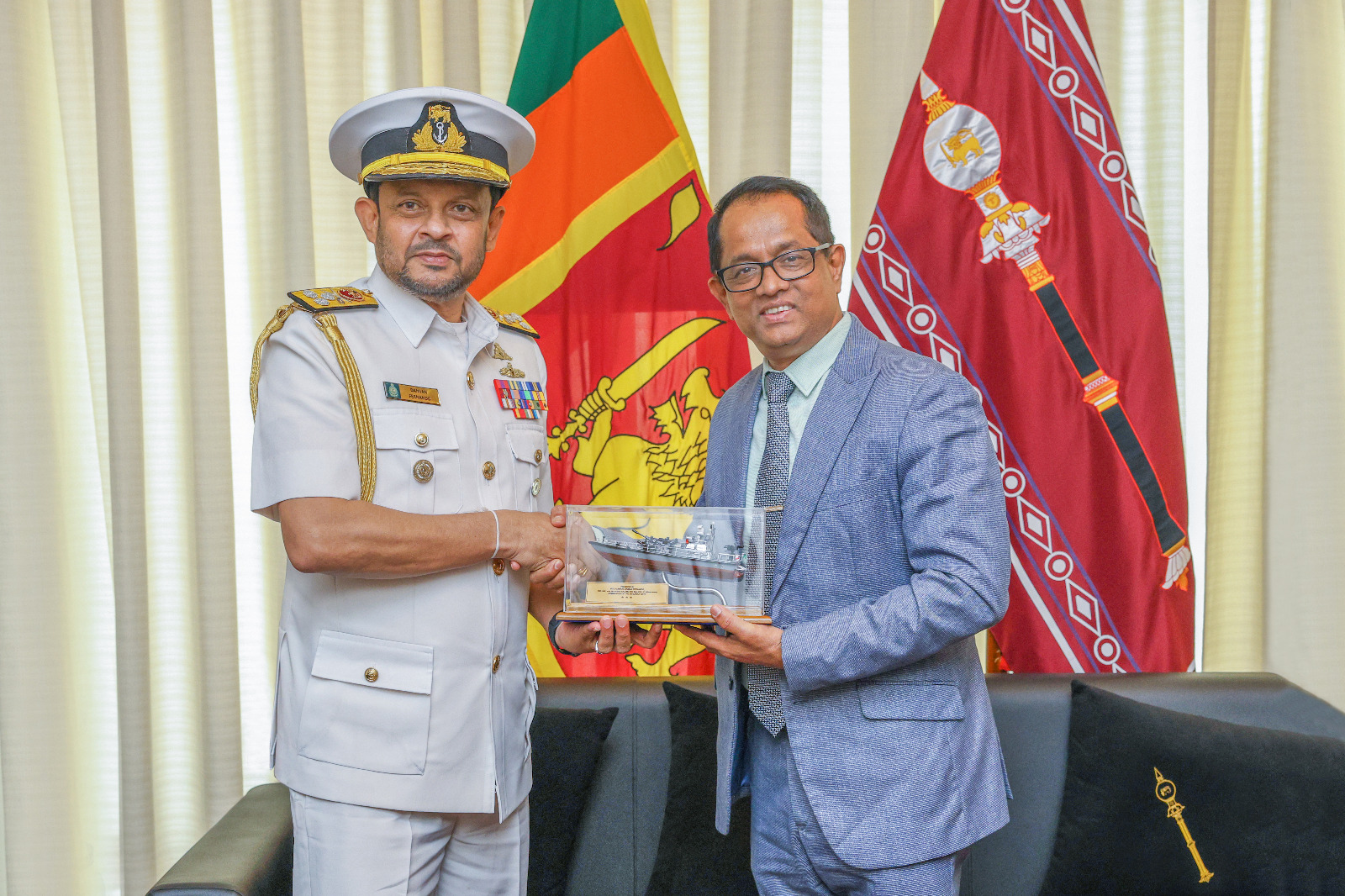
The Commander of the Navy, Vice Admiral Damian Fernando paid a courtesy call on the Speaker of the Parliament, Dr Jagath Wickramaratne at the Office of the Speaker, today (7 July
2026).
The meeting marked the Commander of the Navy’s first official interaction with the Speaker following his assumption of command of the Sri Lanka Navy. During the cordial discussion, they exchanged views on the Navy’s role in matters of national importance.
The formal meeting drew to a close with an exchange of mementoes, signifying the importance of the occasion.
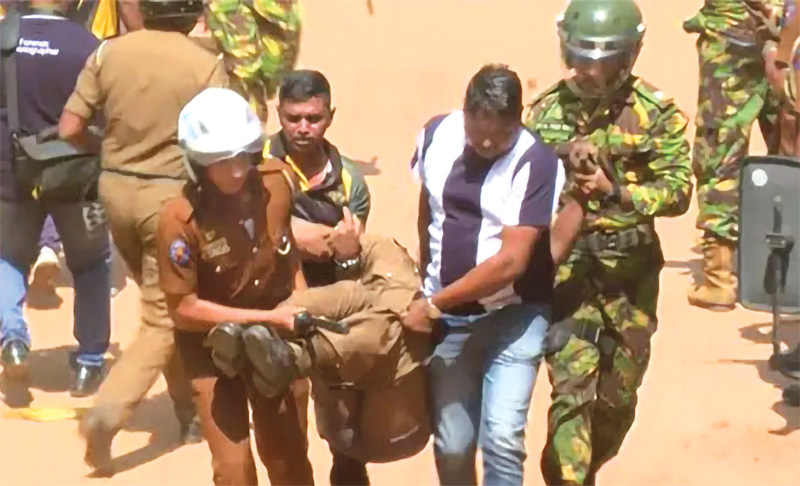
At least 26 people, including five prison officers and 20 inmates, have been confirmed dead following violent unrest at Negombo Prison, hospital sources said yesterday, as authorities struggled to restore full control over the facility.
According to unconfirmed reports the prison officers were killed by rioters yesterday morning, in retaliation, and weapons carried by those officers were grabbed by them.
Negombo General Hospital Director Consultant Dr. Pushpa Gamlath said nearly 100 injured persons had been admitted, following the clashes, and eight of the critically wounded had been transferred to the National Hospital, in Colombo, for further treatment.
The violence, which initially broke out on Sunday (5) between remand prisoners and convicted inmates, left two inmates dead and 38 others injured before being temporarily brought under control.
However, tensions flared again on Monday (6), with prison officials reporting renewed unrest inside the facility despite earlier assurances that the situation had stabilised.
Police said the initial confrontation was triggered by a dispute linked to the exposure of an alleged drug trafficking network, operating within the prison, and was reportedly orchestrated by a drug trafficker, identified as Suresh, who is said to have links to an underworld figure known as ‘Booru Moona’.
The violence rapidly escalated, with female inmates staging a protest on the Prison roof in support of those involved in the clashes, while relatives gathered outside demanding information on detainees. Police later facilitated visits for selected family members to hospitalised inmates.
The Negombo Prison, which houses around 1,800 remand and convicted inmates, descended into widespread disorder as rival groups clashed, with reports indicating that the violence later spread beyond the initial confrontation.
Authorities said rioting inmates had allegedly seized firearms during the renewed unrest on Monday, prompting heightened security measures.
The Sri Lanka Air Force deployed drones for aerial surveillance and a Bell 412 helicopter to monitor the situation, while additional military personnel were sent to reinforce security around the prison.
Prisons Department spokesperson A.C. Gajanayake said a special investigation team had been appointed, under the direction of the Commissioner General of Prisons, to probe the incident, while a separate police investigation is also underway.
Justice Minister Harshana Nanayakkara told The Island that he had called for a detailed report on the disturbances.
By Norman Palihawadane
News
Cleaner, cheaper electricity gathers momentum with rapid progress in 50 MW Mannar wind power project

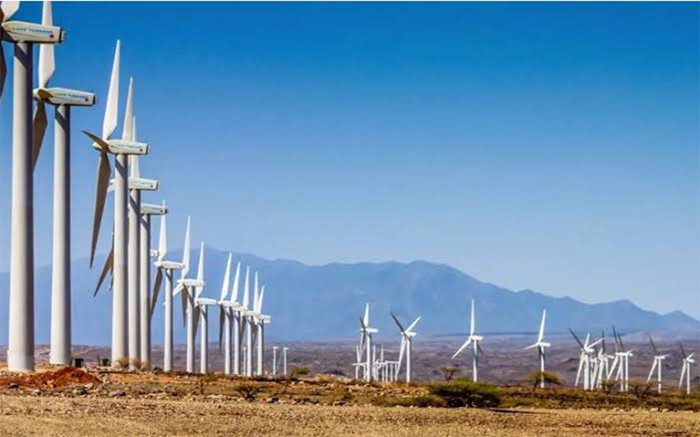
Sri Lanka’s drive towards cleaner and cheaper electricity gathered fresh momentum with the reported rapid progress in the 50 MW Mannar Wind Power Project, which is expected to produce the lowest-cost wind-generated electricity in the country’s history while saving billions of rupees in annual fuel imports.
The Ministry of Energy announced that the first wind turbine for the project had already arrived in the country, while the remaining turbine components have reached the Port of Trincomalee and are currently being unloaded, signalling a major milestone in the construction of one of the country’s key renewable energy ventures.
The project, inaugurated by President Anura Kumara Dissanayake, in January this year, is expected to become a cornerstone of the government’s strategy to transform Sri Lanka’s electricity sector by expanding renewable energy generation and reducing dependence on imported fossil fuels.
According to the Ministry, electricity generated by the Mannar wind farm will be purchased at USD 0.0465 (approximately Rs. 14.37) per unit, making it the lowest tariff ever secured for wind-generated electricity in Sri Lanka.
Energy experts say the competitive tariff demonstrates the growing economic viability of renewable energy and could help stabilise future electricity prices.
The Ministry also estimates that once the wind farm is connected to the national grid, Sri Lanka will save approximately Rs. 4.7 billion annually by reducing the import of fossil fuels required for thermal power generation, easing pressure on the country’s foreign exchange reserves.
The Mannar project is expected to support the government’s ambition of substantially increasing the contribution of renewable energy to the national electricity mix, by 2030, while helping Sri Lanka move towards its long-term goal of achieving net-zero carbon emissions by 2050.
Hayleys Fentons PLC, selected through an international competitive bidding process, is responsible for the installation and maintenance of the wind turbines.
The National System Operator (NSO), operating under the Ministry of Energy, will oversee the integration and management of electricity generated by the project within the national grid.
By Ifham Nizam

Commander of the Navy pays courtesy call on Speaker of the Parliament

Woman suspected of Monaco bomb attack found dead in Ukraine

Balogun reprieve in vain as Belgium beat USA to set up Spain quarterfinal

Trump confirms he asked Fifa to review Balogun ban

Late Spain goal eliminates Portugal, ends Ronaldo’s international career?

Nyamhuri and Ngarava stun Bangladesh by defending 141

‘Dates have the highest sugar content to fight Coronavirus’

Sunday Island 27 December – Headlines

#SundayIsland 17th December – Headlines

Sunday Island – 28th March

Sunday Island Headlines – 21 March

Sunday Island – 21st February – Headlines
-

 News3 days ago
Singapore-based Buddhist monk marks nearly four decades of humanitarian service
-

 News4 days ago
Freedom 250: US Embassy celebrates America’s 250th Independence Day through magic of American cinema
-
 News5 days ago
CIABOC to question Harak Kata on Rs. 200 mn bribery allegation
-
 News5 days ago
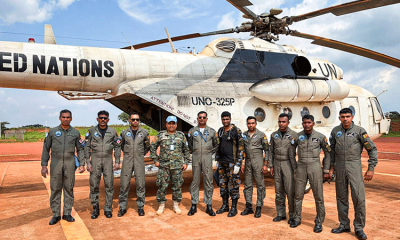
SLAF conducts successful rescue mission under UN command in Central African Republic
-
 Midweek Review7 days ago
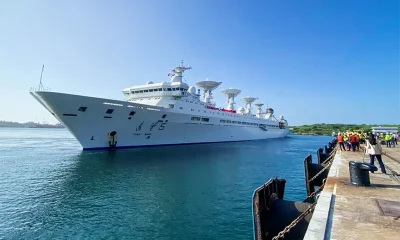
H’tota port’s strategic status remains focal point of geopolitical scrutiny
-

 News2 days ago
AI concerned over proposed SL military deployment in Haiti
-
 News4 days ago
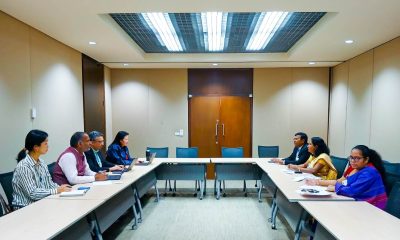
UNEP support pledged to strengthen Sri Lanka’s Environmental Priorities
-

 Features3 days ago
The NPP’s New Challenge: Balancing Easter Lawfare and Economic Welfare