
News
Younger population, early lockdown and general immunity help SA countries keep low Covid-19 mortality rate, says study

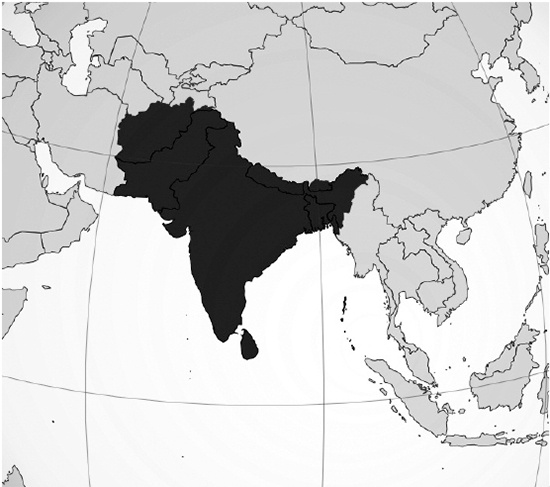
Factors such as a younger population, early lockdown and some level of general immunity may have helped India and other South Asian countries keep the Covid-19 mortality rate down compared to other nations, says a study.
Bengaluru-based epidemiologist Dr Giridhara R Babu and researchers from the Philippines and the US conducted the study, which was recently published in the journal Science Direct.
The South Asian region comprises eight countries — Afghanistan, Bangladesh, Bhutan, India, the Maldives, Nepal, Pakistan and Sri Lanka — and is home to one-fifth of the world’s population. It accounts for 21 per cent of the reported Covid-19 cases in the world and 11 per cent of the deaths. Despite low level of pandemic preparedness, the countries have done well in mounting an appropriate response, the study notes.
“The region has a lower rate and proportion of deaths attributed to Covid-19, despite case surges similar to the rest of the world,” it states.
Initial Covid-19 projections had placed South Asia at a higher risk of suffering more fatalities because of high population density, greater burden of comorbidities, socioeconomic vulnerabilities and poor healthcare infrastructure. A younger population with the average age of 25 may be a factor in the lowerthan-expected mortality rate, the researchers have observed. The relatively late onset of the pandemic in South Asia may have also played a part. “As the number of Covid-related deaths disproportionately affects the older population, these countries might have a unique advantage,” says the study.
Immunity is another aspect. “Possible exposure to other coronaviruses in the past may have helped the population in these countries to develop innate immunity, which could have reduced the severity of the infection. We have listed out hypotheses, but they need to be proved,” said Dr Babu, head of life-course epidemiology at the Public Health Foundation of India (PHFI). The researchers point out that data inaccuracies could have resulted in an underestimation of deaths in South Asia.
The researchers analysed countries’ preparedness using the Global Health Security Index Score. India scored 46.5 out of 100, Bhutan 40.3, Pakistan 35.5, Nepal 35.1, Bangladesh 35, Sri Lanka 33.9, the Maldives 33.8 and Afghanistan 32.3. “Each country had a different preparedness level. They have witnessed a lower mortality rate compared to the UK and the US, which had better preparedness,” Dr Babu told STOI.
The study’s other researchers are: Sonalini Khetrapal from Asian Development Bank, Philippines; Dr K M Venkata Narayan from the Emory University School of Medicine, US; and R Deepa and Daisy A John from PHFI.


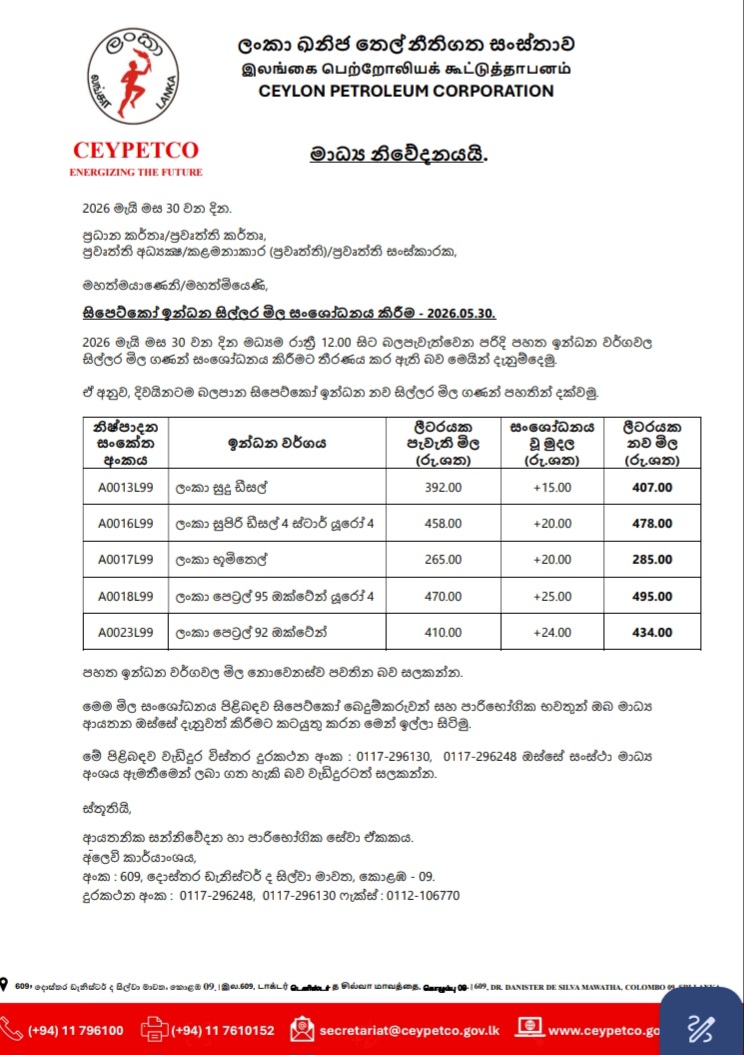
The Ceylon Petroleum Corporation (CEYPETCO) has announced a revision of fuel prices, effective from midnight on Saturday (May 30).
Accordingly,
the price of Auto Diesel has been increased by Rs. 15 to Rs.407 per liter,
the price of Super Diesel has been increased by Rs. 20 to Rs. 478 per liter.
the price of Petrol 92 Octane has been increased by Rs. 24 to Rs. 434 per liter
the price of Petrol 95 Octane up by Rs. 25 to Rs. 495 per liter
the price of kerosene by Rs. 20 to Rs. 285 per liter.

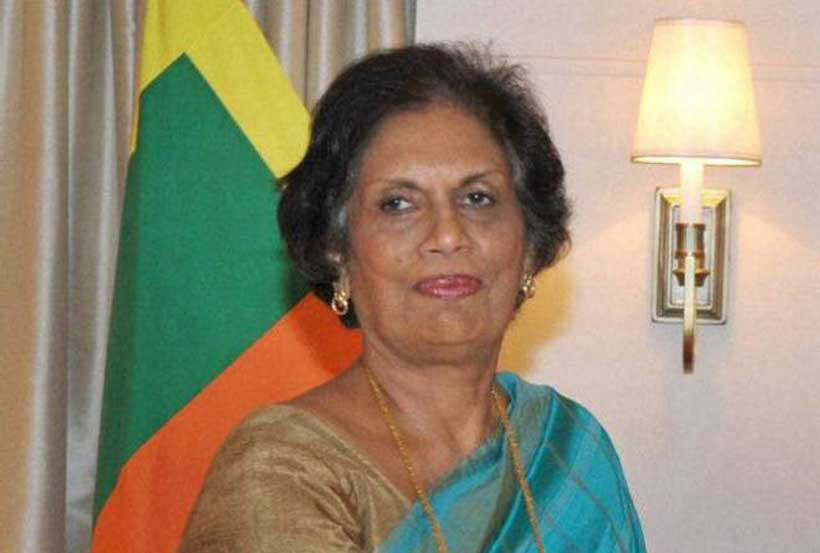
Former President Chandrika Bandaranaike Kumaratunga has called for a comprehensive reform programme within Sri Lanka’s Buddhist clergy, warning that repeated efforts to strengthen the Sasana have in the past been derailed by opposition from within sections of the Sangha itself.
In a statement addressed to the Mahanayake Theras of the three Buddhist chapters, Kumaratunga stressed that the long-term preservation of Buddhism depends on safeguarding both the Dhamma and Vinaya, or disciplinary code, and urged urgent internal reform to address what she described as deep-rooted structural weaknesses.
She noted that Buddhist history has consistently demonstrated that periods of institutional crisis were addressed through reform processes, citing precedents from the First Buddhist Council to reforms during the Kandyan era under Welivita Sri Saranankara Thera.
Referring to post-independence efforts, Kumaratunga said initiatives taken during the 1956 Bandaranaike administration to strengthen Buddhism were left incomplete following the assassination of former Prime Minister S.W.R.D. Bandaranaike.
She further stated that during her own presidency, plans to convene a Buddhist Council under the guidance of the late Madihe Pannasiha Mahanayake Thera had received government backing but were ultimately abandoned due to resistance from certain sections within the clergy.
The former President alleged that, on both occasions, vested interests benefiting from existing weaknesses within the Buddhist establishment had worked to obstruct meaningful reform efforts.
Warning that Buddhism in Sri Lanka is currently facing serious challenges, she called for a broad internal dialogue within the Sangha to identify root causes and implement both short- and long-term corrective measures.
Kumaratunga urged the Mahanayake Theras to take the lead in convening a Dharma Sanghayana, or Buddhist Council, and said she was prepared to work with senior lay Buddhist leaders to support such an initiative.
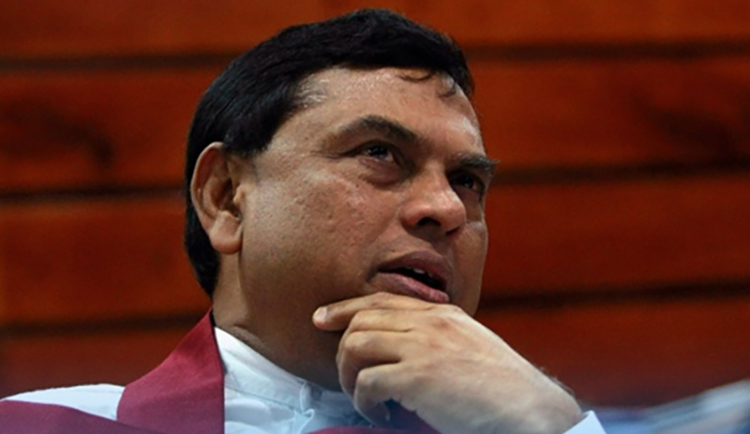
The Colombo Fort Magistrate’s Court on Friday ordered the arrest of former Minister Basil Rajapaksa, Tourism Promotion Bureau Chairman Bhashwara Gunaratne, Managing Director Rumi Jauffer and several others over the alleged misuse of Rs. 7.8 million belonging to the Tourism Promotion Authority during the 2014 Uva Provincial Council election campaign.
Magistrate Pasan Amarasena directed the Criminal Investigation Department (CID) to arrest and produce the suspects before court, after it was informed that they would be named under the Public Property Act on the advice of the Attorney General.
The CID told court that attempts to take the suspects into custody from their residences had been unsuccessful as they were not present.
The Magistrate also imposed an overseas travel ban on the suspects and ordered that the Controller of Immigration and Emigration be notified.
Investigations have reportedly revealed that the funds were used to print 12,000 T-shirts bearing an image of former President Mahinda Rajapaksa on one side and the name of a political party on the other.
According to the CID, the T-shirts were later distributed at a political event held in the Monaragala District.

Minhas’ record-breaking debut sets up handsome Pakistan victory

Showers expected in the Western, Sabaragamuwa and North-western provinces and in Galle, Matara, Kandy and Nuwara-Eliya districts
Fuel prices increased

Sangha reform drives stymied from within: CBK

Court orders arrest of Basil

Dayasiri raises alarm over ‘coal cartel’, flags national security risks

‘Dates have the highest sugar content to fight Coronavirus’

Sunday Island 27 December – Headlines

#SundayIsland 17th December – Headlines

Sunday Island – 28th March

Sunday Island Headlines – 21 March

Sunday Island – 21st February – Headlines
-
 News6 days ago
Police probe underway to ascertain links between criminals deported from UAE and local politicians
-
 News5 days ago
Easter Sunday carnage: Court told Maulana’s statement cannot be accepted without cross-examination
-
 News1 day ago
IMF urges Lanka not to meddle with exchange rate
-
 Opinion5 days ago
Undermining the democratic political framework
-
 News5 days ago
UK passport holder hiding here wants to have deportation order rescinded to leave without blemish
-

 Features2 days ago
The Division Bell Mystery
-
 News6 days ago
Dickoya double murder suspect arrested
-
 Midweek Review4 days ago
Israeli-US aggression won’t go unanswered -Iranian Ambassador