
Latest News
Pant, Hardik, Arshdeep headline India’s warm-up win

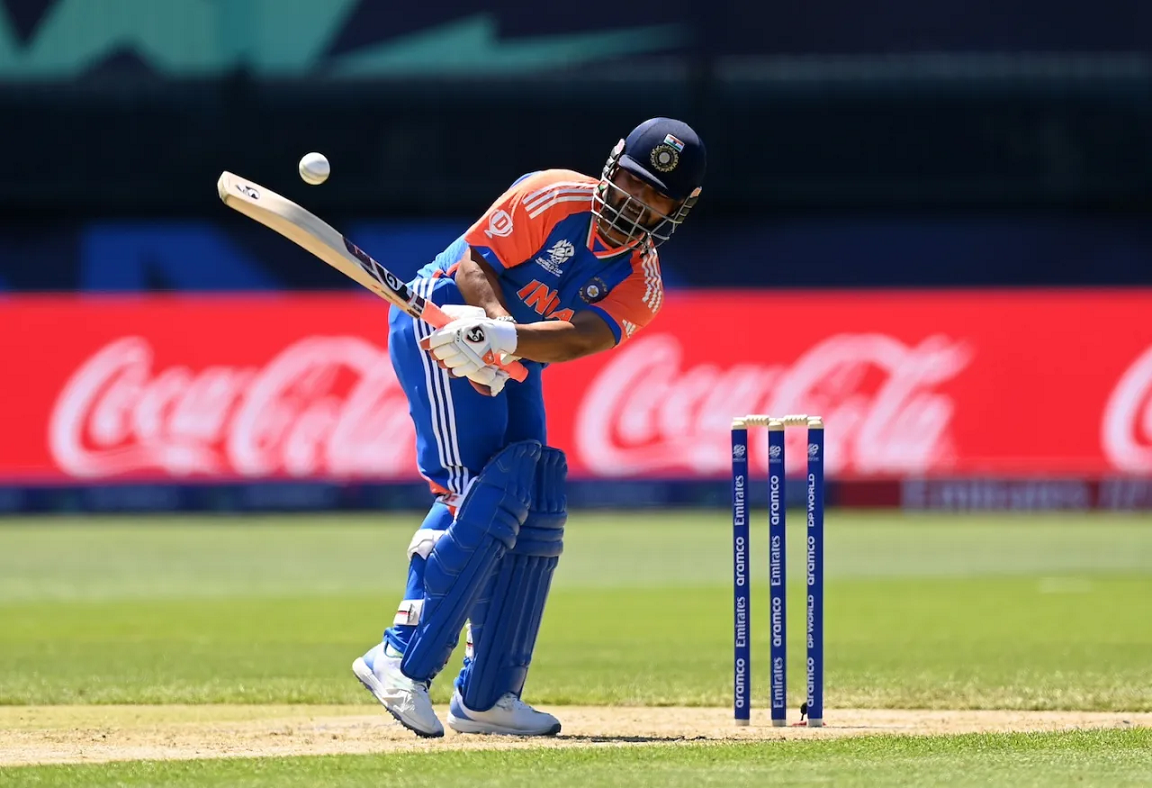
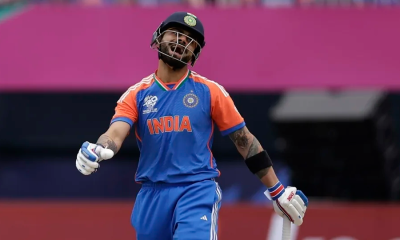
Having endured a difficult IPL season on multiple fronts, Hardik Pandya served up a reminder of his elite all-round skills as India warmed up for the T20 World Cup with a 60-run win over Bangladesh in New York.
Hardik scored an unbeaten 23-ball 40 and took 1 for 10 off his first two overs before conceding 20 in his third. But it was heartening for India to have their main allrounder influence the game as he did, in conditions – the pitch was two-paced and the outfield slow – that helped his bowling but not necessarily his batting. The other headline acts came from Rishabh Pant, who retired out after scoring a breezy 32-ball 53, and Arshdeep Singh, who took two wickets in a spell of incisive new-ball swing.
Virat Kohli only landed in New York on the eve of this match, so it was expected that he wouldn’t play the warm-up fixture. It wasn’t expected, though, that Yashasvi Jaiswal – the other candidate to open alongside Rohit Sharma – didn’t play any part either. India opened, instead, with Rohit and Sanju Samson.
It could have been an audition for first-choice wicketkeeper. On the day, Samson scored 1 off 6, and was lbw in the second over to a Shoriful Islam in-ducker. There seemed to be a chance that this ball may have gone on to miss leg stump, but DRS was not in use so Samson had to go.
Pant replaced Samson, and proceeded to play the most fluent innings of the day. India were 33 for 1 in five overs when he began their acceleration with three sixes off Shakib Al Hasan in the sixth. He hit four fours and four sixes in all, and targeted the area behind the wicket with aplomb, using the reverse-sweep and his trademark no-look scoop over short fine leg to telling effect.
Pant kept wicket too, rather than Samson, and by the end of the day it seemed fairly certain that he would take the big gloves on Wednesday, when India begin their tournament proper against Ireland.
Suryakumar Yadav and Hardik were the other major contributors to India’s total of 182 for 5, scoring a combined 71 off 41, while Shivam Dube, who batted between them at No. 5, struggled with the conditions. Dube swung at the spinners repeatedly, but only made one true connection, a massive six over wide long-off, while scoring 14 off 16.
Then, having only bowled just the one over in 14 games during the IPL, he proceeded to bowl three here and pick up two wickets, though Bangladesh were already 42 for 5 when he came on.
Ravindra Jadeja batted at No. 7, but Axar Patel, India’s other left-arm fingerspinner, bowled before him and picked up a wicket. It remains to be seen which of the two feature in India’s first XI, or if they go with both and leave out the wristspinner Kuldeep Yadav.
India play three of their four group-stage games in New York, and if conditions remain broadly similar, they may be able to get quite a bit of bowling out of their four allrounders – Hardik, Jadeja, Axar and Dube.
Jasprit Bumrah is the first name on the bowling end of India’s team sheet, but who partners him with the new ball? On this day, Arshdeep made a serious case for himself, swinging the new ball prodigiously and getting Soumya Sarkar and Litton Das out in Test-match manner.
Mohammed Siraj was excellent too, getting the ball to behave awkwardly from a hard length, and dismissing Bangladesh captain Najmul Hossain Shanto with one such delivery that cramped him for room. On the evidence of their displays here, India will have a hard task picking just one of these two, assuming they go with two frontline quicks and Hardik as the third seamer.
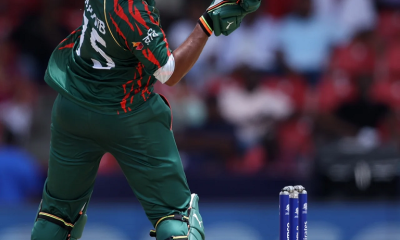
For Bangladesh, who came into this match on the back of a shock series defeat to USA, the result reinforced major worries going into the World Cup, chiefly their long-standing lack of power-hitting. India hit ten sixes in their 20 overs, and Bangladesh just one. Of the four batters who faced at least 10 balls in their chase of 183, only one – Mahmudullah, who top-scored with a 28-ball 40 – went at above a run a ball.
Mahmudullah also bowled two tidy overs and dismissed Rohit, and took the catch of the day to send back Dube, sprinting to his right from long-on and juggling the ball expertly while stepping out of and then back into the field of play. All in all, it was a good day for the 38-year-old.
Bangladesh suffered an injury scare when left-arm quick Shoriful left the field five balls into India’s final over when he attempted to stop a straight hit from Hardik and took a painful hit to his left hand. The extent of his injury wasn’t clear by the time the game ended.
The margin of India’s victory, however, may have been inflated by the resources available to the two teams. India’s quicks did the bulk of their early damage, picking up four wickets between them to reduce Bangladesh to 41 for 5. Bangladesh, however, only bowled five overs of genuine pace – and one of gentle medium-pace from Soumya Sarkar. This was because they rested both Taskin Ahmed and Mustafizur Rahman, both of whom could have caused India problems on this pitch.
Brief scores:
India 182/5 in 20 overs (Rohit Sharma 23, Rishabh Pant 53, Suryakumar Yadav 31, Hardik Pandya 40*; Mahedi Hassan 1-22, Shoriful Islam 1-26, M Mahmudullah 1-16, Tanvir Islam 1-29) beat Bangladesh 122/ 9 in 20 overs (Shakib Al Hassan 28, Mahmudullah 40; Arshdeep Singh 2-12, Jasprit Bumrah 1-12, Mohammed Siraj 1-17, Hardik Pandya 1-30, Axar Patel 1-10, Shivam Dube 2-13) by 60 runs
(Cricinfo)








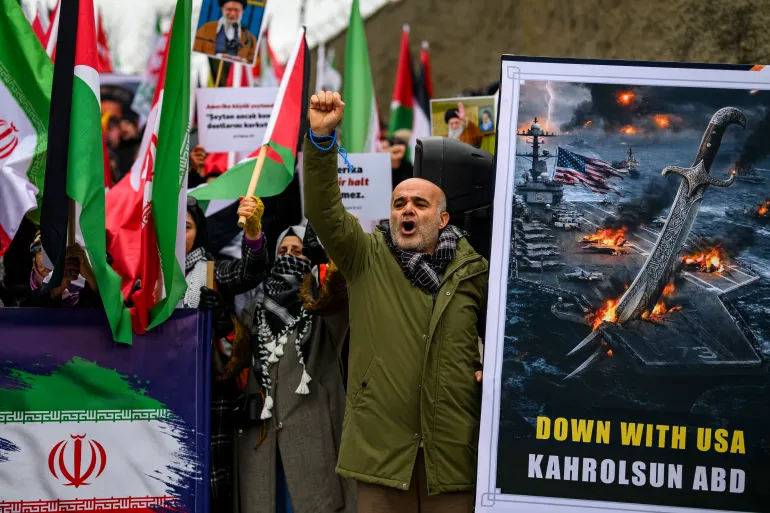
United States President Donald Trump has confirmed that talks with Iran are continuing to try to de-escalate tensions in the Gulf, even as the US military announced shooting down an Iranian drone that approached its aircraft carrier in the Arabian Sea.
Trump told reporters at the White House on Tuesday that Washington was negotiating with Iran “right now”, but declined to say where the talks were taking place.
“[The talks] are all over. But they are negotiating. They’d like to do something, and we’ll see if something is going to be done,” he said.
“They had a chance to do something a while ago, and it didn’t work out. And we did ‘Midnight Hammer’, I don’t think they want that happening again,” he added, referring to the operation last June in which the US Air Force and Navy struck three Iranian nuclear facilities.
Trump, who has been pushing Teheran to agree to talks over its nuclear programme, has repeatedly threatened to attack the country again over a recent crackdown on antigovernment protests. The US president sent the USS Abraham Lincoln to the Gulf last week, leading to fears of a possible military confrontation.
The carrier strike group, which brought roughly 5,700 additional US troops, joined three destroyers and three littoral combat ships that were already in the region.
Tensions have been easing in recent days amid a push by regional powers for a resolution.
Iranian President Masoud Pezeshkian said earlier on Tuesday that he had instructed the country’s foreign minister to “pursue fair and equitable negotiations, guided by the principles of dignity, prudence, and expediency”, provided that a “suitable environment exists”.
“These negotiations shall be conducted within the framework of our national interests,” Pezeshkian added
[Aljazeera]
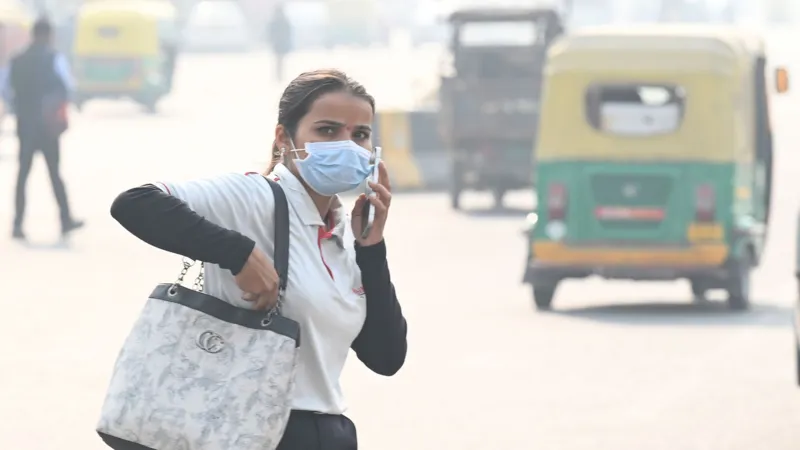
Seven million people’s cancer could be prevented each year, according to the first global analysis.
A report by World Health Organization (WHO) scientists estimates 37% of cancers are caused by infections, lifestyle choices and environmental pollutants that could be avoided.
This includes cervical cancers caused by human papilloma virus (HPV) infections which vaccination can help prevent, as well as a host of tumours caused by tobacco smoke from cigarettes.
The researchers said their report showed there is a “powerful opportunity” to transform the lives of millions of people.
Some cancers are inevitable – either because of damage we unavoidably build up in our DNA as we age or because we inherit genes that put us at greater risk of the disease.
But researcher Dr Isabelle Soerjomataram said “people are surprised to hear” that nearly four in 10 cancers can be prevented as it is “a substantial number”.
The International Agency for Research on Cancer, part of the WHO, analysed 30 preventable factors known to increase the risk of cancer.
These include smoking and ultraviolet (UV) radiation which can directly damage our DNA; obesity and too little physical activity which alter inflammation and hormones in the body to raise cancer risk; and air pollution which can wake up dormant cancer cells.
The agency’s report also looked at nine cancer-causing infections including HPV, hepatitis viruses which lead to liver cancer and the stomach bug H. pylori.
The team used data on cancer cases from 2022 and from the 30 risk factors a decade earlier – across 185 countries – to perform their statistical analysis.
The big three contributors to more than 18 million cancer cases around the world were found to be:
- smoking tobacco which caused 3.3 million cancers
- infections causing 2.3 million cancers
- alcohol use leading to 700,000 cancers

However, the overall figures mask a nuanced picture of cancer risk around the world.
There is a stark sex-divide with 45% of men’s cancers being preventable compared with 30% in women, partly down to higher levels of smoking among men.
In women living in Europe, the top three preventable causes of cancer are smoking, closely followed by infection and then obesity.
While in sub-Saharan Africa, infections dominate and account for nearly 80% of preventable cancers in women.
This means any measures to tackle these cancers would need to be tailored to each region or country.
“This landmark study is a comprehensive assessment of preventable cancer worldwide, incorporating for the first time infectious causes of cancer alongside behavioural, environmental, and occupational risks,” said Soerjomataram, the deputy head of the IARC Cancer Surveillance Unit.
“Addressing these preventable causes represents one of the most powerful opportunities to reduce the global cancer burden.”
The report, published in the journal Nature Medicine, showed lung cancer (linked to smoking and air pollution) stomach cancer (linked to H. pylori infection) and cervical cancer (linked to HPV infection) made up nearly half of all preventable cases of cancer.
Dr Andre Ilbawi, team lead for cancer control at WHO, said the study was “good news” as it showed something could be done and he pointed to the success of countries that have introduced policies to tackle smoking or vaccinate against HPV.
“The percentage of preventable cancers can change over time and our goal is to get it as close to zero as possible,” he said.
[BBC]

BCB receives investigation report on sexual misconduct allegation

Trump confirms talks with Iran as US military shoots down Iranian drone

Shower will occur in the Northern, North-central, Eastern and Uva provinces and in Nuwara-Eliya and Matale districts

House erupts over suspension of Deputy Secretary General

78th Independence Day celebrations at Bogambara Stadium

Colombo-Kandy railway line to be fully restored this year – Minister Bimal

‘Dates have the highest sugar content to fight Coronavirus’

Sunday Island 27 December – Headlines

#SundayIsland 17th December – Headlines

Sunday Island – 28th March

Sunday Island Headlines – 21 March

Sunday Island – 21st February – Headlines
-

 Opinion6 days ago
Sri Lanka, the Stars,and statesmen
-
 Business7 days ago
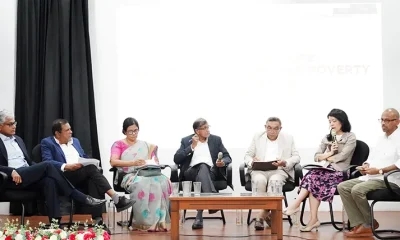
Climate risks, poverty, and recovery financing in focus at CEPA policy panel
-

 Business5 days ago
Hayleys Mobility ushering in a new era of premium sustainable mobility
-

 Business2 days ago
SLIM-Kantar People’s Awards 2026 to recognise Sri Lanka’s most trusted brands and personalities
-

 Business5 days ago
Advice Lab unveils new 13,000+ sqft office, marking major expansion in financial services BPO to Australia
-

 Business5 days ago
Arpico NextGen Mattress gains recognition for innovation
-

 Business4 days ago
Altair issues over 100+ title deeds post ownership change
-

 Business4 days ago
Sri Lanka opens first country pavilion at London exhibition