
News
STF to catch man trying to sell 11 ‘elephant pearls’ and silver receptacle at Batticaloa

By Norman Palihawadane
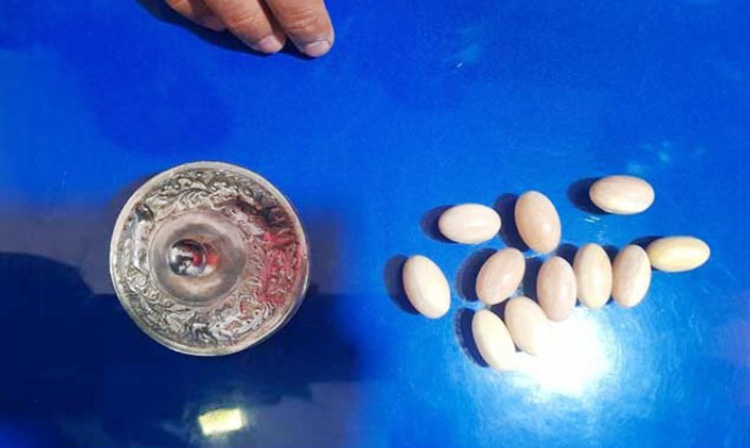
The STF nabbed a person who was trying to sell eleven ‘elephant pearls’ (gaja muthu) and a silver receptacle at Batticaloa on Monday, police said yesterday.
The suspect was taken into custody during a raid conducted on a tip-off received by the STF Camp in Kalmunai. The STF immediately raided the suspect’s house at Puliyanthivu Gandhi Children’s Park in Batticaloa.
The suspect is a 30-year-old resident of Chenkaladi.
The suspect and the contraband were handed over to the Batticaloa Police for further investigations.

Latest News
New Sasakawa Memorial Sri Lanka–Japan Cultural Centre reflects enduring friendship between Sri Lanka and Japan – PM

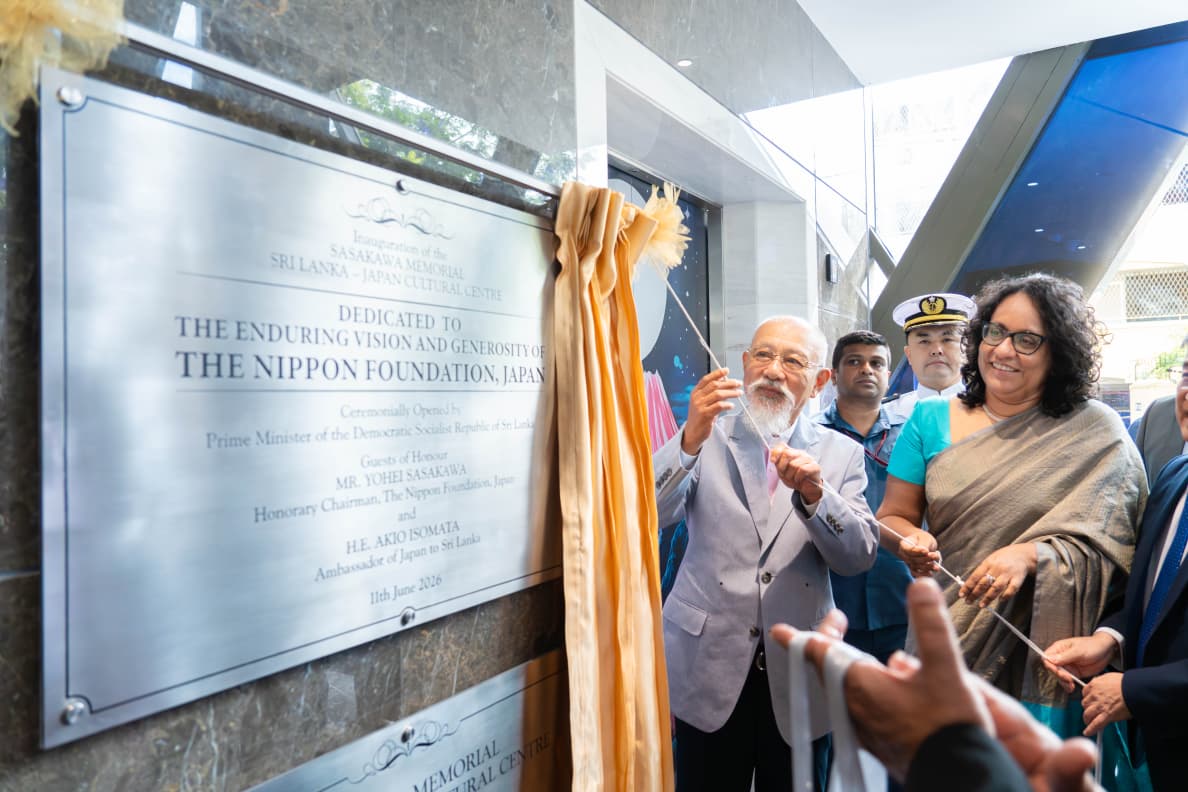
Prime Minister Dr. Harini Amarasuriya participated at the ceremonial opening of the new Sasakawa Memorial Sri Lanka–Japan Cultural Centre today [11th of June 2026].
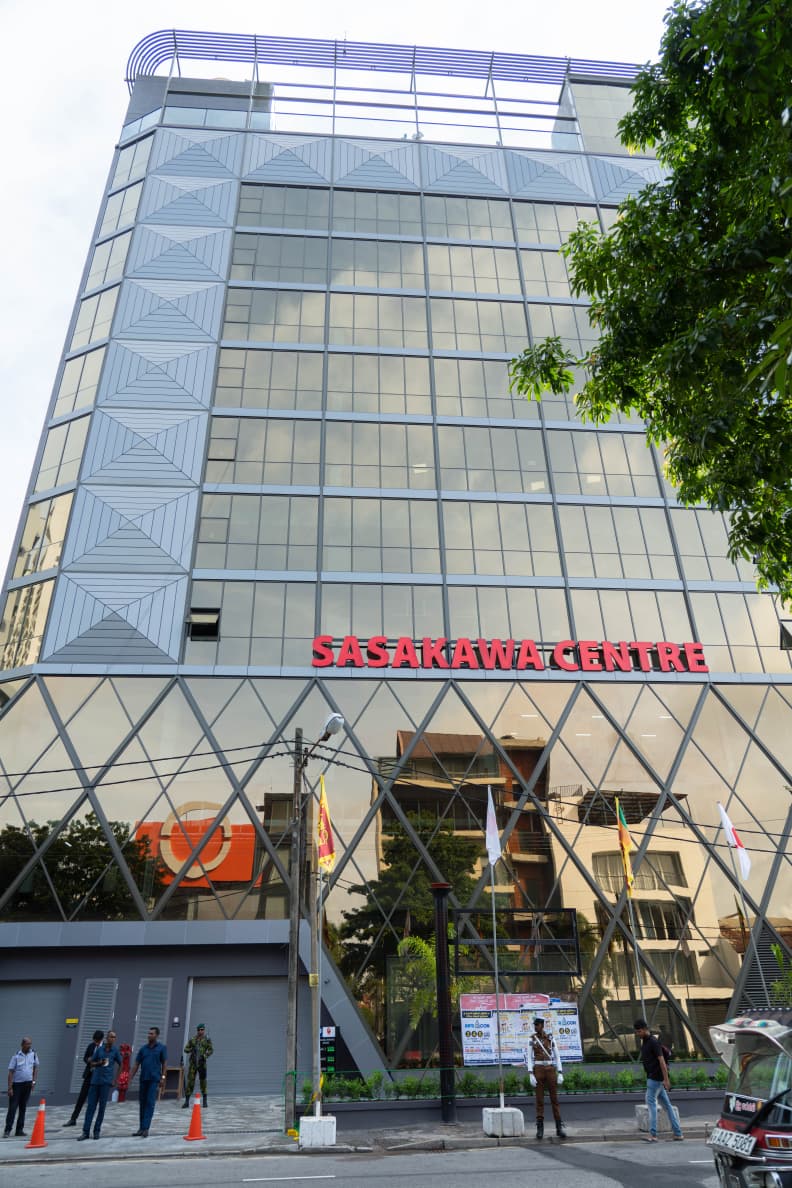
The cultural centre, commissioned by the Sasakawa Memorial Sri Lanka–Japan Cultural Centre Trust and situated at No. 85, Ward Place, Colombo 07, is a landmark development designed to promote cultural exchange, education, professional training and bilateral cooperation between Sri Lanka and Japan.
The New Sasakawa Centre was ceremonially opened by the Ambassador of Japan to Sri Lanka Akio ISOMATA, Minister of Fisheries, Aquatic and Ocean Resources, Ramalingam Chandrasekar, Minister of Buddhasasana, Religious and Cultural Affairs, Hiniduma Sunil Senevi, Yohei SASAKAWA, Chairman of The Nippon Foundation, Japan, Premalal Fernando, Chairman, Sasakawa Centre Trust. The Prime Minister unveiled the inaugural plaque.
Following the occasion Memorandum of Understanding was signed between the Ministry of Defence and Sasakawa Peace Foundation in the presence of Prime Minister Dr. Harini Amarasuriya and Yohei SASAKAWA, Honorary Chairman.
Addressing the occasion, Prime Minister Dr. Harini Amarasuriya stated, that the friendship between Sri Lanka and Japan is enriched by a long history of cultural and spiritual connections and that the societies are connected through a deep appreciation of nature, culture, learning, and community.
Highlighting the longstanding contribution of the Sasakawa Centre, the Prime Minister stated that it has played an invaluable role in promoting Japanese language education and strengthening mutual understanding between the people of Sri Lanka and Japan. She expressed confidence that the new Centre would emerge as a dynamic platform for cultural exchange, educational cooperation, and meaningful people-to-people engagement.
The Prime Minister stated that, at a time of increasing global uncertainty, partnerships based on mutual respect, shared values, and a commitment to peace are more important than ever. She reaffirmed that Sri Lanka and Japan remain committed to dialogue, international cooperation, and s rules-based international order that promotes peace, prosperity, and human dignity.
The occasion was attended by the Ambassador of Japan to Sri Lanka Akio ISOMATA, Minister of Fisheries, Aquatic and Ocean Resources, Ramalingam Chandrasekar, Minister of Buddhasasana, Religious and Cultural Affairs, Hiniduma Sunil Senevi, Yohei SASAKAWA, Chairman, The Nippon Foundation, Japan, Premalal Fernando, Chairman, Sasakawa Centre Trust and Diplomatic core, distinguished guests.

[Prime Minister’s Media Division]
Easter Sunday carnage:
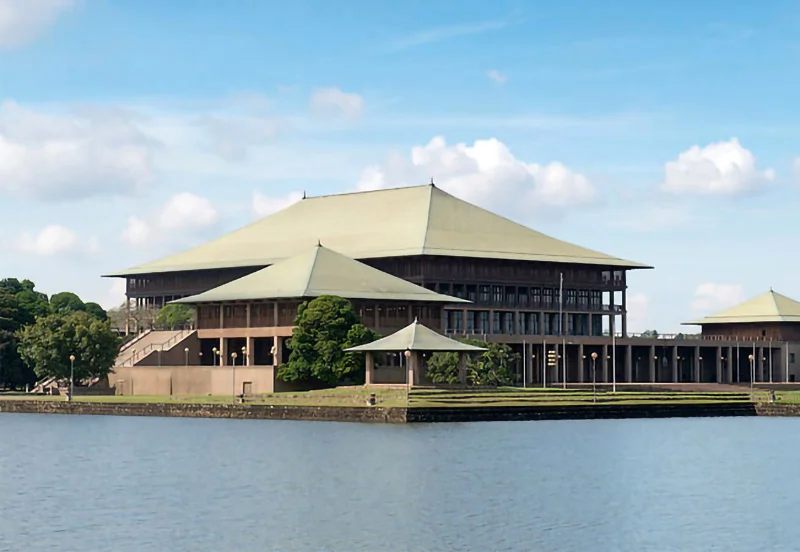
Investigations into the 2019 Easter Sunday terror attacks will not be halted due to protests, demonstrations or Satyagraha campaigns, Minister of Public Security Ananda Wijepala told Parliament yesterday (10), while alleging that investigators had gathered sufficient evidence to establish the involvement of former State Intelligence Service (SIS) Director, retired Major General Suresh Sallay, in a conspiracy linked to the attacks.
Making a special ministerial statement in the House, the Minister said that evidence uncovered during ongoing investigations indicated that Sallay had prior knowledge of the planned attacks and related extremist activities before the coordinated bombings that claimed more than 270 lives and injured hundreds of others, on April 21, 2019.
Wijepala claimed that three weeks before the attacks, Sallay had deployed four Muslim individuals to gather intelligence, including information on the number of worshippers attending mass at a church in Negombo.
According to the Minister, the principal individual among the four had been identified by witnesses to the CID as an ISIS extremist and had subsequently gone missing following the Easter Sunday attacks.
“There is evidence suggesting that Major General Sallay met the informant who had tipped off Army Intelligence regarding the attacks at a hotel in Colombo,” Wijepala said.
The Minister maintained that investigators had uncovered evidence indicating that Sallay had taken steps to prevent the disclosure of information that could have revealed crucial details relating to the attacks and the events leading up to them.
Referring to allegations that Sallay had been subjected to inhumane treatment while in custody, Wijepala rejected such claims, describing them as false and misleading.
He told Parliament that the former intelligence chief had been afforded all facilities and privileges due to a primary suspect under the law, including unrestricted access to legal counsel.
“The Magistrate personally visited Sallay to ascertain his health and wellbeing. At no stage did he complained of any inhumane treatment. Neither has he lodged complaints with any other relevant authority in that regard,” the Minister said.
Wijepala also disclosed that Sallay had thus far declined to provide investigators with the passwords to his laptop computer and mobile phone, a move he described as an attempt to obstruct the investigative process.
“He is acting in a manner that hinders the progress of investigations,” the Minister alleged.
The Public Security Minister maintained that the government remained committed to uncovering the full truth behind the Easter Sunday attacks and bringing all those responsible before the law, irrespective of their status or position.
Emphasising that the investigation would continue without interference, Wijepala said attempts to exert pressure through public protests or Satyagraha campaigns would not influence the course of the inquiry.
“The investigations into the Easter Sunday attacks will not be halted by any protests or Satyagraha,” he said.
By Saman Indrajith

A total of 267,138 children dropped out of the school system between 2018 and 2024, Prime Minister and Minister of Education Dr. Harini Amarasuriya informed Parliament yesterday (10).
Responding to a question raised by SJB Ratnapura District SJB MP Hesha Withanage, the Prime Minister said that the government did not possess definitive data on school dropouts from 2010 to the early part of 2017.
She explained that the figures for the period from 2018 to 2024 had been derived from annual school census reports using an internationally recognised methodology that takes into account student enrolment figures and dropout rates from Grade One to Grade Ten.
According to the statistics presented to Parliament, 38,839 students dropped out of school in 2018,
while the figure increased to 41,503 in 2019. In 2020, the number stood at 32,540 before declining further to 25,492 in 2021.
However, a sharp increase was recorded in 2022, when 52,596 students were identified as having left the school system. The figure remained high in 2023 at 50,345 before declining to 25,823 in 2024.
The Prime Minister cautioned that the figures did not necessarily indicate that all students classified as dropouts had completely discontinued their education.
She noted that some students may have transferred to schools in other provinces, enrolled in international schools, or migrated overseas with their families while continuing their studies.
Dr. Amarasuriya said that such cases could not be separately identified under the methodology used to compile the statistics and were, therefore, included in the overall dropout figures.
Addressing the causes of school dropouts, the Prime Minister said a range of factors contributed to students leaving the formal education system.
These included personal circumstances, school-related issues, family and economic difficulties, social influences, as well as students opting for alternative educational pathways and training opportunities, she said.
By Saman Indrajith

New Sasakawa Memorial Sri Lanka–Japan Cultural Centre reflects enduring friendship between Sri Lanka and Japan – PM

Ja’Kobe Tharp breaks world 110m hurdles record in Eugene

Canada introduces bill to ban social media for children under 16

Lutkenhaus, 17, upsets Olympic champion Wanyonyi in Oslo

An Everest guide’s miraculous survival raises questions for tourism industry

Whale graveyard dating back five million years discovered

‘Dates have the highest sugar content to fight Coronavirus’

Sunday Island 27 December – Headlines

#SundayIsland 17th December – Headlines

Sunday Island – 28th March

Sunday Island Headlines – 21 March

Sunday Island – 21st February – Headlines
-
 Features6 days ago
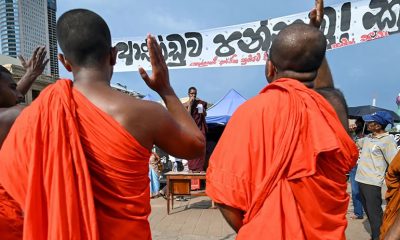
Power crept into the Sangha and is now tearing it apart
-

 Features6 days ago
Kondachchi wind farm and battery storage project to boost energy security, says Power Ministry Secretary
-

 News4 days ago
Women’s T20 World Cup 2026 warm-up: Chamari Athapaththu’s 94 helps Sri Lanka beat Pakistan
-
 Features6 days ago
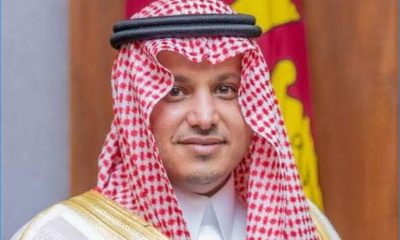
Saudi Arabia sets new benchmark in Hajj management as 1.7 million pilgrims complete sacred journey
-

 News5 days ago
Asst. Manager, security officer arrested over Rs 30 mn snatch at Horana PB branch
-

 Editorial3 days ago
Probe Sallay’s complaint
-

 News4 days ago
Lankan-Canadian inducted to Toronto Sports Hall of Fame
-
 News1 day ago
Local firms move millions of dollars overseas for phantom imports: Govt.