
Features
The inexplicable rise of kidney disease in Sri Lanka’s farming communities

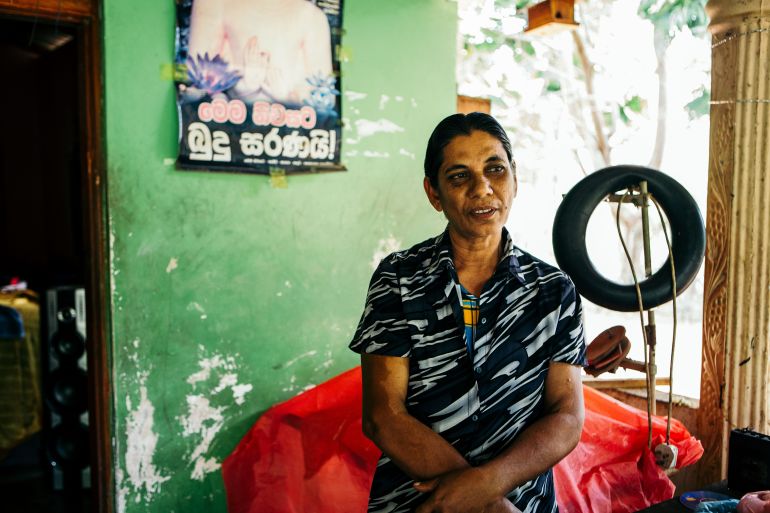
In the sleepy, verdant village of Ambagaswewa, in the Polonnaruwa district of Sri Lanka’s North Central province, 63-year-old TMH Gamini Sunil Thennakoon’s life is peaceful for the most part. On the brink of retirement, he still spends most days out working his rice paddies but is also content spending his days playing with his grandchildren and chatting with his wife and two daughters. Since boyhood, Thennakoon has farmed rice here across 2 hectares (20,000sqm). A majority-farming nation, agriculture plays a central role in Sri Lanka’s economy and constitutes 21.7 percent of total exports.
But for more than seven years, Thennakoon has been coping with unexplained kidney problems. The symptoms of his condition – abdominal and back pain – are not bad enough to require dialysis yet, but he does take tablets to keep the pain under control.
“I’m not sure what caused the issue, because the rest of my family seems fine,” he says calmly, his granddaughter straddling his lap. She reaches over to swipe at one of the puppies roaming the front porch of their home, where we’re sitting. Ambagaswewa, proliferated by rice paddies, is otherwise a jungle – birdsong twangs through the already humid morning air, luscious vines and creepers on the verge of overtaking farmers’ homes. It’s a peaceful place.
Every month, Thennakoon makes a round trip of more than 30km to a local government hospital for a check-up; during these trips, he has to hire labourers to work in the rice paddies and cover his absence.
 Rice farmer Gamini Sunil Thennakoon, 63, pictured with his granddaughter, suffers from unexplained kidney disease [Al Jazeera]
Thennakoon is not the only one who has been affected in this way, here.
U Subasinha, a 60-year-old former rice farmer, is one of his neighbours. He has had a particularly hard life. One of his three children has been disabled since birth and, now aged 23, cannot walk. Seventeen years ago, Subasinha’s wife, Kamalavathi, now 54, started experiencing pain and was eventually diagnosed with chronic kidney disease.
Subasinha himself has suffered from acute kidney failure for the past eight years. He is so frail that he can barely leave his cramped, hot bedroom most days, let alone work. But for the past seven years, he’s been going for dialysis four times a week at a government hospital, more than 25km away.
He has to find the money for the medicine he needs (16,000 rupees or $54) a month for himself and Kamalavathi), and for the hefty transportation costs – upwards of $16 for the round trip of a bumpy, 45-minute tuk-tuk ride each way to the hospital in Polonnaruwa.
None of this is covered by any sort of government-provided healthcare. It’s a huge sum for a household without an income.
The couple says they have no idea what made them sick and they seem surprised at the question. “No one has ever come to ask us this before,” says Kamalavathi.
The rise of kidney disease ‘hotspots’
According to statistics from the National Kidney Foundation in the United States, 10 percent of the world’s population is affected by chronic kidney disease and it is the 12th most common cause of death. Millions die annually due to a lack of access to affordable treatment.
Furthermore, according to an analysis by the Global Burden of Disease Study in 2019, chronic kidney disease (CKD) has increased by 40 percent over the past 30 years and is one of the fastest-rising major causes of death. Common precursors to CKD include diabetes and hypertension – diseases increasingly endemic to urbanising populations.
But across rural Sri Lanka, there’s a relatively new phenomenon; “chronic kidney disease of unknown aetiology (cause)” (CKDu). A flurry of scientific research studies has provided no concrete reason as to why as many as 22.9 percent of residents in several “hotspot” areas in the north-central districts of Polonnaruwa and Anuradhapura, plus some neighbouring districts, are suffering from acute kidney damage or failure.
On a national level, 10 to 15 percent of Sri Lankans are impacted by kidney diseases, according to Nishad Jayasundara, who is from a farming community in Sri Lanka and now works as an environmental toxicologist at Duke University in Durham, North Carolina, US, and specifically researches the causes of CKDu.
“The disease disproportionately impacts farming communities,” he tells Al Jazeera. “The current estimates indicate that more than 20,000 people [in Sri Lanka] are at end-stage kidney failure, with no alternatives left, while 6 to 10 percent of the population in impacted communities are diagnosed with CDKu.”
Indeed, research published by the US government’s National Library of Medicine in 2016 states: “Geographical mapping indicates a relationship between CKDu and agricultural irrigation water sources in Sri Lanka”

A lack of early symptoms
While CKD has identifiable symptoms, such as weight loss and poor appetite, swollen ankles or hands, shortness of breath and itchy skin, early on, CKDu is asymptomatic until the latter stages of the disease, so early detection is nearly impossible, say doctors. By the time a patient receives a diagnosis, the disease is usually untreatable.
Even when symptoms do appear, they usually include back pain, swelling in the arms and legs and “body aches”, not uncommon for farmers and fishermen used to hard manual labour.
Dr S B A M Mujahith is a nephrologist – a doctor who specialises in treating kidney diseases – at Batticaloa Teaching Hospital on Sri Lanka’s eastern coast. He grew up just 50km down the coast from Batticaloa in the town of Nintavur and this played an important role in his career choice: “It was a community investment,” he tells Al Jazeera.
CKDu was first identified as an issue in Sri Lanka in the 1990s. There’s a geographical link, says Mujahith – some parts of the eastern and north-central provinces seemed especially hard hit. Many, like himself, wanted to investigate further and identify the causes.
A World Health Organisation (WHO) team even came to investigate the causes of CKDu in the 2010s, but ultimately the study was inconclusive.

Mujahith likes to use the term “chronic interstitial nephritis in agricultural communities” (CINAC) since the disease is rather specific to the nation’s agricultural workers. It affects mainly men – most patients live and work in poor agricultural communities and may be exposed to toxic agro-chemicals through work, inhalation, and ingesting contaminated water and food, explains Mujahith.
Sri Lanka, a small tropical nation with a population of about 22 million people, is undergoing the fifth year of the worst economic crisis in its history. The result has been limited access to medicine and food which hinders treatment and management of the disease, particularly in remote and under-served places such as Ambagaswewa.
‘Education is key’
Jayasundara, who grew up in a farming village in southern Sri Lanka, is currently working to isolate the factors of CKDu in his research, which examines phenomena such as how agrochemical concentration increases during drought (due to evaporation), or how the economic decline has affected the rest of the country.
Chronic disease in one specific organ of the body – in this case, the kidneys – can be a telltale sign of environmental harm, he says. “Sri Lanka serves as a clear example of how environmental change leads to so many downstream effects that affect people’s lives.”

The confounding cause of CKDu means it’s difficult to prescribe solutions for villagers, although those with the means are switching from drinking groundwater to filtered water.
Filtered water is not an option for many, however.
“If you’re choosing between food and sending your kids to school, you’re not going to be spending money on filtered drinking water,” says Sumuthuni Sivanandarajah, a marine biologist working at Blue Resources Trust, a marine research and consultancy organisation based in Sri Lanka.
Her work focuses on the self-employed fishing communities along the coasts of Sri Lanka, among whom kidney disease is also on the rise.
Sameera Gunasekara is a research scientist at Theme Institute in Sri Lanka exploring how climate change and diverse environmental exposures affect public health – specifically kidney diseases.
He agrees that the economic crisis has made it harder for people in remote farming and fishing communities to buy water filters. “People know, are conscious that clean water helps,” he explains. “But there’s some misunderstanding. [People] think that chlorinated water, or boiling, will help. That does with bacteria, but not the removal of hazardous materials.” The need for more education in these underserved regions is key, says Gunasekara.

Across the afflicted north-central farming provinces, Gunasekara is working to help educate the local population on reducing agrochemical usage, not staying in the sun for a long time, and preventing dehydration.
“Farming and fishing people have a stereotype, they are hard groups to convince,” the researcher continues. To begin with, biomarkers for the initial stages of the disease – back pain and leg swelling – are very subtle; not everyone experiences them. But even those who do experience them may not pay them heed.
“They just take a painkiller and get back to the field – they tend to suffer for a long time without doing proper [kidney] screening.” For many of these households, says Gunasekara, since the father is the only person earning money, the whole family collapses when he falls ill.
An economic crisis and chronic dehydration
Batticaloa on Sri Lanka’s east coast, known for both its aquaculture and agricultural activities, in the form of shrimp farms and rice and fish processing facilities, was the site of a brutal massacre during the nation’s relatively recent, long running civil war between the Sinhalese and Tamils. It is also one of the hotspots identified for the prevalence of CKDu, he says.
The civil war was an ethnic conflict that lasted for 26 years, ending in 2009 after killing more than 100,000 civilians and 50,000 soldiers from both the Tamil and Sinhalese sides.
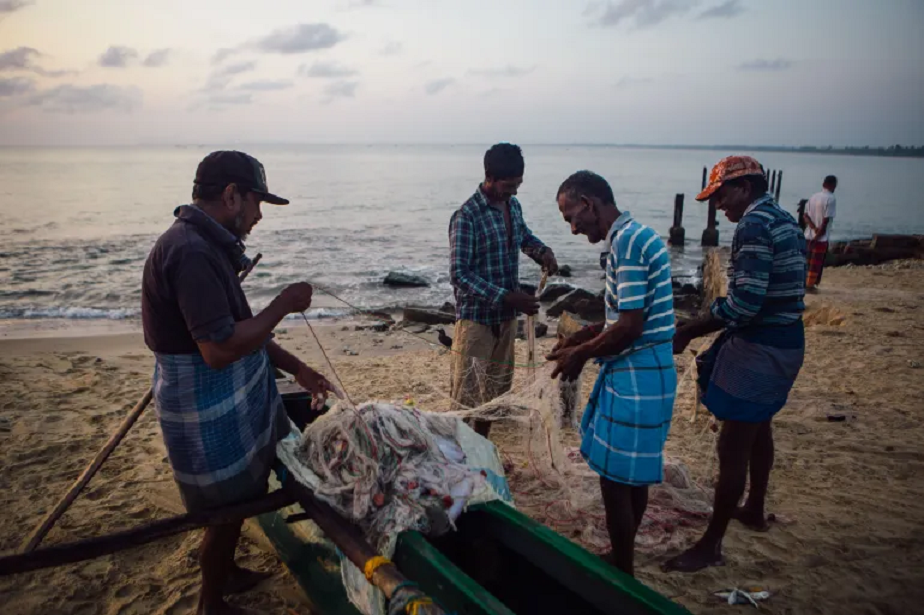
Christy PL Navil, 58, has been working as a fisherman here for 12 years – before that, he worked as a helper on the boats. Along Pasikuda beach near Batticaloa, a landing site where 106 fishermen work each day, Navil fishes for calamari from 5am, not returning until the afternoon.
“Sometimes it’s many fish, sometimes it’s no fish,” he says. On the boat, they bring very little water considering the conditions – just 5 litres for two people to last for more than nine hours in the tropical heat. “The sun is hot, but we are just used to it. Sometimes fishing is busy, we aren’t drinking water or eating,” the fisherman admits. “We want to catch the fish.”
With the economic crisis, many fishermen also have to cut back on food, only taking one meal a day.

The resulting chronic dehydration is a major problem, says Sivanandarajah. She points to a combination of hereditary issues, water sources and pollution, toxins in agro-chemicals, anthropogenic factors (for example improper pesticide container disposal), and lifestyle issues as possible CKDu causes.
Some fishermen are accustomed to drinking local “arrack” – a form of liquor – to help manage seasickness, she adds. “This is wearing on the body, the kidneys. And with the rising temperatures, it may not be a root cause, but it’s definitely a stressor.”
The lack of formal fishing collectives or societies, the marine researcher continues, means that little is known about the impact of ocean resource depletion on these self-employed communities – or the subsequent health ramifications.
“Government officials lack the knowledge on how to communicate [with fishermen,] they don’t like being out in the field,” says Sivanandarajah. “Sri Lanka’s fisheries sector depends on politics, what the admin implements. No one knows about the fishermen’s income or situation on the ground. It’s very top down, and no one is actually doing anything with the data.”
Food scarcity is a major issue – particularly during the off-season and especially with the ongoing economic crisis, Sivanandarajah says.

There is also the high use of tube wells, inserted deep into the ground – deeper than wells – which extract very hard water as they break past phosphorus barriers in the earth which would normally act as a water softener, making the water easier on the human kidneys. “These became popular during the tsunami and monsoon seasons since ground wells are destroyed and contaminated by seawater,” Sivanandarajah explains.
Geological shifts linked to climate change can also increase the likelihood of earthquakes and volcanic eruptions, which in turn heighten the risk of tsunamis, say scientists. It is estimated that by the end of the 21st century, the global mean sea level will rise by at least 0.3 meters given current greenhouse gas emission rates, which would further inundate coastal communities with brackish water.
Crippling debt
Nadaraja Pereatambi, 62, has been working as a fisherman from Pasikuda beach since his youth. Two years ago, he was suffering from unexpected, acute kidney pain, culminating in an emergency operation and a 50-day hospital stay.
The treatment was largely successful – Pereatambi is cautiously back at work on the fishing boats. However, he had little choice but to take a 2 lakh loan (200,000 rupees, nearly $675 – an unthinkable sum for someone who makes as little as $4 a day, depending on the catch) to pay off the hospital bill.
“Six other fishermen working on this beach also have issues with kidneys,” he says. “Most have no money for hospital, even when suffering from kidney stones.”
It could be a water problem, he surmises. In the Pasikuda area, he continues, it is common knowledge that the water quality is poor: there’s too much calcium and fluoride, among other minerals: “It’s all very hard.”

Outside the government-funded District General Hospital in Negombo along Sri Lanka’s western coast, a little north of the capital city of Colombo, 48-year-old W Sirani Silva is easing into a tuk-tuk that her husband will drive her home in.
Two years ago, she found out she had acute kidney damage – with less than 10 percent function remaining – after experiencing nauseating back and stomach pain.
Each week, Silva makes the 20km journey twice for dialysis sessions in hospital, and is on the waiting list for a transplant. She is far too sick to take care of the house or her three children but is grateful that they are healthy. Since the onset of her illness, the family has switched to drinking filtered water, but still uses well water for cooking and other household needs.
Since Silva is so weak, her husband, K Usdesangar, 51, accompanies her to every dialysis visit, which means he loses income from working as a tuk-tuk driver – he was previously a fisherman – on those days.
“We have no idea where this comes from,” he says, since Silva had an otherwise clean medical history and never suffered from hypertension or diabetes, the main precursors for most kidney disease patients. “Perhaps, it just comes with the family.”
(Aljazeera)









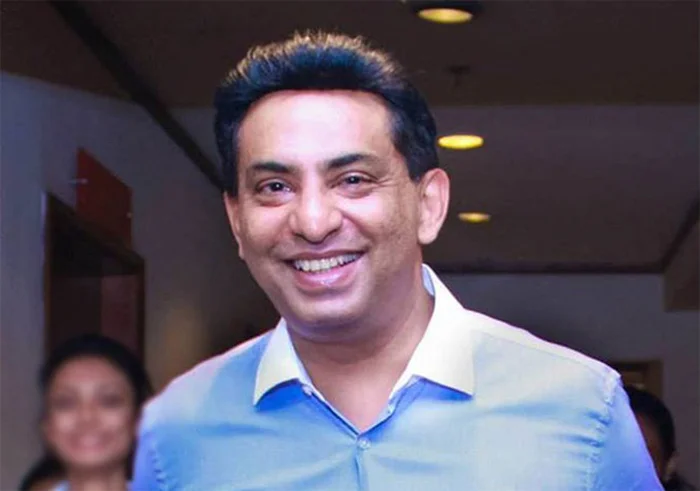
The death of the most important suspect in the Sri Lankan Airlines Airbus deal has drawn intense public speculation. Kapila Chandrasena the former CEO of the heavily loss-making national airline was found dead under circumstances that the police are still investigating.
He had recently been arrested by the Commission to Investigate Allegations of Bribery or Corruption in connection with the controversial Airbus aircraft purchase agreement signed in 2013. Police investigations are continuing into the cause of death and whether or not he committed suicide. The unresolved death brings to light the high stakes involved in accountability efforts of this nature.
The uncertainty surrounding Chandrasena’s death has revived public memories of other mysterious deaths linked to corruption investigations and public scandals. Among them is the death of Rajeewa Jayaweera, a former SriLankan Airlines executive and outspoken critic of the Airbus transaction. He was following in the tradition of his father, the late foreign service officer and public servant Stanley Jayaweera who mentored the younger generation in good governance practices and formed the group “Avadhi Lanka” along with icons such as Prof Siri Hettige. Rajeewa had written a series of articles exposing irregularities in the deal before he was found dead near Independence Square in Colombo in 2020. The CCTV cameras in that high security area were turned off. Questions raised at that time whether or not he had committed suicide were not satisfactorily resolved.
The controversy about the cause of Chandrasena’s death is diverting attention away from the massive damage done to the country by the SriLankan Airlines deal itself. The value of the aircraft agreement was close to the size of the International Monetary Fund bailout package that Sri Lanka desperately needed by 2023 in order to stabilise the economy after bankruptcy. Sri Lanka’s IMF Extended Fund Facility amounted to about USD 3 billion spread over four years. The comparison shows the scale of the losses and liabilities that irresponsible and corrupt decisions have imposed on the country and which must never happen again.
Wider Pattern
The corruption linked to the Airbus transaction came fully into the open only because of investigations conducted outside Sri Lanka. In 2020 Airbus agreed to pay record penalties of more than EUR 3.6 billion to authorities in Britain, France and the United States to settle global corruption investigations. Sri Lanka was identified as one of the countries where bribes had allegedly been paid in order to secure contracts. The Airbus deal involved the purchase of six A330 aircraft and four A350 aircraft valued at approximately USD 2.3 billion. Investigations showed that Airbus paid bribes amounting to nearly USD 16 million in order to secure the contract. According to court submissions, at least part of this money amounting to USD 2 million was transferred through a shell company registered in Brunei and routed through Singapore bank accounts linked to the late airline CEO and his wife.
The commissions involved in this deal may seem comparatively small compared to the overall value of the contracts but devastating in their consequences. But they also show that a few million dollars paid secretly to decision makers could lead to the country assuming liabilities worth hundreds of millions or even billions of dollars over decades. This is why corruption is not simply a moral issue. It is a direct economic assault on the living standards of ordinary people. Money lost through corruption is money unavailable for schools, hospitals, rural development and job creation. In the end the burden falls on ordinary citizens who are left to repay debts incurred in their name without receiving commensurate benefits in return.
The SriLankan Airlines transaction gives an indication of the wider pattern of corruption and misuse of national resources that has taken place over many years. This was not an isolated incident. There were numerous large scale infrastructure and procurement projects that imposed heavy debts on the country while enriching politically connected individuals and their associates. Other projects such as the Colombo Port City, Hambantota Harbour and highway construction reveal a similar pattern.
Less publicised but equally damaging scandals have involved fertiliser medicine and energy contracts. Investigations into medicine procurement in recent years uncovered allegations that substandard pharmaceuticals had been imported at inflated prices causing both financial losses and risks to public health.
Moral Renewal
The present government appears determined to investigate major corruption cases in a manner that no previous government has attempted. Those who ransacked and bankrupted the treasury need to be dealt with according to the law. There is considerable public support for efforts to recover stolen assets and ensure accountability.
In his May Day speech President Anura Kumara Dissanayake stated that around 14 corruption cases were nearing completion in the courts this very month and called upon the public to applaud when verdicts are delivered. Political opponents of the government claim that such comments could place pressure on the judiciary and blur the separation between political leadership and the courts. But the deeper public frustration that underlies the president’s remarks also needs to be understood.
The challenge facing Sri Lanka is twofold. The country must ensure that justice is done through due process and independent institutions. If anti corruption campaigns become politicised they can lose legitimacy. But if corruption and abuse of power continue without consequences the country will remain trapped in a cycle of economic decline and moral decay. Sri Lanka also needs to confront past abuses linked to the war period. There are allegations of kidnapping, extortion, disappearances and criminal activity in which members of the security forces have been implicated. Vulnerable sections of the population suffered greatly during those years. If political leaders turned a blind eye or actively connived in such crimes they too need to be held accountable under the law. Selective justice will not heal the country. Accountability must apply across the board regardless of political position, ethnicity or institutional power.
Sri Lanka has paid a very heavy price for corruption and impunity. The economic collapse of 2022 did not occur overnight. It was the result of years of bad governance, reckless decision making, abuse of power and the misuse of public wealth. If the country is to move forward the focus cannot be diverted by sensational speculation alone. Suspicious deaths and political intrigue may dominate headlines for a few days. But the larger issue is the system that enabled corruption to flourish without accountability for so long. The real national task is to end that system. Sri Lanka cannot build a prosperous future on a foundation of corruption and impunity. Unless those who looted public wealth are held accountable and the systems that enabled them are dismantled, the country risks repeating the same cycle again.
Jehan Perera
Features
When University systems fail:Supreme Court’s landmark intervention in sexual harassment case

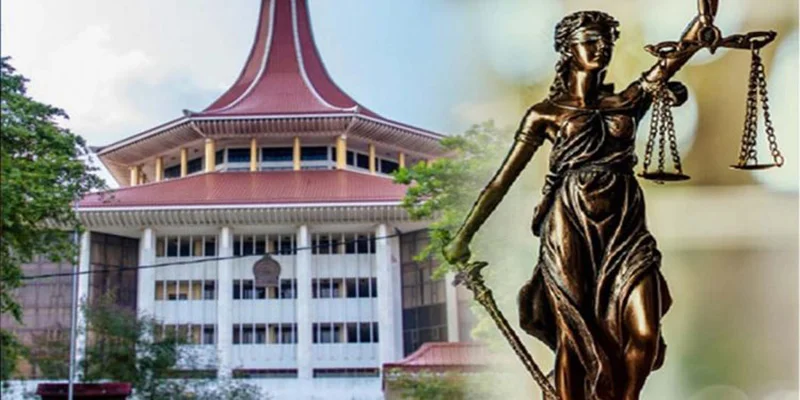
 Over seven years after making an initial complaint of sexual harassment against her research supervisor, Dr. Udari Abeyasinghe, then a temporary lecturer and now a senior lecturer at the University of Peradeniya, has been finally served justice. On May 8, 2026, the Supreme Court made the following directions regarding Udari’s fundamental rights case: “1) The 1st Respondent [her research supervisor] is prohibited from accepting any post, whether paid or not or honorary, in any university, educational institute or other academic institution; 2) The UGC to issue a direction to all universities and other institutions, coming under its purview, to abstain from giving any appointment, whether paid or not, or honorary, to the 1st Respondent; and 3) The University of Peradeniya, including the Council and respective Respondent [sic], are directed to take appropriate measures to enforce and raise awareness of the University of Peradeniya’s policy on Sexual or Gender-Based Harassment and Sexual Violence for staff and students, including conducting mandatory annual seminars for all academics, staff and students.” I recently spoke with Udari to learn about her experience battling the University’s sexual and gender-based violence (SGBV) procedures.
Violence and injustice
Udari was a temporary lecturer when she began working on her MPhil degree. Her research supervisor was a Senior Professor and Dean of her faculty. The harassment began in 2017.
When Udari reached out for support to the SGBV Committee of the University of Peradeniya, the Chair explained the complaint procedure, including how a third party could make a complaint on her behalf. In July 2018, Udari’s mother made a written complaint to the Vice Chancellor (VC). “The very next day [my supervisor] called me … and asked me to withdraw the complaint because it would look bad for me … the university should have taken measures to separate the complainant from the perpetrator … but nothing like that happened.”
Before making the formal complaint, Udari reached out to other academic staff at her Faculty. She shared her experience with a few close colleagues. Many advised her to leave the Faculty. “No one in the Faculty supported me publicly, although some sympathised privately … I was a temporary lecturer … no one really cared.” Some of her colleagues and non-academic staff who knew about the harassments, asked her to avoid involving them because they feared retaliation from higher powers.
Udari faced a preliminary inquiry and then a formal inquiry. The preliminary inquiry took place about four months after her complaint, and the inquiry committee recommended proceeding to a formal inquiry. The latter was held about a year after the initial complaint. “I got to know unofficially that [my supervisor] had got hold of all the statements made at the preliminary inquiry and pressured some colleagues to change their statements before the formal inquiry.” During the time of the formal inquiry, an anonymous letter (“kala paththaraya”) was circulated among staff: “It was a character assassination … the same kala paththaraya would get circulated from time to time.” After the formal inquiry committee submitted its report and recommendations, Udari was informed, in writing, that the University Council had dismissed the report.
“Neither the preliminary inquiry report nor the formal inquiry report were shared with me … I had to make a formal request to the VC and only then did I get a copy of the preliminary inquiry report… I had to get the formal inquiry report through an RTI (a request under the Right to Information Act). What I understand is that [my supervisor] had influenced the Council … that’s why they rejected the report…saying there had been a delay of six months to make a complaint ….” (N. B. there are no time limitations for submitting a complaint in the SGBV by-laws of the University of Peradeniya, although such time bars exist at other universities).
Udari then submitted formal complaints to the University Grants Commission (August 2020) and the Human Rights Commission of Sri Lanka (December 2020), and finally filed a fundamental rights case at the Supreme Court in March 2021. Five years later, on May 8th 2026, Udari’s complaint was vindicated.
University procedures and inquiries
When her mother submitted the complaint against her supervisor, Udari was a temporary lecturer. She had given up her dream of pursuing an academic career because she did not think she would be recruited to a permanent position after making a complaint against a faculty member. It is encouraging that Udari was recruited, but in most instances, students and junior staff endure and stay silent to avoid jeopardising their academic careers. We currently have no procedures in place at universities to protect victims and witnesses from backlash.
According to Udari, the former Chair of the SGBV Committee and the members of her preliminary inquiry panel played a crucial role in her case, and, in her words, “could not be influenced.” But SGBV by-laws at state universities place inordinate power in the hands of the Council and VC. According to the SGBV by-laws of the University of Peradeniya, the Council appoints the 15-member SGBV Committee comprising “[t]wo (02) persons from among the members of the Council; [t]en (10) persons drawn from the permanent and senior members of the academic community; and [t]hree (03) persons external to the University, from among the retired academic or administrative staff of the University” (Section 2.1). While the by-laws recommend appointing persons who have demonstrated “gender-sensitivity, proven interest in working on issues of gender equality and equity, and trained to investigate and inquire into cases of sexual or gender-based harassment and sexual violence” (Section 2.1), we know this is often not the case. In many universities, VCs control which cases are taken up and end up in an inquiry. Most students and staff at state universities have little faith in the existing SGBV complaint procedures.
As Udari experienced, the decisions of inquiry committees can be overruled and dismissed by University Councils, indicating the importance of appointing appropriate members to the Councils. The Deans of faculties, who are Ex-officio members, usually collude to protect their own interests and fiefdoms, while the appointment of external members to Councils is deeply politicised. At present, there is no application process or vetting of candidates before they are appointed. They are usually persons who are seen to be sympathetic to the incumbent political dispensation. Furthermore, external members are dependent on the university hierarchy for information on the issues being discussed, the details of which are often hidden from them. It is not surprising then that University Councils would adjudicate on the side of power.
Final recommendation
Beyond barring Udari’s former research supervisor from holding positions in the university system, the Supreme Court has directed the University of Peradeniya to raise awareness on SGBV among staff and students. While SGBV is addressed in the induction courses and orientation programmes at universities, staff and students must be made aware of the nitty-gritties of complaint procedures, including time bars, which were crucial to the outcome of Udari’s case. But is raising awareness sufficient? Do we have ways to hold university authorities accountable for arbitrary and/or prejudicial decision-making and other abuses of power?
For Udari, life continues to be difficult, with constant surveillance of her activities.
“In November 2024 , I shared a post about my case.. it was a newspaper article stating that the Supreme Court had granted leave to proceed… I just took a photograph of it and posted it on my Facebook without any captions… a few weeks later I was summoned by higher authorities…I was informed that several academics had verbally complained about me using my social media to tarnish the name of the faculty and the university and, if that’s the case, that I should know that the University Council has the authority to take action against me … we also spoke briefly about the case and at one point I was told that this incident (harassment) happened to me because I showed some positivity towards (the perpetrator) …”
Let’s hope that university administrations pause before victimising and revictimising SGBV survivors in future. As a community, we have to rethink the hierarchical ways in which universities function and create a meaningful mechanism that supports students and staff to complain without fear of repercussion.
Thank you, Udari, for taking this step forward. University administrations will have to stop, listen and change their ways.
(Ramya Kumar is attached to the Department of Community and Family Medicine, Faculty of Medicine, University of Jaffna, and is an alumna of the University of Peradeniya).
Kuppi is a politics and pedagogy happening on the margins of the lecture hall that parodies, subverts, and simultaneously reaffirms social hierarchies.
By Ramya Kumar

 Senani Wijesena, the Sri Lankan-Australian singer-songwriter, known for fusion pop/R&B with ethnic elements, like the tabla and sitar, is in the news again.
She was featured in The Island, in early April (2026), regarding her career in the music scene, and the release of her first ever Sinhala song ‘Nidahase.’
The song was released in Sri Lanka, on 17th April, with Senani in town to do the needful.
The music video was filmed at the Polgampola Waterfall, in Sri Lanka, and also features co-star Senura Ambegoda … playing the romantic interest.
Describing the setup, Senani had this to say:
“To achieve the high falls scenes, I had to climb large rocks and slippery edges to get to the top of the falls, and I had to do it in the yellow saree I was wearing. Of course the film crew assisted me.”
The initial scenes were filmed in bustling Pettah where Senani meets co-star Senura Ambegoda, working in a street stall, and when their eyes meet it triggers a memory of soul connection and transports her into another world entering the forest scene.
The forest, says Senani, symbolically represented a retreat to nature and peace.
The couple later rejoin at Colombo City Centre where they danced together and enjoyed each other’s company.
Says Senani: “The short dance routine was created on the spot, on set. Senura is a dance teacher, as well as a model and actor, and we learnt the routine, in 10 minutes, before it was filmed.”
‘Nidahase’ means Freedom in English – about being free in life, love, expression and movement.
It’s, in fact, a reworked version of her highly successful English song ‘Free’ which was nominated for a Hollywood Music In Media award in the RNB/Soul category, and also reached the Top 20 of the Music Week Dance charts in the UK.
‘Nidahase’ can be heard on all streaming platforms, including Spotify, Apple Music and Amazon.
Senani’s YouTube channel is www.youtube.com/senanimusic
Her social media pages are: www.instagram.com/senanimusic and www.facebook.com/senanimusic. Her website is www.senani.com
For the record, Senani is the daughter of film actress Jeevarani Kurukulasuriya and Dr Lanka Wijesena.

Showers above 100 mm are likely at some places in the Western, Sabaragamuwa, Southern, North-western and Northern provinces and in Trincomalee district.

Death of infant at Trinco District General Hospital: Suspended docs were at private hospital performing operation: Govt.

Moves to strengthen environmental law after 24 years

US-supported GeoAI Exhibition on disaster resilience opens on 14 May

About 84% percent of Lankans willing to donate eyes

Special prison helps prevent jailed criminals from running crime syndicates

‘Dates have the highest sugar content to fight Coronavirus’

Sunday Island 27 December – Headlines

#SundayIsland 17th December – Headlines

Sunday Island – 28th March

Sunday Island Headlines – 21 March

Sunday Island – 21st February – Headlines
-

 News5 days ago
MIT expert warns of catastrophic consequences of USD 2.5 mn Treasury heist
-

 News2 days ago
Lanka Port City officials to meet investors in Dubai
-

 Editorial5 days ago
Clean Sri Lanka and dirty politics
-

 Editorial4 days ago
The Vijay factor
-
 News3 days ago
SLPP expresses concern over death of former SriLankan CEO
-

 News6 days ago
Development Officer bids Rs. 48 mn for CPC’s V8 at auction
-
 News3 days ago
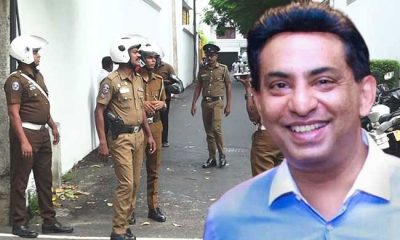
Police inform Fort Magistrate’s Court of finding ex-CEO of SriLankan dead under suspicious circumstances
-
 Opinion6 days ago
Postmortem reports and the pursuit of justice