
Life style
In Sri Lanka . Lamprais keeps the Dutch Burgher legacy alive

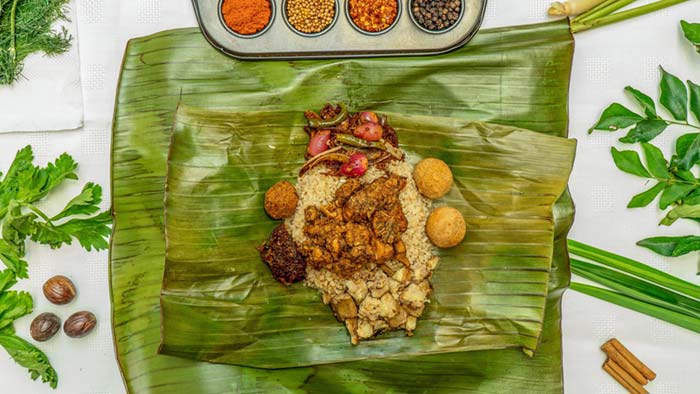
by Zinara Ratnayake
It’s Lansi food,” Stephanie Herft begins to describe lamprais. Herft is the founder of Lansi’s, a home-based food delivery business that began in May 2019, in Colombo. I’m talking to Herft over the phone on a Sunday evening. She had just delivered a carton of lamprais, a Sunday afternoon staple at Lansi homes in Sri Lanka.
Every Sunday, Herft’s extended Lansi family gathers at her aunt Jennie’s house in suburban Colombo for an afternoon feast. Like most good things, preparing lamprais involves love and labor. It includes cooking rice in meat stock and making a special curry with a finely diced meat mix: chicken, beef, pork and mutton. There are several other condiments.
“It’s family work,” Herft chuckles.
On many afternoons, Herft would slice onions, while her aunt would prepare the rice, and others were busy with condiments. Together, they perfected the recipe of Herft’s great great grandmother.
“We sold Christmas cake, cards and lamprais every year at a small stall at the church fair,” Herft says, recalling the Christmas days. Her grandparents played Jim Reeves vinyl records on their old rickety record player whilst the extended family prepared lamprais and sipped on king coconut wine. “I remember the smell of lamprais wafting through our living room,” she says.
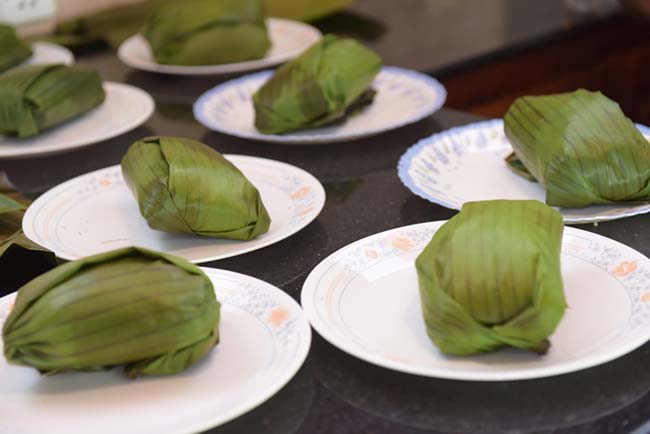
It was this smell that once charmed me at the VOC cafe at the Dutch Burgher Union (DBU) in Colombo. The waitstaff served me lamprais, a small parcel of food wrapped in a banana leaf, baked and nicely warm.
Like Herft says, lamprais is a fading culinary creation of the Lansis — or, the Dutch Burghers, an ethnic minority in Sri Lanka. This small packet of food itself is a vague reminder of colonial history, and a nod to the existence of the fast disappearing Dutch Burgher community in the island.
From the 15th century, Dutch ships sailed across Asia with merchants from Northern Europe. These merchants from Holland, France, Germany, Switzerland, England and other European nations belonged to the newly emerging middle class. Many of them joined Vereenigde Oost Indische Compagnie (VOC), or the Dutch East India Company founded in 1602. Their headquarters were in Batavia, present-day Indonesian capital Jakarta.
During this time, the Portuguese, who entered Sri Lanka in 1597, ruled over the low country coastal belt. They controlled the island’s rich spice trade. In 1658, Dutch took over the Portuguese to rule maritime Sri Lanka, then Ceylon, until the British arrival in 1796. Many of these Northern European merchants settled down in Sri Lanka and married people of Portuguese and local origin. This new social group of European descendants came to be identified as Burghers (this German-originated term translates to residents of a city). In Sinhala, the commonly used language in Sri Lanka, they were called Lansi, a term derived from Dutch Hollandsche, meaning inhabitant of Holland. From this socio -cultural concoction birthed the lamprais.
The word lamprias comes from the Dutch word lomprijst, which loosely translates to, a packet of food. In her book A Taste of Sugar & Spice: Cuisine of the Dutch Burgher Huisvrouw in Olde Ceylon, author Deloraine Brohier writes that lamprais was not European in origin, rather an improvisation of the Burghers, pairing the Asian staple rice and spices.
“Not to mention the plantain leaves in which they are packed which again are of tropical provenance,” writes Brohier. A common belief is that lamprais has roots to the Indonesian dish lemper, sticky rice sandwiched with a curried diced chicken mix that comes wrapped in a plantain leaf.
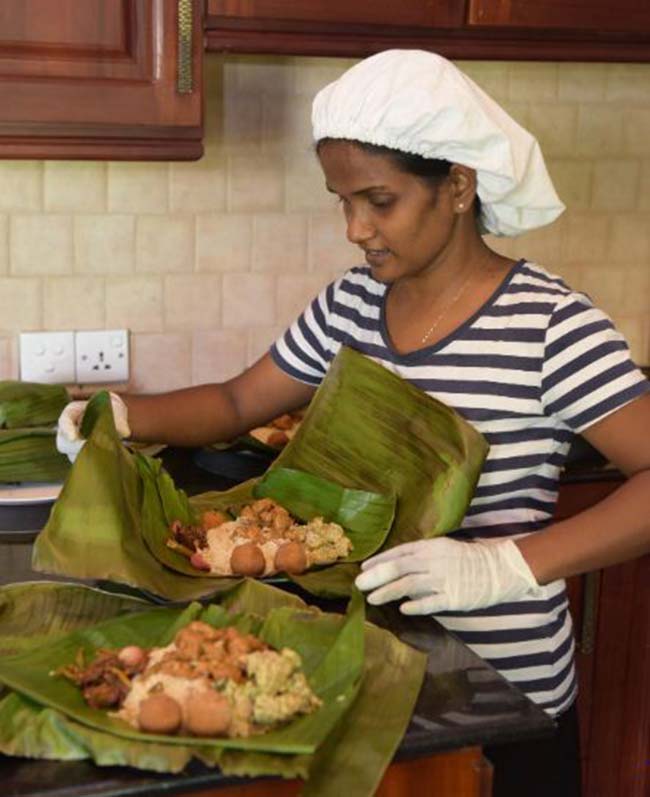
In traditional Burgher houses, preparing Sunday lamprais begins the previous night, with meat boiling for two hours and plantain leaves being cleaned. The next morning, women in the household begin their chores, adding curry leaves and pandan leaves to butter browning in a pot. Boiled rice goes into the frying mix, followed by the meat stock. A crushed mix of spices such as cardamom, cinnamon, cloves, lemongrass and peppercorns wrapped in a muslin cloth is placed in the pot, scenting and flavoring the rice as it cooks.
For one lamprais, a lump of boiled rice accompanies a dessert-spoonful of the mixed meat curry cooked with diced chicken, pork, beef and mutton. A traditional lamprais features exactly two frikkadels, meatballs spiced with finely chopped garlic and fresh green chillie.
There are condiments like blachang, dried prawn ground into a paste with pepper and garlic; seeni sambol, a caramelized onion accompaniment sprinkled with fish flakes. There is brinjal pahi, pickled eggplant with notes of sour-sweetness, and a vinegar-infused tang.
“Our family recipe also features an ash plantain curry,” Herft tells me, although it’s absent in most lamprais meals. All these ingredients sit neatly inside a banana leaf warmed over a fire to make it more supple. “It’s not bigger than your palm,” Herft says, referring to the size of the authentic lamprais, which bakes in an oven for more than 10 minutes until the aroma of the banana leaf seeps in.
But over the years, commercially made lamprais took many forms, adapting to the demands of the dominant Sinhalese culture of the country, and even going through gross misinterpretations. Even at the Dutch Burgher Union in Colombo now, the lamprais is a large packet of rice, as opposed to the handful of rice.
“It became very Sri Lankan,” says Rienzie Trek, food and beverage manager at the VOC cafe by DBU in Colombo, laughing as he talks to me about the history of the dish. “It was a snack in the past. When our ancestors tottered long journeys, they would carry a few packs of lamprais with them,” he says. “But now everyone eats it as a main meal.”
In Sri Lanka, influenced by the majority Sinhalese culture, rice is the centerpiece of every dining table. A popular phrase in Sinhala “udetath bath, dawaltath bath, retath bath,” meaning “rice for morning, afternoon and night,” suggests the island’s fondness in devouring rice for every meal.
Ancient farmer-families gathered energy for hard labor from their carb-heavy rice meals. With time, societies and economies changed with people shifting to desk jobs and the common use of machinery in agriculture. However, the carb-rich rice culture (which birthed to fuel energy for hard labor) continues even today.
“Customers complained that the quantity of rice in lamprias wasn’t enough,” says Prabhath Jayasekara, Head Chef at the VOC cafe. “So we had to increase the size of our lamprais.”
In many places, there’s a tendency to name any rice packet wrapped in banana leaf lamprais. When I last ate “lamprais,” at my university canteen, turmeric-coloured yellow rice accompanied a grilled chicken thigh instead of the curried meat mix. There was an egg, boiled and fried. Frikkadels were reduced to a cutlet—a deep-fried, breadcrumb-covered golden ball of potato and canned fish.
I talked to Herft about these misinterpretations, curious to know how Dutch Burghers felt.
“Someone called us to ask why we didn’t include an egg in our lamprais. My aunt Jennie spoke to them for 10 minutes, explaining that the authentic lamprais didn’t come with an egg,” she laughs.
Herft explains that culinary traditions transform, and everyone’s version of one’s food is different. “But our oldfolk are very protective of their traditions,” she says, “It’s fair because lamprais is the only popular dish that represents the Dutch Burghers. It is a symbol that we still exist.”
During the British colonial regime, many Dutch Burgher families adopted English as their mother tongue. English became a deciding tool for one’s status in society. It’s during these days that the Burghers rose as the new elite in the island, acquiring reputed administrative posts in British Ceylon as English speakers.
British left in 1948, and in 1956, the Sri Lankan government passed Sinhala Only Act, replacing English with Sinhala as the sole official language of the country. This turn of events threatened the socioc-cultural status of the Dutch Burghers. Many families fled Sri Lanka in the coming decades. In her book, Brohier notes that a census done in the 1940s revealed that 0.8 percent of the total population were Dutch Burghers, which was reduced to 0.2 percent in 1981. In her 2012 book, Brohier mentions that Burghers number to only 15,000-30,000 today in a total population of 21.67 million.
“I told Aunt Jennie that we should start selling our food,” Herft says. Their small business now employs single mothers, providing them an income in the pandemic when economies are halted. “It’s what our great great grandmother did. She was a philanthropist and someone who championed Dutch Burgher dishes. We are carrying her legacy forward,” she says.
The authentic lamprais disappears fast and wide, just like its creators, the Dutch Burghers from the island. The quest to save the lamprais is also a quest to reclaim the legacy of the Dutch Burghers.
BBC


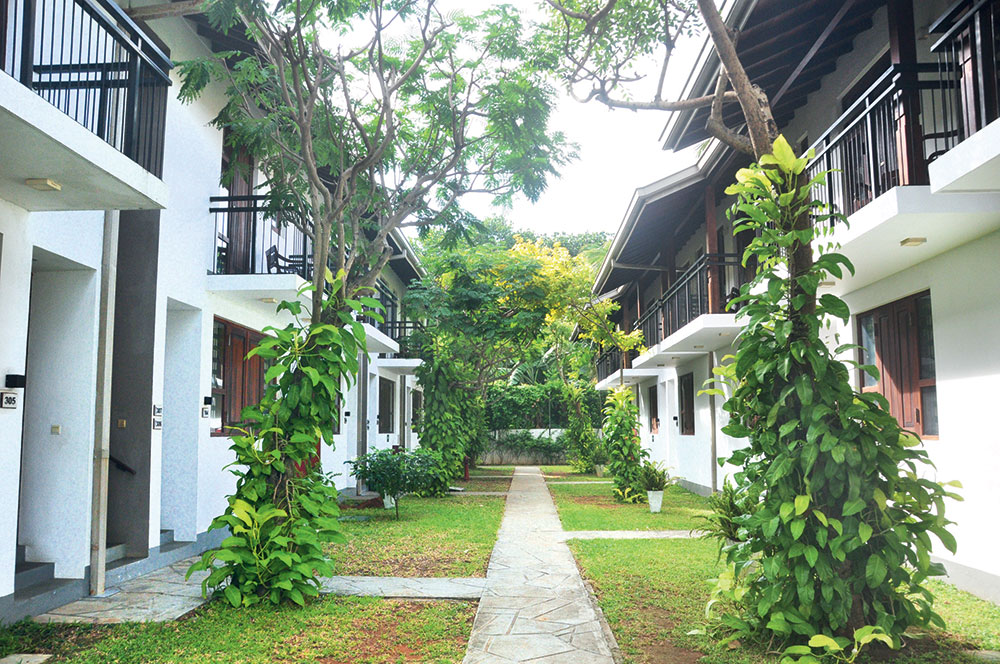
As Northern Sri Lanka continues to emerge as one of the island’s most competing destinations , The Thinnai hotel stands as a shining ambassador of the region, a place where timeless traditions meet contemporary luxury, where every stay tells a story.This is a place where visitors leave not only with cherished memories but also with a deeper appreciation of the culture, warmth and enduring spirit of Jaffna.
The Thinnai Hotel is for more than a luxury retreat, it is a celebration of Jaffna’s heritage, hospitality and residence. From its 39 all suite accommodation, inspired by tourism revival, welcoming travellers from around the world while creating opportunities for local communities and preserving cultural tradition, at this place every stay creates lasting memories.
Tucked away just a few kilometers from the heart of Jaffna. The Thinnai hotel is more than a luxury boutique hotel, it is a destination that celebrates the heritage, hospitality and timeless traditions of Northern Sri Lanka. Inspired by the traditional Tamil Thinnai, the raised verandah where families and neighbours once gathered to welcome guests and share stories, the hotel transforms the cultural symbol into a contemporary travel experience.
Designed around authentic Jaffna architecture, The Thinnai hotel blends elegant all suite accommodation with peace and relaxation.
Every suite reflects a harmonious balance between traditions and modern comfort, making it an ideal place for couples, families, tourists and business travellers. Beyond its luxurious setting, The Thinnai serves as a gateway to the cultural treasures of Jaffna. Guests can easily visit economic landmarks, such as the Nallur Temple, explore colonial era architecture, discover local markets, savour Jaffna cuisine and experience the warmth of Tamil hospitality. As tourism continues to grow in the Northern Province, The Thinnai hotel stands as one of Jaffna’s most distinctive hospitality landmark, the region’s rich cultural heritage with contemporary luxury.
-
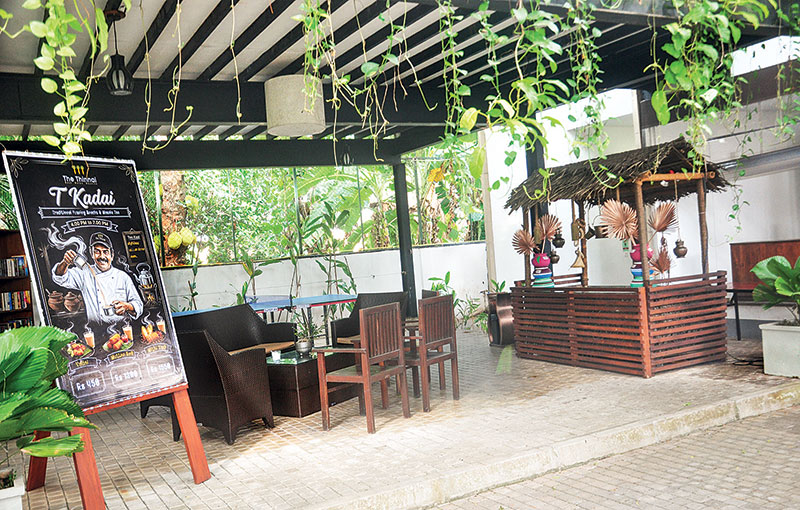
- As the sun sets in the evening the tea kade comes alive
-

- Spacious elegantly appointed rooms providing comfort and privacy
-
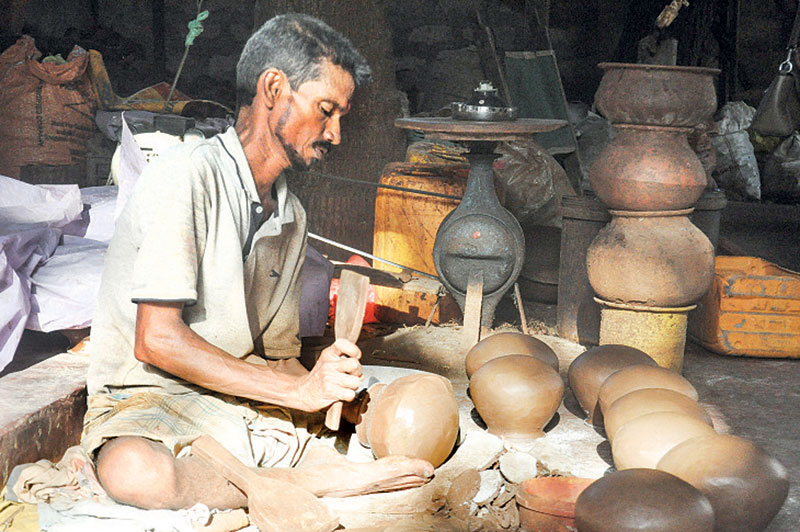
- Hands on journey into one of Jaffna’s oldest traditional craft
-
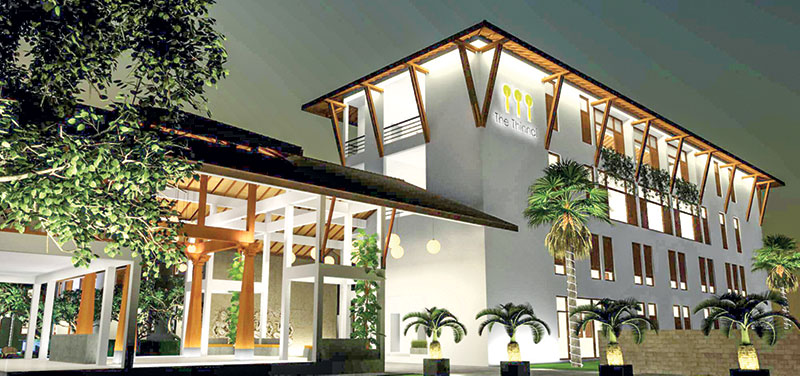
- Striking exterior – graceful blend of traditional architecure and contemporary design
This hotel is a cultural ambassador that connects visitors from all over the world with traditions, history and hospitality of Jaffna.
The affable and General Manager, Selvarajah Roshanth, is focussed on delivering exceptional guest experiences, maintaining high hospitality standards and promoting Jaffna as a premier tourist destination in Northern Sri Lanka. He leads with warmth,vision and an unwavering commitment to authentic northern hospitality. He showcases the best of Sri Lanka’s north. He brings a wealth of experience and the guest first philosphy to The Thinnai hotel.
Roshanth is recognised for his warm approachable and guest centric leadership style, and when asked why this hotel is different in this region, he said ‘The Thinnai is not just a hotel, it is an authentic expression of Jaffna’s identity. What makes us different is that we don’t simply offer accommodation. We offer an immerseive cultural experience”
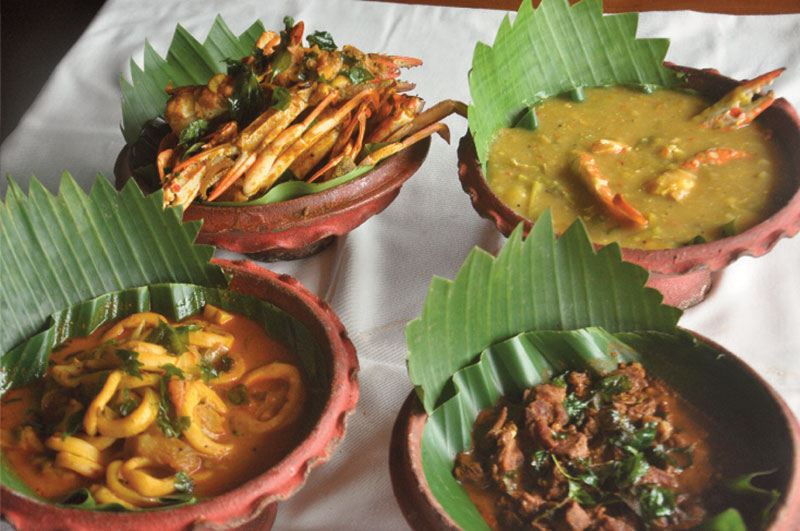
Feast on authentic flavours
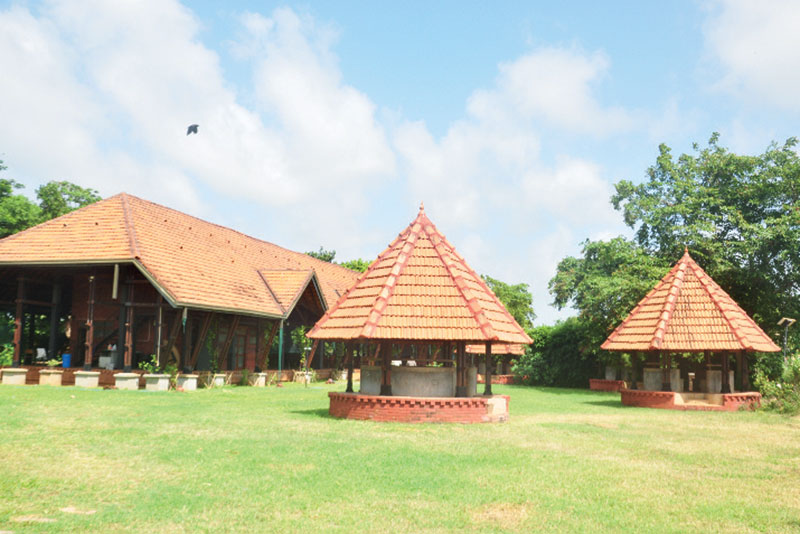
Thinnai farm: Beauty of sustainable agricuture
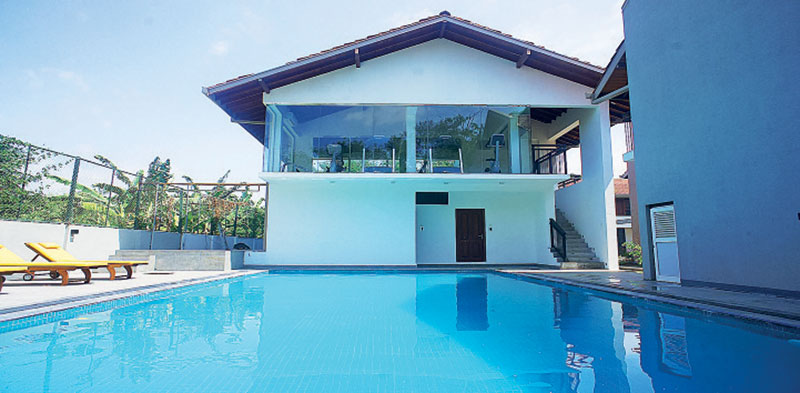
Refreshing oasis where guests can unwind
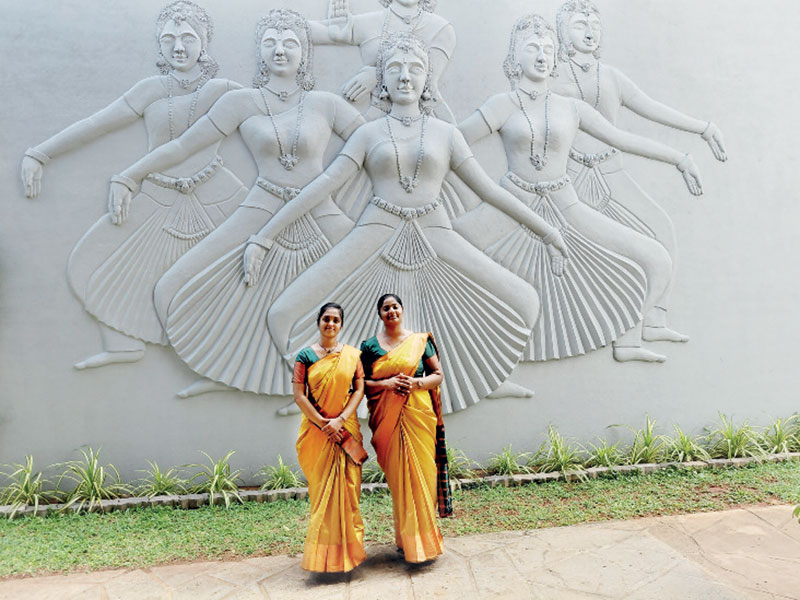
Dedicated team
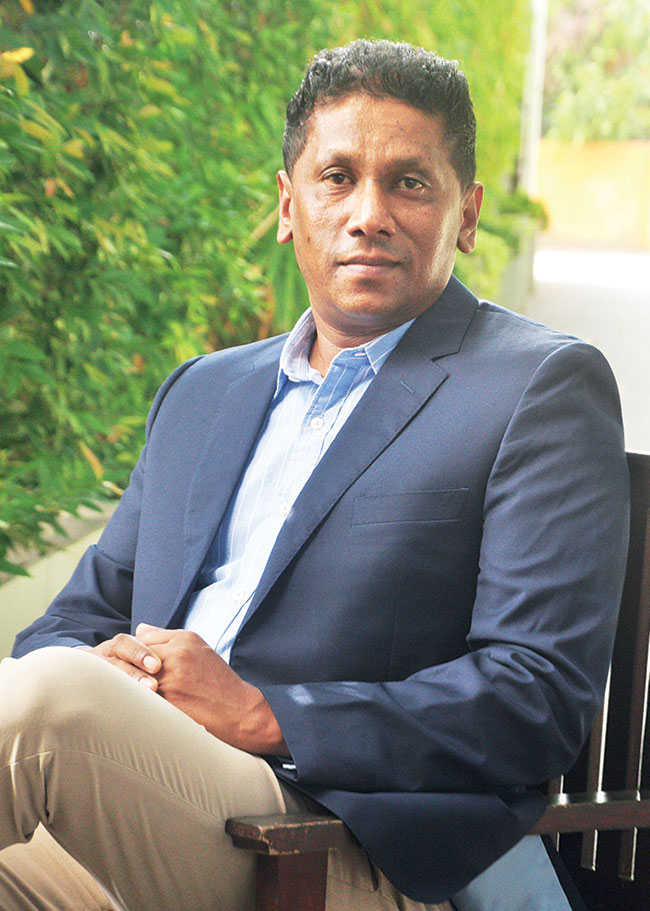
Selvarajah Roshanth,whose vision and leadership continue to elevate property’s elevation
Looking ahead, he explained The Thinnai aims to further strengthen its position as Northern Sri Lanka’s leading boutique hospitality destination by enhancing its great experiences, curating more authentic, cultural and culinary activities and expanding its sustainability initiatives.
‘We make plans to deepen its engagement with local communities through environmental conservation, hospitality training programmes and educational CSR projects ensuring that tourism growth directly benefits the people of the North.
The Thinnai hotel offers 39 spacious all suite accommodations, thoughtfully designed to blend traditional Jaffna architecture with modern luxury. The accommodation includes deluxe, suites, superior suites, luxury suites, and Presidential suites, and each suite is equipment with modern amenities such as an air-conditioner, wifi, led, TVs, mini bar refrigerator and comfortable living spaces.
The Thinnai offers a memorable culinary journey that celebrates the rich flavours of Jaffna while also catering to international tastes. Guests can enjoy specialities like Jaffna crab curry, Jaffna Cool, Dosai, Idiyappam, other sea food dishes and themed buffet nights followed by cultural shows.
A visit to the Thinnai farm is one of the highlights of staying at this hotel because it offers guests an authentic connection to Jaffna’s agricultural heritage and sustainable way of life. This farm supplies many of the fresh ingredients used in the hotel kitchens ensuring a genuine farm to table experience. It is an opportunity to appreciate the region’s rich agricultural traditions, breathe in the tranquil countryside and understand how sustainability and local culture are woven into everyday life. Guests can stroll through thriving vegetable gardens, gaining a first hand appreciation of farm to table experience. One of the unique cultural experiences offered through the Thinnai is the opportunity to discover the art of Jaffna pottery. We saw the traditional pottery making experience highlighting the rich artistic heritage of Northern Sri Lanka while supporting local artisans and presenting centuries old traditions. We saw the skilled artisans demonstrating techniques that have been passed down though generations.
The visit is more than a sightseeing excursion, it is an immersion into one of Jaffna’s oldest living crafts. This activity is part of the Thinnai commitment connecting travellers with authentic Northern Sri Lankan culture. A visit to the pottery village perfectly complements a stay at ‘The Thinnai leaving all of us with a deeper appreciation of the North’s reach cultural identity and timeless craftsmanship.”
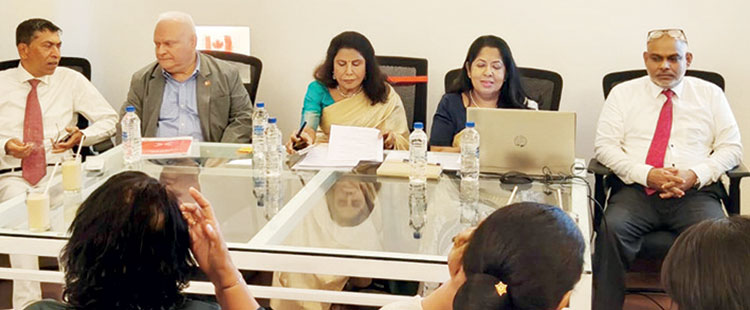
Empowering women, transforming economies
The Canadian Chamber of Commerce in Sri Lanka (CanCham SL) recently hosted an insightful dialogue on Women’s Development, Economic Empowerment, and the Sustainability of Small and Medium Enterprises, bringing together business leaders, policymakers, and entrepreneur, to explore practical pathways towards inclusive economic growth.
The event highlighted the critical role women play in driving economic progress and innovation.
Discussion focussed on creating opportunities for women entrepreneurs, improving access to finance, strengthening leadership capabilities and addressing barriers that continue to limit women’s full participation in the economy.
A key feature of the dialogue was the emphasis on SME sustainability participants and examined how small and medium sized enterprises can remain resistent in a rapidly evolving business environment though innovation, digital transformation, sustainable business practises and stronger public, private partnerships. SMEs which form the backbone of Sri Lanka’s economy, were recognised as a vital contribution to employment generation and community development.
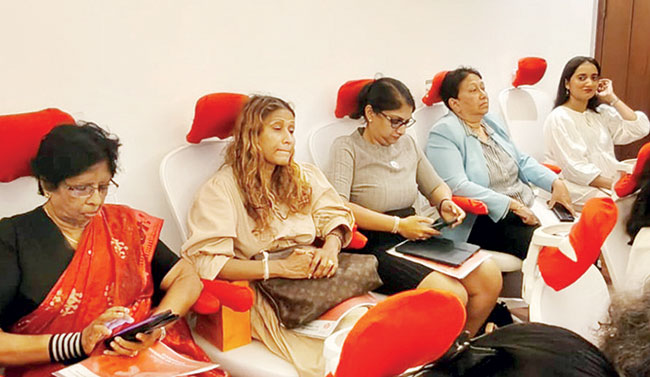
Where ideas inspiration and opportunities came together
Among the distinguished speakers was Dr. Hina Shah, Founder International Centre for Entrepreneurship Development and Career Development (Ahmedabad, Gujarat, India) who shared valuable insights on leadership innovation and the importance of creating eco systems that enable women to thrive in business. Hosted by the Canadian Chamber of Commerce in Sri Lanka (CanCham) her address underscored the need for mentorship, access to networks and supportive policies that help women led business scale to succeed.
The keynote speaker, Dr. Hina Shah, shared insights from decades of work empowering women entrepreneurs. She highlighted how women-led enterprises drive economic progress and social transformation, drawing on India’s experience in building resilient ecosystems. Dr Shah’s experience bring a rare combination of visionary leadership, proven institutional models, global development experience, scalable implementation systems and many high impact initiatives.
She said ‘ “Established with support from Global Affairs Canada and under the patronage of the Canadian High Commissioner to Sri Lanka, CanCham SL is committed to strengthening trade, investment, innovation, and people-to-people ties between Sri Lanka and Canada. Advancing women’s economic participation is a central priority, aligned with Canada’s commitment to gender equality and inclusive growth.
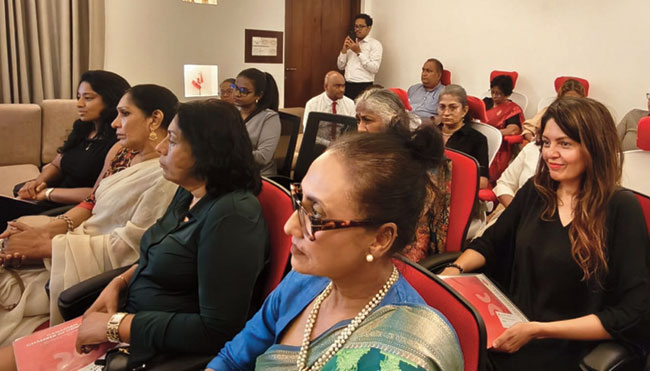
Powerful conversation on leadership, innovation and economic empowerment
The dialogue focussed on practical strategies to improve market access, strengthen business eco systems, enhance financial inclusion, and support the long-term sustainability of women-led SMEs.
Looking Ahead
CanCham SL announced plans to form a core stakeholder group with representatives from Sri Lanka, Canada, and the wider Indo-Pacific region to develop a long-term strategic framework for women’s entrepreneurship and SME development.
The Chamber will also host an Economic Summit for Women to scale these discussions, showcase successful women-led enterprises, and forge partnerships for investment and innovation across the region.
CanCham SL remains committed to working with governments, development partners, and business leaders to create an enabling environment where women can thrive as leaders and drivers of economic transformation.
The Secretary General and Executive Director, Canadian Chamber of Commerce in Sri Lanka M/s Nilupul De Silva said: “At the Canadian Chamber of Commerce in Sri Lanka, we believe that empowering women is not only a matter of quality but also a key driver of economic growth and sustainable development. Today’s discussion reflects our commitment to building a bridge between Sri Lanka and Canada while encouraging collaboration across the public and private sectors. Together, we can create opportunities that enable women-led businesses to thrive and contribute meaningfully to national development.’’ She extended her sincere gratitude to partners, sponsors and all participates for being part of this important conversation and to continue working together to inspire change, strengthen SMEs, and build a future where every woman has the opportunity to lead, innovate and succeed.
This event aligns with CanCham Sri Lanka’s broader vision of promoting inclusive growth, entrepreneurship, innovation and sustainable development while strengthening economic ties between Sri Lanka and Canada. Through initiatives, such as this, the chamber aims to create meaningful opportunities that enable women entrepreneurs to thrive, contribute to job creation and play a greater role in shaping Sri Lanka’s economic future.
The event was held CanCham SL office Horton Place.
By Zanita Careem
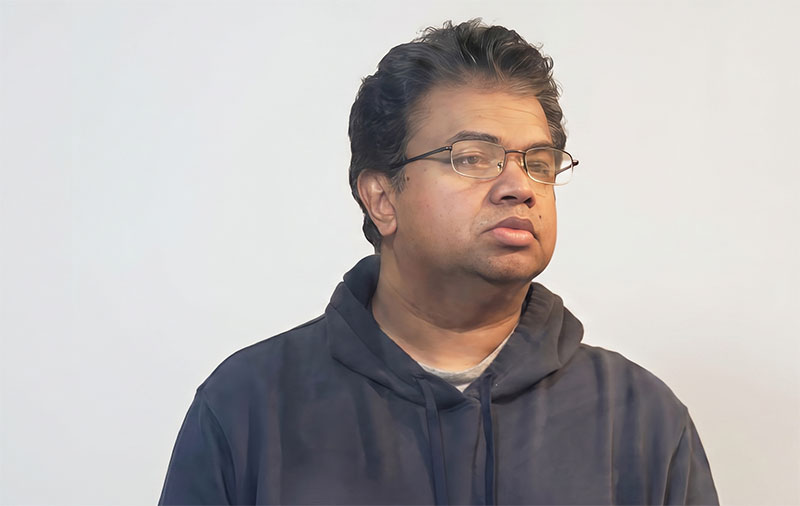
When Attorney and former The Island journalist Priyalal Sirisena turned his attention to fiction, the result was Deyyange Atha (The God’s Elephant)—a striking debut that was shortlisted for the 2025 Swarna Pusthaka Awards. Drawing deeply from his background in human rights and the rule of law, Sirisena’s novel cuts through the glamour of 19th-century history to expose elite corruption and the endless cycle of political power plays. In this interview, the author discusses how the plight of the common man inspired his unique narrative structure.
Q: Your recent novel, Deyyange Atha, takes place during a highly turbulent chapter of Sri Lankan history. What drew you to the twilight of the Kandyan Kingdom as the backdrop for this story?
A: The era of the Nayakkara dynasty is fascinating because it was defined by a massive crisis of legitimacy. You had a foreign-lineage monarchy ruling over a deeply resentful Sinhalese nobility. Figures like Ehelepola Adigar weren’t just fighting the King; they were actively scheming with external colonial powers to upend the throne.
What struck me most was the rhetoric. Both the King and the aristocracy claimed they were acting purely to “save the motherland,” when in reality, it was a raw, unadulterated scramble for control. I wanted to strip away the grand political and look at how this endless friction ground down the ordinary citizens who had no stake in their power games.
Q: You have expressed some skepticism about how history is portrayed in modern Sri Lankan media. How does your book counter that?
A: what I see is that, much of our contemporary art, television, and cinema treats history like a glossy escapist fantasy. We are fed a steady diet of romanticised national pride. I think it completely erases the realities of the commoners.
Lately, history has also been weaponised. It’s used as a beautiful distraction to hide modern political failures or to fuel ethnic division and chauvinism. When you wrap corruption in the flag of “national interest,” people get mesmerised. They get so caught up in the emotional high of nationalism that they forget their own empty stomachs. I think it is a challenge for any artist to counter this treand.
Q: In your novel, a single elephant serves as the catalyst for the entire plot, instead of focusing purely on human political figures. Why did you choose an animal to anchor a historical political critique?
A: The elephant is the lens through which we see the entire social hierarchy fracture. The story actually sparks into motion with a violent act—the killing of this magnificent creature by a British covert operative, Major Hardy.
Once this elephant enters the picture in rural Sabaragamuwa, it completely upends the status quo. It stops being just an animal and becomes a flashpoint. The King demands it as a symbol of his absolute right to rule, while the Adigar is pushed to his limits trying to secure it. By tracking the ripples of this one elephant’s fate, we see a mirror reflection of how every layer of society—from the poorest peasant to the highest noble—is ultimately broken by the regime’s ambitions.
Q: Some readers might find the narrative structure unconventional, as certain pivotal events are retold multiple times. What was the philosophy behind this stylistic choice?
A: The repetition isn’t accidental; it is the literal thesis of the book. History is a broken record. The exact systemic failures, abuses of power, and political manipulations we saw in the 1800s are playing out on our news feeds today.
By forcing the reader to witness the death of the elephant through several conflicting viewpoints, I am issuing a challenge. The reader may find it frustrating to read the same event repeated across a few chapters, but at the same time, so incredibly tolerant of history repeating its worst tragedies in our actual lives. The novel intends to question this tolerance.
Q: The book concludes with a fascinating, rather dark leap forward in time. What guided that final twist?
A: The final chapter jumps 50 years into the future, viewed through the eyes of an English traveller during the height of the colonial coffee plantation era. He witnesses locals performing gruelling acts of penance to appease the spirit of a deceased local chieftain—the man who had terrorised and exploited that very same village half a century prior.
The tragic paradox is that the oppressor had been elevated to a deity. Decades later, the descendants of his victims are praying for his spirit’s return, seemingly willing to trade their freedom for familiar tyranny. It speaks to a very painful human truth that we still see in modern politics: our habit of deifying and worshiping the very leaders who exploit us.
Q: Following the critical success of being shortlisted for the Swarna Pusthaka Awards, what can you share about your next literary venture?
A: Yes, I am actually putting the finishing touches on my second novel, which I hope to publish later this year. Chronologically, it revisits a similar historical era, allowing me to dig even deeper into the socio-political undercurrents of that time period through an entirely new lens.

Spain leave it late to book semifinal date with France

Showers will occur in the Sabaragamuwa, Western and North-western provinces and in Galle, Matara, Kandy and Nuwara-Eliya districts

US$ 2.5 mn cyber heist exposes system failures

Opposition signs no-confidence motion against Justice Minister for dereliction of duty over Negombo Prison deaths

AG informs SC of e-visa agreement review

Navy, Coast Guard seize smuggled pharmaceuticals and cosmetics in Puttalam

‘Dates have the highest sugar content to fight Coronavirus’

Sunday Island 27 December – Headlines

#SundayIsland 17th December – Headlines

Sunday Island – 28th March

Sunday Island Headlines – 21 March

Sunday Island – 21st February – Headlines
-
 News6 days ago
Singapore-based Buddhist monk marks nearly four decades of humanitarian service
-
 News1 day ago
Herath warns prospective migrant workers not to get fleeced by racketeers
-

 News5 days ago
AI concerned over proposed SL military deployment in Haiti
-

 Midweek Review3 days ago
Unexpected focus on ‘pieces of tin’ worn by military men
-
 Latest News4 days ago
Nyamhuri and Ngarava stun Bangladesh by defending 141
-

 Features6 days ago
The NPP’s New Challenge: Balancing Easter Lawfare and Economic Welfare
-

 News2 days ago
Negombo Prison riot: Ensuring protection of prisoners fundamental responsibility of the state – UN
-

 Editorial3 days ago
Prison riots and political battles