
News
Underworld suspects withdraw petition against their detention by CID

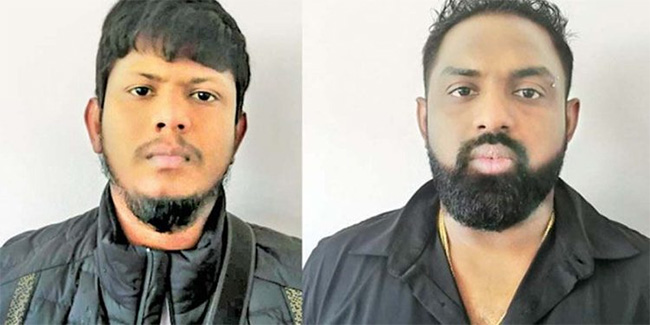
By AJA Abeynayake
Noted underworld suspects, ‘Harak Kata’ and ‘Kudu Salindu’, yesterday informed the Court of Appeal that they were ready to withdraw their writ petitions seeking a court order invalidating the detention orders issued to detain them by the CID.
The matter was conveyed to the Court of Appeal by Nalin Ladduwahetti, PC. when petitions filed by the duo seeking an order that the Director of the CID to ensure their safety while in its custody was taken up before Appellate Court President Nissanka Bandula Karunratne PC.
Appearing on behalf of the Attorney General, Additional Solicitor General Shanil Kularatne informed the court that a final decision pertaining to a potential extension of the relevant detention order was yet to be taken by the CID.
The relevant petition is due to be called before the court on 25 October. The court also ordered that all parties related to the case be made aware of details and proceedings.
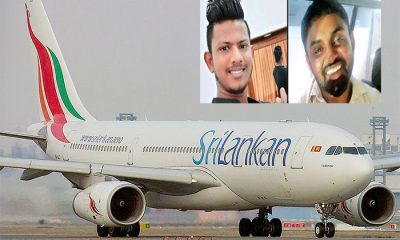
A team of officers from the CID went to Madagascar on 11 March and brought bak drug kingpin, Nadun Chinthaka alias ‘Harak Kata’ and his accomplice Salindu Malshitha Gunaratne, alias ‘Kudu Salindu’.






The Cabinet of Ministers granted approval to the proposal submitted by the President to make a donation of United States Dollars One million as humanitarian and economic relief to the government of Nepal
Latest News
Sun directly overhead Kalpitiya, Talawa, Sinharagama, Galkadawala, Nachchaduwa, Padikaramaduwa, Gomarankalla and Verugal about 12.10 noon today (01)


The sun is going to be directly over the latitudes of Sri Lanka from 28th of August to 07th of September due to its apparent southward relative motion.
The nearest places of Sri Lanka over which the sun is overhead today (01) are Kalpitiya, Talawa, Sinharagama, Galkadawala,
Nachchaduwa, Padikaramaduwa, Gomarankalla and Verugal about 12.10 noon.
… stresses need for action if claims were proved false
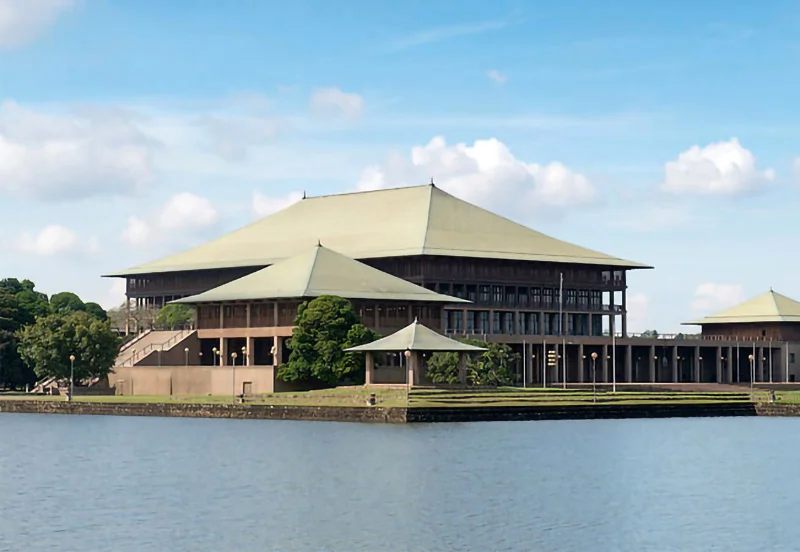
Samagi Jana Balawegaya (SJB) MP Dayasiri Jayasekera has sought a clarification from Speaker Dr. Jagath Wickremaratne regarding several allegations against Chief Justice Preethi Padman Surasena, in Parliament, recently.
In a letter dated 31 August, Jayasekera has asked the Speaker whether he received any documentary evidence from MPs in support of the allegations at issue. The SJB MP has also inquired about the steps taken by the Speaker regarding the allegations and whether the issue had been taken up with the relevant agencies authorised to probe the assets of the CJ and members of his family.
MP Jayasekera confirmed that he had raised the issue with the Speaker, following the accusations relating to the high profile X-Press Pearl case, which received significant public attention in the recent past.
The Kurunegala District MP has also asked the Speaker whether the latter contemplated taking action in case the allegations were proved false to ensure that the dignity of the Chief Justice and the judiciary was safeguarded.
Among the issues raised by MP Jayasekera are the acquisition of valuable property in Colombo by the CJ’s son, the circumstances in which he was able to procure the property, as well as accusations regarding the CJ’s birth certificate, marriage certificate and birth certificates of his children.
Cabinet approves donation of USD One Million to the Government of Nepal

Nahida, Marufa help Bangladesh brush aside Indonesia

Showers will occur in the Western, Sabaragamuwa, Southern and Uva provinces and in Kandy and Nuwara-Eliya districts

Sun directly overhead Kalpitiya, Talawa, Sinharagama, Galkadawala, Nachchaduwa, Padikaramaduwa, Gomarankalla and Verugal about 12.10 noon today (01)

SJB asks what Speaker intended to do about allegations against CJ

Navy Chief attends strategic-level discussions in Delhi

‘Dates have the highest sugar content to fight Coronavirus’

Sunday Island 27 December – Headlines

#SundayIsland 17th December – Headlines

Sunday Island – 28th March

Sunday Island Headlines – 21 March

Sunday Island – 21st February – Headlines
-

 News4 days ago
Eight politicians in drug kingpin probe
-

 Features2 days ago
“Wrap Me Up in My Blazer”— A Gentlemanly Bradby Reminiscence
-

 Business4 days ago
Sri Lanka opens up: A new season of direct connectivity
-
 Features4 days ago
Redefining ageing in Sri Lanka
-
 Features6 days ago
Insights from Chieftains of Uva: Genealogy of two Kandyan Families – Part II
-
 Latest News5 days ago
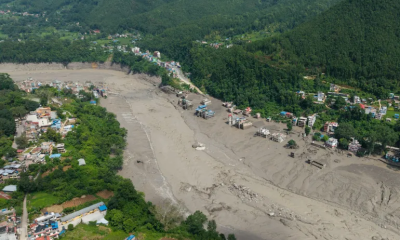
Nepal-Tibet floods: What happened, what caused them and who is missing?
-

 Editorial6 days ago
Warning of power cuts: El Niño and corruption
-

 Features6 days ago
Export diversification: Missing the wood for the trees – Part I