
News
Post-war reconciliation: Civil society group tells govt. how to proceed


A group of civil society activists yesterday (19) underscored responsibility on the part of the government to take into consideration key factors before it undertakes a fresh post-war reconciliation effort.
The following is the text of the statement issued by the grouping in response to the proposed establishment of the Truth and Reconciliation Commission with the support of the international community: “We have learned of processes being undertaken by the government of Sri Lanka to establish mechanisms for truth and reconciliation with support from countries such as South Africa, Japan and Switzerland. Together with the mothers, wives, siblings and children whose loved ones had been forcibly abducted and disappeared over a span of 40 years, and as friends of the families of the disappeared, we wish to outline a few concrete actions from the Sri Lanka government that we consider to be essential to rebuild trust after the failure of every single successive state commission, inquiry or reconciliation mechanism we have witnessed or participated in over the past several decades.
We call for the following steps to be fulfilled before any further mechanisms are set up by the government for ‘Truth and Reconciliation’.
1. Fast-track a process of giving every affected family member copies of the key documents that relate to the incidents or losses they have experienced.
a) This includes copies of police reports, records at different public commissions, complaint records made to HRC, etc.
b) If the original police complaint cannot be found in the Police station records, new complaints-linked to the original complaint should be recorded under this fast-tracked process.
c) In the absence or death of the family members who originally had made complaints, recognise the right of the next of kin in that family who is continuing the struggle for truth and justice to claim these documents.
d) The documents issued under the fast-track process must be guaranteed to have the same credibility for legal and administrative purposes as a police report made at the time of the event.
2.Follow-up on the already-established findings related to a number of emblematic cases in Batticaloa, which were presented to Presidential Commissions on numerous occasions with clear and credible evidence, including eyewitness accounts. Thorough inquiries and investigations must be conducted within one year, and results of these must be made public. The cases to be considered include the following:
a)The enforced disappearance of 158 persons from the Eastern University on the 5th September 1990.
b)The enforced disappearance of 184 persons taken from 4 villages surrounding the Saththurukondan army camp on 9th September 1990.
c)The enforced disappearance of 4 boys (teenage and early 20s) on the 5th May 2009 from Batticaloa Town as an extrajudicial retaliatory response to a case where a schoolgirl was abducted and killed.
3.Many families have already identified to numerous commissions which camps their loved ones were taken. A list of all military camps including those of the Army, STF, Navy, Airforce and all paramilitary camps, as well as the names of the officers-in-charge of these camps over the previous 4 decades must be made public. This way, families can make specific demands with regards to the whereabouts of their loved ones, and for overall accountability for enforced disappearance.
4.Make public all relevant documents concerning military tribunals conducted over a period of the past 4 decades with regard to human rights violations.
5.All documents collected by the government during the war with regards to enforced disappearances and extrajudicial killings carried out by the Liberation Tigers of Tamil Eelam and all other armed groups, including details of those with command responsibilities for these, should be made available to the public.
6.Credible inquiries must be initiated into the role and culpability of all armed groups in abductions and enforced disappearances, including by groups like PLOTE, EPDP, Karuna Faction and TMVP that worked alongside the government forces. Government documents related to their role and finding of the inquiries must be made public.
7.Credible inquiries to be initiated and made public into all armed groups that were responsible for child abduction and recruitment as child soldiers, including those that acted under active government protection or complicity.
8.The collective and continuing impact of physical, psychological, social and economic trauma on the lives of affected families cannot be quantified or put in words. Nevertheless, a meaningful monthly allowance must be paid to each affected family – NOT as compensation or in exchange for acceptance of a death certificate, but as a form of recognition of the ongoing impact of this loss in their lives. This should be recognized as a form of ongoing reparation.
9.Directives must be issued to protect the democratic right of affected people (and indeed all citizens) to gather to have peaceful protests, memorials and remembrances in any form without intimidation and surveillance.
10.Repeal the unjust PTA which has been the main cause for state human rights abuses with blatant impunity, as well as withdraw the proposed equally-draconian ATA.
All of the steps outlined above can be undertaken by the government unilaterally before they once again request family members to tell their painful stories to yet another mechanism for the sake of ‘reconciliation’. If the government is sincere about truth-telling, justice or reconciliation, let it first demonstrate this by taking these first steps.
The trust of affected people must be earned. Without this, there will be no reconciliation.”
The following were the signatories: Batticaloa Peace Committee, Batticaloa Justice Walkers and Family Members of the Disappeared
a) Amara Hapuarachchi
b) Sarala Emmanuel
c) Vijayaluxmy Segaruban
d) A. Sornalingam
e) T. Sharadha Devi
f) S. Ariyamalar
g) P. Jeyatheepa
h) Anuratha Rajaretnam
i) M. Sitralega
j) T. Jayasingam


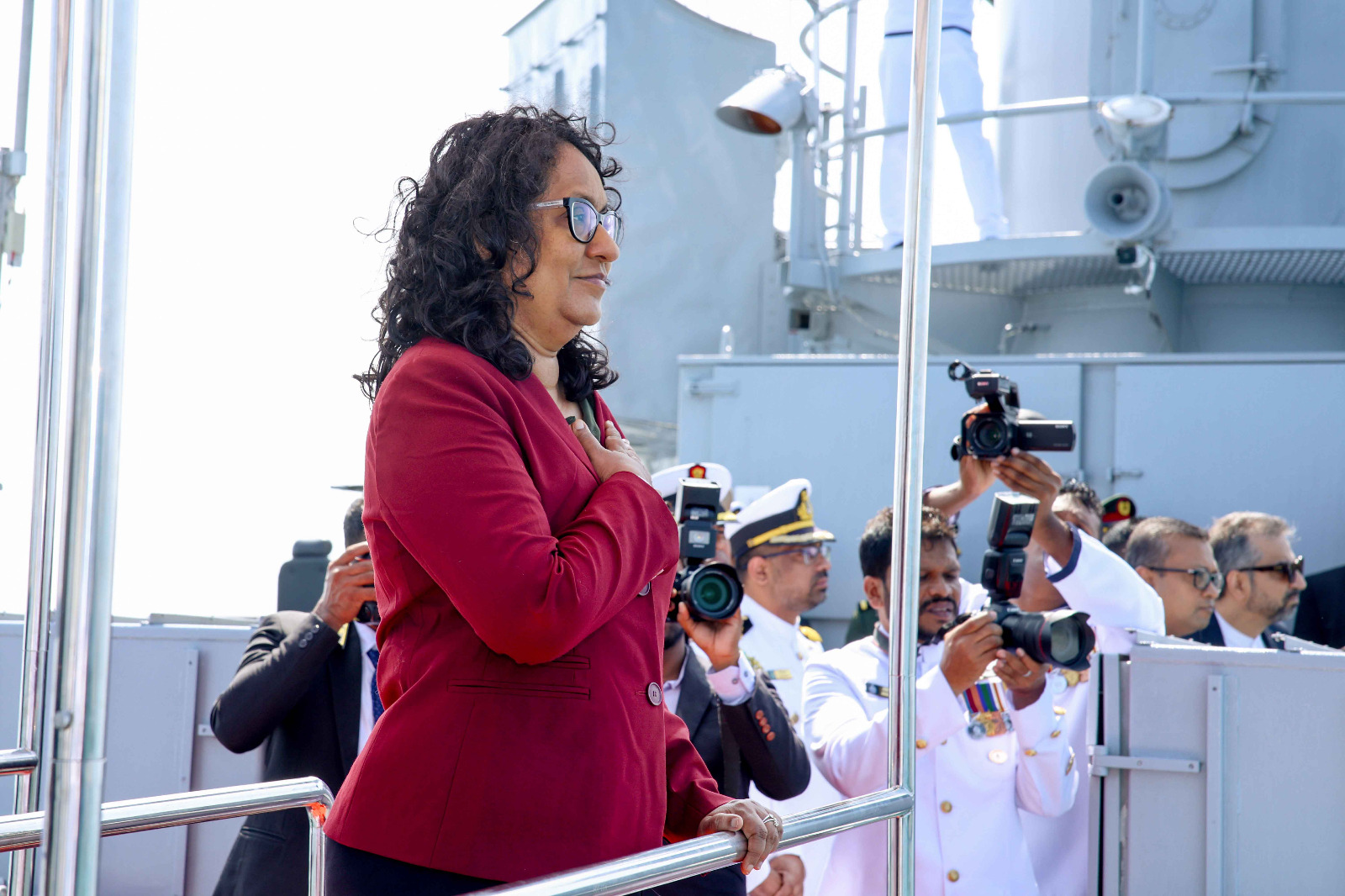
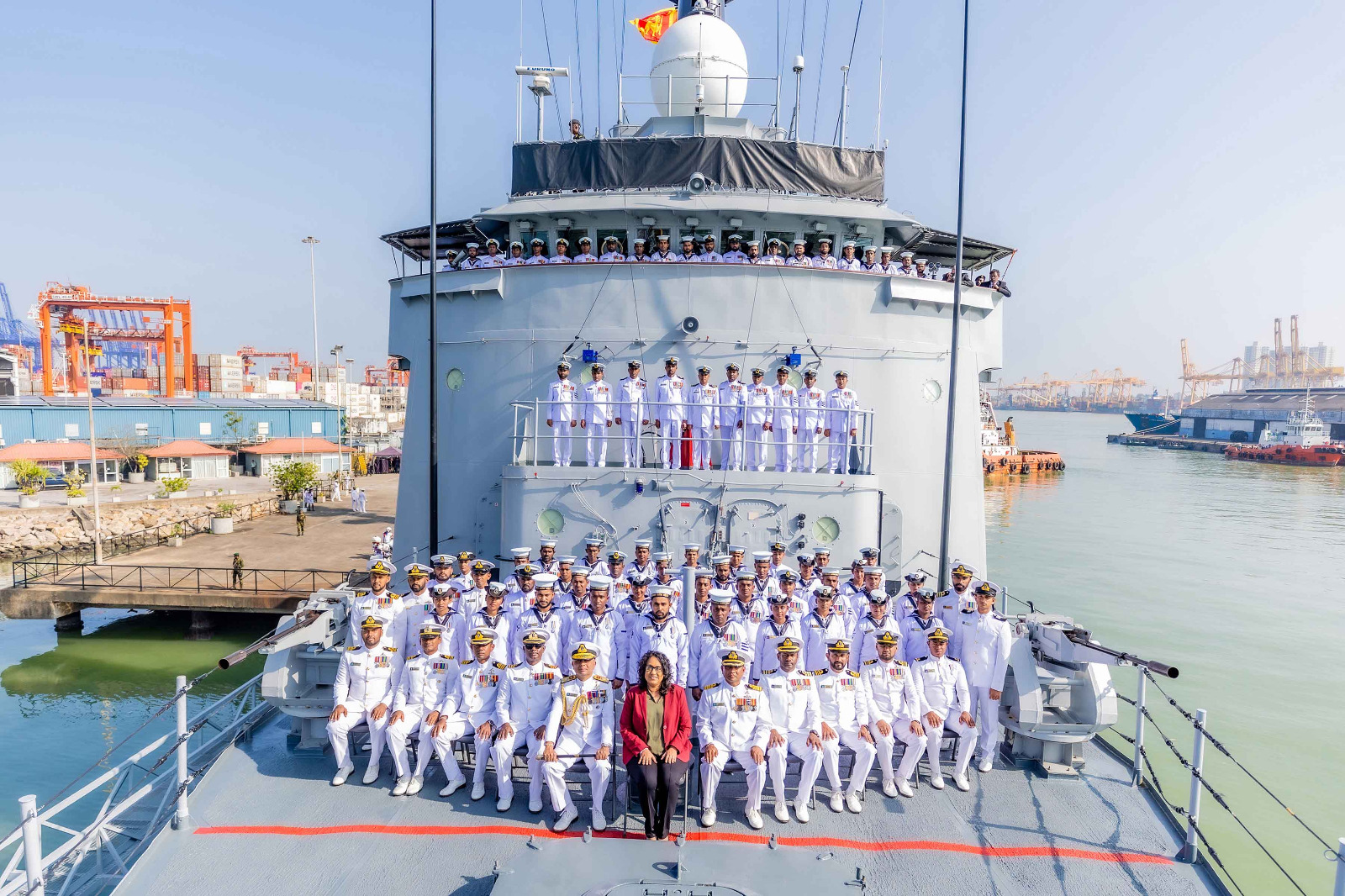
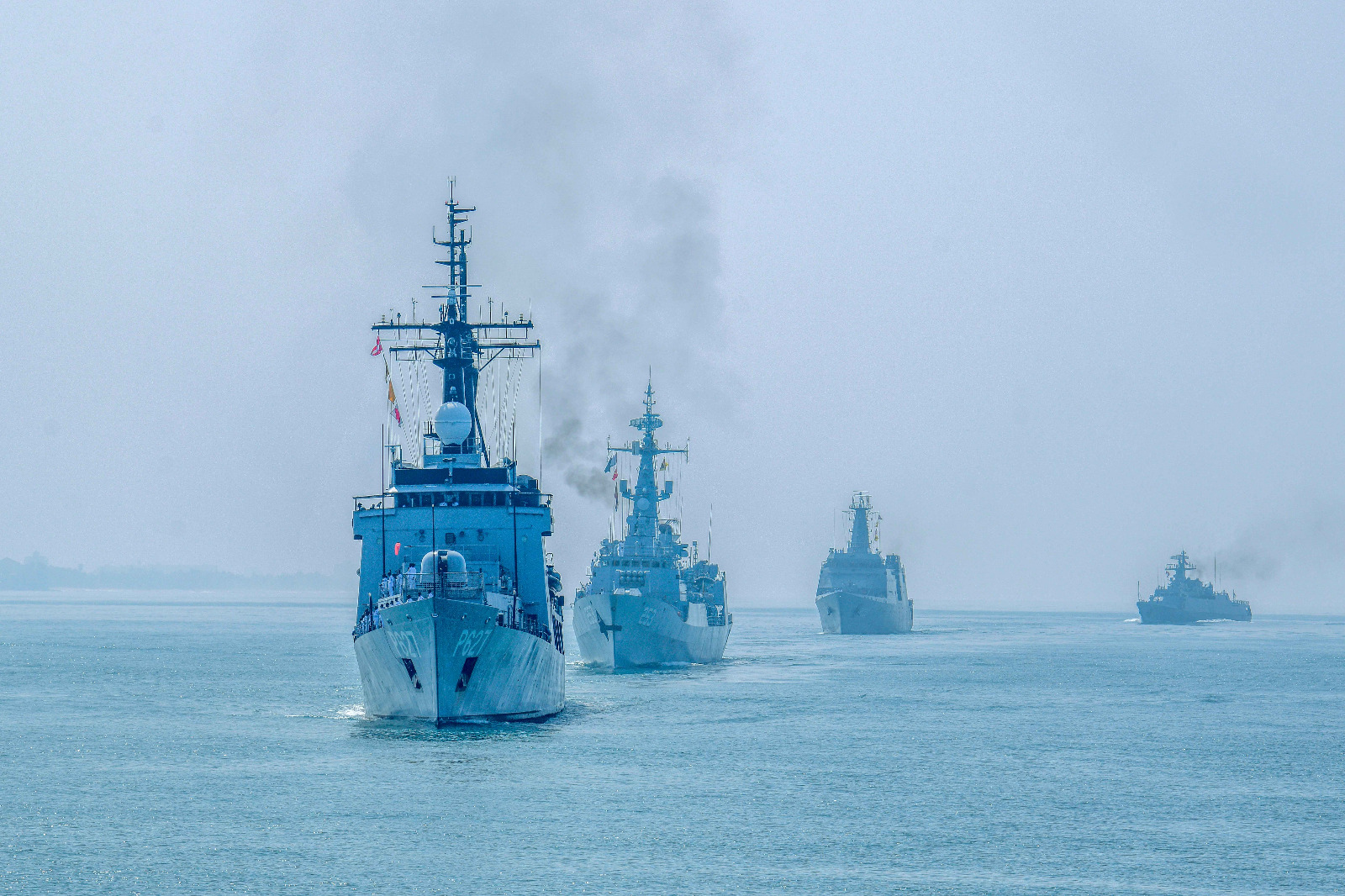
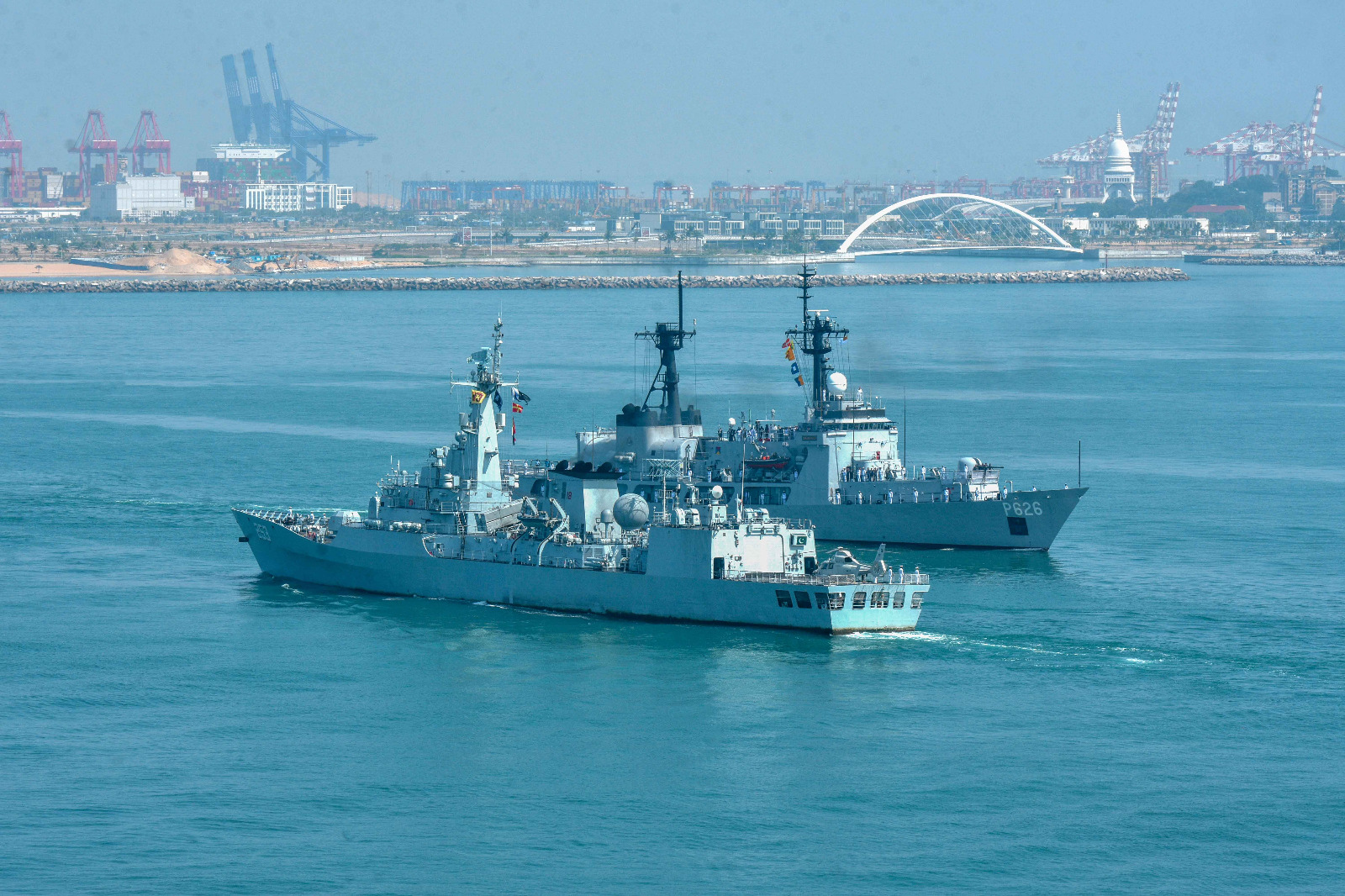
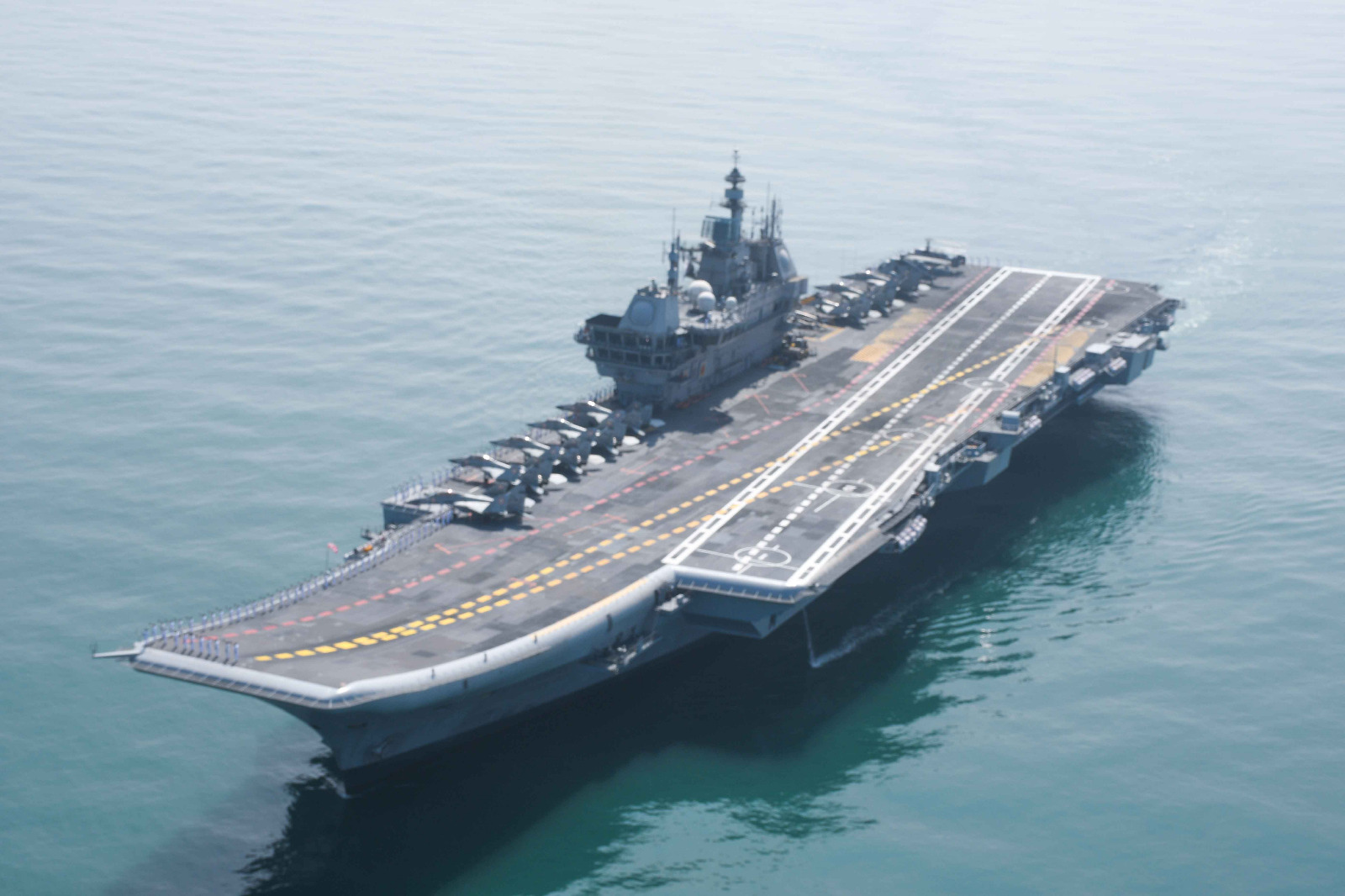
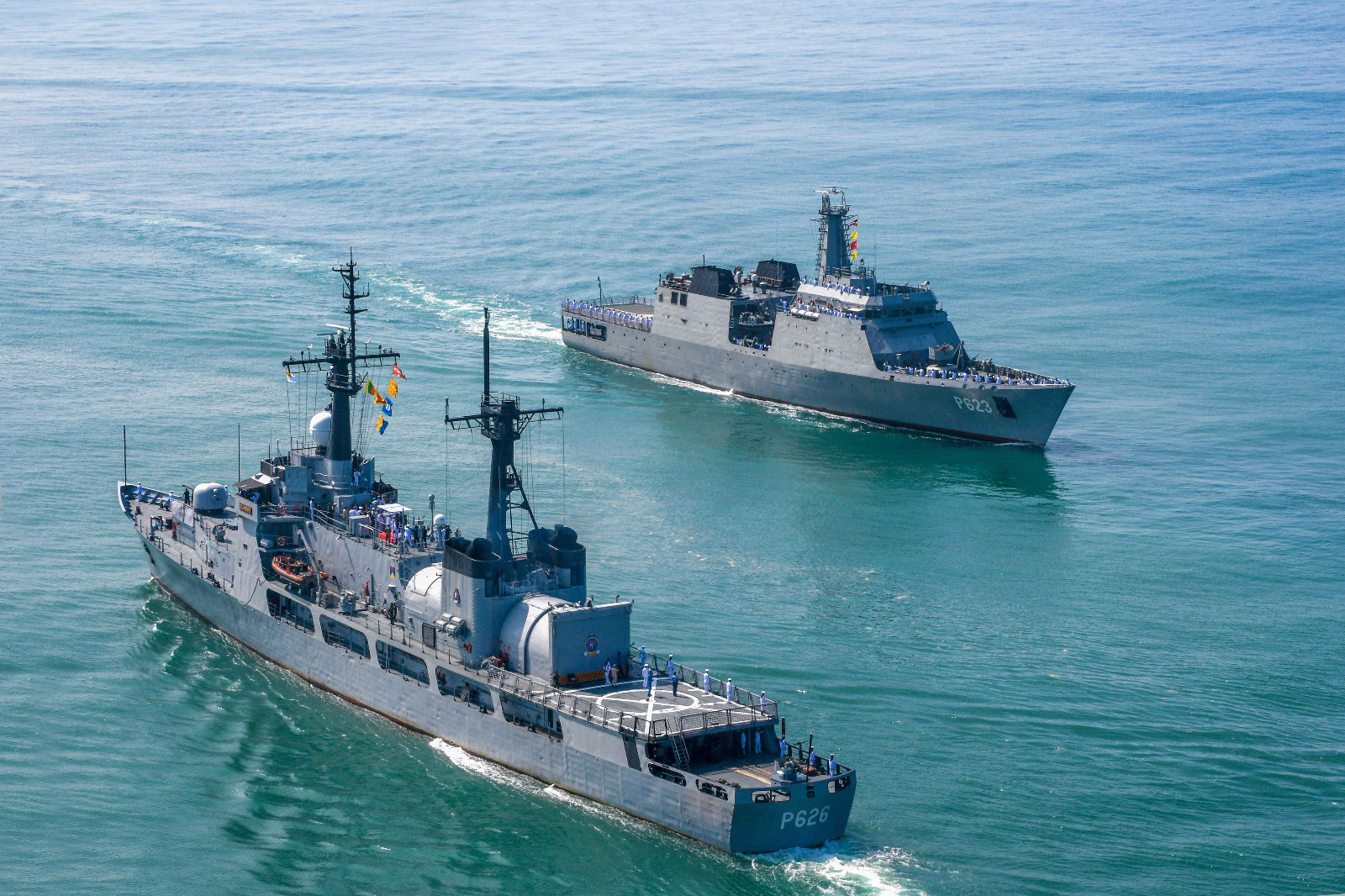
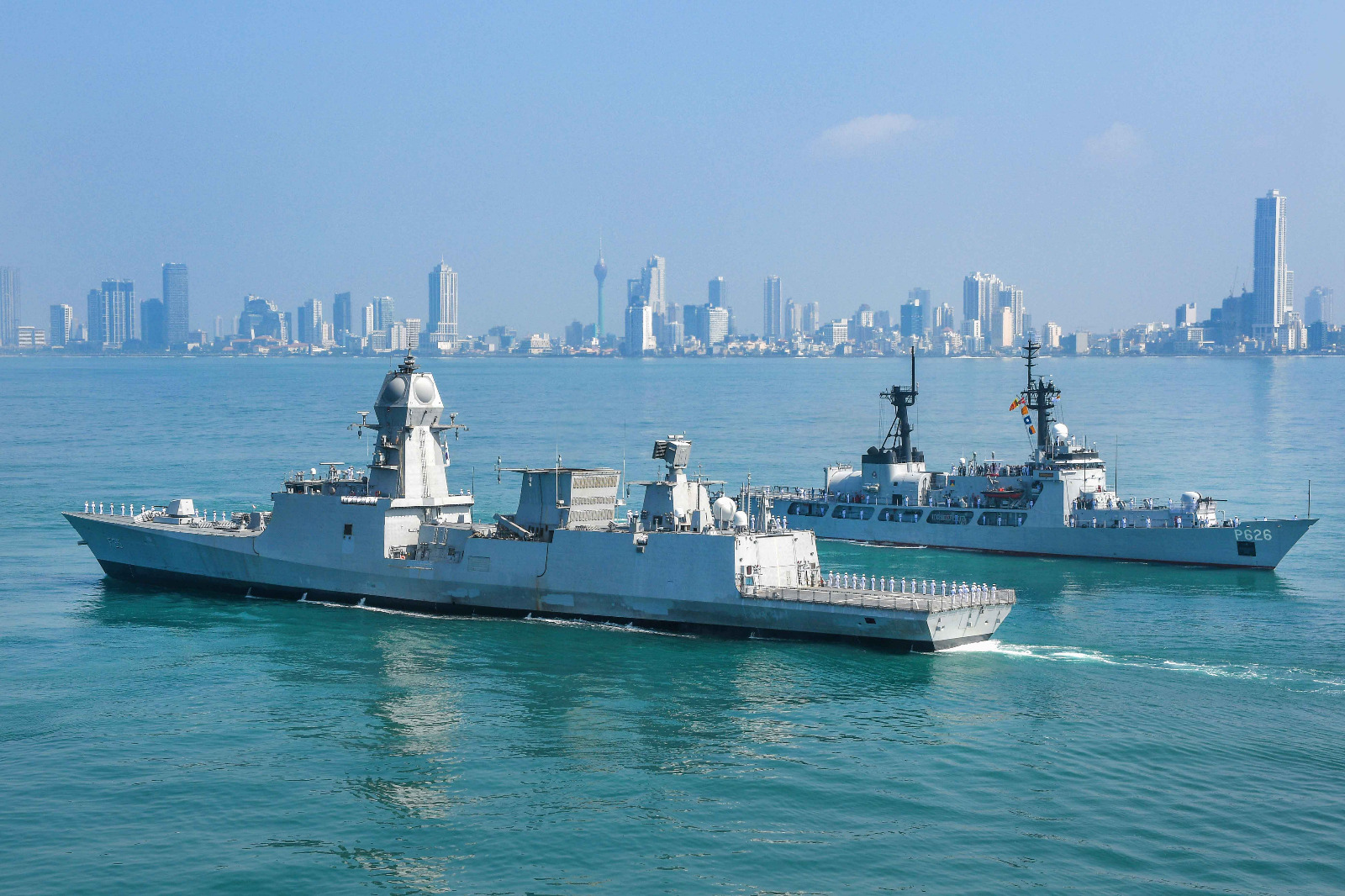
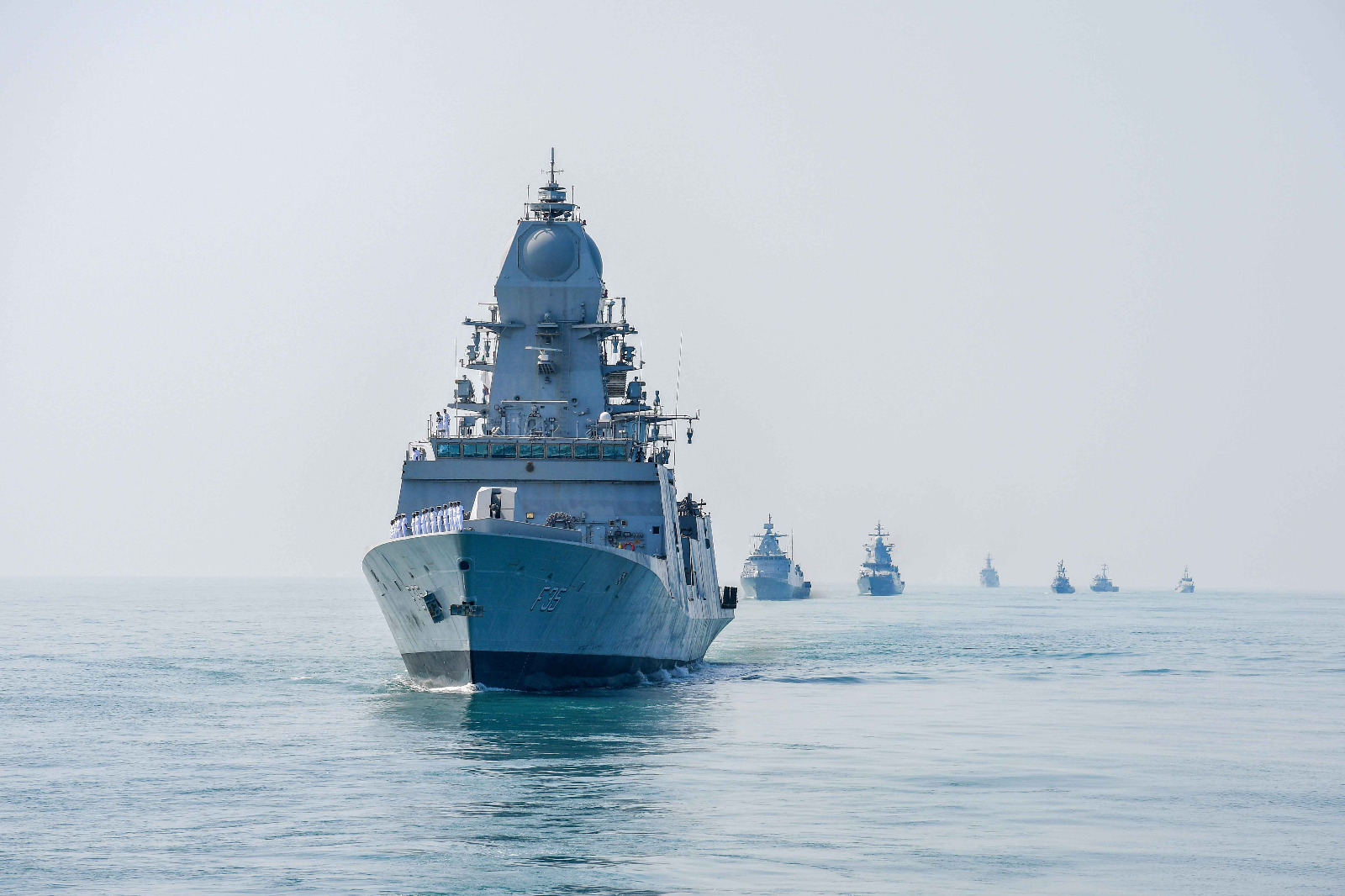
Highlighting the spirit of global and regional cooperation, the Sri Lanka Navy acknowledged the invaluable support by foreign warships, which had arrived to take part in the International Fleet Review (IFR) 2025, extending much-needed Humanitarian Assistance and Disaster Relief (HADR) operations, during the recent weather disaster in Sri Lanka.
The IFR 2025 was held off the Galle Face seas, marking the milestone 75th anniversary celebrations of the Sri Lanka Navy.
Representing the Government of Sri Lanka, Prime Minister Dr. Harini Amarasuriya graced the event and received the traditional naval salute from onboard SLNS Gajabahu, as the participating foreign warships paid their honours.
Eight (08) foreign naval warships arrived in Sri Lanka by 27 November to take part in the IFR under the theme “Sailing Strong – Together”. The participating warships included the Bangladesh Navy’s BNS PROTTOY, the Indian Navy’s aircraft carrier INS VIKRANT and INS UDAYGIRI, Iran Navy’s IRIS NAGHDI, the Maldivian Coast Guard’s CGS HURAVEE, the Royal Malaysian Navy’s KD TERENGGANU, Pakistan Navy’s PNS SAIF and Russian Navy’s GREMYASCHCHY.
Due to the disaster-situation triggered by severe weather conditions across the island, foreign warships that arrived for the event were promptly redirected to support humanitarian efforts. Particularly, helicopters deployed from the Indian Navy’s aircraft carrier INS VIKRANT and Pakistan Navy’s PNS SAIF played a praiseworthy role in search and rescue missions for affected communities.
Accordingly, the warships representing each nation joined the IFR, honouring proud maritime traditions and in acknowledgement of Sri Lanka and its Navy. Their participation also reinforced collective cooperation and partnership needed to address non-traditional maritime threats in the region, as well as natural disasters driven by climate change.
The Prime Minister expressed gratitude to a group of diplomatic officials, present on this occasion, for their support in the disaster relief operations. The officials, who were present on the occasion, represented the High Commissions and Embassies of Bangladesh, India, Iran, Maldives, Malaysia, Pakistan, and Russia in Sri Lanka.
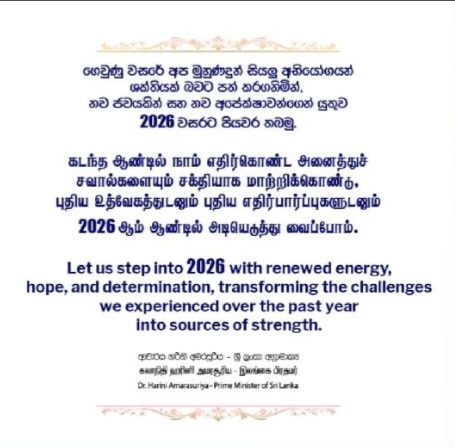
Prime Minister Dr Harini Amarasuriya in her New Year message invited all Sri Lankans to step into 2026 with renewed energy, hope, and determination.
The PM’s New Year message:
“As we move forward to the New Year of 2026, it is timely to reflect on the year 2025 that has passed. The year 2025 can be granted as a year having made a number of decisive and progressive steps with a people oriented government.
I am confident that, within a new political culture, we were able to strengthen transparency in state governance and lay the foundation for an efficient and corruption free public service.
We can be satisfied with the progress achieved in several key areas during 2025, including economic stability, the increasingly positive and optimistic international perception towards our country, the establishment of transparent systems of governance, and the strengthening of the sovereignty of the legislation system.
However, the unfortunate disastrous situation we experienced towards the end of 2025 was a challenging period for our nation. While it deeply moved us all, the spirit of solidarity, compassion, and collectivity shown by Sri Lankans during that difficult situation received admiration across the world.
As we step into the New Year 2026, we hold commitment to overcoming those challenges, healing from the disaster, and restoring the lives and livelihoods that were affected.
Moving forward with the goals such as initiating qualitative and sustainable transformation in the education sector, digitalizing all sectors of the public service, creating an enabling environment for entrepreneurs, artists, and creators with innovative ideas to rise on the global stage, and building a compassionate, environmentally friendly society free from drugs and harmful substances I would like to remind, at this moment, that the responsibility of rebuilding this nation rests upon the entire nation, together with the government, transcending differences of ethnicity, religion, or political affiliation, and united by a strong Sri Lankan identity.
Transforming all the challenges we experienced in the past year into sources of strength, I invite you to step into 2026 with renewed energy, hope, and determination.
I extend wishes for a victorious New Year filled with peace, happiness, and prosperity.”


Reagent scandal:
Deputy Director of the National Hospital, Dr. Rukshan Bellana, has been interdicted by Health Service Committee (HSC) of the Public Service Commission (PSC) following a preliminary inquiry into several complaints received against him, government sources said.
They said certain matters referred by the Secretary to the Prime Minister Dr. Harini Amarasuriya and Inspector General of Police (IGP) Priyantha Weerasooriya, too, had been taken into consideration.
A Health Ministry official said there was no truth in Dr. Bellana’s claim, as reported in the 30th December edition of The Island, that the Health Ministry had sacked him on the approval of the HSC of the PSC over him taking up the massive Rs 900 mn fraud involving the supply of chemical reagents to the laboratory of the National Hospital of Sri Lanka (NHSL) in Colombo, which is the premier hospital in the country.
Sources said that there was absolutely no basis for this allegation. The official said that Dr. Bellana had been interdicted for issuing statements that caused controversy and turmoil among the public. That’s the most serious offence that had been taken into consideration when the decision to interdict him was taken, sources said. “There will be a spate of charges in the charge sheet to be issued soon.”
The interdiction of medical officers could not be carried out by the Ministry of Health and Mass Media, as the Ministry was not vested with disciplinary authority, sources added.
Dr. Bellana said he stood by what he revealed and had evidence to support his claim.
Health Ministry sources acknowledged that the National Audit Office (NAO) on June 6, 2025, had called for information in respect of chemical reagents procured by the National Hospital Colombo NHSL laboratory from 2022 to 2024.
Responding to another query, sources said that a separate investigation by the Internal Audit of the Ministry of Health was on into issues raised by the Audit query pertaining to the lab of the NHSL.
Having pointed out that the government paid Rs. 894,186,168 (2022), Rs. 713,652,615 (2023) and Rs. 936,152,767, totalling Rs 2,543,991,550 for chemical reagents during that period, NAO sought an explanation from the Health Ministry as to how Rs 12,894,697 worth of chemical reagents past expiry dates were found in six laboratories at NHSL during examination carried out on April 7,8,10,21 and 22 in 2025.
The NAO also raised the failure on the part of the relevant authorities to secure the approval of the Medical Supplies Division (MSD) before placing orders with local suppliers for chemical reagents.
The Health Ministry was questioned over the absence of proper stock keeping regarding Rs 2544 mn worth chemical reagents issued to NHSL laboratories. The NAO ascertained that Financial Regulations 751 had been violated. As a result of the absence of credible stock keeping, the NAO hadn’t been able to ascertain whether shelf-life expired chemical reagents were misused, the government authority stated.
The NAO asked for an explanation regarding the payment of Rs 912,838 over the required amount to a local private supplier (NAO named the supplier) for chemical reagents obtained.
In one of the most serious observations, NAO pointed out that shelf-life expired chemical reagents had been used for tests. The NAO raised this while pointing out the Health Ministry violated a key prerequisite in the procurement of chemical reagents that their shelf life should be at least 85% at the time of receiving consignments. Instead, all stocks procured had less than six months shelf life, NAO stated.
NAO declared that some suppliers refrained from mentioning the date of manufacture and the time of expiry.
The above mentioned were some of the issues that had been raised by Audit Superintendent Y.M. Sugathadasa on behalf of the Auditor General who is the head of the NAO. The post of AG remains vacant since December 8, 2025. Earlier incumbent W.P.C. Wickremeratne retired on April 8, 2025 after having served as AG for several years. President Anura Kumara Dissanayake and the Constitutional Council haven’t been able to reach consensus on a permanent appointment yet.
By Shamindra Ferdinando ✍️

In pictures: New Year welcomed around the world

Foreign warships commended for their assistance during weather disaster in Sri Lanka

Machu Picchu train crash leaves one dead and dozens injured

I invite you to step into 2026 with renewed energy, hope, and determination – PM

Fairly heavy showers about 75 mm are likely at some places in the Central and Uva provinces and in Batticaloa and Ampara districts

National Audit Office reveals NHSL lapses

‘Dates have the highest sugar content to fight Coronavirus’

Sunday Island 27 December – Headlines

#SundayIsland 17th December – Headlines

Sunday Island – 28th March

Sunday Island Headlines – 21 March

Sunday Island – 21st February – Headlines
-
 News6 days ago
Street vendors banned from Kandy City
-

 Sports3 days ago
Gurusinha’s Boxing Day hundred celebrated in Melbourne
-

 News6 days ago
Lankan aircrew fly daring UN Medevac in hostile conditions in Africa
-
 News1 day ago
Leading the Nation’s Connectivity Recovery Amid Unprecedented Challenges
-

 Sports4 days ago
Time to close the Dickwella chapter
-

 Features2 days ago
It’s all over for Maxi Rozairo
-

 Features6 days ago
Rethinking post-disaster urban planning: Lessons from Peradeniya
-

 Opinion6 days ago
Are we reading the sky wrong?