
News
Dengue situation becoming as bad as record outbreak in 2017


By Rathindra Kuruwita
The current statistical trends indicate that the number of Sri Lanka’s dengue patients this year can be as high as in 2017 where 186,101 cases were reported, Dr. Dinu Guruge, Consultant for Dengue Global Programme – Drugs for Neglected Diseases initiative (DNDi) and Regional Epidemiologist at Colombo Municipal Council (CMC) said during an event organised by the International Society for Neglected Tropical Diseases recently.
The highest number of dengue cases in Sri Lanka was reported in 2017.
“In 2017, there were about 300 dengue cases a week in the CMC area. Right now, the number of cases we see in 2023 is only second to what we saw in 2017. Which means we have to look forward to an outbreak close to 2017 and Sri Lankan medical officers are working to prevent that from happening. Those at the CMC have been dealing with this kind of situation for the last decade,” she said.
Dr. Guruge added that the CMC spent as much as 10 percent of its annual health budget on chemicals used for dengue control. Another 25 percent of the budget was spent on other dengue-related activities.
“This is hue. About 35 percent of the CMC health budget is spent on dengue-related activities,” she said.
The Regional Epidemiologist at the CMC also said that the actual number of dengue cases could be three times that of reported cases.
Dr. Jagath Amarasekera, Public Health Specialist, National Dengue Control Unit, Ministry of Health, said that Sri Lanka serologically confirmed dengue in 1962 and that dengue fever was made a notifiable disease in 1996.
From 1990 to around 2008 there were about 4000 to 10,000 cases of dengue a year.
“In 2009, we saw an outbreak where we recorded 35,095 cases. Then we saw about 35,000 to 50,000 cases a year until about 2016, and in 2017, we saw 186,101 cases. There were 105, 049 cases in 2019. We had 76,689 cases in 2022. After 2009, there is more awareness of dengue, patients identified the symptoms and doctors were actively looking for cases. So, they also contributed to increasing the numbers,” he said.
Dr. Amarasekera added that in the first 20 weeks of 2022, there were 9837 cases in the Western Province, this year the number is 17,715, which is about 49.6 percent of cases. The Eastern province accounts for 12.2 percent and the Northwestern province accounts for 10.3 percent, of the cases.
“If you can control dengue in the Western province, it can have a big impact. We usually have two periods, following the monsoons, where cases spike, but the baseline is relatively low. However, this year the baseline, too, has been high – this can especially be seen in the Gampaha District. This high baseline is what worries us. An outbreak on top of a high baseline could mean trouble. We are doing a lot to prevent this,” he said.
Dr. Amarasekera said on average its men who mainly contract dengue, about 57 percent. Among the cases, about 62 percent belong to the working population. Given that these are often breadwinners of the family, there is delayed medical attention seeking behaviour among the working population and that causes complications.
“One of the objectives of the national dengue prevention and control campaign is to reduce the prevalence below 100 out of 100,000 Sri Lankans. So basically to keep the cases below 22,000 as we have about 22 million people. Our other objective is to reduce and maintain the case fatality rate below 0.1 percent by 2023, or one death for 1000 cases,” he said.
Dr. Amarasekera said that in 2009, about one percent of those with dengue died. The number of cases have exploded since then and if that rate persisted hundreds of people would be dying each year, he said.
“You can see the magnitude of the problem when you have about 35 000 cases. One percent case fatality means about 350 deaths. But ever since 2008, due to improved clinical guidelines, capacity building, the logistics for treatment, etc., improved. So, the fatality rate has been dropping since. Even last year it was less than 0.1 percent,” he said.
There are two types of dengue vectors, i.e. Aedes aegypti and Aedes albopictus. The primary vector is Aedes aegypti and when one looks at their breeding sites in 2023, about 28 percent of these sites are discarded items (mainly plastic items thrown away), 23 percent are water storage items, 11 percent in ornamental items and ponds, nine percent in temporary removed items (i.e. items that people take out of the house to dispose but they never do), eight percent in tyres, six percent in covering items, and five percent in other items, he said.
Prof. Neelika Malavige, Head of the Department of Immunology and Molecular Medicine, University of Sri Jayewardenepura, and the Head of Dengue Global Programme at DNDi, said that the global impact of dengue has been increasing rapidly in the past few decades. Global infections increased from 23 million in 1990 to 104 million in 2017, she said, adding that dengue is a climate sensitive infection, and that climate change, rapid urbanization, and population expansion are making things worse.
“There is also a massive economic cost of dengue. Global cost of dengue was estimated, in 2014, at eight billion U.S. dollars but this is a gross underestimation. The cost for India alone in 2016 was 5.71 billion U.S. dollars,” he said.
She added that DENV3 is the dominant serotype in Sri Lanka now. While the country has experienced this serotype, but it was not predominant in here for some time. When a serotype emerges after a few years, there are a significant number of people who are not immune.
“When a serotype is reintroduced after about 10-15 years, then you have massive outbreaks. Although dengue cases have been increasing over time, in all age groups, the increase is disproportionately high in older age groups. In 2000, close to 60 percent (59.9) patients were those under 19, in 2018 those under 19 accounted for only 35.7 percent of reported cases. More infections in adults means more infections among pregnant women, those over 65 and those with comorbidities. This poses more challenges,” Prof. Malavige said.
She added that the main public health measure to counter dengue in Sri Lanka has been vector control, a strategy most countries follow. However, most people in dengue control realize vector control alone isn’t enough. Much more needs to be done to come up with a treatment for the disease.
There is no specific treatment for dengue and the focus is on treating pain symptoms.
“In the CMC area, by the age of 20, about 97 percent of people are seropositive. In Colombo and semi urban areas the number is at 80 percent. This means that they have had dengue by the age of 20. However, seroprevalence is much lower in other districts. Dengue is a big problem in the Western Province,” she said.
Prof. Malavige said that a vaccine against dengue has been touted as a silver bullet. However, countries have to think about the efficacy rate of a vaccine for those who have not been exposed to dengue.
“We have a new vaccine coming up, by Takeda, and several countries have registered it. The European Medical Agency gave approval to the vaccine. Based on the published data the cumulative efficacy of the vaccine after three years was 62 percent against virologically confirmed dengue (VCD) and 83.6 percent against hospitalized VCD. These are for seropositive individuals. However, for seronegative individuals, against dengue 03, efficacy is quite low,” she said.
Prof. Malavige said despite the massive costs of dengue for developing nations, there are many who ask if there is a need for a treatment for dengue. There are many who believe that a vaccine could address the problems caused by dengue.
“This shows the neglected nature of dengue. People do not understand the burden of dengue because it does not affect high income countries usually. We do need treatment to ensure that cases do not get serious,” she said.
Prof. Malavige said DNDi has put together a dengue alliance, which includes Mahidol University, Thailand, Translational Health Science and Technology Institute, India, Institute for Medical Research, Malaysia. Oswaldo Cruz Foundation (Fiocruz), Brazil, DNDI and The Federal University of Minas Gerais, Brazil, to find a treatment for dengue.
“Initial strategy is to repurpose drugs, because we know the safety of drugs and can rapidly deploy them for clinical drugs. The preclinical working group is working on in vitro testing for antivirals, host directed therapies and in vivo testing on mouse models. We all need to collaborate and this is the magic word,” she said.










News
Prime Minister of Sri Lanka holds a bilateral meeting with Minister for Education and Skills Development of Bhutan

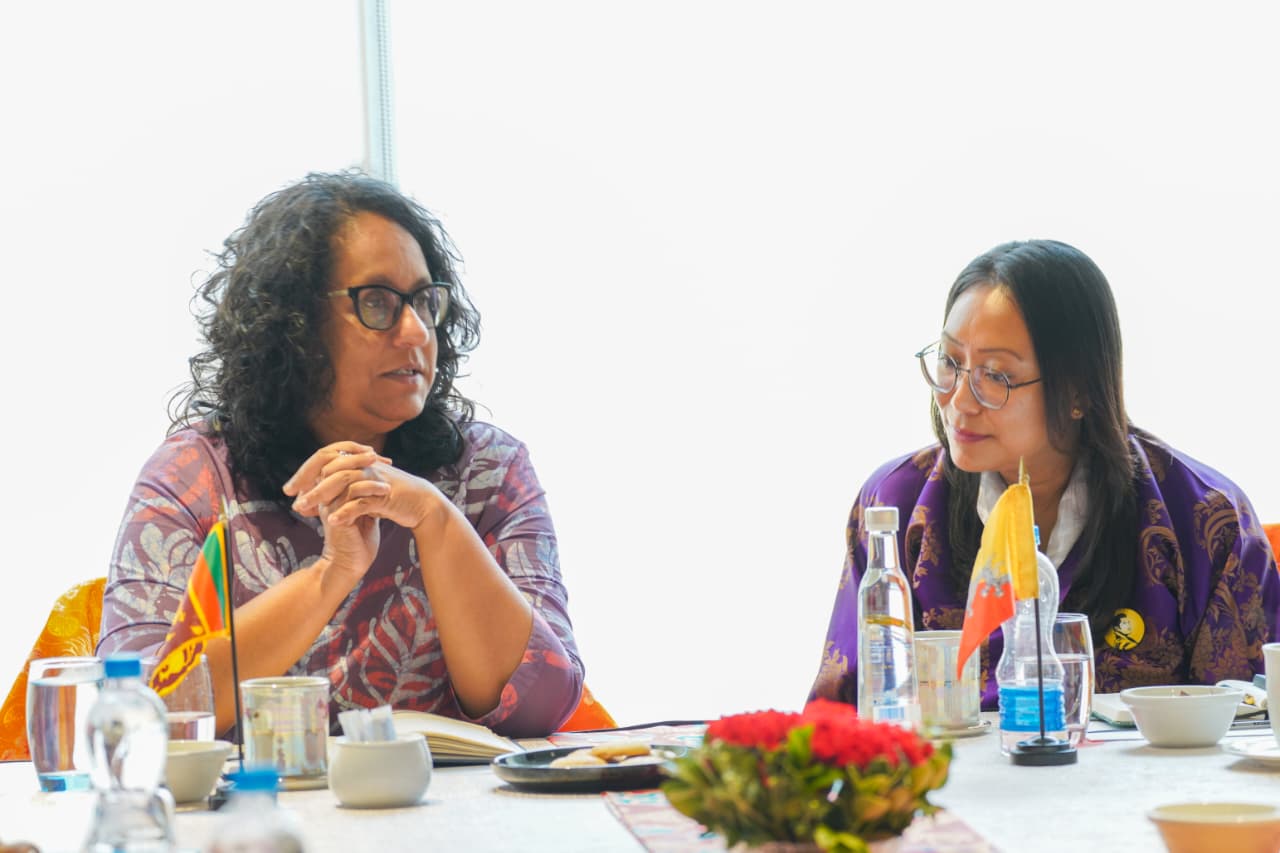
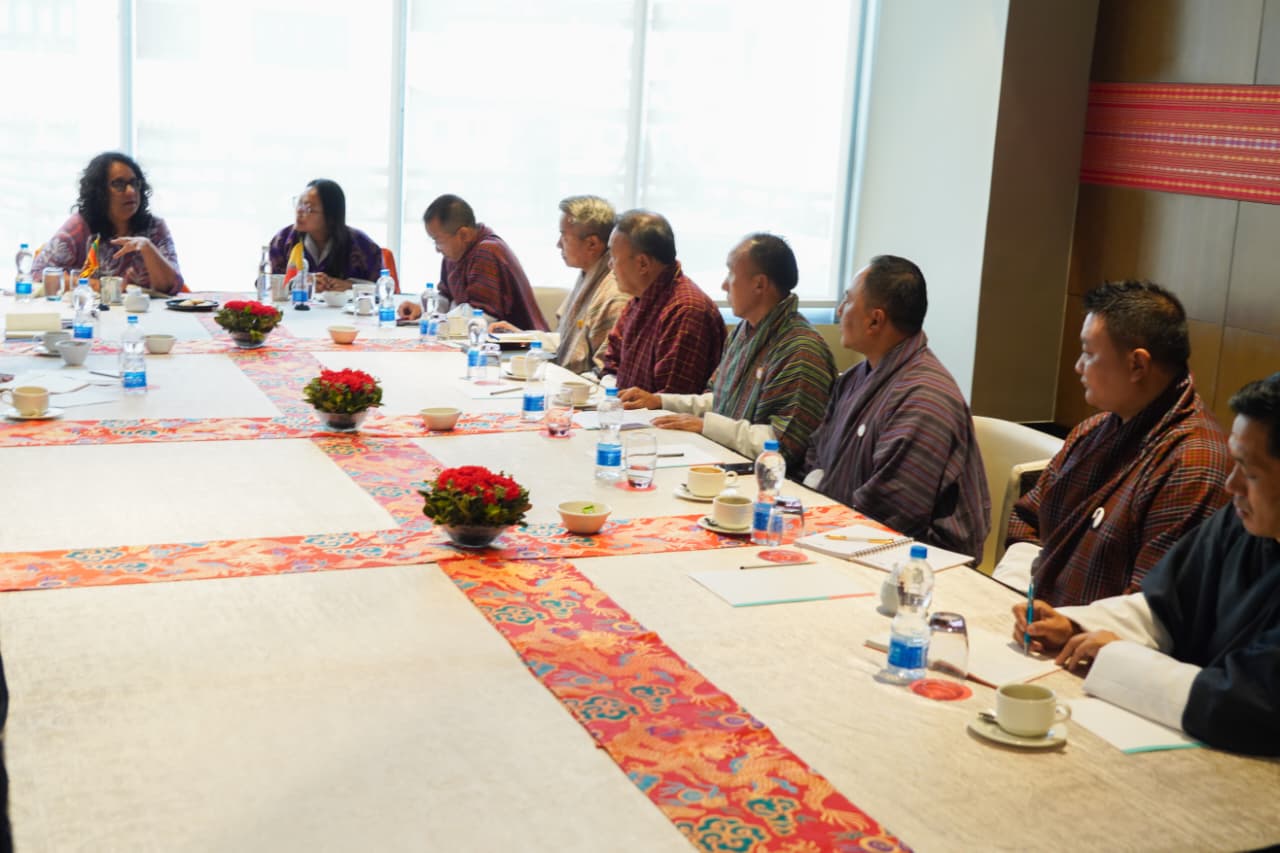
On the sidelines of the inaugural Global Conscious Food Systems Summit 2026, being held in Bhutan from 31 August to 4 September 2026, Prime Minister of Sri Lanka, Dr. Harini Amarasuriya, in her capacity as Minister of Education, Higher Education and Vocational Education, held a productive bilateral meeting with Yeezang De Thapa, Minister for Education and Skills Development of Bhutan, on 03 September 2026.
The discussions focused on further strengthening and expanding Sri Lanka-Bhutan cooperation in the education sector, with particular emphasis on developing mutually beneficial initiatives through enhanced Government-to-Government engagement.
Both sides underscored the importance of deepening institutional cooperation and exploring new avenues for collaboration in education, higher education and vocational training, with a view to creating greater opportunities for students, educators and academic institutions of both countries.
During the meeting, both sides agreed to initiate discussions towards the finalization and signing of a Memorandum of Understanding (MoU) on cooperation in the fields of education and vocational training. It was also agreed that the implementation of the MoU could be facilitated through the establishment of a Joint Working Group, headed at the Secretary level, with meetings to be convened annually to review progress, identify new areas of cooperation, and facilitate the effective implementation of agreed activities.
The major areas of cooperation discussed included enhancing collaboration among universities and academic institutions, promoting academic and faculty exchanges, joint research and university programmes, strengthening training and capacity-building opportunities for educators and teachers, and sharing expertise and best practices in the education and vocational training sectors.
The two sides also discussed strengthening child protection and safeguarding mechanisms, promoting ethical values among students, and addressing violence against children while ensuring their safety, protection, well-being and access to quality education.
Opportunities for Bhutanese students to pursue undergraduate studies at universities in Sri Lanka were also discussed, with particular emphasis on Dentistry, Medicine (MBBS), and allied health disciplines such as Physiotherapy. The discussions further covered opportunities for postgraduate studies in medical and health sciences at Sri Lankan universities, as well as enhanced collaboration among universities and other academic institutions of the two countries.
The meeting provided a valuable opportunity for Sri Lanka and Bhutan to advance cooperation in education and vocational training and explore new avenues for long-term collaboration for the mutual benefit of students, educators and academic institutions of both countries.
(Prime Minister’s Media Division)
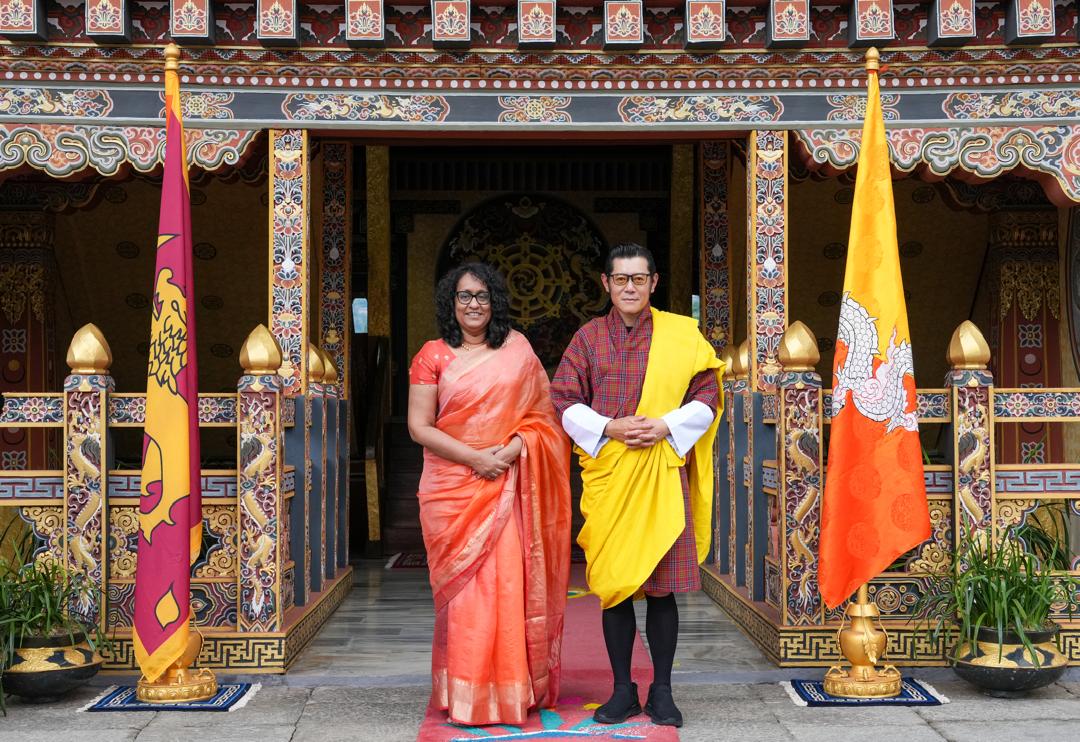
Prime Minister Dr. Harini Amarasuriya had an audience with His Majesty King Jigme Khesar Namgyel Wangchuck at the Tashichhodzong in Thimphu on September 02, during her official visit to the Kingdom of Bhutan.
The cordial discussion focused on Bhutan’s future development priorities and opportunities for cooperation between the two countries.
His Majesty expressed Bhutan’s interest in drawing on Sri Lanka’s experiences and expertise in areas relevant to its development plans. The discussion also focused on promoting investment between the two countries, including the possibility of establishing an investment zone in Bhutan.
The two sides also exchanged views on demographic challenges facing Bhutan, including the increasing migration of young people and its impact on the country’s population and future workforce.
The meeting highlighted the importance of strengthening bilateral cooperation and sharing experiences and best practices in support of the sustainable development of both countries.
(Prime Minister’s Media Division)
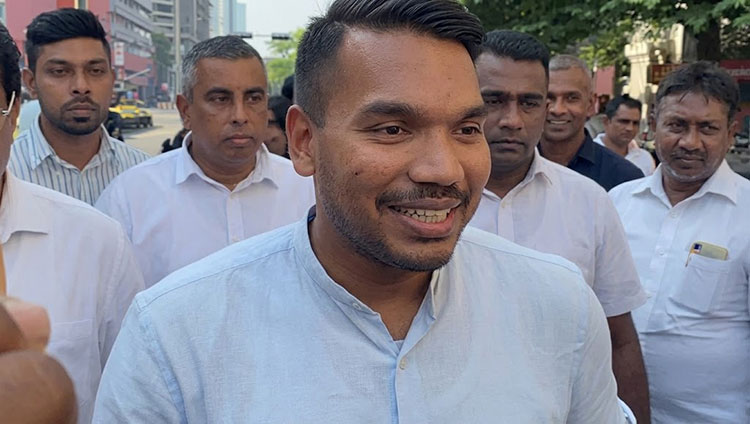
Sri Lanka Podujana Peramuna (SLPP) Member of Parliament Namal Rajapaksa has been arrested by the Commission to Investigate Allegations of Bribery or Corruption (CIABOC).
Namal Rajapaksa had been summoned by CIABOC to provide a statement in connection with investigations into the controversial Airbus deal. He was subsequently arrested by CIABOC after recording his statement for over 5 hours.

Prime Minister of Sri Lanka holds a bilateral meeting with Minister for Education and Skills Development of Bhutan

Prime Minister Meets His Majesty the King of Bhutan

Kusal Mendis, Binura Fernando ruled out of T20I series in England

SLPP MP Namal Rajapaksa arrested by CIABOC

Devapathiraja clinch U15 Division I title with 33-run win over Royal

Mandhana’s record ton powers India into semi-finals

‘Dates have the highest sugar content to fight Coronavirus’

Sunday Island 27 December – Headlines

#SundayIsland 17th December – Headlines

Sunday Island – 28th March

Sunday Island Headlines – 21 March

Sunday Island – 21st February – Headlines
-

 Features6 days ago
“Wrap Me Up in My Blazer”— A Gentlemanly Bradby Reminiscence
-
 Features5 days ago
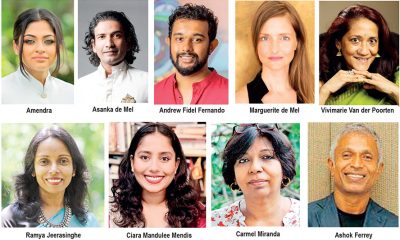
When Sri Lankan stories find their own voice
-
 Features6 days ago
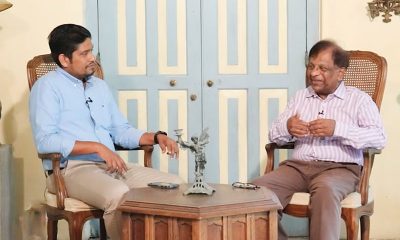
JVP/NPP government as seen from outside by Lionel Bopage now domiciled in Australia
-

 News5 days ago
BASL takes exception to Justice Ganepola being denied a place in SC
-

 Editorial7 days ago
Govt. trying to dupe UN Rapporteur?
-
 Features6 days ago
Prof. Savitri Goonesekere: What has she done?
-

 News2 days ago
Denied of promotion to SC despite vacancies, justice Gurusinghe retires
-

 Latest News2 days ago
Grade 5 scholarship exam results released