
Life style
Jack of all fruits the “Vegan Sensation “

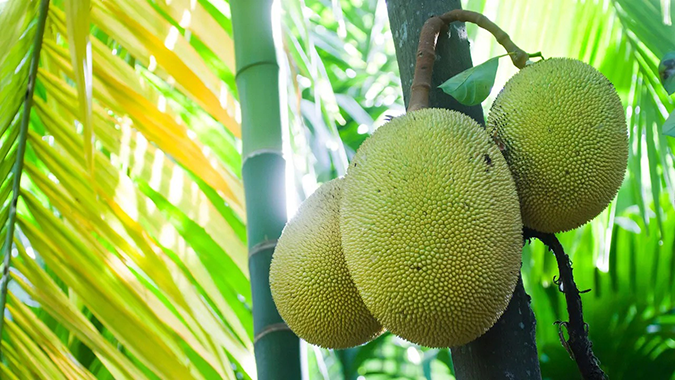
Sri Lankans began planting jackfruit trees to gain food self-sufficiency during British rule, and they’ve since helped islanders avoid starvation.
My mother grew up in a house of eight people in Kurunegala, Sri Lanka, 100km north-east of Colombo. During the island’s severe droughts in the 1970s, most of her family’s humble, home-cooked meals consisted of boiled jackfruit served in a clay pot with a handful of freshly grated coconut. This simple, carb-rich meal fused with natural fats fuelled enough energy for the farmer-family to toil day and night in the dry plains.
Today, Starbucks serves jackfruit in wraps, while Pizza Hut offers it as a topping. The London Evening Standard called jackfruit “the new kimchi, kale and cauliflower all rolled into one”.
Pinterest named it “the hottest food trend of 2017”, and more recently, The Guardian declared it “a vegan sensation” thanks to its shredded meat texture.
But for my mother, her memories of growing up are studded with her eldest sister’s myriad jackfruit dishes. She’s particularly fond of kiri kos, a creamy jackfruit curry cooked in coconut milk. For kiri kos, my aunt plucked unripe jackfruits. Decades later in the early 2000s, it was the same tree that pleased my jackfruit cravings as a child. My mother recalls the days where I sat side by side with her as she removed and discarded the sticky white sap – koholla, as she called it in Sinhala – from ripe jackfruit, gobbling up each yellow, egg-like pod.

I loved the strong smell of the ripe fruit. People in the West often describe it as “stinky”, but for me, other Sri Lankans and those living between many parts of India and the rainforests of Malaysia where the fruit naturally grows, this seasonal smell of ripe jackfruit brings immense joy.
Jackfruit is the world’s largest tree-borne fruit and it has a spiky skin that changes colour from green to yellow as it ripens. We use unripe jackfruit in our cooking and eat the ripe fruit raw, just as we eat a ripe mango or an apple. While the West is now touting it as an ethical meat alternative, for centuries, this humble fruit has been revered by Sri Lankans, as it has repeatedly saved the island from starvation.
Across Sri Lanka, the jackfruit tree is known as bath gasa (“rice tree”). Sri Lankans are rice eaters and pre-colonial Sri Lanka took pride in the country’s vast reservoirs and irrigation canals that harnessed monsoon rains, supplying water for paddy cultivation. But when British forces occupied the island starting in 1815 and subsequently stripped farmers of their land, they made it difficult for islanders to grow rice and instead expanded plantation crops such as tea, rubber and cinnamon for their export gains.
In 1915, a member of Sri Lanka’s independence movement named Arthur V Dias, who had been sentenced to death by the British for his perceived role in an uprising, was freed from prison. Upon his release, Dias dedicated himself to helping Sri Lankans fight British rule and he realized that islanders would soon face food shortages as rice cultivation continued to decline.
During his independence movement marches in Sri Lanka’s central highlands, he also saw the destruction of the island’s native jackfruit trees. When he learnt about the harrowing food shortages caused by World War One across Europe, Dias sought to establish food security and self-sufficiency throughout Sri Lanka.
“One person can’t build a tank for paddy cultivation, but Arthur V Dias realized he could plant jackfruit trees, which [would] be the same as rice and eradicate starvation in Sri Lanka,” said Damith Amarasinghe, a history teacher at St Mary’s Maha Viduhala in the town of Uswetakeiyawa.
Dias came up with the ambitious goal of planting one million jackfruit trees across Sri Lanka. A planter by occupation, Dias imported jackfruit seeds from Malaysia and gathered healthy seeds for germination. He visited villages to distribute seedlings and mailed seeds to far-flung corners in the country. Over time, Dias’ campaign paved the way to many successful jackfruit plantations across the country and earned him the heroic nickname of Kos Mama, or Uncle Jack.
Today, Dias is considered a national hero, and like most Sri Lankan children, I first learned about Dias in a school textbook. His jackfruit campaign also helped establish food security in Sri Lanka during World War Two while nearby places such as Bengal and Vietnam experienced horrific famines in the 1940s. Amarasinghe explained that jackfruit was also known as the “starvation fruit” in Sri Lanka during the 1970s, fleetingly transferring me to my mother’s memories of her childhood.

In the 1970s, a combination of inflation, droughts and a food shortage pushed Sri Lanka to the verge of collapse. A 1974 New York Times article quotes Sri Lanka’s then-prime minister Sirimavo Bandaranaike as saying the dire economic situation has “almost squeezed the breath out of us – we are literally fighting to survive”.
But thanks to Dias’ campaign in the early 1900s, people had jackfruit growing in their backyards. Amarasinghe explained that those saplings – which had become tall, fruit-bearing trees long before the 1970s – are what got people through the crisis.
“My grandmother hailed from a well-to-do family, but the government only allowed them to purchase 2kg of rice for a week. During these years, it’s jackfruit that kept them fed,” Amarasinghe told me.
Most recently, Amarasinghe says that jackfruit also became a staple during Sri Lanka’s months-long curfew to control Covid-19. During the initial weeks of the pandemic, many people in rural villages lost their incomes and it took weeks or even months for government welfare programmes to reach these remote hamlets. Without access to money or food, many villagers resorted to boiling jackfruit – just as my mother’s family did in the 1970s.
But jackfruit isn’t just a starvation fruit. The island’s deep love and gratitude for jackfruit has birthed a host of flavourful delicacies, and we welcome every bit of it into our diverse cuisine. Tender baby jackfruit without seeds go into a flavourful curry known as polos ambula. The curry’s labour-intensive process involves slow cooking the young fruit in a clay pot over an earthen fire for at least six hours. As the hours pass, the baby jackfruit slices simmer in a spice-infused coconut broth, soaking up the flavours of cloves, cardamom, dried tamarind and other aromats.
Ripe jackfruit pods are slimy and taste better with a sprinkle of salt. Seeds don’t go to waste in our homes; we eat them boiled. When combined with a ground mix of pan-fried rice and shredded coconut, boiled seeds make for a dark curry called kos ata kalu pol maluwa. My mother loves seeds as a snack, smoking them over a charcoal fire.
My favourite is my father’s kos ata aggala, pan-roasted and ground jackfruit seeds blended with scraped coconut, sugar and a hint of pepper that are formed into balls for sublime taste and a subtle crunch. He makes them for evening tea when I’m home as a token of his love.

This jack-of-all-fruits’ versatility runs beyond the kitchen. “It’s hard to think of another tree with so many uses,” said Diwani Welitharage, a pharmacist who cooks with locally sourced ingredients in her spare time. Welitharage cites jackfruit trees’ popularity as timber and the many uses of its leaves and flowers in Ayurvedic medicine to treat diabetes. Rich in carbs, jackfruit is also a good source of dietary fibre and vitamin C.
Welitharage uses jackfruit flour in muffins and cakes, and fries sliced jackfruit pods into chips laden with sugar. Similarly, many Hela Bojun restaurants – an initiative by the Ministry of Agriculture allowing women to cook traditional Sri Lankan cuisine and earn a living – prepare kos kottu. Kottu, a popular street food and hangover cure, is a greasy mix of leftover flatbread, sliced vegetables, eggs and meat. The female-run Hela Bojun stalls dish up a healthier vegan kottu using boiled jackfruit pods.
Though jackfruit is traditionally cooked at home, this humble fruit is increasingly found in many upscale restaurants across the country.
“One day we had additional baby jackfruit, so I thought of preparing cutlets [a croquette-like snack] with it for guests who are vegetarian or vegan,” said chef Wasantha Ranasinghe at Upali’s by Nawaloka, a popular restaurant in Colombo that serves authentic local dishes. His tender jackfruit cutlets, served with a homemade spicy chilli sauce, soon became a hit among the epicureans frequenting the restaurant.
Curious to see how jackfruit fares at hipster cafes, I visited the chic Colombo restaurant Cafe Kumbuk, which plates tacos with fried baby jackfruit alongside mango salsa and guacamole. “Living in Sri Lanka, I realized jackfruit is such a widely available, versatile fruit that can be cooked and enjoyed in so many ways,” said cafe founder Shana Dandeniya, who returned to Sri Lanka a few years ago after growing up in the UK. “To me, it’s one of the greatest local superfoods we have access to, and we should champion it more.” – BBC

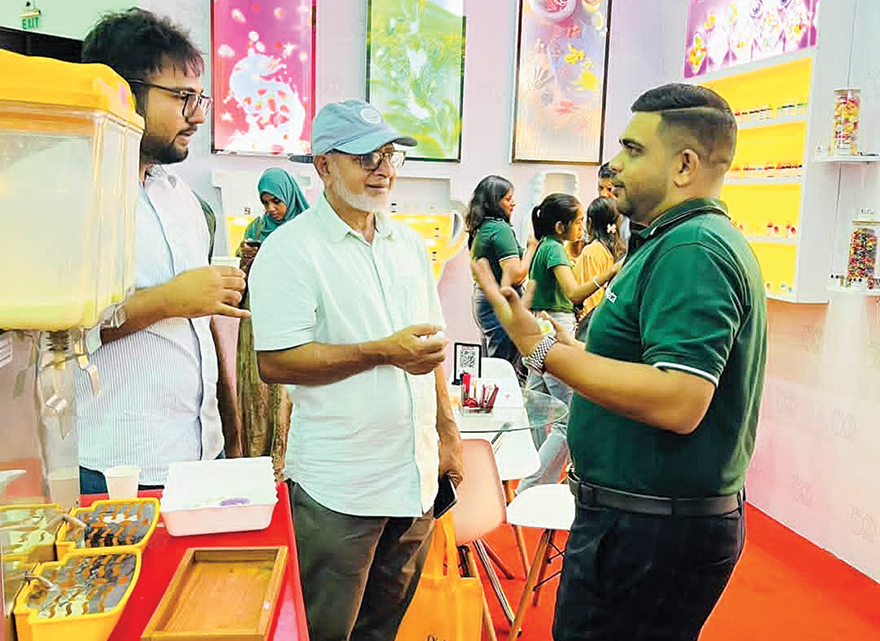
Salman Faiz has turned his family legacy into a modern sensory empire. Educated in London, he returned to Sri Lanka with a global perspective and a refined vision, transforming the family legacy into a modern sensory powerhouse blending flavours,colours and fragrances to craft immersive sensory experiences from elegant fine fragrances to natural essential oils and offering brand offerings in Sri Lanka. Growing up in a world perfumed with possibility, Aromatic Laboratories (Pvt) Limited founded by his father he has immersed himself from an early age in the delicate alchemy of fragrances, flavours and essential oils.
 Salman Faiz did not step into Aromatic Laboratories Pvt Limited, he stepped into a world already alive with fragrance, precision and quiet ambition. Long before he became the Chairman of this large enterprise, founded by his father M. A. Faiz and uncle M.R. Mansoor his inheritance was being shaped in laboratories perfumed with possibility and in conversations that stretched from Colombo to outside the shores of Sri Lanka, where his father forged early international ties, with the world of fine fragrance.
Growing up amidst raw materials sourced from the world’s most respected fragrance houses, Salman Faiz absorbed the discipline of formulation and the poetry of aroma almost by instinct. When Salman stepped into the role of Chairman, he expanded the company’s scope from a trusted supplier into a fully integrated sensory solution provider. The scope of operations included manufacturing of flavours, fragrances, food colours and ingredients, essential oils and bespoke formulations including cosmetic ingredients. They are also leading supplier of premium fragrances for the cosmetic,personal care and wellness sectors Soon the business boomed, and the company strengthened its international sourcing, introduced contemporary product lines and extended its footprint beyond Sri Lanka’s borders.
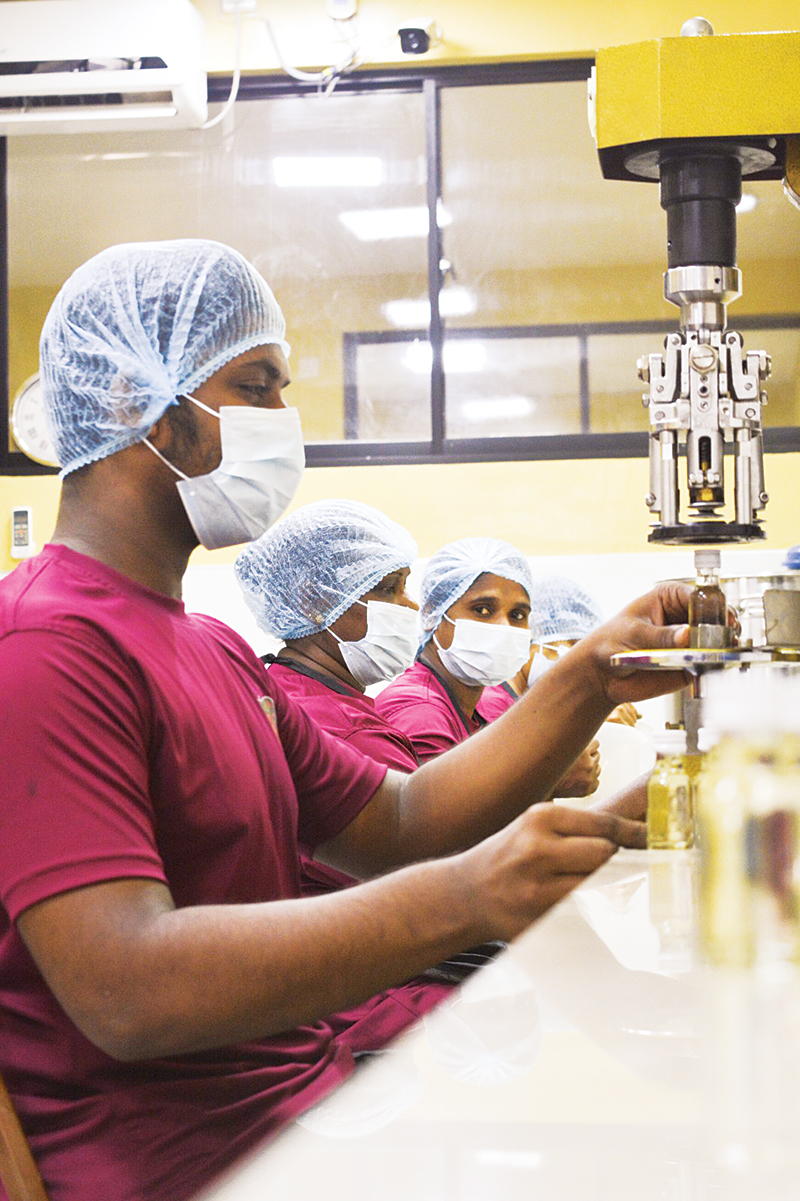
Where raw materials transform into refined fragrance

Salman Faiz -carrying forward a legacy
Today, Aromatic Laboratories stands as a rare example of a second generation. Sri Lankan enterprise that has retained its soul while embracing scale and sophistication. Under Salman Faiz’s leadership, the company continues to honour his father’s founding philosophy that every scent and flavour carries a memory, or story,and a human touch. He imbibed his father’s policy that success was measured not by profit alone but the care taken in creation, the relationships matured with suppliers and the trust earned by clients.
“We are one of the leading companies manufacturing fragrances, dealing with imports,exports in Sri Lanka. We customise fragrances to suit specific applications. We also source our raw materials from leading French company Roberte’t in Grasse
Following his father, for Salman even in moments of challenge, he insisted on grace over haste, quality over conveniences and long term vision over immediate reward under Salman Faiz’s stewardship the business has evolved from a trusted family enterprise into a modern sensory powerhouse.
Now the company exports globally to France, Germany, the UK, the UAE, the Maldives and collaborates with several international perfumes and introduces contemporary products that reflect both sophistication and tradition.
We are one of the leading companies. We are one of the leading companies manufacturing fine and industrial fragrance in Sri Lanka. We customise fragrances to suit specific applications said Faiz
‘We also source our raw materials from renowned companies, in Germany, France, Dubai,Germany and many others.Our connection with Robertet, a leading French parfume House in Grasse, France runs deep, my father has been working closely with the iconic French company for years, laying the foundation for the partnership, We continue even today says Faiz”
Today this business stands as a rare example of second generation Sri Lankan entrepreneurship that retains its souls while embracing scale and modernity. Every aroma, every colour and every flavour is imbued with the care, discipline, and vision passed down from father to son – a living legacy perfected under Salmon Faiz’s guidance.
By Zanita Careem
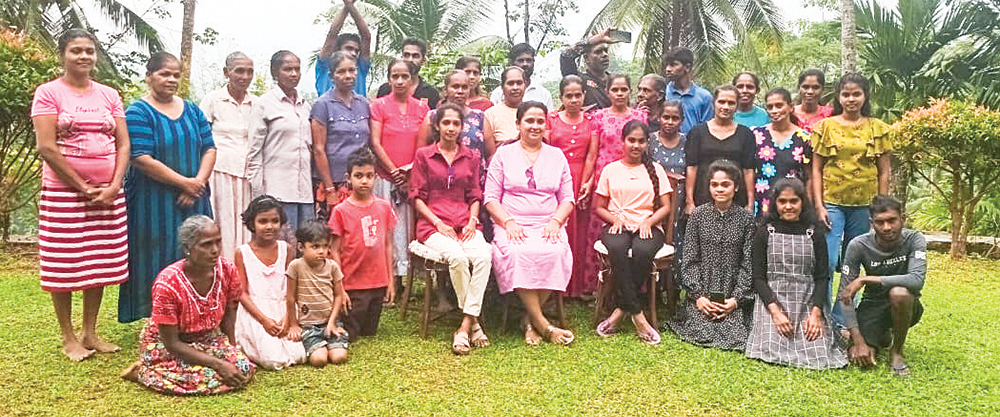
Harini and Chanaka cultivating change
When Harini and Chanaka Mallikarachchi returned to Sri Lanka after more than ten years in the United States, it wasn’t nostalgia alone that they brought home . It was purpose.Beneath the polished resumes and strong computer science backgrounds lay something far more personal- longing to reconnect with the land, and to give back to the country that shaped their memories. From that quiet but powerful decision was born Agri Vision not just an agricultural venture but a community driven movement grounded in sustainability ,empowerment and heritage. They transform agriculture through a software product developed by Avya Technologies (Pvt Limited) Combining global expertise with a deep love for their homeland, they created a pioneering platform that empowers local farmers and introduce innovative, sustainable solutions to the country’s agri sector.
After living for many years building lives and careers in theUnited States, Harini and Chanaka felt a powerful pull back to their roots. With impressive careers in the computer and IT sector, gaining global experience and expertise yet, despite their success abroad, their hearts remained tied to Sri Lanka – connection that inspired their return where they now channel their technological know-how to advance local agriculture.
For Harini and Chanaka, the visionaries behind Agri Vision are redefining sustainable agriculture in Sri Lanka. With a passion for innovation and community impact, they have built Agri Vision into a hub for advanced agri solutions, blending global expertise with local insight.
In Sri Lanka’s evolving agricultural landscape, where sustainability and authenticity are no longer optional but essential. Harini and Chanaka are shaping a vision that is both rooted and forward looking. In the heart of Lanka’s countryside, Uruwela estate Harini and Chanaka alongside the ever inspiring sister Malathi, the trio drives Agri Vision an initiative that fuses cutting edge technology with age old agricultural wisdom. At the core of their agri philosophy lies two carefully nurtured brands artisan tea and pure cinnamon, each reflecting a commitment to quality, heritage and people.
Armed with global exposure and professional backgrounds in the technology sector,they chose to channel thier experiences into agriculture, believing that true progress begins at home.
-
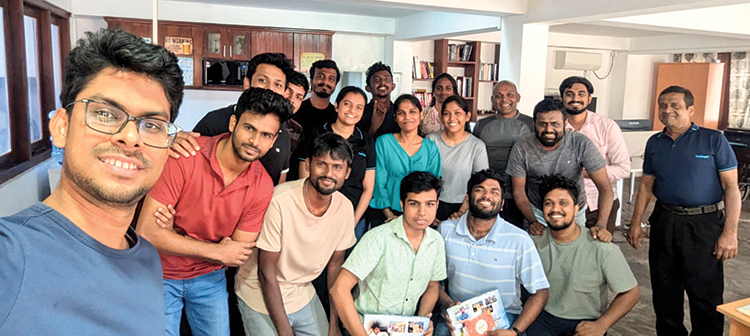
- Avya Technologies (Pvt) ltd software company that developed Agri Vision
-
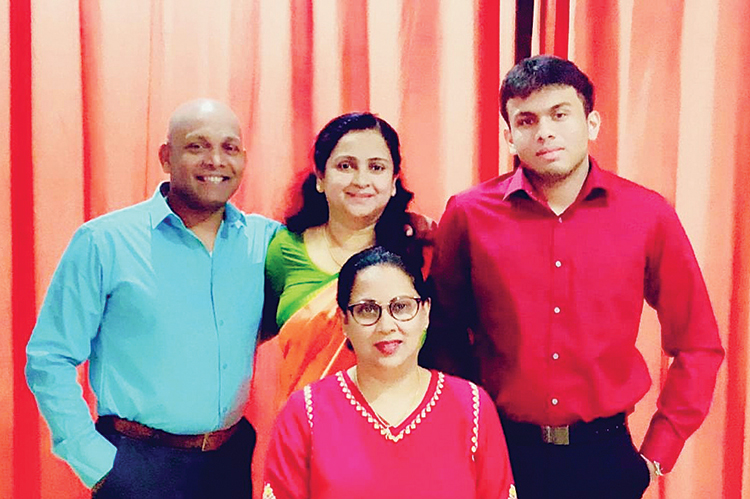
- Chanaka,Harini and Shakya Mallikarachchi and Malathi Malathi dias (middle)
But the story of Agri Vision is as much about relationships as it is about technology. Harini with her sharp analytical mind, ensures the operations runs seamlessly Chanaka, the strategist looks outward, connecting Agri Vision to globally best practices and Malathi is their wind behind the wings, ensures every project maintains a personal community focussed ethos. They cultivate hope, opportunity and a blueprint for a future where agriculture serves both the land and the people who depend on it .
For the trio, agriculture is not merely about cultivation, it is about connection. It is about understanding the rhythm of the land, respecting generations of farming knowledge, and that growth is shared by the communities that sustain it. This belief forms the backbone of Agro’s vision, one that places communities not only on the periphery, but at the very heart of every endeavour.
Artisan tea is a celebration of craft and origin sourced from selected growing regions and produced with meticulous attention to detail, the tea embodier purity, traceability and refinement, each leaf is carefully handled to preserve character and flavour, reflecting Sri Lanka’s enduring legacy as a world class tea origin while appealing to a new generation of conscious consumers complementing this is pure Cinnamon, a tribute to authentic Ceylon, Cinnamon. In a market saturated with substitutes, Agri vision’s commitment to genuine sourcing and ethical processing stands firm.
By working closely with cinnamon growers and adhering to traditional harvesting methods, the brands safeguards both quality and cultural heritage.
What truly distinguishes Harini and Chanake’s Agri Vision is their community approach. By building long term partnerships with smallholders. Farmers, the company ensures fair practises, skill development and sustainable livelihoods, These relationships foster trust and resilience, creating an ecosystem where farmers are valued stakeholders in the journey, not just suppliers.
Agri vision integrates sustainable practices and global quality standards without compromising authenticity. This harmony allows Artisan Tea and Pure Cinnamon to resonate beyond borders, carrying with them stories of land, people and purpose.
As the brands continue to grow Harini and Chanaka remain anchored in their founding belief that success of agriculture is by the strength of the communities nurtured along the way. In every leaf of tea and every quill of cinnamon lies a simple yet powerful vision – Agriculture with communities at heart.
By Zanita Careem
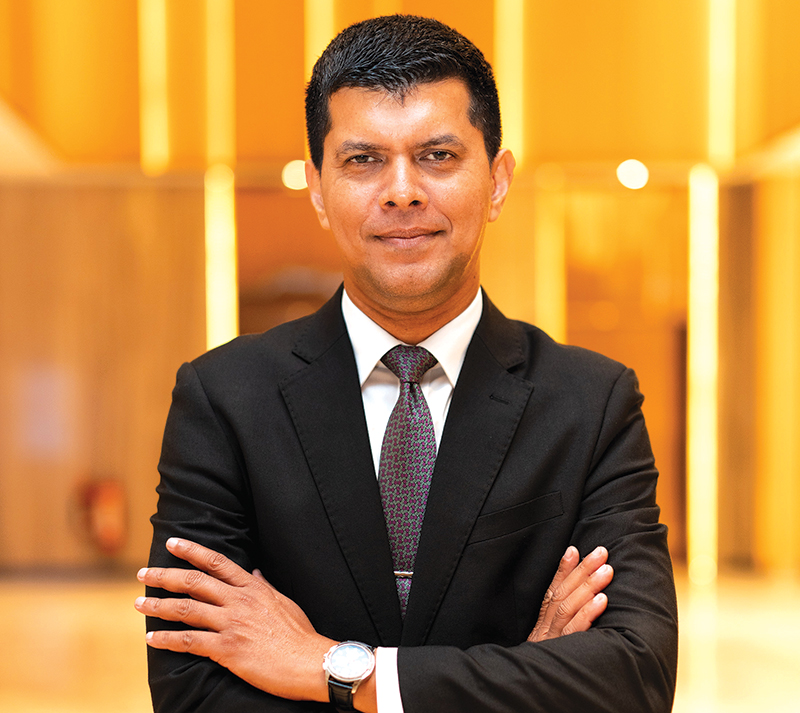
Courtyard by Marriott Colombo has welcomed Suranga Peelikumbura as its new General Manager, ushering in a chapter defined by vision, warmth, and global sophistication.
Suranga’s story is one of both breadth and depth. Over two decades, he has carried the Marriott spirit across continents, from the shimmering luxury of The Ritz-Carlton in Doha to the refined hospitality of Ireland, and most recently to the helm of Resplendent Ceylon as Vice President of Operations. His journey reflects not only international mastery but also a devotion to Sri Lanka’s own hospitality narrative.
What distinguishes Suranga is not simply his credentials but the philosophy that guides him. “Relationships come first, whether with our associates, guests, partners, or vendors. Business may follow, but it is the strength of these connections that defines us.” It is this belief, rooted in both global perspective and local heart, that now shapes his leadership at Courtyard Colombo.
At a recent gathering of corporate leaders, travel partners, and media friends, Suranga paid tribute to outgoing General Manager Elton Hurtis, hon oring his vision and the opportunities he created for associates to flourish across the Marriott world. With deep respect for that legacy, Suranga now steps forward to elevate guest experiences, strengthen community ties, and continue the tradition of excellence that defines Courtyard Colombo.
From his beginnings at The Lanka Oberoi and Cinnamon Grand Colombo to his leadership roles at Weligama Bay Marriott and Resplendent Ceylon, Suranga’s career is a testament to both resilience and refinement. His return to Marriott is not merely a professional milestone, it is a homecoming.

Fairly heavy showers are likely at some places in the Rathnapura, Kalutara, Galle and Matara districts

India vs Pakistan is finally here. Over to cricket now

“We Are Building a Stable, Transparent and Resilient Sri Lanka Ready for Sustainable Investment Partnerships” – PM

US military kills 3 in latest attack on boat in the Caribbean

Prez AKD congratulates BNP’s Tarique Rahman on B’desh election win

Massive Sangha confab to address alleged injustices against monks

‘Dates have the highest sugar content to fight Coronavirus’

Sunday Island 27 December – Headlines

#SundayIsland 17th December – Headlines

Sunday Island – 28th March

Sunday Island Headlines – 21 March

Sunday Island – 21st February – Headlines
-

 Business4 days ago
Autodoc 360 relocates to reinforce commitment to premium auto care
-

 Midweek Review4 days ago
A question of national pride
-

 Opinion3 days ago
Will computers ever be intelligent?
-
 Midweek Review4 days ago
Theatre and Anthropocentrism in the age of Climate Emergency
-

 Editorial6 days ago
The JRJ syndrome
-

 Opinion4 days ago
The Walk for Peace in America a Sri Lankan initiative: A startling truth hidden by govt.
-

 Foreign News6 days ago
Portugal elects Socialist Party’s Seguro as president in landslide
-

 Opinion5 days ago
Beyond 4–5% recovery: Why Sri Lanka needs a real growth strategy