Connect with us

News

UNDP and South Centre organise capacity building workshop on taxation for Lankan Govt

Published

on

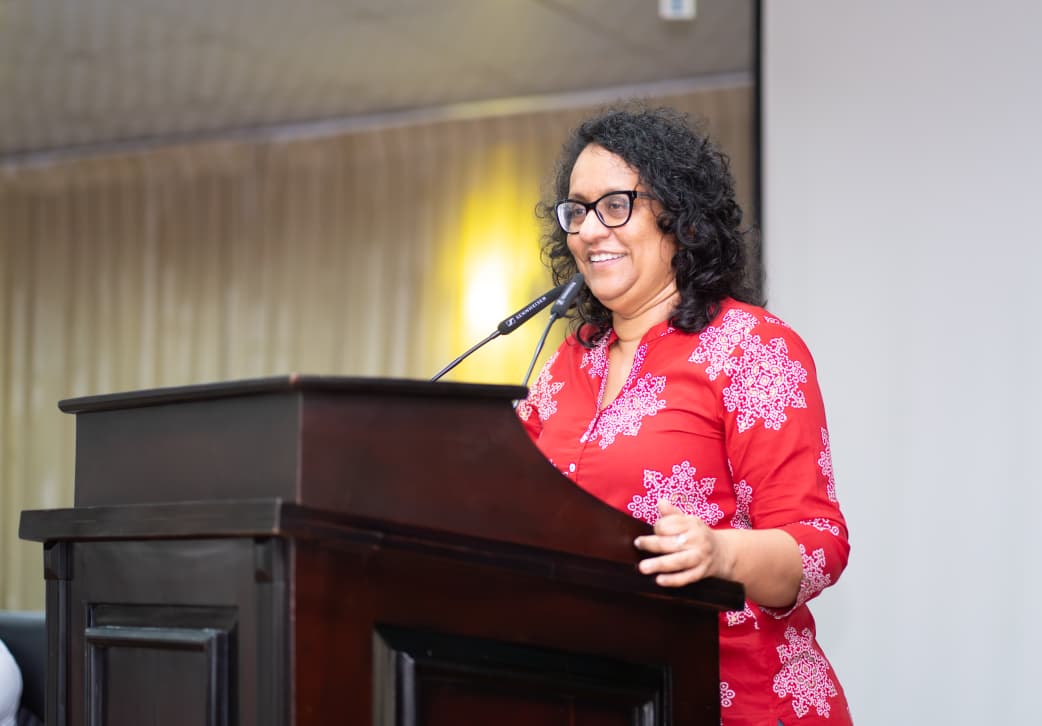
Kuldeep Sharma, Research Consultant – Tax, South Centre Tax Initiative, at the workshop

The United Nations Development Programme (UNDP), through its Tax for SDGs Initiative, and the South Centre, Switzerland jointly organised a two-day capacity-building workshop on “Taxation of the Digitalised Economy” for nearly 100 officials from the Fiscal Policy Department (FPD), Inland Revenue Department (IRD), the Ministry of Finance and key private sector actors in the digital space in Sri Lanka.

 The UNDP Tax for SDGs Initiative in collaboration with the South Centre’s Tax Initiative support developing countries in increasing Domestic Resource Mobilization (DRM) and achieving the Sustainable Development Goals. Domestically mobilized revenues, which form the bedrock of both development and climate finance, have been severely impacted even as they have become even more important for the recovery efforts and for reviving investments in economic and social development. In this regard, the workshop was organized at an opportune moment as Sri Lanka embarks on a path to economic recovery and course correction, particularly addressing structural issues pertaining to government revenue. Globally too, countries are increasingly focusing efforts to strengthen domestic resource mobilization as they chart up ways to manage the severe dent caused by multiple crises.

The workshop provided a unique opportunity for  stakeholders to exchange and interact with their peers and international experts on the tax challenges arising from the digitalized economy. More specifically, the workshop focused on:

(1) policy options for taxing the digitalized economy, especially Multinational Enterprises (MNEs) supplying digital services such as online advertising and platform intermediation

(2) designing a minimum effective corporate income tax

(3) presenting ongoing discussions at the global level on taxing the digitalized economy

(4) obtaining evidence and perspectives of Sri Lanka on taxing the digitalized economy

(5) creating an inclusive platform for peer learning and exchange through the knowledge & experiences of the workshop participants

The workshop commenced with opening remarks by Ranjith S. Hapuarachchi, Commissioner General, IRD. He highlighted the need for tax administration to augment revenue collection in times of the ongoing fiscal challenges in Sri Lanka and expressed hope that the workshop would be able to lay the necessary roadmap and suggest measures for the Sri Lankan administration to tax income of digital companies that is sourced from Sri Lanka.

The highly interactive workshop delivered by Sudarshan Kasturirangan, Regional Programme Specialist, Asia and the Pacific, UNDP, Abdul Muheet Chowdhary, Senior Programme Officer and Kuldeep Sharma, Research Consultant – Tax, South Centre, commenced with an examination of the domestic measures being undertaken in various countries such as Digital Services Tax (DST), Equalisation Levy (EL) and Significant Economic Presence (SEP). This was followed by an in-depth examination of the treaty-based solutions available, namely Article 12B of the UN Model Double Tax Convention (UN DTC) which provides a solution for taxing income from Automated Digital Services (ADS). ADS especially include services such as online advertising, search engines, intermediation platforms, social media platforms, online gaming and cloud computing.

The workshop also covered treaty-based solutions under the UN DTC for taxing income from payments for the use or the right to use computer software under Article 12 (Royalties). This was combined with a session on Article 12A (Fees for Technical Services) which covers income from managerial, technical and consultancy services and are often delivered online. There was a considerable amount of deliberations on the ongoing work in these areas at the UN Tax Committee and its significance for developing economies like Sri Lanka. Central to the discussion was also on the existing treaty framework in Sri Lanka concerning taxing royalties and fees for technical services.

Speaking to the success of the event, N.M.M. Mifly, Deputy Commissioner General, IRD concluded the workshop by stating that the insights gained would empower the participants in enhancing their understanding of the ever-evolving tax landscape and the core rules regarding taxation of the digitalised economy that have been formulated recently and those under the process of formulation.

In particular, Mifly appreciated the UN Tax Committee, UNDP and the South Centre for providing coherent guidance and options to the Government of Sri Lanka and developing countries in general, and requested that more such workshops be held in the future.

The successful conclusion of the workshop under the UNDP Tax for SDGs Initiative and the South Centre laid a firm foundation for the series of joint engagements planned between the two organizations to support the Government of Sri Lanka and deepen collaboration in this field. These include a review of Sri Lanka’s tax treaty network, the design of a Model Tax Treaty for the country and capacity building on tax treaty negotiation. Technical meetings with the stakeholders will be organized in the coming months to discuss the progress made and the challenges faced during implementation.


Continue Reading
Click to comment

Leave a Reply

Your email address will not be published. Required fields are marked *

Latest News

A new curriculum will be introduced for preschools in 2027, while steps will also be taken to train teachers accordingly – PM

Published

on

By

Prime Minister Dr. Harini Amarasuriya stated that a new curriculum will be introduced for preschools in 2027, while steps will also be taken to train teachers accordingly and to regulate preschools through a regulatory authority.

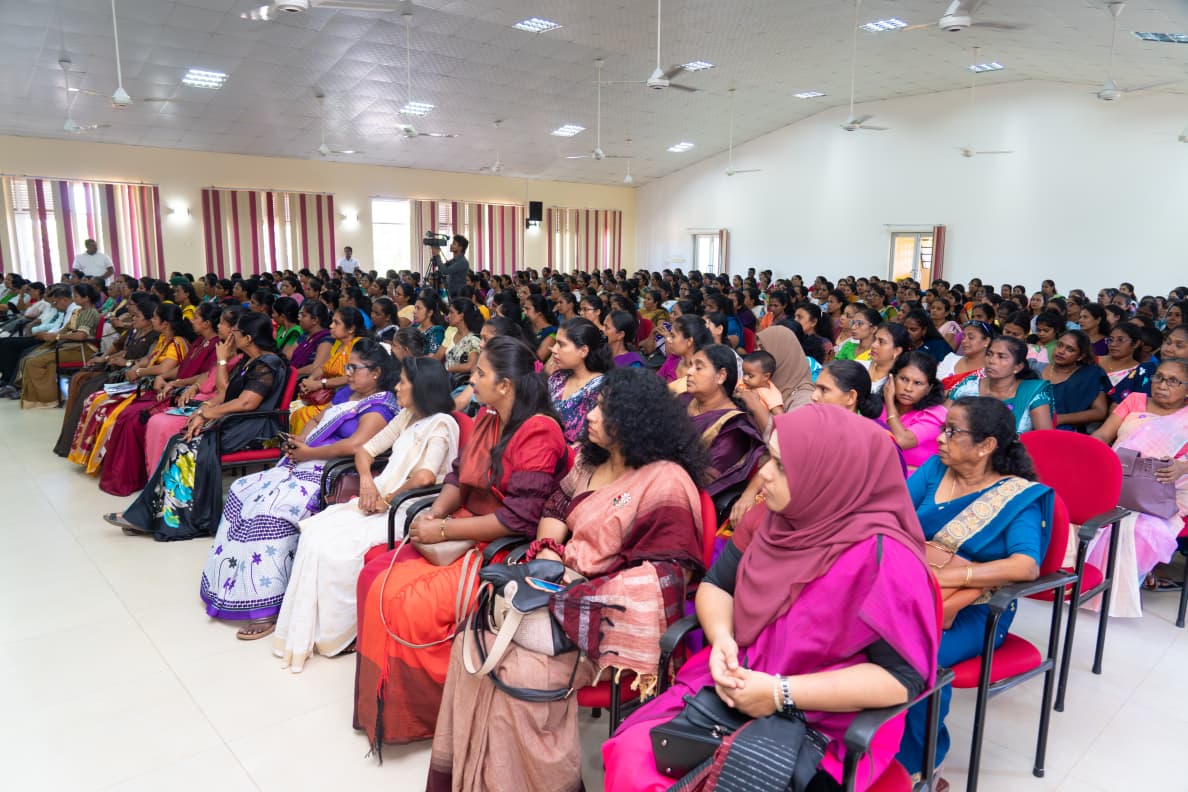
The Prime Minister made these remarks while addressing an awareness programme for preschool teachers in the Hambantota District on education reforms, held  on Sunday (15) at the Ambalantota Pradeshiya Sabha Auditorium.

During the programme, preschool teachers briefed  the Prime Minister about the challenges they currently face. Responding to their concerns, Dr. Harini Amarasuriya further stated:

“The issues within the preschool system cannot be discussed separately from the broader crisis in society and in the education sector. When we assumed office in 2024, our primary challenge was to free the country from its debt burden and to establish. a  sound economic indicators.

Although 2025 was a challenging year, we were able to bring the country’s economy to a certain level of stability and manage the national budget accordingly.

While we were working towards economic recovery, the war in the Middle East began, which has had certain impacts on our country as well.

A significant amount of Sri Lanka’s foreign remittances come from our fellow citizens working in the Middle East. Today, both their livelihoods and employment are under threat. In addition, a large number of tourists travelled to Sri Lanka through Middle Eastern airspace, and the closure of those air routes and airports has reduced tourist arrivals. Another issue concerns fuel transportation. This problem has affected not only Sri Lanka but many countries around the world. If the war continues for a long period, it will have further impacts on us, and therefore we must be prepared. We also need to manage the economy carefully and reduce certain expenditures.

Although we have the ability to borrow, our intention is not to weaken the country’s economy by relying on loans.

You are aware that we have begun implementing education reforms. Within that policy framework, we are also taking steps to reform preschool education. So far, the establishment of preschools and early childhood development has not been carried out in a systematic manner. Therefore, we must regulate and standardize all preschools, which is not an easy task.

First, all preschools must be formally registered. We have already prepared a curriculum for teacher training. In addition, we plan to introduce a new curriculum for preschools in 2027, provide teacher training accordingly, and regulate preschools through a regulatory authority. A recognized curriculum has also been prepared for the preschool diploma. In the future, priority for preschool teachers will be given based on these qualifications. We will also take gradual steps to enhance the professionalism of preschool teachers and establish a proper salary structure”.

The Prime Minister further stated that preschools fall under the authority of Provincial Councils and Pradeshiya Sabhas, while the line ministry can only provide policy recommendations. She also emphasized that issues related to preschools should be addressed in a systematic manner through structural committees and District Development Committees.

Member of Parliament Nihal Galappaththi and other public representatives, along with preschool teachers from the Hambantota District attended the awareness program.

(Prime Minister’s Media Division)

Continue Reading

News

Be mindful of the accuracy of information before sharing it on social media – PM

Published

on

By

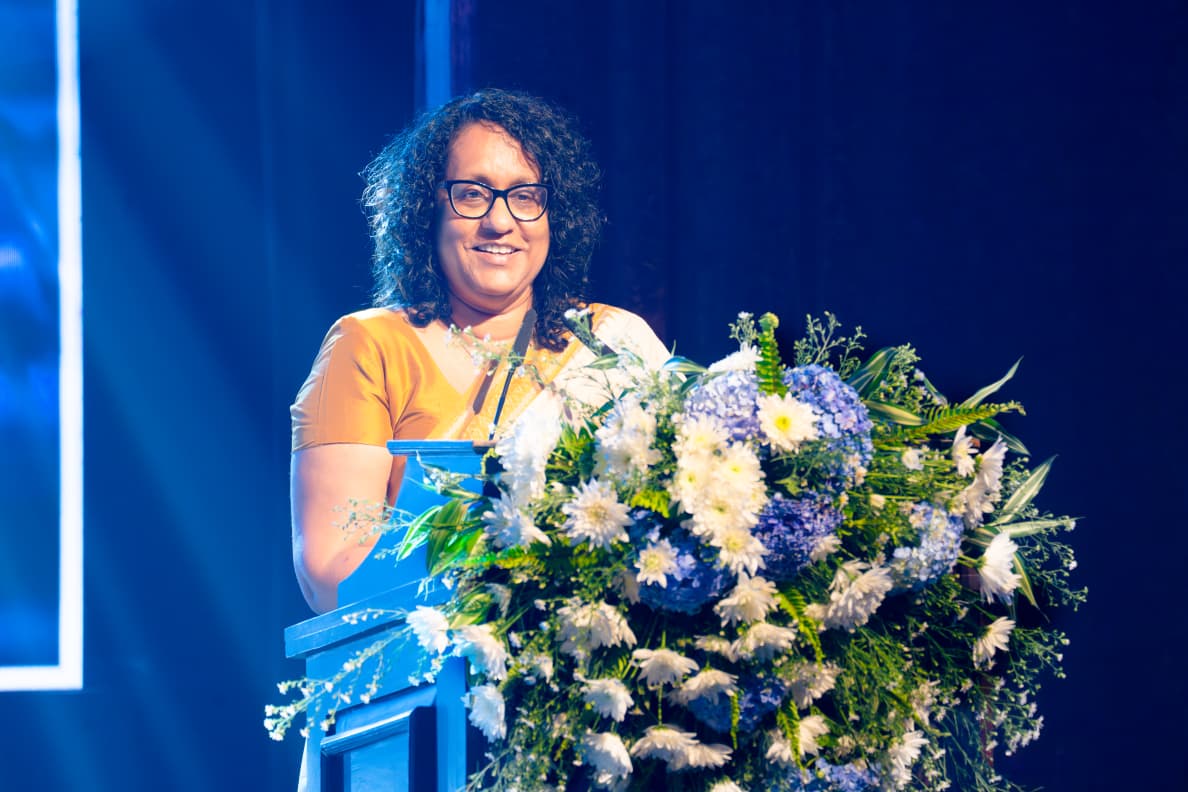
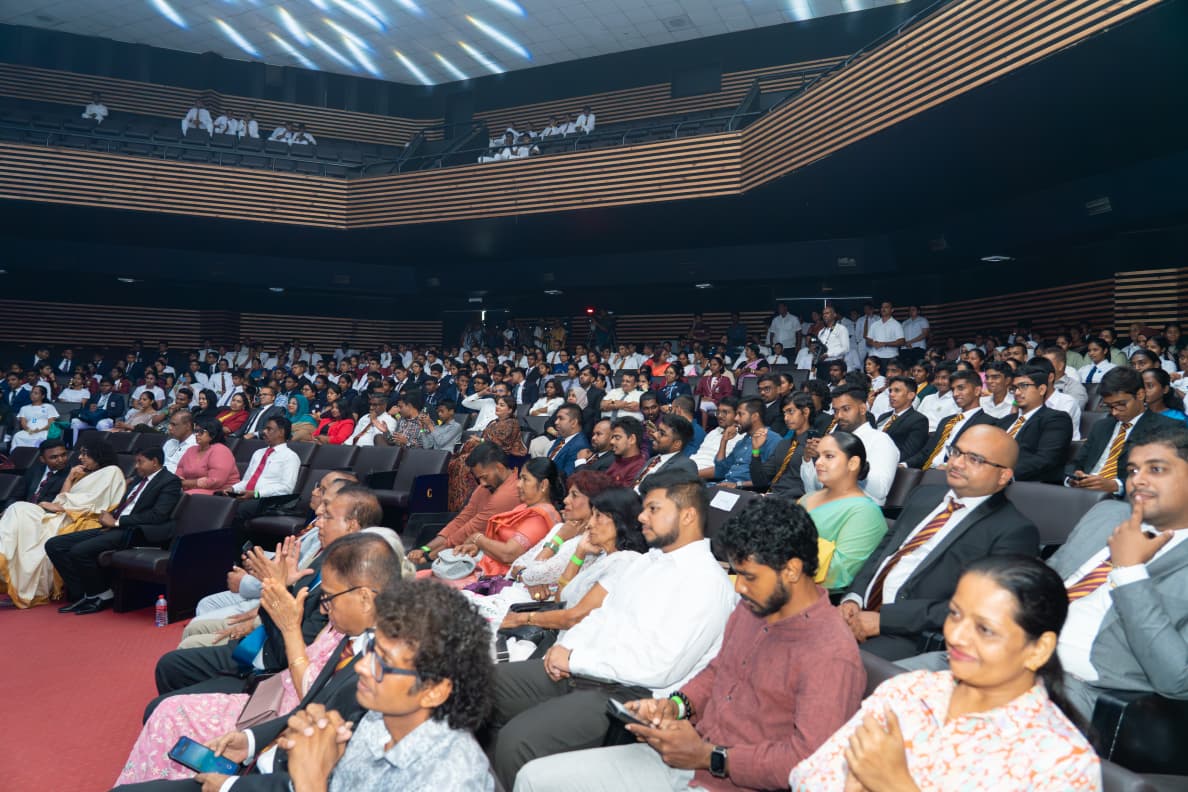
The Prime Minister made these remarks while addressing the “Sandeshaya” Media Awards Ceremony held on 14 March at the Kularathne Hall of Ananda College, Colombo. The event was organized with the aim of providing Sri Lankan school students with an opportunity to actively contribute to the national media discourse while promoting ethics, responsibility, and critical thinking.

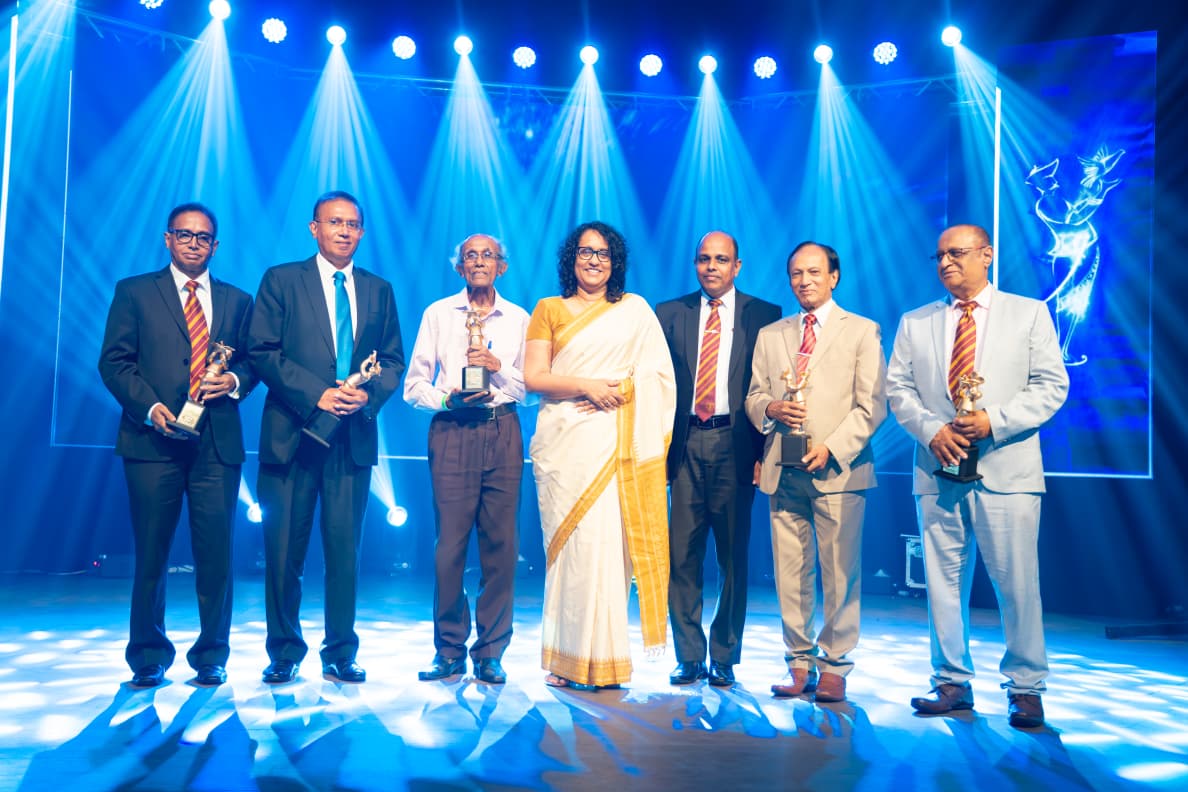
During the “Sandeshaya” Awards Ceremony , lifetime awards granted only once in a lifetime were presented to distinguished veterans in the media field, while media awards were also presented to talented students in the school category. The ceremony was held under the patronage of the Prime Minister.

Expressing her views further, the Prime Minister stated:

“We live in an era where information technology and the media are changing rapidly. Along with these changes, many opportunities have emerged, but we are also confronted with numerous challenges.

We must prepare our younger generation to live in a society and a world transformed by information technology and the media.

When we observe the changes taking place in the media today, we can say that the media and information have become democratized. In the past, access to knowledge and information was largely limited to privileged or powerful groups. The authority to communicate information and decide what should be disseminated was held by a small group. However, with the advancement of technology, this has changed dramatically. As a result of this revolutionary transformation, information, data, and knowledge have now become accessible to everyone. In that sense, it is a positive development.

At the same time, we are no longer merely media viewers or consumers. As citizens, we can also become media creators. Citizens now have significant space to engage with the media and share information. While this is positive in one sense, it also carries certain dangers. There are serious questions, issues, and challenges regarding responsibility and credibility in the dissemination of information. Today, information flows so rapidly that it is sometimes difficult to determine what is true. Making decisions has become increasingly challenging. Not only in our country but globally, there have been many instances where societies have been set ablaze due to misinformation or deliberately distorted information. We have witnessed numerous occasions where people’s lives have been destroyed as a result.

Sometimes, without even realizing it, we get trapped on the internet. We share various things through our social media platforms, both necessary and unnecessary. However, what we often forget is that a large amount of personal information accumulates on the internet through these actions. Once incorrect information becomes widespread in this way, it becomes extremely difficult to erase.

The spread of false information weakens public trust in the information provided by the media, and this is extremely dangerous for a society. For the sustainability of a society, it is essential to maintain trust among citizens and trust in the institutions that influence people’s lives. Only through the trust we can safeguard the sustainability, continuity, and security of a society.

However, what has happened today due to the spread of misinformation? We no longer have confidence in our leaders. We do not even trust elders. There is doubt about whether the news we receive can be trusted. When credibility weakens within a society, it can push that society into crisis.

Therefore, it is extremely important to cultivate a culture that strengthens trust in leadership, promotes confidence in elders, and enhances awareness about reliable sources of information. In this context, those entering the field of media carry a significant responsibility.

Just like the senior professionals we honored today, you too may one day enter this field. However, there is a vast difference between the era in which they entered the profession and the era you will enter. You will carry a unique responsibility to strengthen the credibility of the media and to stand firmly behind the information you present.

You must be able to stand by the information you provide. You must reflect on whether the information you share is true and who might be affected by it. Ensuring the credibility of the information you disseminate is also your responsibility.

Similarly, as users of any form of media, we all bear a responsibility to verify the reliability of the information we receive and to be aware of how to distinguish between truth and falsehood. That is why digital literacy and media literacy are essential. It is also for this reason that we believe such subjects and concepts must be incorporated into education reforms so that our student generation can learn them.’

The Prime Minister further stated that citizens have a responsibility to be mindful of the truthfulness of information before sharing content found on the internet and social media with others.

The event was attended by the Secretary to the Ministry of Health and Mass Media Anil Jasinghe, Principal of Ananda College D.M.L.P. Dissanayake, journalists, principals, teachers, and students.
(Prime Minister’s Media Division)
Continue Reading

Latest News

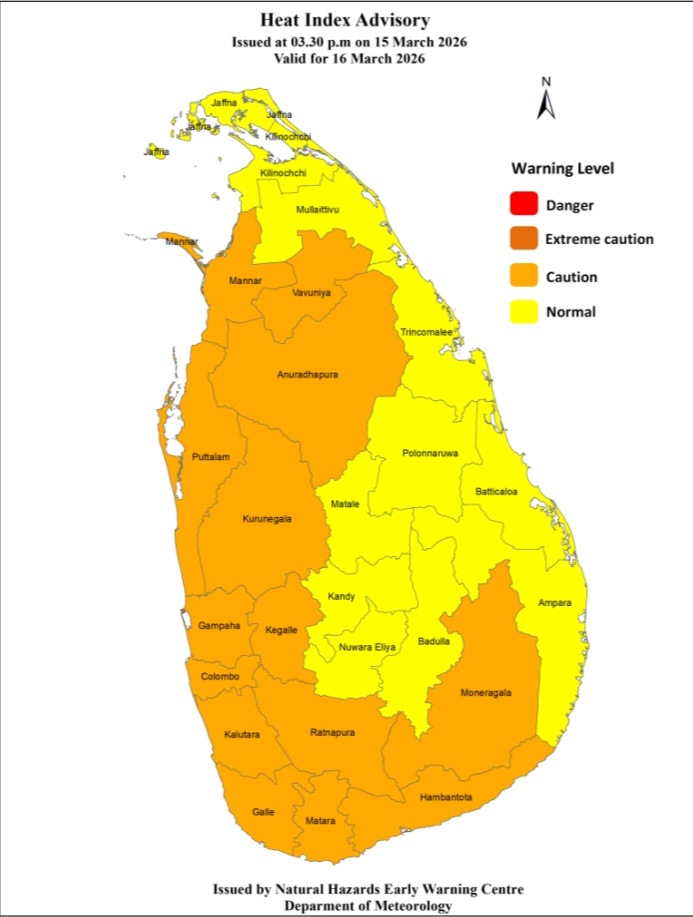
Heat Index at ‘Caution level’ at some places in the Western, Sabaragamuwa, Southern and North-western provinces and in Monaragala, Mannar, Anuradhapura and Vavuniya districts

Published

on

By

Warm Weather Advisory
Issued by the Natural Hazards Early Warning Centre of the Department of Meteorology  at 3.30 p.m. on 15 March 2026, valid for 16 March 2026.

The public is warned that the Heat index, the temperature felt on human body is likely to increase up to ‘Caution level’ at
some places in the Western, Sabaragamuwa, Southern and North-western provinces and in Monaragala, Mannar, Anuradhapura and Vavuniya districts.

The Heat Index Forecast is calculated by using relative humidity and maximum temperature and this is the condition that is felt on your body. This is not the forecast of maximum temperature. It is generated by the Department of Meteorology for the next day period and prepared by using global numerical weather prediction model data.


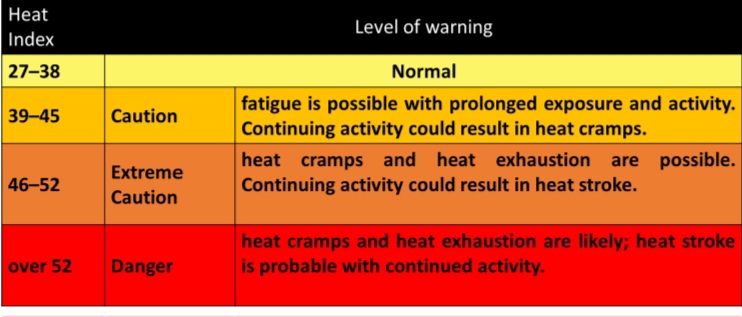
Effect of the heat index on human body is mentioned in the above table and it is prepared on the advice of the Ministry of Health and Indigenous Medical Services.

ACTION REQUIRED
Job sites: Stay hydrated and takes breaks in the shade as often as possible.
Indoors: Check up on the elderly and the sick.
Vehicles: Never leave children unattended.
Outdoors: Limit strenuous outdoor activities, find shade and stay hydrated.
Dress: Wear lightweight and white or light-colored clothing.

Note:
In addition, please refer to advisories issued by the Disaster Preparedness & Response Division, Ministry of Health in this regard as well. For further clarifications please contact 011-7446491


Continue Reading

Trending