
Sports
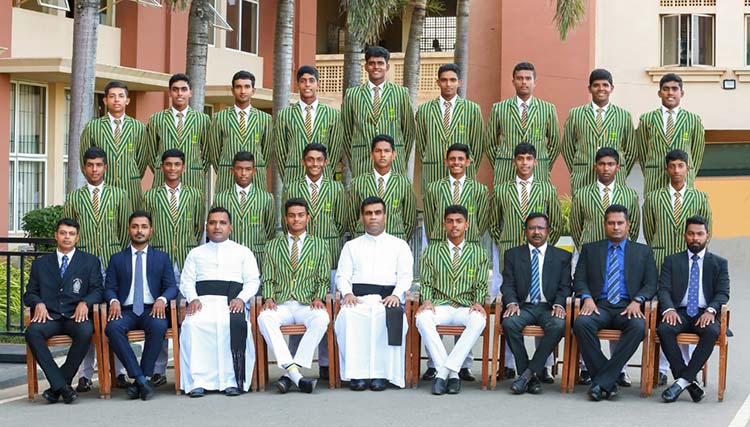
St. Sebastian’s meet Cambrians in 74th Battle of the Golds

by Reemus Fernando
Playing the Big Match is a moment of pride for the players. But not all Big Match playing schools can take pride in the standard of their cricket. In this regard arch rivals of Moratuwa, St. Sebastian’s and Prince of Wales can be genuinely proud when they take the field in the 74th Battle of Golds encounter today as they are among the top schools in the ongoing premier schools cricket tournament.
Both schools have concluded their quota of league matches in their groups before the Big Match.
St. Sebastian’s led by Manuja Chanthuka are the runners up in group ‘Y’ of the Under 19 Division I Tier ‘A’ tournament. Cambrians under Achala Perera are the fourth placed team in group ‘X’ of the Tier ‘A’ tournament.
The Sebs have an enviable record this season. After 13 matches which includes nine tournament matches they have six victories against a single defeat. Four of those victories came in tournament matches.
Players to watch St. Sebastian’s
Vimath Dinsara is the leading scorer with over 700 runs. He has maintained an average of 45. The Sebs will look forward for a big innings from Dinsara. Ushen Silva, Navod Fernando, Tharindu Dilanka and skipper Chanthuka are expected to rally around him in the batting department.
Chanthuka is the key strike bowler for St. Sebastian’s. He has taken over 80 wickets and played a crucial role with his left arm spin during the league matches taking as many as seven five wicket hauls. Off spinner Malintha Silva has taken over 40 wickets. They are expected to lead the bowling attack.
Prince of Wales
Skipper Achala Perera will lead the bowling attack for Cambrians. He has a season tally of 62 wickets, while paceman Uneth Peiris has 27 wickets against his name.
Oshan de Silva who has aggregated over 700 runs with a double century is the leading scorer for Cambrians. He will be joined by Rivith Jayasooriya (500 runs), Suwahas Fernando (575) and Naveen Fernando (over 400 runs) to form the batting line up.
Prince of Wales have under their belt four outright victories this season. Their wins included a famous eight wickets win against Royal. The victory tally of the annual battle stands at 6-3 in favour of Cambrians.
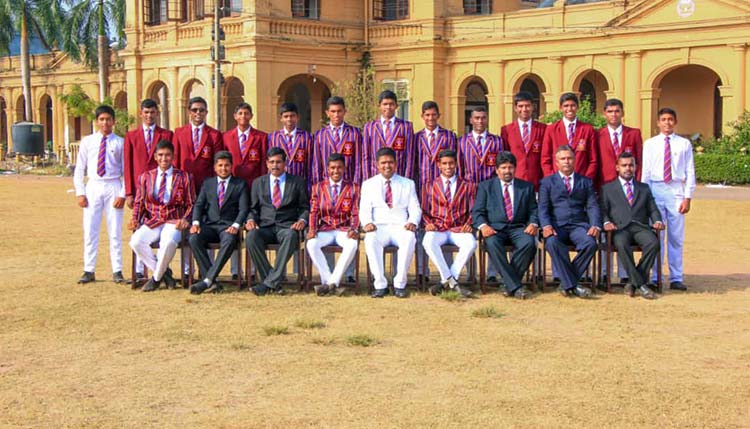
Prince of Wales college Team
Teams
St. Sebastian’s (from):
Manuja Chanthuka(Captain), Vimath Dinsara, Tharindu Dilanka, Lashen Fernando, Malintha Silva, Shefan Fernando, Adesh Almeida, Navod Fernando, Nirindu Silva, Usen Silva, Janaka Silva, Sandinu Kandage, Akash Dissanayake, Dineth Mallawarachchi, Koshendra Fernando, Yashin Fernando, Rayan Dissanayake, Shenan de Silva, Dhanuka Fernando.
Officials:
Kanishka Perera(MIC), Bradman Ediriweera (Head Coach).
Prince of Wales (from):
Achala Perera (Captain), Uneth Peiris, Rivith Jayasooriya, Nethul Anuhas, Prasanna Wijesinghe, Sachira Demian, Suhas Ranawana, Pasan Cooray, Oshan de Silva, Suwahas Fernando, Prince Fernando, Rasindu Fernando, Gavesha Fernando, Rusandu Silva, Naveen Fernando, Mathisa Aponso.
Officials:
Sarath Thilakaratne (MIC), Kelum Fernando (Head Coach).




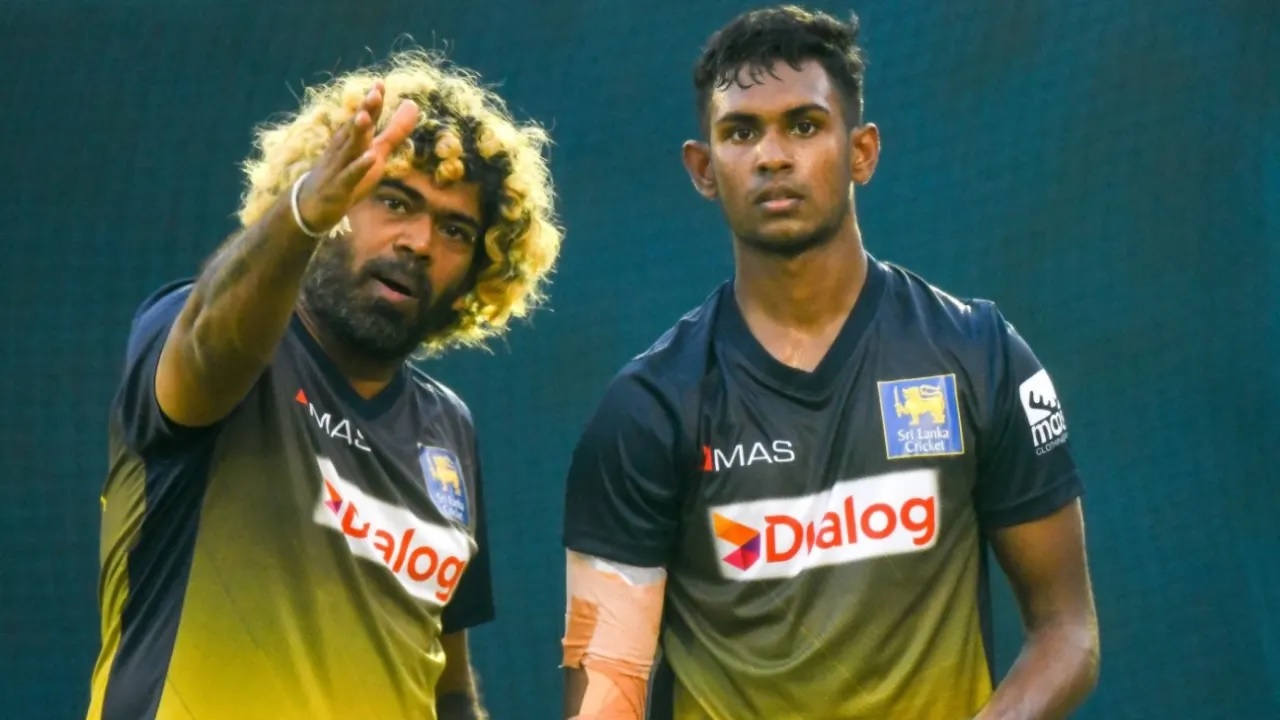
Lasith Malinga has once more been retained as consultant bowling coach for Sri Lanka’s men’s team, as they prepare for the T20 World Cup they are due to co-host from early February.
Although this is only a 40-day appointment, running from December 15 to January 25, it is essentially a continuation of Malinga’s work with key bowlers in the national set-up. Malinga has worked officially as a fast-bowling consultant at least twice before, but has also worked unofficially with top bowlers over the years, and has been advising the coaching team led by Sanath Jayasuriya, over the past two years.
With round-arm bowlers Matheesha Pathirana and Nuwan Thushara both in Sri Lanka’s preliminary squad for the T20 World Cup, and likely to make the final 15, Malinga will be especially well-placed to assist.
“Sri Lanka Cricket aims to leverage Malinga’s vast international experience and renowned expertise in death bowling, particularly in the shortest format of the game to strengthen Sri Lanka’s preparations for the upcoming World Cup,” the board release said.
Sri Lanka are set to co-host their first men’s global tournament since 2012, from February 7. Three Sri Lankan venues will be used – Khettarama and SSC in Colombo, and Pallekele.
The T20 World Cup will run from February 7 to March 8. Sri Lanka are in Group B along with Australia, Ireland, Oman and Zimbabwe.
[Cricinfo]
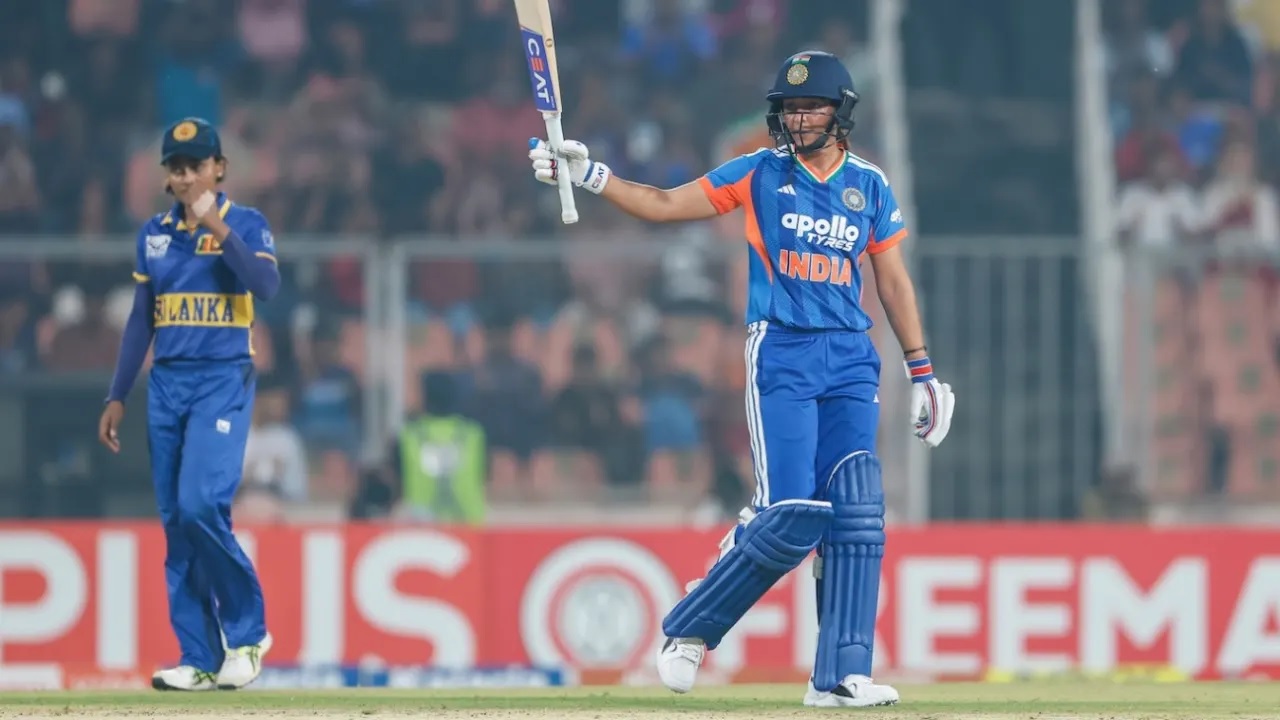
India’s untested lower order played a key role in turning a modest total into a competitive one. Amanjot Kaur added stability, scoring 21 off 18 balls and putting on a 61-run partnership with Harmanpreet for the fifth wicket, helping the innings regain momentum after regular wickets fell.
After her dismissal, Arundhati Reddy – promoted ahead of Sneh Rana – launched a late assault, hitting four fours and a six off 11 balls for an unbeaten 27, guiding India to 175 for 7. The team scored 32 runs in the final two overs.
With Chamari Athapaththu gone in the second over, Perera and Dulhani faced a daunting task. Dulhani, coming in at No. 3 again ahead of Harshitha Samarawickrama, played a confident innings, coming down the track and sweeping as needed, hitting five boundaries inside the powerplay. Perera rotated the strike well, keeping the scoreboard ticking. Aided by the dew, their 79-run second-wicket stand was broken in the 12th over when Amanjot dismissed Dulhani for 50, with her first ball.
Perera carried on, moving from 32 off 23 balls to register her maiden 38-ball fifty in her 89th T20I. Having debuted in 2014 and shuffled around the order, she opened this series for the first time in three years. When the equation came down to 55 off 24 balls, Perera struck a four and a six off Shree Charani before being yorked. Her 42-ball 65 included eight fours and a six.
When Sri Lanka needed 44 off 20 balls, India fought back hard. The visitors lost their key batters at the death, collapsing from 132 for 4 to 140 for 7, eventually falling short and remaining winless in India.
Brief scores:
India Women 175 for 7 in 20 overs (Gunalan Kamalini 12, Harleen Deol 13, Harmanpreet Kaur 68, Amanjot Kaur 21, Arundhati Reddy 27*; Nimasha Meepage 1-25, Kavisha Dilhari 2-11, Rashmika Sewwandi 2-42, Chamari Athapaththu 2-21) beat Sri Lanka Women 160 for 7 in 20 overs (Hasini Perera 65, Imesha Dulani 50, Rashmika Sewwamdi 14*; Deepti Sharma 1-28, Arundhati Reddy 1-16, Sneh Rana 1-31, Vaishnavi Sharma 1-33, Shree Charani 1-31, Amanjot Kaur 1-17 ) by 15 runs
[Cricinfo]

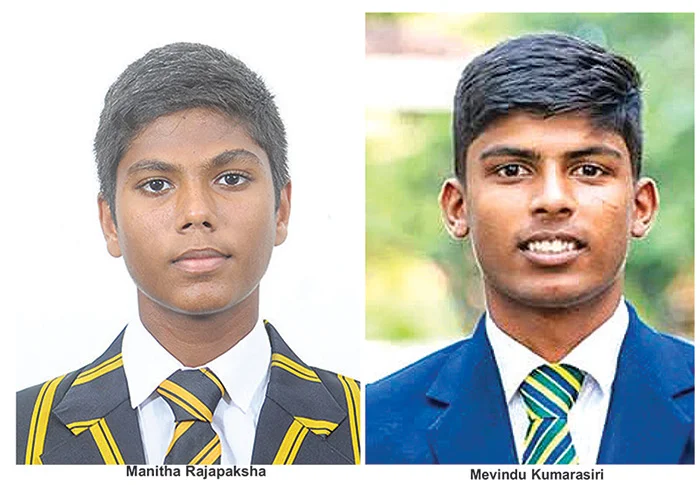
Under 19 Cricket
Manitha Rajapaksha collected a match bag of 11 wickets as Mahinda romped to an innings and 25 runs victory over Lumbini in the Under 19 Division I Tier ‘A’ cricket encounter at Galle.
Forced to follow on after being bowled out for 173 runs, the visitors managed to last only 33 overs as bowlers used the home advantage to good effect.
In a similar performance, Sri Sumangala reduced Isipatana to just 69 runs in the second innings to record an innings and 96 runs win in the Tier ‘B’ match at Panadura. While Mevindu Kumarasiri excelled once again to claim a match bag of 11 wickets, overnight batsmen Sandeep Wijerathna and Neksha Iddamalgoda went on to score centuries for Sri Sumangala to boost the score to 301 for eight wickets declared.
Meanwhile at DSS ground the home team scored a first innings win over Nalanda.
Match Results
Mahinda in innings win at Galle
Scores
Mahinda 284 all out in 72.2 overs
(Dulsith Darshana 63, Randula Mabarana 28, Manitha Rajapaksha 23, Kaveesha Githmal 43, Kavindu Nimsara 66; Yashod Kavindu 5/100, Dinal Sewmina 2/32)
Lumbini 76 for 4 overnight 173 all out in 53.4 overs
(Kisandu Dulneth 33, Yashod Kavindu 26, Jayanitha Mendis 41, Pasindu Mahisha 38; Manitha Rajapaksha 6/64, Sadev Nethmina 2/27) and 86 all out in 32.4 overs (Nikil Abilash 33; Manitha Rajapaksha 5/25, Gesandu Bisas 2/12, Arosha Udayanga 2/15)
Sri Sumangala in innings win at Panadura
Scores
Isipatana 136 all out in 47.2 overs (Yuveen Keshan 21, Dasith Senal 31; Mevindu Kumarasiri 6/54) and 69 all out in 25.2 overs (Janith Selaka 25; Mevindu Kumarasiri 5/32, Methum Fernando 4/23)
Sri Sumangala 158 for 2 overnight 301 for 8 decl. in 79.4 overs (Sandeep Wijerathna 100, Neksha Iddamalgoda 110, Mevindu Kumarasiri 34; Dasith Senal 2/86, Dimuthu Tharuka 2/34)
First innings win for DSS at DSS ground
Scores
DSS 365 all out in 79 overs (Savain Kalansooriya 54, Bihan Gamage 102, Janindu Ranasinghe 50, Shevan Welgama 73; Osanda Pamuditha 2/69, Dunitha Anusara 4/66, Sahas Godage 3/76) and 144 for 3 in 35.2 overs (Miyuru Bandara 41, Savain Kalansooriya 57, Shanaal Binuksha 34)
Nalanda 28 for 1 overnight 197 all out in 66.1 overs (Nemindu Akmeemana 40, Ranmith Dinuwara 42; Shanaal Binuksha 6/61, Randisha Bandaranayake 2/40)
by Reemus Fernando

58,454 International aircraft movements in Sri Lanka in first 11months of 2025 – Ministry of Ports and Civil Aviation

Lasith Malinga to work with the Sri Lanka Team in lead up to T20 World Cup

Highest revenue in 93-year history of Inland Revenue Department collected in 2025

Showers or thundershowers will occur at times in the Northern, Eastern, Central, North-central, North-western and Uva provinces

Israel to bar 37 aid groups from Gaza

Protests spread across Iran for third day after currency hits record low

‘Dates have the highest sugar content to fight Coronavirus’

Sunday Island 27 December – Headlines

#SundayIsland 17th December – Headlines

Sunday Island – 28th March

Sunday Island Headlines – 21 March

Sunday Island – 21st February – Headlines
-

 News7 days ago
British MP calls on Foreign Secretary to expand sanction package against ‘Sri Lankan war criminals’
-
 News6 days ago
Street vendors banned from Kandy City
-
 Sports7 days ago
Chief selector’s remarks disappointing says Mickey Arthur
-

 Opinion7 days ago
Disasters do not destroy nations; the refusal to change does
-

 Sports3 days ago
Gurusinha’s Boxing Day hundred celebrated in Melbourne
-

 News6 days ago
Lankan aircrew fly daring UN Medevac in hostile conditions in Africa
-

 Sports4 days ago
Time to close the Dickwella chapter
-
 Sports7 days ago
Royal record crushing innings win against Nalanda