
News
PCR controversy: Now private labs allowed at BIA vehicle park

By Rathindra Kuruwita
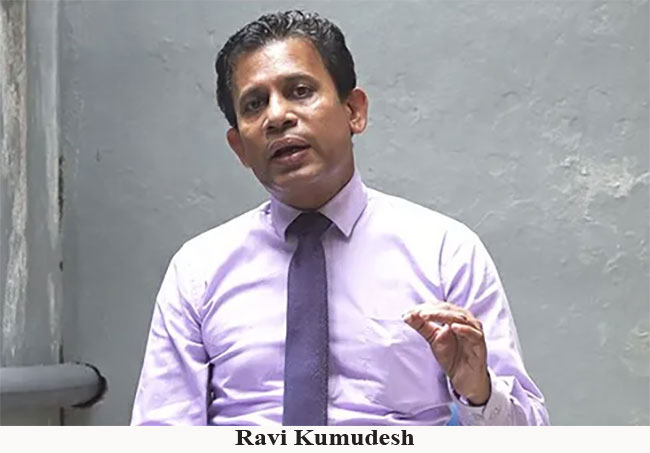
Various private laboratories are setting up tents in the BIA car park to test those going to the Middle East despite the existence of two high tech labs at the Airport, College of Medical Laboratory Science (CMLS) President, Ravi Kumudesh complained yesterday.
Kumudesh told The Island that it was an attempt to fleece poor Sri Lankan workers leaving for West Asia.
“On 02 November the Airport and Aviation Services (AAS) issued a tender for conducting PCR tests on passengers travelling to West Asia on Emirates flights. AAS has also asked for Rs. 1,000 each as commission from tests conducted by private labs. All this is happening while two state-of-the-art labs, one operated by the Health Ministry and the other under the Tourism Ministry, are functioning at the airport,” he said.
Several private labs were putting up tents at the airport car park for PCR testing, Kumudesh said. “These institutions have been allowed to use the car park because they are backed by powerful politicians and officials,” he said.
“The labs at the airport can test a person and provide a report in less than three hours. However, when Emirates informed the Health Ministry a few months ago that they required passengers to have a PCR done within six hours before getting into the airport, the senior officials said that the government had no capacity to do so. In fact, a senior Health Ministry official issued a circular specifying certain machines that should be used for these rapid PCR tests. These machines have not been approved by the NMRA,” he said.
Kumudesh said that at the end of the day, those private labs would charge Sri Lankan migrant workers leaving for Wes Asia exorbitant amounts for the PCR tests. At a time when Sri Lanka desperately needed foreign remittances, fleecing Sri Lankan workers couldn’t be condoned, he said.
“It is doubtful where the tests conducted by private labs are accurate. A few months ago, China blacklisted a Sri Lankan PCR lab for providing inaccurate reports.

Latest News
In order to safeguard the future of the country, a quality human resource must be developed. – Prime Minister

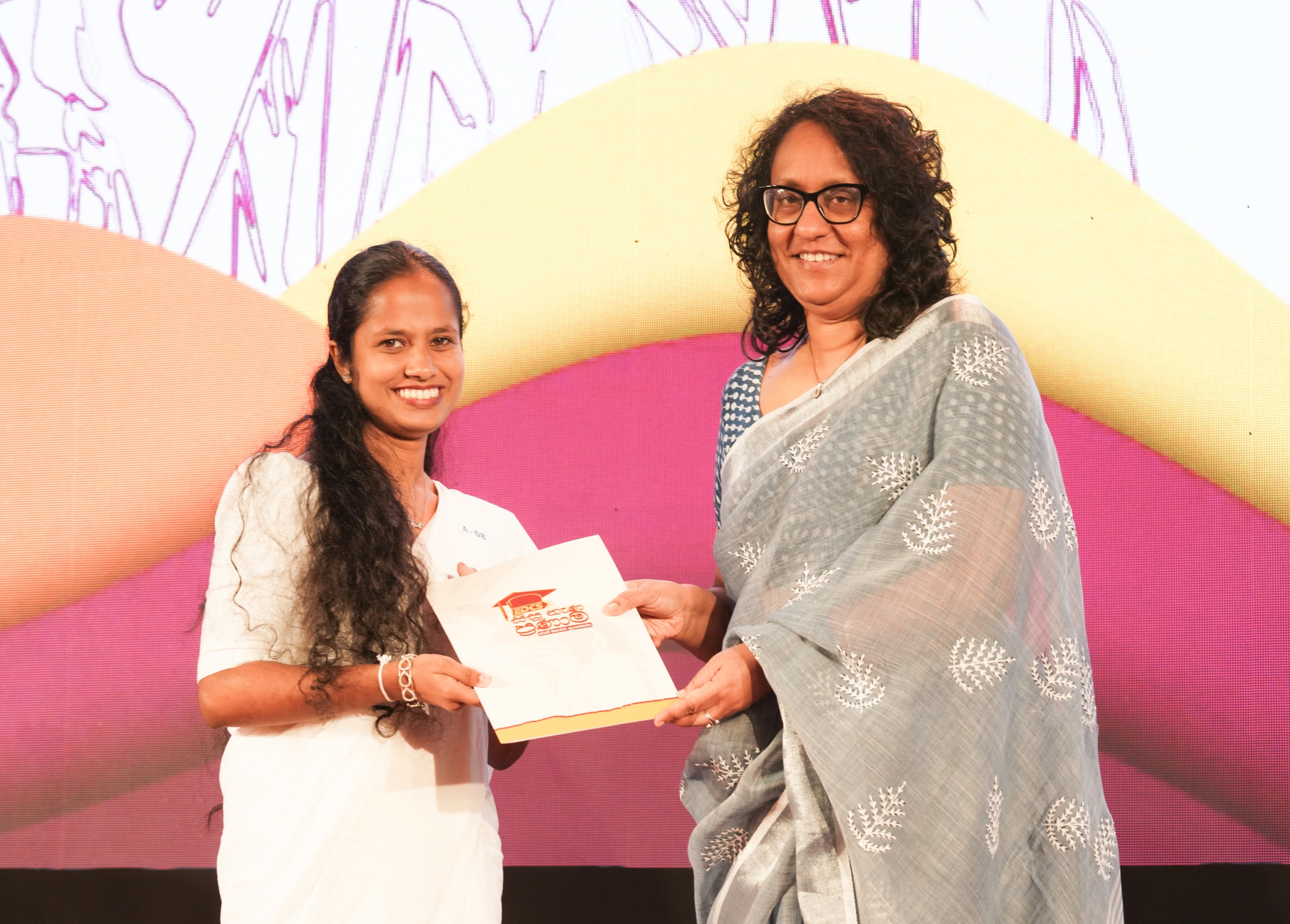
Prime Minister Dr. Harini Amarasuriya stated that in order to ensure the economic, social, and cultural security of the country, it is essential to develop a quality human resource, and that education plays a vital role in achieving this goal.
The Prime Minister emphasized that the government is committed to bring about a transformation in the education sector, and that the government will continue to move forward by overcoming obstacles encountered along the way, guided by a clear vision and purpose.
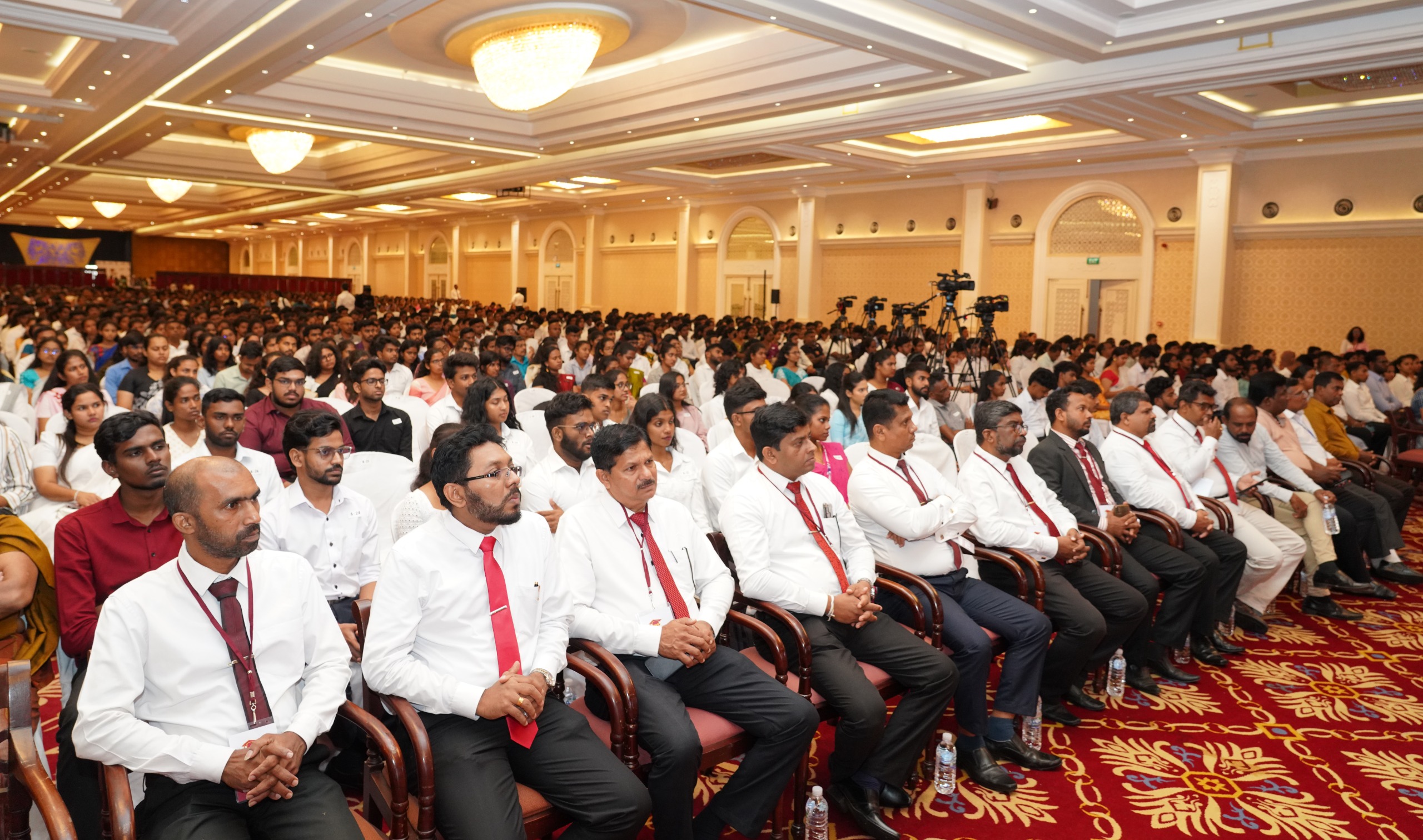
The Prime Minister made these remarks while addressing the EDCS Sisu Nena Pranama scholarship award ceremony held on Saturday (31) at Temple Trees, organized to recognize the children of the members of the Education Co-operative Society (EDCS) who have been selected to state universities for the academic year2023/2024.
Elaborating further, the Prime Minister noted that this program, organized by the Education Service Employees– Co-operative Thrift and Credit Society Ltd, is not merely about providing scholarships, but is an occasion that recognizes and appreciates the dedication of students and their parents who are preparing to shoulder the responsibility of the country’s future.
The Prime Minister also pointed out that it is a remarkable achievement that a society which began in 1930 with just 58 members and a membership fee of one rupee has today grown into the largest cooperative society in South Asia, with approximately 215,000 members.
The Prime Minister further highlighted how rapidly the world is changing, and the increasing necessity of developing human resources in the face of economic and environmental crises. She stressed that the education system must be transformed from the level of school education itself to align with the demands of the modern world, and that students entering universities should become leaders and active participants in this transformation.
Noting that out of nearly 300,000 students who enter primary education each year, only about 40,000 gain admission to universities, the Prime Minister urged students to make use of this opportunity for the development of the country.
Addressing the occasion, Deputy Minister of Labour and General Secretary of Ceylon Teachers Service Union, Mahinda Jayasinghe, stated that due to corruption-free management, it was possible to increase the financial stability of the society from Rs. 1,200 million to Rs. 1,700 million within a short period of approximately nine months.
Under this year’s program, scholarships amount to over Rs. 13.7 million were awarded to 2,292 students who have been selected to state universities.
This scholarship program, which initiated in 1984 with 15 students and an initial fund of Rs. 3,500, has been conducted continuously for 41 years. At present, scholarships of up to a maximum of Rs. 75,000 per student are awarded, demonstrating the collective strength and solidarity of the teaching community.
The event was attended by the Chairman of the Education Development Cooperative Society, Lal Kumara, the Western Province Director of Education, Darshani Iddamalgoda, along with other officials.
[Prime Minister’s Media Division]

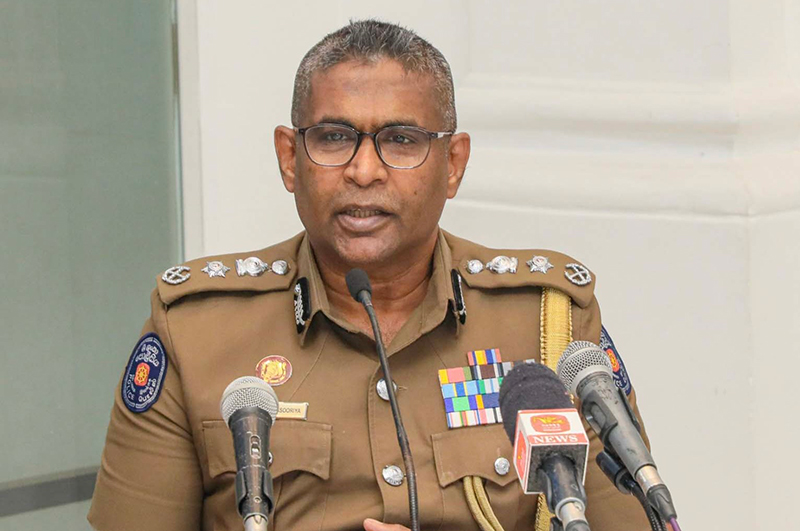
IGP Priyantha Weerasooriya says that the Police is facing a shortage of nearly 32,000 personnel and is currently operating well below its required strength.
He made these remarks while attending a ceremony held on Friday morning (30) to recognise the contribution of fingerprint officers, crime analysis officers and forensic photographers attached to the Criminal Investigation Department for their role in solving crimes.
Addressing the gathering, the IGP said that around 2,500 police officers are due to retire this year, with a further 2,700 officers expected to retire next year.
In view of the growing cadre shortfall, he said plans are underway to recruit 10,000 new officers to the Sri Lanka Police in the future.

Sri Lanka earned international recognition at the 41st Mrs. World pageant, with Sabina Yousaf being named Second Runner-Up, marking a notable achievement for the country at the prestigious global competition.
In addition to securing a top-three finish, Yousaf also won the Mrs. Photogenic mini-title and placed among the Top 20 contestants, underscoring her strong performance on the international stage.
The Mrs. World 2025 crown was won by Chanita Seedaket Craythorne of Thailand, while Paige Ewing of the United States was declared First Runner-Up.
The grand finale was held on 29 January in Las Vegas, Nevada, and featured contestants from more than 60 countries competing for the coveted title.
The announcement of the Top Three finalists placed Sri Lanka alongside leading global pageant contenders, reinforcing the country’s growing presence in international pageantry.
Final Results – Mrs. World 2025:
Winner: Thailand – Chanita Seedaket Craythorne
First Runner-Up: United States – Paige Ewing
Second Runner-Up: Sri Lanka – Sabina Yousaf

West Indies seal consolation win in ten-over shootout

In order to safeguard the future of the country, a quality human resource must be developed. – Prime Minister

Pathirana: ‘My body just automatically changed the release point’ after injury

U 19 World Cup: Emon five-for gives Bangladesh consolation win against Zimbabwe

Showers will occur at times in the Northern, North-Central, North-western, Eastern and Uva provinces and in Matale and Nuwara Eliya districts

When Batting Was Poetry: Remembering David Gower

‘Dates have the highest sugar content to fight Coronavirus’

Sunday Island 27 December – Headlines

#SundayIsland 17th December – Headlines

Sunday Island – 28th March

Sunday Island Headlines – 21 March

Sunday Island – 21st February – Headlines
-
 Business6 days ago
ComBank, UnionPay launch SplendorPlus Card for travelers to China
-
 Business3 days ago
Climate risks, poverty, and recovery financing in focus at CEPA policy panel
-
 Opinion2 days ago
Sri Lanka, the Stars,and statesmen
-

 Business1 day ago
Hayleys Mobility ushering in a new era of premium sustainable mobility
-

 Opinion6 days ago
Luck knocks at your door every day
-

 Business1 day ago
Advice Lab unveils new 13,000+ sqft office, marking major expansion in financial services BPO to Australia
-
 Business1 day ago
Arpico NextGen Mattress gains recognition for innovation
-

 Editorial1 day ago
Govt. provoking TUs