

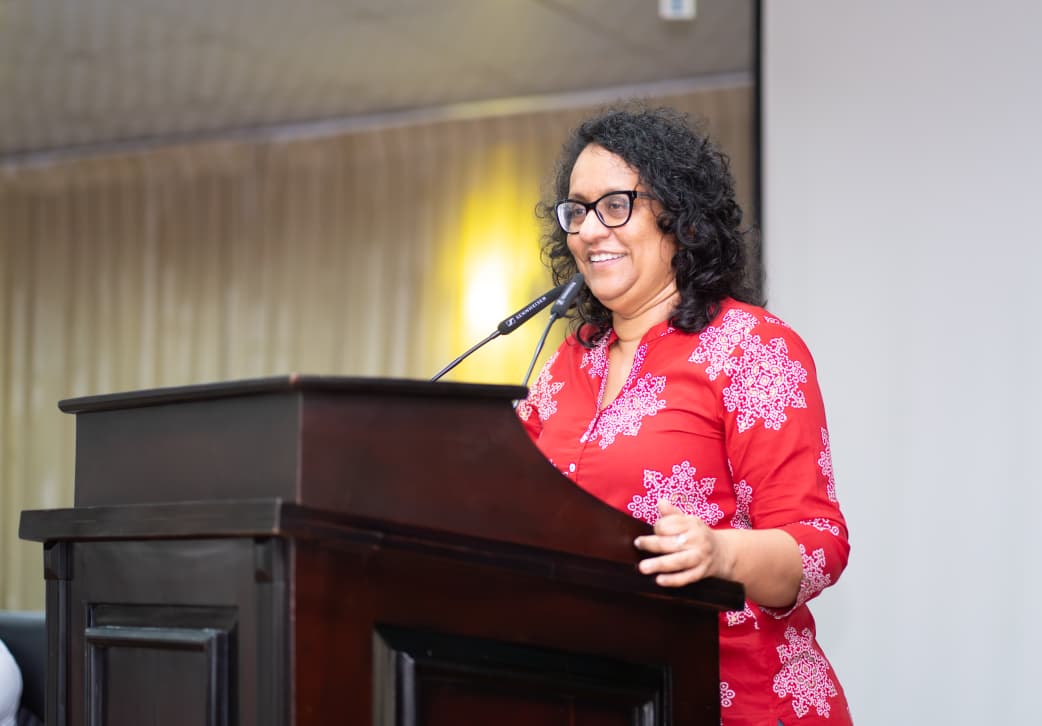
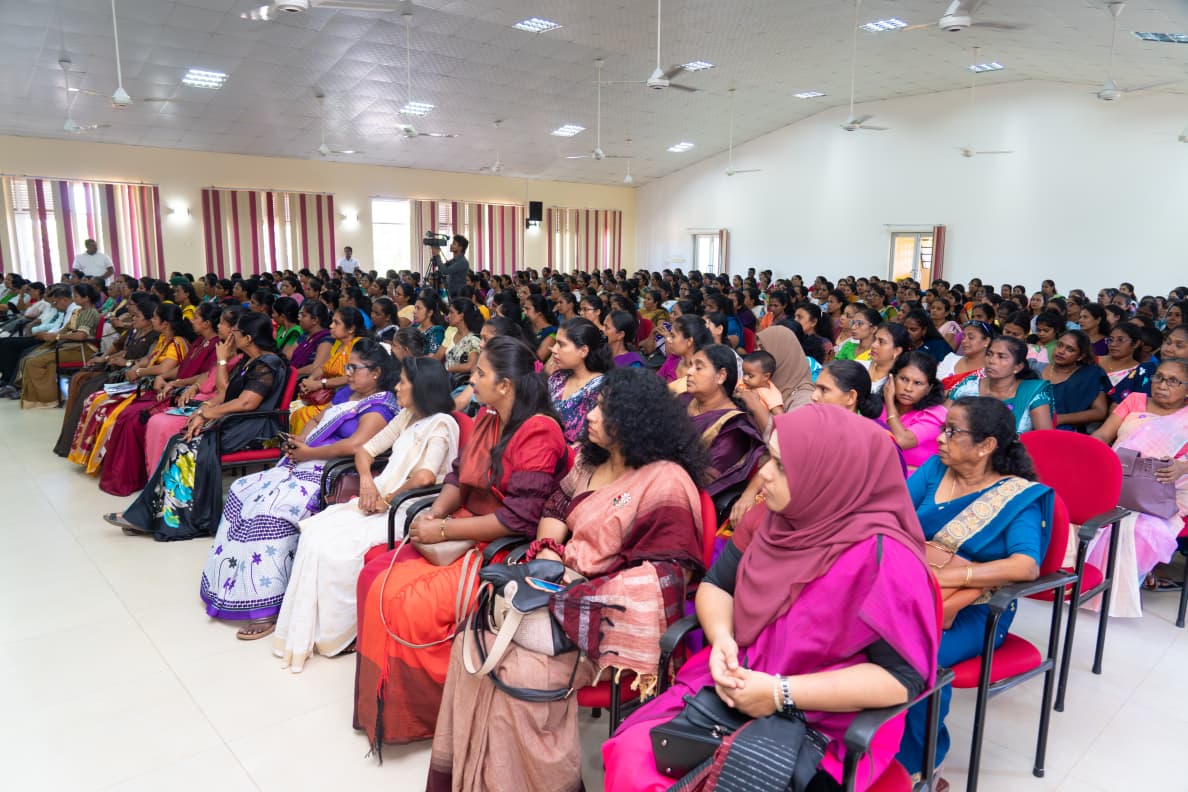
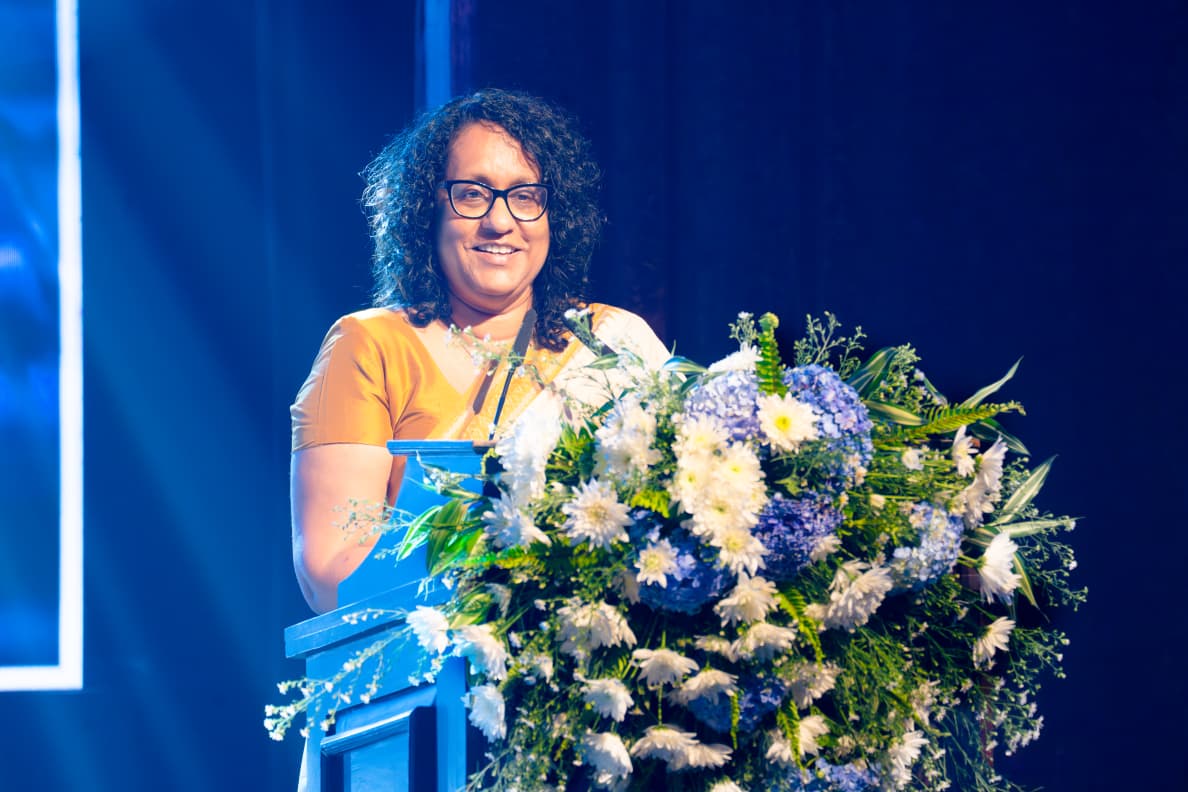
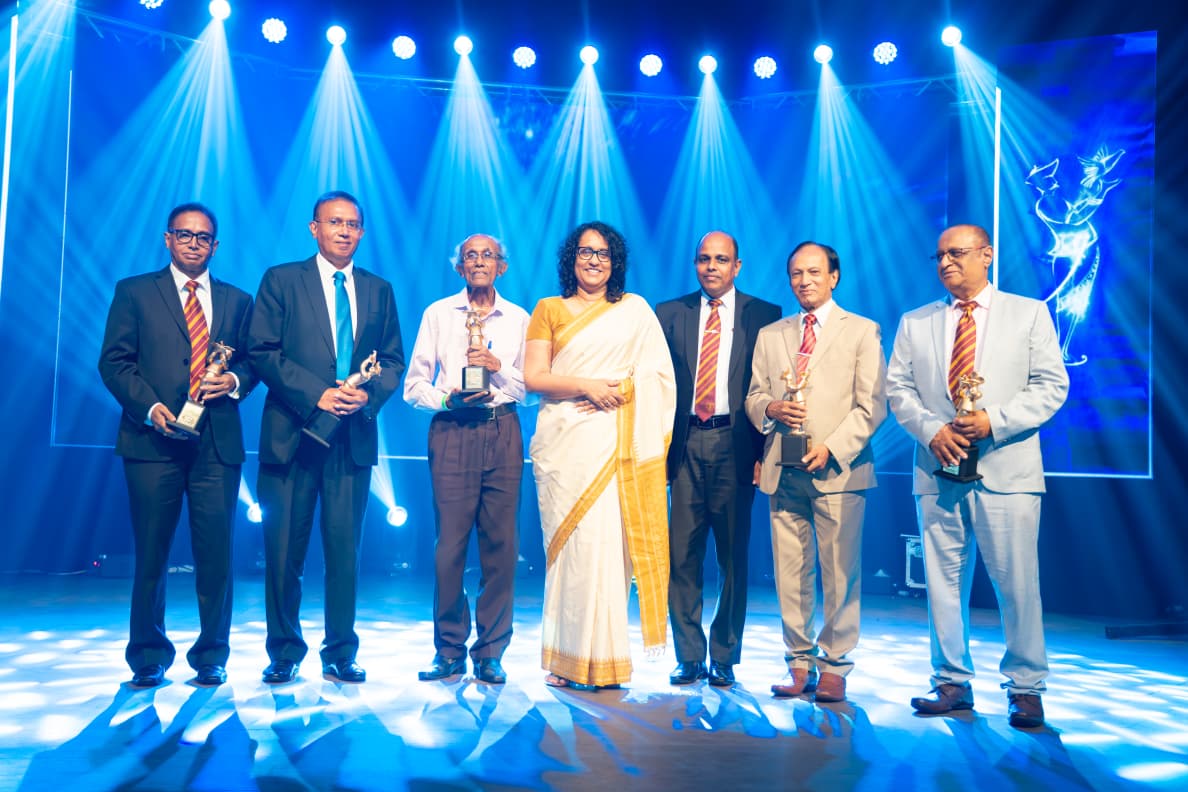
During the “Sandeshaya” Awards Ceremony , lifetime awards granted only once in a lifetime were presented to distinguished veterans in the media field, while media awards were also presented to talented students in the school category. The ceremony was held under the patronage of the Prime Minister.
Expressing her views further, the Prime Minister stated:
“We live in an era where information technology and the media are changing rapidly. Along with these changes, many opportunities have emerged, but we are also confronted with numerous challenges.
We must prepare our younger generation to live in a society and a world transformed by information technology and the media.
When we observe the changes taking place in the media today, we can say that the media and information have become democratized. In the past, access to knowledge and information was largely limited to privileged or powerful groups. The authority to communicate information and decide what should be disseminated was held by a small group. However, with the advancement of technology, this has changed dramatically. As a result of this revolutionary transformation, information, data, and knowledge have now become accessible to everyone. In that sense, it is a positive development.
At the same time, we are no longer merely media viewers or consumers. As citizens, we can also become media creators. Citizens now have significant space to engage with the media and share information. While this is positive in one sense, it also carries certain dangers. There are serious questions, issues, and challenges regarding responsibility and credibility in the dissemination of information. Today, information flows so rapidly that it is sometimes difficult to determine what is true. Making decisions has become increasingly challenging. Not only in our country but globally, there have been many instances where societies have been set ablaze due to misinformation or deliberately distorted information. We have witnessed numerous occasions where people’s lives have been destroyed as a result.
Sometimes, without even realizing it, we get trapped on the internet. We share various things through our social media platforms, both necessary and unnecessary. However, what we often forget is that a large amount of personal information accumulates on the internet through these actions. Once incorrect information becomes widespread in this way, it becomes extremely difficult to erase.
The spread of false information weakens public trust in the information provided by the media, and this is extremely dangerous for a society. For the sustainability of a society, it is essential to maintain trust among citizens and trust in the institutions that influence people’s lives. Only through the trust we can safeguard the sustainability, continuity, and security of a society.
However, what has happened today due to the spread of misinformation? We no longer have confidence in our leaders. We do not even trust elders. There is doubt about whether the news we receive can be trusted. When credibility weakens within a society, it can push that society into crisis.
Therefore, it is extremely important to cultivate a culture that strengthens trust in leadership, promotes confidence in elders, and enhances awareness about reliable sources of information. In this context, those entering the field of media carry a significant responsibility.
Just like the senior professionals we honored today, you too may one day enter this field. However, there is a vast difference between the era in which they entered the profession and the era you will enter. You will carry a unique responsibility to strengthen the credibility of the media and to stand firmly behind the information you present.
You must be able to stand by the information you provide. You must reflect on whether the information you share is true and who might be affected by it. Ensuring the credibility of the information you disseminate is also your responsibility.
Similarly, as users of any form of media, we all bear a responsibility to verify the reliability of the information we receive and to be aware of how to distinguish between truth and falsehood. That is why digital literacy and media literacy are essential. It is also for this reason that we believe such subjects and concepts must be incorporated into education reforms so that our student generation can learn them.’
The Prime Minister further stated that citizens have a responsibility to be mindful of the truthfulness of information before sharing content found on the internet and social media with others.
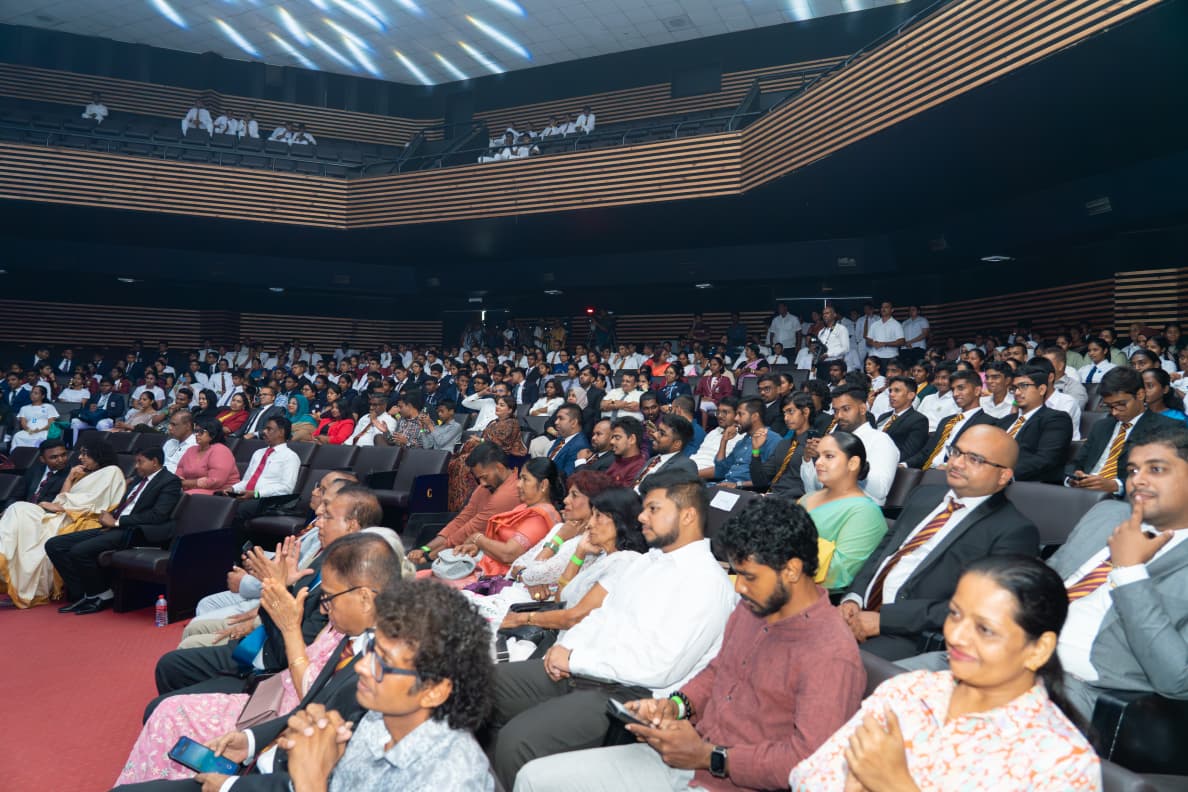
The event was attended by the Secretary to the Ministry of Health and Mass Media Anil Jasinghe, Principal of Ananda College D.M.L.P. Dissanayake, journalists, principals, teachers, and students.
(Prime Minister’s Media Division)