

Connect with us

News

602 out of 607 police stations engaged in election duties

Published

on

By Rathindra Kuruwita

Six hundred and two out of 607 police stations in the country are engaged in election duties, acting police media spokesman, DIG Ruwan Gunasekera said yesterday.

“We have police stations in places like the Uda Maluwa, which have special tasks,” he said.

There are 45 police divisions. “We have established election monitoring centres in these 45 divisions and the 602 police stations. This was done as soon as the election was declared,” he said.

Gunasekera said these monitoring centres are entrusted with investigating election-related complaints. There are several grades of police stations in the country and based on the grade, the number of officers attached to a monitoring centre changes, he said.

“Roughly, five policemen are attached to each monitoring centre. There are 13,314 polling stations for the 21 September presidential election. Each polling booth requires at least two police officers. So on 20 and 21 September, we need about 27,000 policemen for polling booths alone. Altogether we need about 55,000 policemen for election duties,” he said.

Gunasekera said there are 39 presidential candidates, and all of them are given police protection. As soon as the election was declared, a committee was established to determine the level of security threat posed by each candidate and former presidents, he said. The committee is headed by the Secretary to the Ministry of Public Security.

“Among candidates there are people who already receive police security, for example MPs. After nominations are signed, we assign a police detail to all candidates. We then conduct a threat assessment and if we feel some candidates need additional security, we will provide additional security. A representative for each candidate is in touch with the above-mentioned committee. If a candidate is holding a meeting somewhere in the country, that representative can inform the committee. The committee will inform senior policemen in that area, and they will provide necessary security. By the fourth week of August, we have provided security to 34 rallies,” he said.

Gunasekera added the police are now flooded with requests to use public announcement systems during political meetings. These licenses are given based on several criteria, he said. “You need a letter from the owner of the public address systems, a letter from the owner of the land in which a meeting is held. Also, these public announcement systems can only be loud enough for the people in a demarcated area.

The public announcement systems can be used only till 10 pm from Monday to Thursday, until 1 am on Friday and Saturday and until midnight on Sunday. We also do not authorize meetings in government owned lands or near offices or rallies of other political parties,” he said.

The police spokesman added that thousands of election offices are springing up across the country. Section 73 of the Presidential Elections Act No 15 of 1981 sets the guidelines on election offices, he said. There are 22 electoral districts in the country, and one office can be maintained in each district, he said. These are called notified central election offices. “You can also have a branch election office in each polling district. A polling district is an area where a polling booth is held. The residence of a candidate can also be an election office,” he said.

Gunasekera said that posters, banners and cut-outs are allowed only if they fulfil specific criteria. For example, these can be displayed on the motor vehicle that the candidate travels in. These can also be displayed within the premises of election offices. “You can also display posters, banners and cut-outs in the area where an election meeting is held,” he added.


Latest News

A new curriculum will be introduced for preschools in 2027, while steps will also be taken to train teachers accordingly – PM

Published

on

By

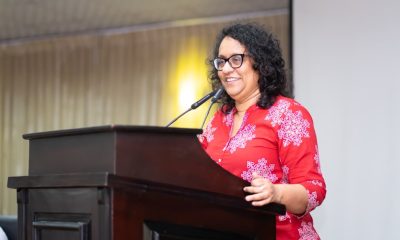
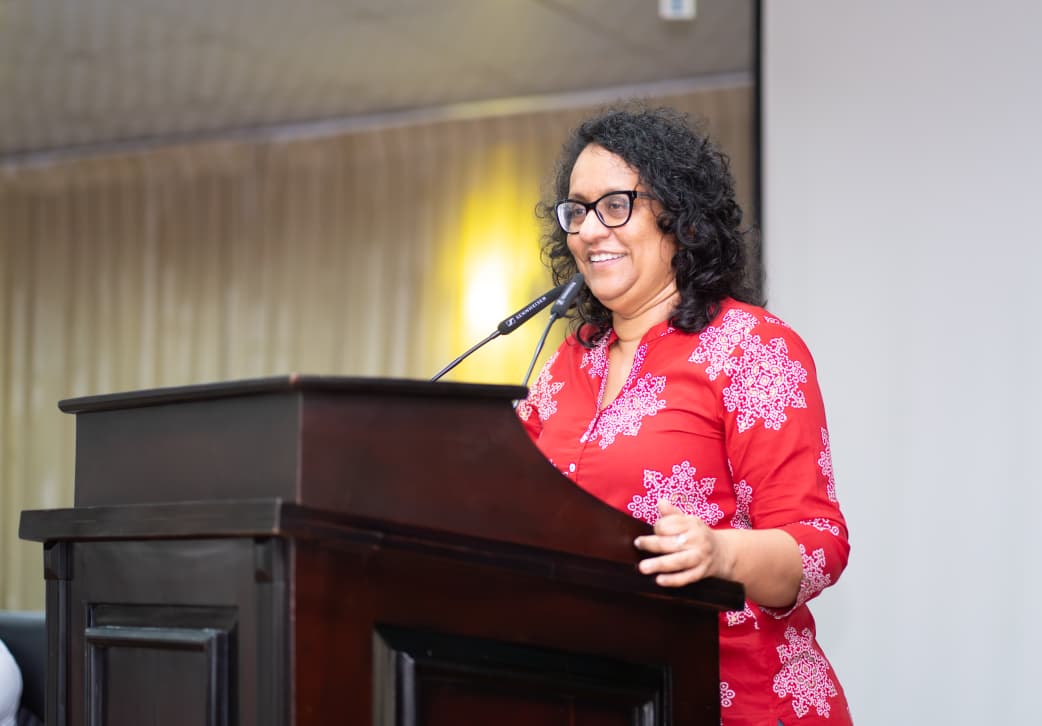
Prime Minister Dr. Harini Amarasuriya stated that a new curriculum will be introduced for preschools in 2027, while steps will also be taken to train teachers accordingly and to regulate preschools through a regulatory authority.

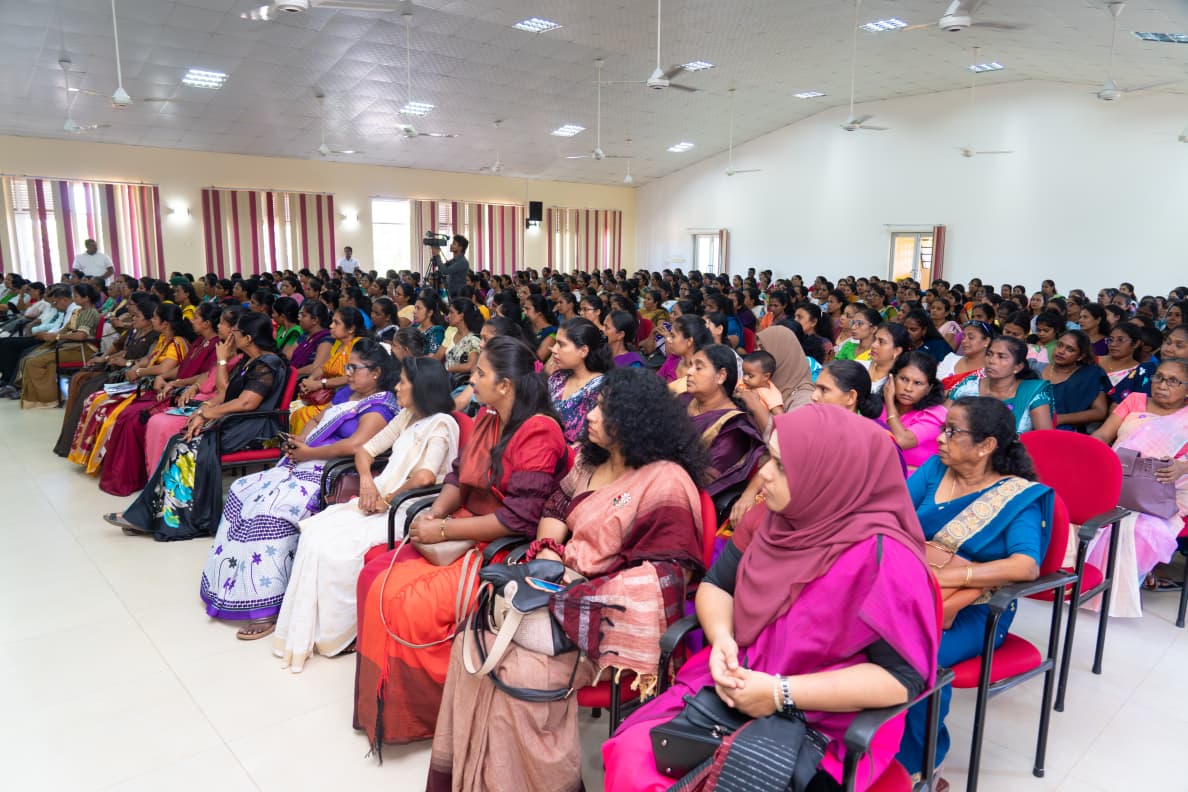
The Prime Minister made these remarks while addressing an awareness programme for preschool teachers in the Hambantota District on education reforms, held  on Sunday (15) at the Ambalantota Pradeshiya Sabha Auditorium.

During the programme, preschool teachers briefed  the Prime Minister about the challenges they currently face. Responding to their concerns, Dr. Harini Amarasuriya further stated:

“The issues within the preschool system cannot be discussed separately from the broader crisis in society and in the education sector. When we assumed office in 2024, our primary challenge was to free the country from its debt burden and to establish. a  sound economic indicators.

Although 2025 was a challenging year, we were able to bring the country’s economy to a certain level of stability and manage the national budget accordingly.

While we were working towards economic recovery, the war in the Middle East began, which has had certain impacts on our country as well.

A significant amount of Sri Lanka’s foreign remittances come from our fellow citizens working in the Middle East. Today, both their livelihoods and employment are under threat. In addition, a large number of tourists travelled to Sri Lanka through Middle Eastern airspace, and the closure of those air routes and airports has reduced tourist arrivals. Another issue concerns fuel transportation. This problem has affected not only Sri Lanka but many countries around the world. If the war continues for a long period, it will have further impacts on us, and therefore we must be prepared. We also need to manage the economy carefully and reduce certain expenditures.

Although we have the ability to borrow, our intention is not to weaken the country’s economy by relying on loans.

You are aware that we have begun implementing education reforms. Within that policy framework, we are also taking steps to reform preschool education. So far, the establishment of preschools and early childhood development has not been carried out in a systematic manner. Therefore, we must regulate and standardize all preschools, which is not an easy task.

First, all preschools must be formally registered. We have already prepared a curriculum for teacher training. In addition, we plan to introduce a new curriculum for preschools in 2027, provide teacher training accordingly, and regulate preschools through a regulatory authority. A recognized curriculum has also been prepared for the preschool diploma. In the future, priority for preschool teachers will be given based on these qualifications. We will also take gradual steps to enhance the professionalism of preschool teachers and establish a proper salary structure”.

The Prime Minister further stated that preschools fall under the authority of Provincial Councils and Pradeshiya Sabhas, while the line ministry can only provide policy recommendations. She also emphasized that issues related to preschools should be addressed in a systematic manner through structural committees and District Development Committees.

Member of Parliament Nihal Galappaththi and other public representatives, along with preschool teachers from the Hambantota District attended the awareness program.

(Prime Minister’s Media Division)

Continue Reading

News

Be mindful of the accuracy of information before sharing it on social media – PM

Published

on

By

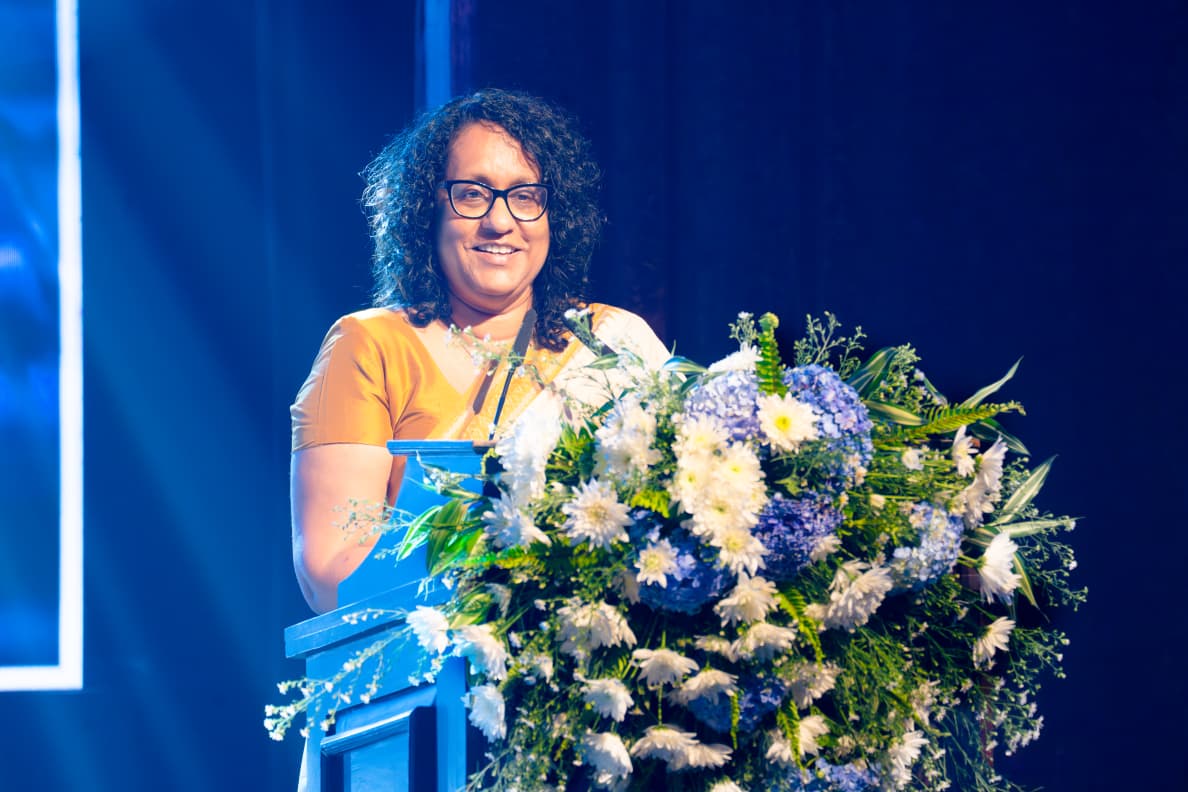
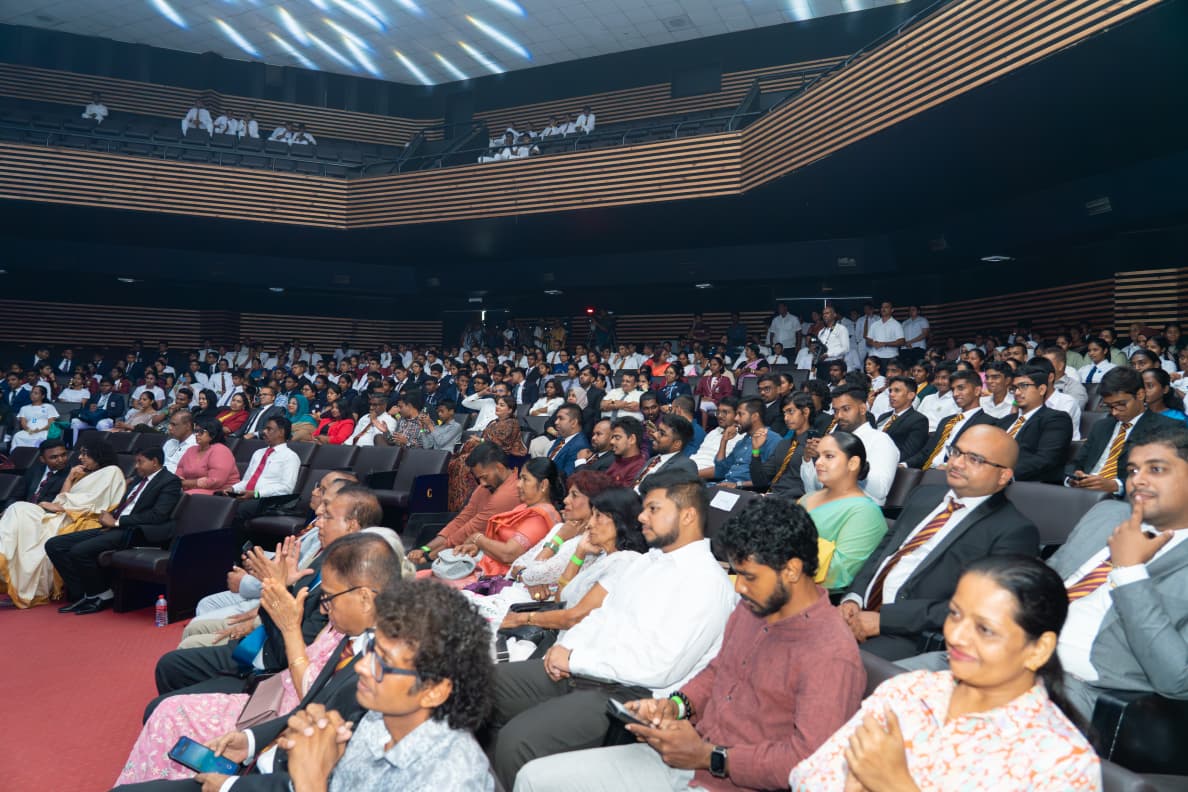
The Prime Minister made these remarks while addressing the “Sandeshaya” Media Awards Ceremony held on 14 March at the Kularathne Hall of Ananda College, Colombo. The event was organized with the aim of providing Sri Lankan school students with an opportunity to actively contribute to the national media discourse while promoting ethics, responsibility, and critical thinking.

During the “Sandeshaya” Awards Ceremony , lifetime awards granted only once in a lifetime were presented to distinguished veterans in the media field, while media awards were also presented to talented students in the school category. The ceremony was held under the patronage of the Prime Minister.

Expressing her views further, the Prime Minister stated:

“We live in an era where information technology and the media are changing rapidly. Along with these changes, many opportunities have emerged, but we are also confronted with numerous challenges.

We must prepare our younger generation to live in a society and a world transformed by information technology and the media.

When we observe the changes taking place in the media today, we can say that the media and information have become democratized. In the past, access to knowledge and information was largely limited to privileged or powerful groups. The authority to communicate information and decide what should be disseminated was held by a small group. However, with the advancement of technology, this has changed dramatically. As a result of this revolutionary transformation, information, data, and knowledge have now become accessible to everyone. In that sense, it is a positive development.

At the same time, we are no longer merely media viewers or consumers. As citizens, we can also become media creators. Citizens now have significant space to engage with the media and share information. While this is positive in one sense, it also carries certain dangers. There are serious questions, issues, and challenges regarding responsibility and credibility in the dissemination of information. Today, information flows so rapidly that it is sometimes difficult to determine what is true. Making decisions has become increasingly challenging. Not only in our country but globally, there have been many instances where societies have been set ablaze due to misinformation or deliberately distorted information. We have witnessed numerous occasions where people’s lives have been destroyed as a result.

Sometimes, without even realizing it, we get trapped on the internet. We share various things through our social media platforms, both necessary and unnecessary. However, what we often forget is that a large amount of personal information accumulates on the internet through these actions. Once incorrect information becomes widespread in this way, it becomes extremely difficult to erase.

The spread of false information weakens public trust in the information provided by the media, and this is extremely dangerous for a society. For the sustainability of a society, it is essential to maintain trust among citizens and trust in the institutions that influence people’s lives. Only through the trust we can safeguard the sustainability, continuity, and security of a society.

However, what has happened today due to the spread of misinformation? We no longer have confidence in our leaders. We do not even trust elders. There is doubt about whether the news we receive can be trusted. When credibility weakens within a society, it can push that society into crisis.

Therefore, it is extremely important to cultivate a culture that strengthens trust in leadership, promotes confidence in elders, and enhances awareness about reliable sources of information. In this context, those entering the field of media carry a significant responsibility.

Just like the senior professionals we honored today, you too may one day enter this field. However, there is a vast difference between the era in which they entered the profession and the era you will enter. You will carry a unique responsibility to strengthen the credibility of the media and to stand firmly behind the information you present.

You must be able to stand by the information you provide. You must reflect on whether the information you share is true and who might be affected by it. Ensuring the credibility of the information you disseminate is also your responsibility.

Similarly, as users of any form of media, we all bear a responsibility to verify the reliability of the information we receive and to be aware of how to distinguish between truth and falsehood. That is why digital literacy and media literacy are essential. It is also for this reason that we believe such subjects and concepts must be incorporated into education reforms so that our student generation can learn them.’

The Prime Minister further stated that citizens have a responsibility to be mindful of the truthfulness of information before sharing content found on the internet and social media with others.

The event was attended by the Secretary to the Ministry of Health and Mass Media Anil Jasinghe, Principal of Ananda College D.M.L.P. Dissanayake, journalists, principals, teachers, and students.

(Prime Minister’s Media Division)
Continue Reading

Latest News

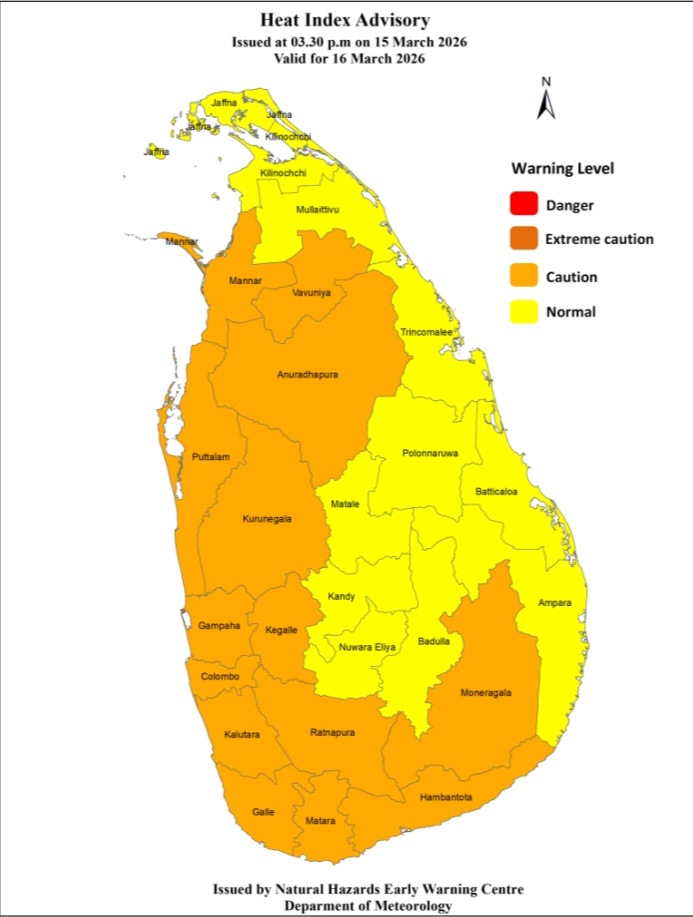
Heat Index at ‘Caution level’ at some places in the Western, Sabaragamuwa, Southern and North-western provinces and in Monaragala, Mannar, Anuradhapura and Vavuniya districts

Published

on

By

Warm Weather Advisory
Issued by the Natural Hazards Early Warning Centre of the Department of Meteorology  at 3.30 p.m. on 15 March 2026, valid for 16 March 2026.

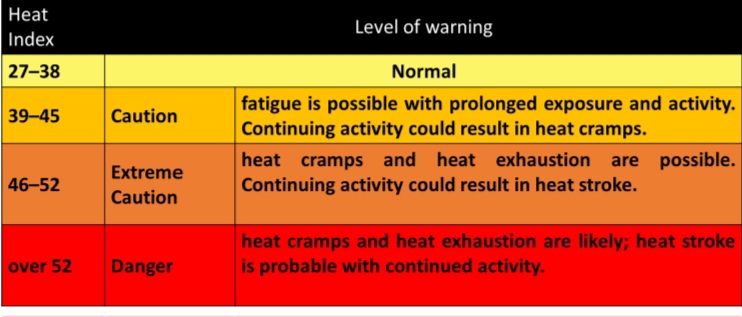
The public is warned that the Heat index, the temperature felt on human body is likely to increase up to ‘Caution level’ at
some places in the Western, Sabaragamuwa, Southern and North-western provinces and in Monaragala, Mannar, Anuradhapura and Vavuniya districts.

The Heat Index Forecast is calculated by using relative humidity and maximum temperature and this is the condition that is felt on your body. This is not the forecast of maximum temperature. It is generated by the Department of Meteorology for the next day period and prepared by using global numerical weather prediction model data.


Effect of the heat index on human body is mentioned in the above table and it is prepared on the advice of the Ministry of Health and Indigenous Medical Services.

ACTION REQUIRED
Job sites: Stay hydrated and takes breaks in the shade as often as possible.
Indoors: Check up on the elderly and the sick.
Vehicles: Never leave children unattended.
Outdoors: Limit strenuous outdoor activities, find shade and stay hydrated.
Dress: Wear lightweight and white or light-colored clothing.

Note:
In addition, please refer to advisories issued by the Disaster Preparedness & Response Division, Ministry of Health in this regard as well. For further clarifications please contact 011-7446491


Continue Reading

Trending