
Connect with us

News

WHO, national regulators and vaccine manufacturers in South-East Asia Region discuss COVID-19 vaccines

Published

on

New Delhi, 11 December 2020:

The World Health Organization, national regulatory authorities and vaccine manufacturers in WHO South-East Asia Region discussed fast tracking of COVID-19 vaccine rollout in Member countries.

“The vaccine manufacturing and regulatory sectors have a critical role to play in equitable and efficient deployment of vaccines,” said Dr Poonam Khetrapal Singh, Regional Director, WHO South-East Asia Region, at the two-day virtual meeting that ended today.

The meeting deliberated processes and timelines to fast-track registration of COVID-19 vaccines in countries using the Emergency Use Listing procedures while comprehending the landscape of COVID-19 vaccine production in the Region.

Aimed at strengthening collaboration between national programmes, vaccine producers and regulators in the region for COVID-19 vaccine deployment, the meeting provided a platform for interaction and experience sharing for vaccine registration, deployment and regulation.

The Regional Director said all countries in the Region are now developing and finalizing national deployment and vaccination plans for COVID-19, of which regulatory preparedness is a core component.

Establishing expedited regulatory pathways for vaccine approval and adjusting regulatory pathways to the type of vaccine that is developed and filed for approval remains critical as emergency use authorization will precede full licensure, Dr Khetrapal Singh said.

While vaccine licensure systems may need to be modified, having standard operating procedures and stipulated timelines for emergency use authorization would be vital, she said.

The Regional Director emphasized on effective coordination, collaboration and information-sharing. From R&D to production, and from information on country readiness to post-marketing surveillance, manufacturers, regulators, policy-makers and planners must continue to work together to optimize and refine vaccine deployment.

“Countries in our Region are among the world’s largest vaccine manufacturers, and the vaccines produced here are likely to be administered to billions of people globally. I am certain that together, in solidarity with all people of the Region and world, you will effectively contribute to health and well-being of all,” Dr Khetrapal Singh said.

Key global and regional partners such as GAVI and UNICEF participated in the meeting. Among the vaccine manufacturers, from India Bharat Biotech International Ltd, Biological E Ltd, Cadila Healthcare Ltd, Serum Institute of India Pvt. Ltd,  Dr Reddy’s Laboratories and  Wockhardt Limited; from Indonesia Bio Farma Limited, and from Thailand  Government Pharmaceutical Organization (GPO), Bionet Asia Co.Ltd and Siam Bioscience, participated in the meeting.

This was the second such meeting with vaccine manufacturers and regulators organized in WHO South East Asia Region, with the first held in April.

WHO has been supporting Member countries of the Region prepare for COVID-19 vaccines. A special session of the WHO South-East Asia Regional Immunization Technical Advisory Group was organized in November. The expert group made a series of recommendations including a fast tracking of the development of national deployment and vaccination plan, the application of guidelines provided by the ‘Values framework for the allocation and prioritization of COVID-19 vaccines’ and the ‘prioritization roadmap’ to identify priority populations and ensuring equity in delivery of COVID-19 vaccines, especially during the early stages when vaccine supply is expected to be limited.

The expert group also recommended that all countries should ensure availability of high-quality, complete and timely COVID-19 surveillance data on all risk groups, including migrants and remote or displaced populations, for decision-making related to vaccination.

While establishing collaboration with other health programs and sectors for optimum delivery of vaccine, countries should also leverage their experience in vaccine delivery platforms for adults, including experience with seasonal and pandemic influenza vaccination and Measles and Rubella and Japanese Encephalitis vaccination campaigns, to find effective ways to reach eligible adults with COVID-19 vaccines.

Adjustments should be made to vaccination strategies in accordance with the COVID-19 prevention measures and plans developed for demand generation, community engagement and risk communication, with special consideration for overcoming vaccine hesitancy. Countries should leverage the use of existing networks, including those for polio, to support the deployment of COVID-19 vaccines where appropriate.

The expert group highlighted the need for all countries to assess available cold chain space and meticulously plan cold chain requirement, including necessary improvements in storage, stock management, vaccine delivery strategy and waste management.

Earlier, WHO organized a meeting of cold chain managers of countries of the South-East Asia Region to help assess cold chain needs, identify gaps and plan for appropriate measures.

At the global level since April, the ACT-Accelerator partnership, launched by WHO and partners, has supported the fastest, most coordinated, and successful global effort in history to develop tools to fight COVID-19. Its vaccine pillar – COVAX – is co-led by WHO, Gavi and the Coalition for Epidemic Preparedness Innovations. It aims to accelerate the development and manufacture of COVID-19 vaccines, and to guarantee fair and equitable access for every country in the world.


Continue Reading
Click to comment

Leave a Reply

Your email address will not be published. Required fields are marked *

Latest News

A new curriculum will be introduced for preschools in 2027, while steps will also be taken to train teachers accordingly – PM

Published

on

By

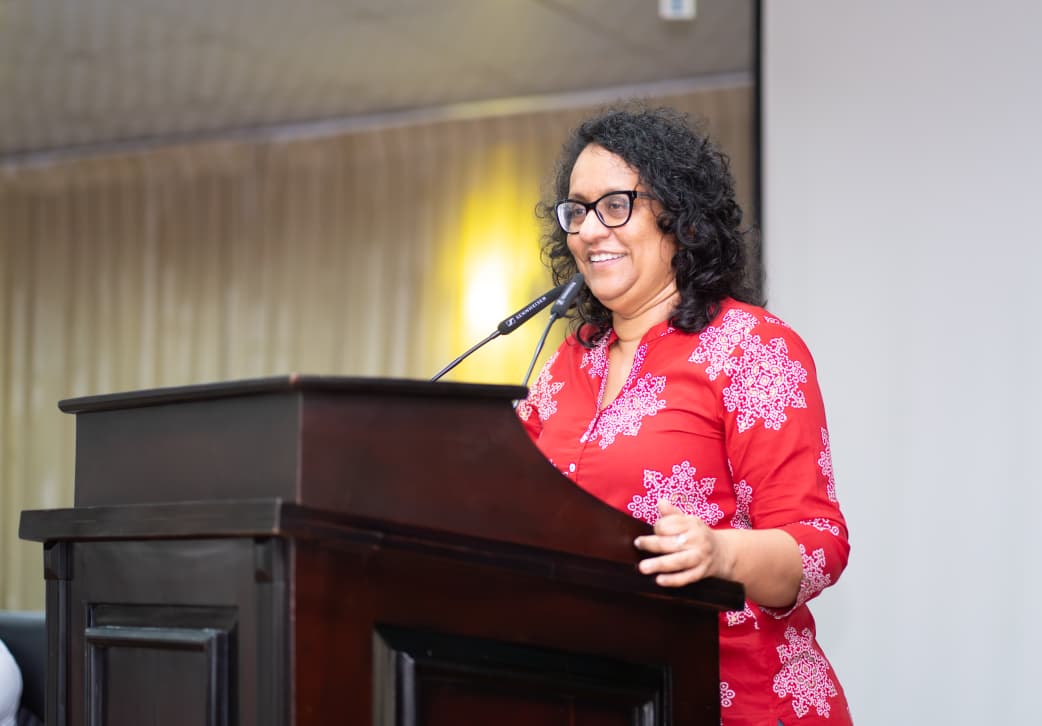
Prime Minister Dr. Harini Amarasuriya stated that a new curriculum will be introduced for preschools in 2027, while steps will also be taken to train teachers accordingly and to regulate preschools through a regulatory authority.

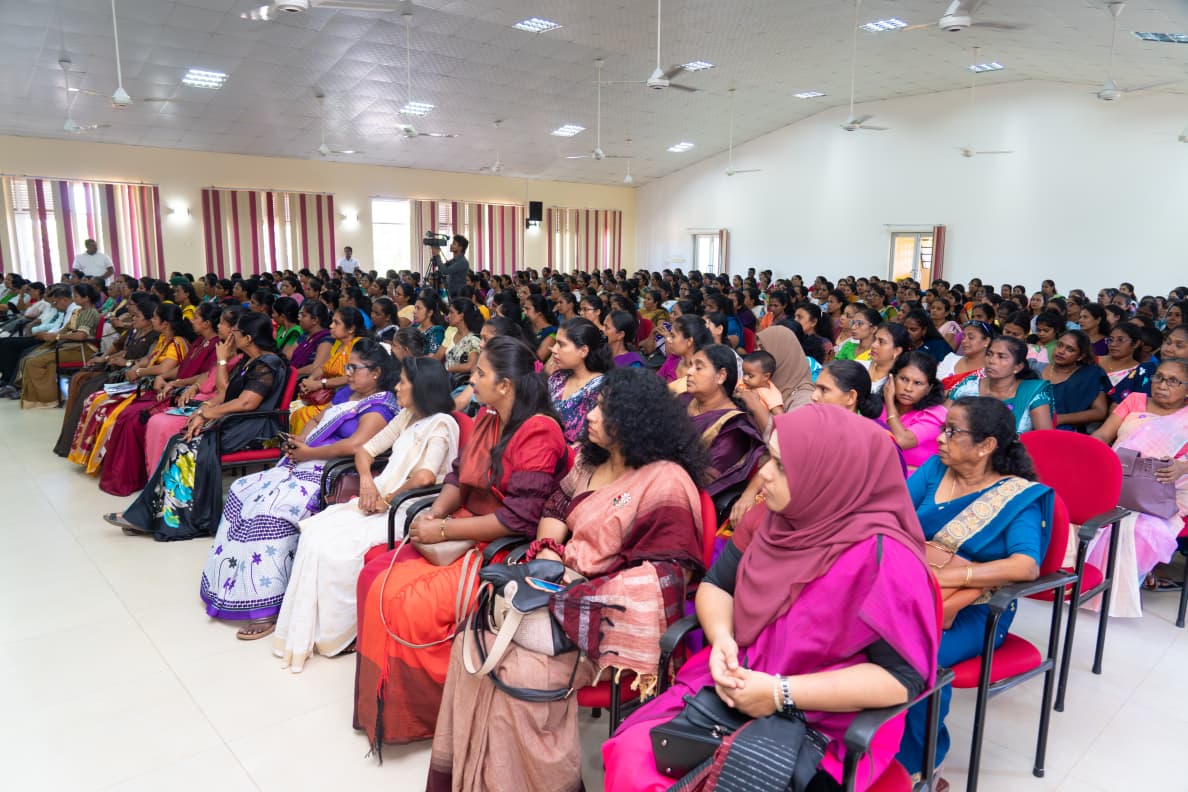
The Prime Minister made these remarks while addressing an awareness programme for preschool teachers in the Hambantota District on education reforms, held  on Sunday (15) at the Ambalantota Pradeshiya Sabha Auditorium.

During the programme, preschool teachers briefed  the Prime Minister about the challenges they currently face. Responding to their concerns, Dr. Harini Amarasuriya further stated:

“The issues within the preschool system cannot be discussed separately from the broader crisis in society and in the education sector. When we assumed office in 2024, our primary challenge was to free the country from its debt burden and to establish. a  sound economic indicators.

Although 2025 was a challenging year, we were able to bring the country’s economy to a certain level of stability and manage the national budget accordingly.

While we were working towards economic recovery, the war in the Middle East began, which has had certain impacts on our country as well.

A significant amount of Sri Lanka’s foreign remittances come from our fellow citizens working in the Middle East. Today, both their livelihoods and employment are under threat. In addition, a large number of tourists travelled to Sri Lanka through Middle Eastern airspace, and the closure of those air routes and airports has reduced tourist arrivals. Another issue concerns fuel transportation. This problem has affected not only Sri Lanka but many countries around the world. If the war continues for a long period, it will have further impacts on us, and therefore we must be prepared. We also need to manage the economy carefully and reduce certain expenditures.

Although we have the ability to borrow, our intention is not to weaken the country’s economy by relying on loans.

You are aware that we have begun implementing education reforms. Within that policy framework, we are also taking steps to reform preschool education. So far, the establishment of preschools and early childhood development has not been carried out in a systematic manner. Therefore, we must regulate and standardize all preschools, which is not an easy task.

First, all preschools must be formally registered. We have already prepared a curriculum for teacher training. In addition, we plan to introduce a new curriculum for preschools in 2027, provide teacher training accordingly, and regulate preschools through a regulatory authority. A recognized curriculum has also been prepared for the preschool diploma. In the future, priority for preschool teachers will be given based on these qualifications. We will also take gradual steps to enhance the professionalism of preschool teachers and establish a proper salary structure”.

The Prime Minister further stated that preschools fall under the authority of Provincial Councils and Pradeshiya Sabhas, while the line ministry can only provide policy recommendations. She also emphasized that issues related to preschools should be addressed in a systematic manner through structural committees and District Development Committees.

Member of Parliament Nihal Galappaththi and other public representatives, along with preschool teachers from the Hambantota District attended the awareness program.

(Prime Minister’s Media Division)

Continue Reading

News

Be mindful of the accuracy of information before sharing it on social media – PM

Published

on

By

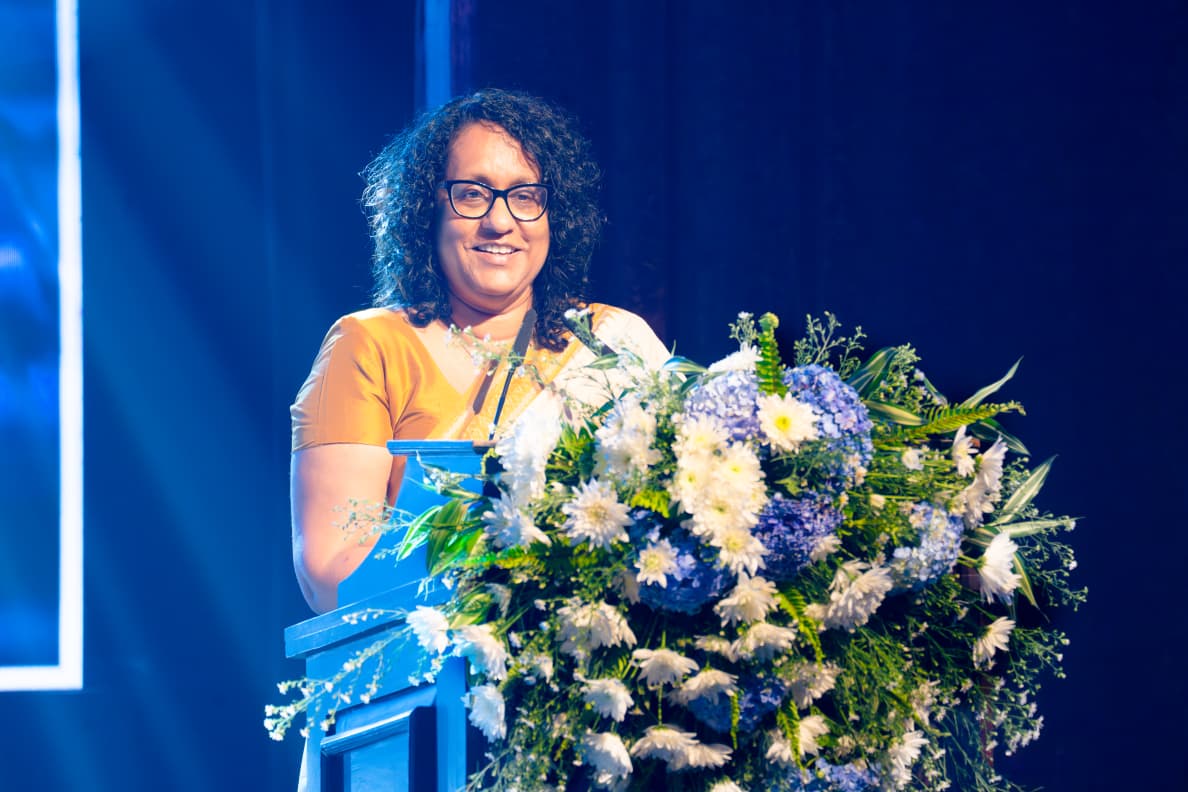
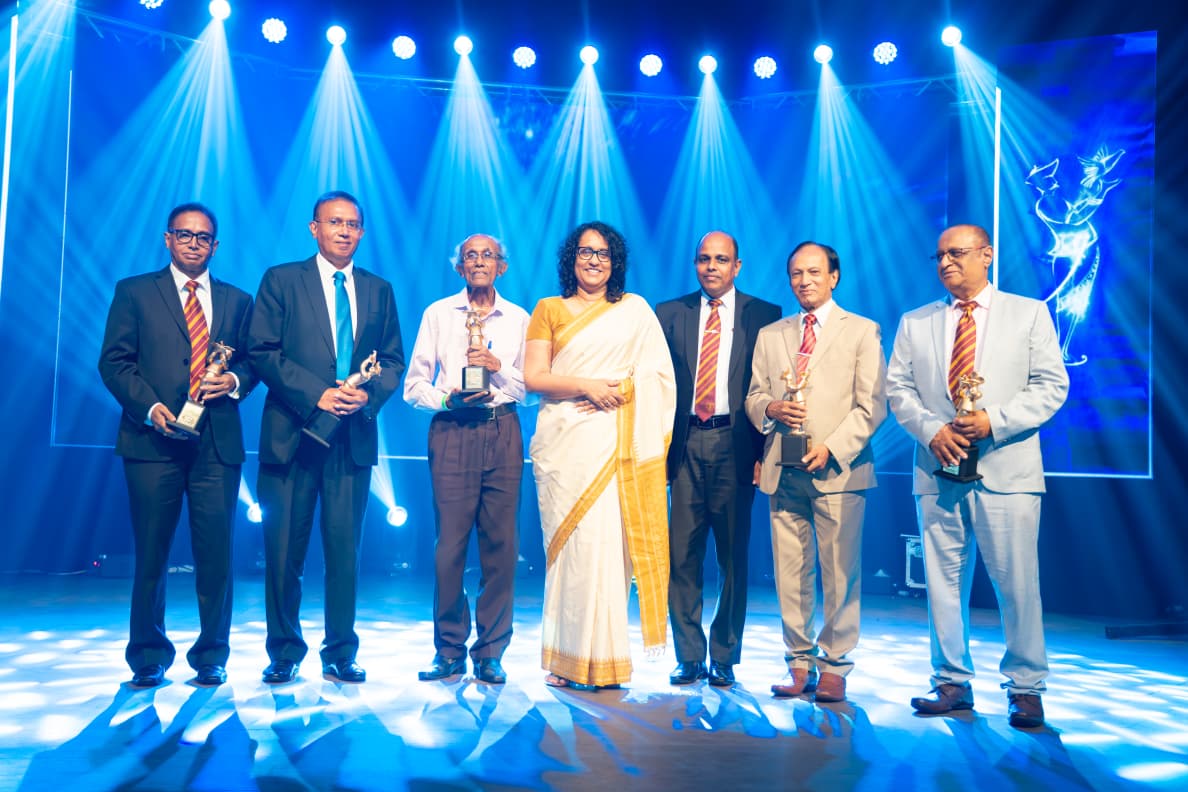
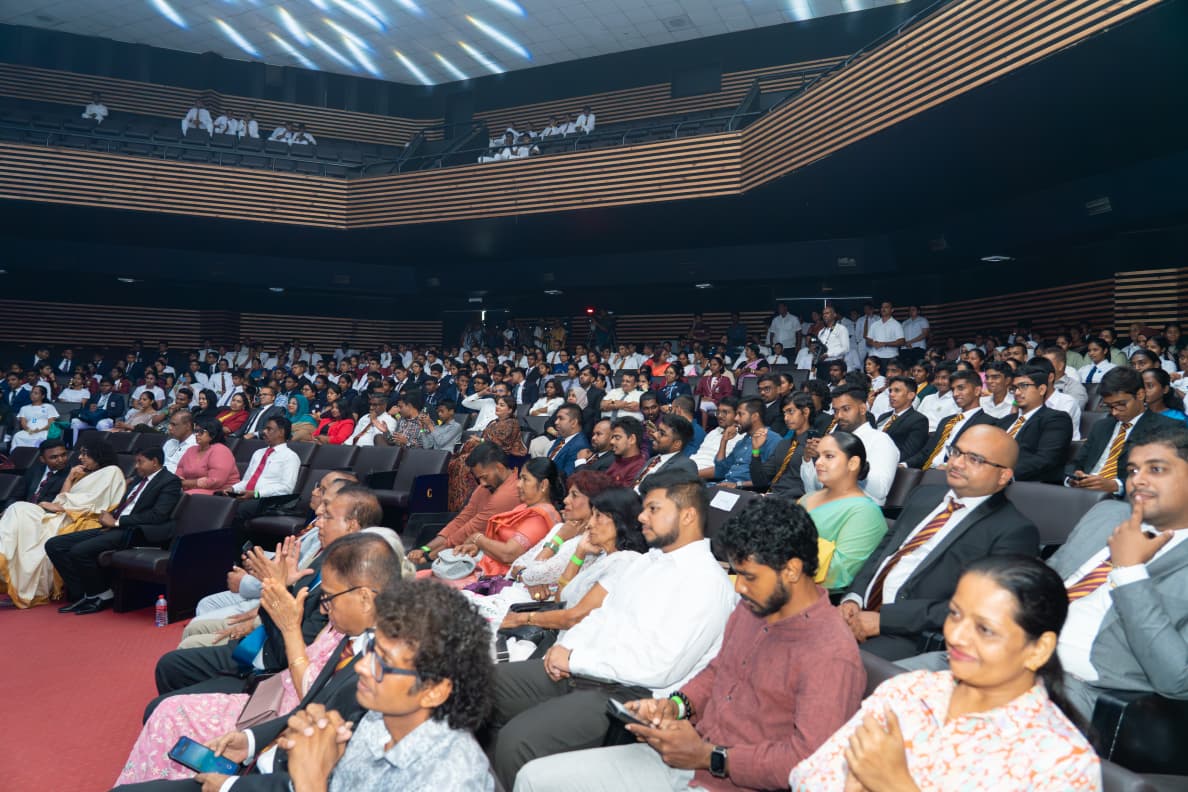
The Prime Minister made these remarks while addressing the “Sandeshaya” Media Awards Ceremony held on 14 March at the Kularathne Hall of Ananda College, Colombo. The event was organized with the aim of providing Sri Lankan school students with an opportunity to actively contribute to the national media discourse while promoting ethics, responsibility, and critical thinking.

During the “Sandeshaya” Awards Ceremony , lifetime awards granted only once in a lifetime were presented to distinguished veterans in the media field, while media awards were also presented to talented students in the school category. The ceremony was held under the patronage of the Prime Minister.

Expressing her views further, the Prime Minister stated:

“We live in an era where information technology and the media are changing rapidly. Along with these changes, many opportunities have emerged, but we are also confronted with numerous challenges.

We must prepare our younger generation to live in a society and a world transformed by information technology and the media.

When we observe the changes taking place in the media today, we can say that the media and information have become democratized. In the past, access to knowledge and information was largely limited to privileged or powerful groups. The authority to communicate information and decide what should be disseminated was held by a small group. However, with the advancement of technology, this has changed dramatically. As a result of this revolutionary transformation, information, data, and knowledge have now become accessible to everyone. In that sense, it is a positive development.

At the same time, we are no longer merely media viewers or consumers. As citizens, we can also become media creators. Citizens now have significant space to engage with the media and share information. While this is positive in one sense, it also carries certain dangers. There are serious questions, issues, and challenges regarding responsibility and credibility in the dissemination of information. Today, information flows so rapidly that it is sometimes difficult to determine what is true. Making decisions has become increasingly challenging. Not only in our country but globally, there have been many instances where societies have been set ablaze due to misinformation or deliberately distorted information. We have witnessed numerous occasions where people’s lives have been destroyed as a result.

Sometimes, without even realizing it, we get trapped on the internet. We share various things through our social media platforms, both necessary and unnecessary. However, what we often forget is that a large amount of personal information accumulates on the internet through these actions. Once incorrect information becomes widespread in this way, it becomes extremely difficult to erase.

The spread of false information weakens public trust in the information provided by the media, and this is extremely dangerous for a society. For the sustainability of a society, it is essential to maintain trust among citizens and trust in the institutions that influence people’s lives. Only through the trust we can safeguard the sustainability, continuity, and security of a society.

However, what has happened today due to the spread of misinformation? We no longer have confidence in our leaders. We do not even trust elders. There is doubt about whether the news we receive can be trusted. When credibility weakens within a society, it can push that society into crisis.

Therefore, it is extremely important to cultivate a culture that strengthens trust in leadership, promotes confidence in elders, and enhances awareness about reliable sources of information. In this context, those entering the field of media carry a significant responsibility.

Just like the senior professionals we honored today, you too may one day enter this field. However, there is a vast difference between the era in which they entered the profession and the era you will enter. You will carry a unique responsibility to strengthen the credibility of the media and to stand firmly behind the information you present.

You must be able to stand by the information you provide. You must reflect on whether the information you share is true and who might be affected by it. Ensuring the credibility of the information you disseminate is also your responsibility.

Similarly, as users of any form of media, we all bear a responsibility to verify the reliability of the information we receive and to be aware of how to distinguish between truth and falsehood. That is why digital literacy and media literacy are essential. It is also for this reason that we believe such subjects and concepts must be incorporated into education reforms so that our student generation can learn them.’

The Prime Minister further stated that citizens have a responsibility to be mindful of the truthfulness of information before sharing content found on the internet and social media with others.

The event was attended by the Secretary to the Ministry of Health and Mass Media Anil Jasinghe, Principal of Ananda College D.M.L.P. Dissanayake, journalists, principals, teachers, and students.
(Prime Minister’s Media Division)
Continue Reading

Latest News

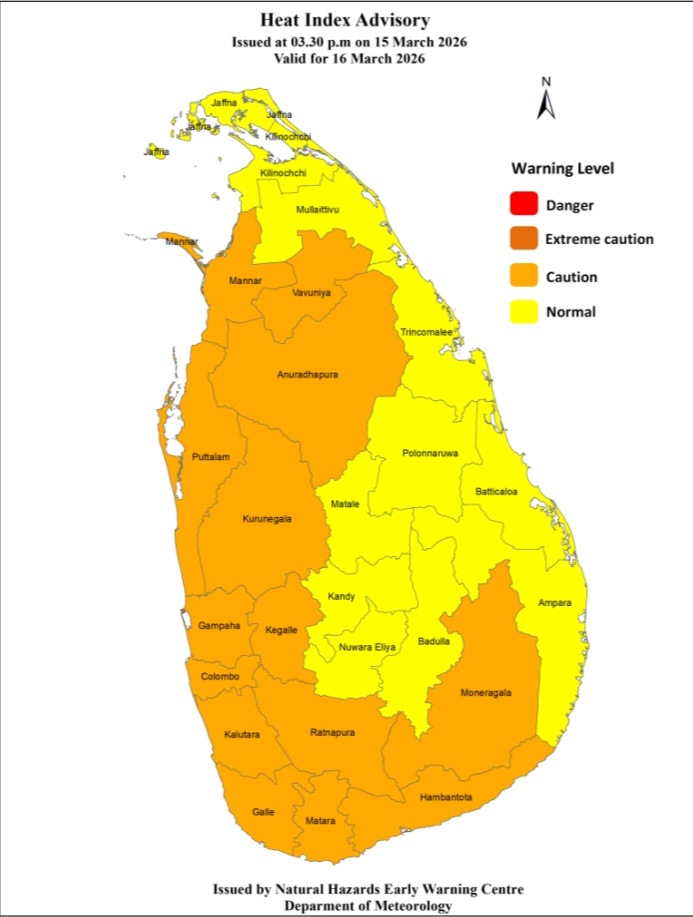
Heat Index at ‘Caution level’ at some places in the Western, Sabaragamuwa, Southern and North-western provinces and in Monaragala, Mannar, Anuradhapura and Vavuniya districts

Published

on

By

Warm Weather Advisory
Issued by the Natural Hazards Early Warning Centre of the Department of Meteorology  at 3.30 p.m. on 15 March 2026, valid for 16 March 2026.

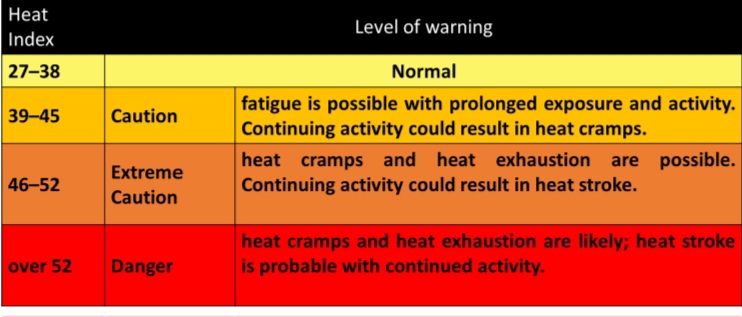
The public is warned that the Heat index, the temperature felt on human body is likely to increase up to ‘Caution level’ at
some places in the Western, Sabaragamuwa, Southern and North-western provinces and in Monaragala, Mannar, Anuradhapura and Vavuniya districts.

The Heat Index Forecast is calculated by using relative humidity and maximum temperature and this is the condition that is felt on your body. This is not the forecast of maximum temperature. It is generated by the Department of Meteorology for the next day period and prepared by using global numerical weather prediction model data.


Effect of the heat index on human body is mentioned in the above table and it is prepared on the advice of the Ministry of Health and Indigenous Medical Services.

ACTION REQUIRED
Job sites: Stay hydrated and takes breaks in the shade as often as possible.
Indoors: Check up on the elderly and the sick.
Vehicles: Never leave children unattended.
Outdoors: Limit strenuous outdoor activities, find shade and stay hydrated.
Dress: Wear lightweight and white or light-colored clothing.

Note:
In addition, please refer to advisories issued by the Disaster Preparedness & Response Division, Ministry of Health in this regard as well. For further clarifications please contact 011-7446491


Continue Reading

Trending