
News
UPR sessions in Geneva: Justice Marasinghe faces daunting task


Against the backdrop of Sri Lanka being under review by the delegates of the Universal Periodic Review (UPR), Chairperson of the Human Rights Commission Justice Rohini Marasinghe has been invited to address a range of issues, including social and economic rights and the establishment of national prevention mechanisms at the UPR Info Pre-sessions on Nov 28.
In addition to addressing the concerns raised by the UPR delegates, Justice Marasinghe would also address the impugned decision of the Sub Committee on Accreditation (SCA) of the Global Alliance of National Human Rights Institutions (GANHRI) to downgrade the HRCSL from ‘A’ grade to ‘B’ grade status, which was a decision taken in 2021. The HRCSL has already challenged this decision on multiple grounds and recommended its vacation to the SCA, and the delegates of the UPR will be made aware of these particulars, official sources said.
Furthermore, in reference to protecting the freedom of expression and peaceful assembly of the citizens of Sri Lanka enshrined in Article 14(1) (a) and (b) of the Constitution of the Democratic Socialist Republic of Sri Lanka, will inform the delegates of the UPR that the HRCSL will be launching a set of ‘Guidelines for Law Enforcement Officials on Dealing with Civilian Protests and Obligations of the State’ on the coming Human Rights Day, on the 10th December 2022.
Therefore, it is on the ground of national interest, and in order to render more favourable the global perception of the protection of human rights in Sri Lanka, the chairman would be asserting the numerous efforts taken by the HRCSL to safeguard human rights at the UPR Info Pre-sessions 2022, held in Geneva, from the 28th November – 2nd December 2022, sources said.
Sources said that the Geneva sessions would give HRCSL an excellent opportunity to enumerate the work done by the outfit in a robust manner in the past months and to place the independence of the commission and its mandate within the knowledge of the delegates present in Geneva and change the unfavourable perception they have of human rights in Sri Lanka.



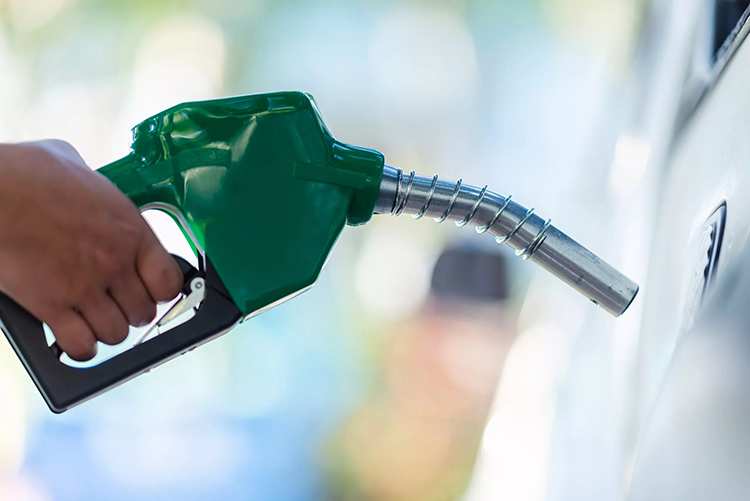
Long queues of vehicles once again lined roads near filling stations across the country yesterday as authorities reintroduced the QR-based fuel quota system, prompting the deployment of police officers to manage traffic and maintain order.
The measure comes against the backdrop of escalating tensions in the Middle East and global oil supply disruptions which officials say have triggered panic buying and fuel hoarding despite assurances that the country is not facing an immediate shortage of fuel.
DIG in charge of Traffic and Road Safety Range DPGJ Senadeera said police officers had been deployed to major filling stations to regulate traffic and prevent congestion caused by large crowds gathering to obtain fuel.
Speaking to the media, Senadeera said the queues were largely the result of panic.
“The public need not panic. Once the QR code system is in place, each category of vehicle will receive the required amount of fuel,” he said.
According to the DIG, traffic congestion near fuel stations was mainly caused by motorists attempting to stockpile fuel.
“Many people who require only a small quantity of fuel are attempting to obtain larger amounts due to fear and uncertainty. This behaviour has created long queues and congestion,” he said.
“If people remain calm and obtain only the amount of fuel they require, these problems will not arise. The system has been introduced precisely to prevent long queues and ensure efficient distribution,” Senadeera added.
Meanwhile, the Ministry of Energy announced that the QR code system for fuel sales came into effect at 6 am yesterday (15), making it mandatory for motorists to present a valid QR code to obtain fuel.
Authorities said the measure had been introduced in response to abnormal increases in demand for fuel and concerns over disruptions to global supply chains caused by the ongoing military situation in the Middle East.
A public notice issued by the ministry stated that the petroleum supply chain had been adversely affected by the Middle East conflict, while local demand had risen sharply in recent days, placing pressure on the country’s fuel reserves.
Officials also noted that certain groups had been purchasing excessive quantities of fuel illegally, prompting the government to introduce the QR code mechanism to curb hoarding and ensure fair distribution.
Under the system, each vehicle category will be entitled to a fixed weekly fuel quota.
According to the Ministry of Energy, the allocations are as follows: Buses – 60 litres, Motor lorries – 200 litres, Vans – 40 litres, Three-wheelers – 15 litres, Motor cars – 15 litres, Motorcycles – 5 litres, Land vehicles – 25 litres, Special purpose vehicles – 40 litres and Quadricycles – 5 litres.
Managing Director of the Ceylon Petroleum Corporation (CPC), Mayura Neththikumarage, insisted that the introduction of the QR code system did not indicate a fuel shortage.
“There is no issue with fuel availability. The system was introduced after we observed people collecting fuel in large quantities and queues forming over the past three to four days,” he said.
Neththikumarage said the primary objective of the QR code system was to ensure that the public could obtain fuel without having to wait in long queues.
Fuel distribution under the new system commenced at 6.00 a.m. yesterday, with priority initially given to motorists who had previously registered and obtained QR codes.
Those who had earlier registered for the system can continue to use their existing QR codes, provided the vehicle ownership and registered mobile number remain unchanged.
Motorists who have not yet registered can obtain a QR code through the official website fuelpass.gov.lk, while those whose vehicle ownership or mobile numbers have changed are required to re-register their details.
Meanwhile, the Ministry of Energy said a separate fuel distribution mechanism would be implemented for vehicles engaged in essential services and production activities.
Private passenger transport buses will receive fuel through depots operated by the Sri Lanka Transport Board, the ministry added.
Amid the situation, Minister Dr. Nalinda Jayatissa appealed to the public to use fuel responsibly and avoid unnecessary travel.
“As a government, we request the public to think not only about their own families but also about the country. Manage fuel consumption carefully and avoid unnecessary travel during this period,” the minister said at an event held in Moratuwa.
He stressed that rationed fuel consumption was essential to ensure that available stocks could be sustained while global uncertainties continue.
Authorities reiterated that the QR code system had been introduced as a precautionary measure to manage fuel distribution effectively and prevent panic-driven shortages.
Police meanwhile urged motorists to cooperate with traffic officers stationed near filling stations and refrain from forming unnecessary queues, warning that panic buying would only worsen congestion and inconvenience the public.
by Norman Palihawadane
The Government Medical Officers’ Association (GMOA) has urged the government to urgently address fuel and transport difficulties faced by doctors, warning that the current fuel quota system could disrupt the functioning of the country’s health services.
In a statement issued yesterday, the GMOA said the public hospital system operated continuously throughout the year and required doctors and healthcare personnel to travel frequently across the country to provide medical services.
The association noted that doctors currently used their own vehicles to attend to routine duties, on-call services and emergency calls, and unlike some other public sector officials, they were not provided with official vehicles.
The GMOA pointed out that the fuel quota allocated under the recently introduced QR-based fuel distribution system was insufficient for many doctors who travel long distances to hospitals, particularly specialists and medical administrators serving away from their places of residence.
It warned that if the issue remained unresolved, some doctors could face difficulties even in reaching hospitals to carry out their duties.
The Association therefore called on the government to recognise the practical challenges faced by healthcare workers and to revise the fuel quota allocated to doctors and other health sector staff to ensure the uninterrupted delivery of health services.
The GMOA also appealed to the President to intervene and treat the fuel issue affecting health workers as a national priority in order to safeguard the public’s right to healthcare.
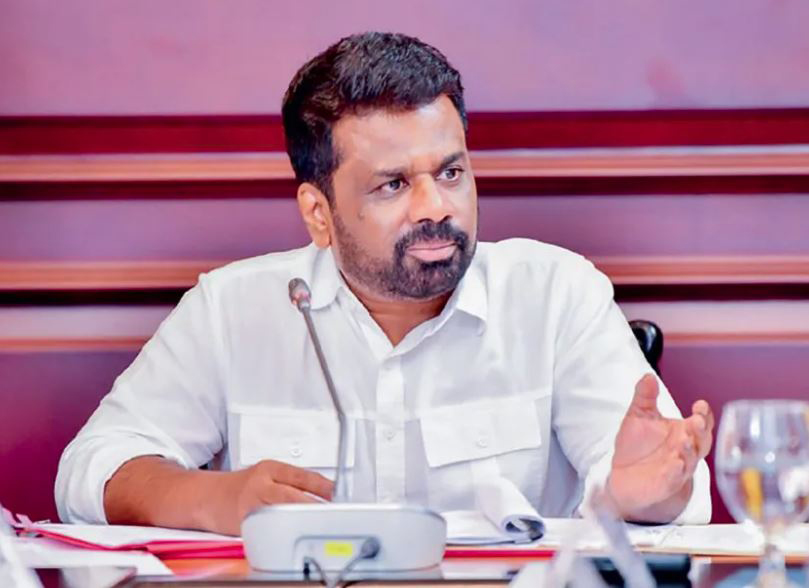
The possibility of introducing work-from-home arrangements was among the measures discussed when President Anura Kumara Dissanayake met ministry secretaries and heads of state institutions yesterday to review steps to ensure the uninterrupted provision of essential services amid the ongoing conflict in the Middle East.
The meeting, held at the Presidential Secretariat, had examined potential challenges in maintaining operations in key sectors including health, education, industry, agriculture and fisheries, the President’s Media Division (PMD) said.
During the discussion, ministry secretaries briefed the President on the fuel requirements of their respective sectors and the possible impact of supply constraints under the prevailing global situation.
President Dissanayake instructed officials to explore the feasibility of maintaining regional fuel reserves, particularly to support critical sectors such as healthcare, while also studying the practicality of adopting work-from-home arrangements where possible in order to ensure the continuity of public services while reducing fuel consumption.
Emphasising that developments in the Middle East remain uncertain, the President stressed the need for authorities to remain vigilant and prepared to respond to any emerging challenges.
He also underscored the importance of further strengthening the QR-based fuel management system, directing officials to promptly identify and rectify any shortcomings in the mechanism.
The President instructed relevant authorities to continuously monitor developments and respond swiftly to changing circumstances.
Noting that isolated decisions by individual sectors would be ineffective, President Dissanayake emphasised the need for a coordinated national approach, urging officials to identify alternative solutions and act with mutual understanding to safeguard essential public services.

Fuel rationing begins: Police deployed as queues return

GMOA warns fuel quota could disrupt health services

Work-from-home option among measures discussed to overcome energy

PSC orders implementation of 2026 transfers from April 2

Iran lauds Lanka for assistance in saving Dena frigate sailors

Sri Lanka’s recovery reveals a ‘numerical puzzle’ in employment stats

‘Dates have the highest sugar content to fight Coronavirus’

Sunday Island 27 December – Headlines

#SundayIsland 17th December – Headlines

Sunday Island – 28th March

Sunday Island Headlines – 21 March

Sunday Island – 21st February – Headlines
-

 News6 days ago
Prof. Dunusinghe warns Lanka at serious risk due to ME war
-

 News4 days ago
Historic address by BASL President at the Supreme Court of India
-

 Sports5 days ago
Royal start favourites in historic Battle of the Blues
-

 Sports4 days ago
The 147th Royal–Thomian and 175 Years of the School by the Sea
-

 Business5 days ago
BOI launches ‘Invest in Sri Lanka’ forum
-

 News5 days ago
CEBEU warns of operational disruptions amid uncertainty over CEB restructuring
-
 News4 days ago
Power sector reforms jolted by 40% pay hike demand
-
 Features5 days ago
Indian Ocean zone of peace torpedoed!