
News
Together for the Sri Lankan Leopard

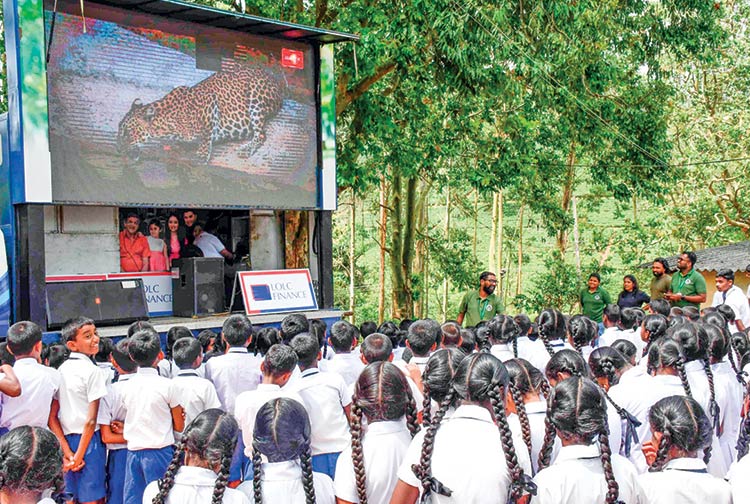
WNPS, LOLC, and Sirasa TV Collaborate to Promote Leopard Education and Awareness Across Sri Lanka
Wildlife and Nature Protection Society (WNPS), LOLC Holdings, and Sirasa TV have launched a nationwide initiative aimed at raising awareness and educating rural communities and school children about the Sri Lankan leopard’s critical role in biodiversity, aWNPS news release said.
“This collaboration marks a pivotal step in conserving the threatened Sri Lankan leopard (Panthera pardus kotiya) and fostering a deeper understanding of its protection,” it added.
The Sri Lankan leopard, a unique subspecies found only on the island, plays a vital role in maintaining the ecological balance of natural ecosystems. However, habitat loss, human-leopard conflicts, and poaching pose significant threats to its survival. To address these challenges, WNPS, LOLC, and Sirasa TV have joined forces to launch educational programs designed to teach children and adults the importance of leopards and the need to preserve them for future generations.
This initiative forms an integral part of the five-year WNPS LOLC Multi-Regional Leopard Conservation Project, which focuses on research, habitat protection, and community engagement to ensure the long-term survival of the Sri Lankan leopard. By combining education, conservation, and research, the program aims to create a sustainable framework for coexistence between humans and leopards across the island.
“Conservation must start at the grassroots level. Educating school children on coexistence with wild animals, especially leopards, is crucial for building a sustainable future,” said Prof Enoka .Kudavidanage, Co Chair of the Wildcats Subcommittee of the WNPS.
The initiative conducted educational and awareness programs in rural schools and communities, where human-wildlife interactions often lead to conflicts. Held between October and December, these programs aimed to educate students, teachers, and local residents about coexisting with leopards and protecting their habitats.
Twelve programs were successfully organized through the six regional centers of the “WNPS LOLC Multi-Regional Leopard Research and Conservation Project” in Kilinochchi, Belihuloya, Sigiriya, Kalawana, Kotagala, and Panama. These sessions targeted rural school students and communities living near leopard habitats. Morning sessions engaged students, while evening discussions involved local residents, emphasizing the importance of coexistence and addressing misconceptions about leopards.
The initiative’s goals included highlighting the ecological significance of leopards as apex predators, reducing human-leopard conflicts, and offering practical advice to create safer environments for both people and wildlife. By involving school children, the program aimed to foster a culture of conservation and respect for leopards, ensuring its long-term impact.
“Educating the younger generation about the importance of coexistence ensures that the values of conservation are deeply rooted in communities,” said Kithsiri Gunawardena COO LOLC
Government officers, particularly from the Department of Wildlife Conservation, played a critical role in the success of these programs. Their expertise bridged the gap between local communities and national conservation goals, enhancing the credibility and effectiveness of the initiative.
The collaboration between WNPS, LOLC, and Sirasa TV underscores the importance of collective action in wildlife conservation. In addition to education, the initiative encourages public involvement through volunteering, spreading awareness, and assisting local authorities in reporting incidents. This partnership represents a significant step toward sustainable coexistence between humans and leopards.
LOLC Holdings’ involvement highlights the private sector’s vital role in biodiversity conservation. Their commitment, coupled with Sirasa TV’s broad media outreach, brought national attention to leopard conservation challenges and solutions.
WNPS extends gratitude to the regional and branch managers of LOLC Holdings, Department of Wildlife Conservation officials, police officers, school principals, and rural community members for their invaluable support. Their collaboration was instrumental in making this initiative a success and safeguarding the future of the iconic Sri Lankan leopard.

Latest News
Heat Index at ‘Caution level’ at some places in the Western, Sabaragamuwa, Southern and North-western provinces and in Monaragala, Mannar, Anuradhapura and Vavuniya districts

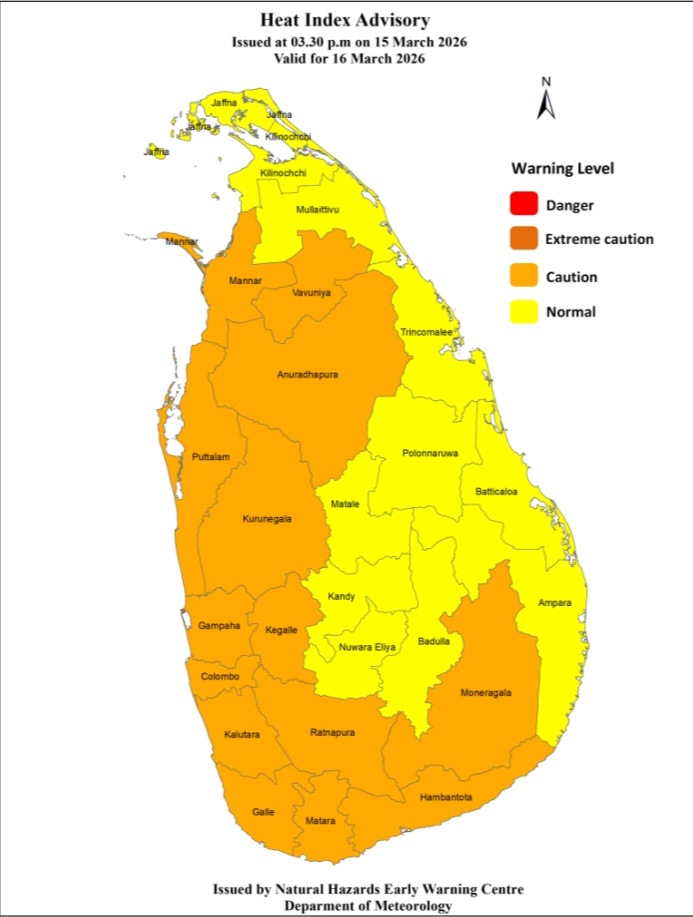
Warm Weather Advisory
Issued by the Natural Hazards Early Warning Centre of the Department of Meteorology at 3.30 p.m. on 15 March 2026, valid for 16 March 2026.
The public is warned that the Heat index, the temperature felt on human body is likely to increase up to ‘Caution level’ at
some places in the Western, Sabaragamuwa, Southern and North-western provinces and in Monaragala, Mannar, Anuradhapura and Vavuniya districts.
The Heat Index Forecast is calculated by using relative humidity and maximum temperature and this is the condition that is felt on your body. This is not the forecast of maximum temperature. It is generated by the Department of Meteorology for the next day period and prepared by using global numerical weather prediction model data.
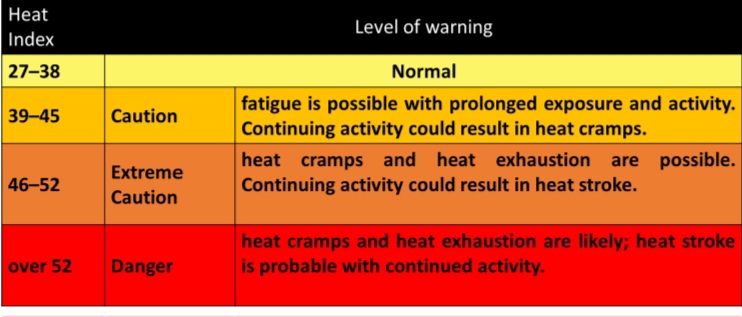
Effect of the heat index on human body is mentioned in the above table and it is prepared on the advice of the Ministry of Health and Indigenous Medical Services.
ACTION REQUIRED
Job sites: Stay hydrated and takes breaks in the shade as often as possible.
Indoors: Check up on the elderly and the sick.
Vehicles: Never leave children unattended.
Outdoors: Limit strenuous outdoor activities, find shade and stay hydrated.
Dress: Wear lightweight and white or light-colored clothing.
Note:
In addition, please refer to advisories issued by the Disaster Preparedness & Response Division, Ministry of Health in this regard as well. For further clarifications please contact 011-7446491

Long queues of vehicles once again lined roads near filling stations across the country yesterday as authorities reintroduced the QR-based fuel quota system, prompting the deployment of police officers to manage traffic and maintain order.
The measure comes against the backdrop of escalating tensions in the Middle East and global oil supply disruptions which officials say have triggered panic buying and fuel hoarding despite assurances that the country is not facing an immediate shortage of fuel.
DIG in charge of Traffic and Road Safety Range DPGJ Senadeera said police officers had been deployed to major filling stations to regulate traffic and prevent congestion caused by large crowds gathering to obtain fuel.
Speaking to the media, Senadeera said the queues were largely the result of panic.
“The public need not panic. Once the QR code system is in place, each category of vehicle will receive the required amount of fuel,” he said.
According to the DIG, traffic congestion near fuel stations was mainly caused by motorists attempting to stockpile fuel.
“Many people who require only a small quantity of fuel are attempting to obtain larger amounts due to fear and uncertainty. This behaviour has created long queues and congestion,” he said.
“If people remain calm and obtain only the amount of fuel they require, these problems will not arise. The system has been introduced precisely to prevent long queues and ensure efficient distribution,” Senadeera added.
Meanwhile, the Ministry of Energy announced that the QR code system for fuel sales came into effect at 6 am yesterday (15), making it mandatory for motorists to present a valid QR code to obtain fuel.
Authorities said the measure had been introduced in response to abnormal increases in demand for fuel and concerns over disruptions to global supply chains caused by the ongoing military situation in the Middle East.
A public notice issued by the ministry stated that the petroleum supply chain had been adversely affected by the Middle East conflict, while local demand had risen sharply in recent days, placing pressure on the country’s fuel reserves.
Officials also noted that certain groups had been purchasing excessive quantities of fuel illegally, prompting the government to introduce the QR code mechanism to curb hoarding and ensure fair distribution.
Under the system, each vehicle category will be entitled to a fixed weekly fuel quota.
According to the Ministry of Energy, the allocations are as follows: Buses – 60 litres, Motor lorries – 200 litres, Vans – 40 litres, Three-wheelers – 15 litres, Motor cars – 15 litres, Motorcycles – 5 litres, Land vehicles – 25 litres, Special purpose vehicles – 40 litres and Quadricycles – 5 litres.
Managing Director of the Ceylon Petroleum Corporation (CPC), Mayura Neththikumarage, insisted that the introduction of the QR code system did not indicate a fuel shortage.
“There is no issue with fuel availability. The system was introduced after we observed people collecting fuel in large quantities and queues forming over the past three to four days,” he said.
Neththikumarage said the primary objective of the QR code system was to ensure that the public could obtain fuel without having to wait in long queues.
Fuel distribution under the new system commenced at 6.00 a.m. yesterday, with priority initially given to motorists who had previously registered and obtained QR codes.
Those who had earlier registered for the system can continue to use their existing QR codes, provided the vehicle ownership and registered mobile number remain unchanged.
Motorists who have not yet registered can obtain a QR code through the official website fuelpass.gov.lk, while those whose vehicle ownership or mobile numbers have changed are required to re-register their details.
Meanwhile, the Ministry of Energy said a separate fuel distribution mechanism would be implemented for vehicles engaged in essential services and production activities.
Private passenger transport buses will receive fuel through depots operated by the Sri Lanka Transport Board, the ministry added.
Amid the situation, Minister Dr. Nalinda Jayatissa appealed to the public to use fuel responsibly and avoid unnecessary travel.
“As a government, we request the public to think not only about their own families but also about the country. Manage fuel consumption carefully and avoid unnecessary travel during this period,” the minister said at an event held in Moratuwa.
He stressed that rationed fuel consumption was essential to ensure that available stocks could be sustained while global uncertainties continue.
Authorities reiterated that the QR code system had been introduced as a precautionary measure to manage fuel distribution effectively and prevent panic-driven shortages.
Police meanwhile urged motorists to cooperate with traffic officers stationed near filling stations and refrain from forming unnecessary queues, warning that panic buying would only worsen congestion and inconvenience the public.
by Norman Palihawadane

The Government Medical Officers’ Association (GMOA) has urged the government to urgently address fuel and transport difficulties faced by doctors, warning that the current fuel quota system could disrupt the functioning of the country’s health services.
In a statement issued yesterday, the GMOA said the public hospital system operated continuously throughout the year and required doctors and healthcare personnel to travel frequently across the country to provide medical services.
The association noted that doctors currently used their own vehicles to attend to routine duties, on-call services and emergency calls, and unlike some other public sector officials, they were not provided with official vehicles.
The GMOA pointed out that the fuel quota allocated under the recently introduced QR-based fuel distribution system was insufficient for many doctors who travel long distances to hospitals, particularly specialists and medical administrators serving away from their places of residence.
It warned that if the issue remained unresolved, some doctors could face difficulties even in reaching hospitals to carry out their duties.
The Association therefore called on the government to recognise the practical challenges faced by healthcare workers and to revise the fuel quota allocated to doctors and other health sector staff to ensure the uninterrupted delivery of health services.
The GMOA also appealed to the President to intervene and treat the fuel issue affecting health workers as a national priority in order to safeguard the public’s right to healthcare.

Heat Index at ‘Caution level’ at some places in the Western, Sabaragamuwa, Southern and North-western provinces and in Monaragala, Mannar, Anuradhapura and Vavuniya districts

Showers expected at several places in the Central, Sabaragamuwa, Southern, North-western, Eastern and Uva provinces after 2.00 pm.

Fuel rationing begins: Police deployed as queues return

GMOA warns fuel quota could disrupt health services

Work-from-home option among measures discussed to overcome energy

PSC orders implementation of 2026 transfers from April 2

‘Dates have the highest sugar content to fight Coronavirus’

Sunday Island 27 December – Headlines

#SundayIsland 17th December – Headlines

Sunday Island – 28th March

Sunday Island Headlines – 21 March

Sunday Island – 21st February – Headlines
-

 News6 days ago
Prof. Dunusinghe warns Lanka at serious risk due to ME war
-

 News4 days ago
Historic address by BASL President at the Supreme Court of India
-

 Sports5 days ago
Royal start favourites in historic Battle of the Blues
-

 Sports4 days ago
The 147th Royal–Thomian and 175 Years of the School by the Sea
-

 Business5 days ago
BOI launches ‘Invest in Sri Lanka’ forum
-

 News5 days ago
CEBEU warns of operational disruptions amid uncertainty over CEB restructuring
-

 News4 days ago
Power sector reforms jolted by 40% pay hike demand
-
 Features5 days ago
Indian Ocean zone of peace torpedoed!