
Life style
The power of being heard, with psychologist Anita Sharma

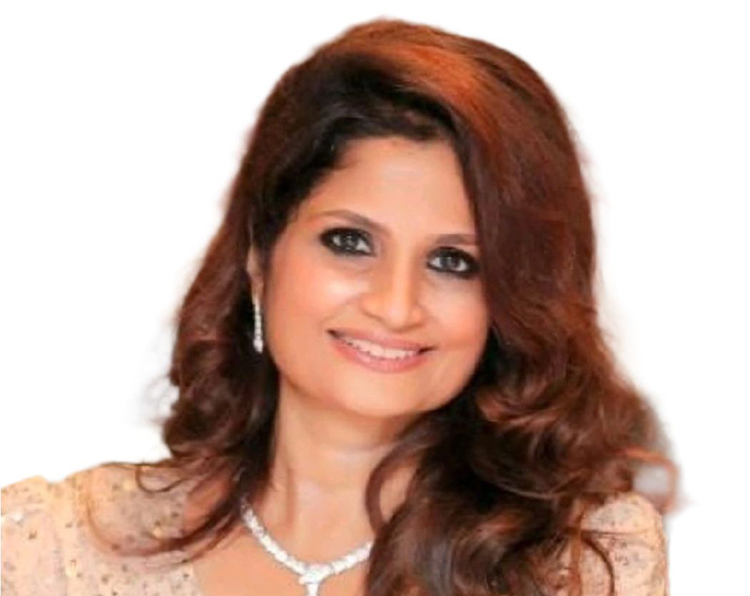
Anita Sharma is a psychologist, who approaches the human mind with equal measures of empathy and insight. Known for her calm presence and thoughtful perspectives, she works closely with individuals navigating anxiety, relationship, trauma and the quiet emotional struggles that often go unseen. With experience working with individuals, couples and families, she has built a reputation for helping people navigate emotional challenges with clarity. Compassion and confidence. Anita Sharma stands as a reassuring voice bridging science, sensitivity and cultural understanding.
What inspired you to pursue a career in psychology?
I was inspired to pursue a career in psychology because I have always been curious about how people think and behave, especially when observing the world around us today. With so much happening in society, I often found myself wondering why people responded differently to similar situations and what influenced their choices, emotions, and behaviours. Psychology allows me to explore these questions on a deeper level and understand how factors like the environment, experiences, and social pressures shape a person’s behaviour. This interest motivated me to want to better understand others and eventually use that knowledge to make a positive impact.
How has your journey been as a psychologist? Have you faced unique challenges?
My journey as a woman in this field has required a lot of resilience and self-belief. In a world that is not always kind, there have been moments where certain spaces felt intimidating, but I chose to turn those experiences into strength rather than allow it to limit me. Instead of shrinking myself, I learned to speak up and trust my inner voice. These challenges have shaped my confidence, sharpened my perspective, and reinforced my commitment to the field.
What areas of psychology Do you specialise in and why did you choose them?
I specialize in counselling, focusing on people experiencing depression and anxiety, as well as adolescents, couples, and individuals recovering from surgery. I chose this area because I’m passionate about helping people go through life’s challenges. Supporting adolescents allows me to guide young people through critical stages of growth, counselling couples strengthens relationships, and working with individual’s post-surgery helps them cope emotionally and adjust to major life changes. Overall, this field lets me make a meaningful impact on people’s mental and emotional well-being.
How Do you approach therapy or counselling with clients facing anxiety or depression or trauma?
When working with clients facing anxiety, depression, or trauma, I approach therapy with empathy and patience. I start by creating a safe, non-judgmental space where clients feel heard and understood. I focus on understanding their experiences, thoughts, and feelings, and together we identify coping strategies and goals that are realistic and meaningful for them.
In your opinion, what are the most promising mental health challenges facing women and men?
In my opinion, some of the most pressing mental health challenges today revolve around stress, anxiety, depression, and the pressures of balancing personal and professional life. For women in particular, societal expectations, gender bias, and body image pressures can take a significant toll. Women are often expected to excel at work, manage family responsibilities, maintain social roles, and meet certain standards of weight and beauty appearances. Society frequently makes remarks or judgments about women’s bodies and looks, which lowers their self-esteem. Men also face challenges, like societal pressure to suppress emotions, which can lead to untreated stress or depression. Addressing these challenges requires awareness, supportive environments, and access to mental health resources
What role do you think society can play in reducing stigma around therapy and counselling?
Society plays a crucial role in reducing the stigma around therapy and counselling. By openly talking about mental health, sharing personal experiences, and normalizing seeking support, we can challenge the idea that needing help is a sign of weakness. Media, workplaces, schools, and communities all have a part to play in creating safe, supportive environments where people feel comfortable accessing mental health care. Education and awareness campaigns can also help people understand that therapy isn’t just for crises
Psychology can be emotionally demanding. How do you maintain your own mental health and balance work like pressures?
Psychology can definitely be emotionally demanding and it’s not a field that is suited for everyone. Maintaining my own mental health is a priority. I make a deliberate effort to detach from work at the end of the day, which allows me to process my own emotions and recharge. I also practice regular self-care, such as meditation, listening to music, and spending time with my family. Seeking supervision and peer support helps me gain perspective on challenging cases, ensuring I don’t carry that emotional weight alone
Would you say has been your most rewarding experience as a Psychologist?
Looking back, the most rewarding part of my work in psychology is hearing a client say, ‘I feel so much better after speaking to you.’ In those moments, I’m reminded that simply being present, listening without judgment, and offering support can truly make a difference in someone’s life. Knowing that I’ve helped someone feel lighter, more understood, or more hopeful is incredibly fulfilling and just reinforces why I chose this profession.
Where privacy and social perceptions matter greatly. How do you help individuals feel safe and comfortable seeking psychological support?
In a close-knit society where privacy and social perceptions are deeply valued, some women face pressures from traditional family expectations, including arranged marriages and strict cultural norms. To help them feel safe seeking psychological support, I focus on creating a space built on trust and understanding. For many, it’s the first time they can truly voice their thoughts and emotions, and helping them express themselves is incredibly empowering. By being sensitive to their cultural and societal context, I guide them towards confidence, emotional relief, and the belief that their feelings matter.
Ultimately, I hope this helps people understand the importance of mental wellbeing and seeking support when needed. I believe that at some stage, everyone can benefit from counselling. It’s not just for when you face a problem, seeking support can help you understand yourself better, manage challenges, and grow stronger. Life is always changing and nothing stays the same forever. By taking steps to care for our minds, we can move forward with clarity, courage, and a sense of inner balance, trusting that even difficult moments will pass.
By Zanita Careem ✍️

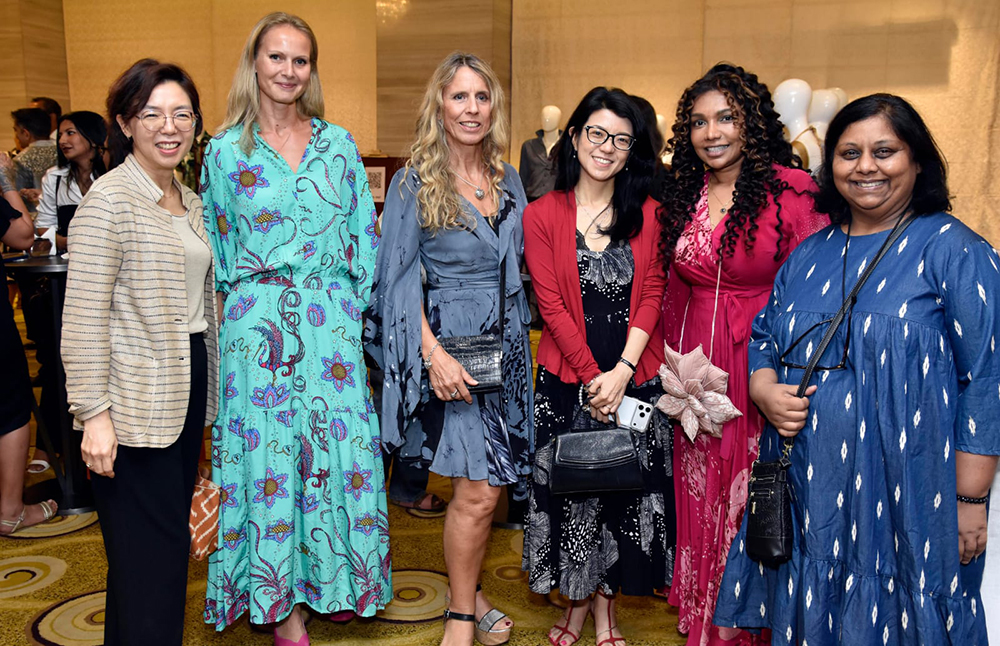
As the Colombo skyline softens into golden hour “Sundown with Buddhi Batiks “at Sheraton Colombo unfolded as a seamless blend of heritage and contemporary elegance – an experience that felt both intimate and visually striking.
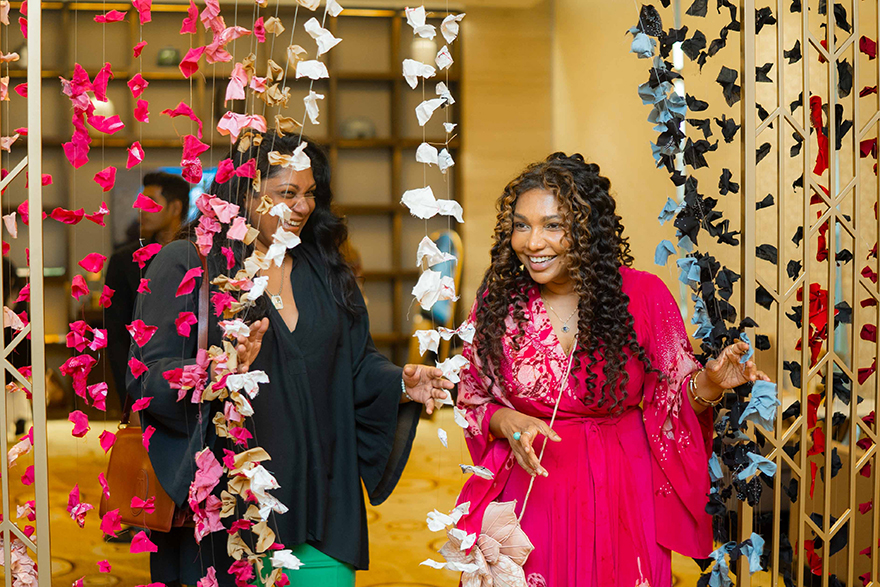
The evening drew a crowd that reflected the very essence of the brand it celebrated refined, creative and deeply connected with flowing silhouettes, to cultural and the quiet hum of conversation over curated cocktails.
Buddhi Batiks with Darshi Keerthisena is a label celebrated for transforming Sri Lankan batik into modern, wearable art. Her story telling through fabric where each piece reflected craftsmanship, culture, and a contemporary design language. The collection leaned into effortless elegance, resort ready kaftans, structured yet fluid dresses and statement pieces that moved as beautifully as they look. The atmosphere was electrifying. Guest sipped on delicated curated cocktails as soft music hummed in the background, creating an ambience that felt both exclusive and deeply relaxed.
More than aesthetics, Buddhi Batiks tells stores. Each motif, each gradation of colour carried a sense of place and memory.
Buddhi Batiks is proof that fashion can honour heritage without compromising on glamour, with every brush stroke of wax and every hand dyed.
The event, aptly named Sundown, was an ode to the timeless elegance of Sri Lankan craftsmanship, seamless fabrics woven into contemporary silhouettes that speak to a global sensibility.
The collection by Buddhi Batiks drew inspiration from Sri Lanka’s natural landscape, from the shimmering coastlines to the lush inland jungle, translated into vivid patterns and textures on display.
-
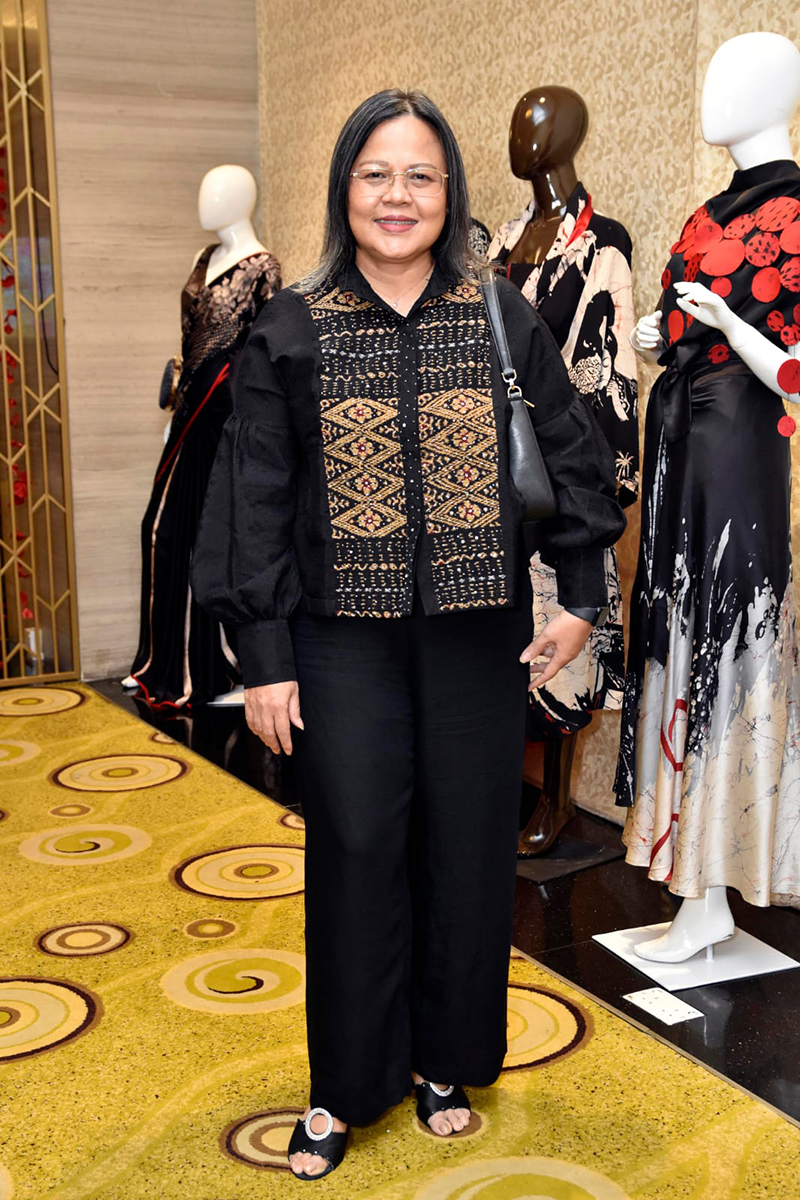
- High Commissioner of Indonesia in Sri Lanka- Dewi Gustina Tobing
-
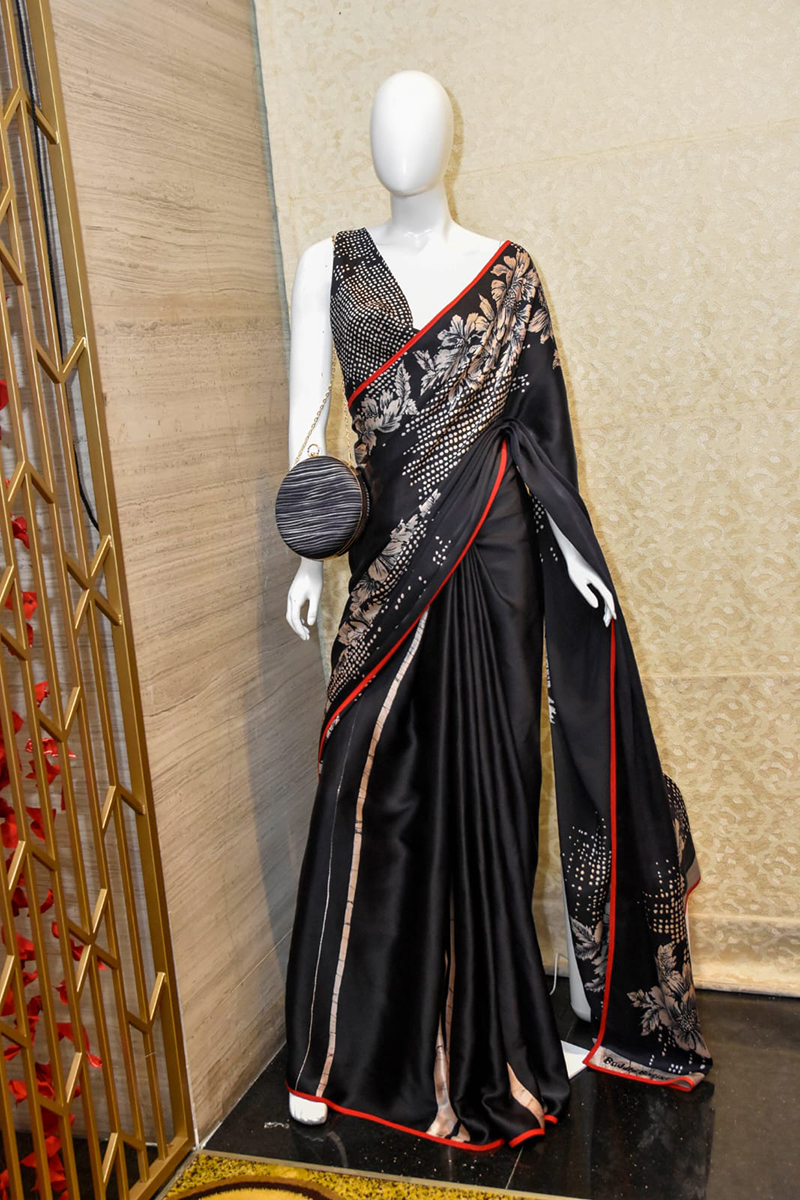
- Every fold tells a story
The brand celebrated Sri Lankan’s rich artistic legacy while embracing a global fashion vision.
There are designers who wear fashion and then there are designers who live fashion, Darshi Keerthisena, creative director and CEO of Buddhi Batiks, belongs to the latter. She hasn’t merely followed a family tradition. She has reimagined it, transforming Sri Lankan batiks from a cultural craft into a globally resonant fashion statement. Under Dharshi’s leadership, Buddhi Batiks has evolved far beyond traditional cotton saris. She has introduced silk, geogette and satin as canvasses for Batik, infusing pieces with contemporary silhouettes and subtle, sophisticated colour stories that appeal to international design sensibilities. Her innovations have taken batik onto global platforms.
Darshi’s innovation isn’t only stylistic, it is ethical. She has championed sustainable practises, such as digital printing on recycled textiles and eco friendly dyes, while keeping handmade batik at the heart of the brand.
Her career has been marked by accolades and awards Dharshi’s vision for batik is expansive. She sees it not just on runaway gowns or resort wear, but translated into interiors, accessories and everyday life, capable of transcending borders while keeping the soul of Sri Lankan artisan’s heritage alive.
Sheraton Colombo Sri Lanka’s most prestigious 5-star hotels with Paul Sun, General Manager and his dedicated team, [played a key role and the hotel’s assistance went beyond providing a venue, it was a seamless blend of hospitality, event management and creative support.
By Zanita Careem

Farzana Baduel stands as a powerful voice in global communication and a passionate advocate for women’s empowerment making her perspective especially relevant on International Women’s Day. As CEO of Curzon PR,in UK she has built a career defined by influence, resilience and purpose championing the advancement of women’s leadership.
 (Q) How would you describe the role of women in the UK today and how does it compare to women’s role in Sri Lanka?
(A) Women in the UK today hold positions of real influence across politics, business, media, academia and the creative industries. There are strong legal protections around equality and conversations about gender parity have become mainstream. But equality in law does not always translate to equality in lived experience, particularly when it comes to pay gaps, the weight of childcare, and who actually occupies the most senior positions.
Sri Lanka presents a genuinely fascinating paradox. It elected the world’s first female Prime Minister in 1960, yet many women still face structural and cultural constraints, especially outside urban centres. What strikes me about Sri Lankan women is their extraordinary resilience and entrepreneurial spirit, often demonstrated within more traditional frameworks. That combination of ambition and adaptability is something I find deeply impressive.
Both countries are progressing. But both still have considerable work to do.
(Q) Are there areas where UK women face challenges that Sri Lankan women may not, or vice versa?
(A) In the UK, one of the most persistent challenges is what I would describe as the double burden: professional ambition sitting alongside disproportionate domestic responsibility. There is also the very modern pressure of digital culture, the weight of image, comparison, online abuse and public scrutiny that affects women in ways men rarely experience to the same degree.
In Sri Lanka, the challenges tend to be more structural. Economic instability, limited access to opportunity in rural areas, and in some cases stronger social conservatism around gender roles all shape what is possible for women. And yet extended family networks in Sri Lanka can offer something many women in the UK genuinely lack: built in childcare, intergenerational support, a community that holds you.
The pressures differ. But the underlying theme is remarkably consistent. Women everywhere are negotiating expectations that men are simply not asked to meet.
(Q) How do you define what it means to be a woman today, and have there been moments where your gender shaped your opportunities or challenges?
(A) To me, being a woman today means navigating complexity with strength. It means holding ambition and empathy in the same space without apologising for either. It means being commercially sharp and emotionally intelligent. Above all, it means resilience.
There have certainly been moments in my career where being a woman changed the dynamic in a room, particularly in senior advisory spaces involving government or corporate leadership. Early on, I sometimes had to prove competence before being taken seriously. Over time I came to understand that credibility does not come from changing who you are. It comes from deep expertise and calm authority.
Gender shapes experience. But it does not have to define potential.
(Q) How can women lift each other up in workplaces, communities and society at large?
(A) By being genuinely generous with opportunity. Sponsorship matters far more than mentorship. It is powerful when senior women actively advocate for other women in rooms those women are not in. That kind of invisible advocacy changes careers.
By rejecting scarcity thinking. There is not only one seat at the table.
And by modelling integrity. When women support each other publicly and privately, it does not just help individuals. It changes workplace cultures entirely.
(Q) Do you believe women are getting enough representation in leadership roles? If not, what needs to change?
(A) Progress has been made. But representation at the very top, in boardrooms and in global political leadership, remains deeply uneven. And the solution is not simply about recruiting more women. It is about changing the systems they are recruited into: flexible leadership structures, normalised parental leave for both men and women, transparent promotion criteria, and zero tolerance for the kind of subtle bias that is so easy to dismiss but so corrosive over time.
Representation is not about optics. It is about influence. Those are not the same thing.
(Q) What societal expectations or stereotypes have you personally encountered as a woman?
(A) The most persistent one is the idea that women must choose between warmth and authority, that being decisive risks being labelled difficult. Men are rarely subjected to that framing. A decisive man is simply a leader.
There is also the expectation that women should balance everything effortlessly, as though the juggle should be invisible. The reality is that balance is dynamic, often imperfect, and occasionally held together by nothing more than determination and strong coffee.
(Q) What challenges do women face in accessing healthcare or support, and how can society improve this?
(A) Even in developed countries, women’s health is frequently under researched and under prioritised, particularly around reproductive health, menopause and mental health. This is not a niche issue. It affects half the population.
Improvement requires sustained investment in research, workplace policies that recognise women’s health realities, and a collective willingness to remove the stigma that still clings to these conversations. Health is not a private inconvenience. It is a public priority.
(Q) Do you feel women are encouraged enough to pursue their passions alongside family and work responsibilities?
(A) The encouragement exists in rhetoric. The practical support frequently does not. True encouragement requires structural foundation: affordable childcare, flexible working arrangements, and a cultural acceptance that ambition in women is not selfish. It is not something that requires justification.
Women should never feel they must apologise for aspiration.
(Q) How do media portrayals of women impact society’s perception of them?
(A) Media shapes norms in ways we often do not notice until we look back. When women are portrayed primarily through the lens of appearance, domestic roles or conflict narratives, it quietly narrows the public imagination about what leadership looks like.
When media platforms showcase women as thinkers, strategists, innovators and policymakers, something opens up, especially for young girls who are watching and deciding, consciously or not, what is possible for them. Representation shapes expectation. That is not a small thing.
(Q) What changes would you most like to see for women in the next decade?
(A) Economic parity, not just participation. Greater support for women entrepreneurs. More women shaping foreign policy and global governance. A healthier and kinder public discourse online.
But most importantly, I would like to see confidence. Young women growing up without internalised limits, without the quiet voice that tells them to take up less space. That, more than any policy change, is what transforms the next generation.
(Q) And finally, how do you define what it means to be a woman today?
(A) To be a woman today is to stand fully in your capability without shrinking for anyone’s comfort. It is to embrace both strength and compassion, not as opposites but as complements. It is to define yourself rather than accept the definitions others impose upon you.
And perhaps most importantly, it is to leave the path a little wider for the women who come after you.
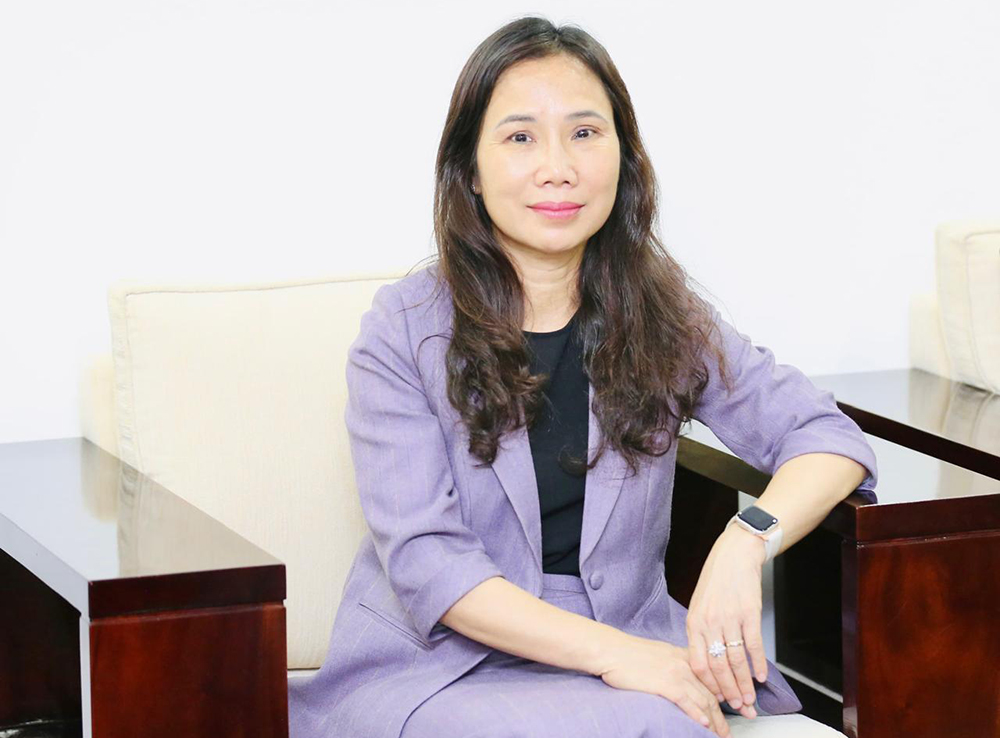
Grace, resilience and quiet determination define the women of both Vietnam and Sri Lanka, two nations bound not only by rich cultural heritage, but by the enduring strength of their women. As the world marked International Women’s Day, the interview with the Vietnamese Ambassador in Sri Lanka offers a compelling lens into how tradition and modernity intervine to shape the lives of women across these societies Women in Vietnam and Sri Lanka continue to redifine their roles, balancing family, career and ambition with remarkable pause. While their journeys were shaped by distinct histories and cultural naunces there is a shared narrative of perseverance, adaptability and progress. In this interview the envoy reflects on these parallels and contrasts, offering insight into the evolving status of women. The challenges, they face and the inspiring strides being made towards equality.
Q How would you describe the role of women in Vietnam compared to Sri Lankan women?
A Women in Vietnam and Sri Lanka share many important similarities. In both societies, women are known for their diligence, resilience, and strong sense of responsibility toward family and community. Having experienced periods of war, conflict, and economic hardship, women in both countries deeply understand the values of sacrifice, solidarity, and perseverance. They often carry multiple roles at the same time—caregivers, income earners, and community supporters. In both countries, there has been an increasingly active participation of women in the workforce, including trade, manufacturing, SMEs, as well as in the leadership. It is meaningful to recognize these shared qualities that quietly but steadily contribute to social stability and national development.
Q From your personal experience, what defines a modern woman in your country?
A From my personal experience, a modern woman is someone who strives for balance rather than choosing between roles. She values education, independence, and self-development, while remaining deeply committed to her family and social responsibilities. She is confident, adaptable, and increasingly comfortable using technology and global networks. At the same time, she respects cultural values and traditions, selecting what is meaningful rather than rejecting them entirely. Modern women today are not defined only by career success, but by their ability to manage multiple responsibilities with empathy, resilience, and purpose.
Q Have you seen a significant change in women’s roles over the past decade?
A Yes, there have been noticeable and positive changes over the past decade. More women are pursuing higher education, entering diverse professional fields, and participating actively in economic and social life. Attitudes toward women’s leadership and decision-making roles have gradually improved, especially among younger generations. At the same time, women continue to shoulder major responsibilities within the family. This dual role has become more visible and more openly discussed. While challenges remain, the growing recognition of women’s contributions—both at work and at home—reflects a meaningful shift toward a more inclusive understanding of development.
Q Women in Vietnam are often visible in trade and entrepreneurship. How does this compare with Sri Lanka?
A Women in both Vietnam and Sri Lanka demonstrate a strong entrepreneurial spirit, particularly in trade, services, and family-based businesses. Many women engage in economic activities not only for personal ambition, but also to support their families and contribute to their communities. In both countries, women entrepreneurs are known for their adaptability, hard work, and practical approach to business. While the scale and sectors may differ, the underlying motivation and resilience are remarkably similar. With better access to finance, markets, and mentoring, women in both societies have great potential to further expand their entrepreneurial impact.
Q Do you think society equally values women’s economic contributions in both countries?
A Societal recognition of women’s economic contributions has improved, but full equality has not yet been achieved in either country. Women’s income is increasingly important for household stability, yet their unpaid care work often remains invisible. Professional success is respected, but women are still expected to prioritize family responsibilities. This creates pressure to constantly balance multiple roles. It is important to acknowledge that true equality means valuing both paid and unpaid work, and creating supportive environments that allow women to contribute economically without compromising their well-being or family life.
Q Vietnam has relatively strong female participation in governance. What drives this? Why is female representation still low in Sri Lanka?
A Both Vietnam and Sri Lanka recognize the importance of women’s participation in governance, and both have many capable women leaders. Differences in representation are largely shaped by institutional structures and political culture rather than women’s ability or commitment. Where supportive frameworks, mentoring, and clear pathways exist, women are more likely to enter public leadership.
In Sri Lanka, many talented women also serve their communities in different ways, though public roles can be more demanding to combine with family responsibilities. Creating more supportive and flexible pathways can help more women step forward and share their perspectives, enriching decision-making and social cohesion.
Q What are the most pressing issues women still face today?
A One of the most pressing challenges women face today is achieving a healthy balance between work, family responsibilities, and personal life. Women continue to carry a disproportionate share of caregiving and household duties, even when they are fully engaged in professional work. Gender inequality in wages, leadership opportunities, and decision-making persists. Social expectations often require women to excel in all areas simultaneously, creating emotional and physical strain. Addressing these issues requires not only policy support—such as childcare and flexible work—but also cultural change that encourages shared responsibility and mutual respect.
Q Do globalization and social media help accelerate gender equality?
A Globalization and social media can play a positive role in accelerating gender equality by expanding access to information, markets, and role models. They allow women to connect, learn, and express their voices beyond traditional boundaries. Many women entrepreneurs and professionals have benefited from digital platforms. However, these tools also bring challenges, including online harassment and unrealistic social pressures. Their impact depends on how responsibly they are used and supported. When combined with education, digital literacy, and safeguards, globalization and social media can become powerful tools for women’s empowerment.
Q How do you see the future of women evolving in the next 10 years?
A Over the next decade, I expect women to play an even more visible role in leadership, entrepreneurship, and innovation. Flexible work models and digital technologies will help more women participate in the economy while managing family responsibilities. Younger generations are already embracing more balanced views on gender roles and shared caregiving. While challenges will remain, especially in achieving true equality, the overall direction is positive. With sustained support from institutions, families, and society, women’s contributions will continue to shape more inclusive and resilient communities.
Q What can Sri Lanka learn from Vietnam in terms of empowering women economically?
A Sri Lanka can draw useful lessons from Vietnam’s emphasis on integrating women into value chains, supporting small businesses, and linking skills training with market access. Practical support—such as simplified procedures, access to finance, and business networks—helps women move from informal activities to sustainable enterprises. Equally important is recognizing women’s economic roles publicly and socially. Empowerment is most effective when economic opportunity is combined with family support and social respect. These shared principles are especially meaningful and highlight when celebrated International Women’s Day on 8 March.
By Zanita Careem

Cabinet approves 14 day Visa extension
Sunil Galagama appointed as District Secretary Badulla

Anupama Mangala Wickramaarachchi appointed District Secretary Ampara
Committee on Economic Surveillance to be established
Cabinet nod to include the National Savings Bank for the Interest-Free Loan Scheme for Students

Nepal election 2026: Counting continues with rapper Balendra Shah’s party close to super-majority

‘Dates have the highest sugar content to fight Coronavirus’

Sunday Island 27 December – Headlines

#SundayIsland 17th December – Headlines

Sunday Island – 28th March

Sunday Island Headlines – 21 March

Sunday Island – 21st February – Headlines
-

 News5 days ago
University of Wolverhampton confirms Ranil was officially invited
-

 News6 days ago
Legal experts decry move to demolish STC dining hall
-

 News5 days ago
Female lawyer given 12 years RI for preparing forged deeds for Borella land
-

 News4 days ago
Peradeniya Uni issues alert over leopards in its premises
-

 Business6 days ago
Cabinet nod for the removal of Cess tax imposed on imported good
-

 News5 days ago
Library crisis hits Pera university
-

 News2 days ago
Repatriation of Iranian naval personnel Sri Lanka’s call: Washington
-
 Business7 days ago
Dialog partners with Ratmalana Audiology Centre for World Hearing Day 2026