
News
Sri Lanka, Maldives achieve Hepatitis B control


Maldives and Sri Lanka had achieved hepatitis B control, the World Health Organization announced yesterday after an expert panel verified that the two countries have had consistently high coverage of hepatitis B vaccine doses in infants and a low prevalence of the deadly disease, corroborated through serological surveys conducted recently in both countries.
“I congratulate and commend Maldives and Sri Lanka on their achievement which once again demonstrates the earnest efforts being made by the health leaders and officials, health workers and the people of these countries towards health and well-being of communities,” said Dr Poonam Khetrapal Singh, Regional Director WHO South-East Asia.
The Expert Panel for Verification of Hepatitis B Control in WHO South-East Asia Region reviewed childhood immunization data from Maldives and Sri Lanka that showed consistent over 90% coverage with Hepatitis B vaccine doses provided during infancy for past many years. The experts also reviewed the findings of national surveys conducted among children in 2022-2023, in these countries.
“Based on the evidence presented to it, the Expert Panel concluded that the standards required for verification of Hepatitis B control have been met in both these countries and hence recommended that this important public health target has been achieved in Maldives and Sri Lanka”, said Dr Supamit Chunsuttiwat, chairperson of the Regional Expert Panel for verification of Hepatitis B control in South-East Asia.
The two countries join Bangladesh, Bhutan, Nepal and Thailand, who achieved the same feat in 2019.
Preventing Hepatitis B infection in infancy substantially reduces chronic infections and cases of liver cancer and cirrhosis in adulthood.
Hepatitis control continues to be an important public health initiative in the South-East Asia Region of WHO that comprises of 11 countries and is home to a quarter of the world’s population. The Region has an estimated 60 million people living with chronic hepatitis B and 218,000 dying every year of hepatitis B and C. Of the persons eligible for antiviral treatment only about 10% know their status and less than 5% of them are on treatment.
In 2016, the South-East Asia Regional Immunization Technical Advisory Group endorsed a regional goal of hepatitis B control with a target of reducing hepatitis B prevalence to less than 1% among children aged at least 5 years.
Hepatitis B vaccine, as a part of the pentavalent vaccine, has been included in the national childhood immunization schedule of all countries of the Region, with three doses of this vaccine provided to children during their first year of life. Eight countries of the Region also have a policy of providing a birth dose of Hepatitis B vaccine to the newborn babies.
The Region made good progress in improving immunization coverage of the pentavalent vaccine until 2019. However, there was a decline in the coverage in several countries of the Region in 2020 and 2021 following the COVID-19 pandemic.
Intensive efforts in countries have resulted in the revival of childhood immunization coverage to pre-pandemic levels in several countries and the WHO and UNICEF estimates for 2022 show that the overall coverage of 3rd dose of pentavalent vaccine has recovered to the pre-pandemic level of 91% in the Region, a sharp increase from 82% coverage level reported in 2021.
Dr Khetrapal Singh said that countries also need to focus on improving the hepatitis B vaccine birth dose which continues to have a relatively slow uptake with an estimated coverage of only 58% in the Region in 2022. One of the key barriers for achieving high hepatitis B vaccine birth dose coverage remains the high proportion of home deliveries, that do not allow timely access of the Hepatitis B vaccine to these newborns, she said.
Inequities in immunization service delivery, suboptimal awareness and/training of health staff at birthing facilities; particularly in terms of false contraindications and/or fear of adverse events following immunization also contribute to sub-optimal coverage of Hepatitis B vaccination coverage, the Regional Director said.
The control of hepatitis B through immunization is a priority for our Region. Achieving the control goal is a critical step as we progress towards elimination of mother to child transmission of the hepatitis B virus, she said.
WHO’s “triple elimination initiative” encourages countries to simultaneously commit to such elimination together with HIV and syphilis – further pushing the agenda for integrated service delivery.
“Hepatitis must be prevented and treated. In addition to vaccination, continued efforts are needed to scale up other preventive measures such as safe injection, safe blood and infection prevention and control,” the Regional Director said. (WHO)


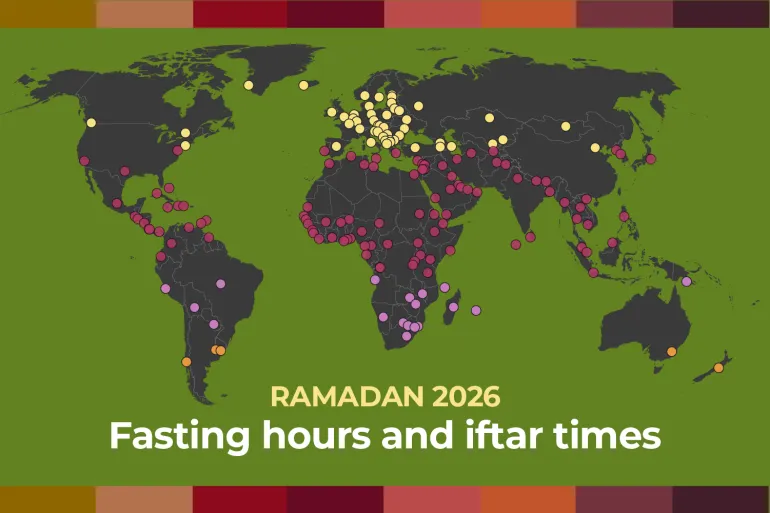
The Muslim holy month of Ramadan is set to begin on February 18 or 19, depending on the sighting of the crescent moon.
During the month, which lasts 29 or 30 days, Muslims observing the fast will refrain from eating and drinking from dawn to dusk, typically for a period of 12 to 15 hours, depending on their location.
Muslims believe Ramadan is the month when the first verses of the Quran were revealed to the Prophet Muhammad more than 1,400 years ago.
The fast entails abstinence from eating, drinking, smoking and sexual relations during daylight hours to achieve greater “taqwa”, or consciousness of God.
Why does Ramadan start on different dates every year?
Ramadan begins 10 to 12 days earlier each year. This is because the Islamic calendar is based on the lunar Hijri calendar, with months that are 29 or 30 days long.
For nearly 90 percent of the world’s population living in the Northern Hemisphere, the number of fasting hours will be a bit shorter this year and will continue to decrease until 2031, when Ramadan will encompass the winter solstice, the shortest day of the year.
For fasting Muslims living south of the equator, the number of fasting hours will be longer than last year.
Because the lunar year is shorter than the solar year by 11 days, Ramadan will be observed twice in the year 2030 – first beginning on January 5 and then starting on December 26.

Fasting hours around the world
The number of daylight hours varies across the world.
Since it is winter in the Northern Hemisphere, this Ramadan, people living there will have the shortest fasts, lasting about 12 to 13 hours on the first day, with the duration increasing throughout the month.
People in southern countries like Chile, New Zealand, and South Africa will have the longest fasts, lasting about 14 to 15 hours on the first day. However, the number of fasting hours will decrease throughout the month.

[Aljazeera]
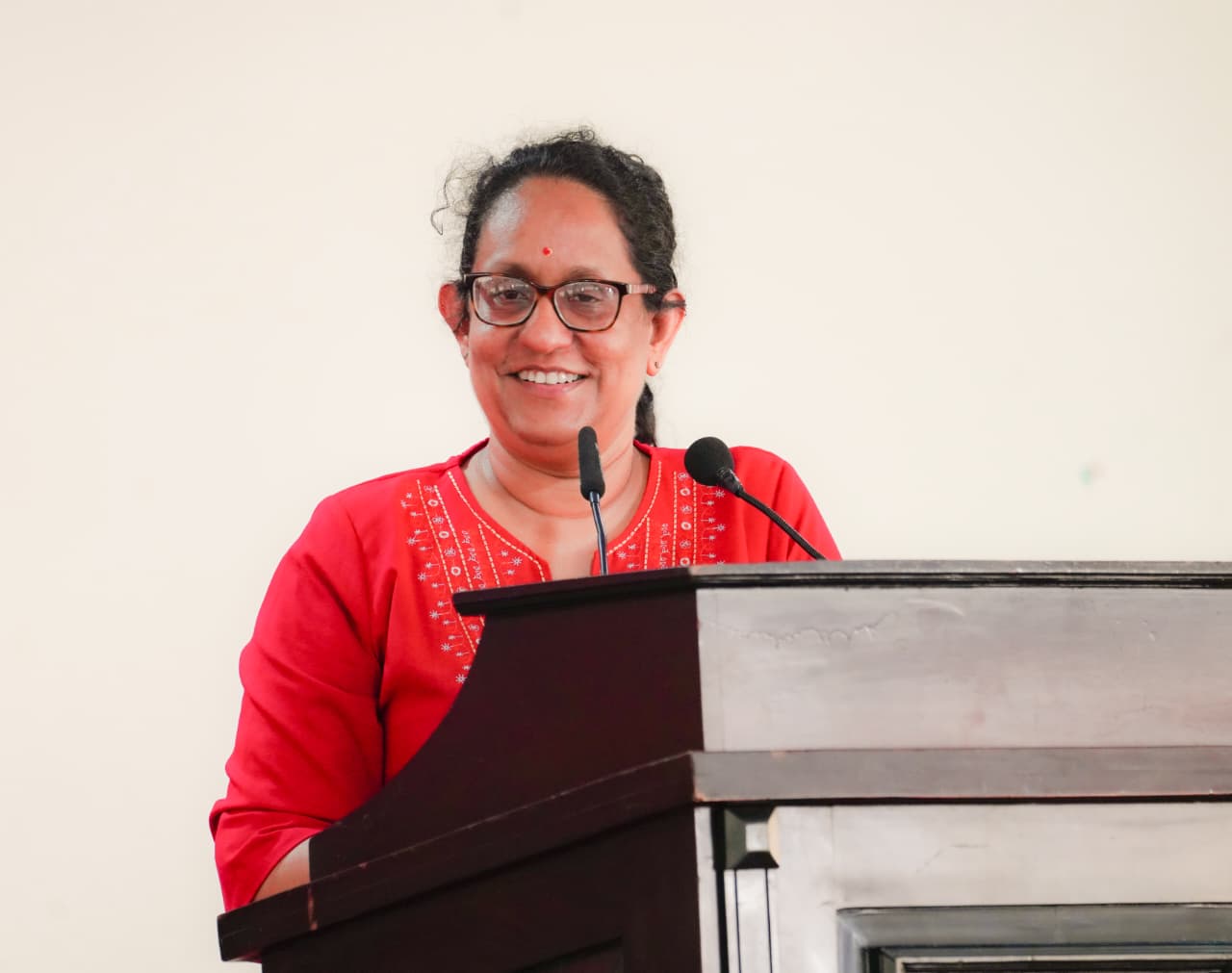
Prime Minister Dr. Harini Amarasuriya stated that no one will be allowed to drag the country’s future backward by inciting racism, and emphasized that women must step forward to carry forward the change that has been initiated.
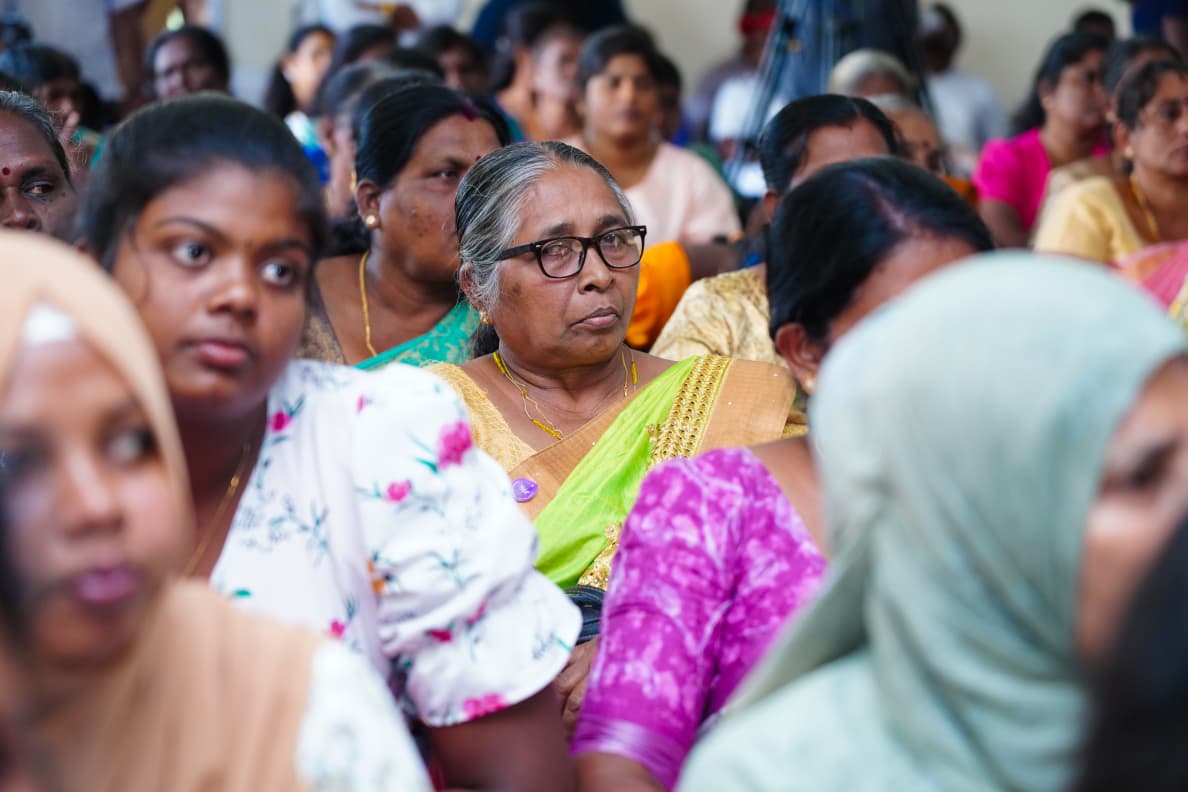
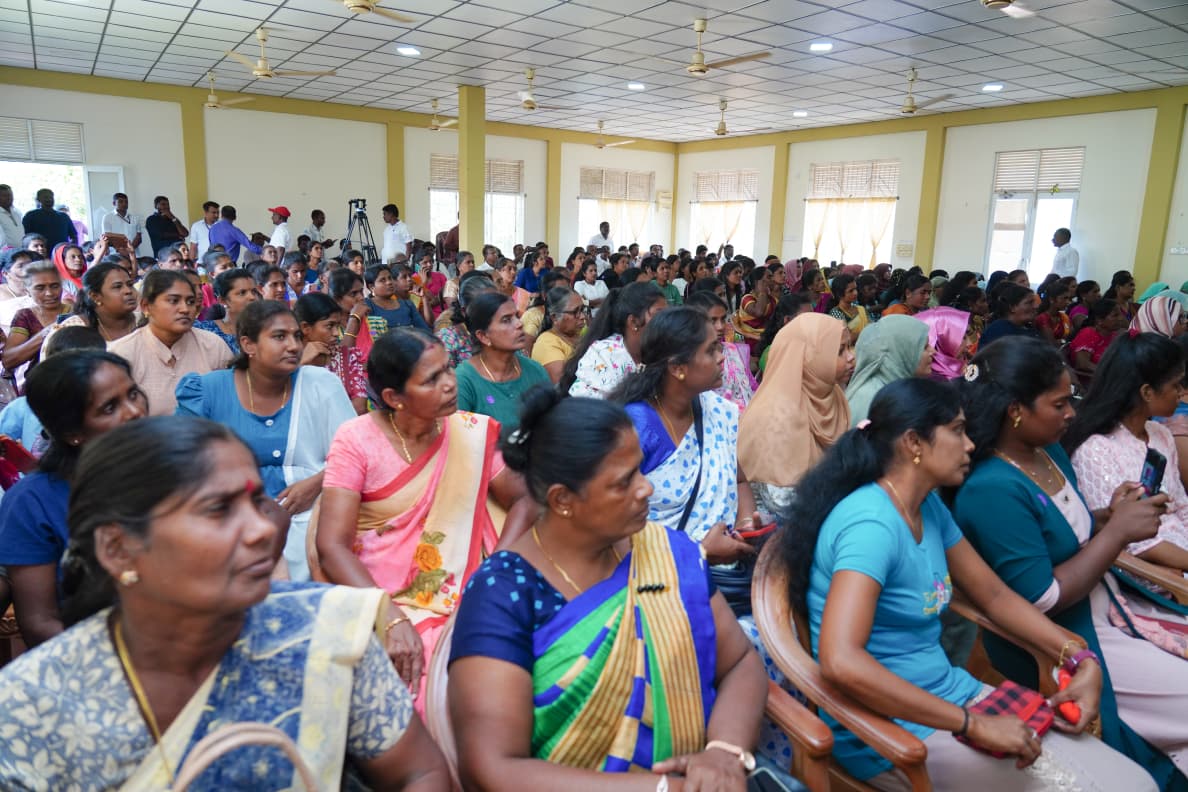
The Prime Minister made these remarks while addressing the Mannar District Women’s Meeting held on Sunday [15 th of February] in the Adampan area of the Mannar District.
Speaking further, the Prime Minister stated:
“You know that our government has brought about a change in women’s representation. According to statistics, about 52% of the population are women. That means women constitute a powerful segment of our country’s population. However, when we consider various sectors and the challenges faced in daily life, the question remains whether this power is reflected in practice.
One of the main problems our country faced was war and violence, which caused us to view one another with distrust. As a result, we truly became a divided nation. Consequently, women were the ones who suffered the most. We know that many women in this country have endured immense suffering after losing their mothers, fathers, sons, daughters, brothers, and sisters. We are aware that many such women live in this region as well. Although the war ended a long time ago, peace has still not taken root in people’s hearts. Even today, there are women who do not know what happened to their family members. There are many women who struggle alone to protect and sustain their families.
Our government is committed to go against racism. We believe that everyone in this country should be able to live safely with equal rights. However, racist groups are still attempting to create divisions among people. They are not interested in stopping corruption, protecting democracy, ensuring the equal application of the law, or strengthening the economy. Their only objective is to gain power, not for the benefit of the people, but for themselves.
We know how much they have destroyed this country’s resources. In 2022, the country faced a massive economic collapse. But by 2025, our government was able to strengthen the economy by putting an end to theft, corruption, and waste. That is why, when Cyclone Ditwah struck, we were able to assist the people without borrowing loans.
Recently, for the first time in 21 years, we were able to distribute profits of the Milco institution among dairy farmers. Within about a year, by increasing revenue streams and minimizing waste in institutions, we were able to share profits.
We are rebuilding institutions which have fallen apart putting an end to fraud and corruption, stopping the waste, and ensuring that the benefits reach the people. Yet, some are attempting to take the country backward by stirring up racism.
Women are among those most affected by racism. Should we allow ourselves to be divided again and let discord rise? No. That is why women’s leadership is essential. To carry forward the change we have begun, women must step forward. There is still much work to be done. We will not allow our forward journey to be reversed.
One of the major challenges we face today is the drug menace. We fear for our children becoming victims of drugs, and as a result, family disputes have increased. People are afraid to go out or leave homes due to drug addicts. The President has made a special commitment to eradicate harmful drugs from the country. Those who were in power previously provided protection to these groups, preventing the police from enforcing the law properly. Today, we have instructed the police to enforce the law correctly. The police can now perform their duties properly, and the judiciary is delivering independent decisions. If a crime is committed, punishment must follow. The law is equal for everyone. We are aware that there are still areas where the law is not properly enforced.
There are still women and children who suffer from violence and abuse. The law must be more effective in ensuring the safety of women and children. We are increasing judicial capacity and taking steps to address such cases more swiftly.
Mothers make great sacrifices with faith in their children’s education. That is why we are working to provide quality education to all children. After five years, we are recruiting graduate teachers this year, and they will definitely be assigned to schools with vacancies. Proper appointments of principals had not been made earlier; we began filling these vacancies last year. Alongside this, we are developing school infrastructure. There is no distinction between big schools and small schools. Every school belongs to our children.
We are developing one school in each division and have informed District Development Committees to nominate those schools. We are also working to establish smart classrooms in every secondary school. In addition, from this year, education for Grade One has commenced under a new curriculum.
We came to power to rebuild this country, and we must do so. Women contribute significantly to the economy, yet they receive the lowest wages. Women have achieved high progress in all sectors. Therefore, when women engage in self-employment from home or participate in the workforce, facilities must be created to ensure the safety and care of their children”
The occasion was attended by the Member of Parliament Jegatheeswaran, along with municipal and divisional council representatives and a large number of women.
[Prime Minister’s Media Division]

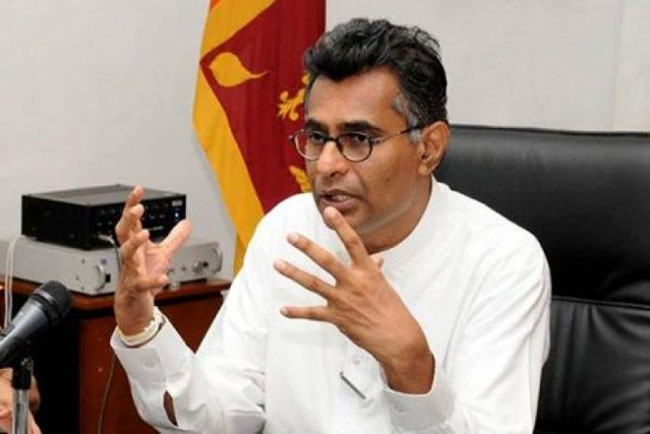
CIABOC urged to deal with NPP the way it dealt with Mahindananda, Nalin
Declaring that large-scale premeditated coal import fraud had caused massive losses, ex-Minister Patali Champika Ranawaka has urged the CIABOC (Commission to Investigate Allegations of Bribery or Corruption) to deal with it, the way former Ministers Mahindananda Aluthgamage and Nalin Fernando were dealt with.
The Colombo High Court Trial-at-Bar sentenced Aluthgamage and former Sathosa Chairman Fernando on 29th May, 2025, for 20 and 25 years RI, respectively, for committing the offence of corruption by procuring 14,000 carrom boards and 11,000 checkers boards, through Sathosa, to distribute to schools and sports clubs selected by the Sports Ministry, and distributing them to party offices of the government during the 2015 Presidential Election, thus causing a loss of over Rs. 53 mn to the government.
Ranawaka, in a statement posted over the weekend on social media, based on documents furnished to Parliament by the CEB recently, declared that the procurement of substandard coal through an Indian company, faulted for money laundering, has so far resulted in a staggering loss of Rs 1,759 mn.
According to the former Colombo District lawmaker, the losses had been brought down to Rs 1,759 mn after the supplier compensated the government to the tune of Rs 1,037. Pointing out that the losses had been estimated at Rs. 2,796 before the supplier was fined, Ranawaka emphasised that the losses mentioned in CEB documents pertained to four shipments of inferior quality coal.
Ranawaka who had been at the forefront of anti-corruption campaigns over the years said that the government reached an agreement with the controversial supplier and so far only six of the 25 coal shipments were received. Based on the losses so far accrued due to the use of inferior quality coal at the Norochcholai Lakvijaya coal-fired power plant, Ranawaka pointed out gravity of the situation.
Commenting on the penalties imposed on the supplier, Ranawaka said that as he had secured shipments at a much lower cost-perhaps USD 30 to 40 per ton less than the usual rate, paying compensation wouldn’t have been an issue.
The former parliamentarian flayed the CIABOC for its failure to investigate the coal fraud in spite of several complaints lodged with it. Ranawaka warned that the country would have to face the consequences of using what he called low-grade coal. The damages to the plant would have to be estimated later, Ranawaka said, while underscoring the importance of using coal aligned with the plant design.
The Island received a copy of letter CEB General Manager Engineer K.S.I. Kumara sent to the Secretary to the Energy Ministry that exposed the procurement of low-quality coal.
Alleging that President Anura Kumara Dissanayake and the entire cabinet of ministers should be held responsible for the procurement of low-quality products knowing the consequences, Ranawaka underscored the need to identify all those who benefited from the coal deal. The ex-lawmaker questioned the possibility of the coal deal being part of a money laundering project.
Ranawaka said that the powers that be wanted 7.5 mn electricity consumers to bear the losses resulting from the corrupt deal. Having repeatedly promised to slash electricity tariffs substantially, the government was now aiming to crease tariffs by 13.5 percent. Hapless Sri Lankans were charged higher rates at a time crude oil and gas were low in the international market, he claimed.
Ranawaka urged the public to protest while calling for an organized campaign to highlight the corruption at the highest levels of the incumbent dispensation. Ranawaka said that slapping of fines proved that coal shipments hadn’t met the stipulated specifications and all attempts by the current dispensation to shield those responsible failed.
At the onset of his statement, Ranawaka said that the government entered into this corrupt coal deal in spite of the Attorney General’s Office advising them to do away with slack procedures in place during the economic crisis.
Following a recent visit to the power stations, former UNP Deputy Minister Ajith P. Perera, who is also a member of the Constitutional Council eclared that the coal scam had been confirmed. “The biggest tender under the NPP government is corrupt,” the attorney-at-law alleged.
By Shamindra Ferdinando

Ramadan 2026: Fasting hours around the world

Omarzai’s all-round brilliance hands Afghanistan their first win of the World Cup

We will not allow anyone to drag the country backward by inciting racism. — PM

Amelia Kerr appointed new New Zealand women’s cricket captain

US boards second tanker in Indian Ocean after tracking it from Caribbean

Motorbike raids on villages kill dozens in Nigeria

‘Dates have the highest sugar content to fight Coronavirus’

Sunday Island 27 December – Headlines

#SundayIsland 17th December – Headlines

Sunday Island – 28th March

Sunday Island Headlines – 21 March

Sunday Island – 21st February – Headlines
-
 Life style2 days ago
Marriot new GM Suranga
-

 Midweek Review6 days ago
A question of national pride
-

 Features2 days ago
Monks’ march, in America and Sri Lanka
-

 Business6 days ago
Autodoc 360 relocates to reinforce commitment to premium auto care
-

 Opinion5 days ago
Will computers ever be intelligent?
-

 Features2 days ago
The Rise of Takaichi
-

 Features2 days ago
Wetlands of Sri Lanka:
-
 Midweek Review6 days ago
Theatre and Anthropocentrism in the age of Climate Emergency