Sri Lanka concluded its 4th Cycle of the Universal Periodic Review (UPR) during the 42nd Session of the UPR Working Group on 01 February in Geneva, Permanent Mission of Sri Lanka to the UN said yesterday in a press release.
Sri Lanka’s National Report was prepared by the Ministry of Foreign Affairs with input from government ministries and agencies through an inclusive and broad-based process where civil society organizations and the National Human Rights Commission of Sri Lanka were also consulted.
The UPR is conducted as a review mechanism by the UPR Working Group of the UN Human Rights Council in four year cycles. Sri Lanka’s last UPR review was in 2017.
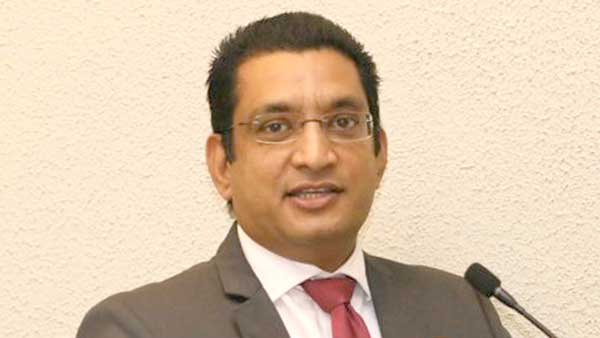
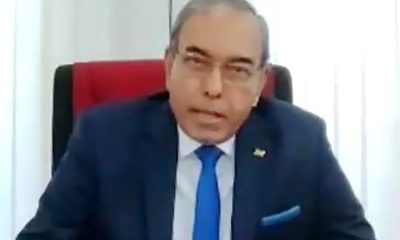
Delivering the opening statement via a pre-recorded statement, the Head of Delegation, Foreign Minister Ali Sabry highlighted the progress and achievements made by Sri Lanka since its last review including the implementation of the recommendations accepted. Sri Lanka envisages 2023, the 75th anniversary of independence, to be a year of socio-economic stabilization, reconciliation, and recovery. The Minister also said that “it is important to learn from the past, and it is equally important to move on, to build better and stronger.”
The Permanent Representative to the UN in Geneva Ambassador Himalee Arunatilaka highlighted legislative and policy measures implemented by Sri Lanka during the reporting period including the 21st Amendment to the Constitution, strengthening efforts on the reconciliation processes and the national independent institutions.
The Sri Lanka delegation responded to the queries and comments from the floor ranging from issues relating to inter alia freedom of expression and assembly, the Prevention of Terrorism Act (PTA), migrant workers, rights of minorities, combating corruption, social protection, rights of women, persons with disabilities, children, food security and progress achieved on SDGs.
The Review was conducted in a constructive atmosphere with the participation of delegates from 106 countries providing their appreciation, comments and recommendations covering a broad range of issues on the floor. Appreciation was expressed for the implementation of recommendations accepted by Sri Lanka in the 3rd Cycle, despite the socio economic challenges posed by the COVID pandemic and global crises.
Sri Lanka’s neighbours were supportive of the actions the country has taken. Bangladesh welcomed efforts “to establish gender equality, and curb gender based violence”. Bhutan commended Sri Lanka for its “concerted efforts and progress in implementing its human rights obligations despite the enormous socio-economic challenges.” Nepal welcomed the adoption of the National Nutrition Policy. India “took note of the engagement by the Government of Sri Lanka with members of the international community and other organisations on various aspects of human rights situation and reconciliation issues in Sri Lanka.” Maldives congratulated the Government for “introducing a policy for Gender Mainstreaming in all sectoral Ministries that includes the establishment of gender focal points, gender-responsive budgeting and anti-sexual harassment committees.” Pakistan appreciated “Sri Lanka’s continued cooperation with UN human rights mechanisms” while also welcoming “legislative, administrative measures such as the enactment of the Prevention of Terrorism Act (Amendment) Act No 12 of 2022, 21st Amendment to the Constitution and measures under National Anti-Human Trafficking Task Force”.
Japan appreciated “the positive steps taken by Sri Lanka since the previous review cycle, including the implementation of Amendments to the Prevention of Terrorism Act”. Japan said it “considers it important that the international community support Sri Lanka’s own efforts to foster reconciliation in the country”.
China, Russia, Cuba, Venezuela and Malaysia made supportive statements on Sri Lanka’s efforts.
Several other countries commended Sri Lanka’s continuous efforts to promote human rights of its people, in particular the adoption of the 21st Amendment to the Constitution, work of the independent commissions and domestic reconciliation efforts including the work of the OMP, OR and ONUR. Countries also underlined the importance of the promotion and protection of the rights of children, women, and persons with disabilities, older persons and migrants. Many countries appreciated the constructive engagement of Sri Lanka with the UPR process and the efforts taken in preparing the national Report.
While thanking all Government and civil society partners who engaged in the UPR process and the delegations who spoke during the Review, Sri Lanka’s Permanent Representative in Geneva said that Sri Lanka will carefully consider the recommendations received.
In closing the Review, the President of the Council and Chair of the Session, PR of the Czech Republic thanked the Sri Lanka delegation for its engagement and readiness to answer all questions and comments, as well as the preparations which he said were done “in an excellent manner.”
The delegation of Sri Lanka was led by Foreign Minister Ali Sabry. The delegation in Geneva comprised the Permanent Representative of Sri Lanka to the UN in Geneva, senior officials from the Presidential Secretariat, the Attorney General’s Department, Ministry of Foreign Affairs and the Permanent Mission of Sri Lanka to the UN, as well as over 20 line Ministries joining virtually from Colombo.