
Business
SLT drives sustainable green initiatives to fight climate change and generate long term value for Sri Lanka


Committed to driving sustainable Environmental Social Governance Programs (ESG), to fight climate change, SLT-MOBITEL marked World Environment Day by concluding its 5th Mee tree planting initiative at Meerigama. SLT-MOBITEL embarked on this national level tree planting initiative with the aim of improving the quality of air, promote forestation, natural carbon sinks and reduce greenhouse gases and safeguard biodiversity across multiple areas in the country. Driving the true spirit of sustainability, SLT-MOBITEL understands the intrinsic importance of a greener earth, the direct benefits of healthy plants on human health and wellbeing and the need to restore nature, halting and reversing climate change to sustain humanity for generations to come.
Launched under the theme ‘Let’s nourish the country with clean air and fertilizer’, it brings into focus the critical importance of preserving eco-fragility for collective well-being.The ‘Mee’ tree was chosen considering its contribution to pest control, ability to be used in the production of organic fertilizer, capacity to purify air and its use as a medicinal plant. To-date SLT-MOBITEL has distributed and planted over 1000 trees across several locations, including Monaragala, Umandawa, Anuradhapura and Kandy.
World Environment Day is celebrated annually in June and recognised as the United Nations’ principal amplifier to encourage awareness and action for the protection of the environment. To commemorate the event, SLT-MOBITEL organised an internal event at the headquarters where employees of SLT-MOBITEL received plants. Further, the company also successfully concluded its 5th Mee tree planting programme at the Seth Sevana Elders Home in Meerigama. Strengthening the programme, SLT-MOBITEL is working hand in hand with local communities and grassroots organisations, providing opportunities for tangible change and collective action.
As the National ICT Solutions Provider, SLT-MOBITEL has a strong environmental, social and governance (ESG) commitment, measuring and managing its impacts on society and the environment in an efficient and responsible manner. Under its ESG protocols the Mee Tree programme seeks to improve the environment and empower communities across Sri Lanka. The Mee Tree drive, in addition to improving air quality and mitigating climate change also promotes better pest control, healthier soil and aims to enhance natural humidity. A notable feature of the programme is governance through KPIs, including geo tagging plants and their ownership. Using modern technology, the ‘THURU’ mobile application is used to monitor the progress of the project.Broadening its environmental stewardship, SLT-MOBITEL also engages in other initiatives such as e-Waste reduction and minimising its carbon footprint. Responsible waste management is repeatedly conducted through re-use and recycling, while ongoing concerted efforts ensure reducing the carbon footprint of the organisation and those of customers.

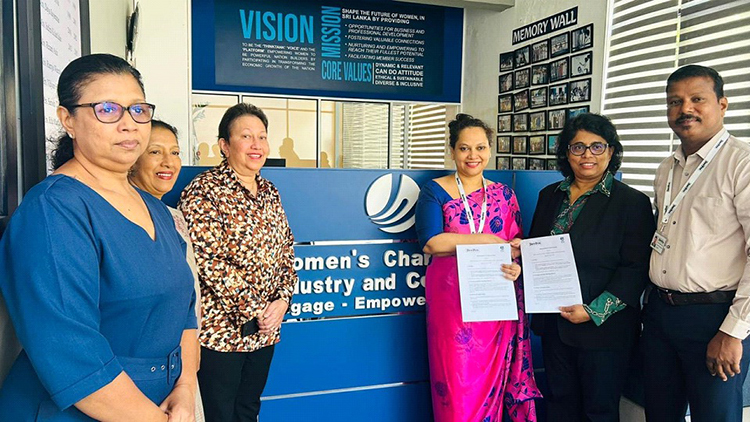
DevPro and Women’s Chamber of Industry and Commerce (WCIC) signed a formal partnership on Wednesday, 28th January to collaborate in promoting women’s economic empowerment and inclusion in Sri Lanka.
DevPro builds on 30 years of OXFAMs legacy in Sri Lanka and works towards Inclusive Economic Development leveraging expertise in inclusive and climate-resilient market systems and enterprise development and innovation. DevPro’s work is guided by the core values of gender justice, inclusivity and community-led development. Through its recent projects, DevPro has supported over 270 women-led MSMEs, across agriculture, handloom, and tourism-related value chains in five provinces in Sri Lanka through a mix of interventions combining skills development, enterprise strengthening, market linkages, and gender-sensitive community engagement to improve income, resilience, and economic participation.
WCIC is the first women-only trade chamber in the world, dedicated to empowering women entrepreneurs and women-led MSMEs in Sri Lanka through skills-building, business advisory services, networking etc. Among its many initiatives, WCIC’s flagship annual event, “Prathibhabhisheka” – Women’s Entrepreneurs Awards has empowered many women owned and women-led businesses in Sri Lanka to enhance their business resilience and competitiveness through improved governance processes, financial health, market recognition and global expansion.
Through this partnership, both DevPro and WCIC, will leverage their collective expertise, networks and resources to advance women’s economic empowerment and inclusion through projects, capacity building, research and policy advocacy focused on women entrepreneurship development, innovative business models, sustainability certification and credentials, export readiness and market integration and financial literacy and inclusion.
The MoU was signed by Gayani de Alwis, Chairperson of WCIC and Chamindry Saparamadu, Executive Director of DevPro in the presence of senior members of both teams.
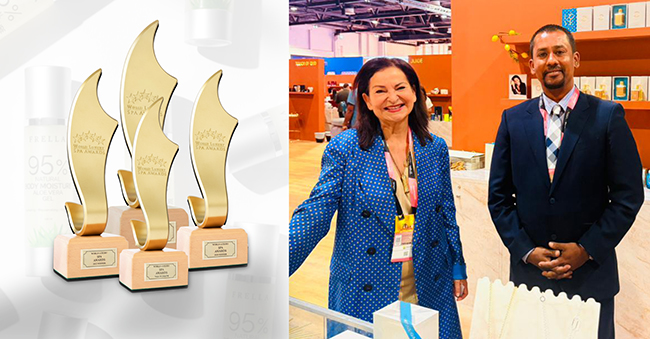
FRELLA, Sri Lankan-born and internationally-respected natural beauty and wellness brand, is setting the stage to expand operations by entering the Sri Lankan retail market. As the country’s only dedicated wellness company operating at an international scale, this move marks a new chapter for a brand with a growing global presence that has already earned the trust of luxury hotels and international customers.
For over seven years, FRELLA has emerged as Sri Lanka’s leading wellness brand, serving clients and partners across more than 15 international markets. The brand’s entry into the Sri Lankan retail market marks a significant milestone, allowing local consumers to access globally respected wellness products developed from the island’s own healing traditions. This retail expansion is supported through a strategic partnership with Baurs, a trusted 170-year-old Swedish multinational company, ensuring sophisticated distribution and access aligned with international retail standards.
FRELLA is rooted in Sri Lanka’s ancient healing traditions and inspired by centuries-old Ayurvedic wisdom. All FRELLA products are specially designed as holistic wellness solutions for the body, skin, hair, and soul, and focuses on providing nourishment, balance, and healthy aging through refined, modern wellness systems.
Business
Writer Business Services enters Sri Lanka to partner with institutions to provide information management and payments solutions

Writer Corporation, one of India’s leading business groups, announced the launch of its subsidiary, Writer Business Services Pvt. Ltd., and the commencement of its operations in Sri Lanka. The expansion reflects Sri Lanka’s strategic importance in Writer’s regional growth plans and its role in supporting a highly regulated digital and financial services market which is currently undergoing digital transformation.
Sri Lanka’s continued focus on strengthening regulatory frameworks, digital platforms, and financial systems is shaping how institutions across banking, government, and enterprise sectors approach their business operations. There is a clear emphasis on secure, compliant, and resilient information and transaction environments that can scale with regulatory and business needs. Writer’s entry into Sri Lanka aligns with this direction, bringing global experience and a partnership-led approach to the market.
As part of its launch, Writer will establish a secure records and information storage facility in Seeduwa, Colombo. Designed to meet global standards for security, compliance, and disaster resilience, the facility will support banks, financial institutions, government bodies, and large enterprises in managing physical and digital information across its lifecycle.
Alongside information management, Writer brings established expertise in integrated payment services to support the modernization of transaction infrastructure across the banking and financial services sector. Its payments capabilities focus on strengthening availability, transaction continuity, and transparency across critical payment channels that underpin institutional reliability and customer confidence.
Writer’s digital payments offerings in Sri Lanka include end-to-end ATM and self-service terminal outsourcing, integrated channel ownership and managed services, field management applications, payment and reconciliation platforms, and remote monitoring with near real-time reporting. These solutions support financial institutions in improving uptime, strengthening governance, and enhancing operational efficiency across payment networks, in line with the continued evolution of electronic and automated payment systems.
Across information management and payments, Writer operates with an integrated portfolio spanning records and information management, business process outsourcing, cloud and digital services, data privacy, cybersecurity and enterprise payments infrastructure. These capabilities support institutions in addressing evolving regulatory requirements, digitization of legacy environments, and rising operational and cyber risks.
Writer’s local presence enables closer collaboration with clients and on-ground delivery, while supporting the development of Centres of Excellence across cybersecurity operations, SOC and NOC services, AI-led solutions, and payments operations and monitoring.
Writer’s Sri Lanka operations will be built, led, and run by Sri Lankan professionals, reflecting a long-term commitment to local talent growth and development.
Commenting on this development, Satyamohan Yanambaka, CEO, Writer Global Services Pvt. Ltd., assured Writer’s long-term commitment to the country’s digital ambitions. He said, “Writer’s entry into Sri Lanka reflects our belief that digital ambition in regulated environments must be supported by trust, sound governance, and strong execution. As institutions scale digital services, the reliability of information and payment systems, channel operations, and governance frameworks becomes increasingly important to public and institutional confidence. Our experience across information management, digital transformation, and enterprise payments enables us to support secure, large-scale financial ecosystems, with a clear commitment to building and leading these capabilities locally.”
Sri Lanka’s Digital Personal Data Protection framework raises expectations around how personal and sensitive information is secured and governed.

USA pick former Sri Lanka allrounder Shehan Jayasuriya in T20 World Cup squad

Jofra Archer back as England and Sri Lanka begin World Cup countdown

Showers will occur at times in the Eastern, Northern, North-Central and Uva provinces and in Matale and Nuwara-Eliya districts

DevPro and WCIC come together to accelerate women’s economic empowerment in Sri Lanka

Tobacco and alcohol claim 22,000 lives annually

Development Officers hunger strike drags on for fourth day

‘Dates have the highest sugar content to fight Coronavirus’

Sunday Island 27 December – Headlines

#SundayIsland 17th December – Headlines

Sunday Island – 28th March

Sunday Island Headlines – 21 March

Sunday Island – 21st February – Headlines
-
 Business5 days ago
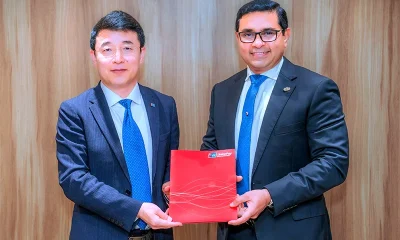
ComBank, UnionPay launch SplendorPlus Card for travelers to China
-
 Business6 days ago
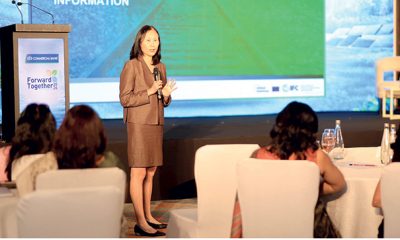
ComBank advances ForwardTogether agenda with event on sustainable business transformation
-
 Opinion6 days ago
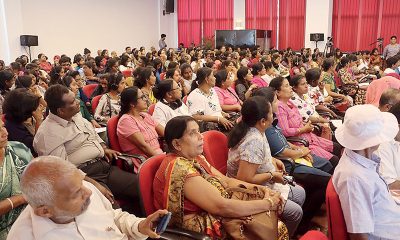
Conference “Microfinance and Credit Regulatory Authority Bill: Neither Here, Nor There”
-
 Business2 days ago
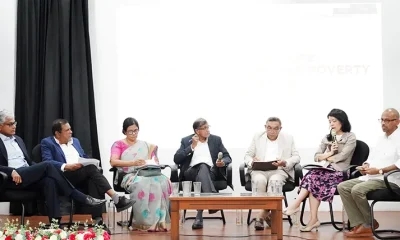
Climate risks, poverty, and recovery financing in focus at CEPA policy panel
-

 Opinion5 days ago
Luck knocks at your door every day
-
 Business7 days ago
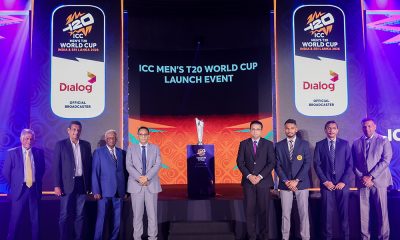
Dialog Brings the ICC Men’s T20 Cricket World Cup 2026 Closer to Sri Lankans
-
 Opinion16 hours ago
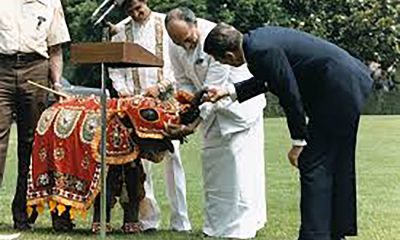
Sri Lanka, the Stars,and statesmen
-
 News6 days ago
Rising climate risks and poverty in focus at CEPA policy panel tomorrow at Open University