
News
Prez says he told AG perpetrators of Easter carnage and bond scams must be brought to justice

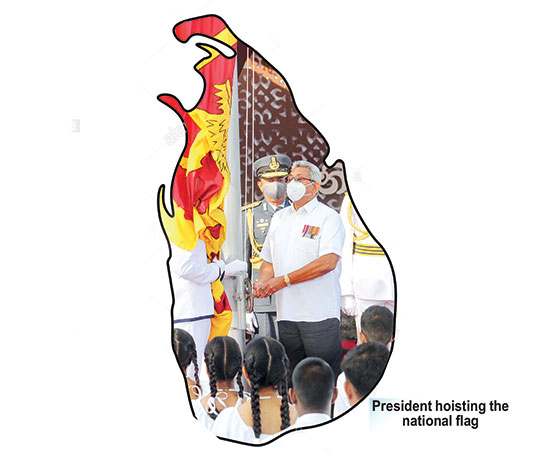
‘No escape for wrongdoers’
Steps had been taken to implement the recommendations of the Presidential Commission of Inquiry (PCoI) on the Easter Sunday attacks, President Gotabaya Rajapaksa said, yesterday, addressing the nation on the Independence Day.
Rajapaksa said that he would also take into consideration the recommendations of the previous Parliament’s Sectoral Oversight Committee on National Security, and action would be taken against all parties involved in the carnage.
“We will not allow those responsible for designing and enabling this tragedy to escape justice. We will never allow extremism to raise its head again in this country,” the President said.
President Rajapaksa also said that he had advised the Attorney General to take necessary action on the Treasury bond scams.
The President said that he had established a Presidential Deregulation Commission to change the outdated laws and regulations that negatively affected the general public as well as the domestic and foreign companies.
 For a long time the importance of simplifying outdated laws and regulations had been discussed but nothing to address it. Implementing the recommendations of this Commission would provide significant impetus to the country’s future economic development, he said.
“Vistas of Prosperity and Splendour” policy statement articulated the need for educational reforms to foster a knowledgeable and skilled future generation. Accordingly, a separate State Ministry had been created to undertake the reforms needed in the education sector.
Two task forces had been created to obtain specialist assistance for these reforms, and their recommendations were already being implemented, said President Rajapaksa.
“During the course of this year, the number of students gaining admission to universities will increase by 10,000, or 30 percent. Provisions have been made to double the number of students entering the state Technical Colleges from 100,000 to 200,000. Approval has been granted for the creation of a system of city universities catering to every district in order to increase the capacity of universities. We are acting quickly to implement recommendations for educational reforms. As a result, we anticipate that there will be an appreciable qualitative improvement in the education sector within the next few years,” he said.
President Rajapaksa said that he established a dedicated Ministry of Technology and brought it under his purview. Through that Ministry, steps would be taken to develop the policies and legal framework required to improve the technology sector, as well as to simplify the functioning of the state sector and markets through the use of information technology as a tool for broader digital governance. Action had already been taken to create five technology parks with all facilities in five identified districts in order to encourage entrepreneurs and start-ups in the technology sector.
 Rajapaksa said that a number of groups supported him when he ran for presidency and that he believed that a vast majority of those people did so not in search of personal benefits but because they expected him to serve the nation diligently.
“I am always prepared to fulfill the genuine expectations of the public that supported me with honest intent. However, I will never take decisions that will damage the country and to please those who seek gains for themselves personally or for their businesses”, the President said.
Given below are excerpts of the speech:
I have always loved and respected the environment. In the past, whilst serving as the Secretary to the Ministry of Urban Development, I strove to protect the environment when undertaking such activities as urban beautification, urban development, and the creation of walking paths and urban parks. Today, too, our Government has paid particular attention to preserving the environment for future generations. What the creation of urban forests, designing of green cities, promotion of green businesses, undertaking of nationwide tree planting programmes, reconstruction of irrigation tanks and canals, recultivating of fallow paddy fields, promoting the use of organic fertilizer, and limiting the use of plastics demonstrate is the implementation of this sustainable environmental management policy.
The foundation of our citizen centric economic policy is that the true potential of the economy cannot be unleashed without economic freedom. To achieve the Government’s aims of eliminating poverty, providing equal opportunity for improvement of all citizens, and developing domestic businesses, we require a clean and efficient public service.
The public service is a powerful, nationwide mechanism. This represents an opportunity that many countries in the world do not possess. Therefore, I expect this powerful mechanism to make a significant contribution to the national decision making process. However, I observe that weaknesses currently prevail in decision making at every level. Even on very simple institutional matters, I have observed that officials avoid making decisions and refer them to the Cabinet of Ministers. They expect advice from circulars for every activity. They avoid taking decisions even within the limits of their authority. If we do not change this situation, it will be extremely difficult for us to take this nation forward.
The legal reforms necessary to protect those in the public service who take correct decisions are currently being formulated. I therefore request all those in positions of authority to ease the limitations and practices that obstruct the general public through the state administration.
 I personally participate in the ‘Conversation with the Village’ programme because rural development is one of my Government’s priorities. The public administration system at both the District and Divisional level is extremely important to achieving the citizen centric economic development articulated in my vision statement “Vistas of Prosperity and Splendour”. There is a clear responsibility incumbent on everyone involved in this development process, from the Governors, District Secretaries, Divisional Secretaries and Public Health Officials, to officials such as Grama Niladharis, Samurdhi Officials, Agriculture Research and Production Assistants, Family Health Service Officials and Development Officials at the village level. They have all provided tremendous support in controlling the spread of the COVID-19 virus and in providing other essential services. Similarly, I look forward to the unstinted support of all public servants in successfully overcoming the challenges that confront us in terms of our economic development.
The political leadership has a grave responsibility not only on matters at the national level but also in rural development. We have instituted mechanisms to ensure the active participation of Cabinet and State Ministers, Members of Parliament, and Members of Urban and Municipal Councils in the development activities at District and Divisional levels.
Corruption and waste are significant obstacles to a nation’s development. We are setting an example to eradicate corruption and waste in the public administration. We will not be lenient on anyone who is found guilty of corruption or waste. However, one of the difficulties we face in preventing corruption is the indirect support given willingly or unwillingly by the public to such activities. I request the general public not to encourage corruption either directly or indirectly. If anyone is found to be engaging in corrupt practices, please inform the relevant authorities.
I invite everyone to join in a national effort to mobilize public opinion against corruption and waste. Our future generations too must be educated in this regard. I appreciate the support that is being extended by the media for this initiative.”

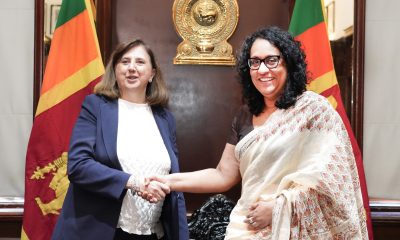

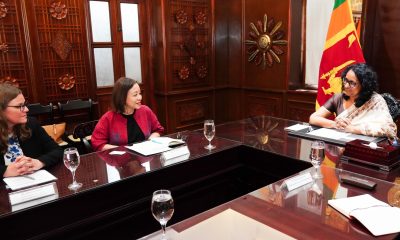


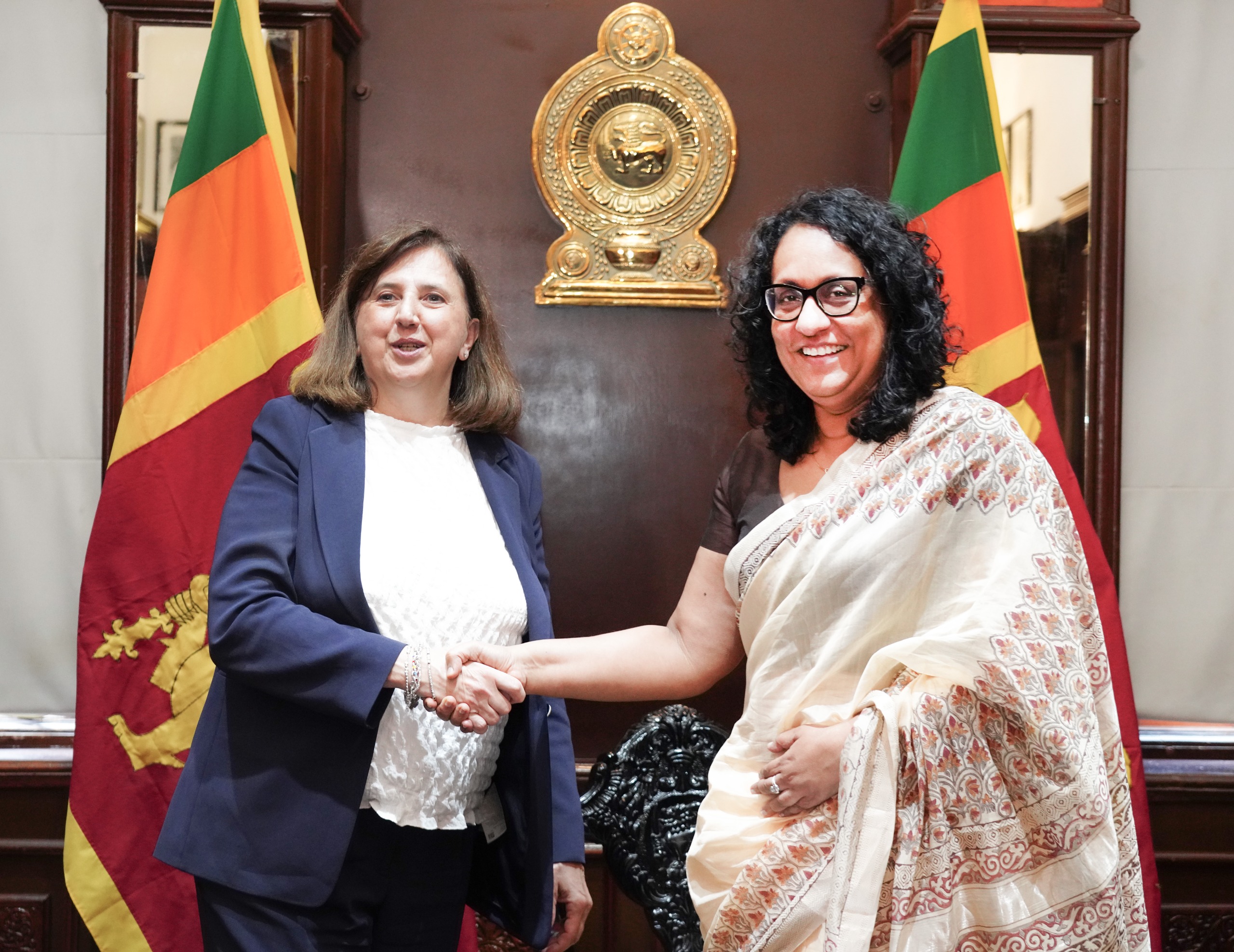
Prime Minister Dr. Harini Amarasuriya met with the representatives of the European External Action Service [EEAS] on Tuesdqy [10 th February] at the Prime Minister’s office.
Welcoming the delegation from the European External Action Service (EEAS), the Prime Minister emphasized the importance of further strengthening and deepening the long-standing partnership between Sri Lanka and the European Union, noting the role of the European Union as a key development and economic partner.
The Prime Minister also expressed appreciation for the timely assistance extended by the European Union to Sri Lanka in response to the recent cyclone, highlighting the EU’s continued solidarity and support during times of need.
Attention was drawn to the need to expand economic cooperation between Sri Lanka and the European Union. The Prime Minister underscored the importance of undertaking necessary legislative and policy reforms to facilitate enhanced economic engagement, trade, and investment.
The delegation was briefed on the ongoing initiatives and reforms being implemented by the new Government aimed at strengthening economic stability, governance, and creating a conducive environment for sustainable growth and international cooperation.
The meeting was attended by the Acting Managing Director for Asia and the Pacific in the European External Action Service, EU co-chair of the Joint Commission, Ms. Paola Pampaloni; EU Ambassador, Head of EU Delegation Ms. Carmen Moreno and the representatives of European External Action Services and Delegation of the European Union, and Additional Secretary to the Prime Minister, Ms. Sagarika Bogahawatta and the officials from the Ministry of Foreign Affairs, Foreign Employment, Tourism Sri Lanka.
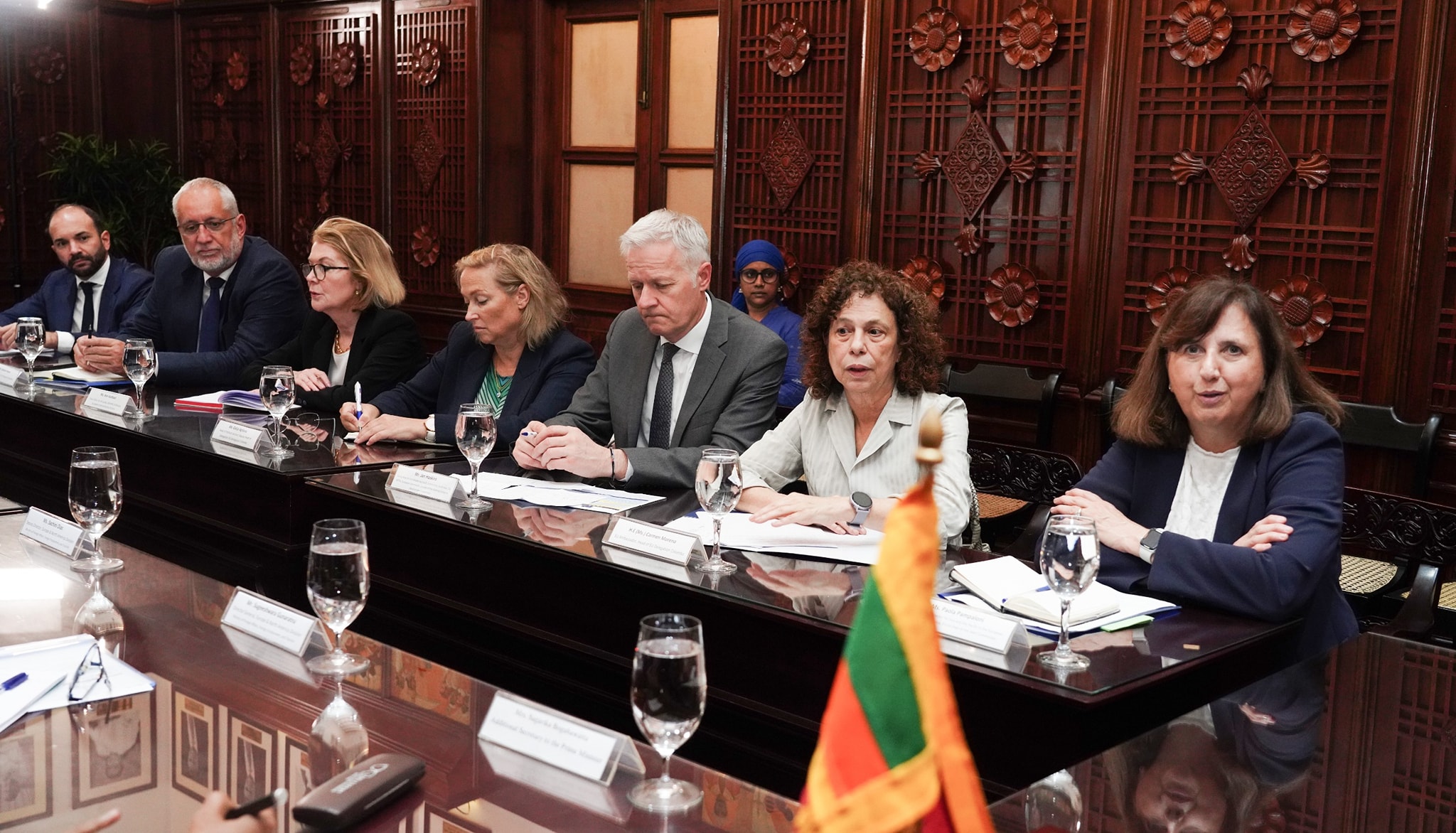
[Prime Minister’s Media Division]
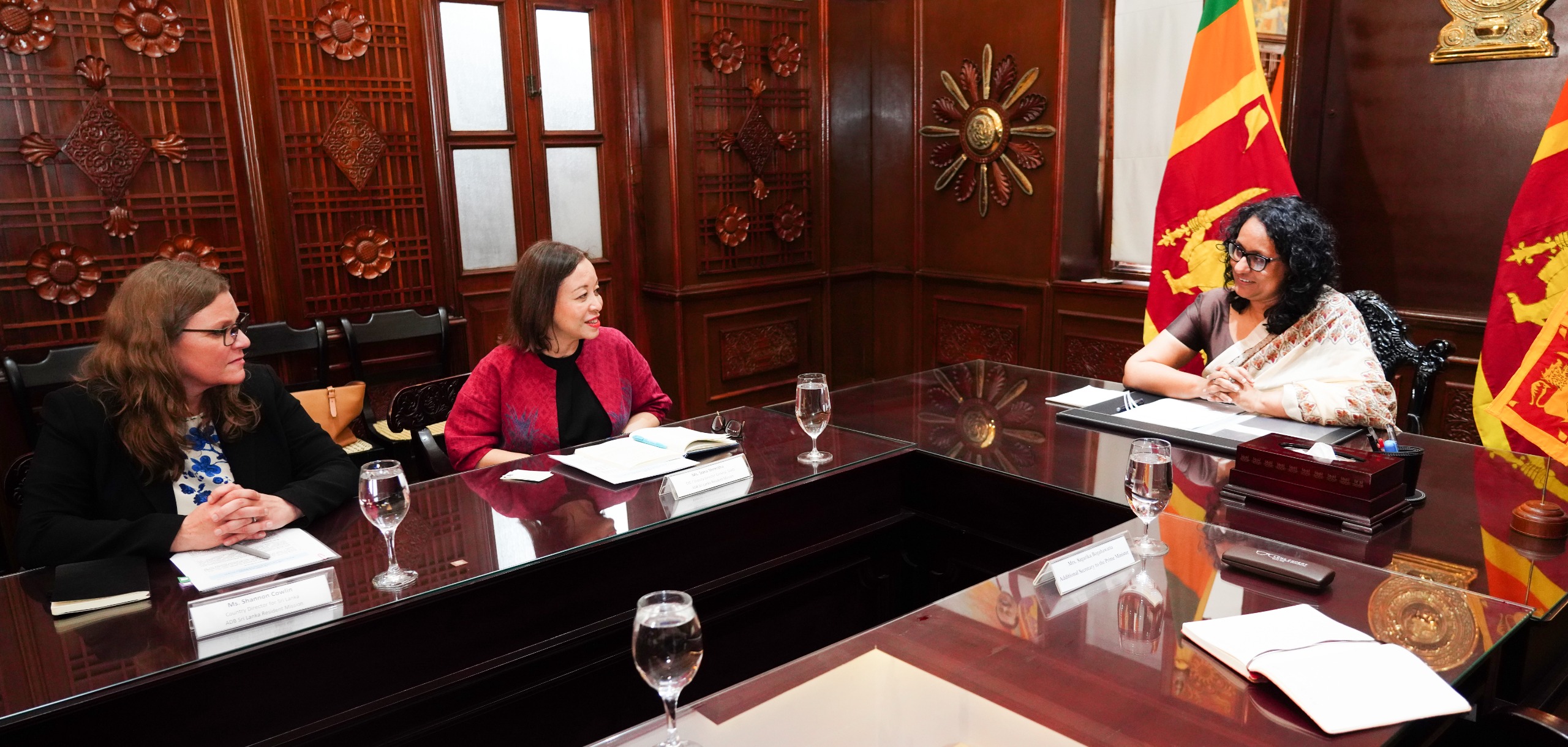
The newly appointed Country Director of the Asian Development Bank for Sri Lanka Ms Shannon Cowlin and the accompanying delegation met with Prime Minister Dr. Harini Amarasuriya on Tuesday [0th of February] at the Prime Minister’s office.
Welcoming the delegation, the Prime Minister extended congratulations to the newly appointed Country Director and acknowledged the long-standing partnership with the Asian Development Bank. The Prime Minister also expressed appreciation for ADB Bank’s continued engagement and support aligned with Sri Lanka’s national development priorities.
The Prime Minister also conveyed gratitude for the timely assistance extended by the ADB in response to Cyclone Ditwah, noting the importance of such support in mitigating the immediate impacts of natural disasters.
The ADB delegation reiterated its readiness to further assist Sri Lanka during the post-cyclone recovery phase, including rebuilding and reconstruction efforts, and emphasized its commitment to the supporting the education sector.
The meeting was attended by OIC / Deputy Director General, SARD Ms. Sona Shrestha, Ms. Cholpon Mambetova Country Operations Head of ADB Sri Lanka Mission Resident, Additional Secretary to the Prime Minister Ms. Sagarika Bogahawatta, Director General of the External Resource Department, Ministry of Finance Samantha Bandara, Director for ADB Division in External Resource Department, Ministry of Finance Ranjith Gurusinghe.
[Prime Minister’s Media Division]
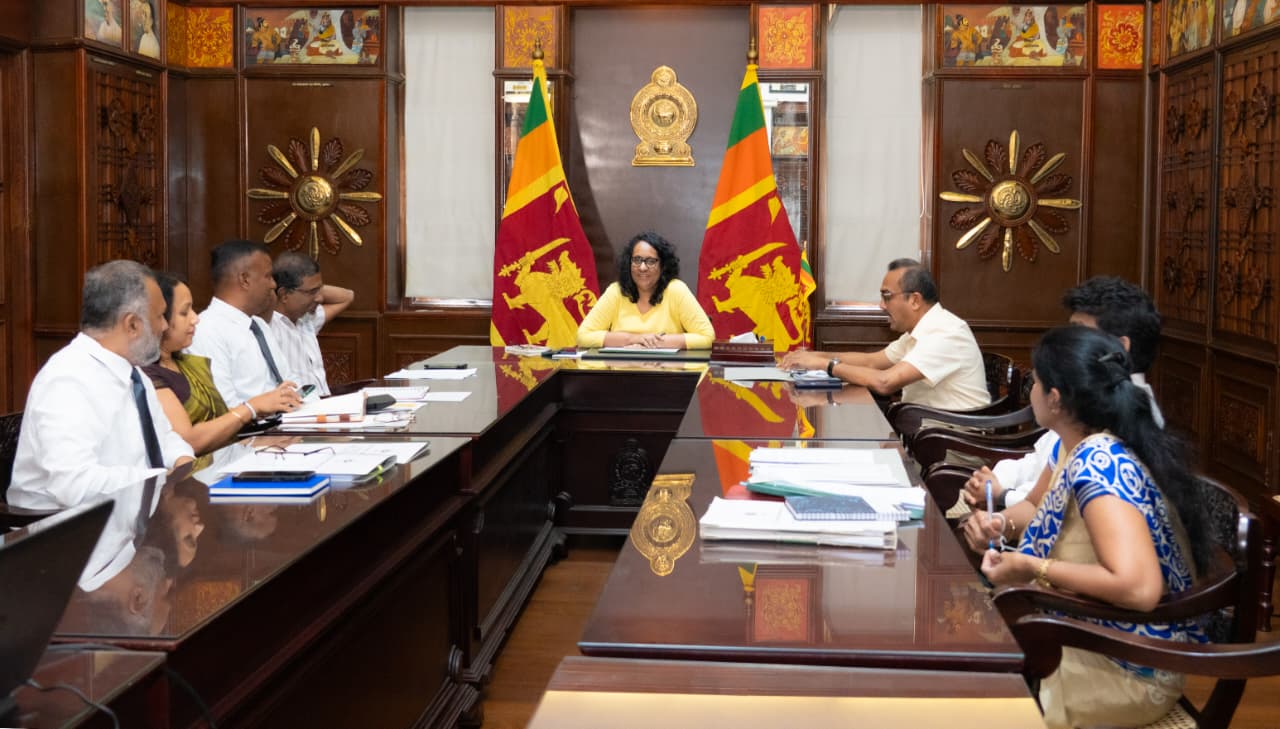
A discussion on regulating school student transport services was held on the 09th of February at the Prime Minister’s Office under the patronage of Prime Minister Dr. Harini Amarasuriya, with the participation of officials from the National Transport Commission and the Ministry of Education.
The authority for regulating school student transport has been vested with the National Transport Commission, and as the relevant draft of regulations have already been prepared, discussions were held on the provisions contained in these drafts as well as on new proposals that should be incorporated.
During the discussion, the attention was focused on meeting the emerging needs of transportation arising from the schools, minimizing issues encountered in the transportation of school students by establishing an organized transport mechanism, and deploying the “Sisu Sariya” school transport service in a more efficient and effective manner followed by the new educational reforms process.
Discussions were also held on introducing laws and regulations to systematize the transportation of schoolchildren, prioritizing child protection by preventing reported incidents of abuse and harassment during student transport, and enhancing professionalism among school transport service providers to ensure a responsible and accountable service.
The focus was also emphasized on the need for coordinated action among the Ministry of Transport, Highways and Urban Development, the National Transport Commission, the Ministry of Education, Higher Education and Vocational Education, and the National Child Protection Authority.
The discussion was attended by the Minister of Transport, Highways and Urban Development Bimal Rathnayake, Chairman of the National Transport Commission P. A. Chandrapala, officials of the National Transport Commission, and the officials from the Ministry of Education, Higher Education and Vocational Education.
[Prime Minister’s Media Division]

Prime Minister meets delegation from the European External Action Service

Moscas star as Italy dismantle Nepal for first World Cup win

Kim Jong Un chooses teen daughter as heir, says Seoul

Newly appointed ADB Country Director to Sri Lanka and delegation meet PM

School student transport services are being regulated

Shanaka and Rathnayake blow Oman away with frenetic half-centuries

‘Dates have the highest sugar content to fight Coronavirus’

Sunday Island 27 December – Headlines

#SundayIsland 17th December – Headlines

Sunday Island – 28th March

Sunday Island Headlines – 21 March

Sunday Island – 21st February – Headlines
-
 Features5 days ago
My experience in turning around the Merchant Bank of Sri Lanka (MBSL) – Episode 3
-

 Business6 days ago
Zone24x7 enters 2026 with strong momentum, reinforcing its role as an enterprise AI and automation partner
-

 Business5 days ago
Remotely conducted Business Forum in Paris attracts reputed French companies
-

 Business5 days ago
Four runs, a thousand dreams: How a small-town school bowled its way into the record books
-

 Business5 days ago
ComBank and Hayleys Mobility redefine sustainable mobility with flexible leasing solutions
-
 Business2 days ago
Autodoc 360 relocates to reinforce commitment to premium auto care
-
 Business6 days ago
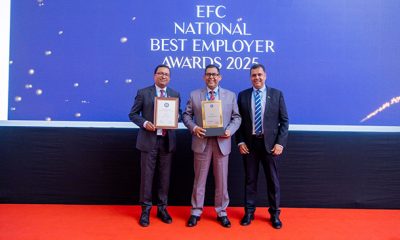
HNB recognized among Top 10 Best Employers of 2025 at the EFC National Best Employer Awards
-
 Midweek Review2 days ago
A question of national pride