
Sports
Mendis finally comes good after years of false dawns

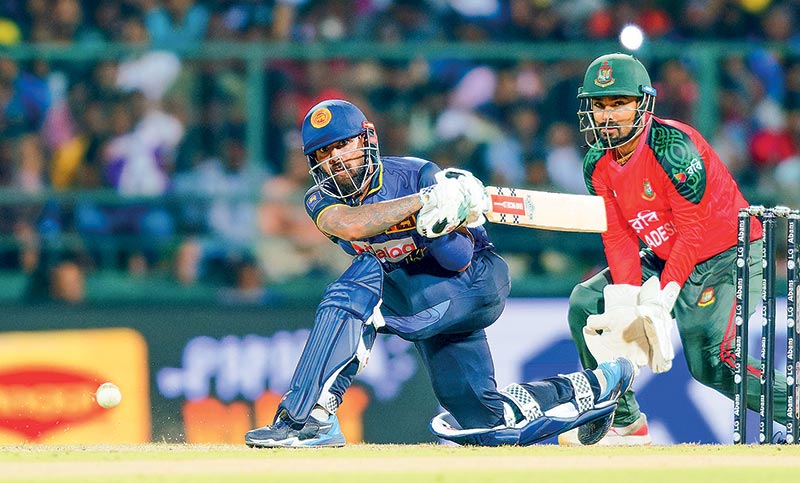
In a country where schoolboy cricket is a religion and teenage prodigies are thrust into the limelight before they’ve even sprouted a stubble, Sri Lanka’s conveyor belt of talent has never run dry. From Anura Tennekoon to Arjuna Ranatunga and more recently Mahela Jayawardene, the island has always had a knack for spotting its next big thing before the ink dried on their GCE O/Level results.
Kusal Mendis, cut from that same cloth, was earmarked for greatness long before he left the gates of Prince of Wales College, Moratuwa. Elegant against pace, wristy against spin and composed on treacherous wickets, Mendis had all the hallmarks of a future batting colossus.
Such was the faith in his ability that he was fast-tracked into the Test side with barely a handful of First-Class appearances to his name. The move paid rich dividends when, in 2016, Mendis played a starring role in Sri Lanka’s historic 3-0 whitewash of Australia — a feat that still raises eyebrows for this was against Starc and Hazelwood.
But as is often the case in Sri Lankan cricket, the brightest stars sometimes burn out the quickest. What followed was a rollercoaster ride — moments of brilliance drowned in an ocean of inconsistency.
There were glimmers — like the blinder in Port Elizabeth that laid the groundwork for Sri Lanka’s Test series win on South African soil — but they were too few and far between. Twice he was dismissed in the 190s, both times caught on the fence attempting to clear it for a six like Aravinda de Silva. The flair was evident, but so too was the impetuosity.
Off the field, Mendis did himself no favours either. A disciplinary breach saw him cop a one-year ban, later reduced on appeal. But public sentiment had turned. The boy wonder had become a lightning rod for criticism and many felt his time was up.
To their credit, the selectors held their nerve. Where others had been shown the door, Mendis was given the long rope. Six centuries after 146 ODIs would have been curtains for most. But there was always the sense that Mendis was a rare gem — flawed, yes, but one that could yet be polished.
Since 2024, the tide has turned.
Much of the credit for Sri Lanka’s historic Test win in England last year went to Pathum Nissanka, but the real graft — seeing off the new ball under cloudy skies — was done by Mendis. It was a knock that didn’t catch headlines but laid the foundation.
Back home, a new role awaited him. The selectors handed him the gloves in Tests and a floating role in the batting order across formats. Far from buckling under the dual burden, Mendis has flourished.
His 84 at the SSC a fortnight ago, batting with the tail, was a clinic in composure before a freak run-out cut him short. Then came the blitz at RPS — a 20-ball half-century, the fastest at the ground — only for him to throw it away, triggering a collapse that allowed Bangladesh to level the series.
But at Pallekele, with the series on the line, Mendis delivered a masterclass. His hundred not only anchored the innings but also set up a memorable win, reminding everyone why he was once touted as the heir to Kumar Sangakkara’s batting throne
Then in the first T-20I, alongside Nissanka, he bludgeoned 50 off just 19 balls, setting the tone for a record Power Play — 83 runs in six overs, Sri Lanka’s highest ever in the format.
Across formats, in the space of a fortnight, Mendis has come up with match-winning performances — a purple patch that has propelled him into the ICC’s top ten ODI batters.For nearly a decade, Kusal Mendis was the poster boy of unfulfilled promise. If the first ten years were a tease, the next five could well be the payoff Sri Lanka waited far too long for.
Rex Clementine in Dambulla ✍️



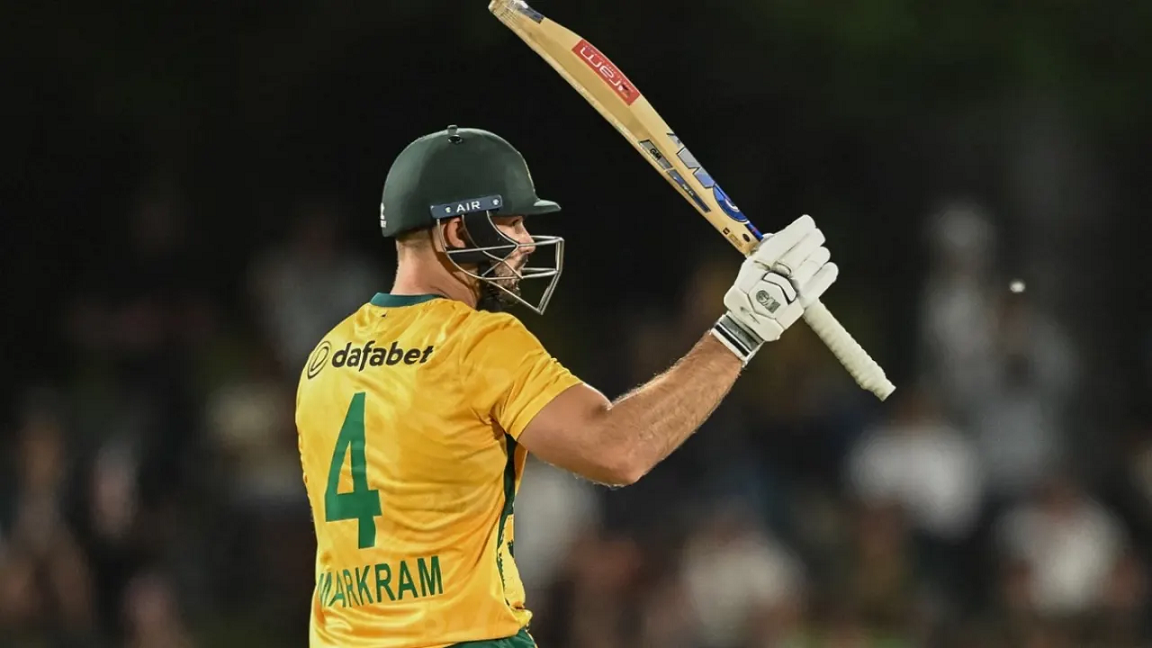
South Africa won their first T20I in eight attempts (outside of World Cups) against West Indies to take the lead in the three-match series. Crucially, their captain Aiden Markram, fresh off a SA20 hundred, reached his highest T20I score of 86 not out and could not have chosen a better time to find form. After struggling through most of the last 18 months in this format, Markram appeared in fine touch and hit nine fours and three sixes, and faced only eight dot balls in a dominant performance.
Chasing a reasonably challenging total of 174, Markram combined with Lhuan dre Pretorius and Ryan Rickelton for partnerships of 83 and 93 respectively, which meant South Africa’s powerful middle-order could take the night off. South Africa sealed the win with 13 balls to spare.
West Indies lacked any stands of similar significance. While Shimron Hetmyer and Rovman Powell shared a sixth-wicket stand of 74, there were no other partnerships that reached 40 as West Indies lost batters too often. Hetmyer top-scored with 48 while South Africa’s left-arm spin duo of George Linde and Keshav Maharaj took five wickets between them.
West Indies were off to a flying start thanks to Brandon King’s 23 off 14 balls and an opening stand of 39 inside four overs, but South Africa struck quickly to peg them back. Maharaj bowled Johnson Charles before King got down on one knee to sweep Corbin Bosch and played the ball onto his stumps to begin a trend. Sherfane Rutherford was unable to build on his SA20 form and when Maharaj found turn and bounce, he fended and chopped on as West Indies closed out the powerplay on 57 for 3. Then, in the 12th over, stand-in captain Roston Chase, playing in his 50th T20I, tried to hit Linde over cover and played on, and West Indies were 95 for 5.
Though Maharaj took two wickets early on, he was on the receiving end of some of West Indies’ biggest hits from Hetmyer. With West Indies’ 100 up in the 14th over, Hetmyer decided to up the ante, advanced on Maharaj and hit him 102 metres into the Paarl night for his first six. Two balls later, Hetmyer came down the track again, and sent the ball into the wind and over deep midwicket for a second six. Maharaj’s final over cost 16 runs and he finished with figures of 2 for 44 in four overs, the most expensive of his T20I career. Hetmyer was dismissed when Dewald Brevis caught him off Linde.
It’s been a while since someone has drooled over Markram’s drives, with the captain in patchy T20I form over much of the last 18 months, but the signs of old were there from the opening over of the chase. Matthew Forde served up bread and butter for Markram with a wide half-volley second ball. Markram drove through the covers and four was the result. Two balls later, Forde took pace off but kept it full and Markram had all the time in the world to cream the ball past extra cover. And then, to end the over, Markram was on his front foot punching the ball through the covers for a third boundary. For good measure, his fourth four was off Jayden Seales and aerial as he showed off his full range. He raced to 31 off 15 in the powerplay and shared a big stand with Pretorius to set South Africa up well.
After being dropped, recalled, and then given a new position at No. 3, Rickelton had a golden opportunity to learn about his new role with less pressure after the start the openers had.
Pretorius was dismissed in the eighth over when he slog swept Chase to midwicket. Rickelton took an over to get his eye in and then reverse-swept Chase for four, and in Chase’s next over, he slog swept him over midwicket. Though he mistimed a few, Rickelton found his touch with a swivel-pull off Seales for his second six. This – 40 not out – was Rickelton’s highest score in six T20I innings and third-highest overall.
Brief scores:
South Africa 176 for 1 in 17.5 overs (Aiden Markram 86*, Lhuan dre Pretorius 44, Ryan Rickelton 40*; Roston Chase 1-31) beat West Indies 173 for 7 in 20 overs (Brandon King 27, Johnson Charles 13, Matthew Forde 16, Roston Chase 22, Shimron Hetmyer 48, Rovman Powell 29*; George Linde 3-25, Corbin Bosch 2-35, Keshav Maharaj 2-44) by nine wickets
[Cricinfo]
(a) not having been taken in the Player Auction and
(b) not having withdrawn from the Player Auction process.
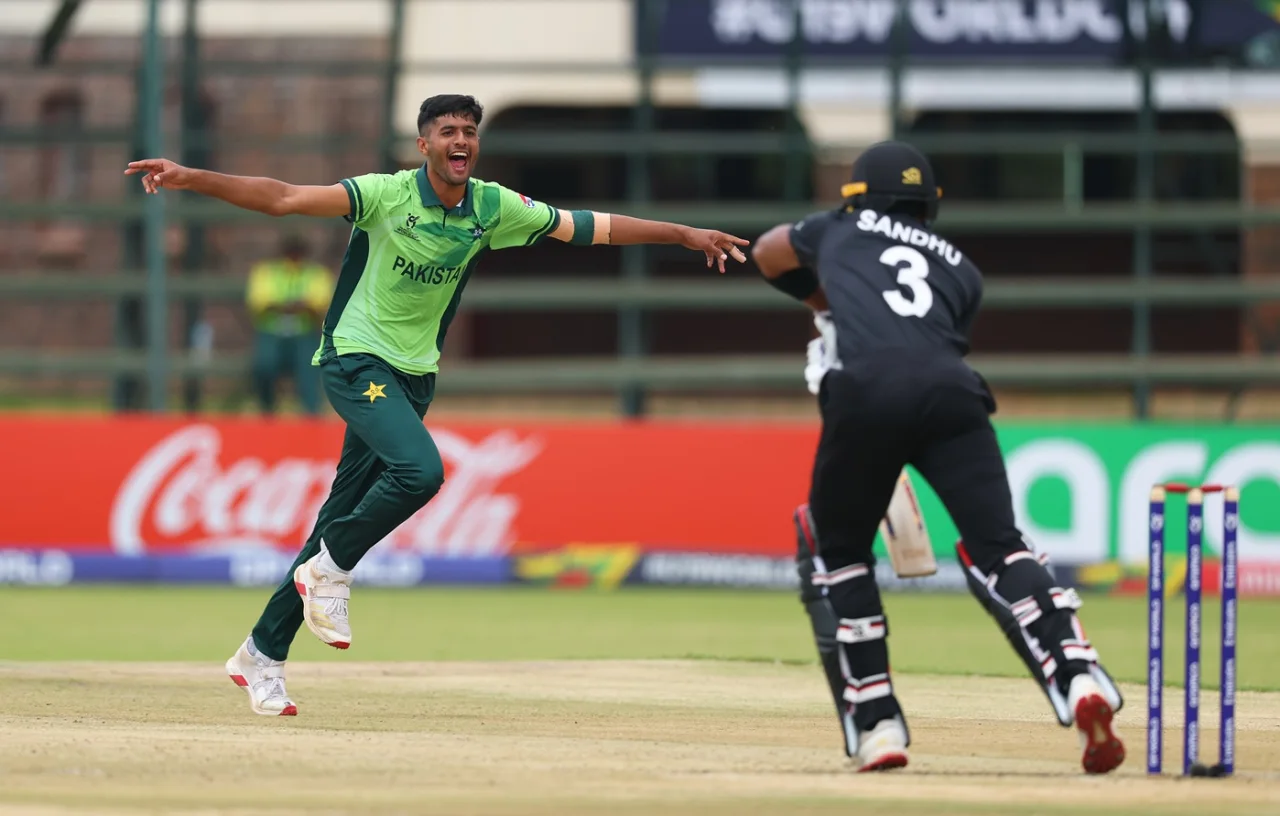
New Zealand began in a poor manner losing Marco Alpe for just 2. However, the second wicket partnership carried them to 59/1 inside 8 overs to give New Zealand an excellent platform. From thereon, New Zealand lost their last 9 wickets for just 51 runs in quite an extraordinary manner. The well-set Hugo Bogue’s dismissal triggered the collapse as Abdul Subhan and Ali Raza tormented New Zealand. The duo combined to pick seven wickets as the New Zealand innings came to an end as early as in the 29th over.
New Zealand Under 19s 110 in 28.3 overs (Hugo Bogue 39; Abdul Subhan 4/11, Ali Raza 3/36) lost to Pakistan Under 19s 112/2 in 17.1 overs (Sameer Minhas 76*; Mason Clarke 1/34) by 8 wickets

Vintage Markram, clinical Linde headline South Africa’s comfortable win

Cabinet nod for MOU between Sri Lanka and Romania on the cooperation in the Labour Field
New circular to replace Management Services Circular No. 01/2019

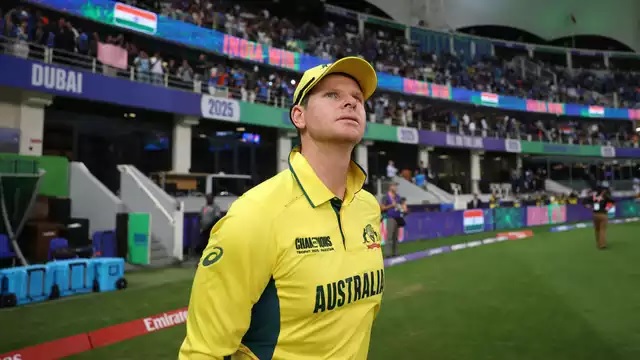
The RAPP sheet: Steve Smith, Daryl Mitchell, Umesh Yadav among over 1300 players

U19 World Cup: Pakistan overcome New Zealand by 8 wickets

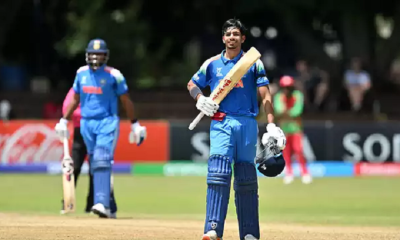
U19 World Cup: Vihaan Malhotra ton headlines India’s massive win

‘Dates have the highest sugar content to fight Coronavirus’

Sunday Island 27 December – Headlines

#SundayIsland 17th December – Headlines

Sunday Island – 28th March

Sunday Island Headlines – 21 March

Sunday Island – 21st February – Headlines
-

 Business2 days ago
ComBank, UnionPay launch SplendorPlus Card for travelers to China
-

 Business3 days ago
ComBank advances ForwardTogether agenda with event on sustainable business transformation
-
 Opinion6 days ago
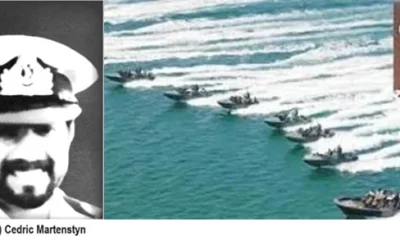
Remembering Cedric, who helped neutralise LTTE terrorism
-

 Business6 days ago
CORALL Conservation Trust Fund – a historic first for SL
-

 Opinion3 days ago
Conference “Microfinance and Credit Regulatory Authority Bill: Neither Here, Nor There”
-

 Opinion5 days ago
A puppet show?
-

 Opinion2 days ago
Luck knocks at your door every day
-

 Features5 days ago
‘Building Blocks’ of early childhood education: Some reflections