
Life style
Limited knowledge of sexual and reproductiive health, major issues among adolescents

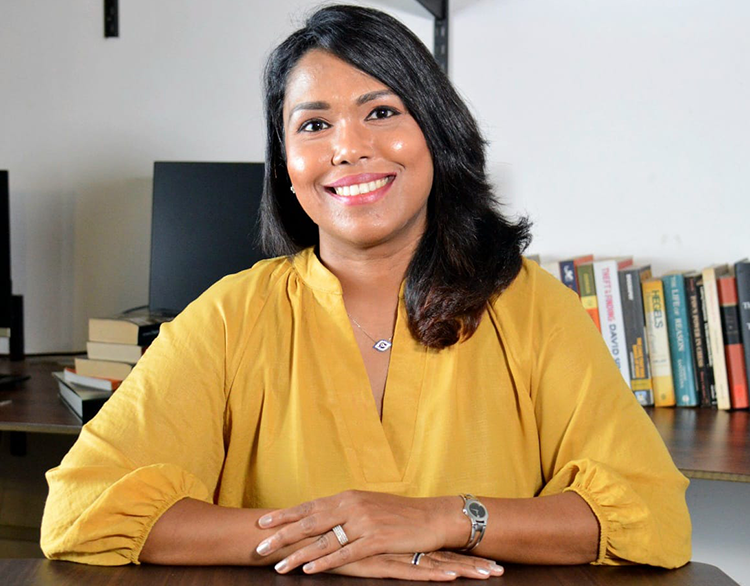
Dr. Yasuni Manikkage is a strong advocate for sexual health education, actively promoting awareness and understanding of sexual health issues to empower individuals with the knowledge and resources necessary for maintaining healthy relationships and well-being.
 What is the current state of sexual and reproductive health knowledge among adolescents and youth in Sri Lanka, and how does it impact their health outcomes?
The current state of sexual and reproductive health knowledge among adolescents and youth in Sri Lanka is a significant concern. Limited knowledge about sexual and reproductive health, particularly among youth, is a major issue. Many do not understand basic physiological processes, such as nocturnal emission being normal in young men, and few have heard of condoms or emergency contraception. This lack of knowledge makes them vulnerable to sexual health risks, including sexually transmitted infections (STIs) and unintended pregnancies. Additionally, poor parent-child communication further exacerbates the problem, as many adolescents do not discuss sexual issues with their parents. This knowledge gap leaves them without adequate information to make informed decisions about their sexual health, increasing their risk of negative health outcomes.
What sexual health services are currently available in Sri Lanka, and how accessible are they to the general population?
In Sri Lanka, the Ministry of Health is pivotal in providing sexual health services through various healthcare providers. The Medical Officer of Health (MOH) and Public Health Midwives (PHM) midwives play a crucial role in promoting sexual and reproductive health. Midwives, in particular, offer advice to eligible couples on contraception and family planning. Additionally, they conduct home visits for pregnant mothers, ensuring that they receive proper care and support throughout their pregnancy. The MOH also provides comprehensive sexual health services, including testing and treatment for sexually transmitted infections (STIs). These services are designed to promote the overall well-being of individuals and families, addressing issues such as unintended pregnancies and STIs. The National STD/AIDS Control Programme (NSACP) provides comprehensive sexual health services, including STD screening, counselling, and education. The Family Planning Association (FPA) Sri Lanka offers a range of services, including contraceptive consultations, fertility awareness, and sexual dysfunction treatments.
What are the most prevalent sexual health issues faced by men in Sri Lanka?
In Sri Lanka, men face a range of sexual health issues that can significantly impact their overall well-being and quality of life. Among these, erectile dysfunction is the most common and worrying sexual problem, affecting more than half of men with diabetes. This condition can occur earlier in life compared to men without diabetes, making it a pressing concern for many. Other common conditions seen in men are premature ejaculation, low libido, or age-related prostate issues, which can further complicate their sexual health. Other problems include anatomical abnormalities such as Peyronie’s disease, which can cause pain and discomfort during sexual activity. Male infertility is another significant issue, that affects many men and their partners. Gender dysphoria, where an individual’s gender identity does not align with their biological sex, is also a growing concern in Sri Lanka. Furthermore, sexually transmitted diseases (STDs) are a major public health issue, particularly among key populations such as sex workers and men who have sex with men (MSM). These diseases can have severe consequences if left untreated, including infertility, chronic pain, and even death. Men in Sri Lanka need to be aware of these issues and seek medical attention if they experience any sexual health problems. Regular check-ups and open communication with healthcare providers can help address these concerns and promote overall sexual health and well-being.
What are the most common sexual health concerns faced by women in Sri Lanka?
Women in Sri Lanka face a range of significant sexual health concerns. Menstrual health and management issues are prevalent, with many women lacking access to proper education and resources. Poor menopausal and post-menopausal care also contribute to women’s sexual health challenges, as they may experience low desire, arousal, and orgasm difficulties. Recurrent pelvic pain, incontinence, and pain during intercourse (dyspareunia) are other common problems that can significantly impact women’s quality of life. Cervical cancer is a major concern, highlighting the need for improved screening and prevention efforts. Additionally, many women have poor knowledge about sexual aids and lubricants, which can help alleviate sexual discomfort and enhance pleasure. Addressing these issues requires a comprehensive approach that includes education, access to healthcare services, and destigmatizing conversations around women’s sexual health.
If you are experiencing erectile dysfunction (ED), the recommended first step is to talk to your doctor. Your doctor will take a detailed medical and sexual history to determine the causes of your ED, including assessing your sexual function, screening for symptoms of hypogonadism (low testosterone), and discussing any chronic health conditions, medications, and lifestyle factors that may contribute to ED.
A physical examination will also focus on the genitourinary, endocrine, vascular, and neurological systems to look for signs of underlying conditions. Depending on your medical history and physical exam, your doctor may order additional tests to identify the cause of your ED, such as tests to check for heart disease, diabetes, low testosterone, and other conditions, and ultrasound to evaluate blood flow to the penis. Once the cause of your ED is determined, your doctor will discuss treatment options with you, which may include lifestyle changes, medication adjustments if ED is caused by certain drugs, oral medications, vacuum devices or penile injections, and penile implant surgery in some cases.
What are the key considerations for maintaining a healthy sexual life after menopause, and how can women address any concerns or issues that may arise during this phase?
Maintaining a healthy sexual life after menopause requires a multifaceted approach. Key considerations include addressing vaginal dryness and discomfort through the use of lubricants and moisturizers, as well as maintaining open communication with partners about sexual needs and desires. Women should also prioritize their overall health by engaging in regular physical activity, managing stress, and practicing pelvic floor exercises to improve blood flow and sexual function. Additionally, addressing any underlying emotional or psychological issues, such as anxiety or depression, can help alleviate sexual dysfunction. If concerns or issues arise, women should not hesitate to seek medical attention from their doctor, who can offer guidance on hormone therapy, sexual dysfunction treatments, and other options tailored to their specific needs.
What are the common mistakes or misconceptions that individuals should avoid when addressing sexual health issues?
When addressing sexual health issues, individuals should avoid common mistakes and misconceptions. Douching, for instance, can disrupt the natural balance of bacteria in the vagina, leading to infections and complications. Incorrect condom use, such as putting it on partway through intercourse or taking it off before intercourse is over, can also increase the risk of sexually transmitted infections (STIs) and unintended pregnancy. Poor vaginal hygiene, self-treatment, and ignoring signs of abnormality or irregularity in the vagina can also lead to further complications. Additionally, wearing synthetic clothes, not changing period products regularly, and not getting tested regularly can also contribute to sexual health issues. Using scented products, incorrect storage and reuse of condoms, and ignoring signs of infection or disorder can also have negative consequences. By avoiding these common mistakes and misconceptions, individuals can maintain good sexual health and reduce their risk of contracting STIs and unintended pregnancy.
what are some of the social stigmas among men and women on sexual health?
In Sri Lanka, social stigmas surrounding sexual health are prevalent and deeply ingrained. Men face stigmas around discussing sexual issues, with many believing that it is not masculine to speak about such topics, leading to a lack of open communication and support. Additionally, stigmas related to sexual orientation and sex work are significant, with homosexuality and sex work being prohibited and stigmatized. This leads to a lack of support and healthcare access for these communities. Women, on the other hand, face stigmas related to menstruation, pregnancy, and motherhood, often leading to feelings of shame and guilt. These stigmas can lead to feelings of shame and guilt, particularly around topics like sexual activity during pregnancy or menstruation. Additionally, women who are victims of sexual abuse or have experienced sexual violence may face stigmatization and marginalization. The lack of comprehensive sexuality education and open conversations about sexual health further exacerbates these stigmas, leading to misconceptions and poor understanding among youth.

Sri Lanka is rising on the world’s travel radar – a jewel of the sun, drenched beaches, misty tea estates, and hidden waterfalls. Although Thailand dazzles with scale neon lights, bustling party islands and luxury resorts designed to impress, Sri Lanka offers something different, intimacy, authenticity and a luxury that doesn’t shout, it seduces.
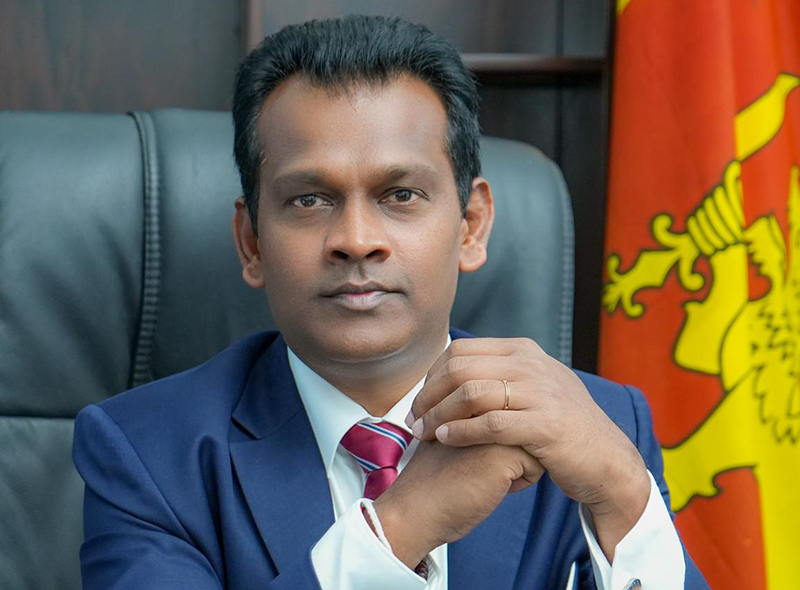
As global travel surges and destinations vie for attention, the Deputy Minister of Tourism for Sri Lanka, Professor Ruwan Ranasinghe with deep roots in tourism studies, speaks about elevating Sri Lanka beyond its beautifully raw landscapes into a world class destination that embraces sustainability, technology and community empowerment. We spoke to him and asked what’s next for Sri Lanka and how the island envisions its tourism renaissance over the next few years.
 (Q) How do you foresee the tourism strategy direction for the next five years?
(A) Sri Lanka’s future tourism strategy is firmly anchored in sustainable and inclusive tourism. The focus is on balancing growth with responsibility: protecting natural and cultural assets while ensuring that communities across the island benefit directly. Diversification into wellness, eco-tourism, heritage, adventure, and rural experiences will be guided by evidence-based planning and inclusivity.
(Q) The key priorities for post pandemic recovery?
(A) Rebuilding trust with clear safety standards and transparent communication.
Inclusive growth by empowering small entrepreneurs and rural communities.
Sustainable practices in site management, energy use, and conservation.
Diversified demand targeting wellness, eco-travel, and long-stay visitors.
Digital transformation to modernize marketing and expand reach.
(Q) With Tourism booming in Thailand and Maldives, what is Sri Lanka’s position in the tourism landscape?
(A) Sri Lanka’s edge lies in offering a compact, diverse, and authentic experience— heritage, wildlife, tea, beaches, spa and wellness—all within short travel times. By positioning itself as a sustainable and inclusive destination, Sri Lanka appeals to travellers who value responsible tourism and meaningful cultural engagement, setting it apart from regional competitors.
(Q) What are your plans for sustainable and responsible growth for tourism?
(A) Sustainability is non-negotiable. Policies include carrying-capacity management, eco-certification, renewable energy incentives, and climate adaptation in coastal and hill-country zones. Inclusivity ensures that local communities share in tourism’s benefits, reinforcing resilience and equity.
(Q) How do we promote ecotourism, protect wildlife and marine ecosystems?
(A) Eco-tourism is being advanced through responsible visitor management, conservation partnerships, and community guardianship. Wildlife parks, marine ecosystems, and coastal zones are protected with stricter codes of conduct, while local communities are empowered as custodians and beneficiaries.
(Q) How can Sri Lanka showcase its position as a tourist destination?
(A) Sri Lanka presents itself as a sustainable, inclusive, and authentic destination. Live craft, cuisine, Ayurveda, and cultural showcases highlight the island’s unique identity, while digital tools ensure global buyers can connect directly with local providers.
(Q) How do we support small tourism entrepreneurs and rural communities?
(A) Inclusive tourism means empowering SMEs and rural communities with finance, skills, and market access. Homestays, village experiences, and community-based tourism routes are promoted to ensure equitable growth and authentic visitor experiences.
(Q) How do you predict the outlook for Sri Lanka’s tourism by 2030?
(A) By 2030, Sri Lanka envisions a tourism industry that is globally recognized for sustainability and inclusivity. Success will be measured not only in arrivals and revenue, but in conservation outcomes, community empowerment, and equitable regional development.
(Q) How will the role of technology and digital marketing help the tourist sector?
(A) Digital platforms and data insights will modernize Sri Lanka’s tourism, ensuring inclusive access for SMEs and smarter targeting of global markets. Technology supports transparency, efficiency, and sustainability, making tourism more resilient and competitive.
(Q) The impact of recent adverse weather and national disaster on tourism?
(A) Sri Lanka faced severe weather and a national disaster in the past months which inevitably disrupted parts of the tourism industry. Some destinations experienced temporary closures, and travel plans were affected. However, the government has acted swiftly: through the national budget and special allocations, resources are being directed to restore infrastructure, support affected communities, and stabilize the tourism sector.
Importantly, the industry’s resilience is evident. Stakeholders across government, private sector, and communities worked together with peaceful and strong dedication to minimize the damage. Recovery measures include targeted promotions to reassure international markets, rebuilding trust in Sri Lanka as a safe destination, and accelerating necessary upgrades.
This collective response demonstrates that Sri Lanka’s tourism is not only recovering, but doing so in a way that is sustainable, inclusive, and future-focused. The adversity has reinforced our commitment to building a sector that can withstand challenges while continuing to deliver authentic, safe, and memorable experiences for visitors.
The Prism story
 Tiesh is a luxury Sri Lankan jewellery house known for its high-end handcrafted pieces that combine contemporary design with traditional craftsmanship.
Recently Tiesh unveiled a fresh vision for contemporary luxury called the Prism Collection.
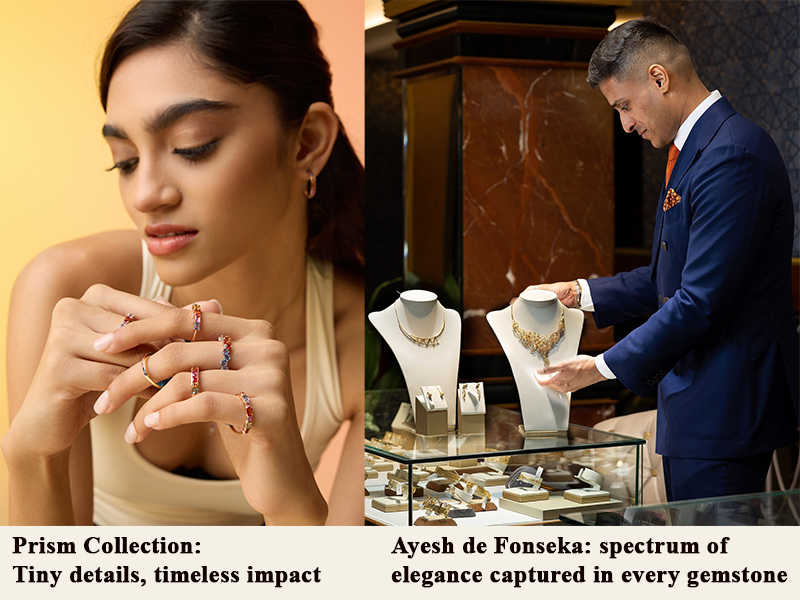
The Prism Collection is a jewellery line launched by Tiesh that draws its inspiration from the way light refracts and splits into rich, vibrant colours when passing through a prism.
The idea behind this collection is to capture the spectrum of light and translate it into wearable art -jewellery that highlights brilliance, colour and dynamic form.
This is an era where jewellery is more than mere ornamentation – where every piece tells a story. Launched to great acclaim at the brand’s elegant Colombo showroom, this collection is a radiant celebration of light, colour and refined artistry – a body of work that doesn’t just adorn but transforms.
Renowned for its dedication to excellence, Tiesh continues to uphold its legacy of producing jewellery that epitomises luxury, elegance and meticulous craftsmanship. Each Prism creation is thoughtfully designed and expertly crafted using the finest precious stones and the skill of master local artisans, reflecting the brand’s unwavering commitment to quality and detail.
Launched as a festive yet fashion-forward collection, Prism presents a curated selection of jewellery that aligns seamlessly with today’s modern aesthetic. Available in yellow gold, rose gold and white gold; the Prism Collection features an extensive range of designs, including rings, earrings, pendants, necklaces, bracelets, bangles and chains. Each piece is crafted to highlight colour, balance and wearability, appealing to the modern, trend-conscious jewellery lover.
With a proud legacy spanning almost three decades Staying true to this ethos, the Prism Collection places
Sri Lankan sapphires in the spotlight, celebrating their natural colours, textures and rarity. Speaking of the collection, Tiesh Co-Director Ayesh de Fonseka stated, “Prism was created in keeping with the times, contemporary yet timeless. In a time when the nation looks towards renewal, this Collection emerges as a symbol of hope and positive transformation. Reflecting light, colour and clarity, the collection embodies a sense of resilience and betterment. As proud Sri Lankans, we wanted
this collection to showcase the exceptional beauty of our local sapphires alongside other precious stones. These are statement pieces designed for modern lifestyles.”
The collection also embraces customisation, a signature element of the Tiesh experience. Clients are invited to select their preferred gemstones and personalise designs, resulting in truly one-of-a-kind creations that reflect individual style and expression.
With global gold prices reaching historic highs, fine jewellery has inevitably become heavier on the wallet Yet for discerning clients, the conversation is no longer about grams alone
Here customers can adjust stone size, setting style and medal choice to suit their budget. At Tiesh, you’ll notice another surprise – the after-care service such as polishing and maintenance.
The gold at Tiesh remains genuine and hallmarked. In collections such as the Prism line, gemstones and design architecture do most of the talking, while gold becomes the elegant framework rather than the bulk of the piece. In their collections the gemstones carry much of the visual richness. Instead of purchasing a heavy block of gold, the client invests in design, craftsmanship and beauty. So, when gold prices rise globally our jewellery doesn’t escalate at the same pace because gold is not the sole component defining the piece Ayesh pointed out
We create jewellery meant to live with the heavier, not just sit in a vault. At its heart, Tiesh remains more than a jewellery house; it is a family legacy shared by vision, trust and affinity with craftsmanship. And within every shimmering facet of Prism lies that story: a family craft containing to shine, generation after generation.
The Prism collection is now available at the Tiesh showrooms R A de Mel Mawatha Colombo 3.

Cinema, courage and conversation:
Renowned Indian actress Shabana Azmi brought candour, conviction and a lifetime of cinematic wisdom to the stage recently, in conversation with Sri Lankan author Ashok Ferrey at the HSBC Ceylon Literary and Arts Festival recently at Cinnamon Lakeside Colombo.
In a wide-ranging discussion that traversed five decades of cinema, feminism, censorship and cross-border politics, Azmi reflected on a career spanning over 140 films — dismissing the debate over whether the figure stands at 140 or 160 with characteristic wit. “One hundred and forty is good enough,” she quipped, setting the tone for an evening that blended humour with hard truths.
Ferrey opened the conversation with Ankur, the 1974 classic directed by Shyam Benegal, which marked Azmi’s debut and helped pioneer India’s parallel cinema movement. Azmi credited her formative years at the Film and Television Institute of India for shaping her craft, emphasising that acting is both talent and technique.
“Training polishes the diamond,” she said, rejecting the notion that acting can be mastered in a matter of months. Exposure to international cinema — from Japanese to French and Swedish films — deeply influenced her aesthetic choices, she noted, adding that her upbringing in a household steeped in theatre and poetry further shaped her artistic sensibilities.
Azmi spoke passionately about the delicate balance between emotion and technical precision required of an actor.
“You are in the moment, but you are also watching yourself,” she observed, describing the psychological demands of the profession. “Civilised behaviour expects you to control emotion. Acting demands the opposite.”
The discussion moved to Arth (1982), directed by Mahesh Bhatt, a landmark film in which Azmi portrayed a woman who refuses to reconcile with an unfaithful husband. The decision to let her character walk away — radical at the time — drew scepticism from distributors who doubted Indian audiences would accept such defiance.
“They said it wouldn’t run a single day,” Azmi recalled. Instead, it became both critically acclaimed and commercially successful, resonating deeply with women across India. She described how women began approaching her not as a star but in solidarity, seeking guidance.
“That’s when I realised I have a voice,” she said, marking the beginning of her active involvement in the women’s movement.
Azmi was unequivocal in her stance on patriarchy, describing it as deeply entrenched in South Asian society. While acknowledging that conversations have begun, she warned that social conditioning — including women’s acceptance of domestic violence — remains troubling.
The conversation turned to Fire (1996), directed by Deepa Mehta, a film that sparked controversy for its portrayal of a same-sex relationship between two sisters-in-law. Azmi admitted she took time to consider the role, anticipating backlash.
Encouraged by her husband, lyricist and writer Javed Akhtar, Azmi chose to proceed. The film was initially screened without incident before political groups vandalised theatres in protest. Yet she remains proud of her decision.
“If you can feel empathy for these two women, you can extend that empathy to others — another nation, race, religion or sexuality,” she said, underscoring her belief that art creates a climate of sensitivity where change becomes possible.
On ageing in cinema, Azmi expressed optimism. Unlike earlier decades when actresses were relegated to peripheral roles after 30, today’s industry offers space for senior actors.
She credited contemporaries such as Amitabh Bachchan — whose sustained presence in leading character roles has reshaped industry norms — for broadening opportunities.
The session concluded with reflections on cross-border tensions, prompted by a question about an India–Pakistan cricket match taking place concurrently.
Azmi offered a nuanced perspective, suggesting that while cricket fuels adrenaline, cultural collaborations — particularly film co-productions — could serve as stronger bridges between nations.
“People don’t have a problem with each other. Politics does,” she remarked, advocating for artistic exchange as a means of fostering understanding.
Throughout the evening, Azmi’s words echoed her lifelong belief: that cinema is not merely entertainment but a powerful vehicle for social transformation.
By Ifham Nizam

Maharoof expects ‘some hard decisions’ after Sri Lanka’s T20 World Cup exit

Matthews’ century leads West Indies to six-wicket victory

Cuba says it shot dead four people on US-registered speedboat

’Reimagining International Relations from a Global South Perspective’ offers a timely and rigorous contribution, providing key insights into policy, diplomacy, and global governance – PM

Fair weather will prevail over most parts of the island

CID arrests former top military intelligence officer under PTA

‘Dates have the highest sugar content to fight Coronavirus’

Sunday Island 27 December – Headlines

#SundayIsland 17th December – Headlines

Sunday Island – 28th March

Sunday Island Headlines – 21 March

Sunday Island – 21st February – Headlines
-
 Features5 days ago
Why does the state threaten Its people with yet another anti-terror law?
-

 Features5 days ago
Reconciliation, Mood of the Nation and the NPP Government
-

 Features5 days ago
Victor Melder turns 90: Railwayman and bibliophile extraordinary
-

 Features4 days ago
LOVEABLE BUT LETHAL: When four-legged stars remind us of a silent killer
-
 Features5 days ago
Victor, the Friend of the Foreign Press
-

 Latest News6 days ago
New Zealand meet familiar opponents Pakistan at spin-friendly Premadasa
-

 Latest News6 days ago
Tariffs ruling is major blow to Trump’s second-term agenda
-

 Latest News6 days ago
ECB push back at Pakistan ‘shadow-ban’ reports ahead of Hundred auction