
Life style
Jetwing welcomes the world:A Sri Lankan sanctuary for global travellers

Interview with Hashan Cooray, Director (Marketing and Development) of Jetwing.
 How has Jetwing hotels adapted to the international travellers’ expectations?
We at Jetwing Hotels have always been attentive to traveller expectations, and proactive whenever possible. One of the most notable and recent adaptations is the restructuring of our hotel portfolio into four distinct categories: Jetwing Luxury Reserves, Jetwing Premium Hotels, Select Hotels, and Essentials. This reorganization allows travellers to easily choose accommodations that align with their preferences and budgets, whether they seek high-end luxury, cultural immersion, or practical comfort. Each category maintains our hallmark hospitality while offering tailored experiences to suit different travel styles.
In addition to this structural shift, we have placed a strong emphasis on sustainability and service excellence. We pioneered sustainable tourism in Sri Lanka for over five decades, upholding environmental sustainability and social responsibility across all our properties. These efforts resonate well with international travellers who increasingly value responsible tourism and authentic local experiences. At Jetwing Hotels, we take great pride in our commitment to celebrating Sri Lanka’s natural beauty and cultural heritage. Properties like Jetwing Vil Uyana in Sigiriya and Jetwing Kaduruketha in Wellawaya reflect this dedication, offering our guests immersive experiences that highlight the richness of Sri Lanka’s agrarian traditions.
Jetwing has placed much emphasis on sustainability efforts. Could you name some of the initiatives?
Late Herbert Cooray, founder of Jetwing, always believed that hospitality could not exist isolated from the local communities and the environment. This philosophy has guided us for over 50 years, long before the term “sustainability” became widely recognized.
Our journey began with a strong focus on community empowerment and equitable tourism. In the early 1990s, we expanded this vision to include environmental stewardship, pioneering initiatives such as wastewater treatment plants, and early adoption of circular economy principles across our properties.
As our efforts evolved, we recognized the need for a more structured approach. In 2015, we formalized our sustainability strategy to align our environmental and social initiatives with our broader business goals. Our strategy outlines six key areas of focus: climate action, resource efficiency, heritage stewardship, empowered family, thriving community, and impact sourcing.
Each of our properties, located across the island, are designed to seamlessly blend with their surroundings; the hotels’ architecture embraces green building principles, prioritizing energy efficiency, resource conservation, and waste management.
We have endeavored to reduce our carbon footprint by investing in renewable energy initiatives; approximately 24% of our electricity requirement is met through solar photovoltaic (PV) systems, while over 60% of the hotels’ energy demand is now being met through renewable energy including solar PV, biomass, solar thermal, and biogas.
To improve circularity across our hotel operations, comprehensive waste management systems are in place. Solid waste is sorted at source, with food waste being used for biogas generation that fuels our staff kitchens or sent for reuse as animal feed, garden waste composted for fertilizer, and other solid waste entrusted to third-party recyclers. Wastewater is treated and reused for on-site purposes such as irrigation, cistern flushing, and as make up water for cooling towers. We take pride in pioneering the use of glass water bottles, filled at on-site bottling plants around the island, as a sustainable alternative to single-use plastic bottles.
We actively strive to safeguard our surrounding ecosystems and preserve our cultural heritage, while conducting continuous awareness programmes for associates and local communities about the region’s flora and fauna. Nestled within a man-made wetland, Jetwing Vil Uyana embodies our dedication to conserving biodiversity and preserving our agrarian heritage. A 28-acre degraded agricultural land was restored and transformed into a thriving wetland, fostering a diverse array of faunal species. The lakes at Jetwing Vil Uyana were thoughtfully designed to reflect Sri Lanka’s ancient cascade systems, renowned for their ingenious and sustainable water management techniques.
Our approach to sustainability is people-centric, placing at the forefront our associates, our communities, suppliers, and our guests; with this in mind each of our operations are designed to enhance the livelihoods and living standards of the communities around.
Through the Jetwing Youth Development Programme (JYDP), that has been running for 18 years, nearly 1500 youth across the island have been empowered, by developing skills needed for a career in hospitality. Jetwing Hotels’ Thrive programme is aimed at empowering SMEs around the hotels, through capacity-building programmes and providing a platform for market access.
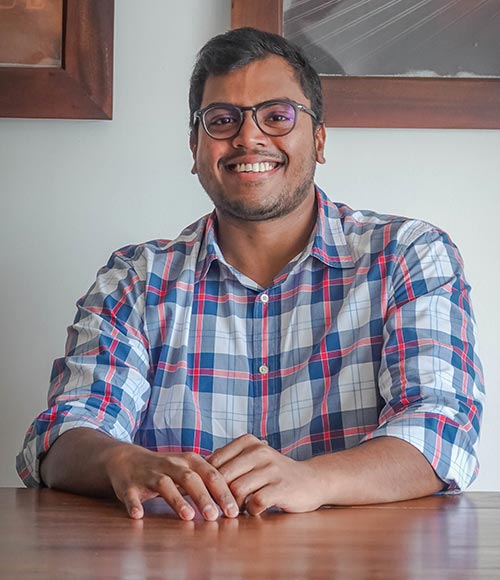
Hashan Cooray – Director – Marketing and Development
Launched in 2021, during one of the most challenging times for Sri Lanka and the hospitality industry, the award-winning ‘Second Careers’ programme is a pioneering project initiated to provide an opportunity for women aged 45 and above from economically challenged backgrounds, to enter the workforce. The programme targets mid-aged women who have completed childcare responsibilities but now face unemployment due to age-related perceptions and skill gaps. Through capacity building programmes, Jetwing bridges these barriers, equipping participants with the necessary tools for seamless integration into the professional world; by augmenting the existing skills of these women in the areas of housekeeping, kitchen, and garden.
What role does the Jetwing play in promoting Sri Lanka as a destination internationally?
We have consistently striven to showcase the country’s rich cultural heritage, natural beauty, and warm hospitality to the world. Our deep-rooted commitment to authentic Sri Lankan experiences is reflected in our properties, which are thoughtfully designed to highlight regional architecture, local traditions, and immersive cultural activities.
Rather than focusing solely on well-known tourist hubs, we have ventured into less-explored regions across the island, creating unique travel experiences that broaden the appeal of Sri Lanka to international audiences. This approach not only enriches the visitor experience but also supports local communities and promotes sustainable tourism. Jetwing Jaffna was one of the first hotels of its kind to welcome guests to the vibrant city of Jaffna, and our most recent venture Jetwing Wahawa Walauwa is the first luxury hotel to open its doors in the quaint town of Rambukkana.
As global travellers increasingly seek conscious and responsible travel experiences, Jetwing is well-positioned to promote Sri Lanka as a sustainable destination. Having embraced these principles from the very beginning, sustainability is deeply embedded in our operations and philosophy. Our efforts have not only shaped meaningful guest experiences but have also earned recognition from respected international organisations such as the International Centre for Responsible Travel (ICRT), the Pacific Asia Travel Association (PATA), and Skal International. These accolades have helped elevate both Jetwing and Sri Lanka on the global stage, reinforcing the island’s reputation as a destination that values authenticity, environmental stewardship, and community engagement.
The Jetwing Yala reconnects with nature.What do you offer the national traveller?
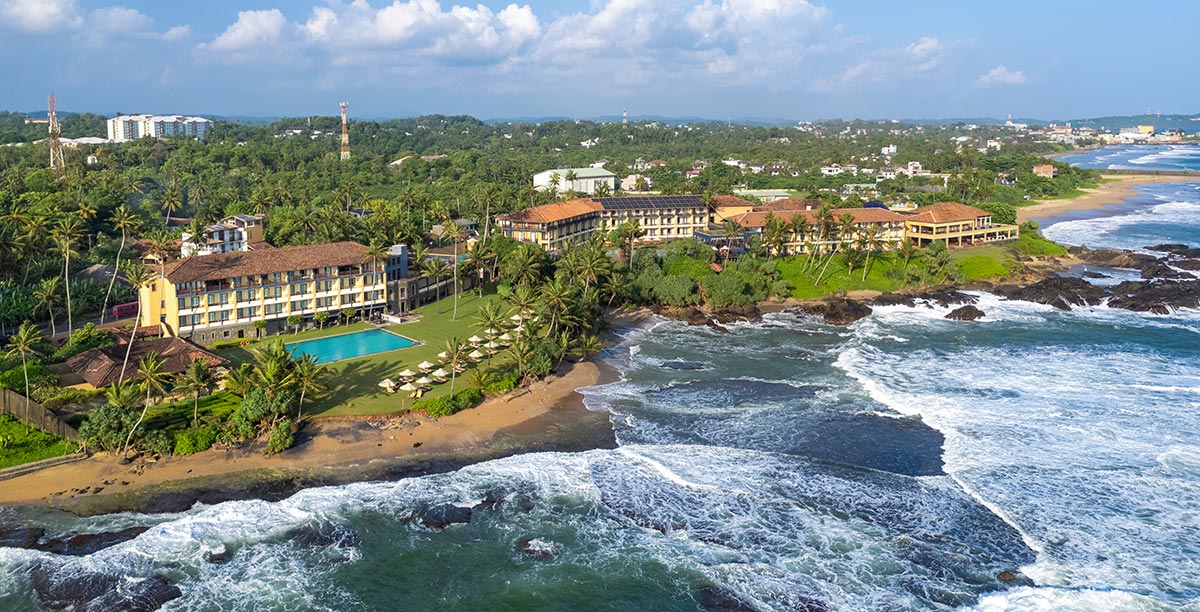
Jetwing Yala is nestled between the Yala National Park and the Indian Ocean. The property offers travellers an opportunity to immerse themselves in the untouched beauty of Sri Lanka’s southern coastal wilderness. From the moment guests arrive, they are surrounded by the sights and sounds of nature, with Yala National Park just minutes away and the Indian Ocean stretching beyond the dunes.
The curated experiences offered at the hotel blend adventure, relaxation, and sustainability. Whether it’s guided safaris to witness Sri Lanka’s iconic wildlife, nature walks led by our resident naturalists, or stargazing under the clear night skies, every activity is designed to foster a deeper connection with the environment. Our eco-conscious architecture and renewable energy practices also ensure that guests can enjoy their stay responsibly, knowing their footprint is minimal.
Moreover, we provide warm Sri Lankan hospitality that makes every traveller feel at home, while introducing them to the rich cultural and ecological heritage of the region. Through locally inspired cuisine, community engagement, and personalized service, Jetwing Yala becomes more than just a place to stay—it becomes a gateway to understanding and appreciating the natural wonders of Sri Lanka.
The World of Jetwing hotels – Each has its own story and setting explain?
At Jetwing, we believe that every hotel is more than just a place to stay—it’s a living story shaped by its surroundings, culture, and community. Sri Lanka, even though a small island nation, is culturally very diverse. The world of Jetwing Hotels is a collection of unique experiences, each property thoughtfully designed to reflect the spirit of its location. When you visit our hotels, you truly understand that no two Jetwing properties are the same. What unites them, however, are our core values: legendary Sri Lankan hospitality, a deep commitment to environmental sustainability, and a passion for uplifting local communities.
Our architecture plays a vital role in crafting authentic experiences. In Nuwara Eliya and Ambewela, many of our properties are rooted in the colonial period—a defining chapter in Sri Lanka’s history. These hotels preserve the elegance and charm of a bygone era, offering guests a glimpse into the island’s colonial legacy amidst the cool climes of the hill country, and Sri Lanka’s tea industry. In Kandy, the design of Jetwing Kandy Gallery pays tribute to the Kandy Esala Perahera, one of Sri Lanka’s most iconic cultural festivals. The architecture and ambiance reflect the artistry and spiritual significance of this event.
Our heritage homes, such as Jetwing Galle Heritage Home, Jetwing Mahesa Bawan, and Jetwing Wahawa Walauwa, are rich in character and history. Each property tells its own story through its architecture, décor, and surroundings—offering guests a deeply personal and historically rooted experience.
On the eastern coast, Jetwing Surf and Safari exemplifies eco-luxury, with its cabanas built using sustainable materials and designed to harmonize with the natural beachside environment. It’s a tranquil retreat for travellers seeking serenity and connection with nature.
Jetwing Vil Uyana in Sigiriya is built around a man-made wetland, inspired by ancient Sri Lankan water systems, offering guests a rare blend of luxury and ecological harmony. In contrast, Jetwing Kaduruketha in Wellawaya celebrates the island’s agrarian heritage, allowing travellers to immerse themselves in rural life while enjoying modern comforts.
In the wild south, Jetwing Jungle Lodge and Jetwing Yala offer immersive experiences in the heart of nature. With earthy tones and structures that blend seamlessly into the landscape, these properties invite guests to explore Sri Lanka’s rich biodiversity while staying in comfort. Jetwing Jungle Lodge, with its secluded jungle dwellings, takes this connection even further, offering a raw and intimate experience of the wilderness.
What are your signature themes – like sustainability, Aesthetics, wellness experiences and culinary experiences?
Legendary hospitality, Sustainable travel and accommodation, Architecture, Authentic experiences, and Culinary experiences

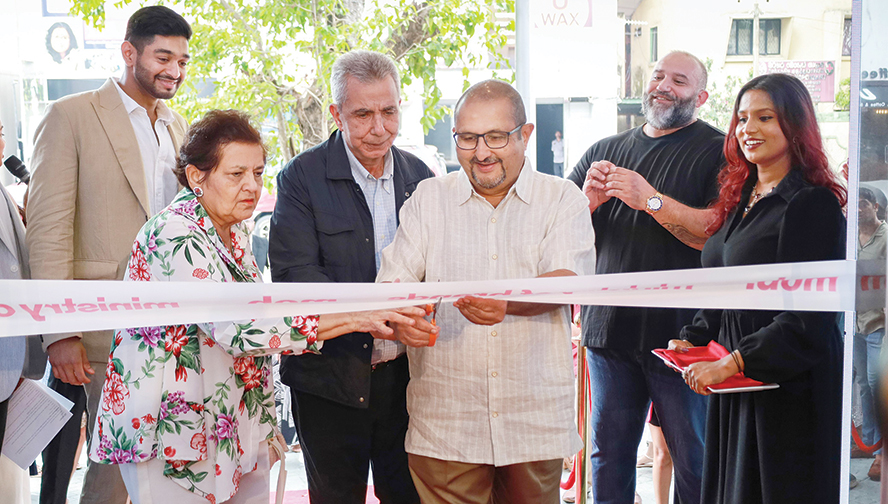
The City of Colombo has welcomed a bold new entrant to its retail landscape. Ministry of Brands – a concept that feels less like a fashion statement. Set along the very buzzing stretch of Vajira Road, Ministry of Brands arrives with a promise that instantly captures the imagination: – global luxury redefined for the Sri Lankan shopper. From the structured elegance of Gucci to the timeless sophstication of Ralph Laurent and modern glamour of Michael Kors, the store looks a curated passport to the world’s most desired brands.
Backed by the legacy and strength of Akbar Brothers, this venture singals a confident step forward for Sri Lanka’s retail evolution.
Ministry of Brands (MoB), Sri Lanka’s first off-price retailer, officially opened its doors to the public, marking a new era in the country’s retail landscape.
The 10,000 sq. ft. flagship store, located at Vajira Road, R.A. De Mel Mawatha, Colombo 4, welcomed guests to an exclusive preview recently, offering a first look at its expansive collection of authentic global luxury and premium brands at discounts of up to 90 percent off original retail prices.
Backed by Akbar Brothers, Ministry of Brands introduces the globally established off-price retail model to Sri Lanka and the wider South Asian region. The concept enables customers to purchase genuine designer and brand-name products at significantly reduced prices, with new pieces landing and replenishing in store daily, offering a dynamic “treasure-hunt” shopping experience and a constantly changing selection.
Off-price retail remains one of the fastest-growing global retail segments, enabling fashion houses to manage excess inventory while responsibly expanding access to premium products.
-
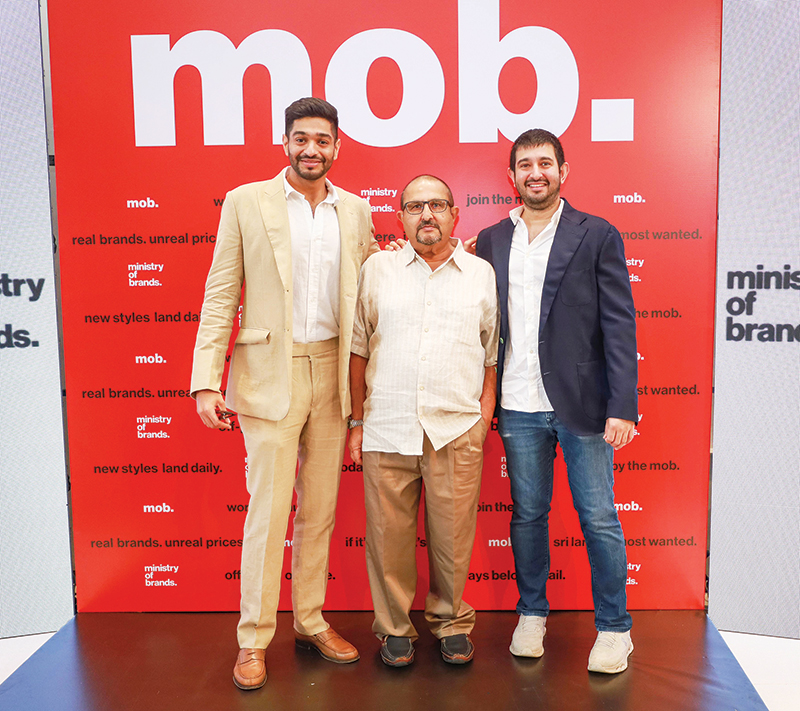
- Director of Mob, Aamir Akbarally; Chairman of Akbar Brothers, Tyeab Akbarally and Chairman of Mob, Hussain Akbarally
-

- Where style meets statement
-

- Fashion experience
-

- New chapter in luxury retail
-

- Curated elegance
-

- Fashion finds its finest expression
Offering more than 2,000 international brands sourced from Europe and the United States, the store features a wide range of categories, including womenswear, menswear, childrenswear, footwear, handbags, accessories, performance wear and homeware. Renowned global labels available at M.O.B include Valentino, Salvatore Ferragamo, DKNY, Michael Kors, Ralph Lauren, Farm Rio, Staud, Alice + Olivia, Burberry, Rag & Bone, Lacoste, Puma, UGG, HOKA, Brooks and Air Jordan, among many others.
Commenting on the launch, Director Aamir Akbarally stated: “We are very excited to finally make authentic global luxury and premium brands more accessible and affordable to Sri Lankans. Ministry of Brands signals the beginning of a new era in Sri Lanka’s retail sector. The response so far has been fantastic, as a family-owned business, we shall always be committed to delivering genuine value, transparency and a world-class shopping experience built on longstanding values of integrity, quality and trust.”
Director Ramzey Hammoud added: “Off-price retail is globally recognised for its ability to combine value with sustainability. Our customers can now shop designer brands locally at the best possible prices, while enjoying a constantly evolving selection of products that makes every visit unique.”
Following its Colombo flagship launch, Ministry of Brands is set to open its second location at One Galle Face Mall in March 2026. Ministry of Brands is open from 10.00 am to 10.00 pm every day. For more information, visit www.ministryofbrands.com.
By Zanita Careem
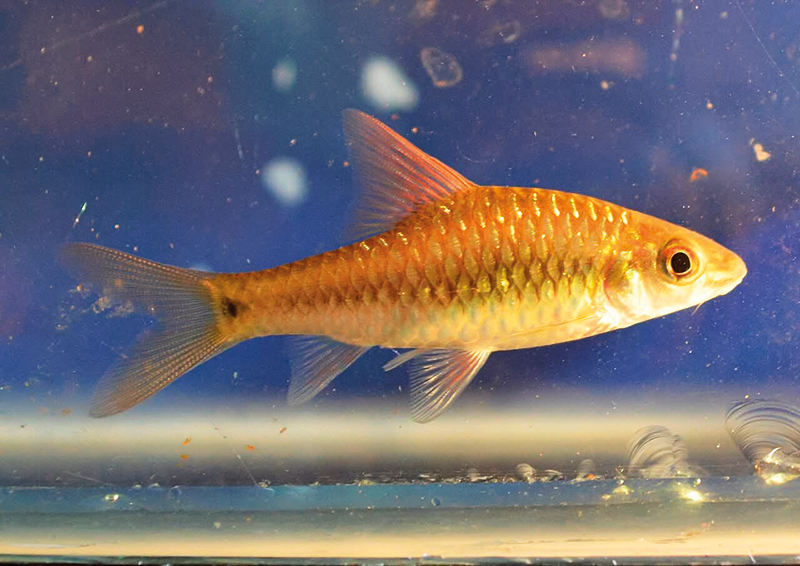
On a quiet morning, as Dr. Kelum Manamendra-Arachchi celebrates another year of life, it is not difficult to imagine him where he has always belonged—somewhere between forest and memory, between bone and history, between the living and the extinct.
For more than 25 years, he has shared his knowledge generously with the Sunday Island, often referring to it with unmistakable affection as his favourite newspaper. To generations of readers, he has been more than a scientist.
He has been an interpreter of the natural world, a man who helped Sri Lanka see itself more clearly.
His life’s work has unfolded not in pursuit of recognition, but in pursuit of truth.
Sri Lanka, an island small in size but vast in biological richness, holds within its forests and streams a remarkable concentration of life. Yet, for much of the 20th century, many of its smallest and most fragile creatures lived and vanished without scientific record.
The pioneering zoological work of P.E.P. Deraniyagala had once drawn the world’s attention to the island, but the decades that followed saw fewer explorers willing to continue that difficult journey of discovery.
It was into that silence that Kelum Manamendra-Arachchi quietly stepped.
His fascination with animals began in childhood, when he joined the Young Zoologists’ Association at the Dehiwala Zoo. It was there, among cages and curiosity, that he first learned the discipline of observation. He was not content simply to see. He wanted to understand.
-
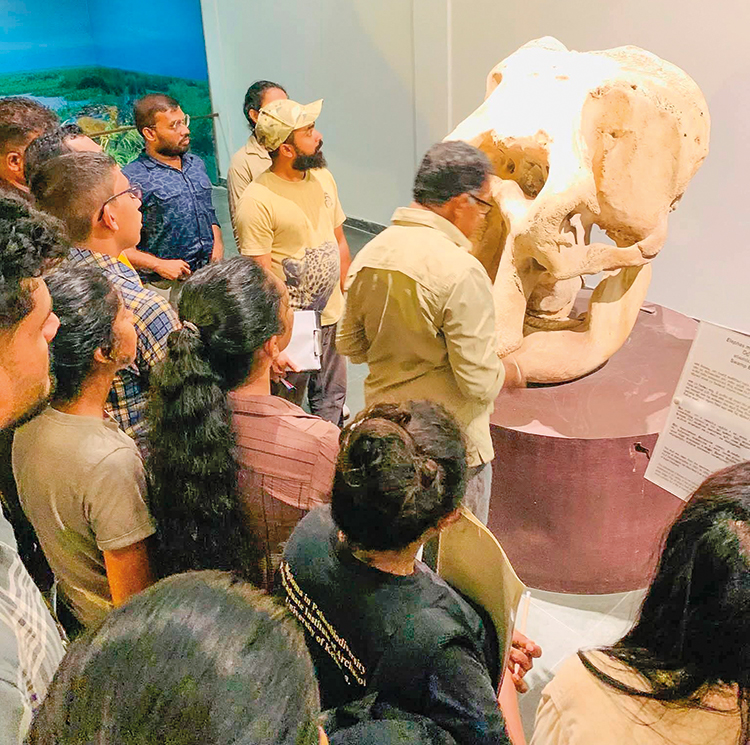
- Museum study led by Kelum
-
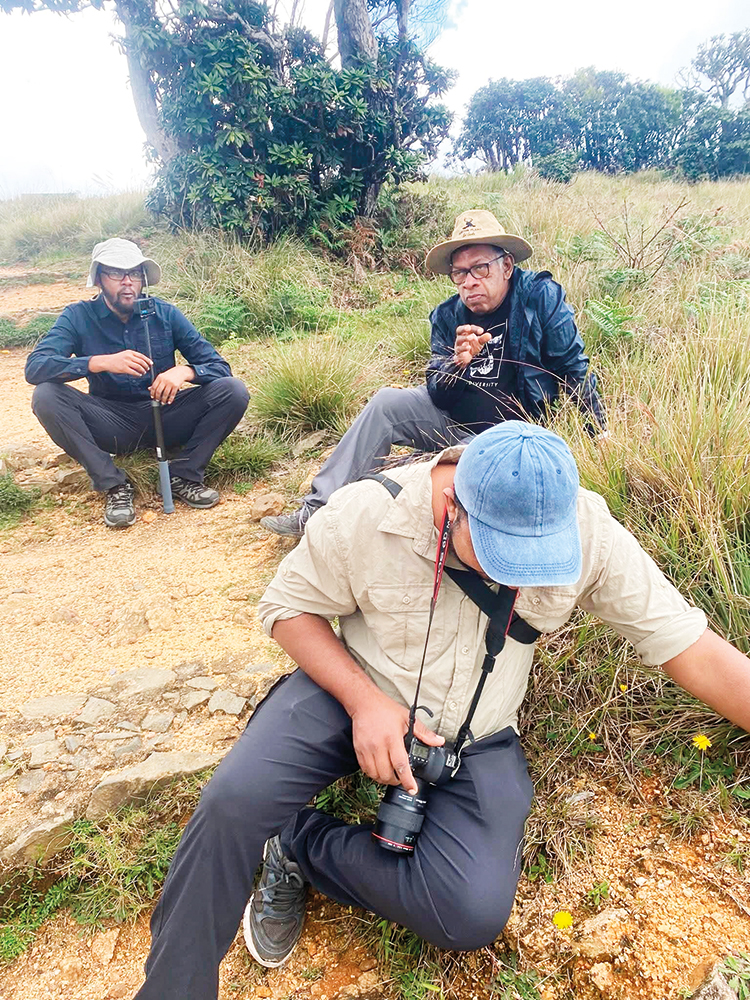
- Field inspection
That desire would shape his destiny.
While still young, he was invited to assist researchers in identifying animal bones recovered during archaeological excavations. It was a rare responsibility, and he approached it with uncommon seriousness. Where others saw fragments, he saw identity. Where others saw remains, he saw continuity.
Bones became his language.
In the early 1990s, his meeting with conservationist and taxonomist Rohan Pethiyagoda marked a turning point—not just in his life, but in Sri Lanka’s scientific history. Together, they helped build the Wildlife Heritage Trust, an institution dedicated to uncovering the island’s hidden biodiversity.
At the time, many of Sri Lanka’s amphibians, reptiles, and small mammals remained scientifically invisible. They existed in forests and streams, unnamed and unrecognised.
Dr. Manamendra-Arachchi set out to change that.
His search took him across continents to the great natural history museums of Britain, France, India, and Singapore. There, in quiet halls filled with preserved specimens, he compared bones and bodies, carefully tracing the identity of species across time and geography. It was meticulous, patient work—the work of someone who understood that discovery begins with attention.
In 1996, he co-authored a landmark study on Sri Lanka’s amphibians, reshaping scientific understanding of these delicate creatures. But it was in 2005 that his work would astonish the global scientific community.
In a single paper, he and his colleagues described 27 new species of shrub frogs—an extraordinary achievement that revealed Sri Lanka as one of the world’s most important centres of amphibian diversity. Scientists around the world turned their attention to the island, newly aware of the richness that had long remained hidden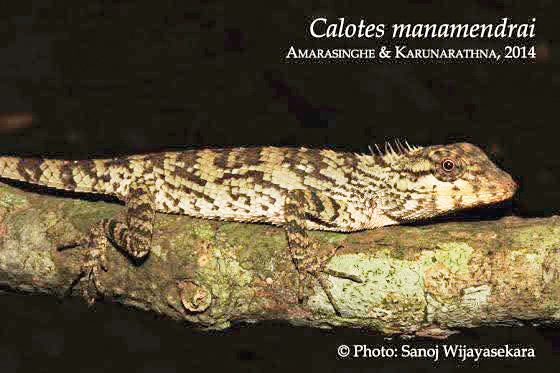 .
.
Through his work, Sri Lanka’s forests began to speak.
Yet Dr. Manamendra-Arachchi understood that science must not remain confined to laboratories or journals. It must belong to people. In 2007, he published a book on Sri Lanka’s amphibians in Sinhala, opening the doors of knowledge to young students across the country. For many, it became a first step into scientific discovery.
He did not merely document biodiversity. He inspired those who would protect it.
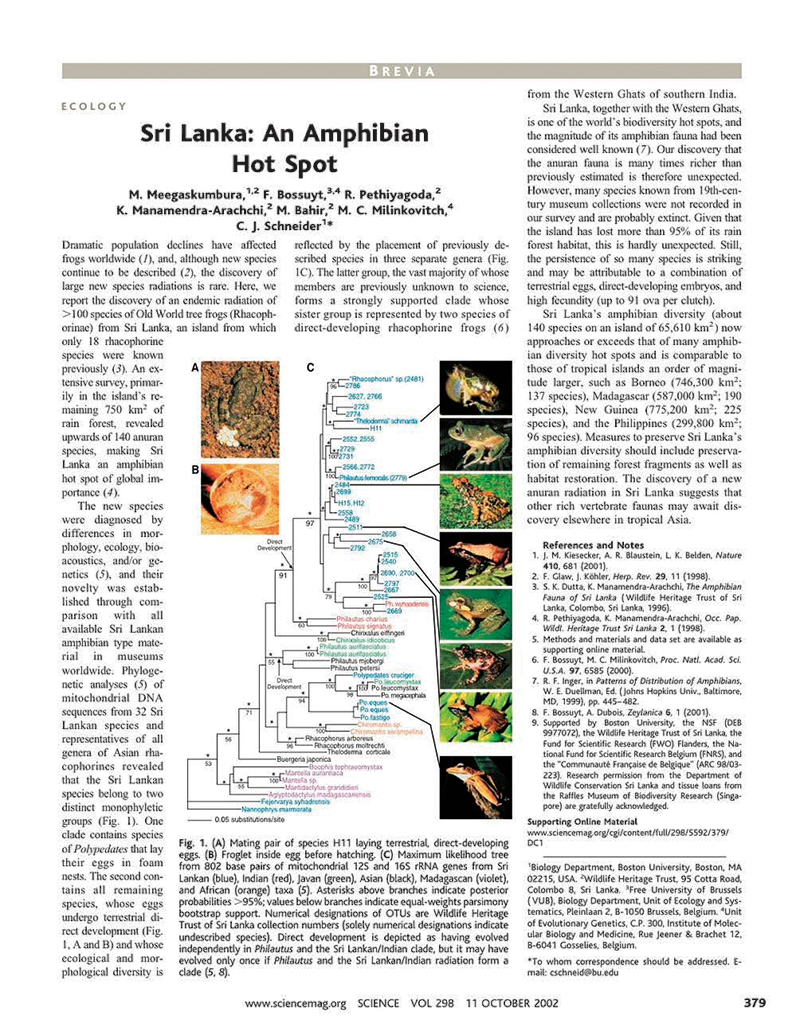
Sri Lanka amphibian hot spot -The Island exclusively reported
His work extended beyond living species into deep time itself. Through the study of fossil remains found in Sri Lanka’s ancient gem-bearing gravels, he reconstructed animals that had vanished thousands of years ago. With scientific precision and artistic insight, he brought extinct creatures back into human understanding.
He reminded us that Sri Lanka’s story is older than memory.
Those who know him personally speak of his remarkable ability to connect science with life. He can move effortlessly from discussing frog evolution to ancient civilisations, from fossil anatomy to art and philosophy. His lectures are filled not only with knowledge, but with wonder.
He is, above all, a teacher.
In recognition of his immense contributions, the University of Sri Jayewardenepura awarded him an honorary doctorate in 2022. Species have been named in his honour, ensuring his legacy will remain permanently embedded in the natural world he helped reveal.
Yet he remains unchanged—quiet, thoughtful, and deeply committed to discovery.
Even today, he continues his work, guiding students, advising researchers, and sharing his knowledge with the public.
His curiosity remains undiminished, his purpose undisturbed by time.
On his birthday (Feb 16) it is fitting that Sri Lanka pauses to reflect on his extraordinary journey.
For he did more than study animals.
He gave identity to the unnamed.
He gave meaning to the forgotten.
He gave Sri Lanka a deeper understanding of itself.
And in forests where bones still lie hidden beneath fallen leaves, waiting patiently for someone to listen, Dr. Kelum Manamendra-Arachchi continues to hear their stories.
By Ifham Nizam
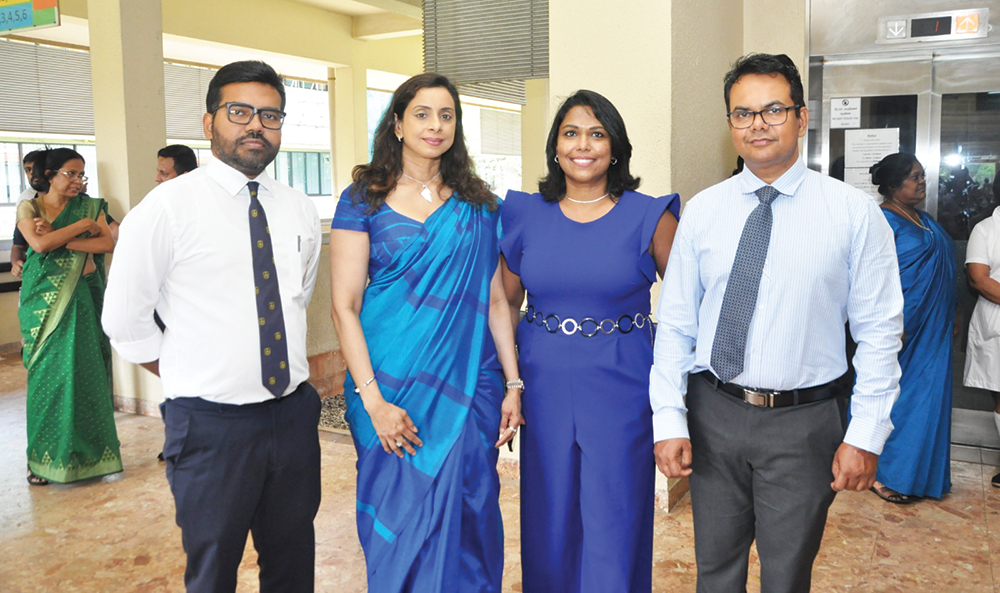
At the core of Jayewardene Hospital is the Organ Transplant Unit. For hundreds of patients suffering from end stage organ failure, the hospital has become a place of renewed possibility. Many arrive after years of dialysis, physical exhaustion and emotional strain. Through transplants they are given not extended life but return to normaly For the doctors each transplant is a responsibility. For the recipients it is a new beginning. And for donor families it is a way for love to endure beyond loss.
The Organ Donation Day at Sri Jayewardenepura General Hospital unfolded as a deeply moving tribute to life, loss and the extraordinary courages that connects the two. Bringing together donor families, medical professionals and survivors whose lives have been transformed, the event was not merely ceremonial but it was profoundly humane.
From the very beginning, there was a quiet stillness, it was the kind of stillness that carried a Semotion unspoken yet deeply felt.
Families walked in with holding memories and a strength that only those who have lived and lost can truly understand. Yet beneath the grief there was something else. There was purpose, because here loved ones were not only remembered, but celebrated for the lives they continue to hold.
At the heart of all, stood doctors and the transplanted teams, the quiet bridge between lost and life. For them organ donation is not simply clinical, it is deeply personal. They carry the weight and hope often with the same moment.
-
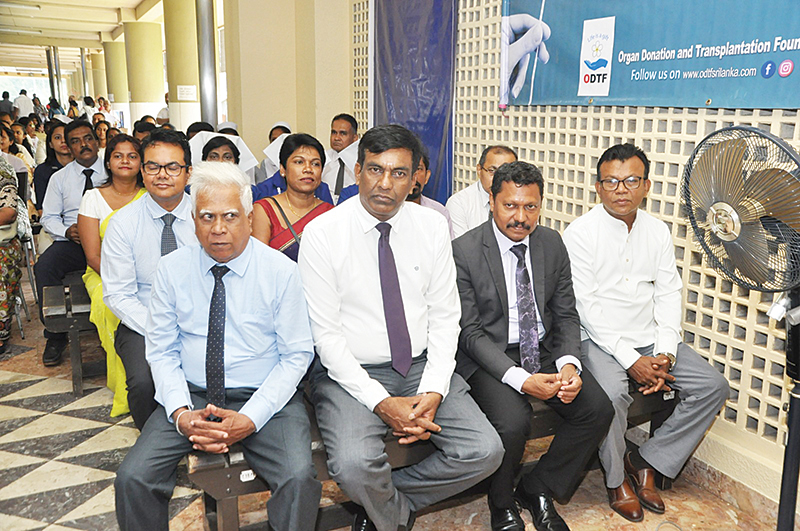
- A team bound by purpose-saving lives
One of the most poignant moments of the ceremony was the presentation of white roses to the families of the donors.
Simple but pure and deeply symbolic, each white rose represented remembrance, peace and the enduring hearts of life given selflessly. As each flower was handed over, there were tears but also quiet smiles.
It was a kind gesture that said what words often cannot, and never forgotten. The lighting of the traditional oil lamp further deepend the emotion of the day. Each flame symoblised a life carried forward ,a reminder that even in loss, there is light.
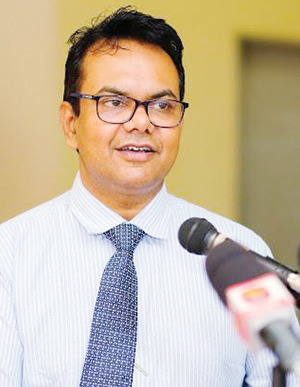
Dr Niroshan Seneviratne,visionary behind Jayewardene Hospital transplant surgery
This ceremony was organised by the Organ Donation and Transplantation Trust Fund based at Sri Jayewardenepura General Hospital.
This fund was co-founded by Dr. Niroshan Seneviratne, Consultant Urogolist and Transplant Surgeon Dr. Chamila Pilimatalawwe Consultant Anaesiologist and Dr. Chintana Galphitiyawa Consultant Nephrologist. The Chief Guest was Ven. Professor Medgampitiye Wijithadhamma, Guest of honour.was Peter D’Almeida The special guest was Dr. Hansaka Wijemanu ,Deputy Minister of Health. Other special included Dr. Dammika Alahpperuma, MP Dewanande sSuraweera ,Chairman of the hospital Dr Thamara Kalubowila, Director of the hospital Dr Dhammika Alahahaperuma, Sandya Tennekoon and Kareem Amath, Board of Trustee member, Dr Gamini Samarasekera, Auditor Dr Chanaka Abeyratne, consultant Nephrologist
As the proceedings began, the families stood motionless, united by circumstances but compassion and shared humanity. Throughtout the ceremony one message resonated deeply, Organ Donation is not about statistics or procedures it is about people. It is about finding meaning even in the most difficult goodbyes. Among the many voices, the transplant surgeon Dr. Niroshan Seneviratne, a name deeply respected in the country’s transplant landscape, spoke with quiet conviction .Dr. Seneviratne reflected on the journey of organ transplantation in Sri Lanka. Every donar is a hero he emphasised, his voice steady yet filled with emotion “Behind every transplant is a family that chose to give life in their darkest hour.”
Sri Lanka’s organ transplant programmes has steadily grown over the years, particularly in Kidney transplants, offering hope to thousands of chronic renal diseases. This day also honoured the tireless medical teams working behind the screen, surgeons, ICU staff volunteers. Their work often unseen, is nothing short of extraordinary. Organ Transplant Day is not just a date on the calender. It is a celebration of life, of giving, and of the extraordinary power of human kindness.
-
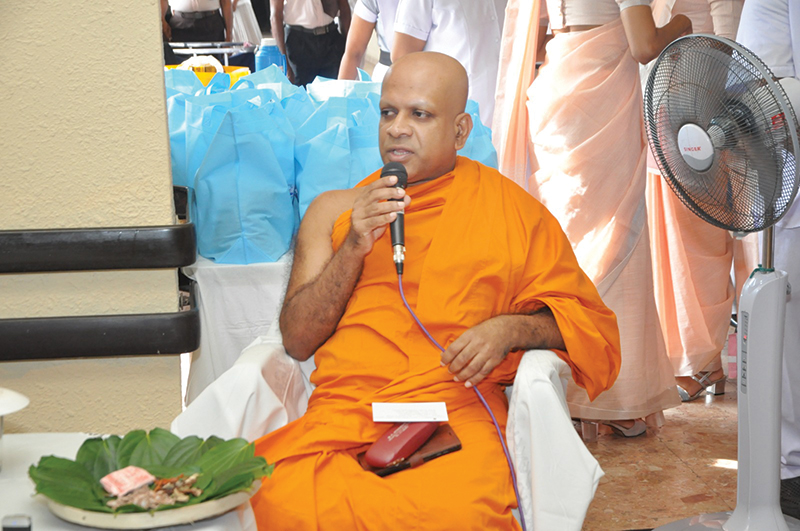
- Chief guest Ven Professor Medagampitiye Wijithadhamma
-
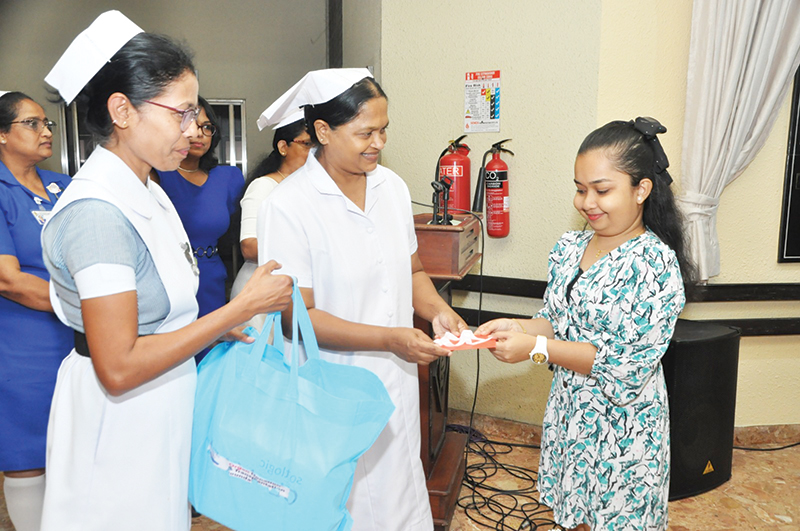
- Every gift tells a story of hope and graditude
-
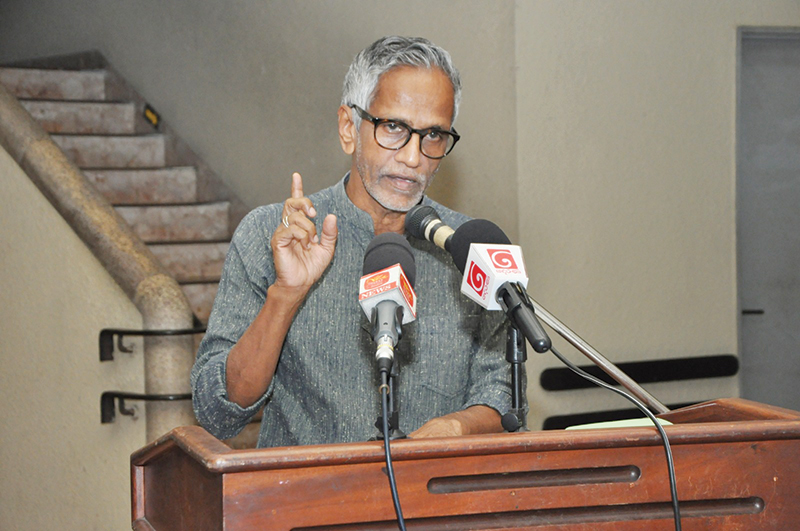
- Peter D’ Almeida- guest of honour
-
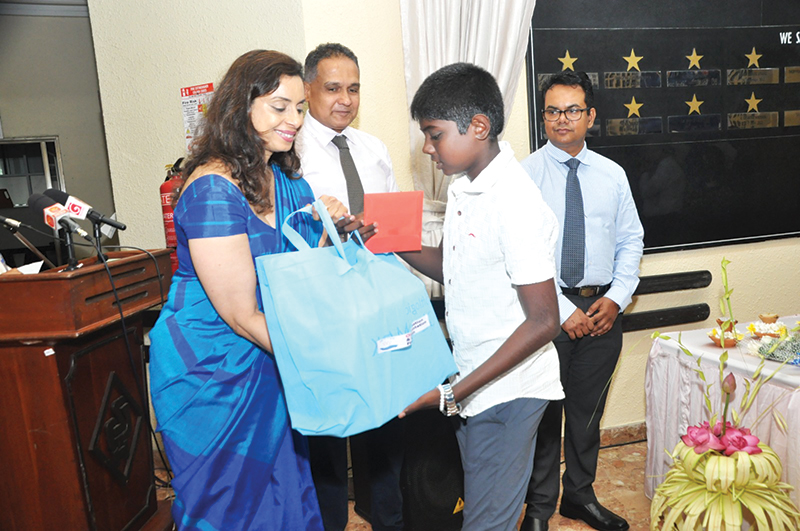
- Small tokens, immense gratitude honouring heroes behind every transplant
Pix by Thushara Attapathu
By Zanita Careem
-

 Features5 days ago
Brilliant Navy officer no more
-

 Opinion5 days ago
Sri Lanka – world’s worst facilities for cricket fans
-

 News2 days ago
Legal experts decry move to demolish STC dining hall
-

 Features5 days ago
A life in colour and song: Rajika Gamage’s new bird guide captures Sri Lanka’s avian soul
-

 Business3 days ago
Cabinet nod for the removal of Cess tax imposed on imported good
-

 News1 day ago
University of Wolverhampton confirms Ranil was officially invited
-
 Features6 days ago
Overseas visits to drum up foreign assistance for Sri Lanka
-
 Features6 days ago
Sri Lanka to Host First-Ever World Congress on Snakes in Landmark Scientific Milestone