


Connect with us

News

Fuel rationing begins: Police deployed as queues return

Published

on

Long queues of vehicles once again lined roads near filling stations across the country yesterday as authorities reintroduced the QR-based fuel quota system, prompting the deployment of police officers to manage traffic and maintain order.

The measure comes against the backdrop of escalating tensions in the Middle East and global oil supply disruptions which officials say have triggered panic buying and fuel hoarding despite assurances that the country is not facing an immediate shortage of fuel.

DIG in charge of Traffic and Road Safety Range DPGJ Senadeera said police officers had been deployed to major filling stations to regulate traffic and prevent congestion caused by large crowds gathering to obtain fuel.

Speaking to the media, Senadeera said the queues were largely the result of panic.

“The public need not panic. Once the QR code system is in place, each category of vehicle will receive the required amount of fuel,” he said.

According to the DIG, traffic congestion near fuel stations was mainly caused by motorists attempting to stockpile fuel.

“Many people who require only a small quantity of fuel are attempting to obtain larger amounts due to fear and uncertainty. This behaviour has created long queues and congestion,” he said.

 “If people remain calm and obtain only the amount of fuel they require, these problems will not arise. The system has been introduced precisely to prevent long queues and ensure efficient distribution,” Senadeera added.

Meanwhile, the Ministry of Energy announced that the QR code system for fuel sales came into effect at 6 am yesterday (15), making it mandatory for motorists to present a valid QR code to obtain fuel.

Authorities said the measure had been introduced in response to abnormal increases in demand for fuel and concerns over disruptions to global supply chains caused by the ongoing military situation in the Middle East.

A public notice issued by the ministry stated that the petroleum supply chain had been adversely affected by the Middle East conflict, while local demand had risen sharply in recent days, placing pressure on the country’s fuel reserves.

Officials also noted that certain groups had been purchasing excessive quantities of fuel illegally, prompting the government to introduce the QR code mechanism to curb hoarding and ensure fair distribution.

Under the system, each vehicle category will be entitled to a fixed weekly fuel quota.

According to the Ministry of Energy, the allocations are as follows: Buses – 60 litres, Motor lorries – 200 litres, Vans – 40 litres, Three-wheelers – 15 litres, Motor cars – 15 litres, Motorcycles – 5 litres, Land vehicles – 25 litres, Special purpose vehicles – 40 litres and Quadricycles – 5 litres.

Managing Director of the Ceylon Petroleum Corporation (CPC), Mayura Neththikumarage, insisted that the introduction of the QR code system did not indicate a fuel shortage.

“There is no issue with fuel availability. The system was introduced after we observed people collecting fuel in large quantities and queues forming over the past three to four days,” he said.

Neththikumarage said the primary objective of the QR code system was to ensure that the public could obtain fuel without having to wait in long queues.

Fuel distribution under the new system commenced at 6.00 a.m. yesterday, with priority initially given to motorists who had previously registered and obtained QR codes.

Those who had earlier registered for the system can continue to use their existing QR codes, provided the vehicle ownership and registered mobile number remain unchanged.

Motorists who have not yet registered can obtain a QR code through the official website fuelpass.gov.lk, while those whose vehicle ownership or mobile numbers have changed are required to re-register their details.

Meanwhile, the Ministry of Energy said a separate fuel distribution mechanism would be implemented for vehicles engaged in essential services and production activities.

Private passenger transport buses will receive fuel through depots operated by the Sri Lanka Transport Board, the ministry added.

Amid the situation, Minister Dr. Nalinda Jayatissa appealed to the public to use fuel responsibly and avoid unnecessary travel.

“As a government, we request the public to think not only about their own families but also about the country. Manage fuel consumption carefully and avoid unnecessary travel during this period,” the minister said at an event held in Moratuwa.

He stressed that rationed fuel consumption was essential to ensure that available stocks could be sustained while global uncertainties continue.

Authorities reiterated that the QR code system had been introduced as a precautionary measure to manage fuel distribution effectively and prevent panic-driven shortages.

Police meanwhile urged motorists to cooperate with traffic officers stationed near filling stations and refrain from forming unnecessary queues, warning that panic buying would only worsen congestion and inconvenience the public.

by Norman Palihawadane


Latest News

Navy’s successful high-seas bust nets over 133kg haul of heroin

Published

on

By

As a key frontline stakeholder in the national mission, ‘A Nation United,’ the Navy continues to conduct maritime operations in the waters surrounding the island, in coordination with other law enforcement agencies.

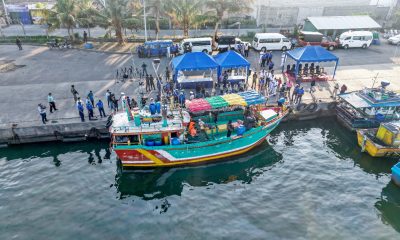
During a recent successful operation on the high seas south of Sri Lanka, the Navy intercepted a local multi-day fishing trawler and apprehended five suspects (05) in connection with the smuggling of a stock of suspected drugs.

During a special inspection at the Dickowita fisheries harbour today (16 Mar26), the Police Narcotic Bureau (PNB) confirmed the presence of over one hundred and thirty-three (133)
kilograms of heroin.

The Deputy Minister of Defence, Major General Aruna Jayasekara (Retd), accompanied by the Commander of the Navy, Vice Admiral Kanchana Banagoda, was present in Dickowita to inspect the seized items.

Addressing the media, the Deputy Minister stated that the tri-forces, particularly the Navy, along with the Coast Guard, Police, and other law enforcement agencies, are executing the
government’s vision for national security. He noted that the recent naval operation in the southern seas, which seized a large consignment of narcotics and weapons, demonstrates the government’s success in combating criminal networks involved in narcotics, arms and human trafficking.

He added that such successful outcomes result from the Navy’s meticulous planning, surveillance, intelligence analysis, and inter-agency coordination. He affirmed that no leniency will be shown to drug trafficking networks, and conveyed admiration, on behalf of the President, for the distinctive contribution made by the Sri Lanka Navy, in collaboration with other stakeholders,
towards ensuring public safety and protecting the younger generation from the menace of drugs.

Highlighting the scale of the Navy’s impact, he revealed that naval operations in 2025 seized narcotics valued over Rs. 75 billion, and operations so far in 2026 have seized over Rs. 20 billion worth of drugs.

The Deputy Minister warned that traffickers are increasingly using the guise of legitimate fishing activities to smuggle narcotics. Besides, he emphasized that the responsibility lies not only with law enforcement agencies but with all sectors of society to eradicate the networks associated with drug trafficking. He issued a firm directive to traffickers, dealers, and distributors to “quit,” asserting that there is no loophole, whether by sea or air, that the security forces cannot close. He
further urged drug users to abandon this destructive habit.

He announced plans for legal amendments to impose stricter penalties for drug offenses. Noting that law enforcement agencies have operational autonomy, he appealed to the public to report information on drug trafficking to hotlines 1818 and 1997.

He also commended the media for their responsible reporting in educating the public on the drug menace.

The trawler, the suspects, the communication equipment and the stock of narcotics held in this operation were handed over to the PNB for onward investigation and legal proceedings.

Continue Reading

Latest News

A new curriculum will be introduced for preschools in 2027, while steps will also be taken to train teachers accordingly – PM

Published

on

By

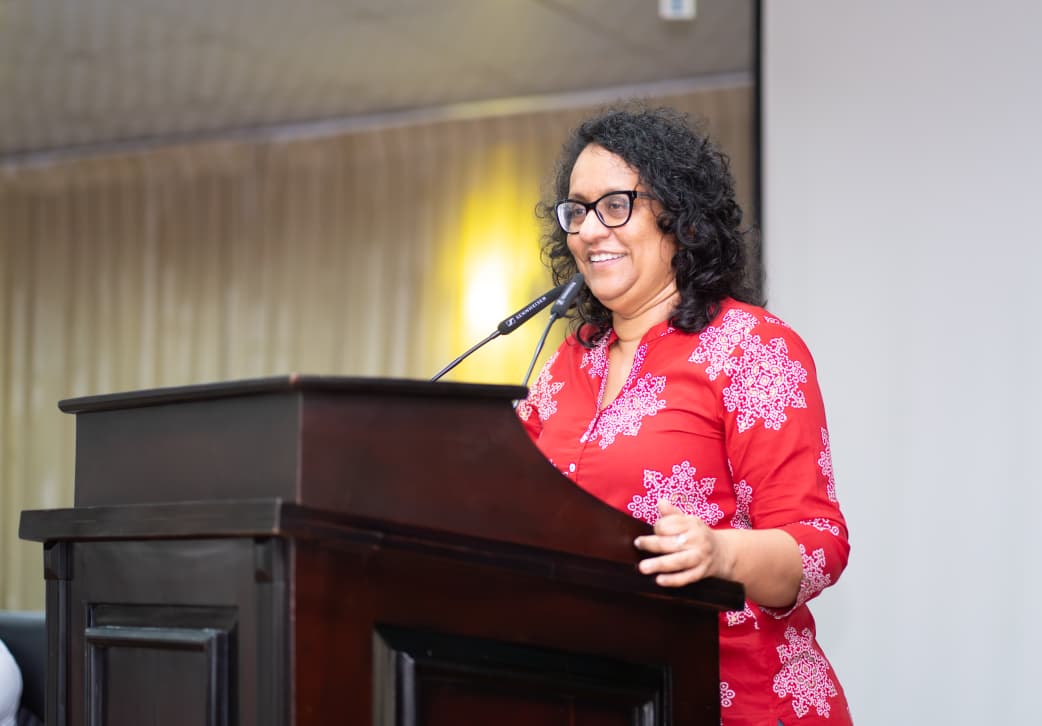
Prime Minister Dr. Harini Amarasuriya stated that a new curriculum will be introduced for preschools in 2027, while steps will also be taken to train teachers accordingly and to regulate preschools through a regulatory authority.

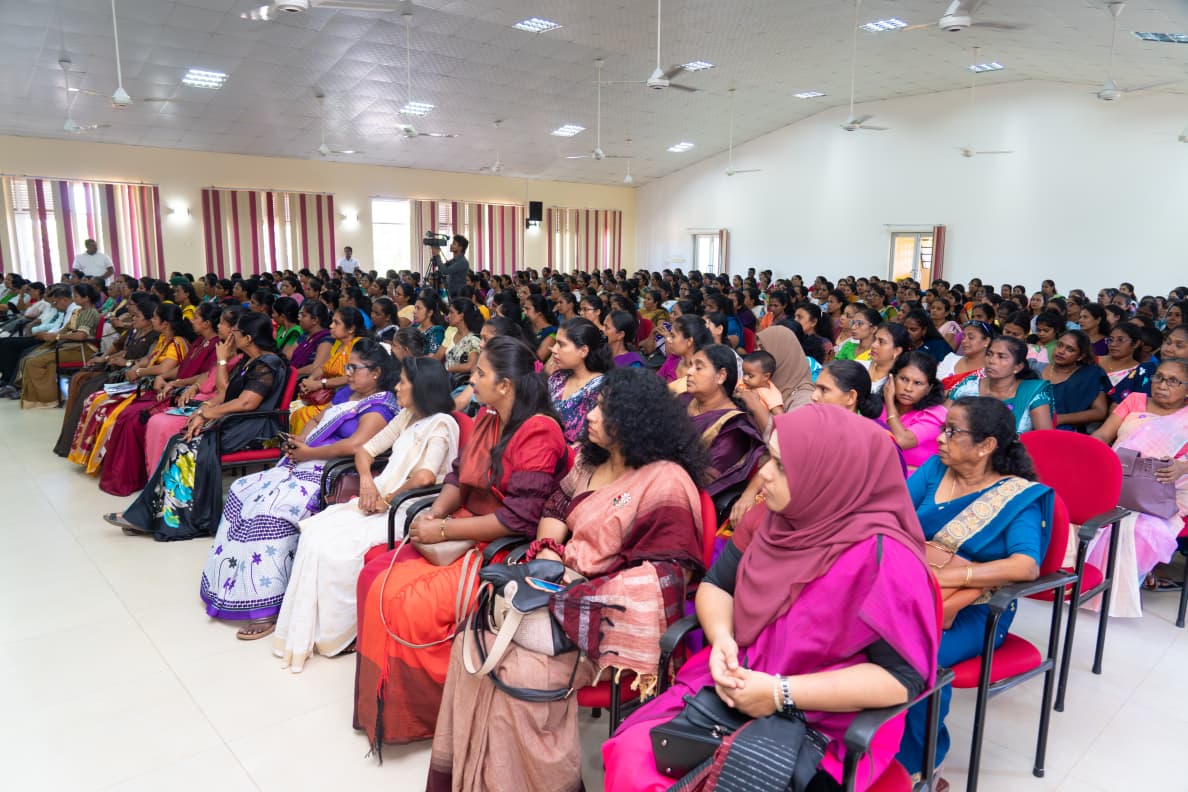
The Prime Minister made these remarks while addressing an awareness programme for preschool teachers in the Hambantota District on education reforms, held  on Sunday (15) at the Ambalantota Pradeshiya Sabha Auditorium.

During the programme, preschool teachers briefed  the Prime Minister about the challenges they currently face. Responding to their concerns, Dr. Harini Amarasuriya further stated:

“The issues within the preschool system cannot be discussed separately from the broader crisis in society and in the education sector. When we assumed office in 2024, our primary challenge was to free the country from its debt burden and to establish. a  sound economic indicators.

Although 2025 was a challenging year, we were able to bring the country’s economy to a certain level of stability and manage the national budget accordingly.

While we were working towards economic recovery, the war in the Middle East began, which has had certain impacts on our country as well.

A significant amount of Sri Lanka’s foreign remittances come from our fellow citizens working in the Middle East. Today, both their livelihoods and employment are under threat. In addition, a large number of tourists travelled to Sri Lanka through Middle Eastern airspace, and the closure of those air routes and airports has reduced tourist arrivals. Another issue concerns fuel transportation. This problem has affected not only Sri Lanka but many countries around the world. If the war continues for a long period, it will have further impacts on us, and therefore we must be prepared. We also need to manage the economy carefully and reduce certain expenditures.

Although we have the ability to borrow, our intention is not to weaken the country’s economy by relying on loans.

You are aware that we have begun implementing education reforms. Within that policy framework, we are also taking steps to reform preschool education. So far, the establishment of preschools and early childhood development has not been carried out in a systematic manner. Therefore, we must regulate and standardize all preschools, which is not an easy task.

First, all preschools must be formally registered. We have already prepared a curriculum for teacher training. In addition, we plan to introduce a new curriculum for preschools in 2027, provide teacher training accordingly, and regulate preschools through a regulatory authority. A recognized curriculum has also been prepared for the preschool diploma. In the future, priority for preschool teachers will be given based on these qualifications. We will also take gradual steps to enhance the professionalism of preschool teachers and establish a proper salary structure”.

The Prime Minister further stated that preschools fall under the authority of Provincial Councils and Pradeshiya Sabhas, while the line ministry can only provide policy recommendations. She also emphasized that issues related to preschools should be addressed in a systematic manner through structural committees and District Development Committees.

Member of Parliament Nihal Galappaththi and other public representatives, along with preschool teachers from the Hambantota District attended the awareness program.

(Prime Minister’s Media Division)

Continue Reading

News

Be mindful of the accuracy of information before sharing it on social media – PM

Published

on

By

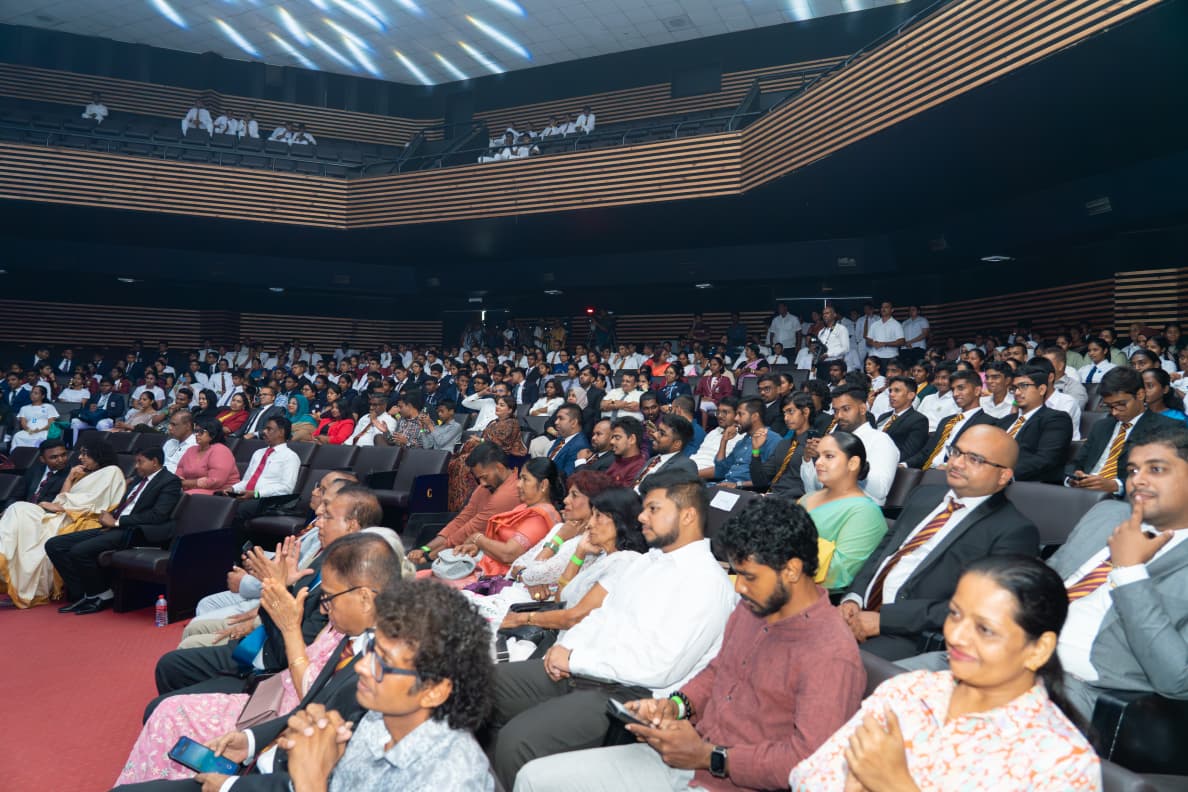
The Prime Minister made these remarks while addressing the “Sandeshaya” Media Awards Ceremony held on 14 March at the Kularathne Hall of Ananda College, Colombo. The event was organized with the aim of providing Sri Lankan school students with an opportunity to actively contribute to the national media discourse while promoting ethics, responsibility, and critical thinking.

During the “Sandeshaya” Awards Ceremony , lifetime awards granted only once in a lifetime were presented to distinguished veterans in the media field, while media awards were also presented to talented students in the school category. The ceremony was held under the patronage of the Prime Minister.

Expressing her views further, the Prime Minister stated:

“We live in an era where information technology and the media are changing rapidly. Along with these changes, many opportunities have emerged, but we are also confronted with numerous challenges.

We must prepare our younger generation to live in a society and a world transformed by information technology and the media.

When we observe the changes taking place in the media today, we can say that the media and information have become democratized. In the past, access to knowledge and information was largely limited to privileged or powerful groups. The authority to communicate information and decide what should be disseminated was held by a small group. However, with the advancement of technology, this has changed dramatically. As a result of this revolutionary transformation, information, data, and knowledge have now become accessible to everyone. In that sense, it is a positive development.

At the same time, we are no longer merely media viewers or consumers. As citizens, we can also become media creators. Citizens now have significant space to engage with the media and share information. While this is positive in one sense, it also carries certain dangers. There are serious questions, issues, and challenges regarding responsibility and credibility in the dissemination of information. Today, information flows so rapidly that it is sometimes difficult to determine what is true. Making decisions has become increasingly challenging. Not only in our country but globally, there have been many instances where societies have been set ablaze due to misinformation or deliberately distorted information. We have witnessed numerous occasions where people’s lives have been destroyed as a result.

Sometimes, without even realizing it, we get trapped on the internet. We share various things through our social media platforms, both necessary and unnecessary. However, what we often forget is that a large amount of personal information accumulates on the internet through these actions. Once incorrect information becomes widespread in this way, it becomes extremely difficult to erase.

The spread of false information weakens public trust in the information provided by the media, and this is extremely dangerous for a society. For the sustainability of a society, it is essential to maintain trust among citizens and trust in the institutions that influence people’s lives. Only through the trust we can safeguard the sustainability, continuity, and security of a society.

However, what has happened today due to the spread of misinformation? We no longer have confidence in our leaders. We do not even trust elders. There is doubt about whether the news we receive can be trusted. When credibility weakens within a society, it can push that society into crisis.

Therefore, it is extremely important to cultivate a culture that strengthens trust in leadership, promotes confidence in elders, and enhances awareness about reliable sources of information. In this context, those entering the field of media carry a significant responsibility.

Just like the senior professionals we honored today, you too may one day enter this field. However, there is a vast difference between the era in which they entered the profession and the era you will enter. You will carry a unique responsibility to strengthen the credibility of the media and to stand firmly behind the information you present.

You must be able to stand by the information you provide. You must reflect on whether the information you share is true and who might be affected by it. Ensuring the credibility of the information you disseminate is also your responsibility.

Similarly, as users of any form of media, we all bear a responsibility to verify the reliability of the information we receive and to be aware of how to distinguish between truth and falsehood. That is why digital literacy and media literacy are essential. It is also for this reason that we believe such subjects and concepts must be incorporated into education reforms so that our student generation can learn them.’

The Prime Minister further stated that citizens have a responsibility to be mindful of the truthfulness of information before sharing content found on the internet and social media with others.

The event was attended by the Secretary to the Ministry of Health and Mass Media Anil Jasinghe, Principal of Ananda College D.M.L.P. Dissanayake, journalists, principals, teachers, and students.

(Prime Minister’s Media Division)

Continue Reading

Trending