
Latest News
Four dead, 1,300 evacuated as heavy rains hit South Korea


Four people have died and another 1,300 evacuated as torrential rains pound South Korea, with authorities warning that the unseasonal deluge will continue.
Among those killed were two men in their 80s. Authorities believe one of them was trying to drain flood waters from the basement of his home.
A third victim was crushed when a wall collapsed onto his car. Moments before, he’d called his wife to say the vehicle was “being swept away”, authorities say. The fourth victim died of a cardiac arrest.
The record rainfall has prompted South Korea’s government to raise the weather-related disaster alert to its highest level.
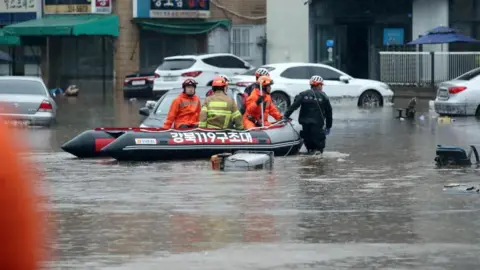
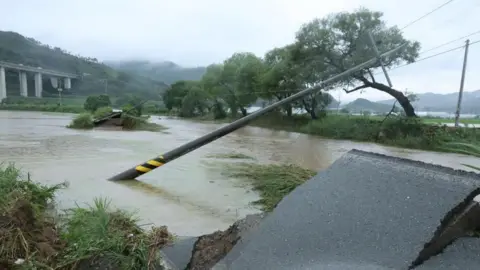
More than 400mm of rain poured down in just half a day in Seosan, the worst-affected city, along the country’s west coast – the weather agency described it as a once-in-a-century event.
Photos and videos on social media show vehicles and homes submerged, with pieces of furniture floating in the water.
“Everything is covered by water except the roof of my house,” a resident in an affected area wrote online.
Several injuries were reported across the country, including two people suffering from hypothermia and two others who sustained leg injuries.
As of 16:00 local time (07:00 GMT) on Thursday, more than 1,300 people had been evacuated.
Authorities have urged people to stay away from riverbanks, steep slopes and underground spaces, warning that the risk of landslides and flash floods remains high.
Dry air from the north-west mixed with hot and humid air from the south to form especially large rain clouds, South Korea’s meteorological administration says.
But forecasters expect high temperatures to return next week, with the possibility of a heatwave.

[BBC]


The computer system at the Department of Registration of Persons has been rectified and the services are back to normal.

Italy’s Prime Minister Giorgia Meloni has lost a key referendum on a constitutional reform which had turned into a vote on her government.
The result gives around 54% to the “No” campaign and 46% to the “Yes” vote which Meloni had backed.
In a video posted on social media even before all the ballots were counted, Meloni said Italians had voted “with clarity” and she would respect their decision, but she regretted a “lost chance to modernise” the country.
It is the first significant defeat for Meloni and her right-wing coalition, which has overseen a rare period of political stability for Italy. Opposition parties are hailing the result as a sign that voters are looking for change, with a general election due next year.
When the two-day referendum ended on Monday afternoon, exit polls initially showed the “No” vote leading by a small margin, but that grew to a substantial lead as the count progressed.
Despite the complex question on the ballot paper, turnout was almost 60%. A high figure had been expected to favour the government, but it was not enough to swing the vote.
The reform voters rejected would have inscribed a firm separation between judges and prosecutors into the constitution. It also proposed distinct bodies to govern them and a new disciplinary court.
The government argued the change was critical to improving judicial independence.
The opposition countered that it would shatter a careful balance of powers established following the defeat of fascism, and increase political influence over the courts.
Many Italians struggled to understand the technical details – perhaps a communication failure by Team Meloni – and the vote quickly morphed into a plebiscite on her near-record three and half years in office.

[BBC]
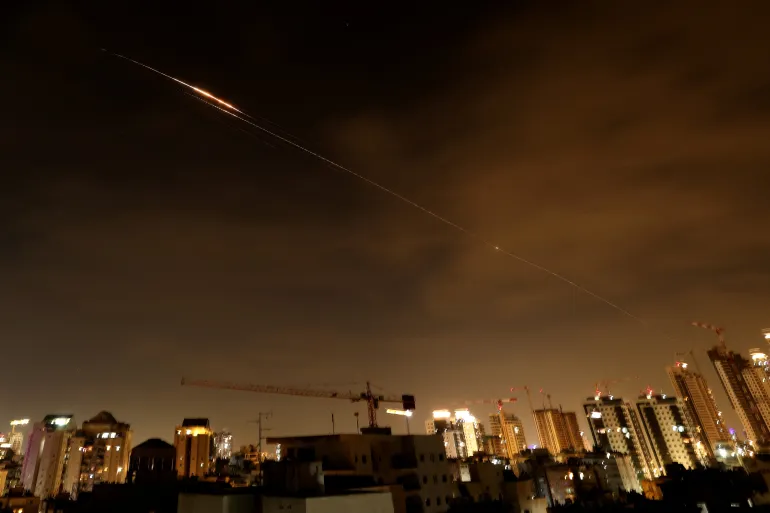
US President Donald Trump announced that discussions are ongoing with Iran to “determine whether a broader agreement can be reached”, saying that “this time, Iran means business; they want to settle. They want peace”.
But Teheran denied that talks with the US are taking place, with Iran’s parliamentary speaker saying such claims are “fake news” and being “used to manipulate financial and oil markets”.
Oil prices dropped by about 11 percent after Trump announced a delay to attacks on Iran’s power plants for five days amid his claims of talks.
Despite Trump’s comments, US Central Command says US forces “continue to aggressively strike” targets in Iran, as Iranian missiles and drones continued to target Gulf countries – including Bahrain, Saudi Arabia and Kuwait – overnight.
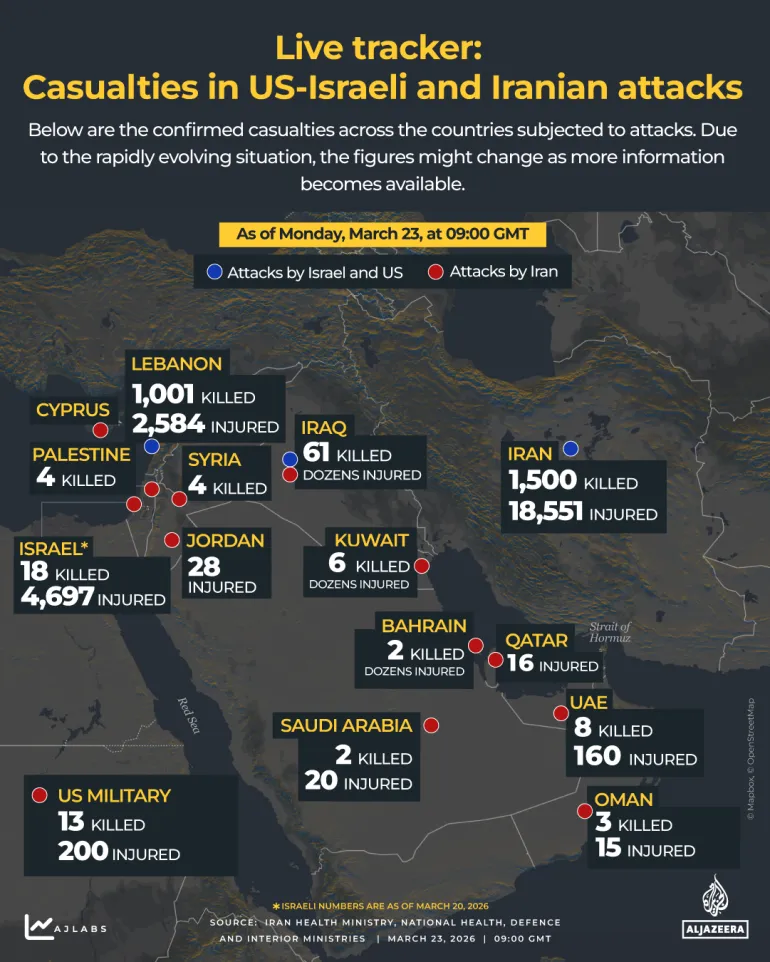
Israeli warplanes bombed Beirut’s southern neighborhood as the Lebanese Health Ministry said the death toll from Israel’s attacks on the country had reached 1,039 people, with 2,786 people injured, since March 23.
[Aljazeera]

Department of Registration of Persons back to normal

Referendum defeat leaves Italy’s Meloni looking more vulnerable

Pakistan T20 cricket league to be held in empty stadiums amid oil crisis

Showers expected in the Western, Southern, Uva and Sabaragamuwa provinces and in Kandy and Nuwara-Eliya districts after 2.00 pm.

Tehran says Trump’s peace talk claims are ‘fake news’

SJB: China, India taking advantage of Lanka’s unregulated oil market

‘Dates have the highest sugar content to fight Coronavirus’

Sunday Island 27 December – Headlines

#SundayIsland 17th December – Headlines

Sunday Island – 28th March

Sunday Island Headlines – 21 March

Sunday Island – 21st February – Headlines
-

 News7 days ago
CIABOC questions Ex-President GR on house for CJ’s maid
-

 Features2 days ago
Trincomalee oil tank farm: An engineering marvel
-

 News6 days ago
Bailey Bridge inaugurated at Chilaw
-

 News5 days ago
CIABOC tells court Kapila gave Rs 60 mn to MR and Rs. 20 mn to Priyankara
-

 News6 days ago
Pay hike demand: CEB workers climb down from 40 % to 15–20%
-

 Editorial7 days ago
Couple QR-based quota with odd-even rationing
-

 Features5 days ago
Science and diplomacy in a changing world
-

 News4 days ago
Colombo, Oslo steps up efforts to strengthen bilateral cooperation in key environmental priority areas