
Business
Ethical AI and responsible leadership in emerging markets


Interview with Arundhati Bhattacharya,
President and CEO, Salesforce South Asia
From your vantage point leading Salesforce South Asia, how do you define “ethical AI” in the context of today’s rapidly digitizing businesses?
Ethical AI, in my view, is not just about meeting compliance checklists—it’s about upholding values of trust, transparency, and inclusion throughout the lifecycle of AI design, development, and deployment. In South Asia, where digital transformation is gaining pace but foundational trust in emerging tech is still being built, ethical AI means being deliberate: building systems that are explainable, fair, and aligned to human-centered values.
At Salesforce, our approach to responsible AI is rooted in our core value of Trust. We’ve developed a robust governance framework, grounded in five key principles: responsibility, accountability, transparency, empowerment, and inclusiveness. These guide how we build and deploy AI technologies—ensuring they are safe, effective, and beneficial to all stakeholders.
Take our Einstein Trust Layer as an example—it ensures that sensitive customer data is never used to train generative AI models, and provides enterprise-grade safeguards like data masking, audit trails, and user-controlled prompts. It’s a practical embodiment of our ethical AI commitment—giving customers the confidence that innovation will not come at the cost of integrity.
Moreover, we believe that ethical AI isn’t just a product decision—it’s a leadership responsibility. That’s why we’ve established dedicated advisory councils, cross-functional governance bodies, and even bias evaluation protocols to continuously assess how our AI systems impact different groups. In an era where businesses are expected to do more than just grow revenue, ethical AI is not optional—it’s foundational to long-term, sustainable digital success.
Given your leadership at SBI during its digital pivot, how do legacy institutions build trust while adopting disruptive technologies like AI—especially when dealing with sensitive consumer data?
Having led the digital transformation of one of India’s most trusted financial institutions, I’ve seen firsthand that trust cannot be assumed—it must be earned continuously. For legacy institutions, adopting AI isn’t just a technological shift; it’s a cultural one. It requires transparent communication, strong internal governance, and a deep respect for customer data.
At SBI, when we moved to mobile banking and AI-enabled fraud detection systems, we did so by engaging every stakeholder—from board members to branch managers—on the ‘why’ behind the change. That same mindset applies today. Institutions must educate customers, create fallback mechanisms for AI decisions, and ensure that human oversight remains integral in high-stakes processes like lending, healthcare, or public services. In markets like Sri Lanka, a strong foundation of transparency and data stewardship is critical, as they forward in their digital transformation journey.
What governance frameworks or accountability mechanisms do you believe should be industry-standard when deploying AI at scale?
AI systems must be understandable—not just to data scientists, but to regulators, end users, and the general public. At Salesforce, we advocate for robust documentation and explainability of models so that any decision can be traced and justified.
Industry-wide, we need common accountability mechanisms such as bias detection audits, privacy-by-design protocols, and redressal frameworks for unintended outcomes. For example, AI used in recruitment must be tested for demographic fairness, and healthcare algorithms must be validated across diverse populations.
I’m encouraged to see countries like Sri Lanka incorporating responsible AI principles in their National AI Strategy. As businesses, we must complement these efforts with voluntary guardrails that often go beyond regulation.
In emerging economies like India, where digital literacy and access are uneven, how can organizations ensure that AI doesn’t widen the trust gap or exacerbate bias?
This is a deeply important question, because AI reflects the data and assumptions we feed into it. In growing economies where digital access and representation are uneven, bias isn’t just a risk—it’s inevitable unless addressed with clear intention and care.
Organizations must first ask: Who is represented in the data? Who is being left out? And then take action—by partnering with local communities, diversifying data sources, and ensuring interfaces are accessible in local languages. At Salesforce, we support initiatives that focus on inclusive design and multilingual AI, which are particularly important in South Asia’s linguistically rich environments.
Moreover, AI literacy must become part of our skilling agenda. Through initiatives like Trailhead and our Virtual Internship Program in India, we’re helping students and early professionals build both technical and ethical fluency in AI. Equity in access and equity in design must go hand-in-hand.
Trust is often earned through leadership. What ethical principles guide your own decisions when championing new technologies across Salesforce’s South Asia operations?
In today’s world, where technology is reshaping every facet of life and work, I believe leadership must be anchored in conscience as much as competence. For me, technology is only meaningful when it uplifts people—when it bridges gaps, not widens them. At Salesforce, I’ve always been guided by five enduring principles: empathy, transparency, inclusion, accountability, and long-term societal impact.
I ask myself simple but profound questions: Will this technology empower the underserved? Will it reinforce or reduce inequities? Will it be understandable, accessible, and safe for those who rely on it? These are not just philosophical reflections—they translate into the operational and strategic choices we make every day.
At Salesforce, I deeply resonate with our commitment to being Responsible by Design. This means trust isn’t an afterthought—it is architected into our systems, governance, and culture. From the Einstein Trust Layer to our AI Acceptable Use Policy, we embed ethical considerations at every level. And it goes beyond the technology stack—it extends to how we train our teams, support our customers, and hold ourselves accountable when things go wrong.
In the South Asia context, where institutions are at different stages of digital maturity, the role of leadership becomes even more critical. Trust is not built in boardrooms—it’s built in how responsibly we deploy innovation in hospitals, schools, government programs, and small businesses. As leaders, we must embody the values we want our technologies to reflect. Because in the end, the legacy of our leadership won’t be the code we write—it will be the trust we inspire.
(Arundhati Bhattacharya is the President and CEO of Salesforce South Asia. A Padma Shri awardee and the first woman to chair the State Bank of India, she brings over four decades of leadership across finance and technology. Recognized globally by Forbes and Fortune as one of the world’s most powerful business leaders, she now spearheads Salesforce’s strategic growth and ecosystem engagement across the region.)

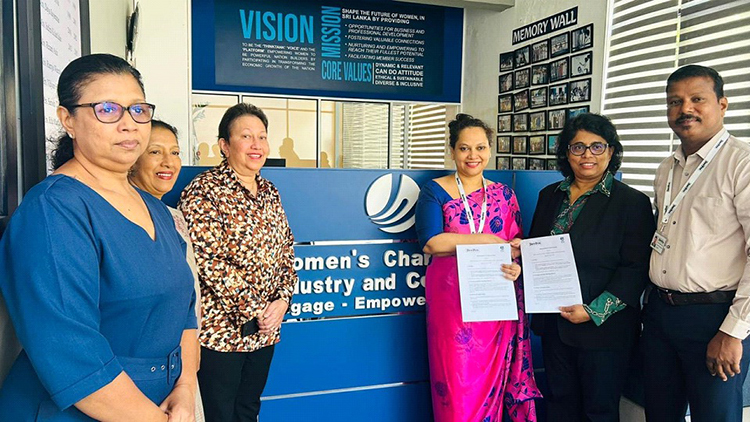
DevPro and Women’s Chamber of Industry and Commerce (WCIC) signed a formal partnership on Wednesday, 28th January to collaborate in promoting women’s economic empowerment and inclusion in Sri Lanka.
DevPro builds on 30 years of OXFAMs legacy in Sri Lanka and works towards Inclusive Economic Development leveraging expertise in inclusive and climate-resilient market systems and enterprise development and innovation. DevPro’s work is guided by the core values of gender justice, inclusivity and community-led development. Through its recent projects, DevPro has supported over 270 women-led MSMEs, across agriculture, handloom, and tourism-related value chains in five provinces in Sri Lanka through a mix of interventions combining skills development, enterprise strengthening, market linkages, and gender-sensitive community engagement to improve income, resilience, and economic participation.
WCIC is the first women-only trade chamber in the world, dedicated to empowering women entrepreneurs and women-led MSMEs in Sri Lanka through skills-building, business advisory services, networking etc. Among its many initiatives, WCIC’s flagship annual event, “Prathibhabhisheka” – Women’s Entrepreneurs Awards has empowered many women owned and women-led businesses in Sri Lanka to enhance their business resilience and competitiveness through improved governance processes, financial health, market recognition and global expansion.
Through this partnership, both DevPro and WCIC, will leverage their collective expertise, networks and resources to advance women’s economic empowerment and inclusion through projects, capacity building, research and policy advocacy focused on women entrepreneurship development, innovative business models, sustainability certification and credentials, export readiness and market integration and financial literacy and inclusion.
The MoU was signed by Gayani de Alwis, Chairperson of WCIC and Chamindry Saparamadu, Executive Director of DevPro in the presence of senior members of both teams.

FRELLA, Sri Lankan-born and internationally-respected natural beauty and wellness brand, is setting the stage to expand operations by entering the Sri Lankan retail market. As the country’s only dedicated wellness company operating at an international scale, this move marks a new chapter for a brand with a growing global presence that has already earned the trust of luxury hotels and international customers.
For over seven years, FRELLA has emerged as Sri Lanka’s leading wellness brand, serving clients and partners across more than 15 international markets. The brand’s entry into the Sri Lankan retail market marks a significant milestone, allowing local consumers to access globally respected wellness products developed from the island’s own healing traditions. This retail expansion is supported through a strategic partnership with Baurs, a trusted 170-year-old Swedish multinational company, ensuring sophisticated distribution and access aligned with international retail standards.
FRELLA is rooted in Sri Lanka’s ancient healing traditions and inspired by centuries-old Ayurvedic wisdom. All FRELLA products are specially designed as holistic wellness solutions for the body, skin, hair, and soul, and focuses on providing nourishment, balance, and healthy aging through refined, modern wellness systems.
Business
Writer Business Services enters Sri Lanka to partner with institutions to provide information management and payments solutions


Writer Corporation, one of India’s leading business groups, announced the launch of its subsidiary, Writer Business Services Pvt. Ltd., and the commencement of its operations in Sri Lanka. The expansion reflects Sri Lanka’s strategic importance in Writer’s regional growth plans and its role in supporting a highly regulated digital and financial services market which is currently undergoing digital transformation.
Sri Lanka’s continued focus on strengthening regulatory frameworks, digital platforms, and financial systems is shaping how institutions across banking, government, and enterprise sectors approach their business operations. There is a clear emphasis on secure, compliant, and resilient information and transaction environments that can scale with regulatory and business needs. Writer’s entry into Sri Lanka aligns with this direction, bringing global experience and a partnership-led approach to the market.
As part of its launch, Writer will establish a secure records and information storage facility in Seeduwa, Colombo. Designed to meet global standards for security, compliance, and disaster resilience, the facility will support banks, financial institutions, government bodies, and large enterprises in managing physical and digital information across its lifecycle.
Alongside information management, Writer brings established expertise in integrated payment services to support the modernization of transaction infrastructure across the banking and financial services sector. Its payments capabilities focus on strengthening availability, transaction continuity, and transparency across critical payment channels that underpin institutional reliability and customer confidence.
Writer’s digital payments offerings in Sri Lanka include end-to-end ATM and self-service terminal outsourcing, integrated channel ownership and managed services, field management applications, payment and reconciliation platforms, and remote monitoring with near real-time reporting. These solutions support financial institutions in improving uptime, strengthening governance, and enhancing operational efficiency across payment networks, in line with the continued evolution of electronic and automated payment systems.
Across information management and payments, Writer operates with an integrated portfolio spanning records and information management, business process outsourcing, cloud and digital services, data privacy, cybersecurity and enterprise payments infrastructure. These capabilities support institutions in addressing evolving regulatory requirements, digitization of legacy environments, and rising operational and cyber risks.
Writer’s local presence enables closer collaboration with clients and on-ground delivery, while supporting the development of Centres of Excellence across cybersecurity operations, SOC and NOC services, AI-led solutions, and payments operations and monitoring.
Writer’s Sri Lanka operations will be built, led, and run by Sri Lankan professionals, reflecting a long-term commitment to local talent growth and development.
Commenting on this development, Satyamohan Yanambaka, CEO, Writer Global Services Pvt. Ltd., assured Writer’s long-term commitment to the country’s digital ambitions. He said, “Writer’s entry into Sri Lanka reflects our belief that digital ambition in regulated environments must be supported by trust, sound governance, and strong execution. As institutions scale digital services, the reliability of information and payment systems, channel operations, and governance frameworks becomes increasingly important to public and institutional confidence. Our experience across information management, digital transformation, and enterprise payments enables us to support secure, large-scale financial ecosystems, with a clear commitment to building and leading these capabilities locally.”
Sri Lanka’s Digital Personal Data Protection framework raises expectations around how personal and sensitive information is secured and governed.

Showers will occur at times in the Eastern, Northern, North-Central and Uva provinces and in Matale and Nuwara-Eliya districts

DevPro and WCIC come together to accelerate women’s economic empowerment in Sri Lanka

Tobacco and alcohol claim 22,000 lives annually

Development Officers hunger strike drags on for fourth day

IMF urges Lanka to diversify trade amidst global tariff risks

Shocking 10,455 complaints of Children’s rights violations lodged with NCPA last year

‘Dates have the highest sugar content to fight Coronavirus’

Sunday Island 27 December – Headlines

#SundayIsland 17th December – Headlines

Sunday Island – 28th March

Sunday Island Headlines – 21 March

Sunday Island – 21st February – Headlines
-
 Business4 days ago
ComBank, UnionPay launch SplendorPlus Card for travelers to China
-
 Business5 days ago
ComBank advances ForwardTogether agenda with event on sustainable business transformation
-
 Opinion5 days ago
Conference “Microfinance and Credit Regulatory Authority Bill: Neither Here, Nor There”
-
 Business1 day ago
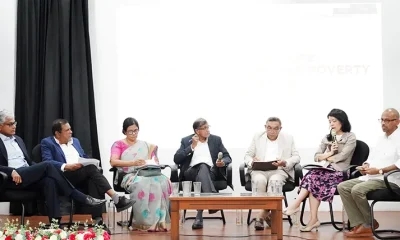
Climate risks, poverty, and recovery financing in focus at CEPA policy panel
-

 Opinion4 days ago
Luck knocks at your door every day
-

 Business6 days ago
Dialog Brings the ICC Men’s T20 Cricket World Cup 2026 Closer to Sri Lankans
-

 News5 days ago
Rising climate risks and poverty in focus at CEPA policy panel tomorrow at Open University
-

 Business1 day ago
Bourse positively impacted by CBSL policy rate stance