
Life style
Dr. Shama inspires hope in battle against breast cancer

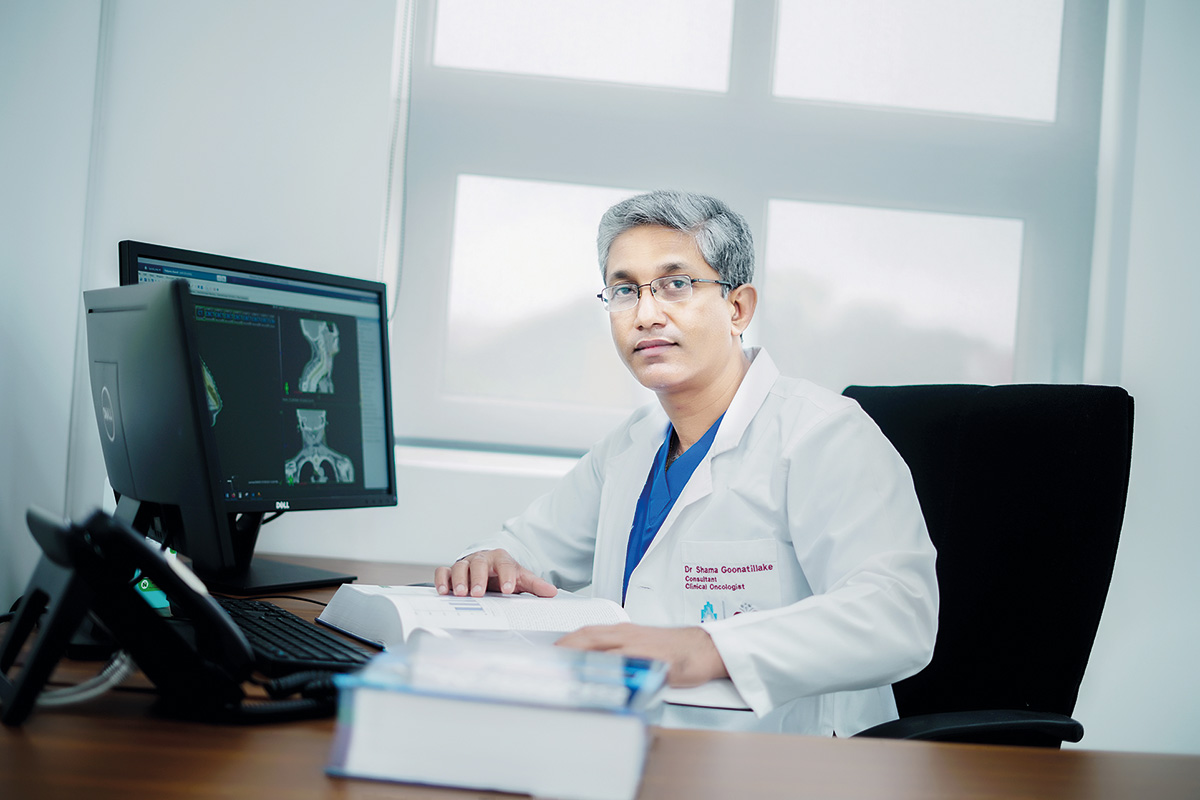
Breast cancer is the most common cancer among women in Sri Lanka. Annually, out of approximately 37,000 newly diagnosed cancer patients nearly 27% are attributed to female breast cancer. In contrast male breast cancer is significantly rarer, observed at a ratio of about 1:100 compared to female cases.
On a daily basis, the statistics translate to approximately 15 new female breast cancer patients being detected with sadly three fatalities due to this disease. An excerpt from an interview with Dr Shama
Goonatilleke, Consultant Oncologist at Asiri Surgical Hospital
 Breast cancer remains one of the most common cancers among women. What trends are you seeing locally in terms of age, risk and incidence?
Breast cancer is the most common cancer among women in Sri Lanka. Annually, out of approximately 37 000 newly diagnosed cancer patients, nearly 27% are attributed to female breast cancer. In contrast, male breast cancer is significantly rarer, observed at a ratio of about 1:100 compared to female cases.
On a daily basis, the statistics translate to approximately 15 new breast cancer patients being detected, with sadly, three fatalities due to this disease.
In Sri Lanka, the key trends for breast cancer show a significant increase in incidence, particularly affecting older, post-menopausal women, and a growing prevalence of lifestyle-related risk factors.
The age-standardized incidence rate for female breast cancer in Sri Lanka has shown a steady and significant increase over the years, rising from 18.4 per 100,000 in 2005 to 34.4 per 100,000 in 2019. A gradual increase of approximately 4% per year was observed between 2001 and 2010, with the trend expected to continue.
The highest incidence of breast cancer is observed in women aged 50 to 59 years, with the mean age of diagnosis around 56 years. The increase in incidence has been substantially greater among women older than 50 years compared to younger women. While the incidence is lower in younger age groups, cases are reported from the 20-24 age group onwards, and nearly one-third of cases are reported before the age of 50. A significant proportion of patients are diagnosed at advanced stages (Stage III and IV), which contributes to lower survival rates compared to developed countries.
Why are we witnessing more breast cancer cases in younger women today?
Unfortunately, breast cancer is not a preventable cancer. The rise in breast cancer cases among younger women today is attributed to a complex interplay of lifestyle changes, environmental exposures, hormonal/reproductive shifts, and genetic factors. No single cause fully explains the trend, and research is ongoing.
Lifestyle and Hormonal Factors: Reproductive Changes:
Women are having their first child later in life or not having children at all, and are less likely to breastfeed. Pregnancy and breastfeeding, especially at a younger age, have a protective effect against breast cancer later in life, and the loss of this protection increases risk.
Increased Lifetime Estrogen Exposure:
Girls are starting menstruation earlier and women are entering menopause later, increasing the number of menstrual cycles and the body’s lifetime exposure to estrogen and progesterone, which can fuel the growth of hormone-receptor-positive breast cancers.
Obesity and Weight Gain:
Higher rates of obesity and weight gain during childhood and adulthood are associated with increased inflammation and hormonal imbalances, raising the risk of breast cancer in premenopausal young women.
Alcohol Consumption:
Alcohol intake is clearly linked to an increased risk of breast cancer, and the risk increases with the amount consumed. Alcohol consumption among young Sri Lankan females have increased during recent past.
Physical Inactivity and Diet:
A lack of physical activity and diets high in red meat and processed foods, which are common in “Western-style” diets, are linked to an increased cancer risk.
Environmental Exposures:
Endocrine-Disrupting Chemicals:
The current generation of young women has grown up exposed to a wider array of chemicals than ever before, including endocrine disruptors in plastics (like BPA and phthalates), cosmetics, pesticides, and food packaging. These chemicals can mimic hormones and interfere with hormonal regulation, increasing susceptibility to cancer.
Air Pollution:
Exposure to air pollutants can be absorbed into breast tissue and contribute to cancer development.
Other Potential Factors:
Genetics: Younger women getting breast cancer are more likely to have a genetic predisposition, such as BRCA1 and BRCA2 gene mutations, some may be direcDr. Shama inspires hope in
battle against breast cancertly getting from their parents,are associated with higher cancer risk and more aggressive forms of the disease.
Increased Awareness and Screening:
While not a cause of the disease itself, recent changes to screening guidelines (such as the recommendation to start mammograms at age 40) lead to earlier detection of existing cancers, which may contribute to the uptick in reported cases in this age group.
Researchers emphasize that these factors likely interact with one another, and exposures during critical windows of susceptibility, such as puberty and pregnancy, may be particularly impactful.
What early warning signs should women be paying attention to?
Women should pay attention to any new or unusual changes in the look or feel of their breasts, chest, or armpit areas. The most common early warning sign of breast cancer is a new lump or thickening, but other symptoms can occur even without a lump.
A new lump or thickening in the breast or armpit area, which may be painless and have irregular edges (though some can be soft, round, or tender).
Changes in the size or shape of one or both breasts.
Skin changes on the breast, such as dimpling, puckering, redness, scaling, or irritation (sometimes described as resembling an orange peel texture).
Nipple changes, including a nipple that pulls inward (inverts), changes direction, or has a rash or scaling.
Nipple discharge (other than breast milk), especially if it is clear or bloody and happens spontaneously (without squeezing).
Persistent pain in the breast or nipple area that is new and does not go away after a menstrual cycle.
Swelling or a lump in the armpit or around the collarbone, as cancer can spread to nearby lymph nodes.
It is important to become familiar with the normal look and feel of your breasts through regular self-exams so that any changes can be spotted promptly. While many of these symptoms can be caused by benign (non-cancerous) conditions, any new and persistent changes should be evaluated by a healthcare professional as soon as possible for an accurate diagnosis. Early detection significantly improves the chances for effective treatment and positive outcomes.
Many women are still hesitant about breast screening. What misconceptions prevent early detection?
Misconceptions and fears that prevent women from attending breast screening and receiving an early diagnosis include false beliefs about personal risk, the screening procedure’s safety and comfort, and the outcomes of a cancer diagnosis
Key misconceptions preventing early detection are:
“I am not at risk because I am healthy/have no family history.” This is a very common myth. The truth is that most breast cancers occur in women with no family history, and healthy habits only reduce the risk, not eliminate it. A woman’s primary risk factors are simply being a woman and getting older.
“Mammograms are painful or dangerous.” Many women avoid screening due to fear of pain or concerns about radiation exposure. In reality, the procedure may cause brief, manageable discomfort, and the radiation dose is very low and considered safe by medical guidelines. The benefits of early detection far outweigh the minimal risks.
“Only women with symptoms or lumps need screening.” Mammograms are designed to find cancer years before physical symptoms, such as a lump, can be felt. Waiting for symptoms often means the cancer is more advanced and potentially less treatable.
“A painless lump is harmless.” Most breast cancers do not cause pain. Any new lump or unusual change should be checked by a healthcare provider regardless of whether it is painful.
“Breast cancer is a death sentence.” This fatalistic view can lead women to avoid screening or delay treatment. With early detection, the 5-year relative survival rate for localized breast cancer is an impressive 99%.
“Breast self-exams are enough.” While self-awareness of breast changes is important, self-exams alone are not a substitute for regular professional screenings like mammograms, which can detect much smaller cancers.
“Newer tests make mammograms obsolete.” While other tools like ultrasound and MRI are used for high-risk cases, mammography remains the gold standard and most effective tool for average-risk screening and early detection.
Other Barriers:
Fear and Anxiety:
Many women avoid screening due to fear of the results (receiving a cancer diagnosis) or the procedure itself.
Socio-cultural factors:
Taboos, stigma, or a preference for traditional medicine can lead to significant delays in seeking conventional care.
Logistical and financial issues
: Cost, lack of health insurance, difficulty accessing healthcare facilities (e.g., transportation issues), or an inability to take time off work or find childcare can all prevent women from attending appointments.
Lack of knowledge:
Low awareness of the benefits of screening, the risk factors, and the signs and symptoms of breast cancer contributes to hesitation and delay
Addressing these misconceptions through better education and communication from healthcare providers is essential to encouraging regular screening and improving outcomes.
How has modern technology improved breast cancer treatment outcome at Asiri AOI (American Oncology Centre) cancer centre?
Modern technology has improved breast cancer treatment outcomes at Asiri AOI Cancer Centre by enabling more accurate, personalized, and less invasive care, which enhances efficacy while minimizing side effects and recovery times.
Key technological advancements and their impact include:
Diagnosis and Staging
Advanced Imaging (PET-CT, MRI, 3D Mammography): These technologies allow for the detection of tumors at earlier stages and provide detailed information on their location, size, and extent. This precision in staging is crucial for developing the most effective treatment plans, which directly improves survival rates.
Genetic and Histopathology Labs: Asiri AOI uses advanced labs for genetic testing and biomarker analysis to understand cancer at a molecular level. This allows for the classification of breast cancer into specific subtypes (e.g., hormone receptor-positive, HER2-positive) and the development of personalized treatment plans tailored to the patient’s unique cancer profile, improving treatment efficacy and reducing unnecessary therapies.
Treatment Modalities Surgical Techniques
Sentinel Lymph Node Biopsy (SLNB): This minimally invasive procedure has largely replaced the traditional, more extensive axillary lymph node dissection. SLNB accurately stages the cancer while significantly reducing the risk of lymphedema and other post-surgical complications, leading to better recovery and quality of life.
Intraoperative Guidance:
Techniques such as image-guided surgery and the potential future use of cancer-targeted dyes or molecular probes during operations help surgeons ensure complete tumor removal while preserving maximum normal breast tissue, reducing the need for re-operations and improving cosmetic results.
Systemic Therapies
Targeted Therapy and Immunotherapy:
By using insights from advanced diagnostics, in addition to traditional chemotherapy clinicians can employ targeted therapies and immunotherapies that focus on specific cancer-driving molecules or leverage the body’s own immune system to fight cancer. These treatments are often more effective and have fewer side effects than traditional chemotherapy.
Precision Radiotherapy (TrueBeam STx)
Asiri AOI utilizes the TrueBeam STx radiotherapy system, which delivers high doses of radiation with sub-millimeter accuracy.
Improved outcomes:
This system targets cancer cells while sparing healthy surrounding tissues and organs (like the heart and lungs), which reduces side effects and long-term complications.
Efficiency:
It allows for faster treatment sessions and fewer visits (e.g., reducing multi-week radiation courses to a few sessions or even intraoperative radiotherapy options), which improves patient comfort and quality of life.
Overall, the integration of these modern technologies, combined with a multidisciplinary approach and adherence to international protocols (via collaboration with UPMC), enables Asiri AOI Cancer Centre to provide world-class, individualized care that has significantly improved breast cancer treatment outcomes.
Is radiotherapy recommended for every breast cancer patient? When is it more beneficial?
No, radiotherapy is not recommended for every breast cancer patient. The decision to use radiotherapy is personalized and based on a variety of factors related to the cancer’s characteristics, the type of surgery performed, and the patient’s overall health.
Radiotherapy is primarily used to destroy any remaining cancer cells after surgery and reduce the risk of the cancer coming back in the breast area or nearby lymph nodes. It is generally more beneficial, and often standard, in the following situations:
After Breast-Conserving Surgery (Lumpectomy): Radiotherapy to the remaining breast tissue is a standard part of treatment to lower the risk of local recurrence. Some very low-risk, older patients (e.g., age 70 or older with a small, hormone receptor-positive tumor) who are receiving hormone therapy may be able to skip it, but this is an exception.
After a Mastectomy:
It is often recommended if there is a high risk of the cancer returning to the chest wall or nearby lymph nodes. This includes cases where:
The tumor was large (larger than 5 cm).
Cancer has spread to the lymph nodes (especially four or more, but potentially even one to three).
Surgical margins have cancer cells (positive or very close margins).
The cancer has grown into the skin or muscles.
For Certain Aggressive Cancers: Radiotherapy is a key part of the treatment plan for inflammatory breast cancer.
For Advanced or Metastatic Cancer: It can be used as a palliative treatment to shrink tumors, relieve pain, and control symptoms when cancer has spread to other parts of the body, such as the bones or brain.
Before Surgery (Neoadjuvant therapy): In some cases, it can be used to shrink a large tumor to make it easier to remove with surgery.
A patient may not be an ideal candidate for radiotherapy in certain situations:
Very Early Stage, Low-Risk Breast Cancer: Some patients with early-stage, small, hormone receptor-positive tumors that have not spread to the lymph nodes may not require radiotherapy, especially if they are older and receiving hormone therapy.
Prior Radiation Exposure: Patients who have previously had radiation therapy to the same area (chest/breast) cannot typically receive a second course due to the risk of damage to healthy tissues.
Certain Medical Conditions:
Individuals with connective tissue diseases (like lupus or scleroderma) or severe heart/lung problems may face higher risks of complications.
Genetic Predisposition:
Patients with certain genetic mutations, such as Li-Fraumeni syndrome or some ATM mutations, may be advised against radiotherapy due to a higher risk of developing a second cancer later.
Pregnancy:
Radiotherapy is generally avoided during pregnancy.
Ultimately, the decision to use radiotherapy is made through a discussion between the patient and their healthcare team (including a radiation oncologist), weighing the benefits of reducing recurrence risk against potential side effects and the individual’s specific health factors.
Many patients initially fear diagnosis more than the disease. How do you help them cope emotionally?
Helping patients cope with the fear of a potential diagnosis involves compassionate communication, providing clear information, offering emotional support, and empowering them with a sense of control.
Compassionate and Empathetic Communication
Active Listening: Give the patient your undivided attention and allow them to express their fears, worries, and anxieties without interruption. Acknowledging their feelings with phrases like, “I understand why you’re feeling this way” or “It’s okay to feel scared,” helps them feel heard and validated.
Acknowledge and Normalize Feelings: Reassure patients that denial, fear, anxiety, and anger are normal responses to the stress and uncertainty of a potential serious diagnosis.
Be Aware of Non-Verbal Cues:
Use calm body language, maintain appropriate eye contact, and use a warm, comforting tone of voice to convey support and sincerity. A reassuring touch on the arm, when appropriate and consensual, can also make a difference.
Honesty and Transparency:
Be honest about what is known and what is unknown, as this builds trust. Avoid giving false reassurance or minimizing their concerns, as this can break trust and make them feel misunderstood.
Information and Education
Provide Clear, Simple Information: Explain medical conditions, tests, and procedures in clear, non-medical language to reduce the “fear of the unknown”. Use visual aids if helpful.
Encourage Questions: Create an open, non-judgmental environment where patients feel comfortable asking questions. Offer your contact details or a specific point of contact for follow-up questions they may have later.
Guide Information Seeking: Advise patients on reliable sources for information and gently discourage unhelpful internet searches, which can increase anxiety with misinformation.
Empowerment and Control
Involve Patients in Decision-Making: Discuss options and allow patients to be active participants in their care plans. This gives them a sense of control, which is often lost during a health crisis.
Focus on the Next Steps: Collaboratively formulate a plan for immediate next steps and contingencies. A clear action plan helps shift focus from worry to proactive management.
Set Realistic Goals: Help patients focus on manageable, day-to-day goals and activities, rather than overwhelming long-term expectations, to prevent feelings of frustration and failure.
Support Networks and Coping Strategies
Involve Family and Friends: With patient consent, involve loved ones in the conversation. They can offer emotional support and help remember information and instructions.
Suggest Coping Techniques: Introduce relaxation strategies such as deep breathing exercises, mindfulness, meditation, music therapy, art therapy, aroma therapy, or guided imagery.
Recommend Support Groups: Connect patients with peer support groups or online communities where they can talk to others who have similar diagnoses and experiences. Hearing personal stories can provide valuable perspective and coping strategies.
Refer to Mental Health Professionals: Encourage patients to seek professional help from a counselor or psychologist who specializes in health anxiety if their feelings become overwhelming or interfere with daily life and treatment adherence.
What lifestyle factors contribute to increased breast cancer risk – especially in urban areas?
Can diet exercise or hormone regulation reduce risk?
How can survivors, ensure long term health and reduce recurrence risk?
Breast cancer survivors can ensure long-term health and reduce recurrence risk through a combination of consistent medical follow-up, healthy lifestyle choices (diet, exercise, weight management), avoiding harmful habits, and managing emotional well-being.
Medical Follow-Up and Adherence to Treatment
Regular Check-ups and Screenings: Adhere strictly to your follow-up schedule with your oncology team or primary care physician. These visits, typically every few months initially and then annually after five years, are crucial for monitoring signs of recurrence or new cancers.
Annual Mammograms: Continue annual mammograms on the remaining breast tissue (or both if you had breast-conserving surgery).
Adherence to Therapies: If prescribed, complete the full course of hormone therapy (e.g., tamoxifen, aromatase inhibitors) or other maintenance therapies, as early discontinuation increases the risk of recurrence.
Discuss Advanced Therapies: Talk to your doctor about advanced therapy options, as modern targeted treatments can significantly reduce long-term risk for specific cancer types.
Know Your Body and Report Changes: Be vigilant for new or persistent symptoms, such as new lumps, unexplained pain, chronic cough, or sudden weight loss, and report them to your doctor immediately.
Healthy Lifestyle Choices
Maintain a Healthy Weight: Obesity is a significant risk factor for recurrence. Aim to achieve and maintain a healthy weight through diet and exercise.
Be Physically Active: Regular physical activity can reduce breast cancer mortality and recurrence risk by a significant percentage (up to 40%). Aim for at least 150-300 minutes of moderate-intensity aerobic exercise (like brisk walking) or 75-150 minutes of vigorous activity per week, plus two strength-training sessions per week.
Eat a Balanced Diet: Focus on a diet rich in a variety of colorful fruits, vegetables, whole grains, and lean proteins (fish, chicken, legumes). Limit red and processed meats, highly processed foods, and sugary drinks.
Avoid Alcohol: Avoid alcohol, as alcohol intake is linked to an increased risk of a second primary breast cancer.
Quit Smoking: Smoking increases the risk of recurrence and overall mortality. Seek support to quit immediately.
Consider Vitamin D: Low levels of vitamin D may be associated with a higher risk of recurrence. Discuss monitoring your levels and appropriate supplementation with your healthcare team, especially for bone health.
Emotional and Mental Well-Being
Manage Stress: Chronic stress can impact immune function. Utilize stress-reduction activities like yoga, meditation, gardening, or counseling to manage anxiety and the fear of recurrence.
Seek Support: Connect with friends, family, or support groups of other survivors. Sharing experiences and building a strong support network can improve quality of life and emotional health.
Prioritize Sleep: Aim for at least seven hours of quality sleep per night to aid physical and mental recovery.
By Zanita Careem

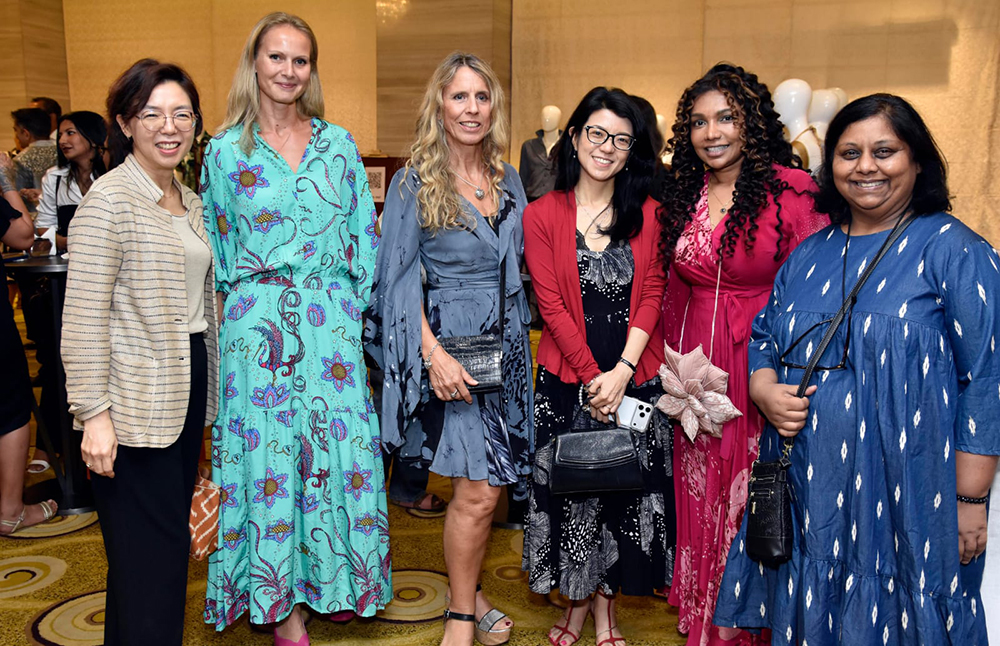
As the Colombo skyline softens into golden hour “Sundown with Buddhi Batiks “at Sheraton Colombo unfolded as a seamless blend of heritage and contemporary elegance – an experience that felt both intimate and visually striking.
The evening drew a crowd that reflected the very essence of the brand it celebrated refined, creative and deeply connected with flowing silhouettes, to cultural and the quiet hum of conversation over curated cocktails.
Buddhi Batiks with Darshi Keerthisena is a label celebrated for transforming Sri Lankan batik into modern, wearable art. Her story telling through fabric where each piece reflected craftsmanship, culture, and a contemporary design language. The collection leaned into effortless elegance, resort ready kaftans, structured yet fluid dresses and statement pieces that moved as beautifully as they look. The atmosphere was electrifying. Guest sipped on delicated curated cocktails as soft music hummed in the background, creating an ambience that felt both exclusive and deeply relaxed.
More than aesthetics, Buddhi Batiks tells stores. Each motif, each gradation of colour carried a sense of place and memory.
Buddhi Batiks is proof that fashion can honour heritage without compromising on glamour, with every brush stroke of wax and every hand dyed.
The event, aptly named Sundown, was an ode to the timeless elegance of Sri Lankan craftsmanship, seamless fabrics woven into contemporary silhouettes that speak to a global sensibility.
The collection by Buddhi Batiks drew inspiration from Sri Lanka’s natural landscape, from the shimmering coastlines to the lush inland jungle, translated into vivid patterns and textures on display.

-
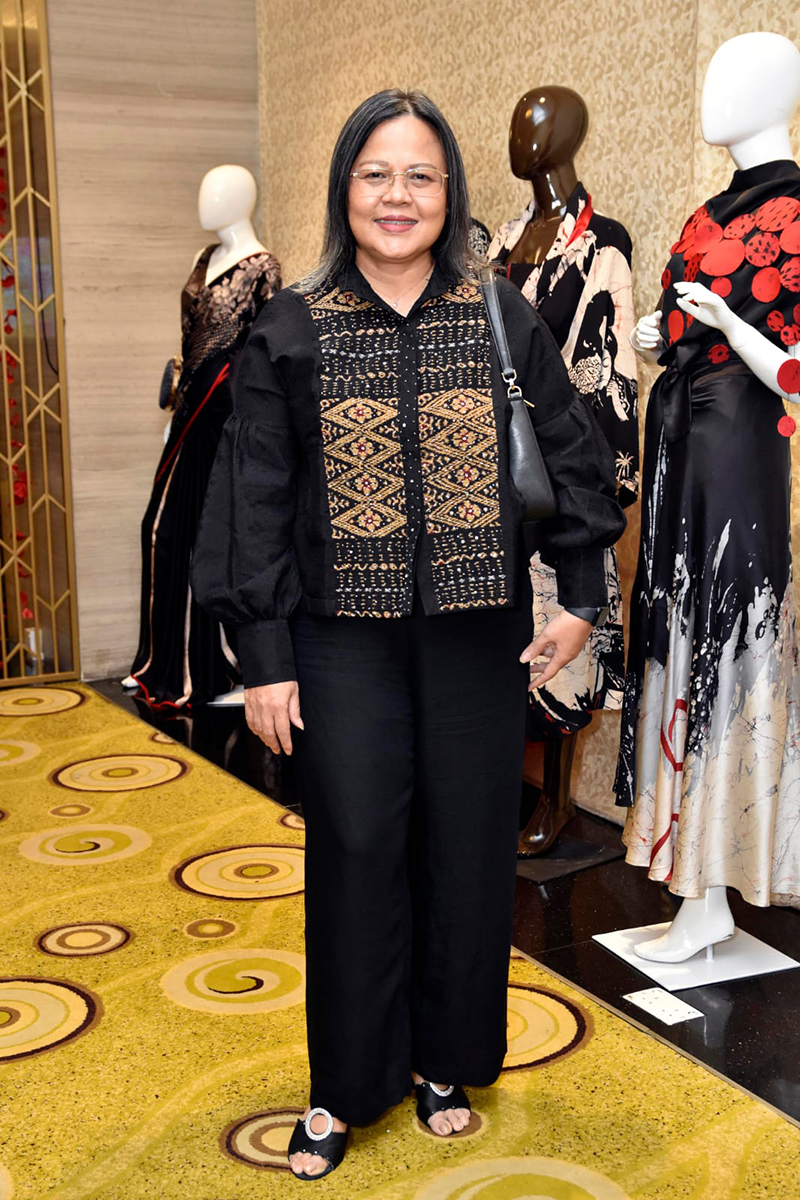
- High Commissioner of Indonesia in Sri Lanka- Dewi Gustina Tobing
-
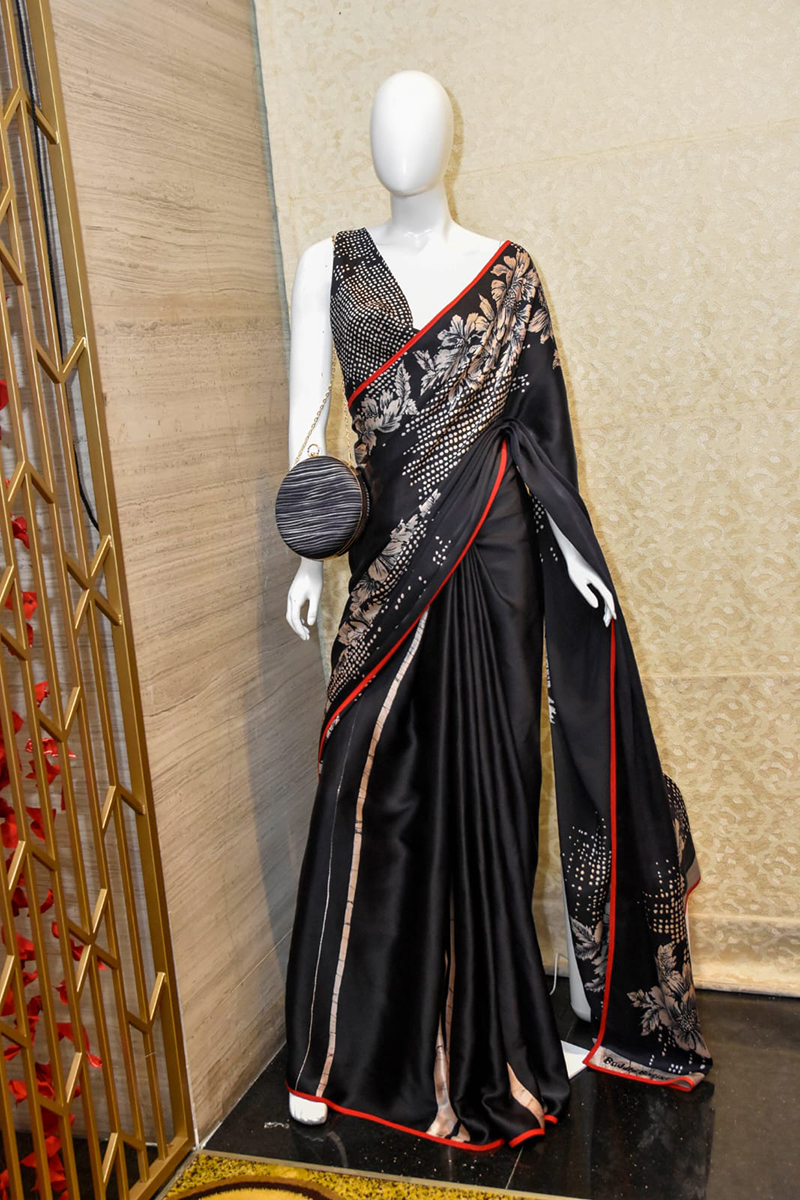
- Every fold tells a story
The brand celebrated Sri Lankan’s rich artistic legacy while embracing a global fashion vision.
There are designers who wear fashion and then there are designers who live fashion, Darshi Keerthisena, creative director and CEO of Buddhi Batiks, belongs to the latter. She hasn’t merely followed a family tradition. She has reimagined it, transforming Sri Lankan batiks from a cultural craft into a globally resonant fashion statement. Under Dharshi’s leadership, Buddhi Batiks has evolved far beyond traditional cotton saris. She has introduced silk, geogette and satin as canvasses for Batik, infusing pieces with contemporary silhouettes and subtle, sophisticated colour stories that appeal to international design sensibilities. Her innovations have taken batik onto global platforms.
Darshi’s innovation isn’t only stylistic, it is ethical. She has championed sustainable practises, such as digital printing on recycled textiles and eco friendly dyes, while keeping handmade batik at the heart of the brand.
Her career has been marked by accolades and awards Dharshi’s vision for batik is expansive. She sees it not just on runaway gowns or resort wear, but translated into interiors, accessories and everyday life, capable of transcending borders while keeping the soul of Sri Lankan artisan’s heritage alive.
Sheraton Colombo Sri Lanka’s most prestigious 5-star hotels with Paul Sun, General Manager and his dedicated team, [played a key role and the hotel’s assistance went beyond providing a venue, it was a seamless blend of hospitality, event management and creative support.
By Zanita Careem

Farzana Baduel stands as a powerful voice in global communication and a passionate advocate for women’s empowerment making her perspective especially relevant on International Women’s Day. As CEO of Curzon PR,in UK she has built a career defined by influence, resilience and purpose championing the advancement of women’s leadership.
 (Q) How would you describe the role of women in the UK today and how does it compare to women’s role in Sri Lanka?
(A) Women in the UK today hold positions of real influence across politics, business, media, academia and the creative industries. There are strong legal protections around equality and conversations about gender parity have become mainstream. But equality in law does not always translate to equality in lived experience, particularly when it comes to pay gaps, the weight of childcare, and who actually occupies the most senior positions.
Sri Lanka presents a genuinely fascinating paradox. It elected the world’s first female Prime Minister in 1960, yet many women still face structural and cultural constraints, especially outside urban centres. What strikes me about Sri Lankan women is their extraordinary resilience and entrepreneurial spirit, often demonstrated within more traditional frameworks. That combination of ambition and adaptability is something I find deeply impressive.
Both countries are progressing. But both still have considerable work to do.
(Q) Are there areas where UK women face challenges that Sri Lankan women may not, or vice versa?
(A) In the UK, one of the most persistent challenges is what I would describe as the double burden: professional ambition sitting alongside disproportionate domestic responsibility. There is also the very modern pressure of digital culture, the weight of image, comparison, online abuse and public scrutiny that affects women in ways men rarely experience to the same degree.
In Sri Lanka, the challenges tend to be more structural. Economic instability, limited access to opportunity in rural areas, and in some cases stronger social conservatism around gender roles all shape what is possible for women. And yet extended family networks in Sri Lanka can offer something many women in the UK genuinely lack: built in childcare, intergenerational support, a community that holds you.
The pressures differ. But the underlying theme is remarkably consistent. Women everywhere are negotiating expectations that men are simply not asked to meet.
(Q) How do you define what it means to be a woman today, and have there been moments where your gender shaped your opportunities or challenges?
(A) To me, being a woman today means navigating complexity with strength. It means holding ambition and empathy in the same space without apologising for either. It means being commercially sharp and emotionally intelligent. Above all, it means resilience.
There have certainly been moments in my career where being a woman changed the dynamic in a room, particularly in senior advisory spaces involving government or corporate leadership. Early on, I sometimes had to prove competence before being taken seriously. Over time I came to understand that credibility does not come from changing who you are. It comes from deep expertise and calm authority.
Gender shapes experience. But it does not have to define potential.
(Q) How can women lift each other up in workplaces, communities and society at large?
(A) By being genuinely generous with opportunity. Sponsorship matters far more than mentorship. It is powerful when senior women actively advocate for other women in rooms those women are not in. That kind of invisible advocacy changes careers.
By rejecting scarcity thinking. There is not only one seat at the table.
And by modelling integrity. When women support each other publicly and privately, it does not just help individuals. It changes workplace cultures entirely.
(Q) Do you believe women are getting enough representation in leadership roles? If not, what needs to change?
(A) Progress has been made. But representation at the very top, in boardrooms and in global political leadership, remains deeply uneven. And the solution is not simply about recruiting more women. It is about changing the systems they are recruited into: flexible leadership structures, normalised parental leave for both men and women, transparent promotion criteria, and zero tolerance for the kind of subtle bias that is so easy to dismiss but so corrosive over time.
Representation is not about optics. It is about influence. Those are not the same thing.
(Q) What societal expectations or stereotypes have you personally encountered as a woman?
(A) The most persistent one is the idea that women must choose between warmth and authority, that being decisive risks being labelled difficult. Men are rarely subjected to that framing. A decisive man is simply a leader.
There is also the expectation that women should balance everything effortlessly, as though the juggle should be invisible. The reality is that balance is dynamic, often imperfect, and occasionally held together by nothing more than determination and strong coffee.
(Q) What challenges do women face in accessing healthcare or support, and how can society improve this?
(A) Even in developed countries, women’s health is frequently under researched and under prioritised, particularly around reproductive health, menopause and mental health. This is not a niche issue. It affects half the population.
Improvement requires sustained investment in research, workplace policies that recognise women’s health realities, and a collective willingness to remove the stigma that still clings to these conversations. Health is not a private inconvenience. It is a public priority.
(Q) Do you feel women are encouraged enough to pursue their passions alongside family and work responsibilities?
(A) The encouragement exists in rhetoric. The practical support frequently does not. True encouragement requires structural foundation: affordable childcare, flexible working arrangements, and a cultural acceptance that ambition in women is not selfish. It is not something that requires justification.
Women should never feel they must apologise for aspiration.
(Q) How do media portrayals of women impact society’s perception of them?
(A) Media shapes norms in ways we often do not notice until we look back. When women are portrayed primarily through the lens of appearance, domestic roles or conflict narratives, it quietly narrows the public imagination about what leadership looks like.
When media platforms showcase women as thinkers, strategists, innovators and policymakers, something opens up, especially for young girls who are watching and deciding, consciously or not, what is possible for them. Representation shapes expectation. That is not a small thing.
(Q) What changes would you most like to see for women in the next decade?
(A) Economic parity, not just participation. Greater support for women entrepreneurs. More women shaping foreign policy and global governance. A healthier and kinder public discourse online.
But most importantly, I would like to see confidence. Young women growing up without internalised limits, without the quiet voice that tells them to take up less space. That, more than any policy change, is what transforms the next generation.
(Q) And finally, how do you define what it means to be a woman today?
(A) To be a woman today is to stand fully in your capability without shrinking for anyone’s comfort. It is to embrace both strength and compassion, not as opposites but as complements. It is to define yourself rather than accept the definitions others impose upon you.
And perhaps most importantly, it is to leave the path a little wider for the women who come after you.
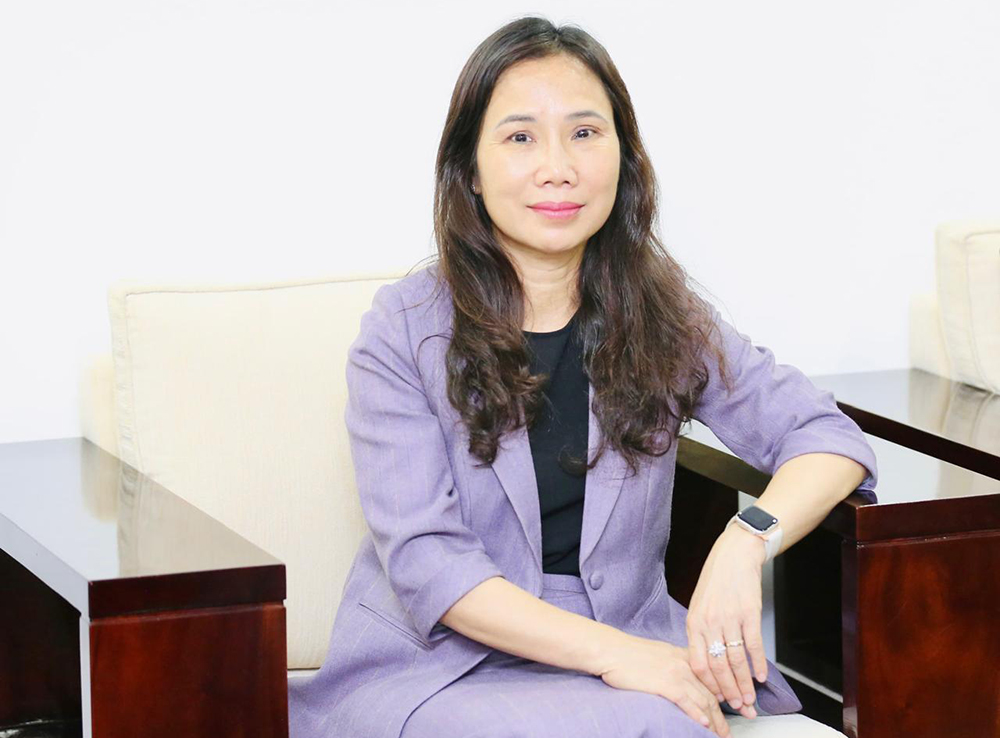
Grace, resilience and quiet determination define the women of both Vietnam and Sri Lanka, two nations bound not only by rich cultural heritage, but by the enduring strength of their women. As the world marked International Women’s Day, the interview with the Vietnamese Ambassador in Sri Lanka offers a compelling lens into how tradition and modernity intervine to shape the lives of women across these societies Women in Vietnam and Sri Lanka continue to redifine their roles, balancing family, career and ambition with remarkable pause. While their journeys were shaped by distinct histories and cultural naunces there is a shared narrative of perseverance, adaptability and progress. In this interview the envoy reflects on these parallels and contrasts, offering insight into the evolving status of women. The challenges, they face and the inspiring strides being made towards equality.
Q How would you describe the role of women in Vietnam compared to Sri Lankan women?
A Women in Vietnam and Sri Lanka share many important similarities. In both societies, women are known for their diligence, resilience, and strong sense of responsibility toward family and community. Having experienced periods of war, conflict, and economic hardship, women in both countries deeply understand the values of sacrifice, solidarity, and perseverance. They often carry multiple roles at the same time—caregivers, income earners, and community supporters. In both countries, there has been an increasingly active participation of women in the workforce, including trade, manufacturing, SMEs, as well as in the leadership. It is meaningful to recognize these shared qualities that quietly but steadily contribute to social stability and national development.
Q From your personal experience, what defines a modern woman in your country?
A From my personal experience, a modern woman is someone who strives for balance rather than choosing between roles. She values education, independence, and self-development, while remaining deeply committed to her family and social responsibilities. She is confident, adaptable, and increasingly comfortable using technology and global networks. At the same time, she respects cultural values and traditions, selecting what is meaningful rather than rejecting them entirely. Modern women today are not defined only by career success, but by their ability to manage multiple responsibilities with empathy, resilience, and purpose.
Q Have you seen a significant change in women’s roles over the past decade?
A Yes, there have been noticeable and positive changes over the past decade. More women are pursuing higher education, entering diverse professional fields, and participating actively in economic and social life. Attitudes toward women’s leadership and decision-making roles have gradually improved, especially among younger generations. At the same time, women continue to shoulder major responsibilities within the family. This dual role has become more visible and more openly discussed. While challenges remain, the growing recognition of women’s contributions—both at work and at home—reflects a meaningful shift toward a more inclusive understanding of development.
Q Women in Vietnam are often visible in trade and entrepreneurship. How does this compare with Sri Lanka?
A Women in both Vietnam and Sri Lanka demonstrate a strong entrepreneurial spirit, particularly in trade, services, and family-based businesses. Many women engage in economic activities not only for personal ambition, but also to support their families and contribute to their communities. In both countries, women entrepreneurs are known for their adaptability, hard work, and practical approach to business. While the scale and sectors may differ, the underlying motivation and resilience are remarkably similar. With better access to finance, markets, and mentoring, women in both societies have great potential to further expand their entrepreneurial impact.
Q Do you think society equally values women’s economic contributions in both countries?
A Societal recognition of women’s economic contributions has improved, but full equality has not yet been achieved in either country. Women’s income is increasingly important for household stability, yet their unpaid care work often remains invisible. Professional success is respected, but women are still expected to prioritize family responsibilities. This creates pressure to constantly balance multiple roles. It is important to acknowledge that true equality means valuing both paid and unpaid work, and creating supportive environments that allow women to contribute economically without compromising their well-being or family life.
Q Vietnam has relatively strong female participation in governance. What drives this? Why is female representation still low in Sri Lanka?
A Both Vietnam and Sri Lanka recognize the importance of women’s participation in governance, and both have many capable women leaders. Differences in representation are largely shaped by institutional structures and political culture rather than women’s ability or commitment. Where supportive frameworks, mentoring, and clear pathways exist, women are more likely to enter public leadership.
In Sri Lanka, many talented women also serve their communities in different ways, though public roles can be more demanding to combine with family responsibilities. Creating more supportive and flexible pathways can help more women step forward and share their perspectives, enriching decision-making and social cohesion.
Q What are the most pressing issues women still face today?
A One of the most pressing challenges women face today is achieving a healthy balance between work, family responsibilities, and personal life. Women continue to carry a disproportionate share of caregiving and household duties, even when they are fully engaged in professional work. Gender inequality in wages, leadership opportunities, and decision-making persists. Social expectations often require women to excel in all areas simultaneously, creating emotional and physical strain. Addressing these issues requires not only policy support—such as childcare and flexible work—but also cultural change that encourages shared responsibility and mutual respect.
Q Do globalization and social media help accelerate gender equality?
A Globalization and social media can play a positive role in accelerating gender equality by expanding access to information, markets, and role models. They allow women to connect, learn, and express their voices beyond traditional boundaries. Many women entrepreneurs and professionals have benefited from digital platforms. However, these tools also bring challenges, including online harassment and unrealistic social pressures. Their impact depends on how responsibly they are used and supported. When combined with education, digital literacy, and safeguards, globalization and social media can become powerful tools for women’s empowerment.
Q How do you see the future of women evolving in the next 10 years?
A Over the next decade, I expect women to play an even more visible role in leadership, entrepreneurship, and innovation. Flexible work models and digital technologies will help more women participate in the economy while managing family responsibilities. Younger generations are already embracing more balanced views on gender roles and shared caregiving. While challenges will remain, especially in achieving true equality, the overall direction is positive. With sustained support from institutions, families, and society, women’s contributions will continue to shape more inclusive and resilient communities.
Q What can Sri Lanka learn from Vietnam in terms of empowering women economically?
A Sri Lanka can draw useful lessons from Vietnam’s emphasis on integrating women into value chains, supporting small businesses, and linking skills training with market access. Practical support—such as simplified procedures, access to finance, and business networks—helps women move from informal activities to sustainable enterprises. Equally important is recognizing women’s economic roles publicly and socially. Empowerment is most effective when economic opportunity is combined with family support and social respect. These shared principles are especially meaningful and highlight when celebrated International Women’s Day on 8 March.
By Zanita Careem

Australia grants asylum to 2 more members of Iranian women’s football team

Showers are likely in the Northern, Eastern, Sabaragamuwa, Southern and Uva provinces and in Kandy and Nuwara-Eliya districts

CEBEU warns of operational disruptions amid uncertainty over CEB restructuring

Remittances up compared to last year before outbreak of war, but the economic picture is not rosy

The Netherlands alleges Russian Embassy interfering in World Press Photo Exhibition

Switzerland appreciates GoSL’s stand on ME situation

‘Dates have the highest sugar content to fight Coronavirus’

Sunday Island 27 December – Headlines

#SundayIsland 17th December – Headlines

Sunday Island – 28th March

Sunday Island Headlines – 21 March

Sunday Island – 21st February – Headlines
-

 News5 days ago
University of Wolverhampton confirms Ranil was officially invited
-

 News6 days ago
Legal experts decry move to demolish STC dining hall
-

 News5 days ago
Female lawyer given 12 years RI for preparing forged deeds for Borella land
-

 News4 days ago
Peradeniya Uni issues alert over leopards in its premises
-

 News2 days ago
Repatriation of Iranian naval personnel Sri Lanka’s call: Washington
-

 Business7 days ago
Cabinet nod for the removal of Cess tax imposed on imported good
-

 News5 days ago
Library crisis hits Pera university
-

 News4 days ago
Wife raises alarm over Sallay’s detention under PTA