
News
Civil society coalition urges protection of democratic values amid concerns of judicial independence undermining

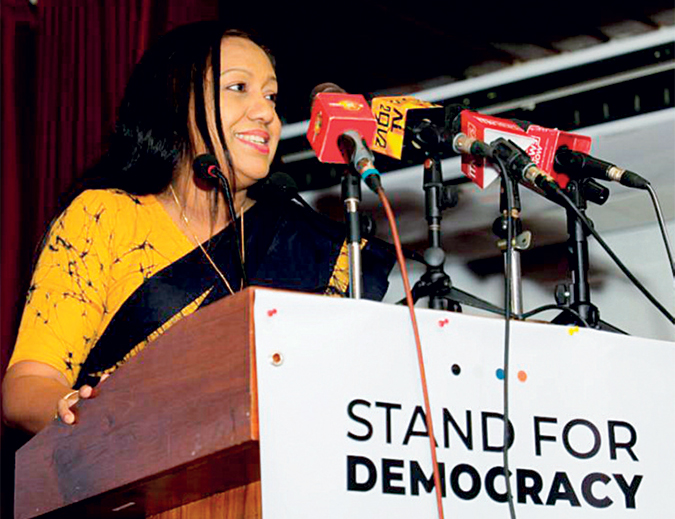
A recent series of statements made by high-ranking officials, including the President and the Speaker, as well as some parliamentarians, aiming to erode the autonomy of the judiciary, has raised significant alarm, according to the Civil Society Collective for Democracy (CSCD). The organization emphasizes that although the 21st Amendment to the Constitution has reinstated independent commissions, recent incidents of intimidation targeted at members of the Election Commission and the Public Utilities Commission paint a picture of an increasingly restrictive environment for these bodies.
Addressing these concerns, the CSCD, known by its rallying cry ‘Stand for Democracy,’ convened a meeting consisting of concerned citizens and various groups, such as civil society organizations, professionals, academics, trade unions, youth leaders, activists, media representatives, religious figures, and influencers. The gathering, held at the Sri Lanka Foundation Institute (SLFI) in Colombo on Tuesday (29), resulted in a statement that underscored the urgent need for political leaders to take action against state repression and safeguard the democratic rights of the populace. Such steps are deemed essential for genuine and balanced economic recovery.
The CSCD’s statement further outlines deep apprehension regarding the swift erosion of democratic space within the nation. The removal of Constitutionally guaranteed rights and freedoms, including freedom of expression, right to information, dissent, protest, association, and franchise, has left citizens disempowered. The organization highlights how voices are being stifled, leading to self-censorship among individuals due to the increased targeting and harassment of those questioning authorities. Additionally, the abuse of international commitments, such as the International Covenant on Civil and Political Rights (ICCPR) and the contentious Prevention of Terrorism Act (PTA), to silence opposition figures, civil society activists, and journalists, has been noted.
The CSCD points to recent legislative attempts to introduce oppressive versions of laws like the Anti-Terrorism Act, Broadcasting Commission Act, and the NGO Act as indications of the government’s efforts to tighten its grip on democratic space.
Emphasizing the need to address the root causes of Sri Lanka’s economic crisis, the CSCD stresses the importance of tackling issues like poor governance, inclusivity, and corruption. Without addressing these fundamental concerns, the country’s investment climate may remain unattractive to potential investors, thereby hindering economic recovery.
Transparency and accountability within governance are highlighted as crucial measures to prevent corruption and ensure effective administration. The CSCD asserts that a true democratic system empowers citizens to elect and remove representatives regularly, participate in governmental decisions, express dissent, form groups, and influence authorities when needed.
The CSCD calls upon the political establishment to promptly uphold democratic principles by:
* Conducting timely and inclusive free and fair elections, beginning with Local Government and Provincial Council Elections.
* Safeguarding citizens’ fundamental rights, including freedom of expression, association, and information.
* Creating a supportive environment for civil society activism and protecting civic space.
* Ensuring citizen engagement in steering economic recovery.
* Governing with transparency, accountability, and public scrutiny.
* Strengthening the capacity of independent commissions.
* Implementing essential anti-corruption reforms in earnest.
* Prosecuting past and present corruption cases to end impunity.







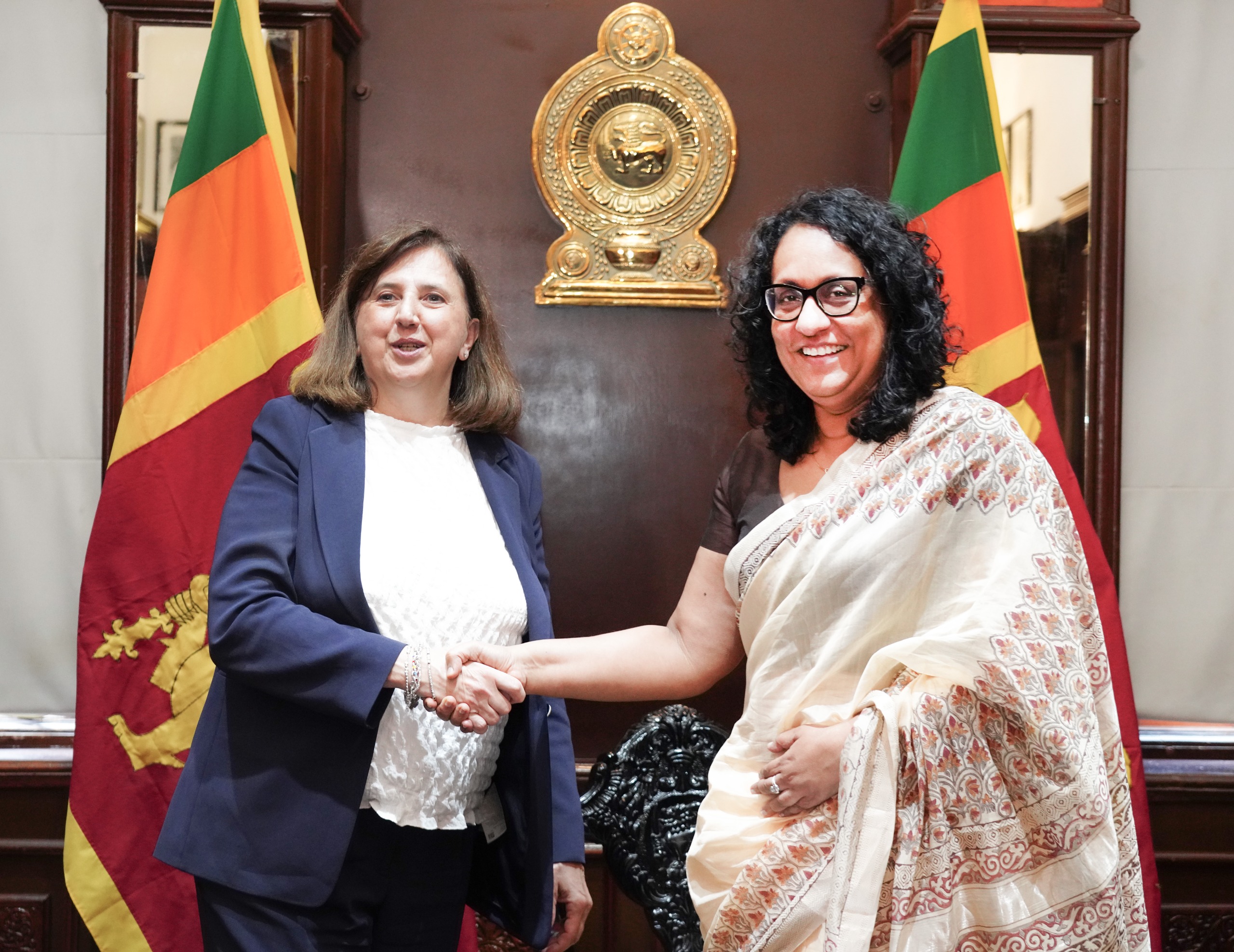
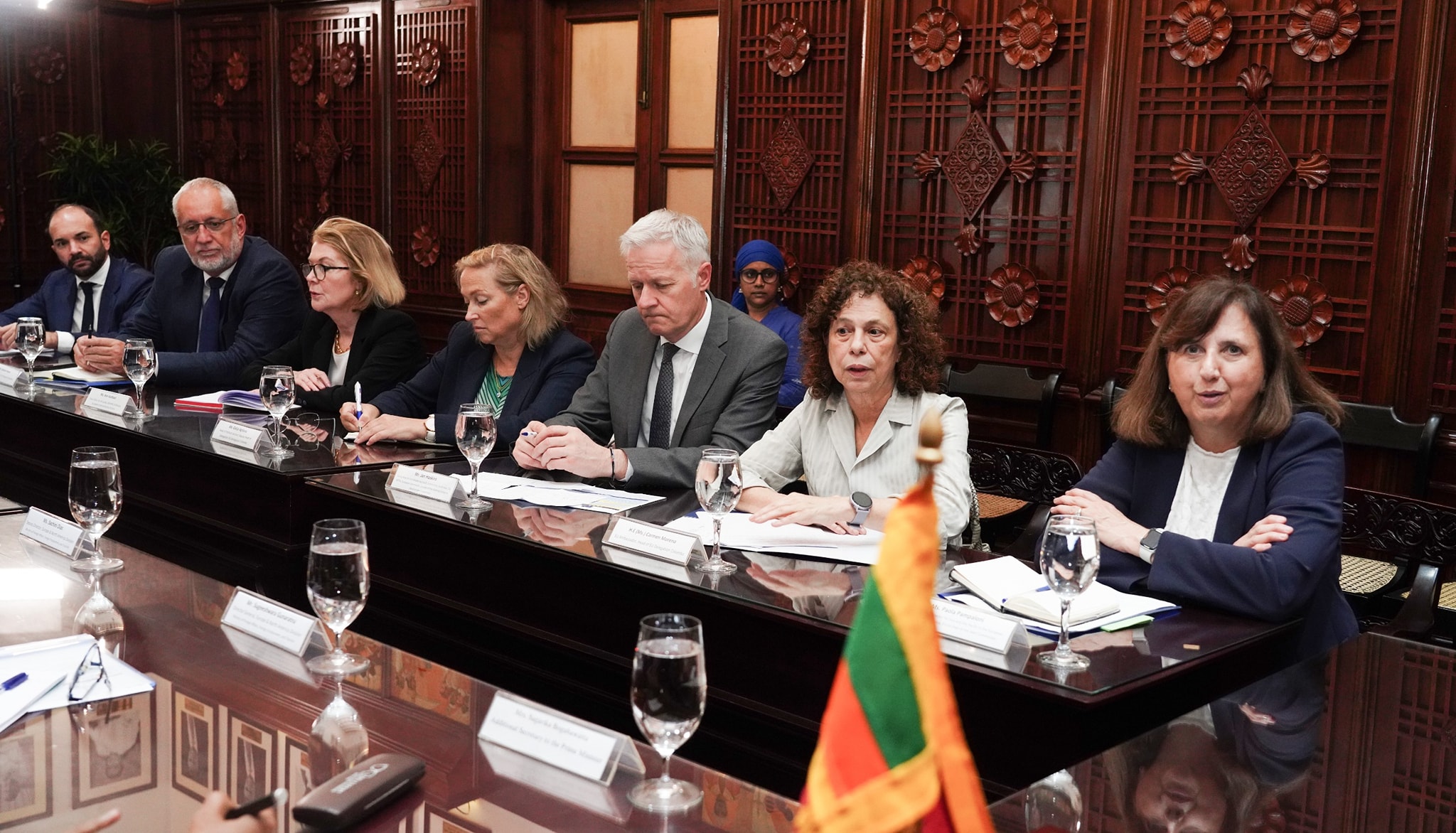
Prime Minister Dr. Harini Amarasuriya met with the representatives of the European External Action Service [EEAS] on Tuesdqy [10 th February] at the Prime Minister’s office.
Welcoming the delegation from the European External Action Service (EEAS), the Prime Minister emphasized the importance of further strengthening and deepening the long-standing partnership between Sri Lanka and the European Union, noting the role of the European Union as a key development and economic partner.
The Prime Minister also expressed appreciation for the timely assistance extended by the European Union to Sri Lanka in response to the recent cyclone, highlighting the EU’s continued solidarity and support during times of need.
Attention was drawn to the need to expand economic cooperation between Sri Lanka and the European Union. The Prime Minister underscored the importance of undertaking necessary legislative and policy reforms to facilitate enhanced economic engagement, trade, and investment.
The delegation was briefed on the ongoing initiatives and reforms being implemented by the new Government aimed at strengthening economic stability, governance, and creating a conducive environment for sustainable growth and international cooperation.
The meeting was attended by the Acting Managing Director for Asia and the Pacific in the European External Action Service, EU co-chair of the Joint Commission, Ms. Paola Pampaloni; EU Ambassador, Head of EU Delegation Ms. Carmen Moreno and the representatives of European External Action Services and Delegation of the European Union, and Additional Secretary to the Prime Minister, Ms. Sagarika Bogahawatta and the officials from the Ministry of Foreign Affairs, Foreign Employment, Tourism Sri Lanka.
[Prime Minister’s Media Division]
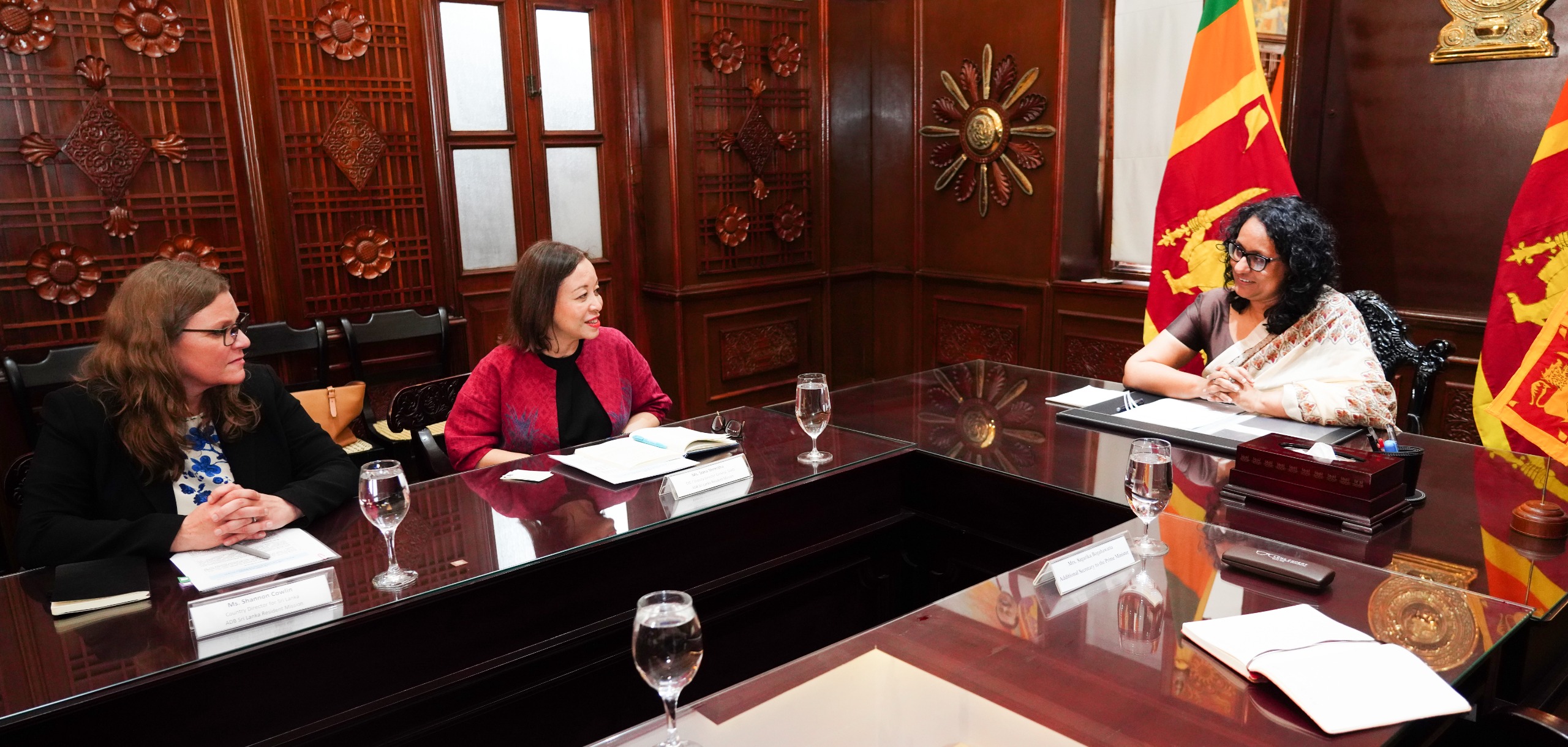
The newly appointed Country Director of the Asian Development Bank for Sri Lanka Ms Shannon Cowlin and the accompanying delegation met with Prime Minister Dr. Harini Amarasuriya on Tuesday [0th of February] at the Prime Minister’s office.
Welcoming the delegation, the Prime Minister extended congratulations to the newly appointed Country Director and acknowledged the long-standing partnership with the Asian Development Bank. The Prime Minister also expressed appreciation for ADB Bank’s continued engagement and support aligned with Sri Lanka’s national development priorities.
The Prime Minister also conveyed gratitude for the timely assistance extended by the ADB in response to Cyclone Ditwah, noting the importance of such support in mitigating the immediate impacts of natural disasters.
The ADB delegation reiterated its readiness to further assist Sri Lanka during the post-cyclone recovery phase, including rebuilding and reconstruction efforts, and emphasized its commitment to the supporting the education sector.
The meeting was attended by OIC / Deputy Director General, SARD Ms. Sona Shrestha, Ms. Cholpon Mambetova Country Operations Head of ADB Sri Lanka Mission Resident, Additional Secretary to the Prime Minister Ms. Sagarika Bogahawatta, Director General of the External Resource Department, Ministry of Finance Samantha Bandara, Director for ADB Division in External Resource Department, Ministry of Finance Ranjith Gurusinghe.
[Prime Minister’s Media Division]
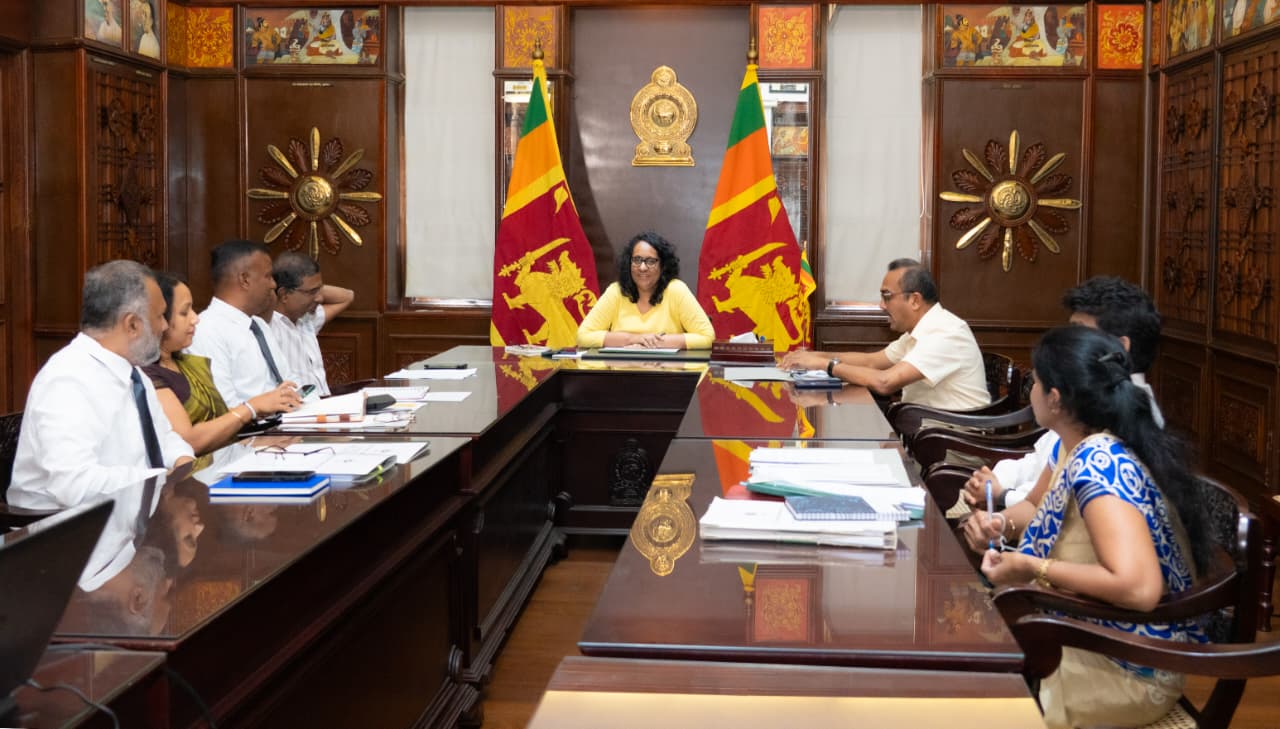
A discussion on regulating school student transport services was held on the 09th of February at the Prime Minister’s Office under the patronage of Prime Minister Dr. Harini Amarasuriya, with the participation of officials from the National Transport Commission and the Ministry of Education.
The authority for regulating school student transport has been vested with the National Transport Commission, and as the relevant draft of regulations have already been prepared, discussions were held on the provisions contained in these drafts as well as on new proposals that should be incorporated.
During the discussion, the attention was focused on meeting the emerging needs of transportation arising from the schools, minimizing issues encountered in the transportation of school students by establishing an organized transport mechanism, and deploying the “Sisu Sariya” school transport service in a more efficient and effective manner followed by the new educational reforms process.
Discussions were also held on introducing laws and regulations to systematize the transportation of schoolchildren, prioritizing child protection by preventing reported incidents of abuse and harassment during student transport, and enhancing professionalism among school transport service providers to ensure a responsible and accountable service.
The focus was also emphasized on the need for coordinated action among the Ministry of Transport, Highways and Urban Development, the National Transport Commission, the Ministry of Education, Higher Education and Vocational Education, and the National Child Protection Authority.
The discussion was attended by the Minister of Transport, Highways and Urban Development Bimal Rathnayake, Chairman of the National Transport Commission P. A. Chandrapala, officials of the National Transport Commission, and the officials from the Ministry of Education, Higher Education and Vocational Education.
[Prime Minister’s Media Division]

Prime Minister meets delegation from the European External Action Service

Moscas star as Italy dismantle Nepal for first World Cup win

Kim Jong Un chooses teen daughter as heir, says Seoul

Newly appointed ADB Country Director to Sri Lanka and delegation meet PM

School student transport services are being regulated

Shanaka and Rathnayake blow Oman away with frenetic half-centuries

‘Dates have the highest sugar content to fight Coronavirus’

Sunday Island 27 December – Headlines

#SundayIsland 17th December – Headlines

Sunday Island – 28th March

Sunday Island Headlines – 21 March

Sunday Island – 21st February – Headlines
-
 Features5 days ago
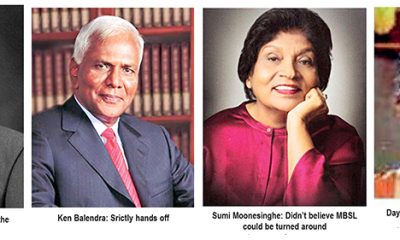
My experience in turning around the Merchant Bank of Sri Lanka (MBSL) – Episode 3
-

 Business6 days ago
Zone24x7 enters 2026 with strong momentum, reinforcing its role as an enterprise AI and automation partner
-

 Business5 days ago
Remotely conducted Business Forum in Paris attracts reputed French companies
-

 Business5 days ago
Four runs, a thousand dreams: How a small-town school bowled its way into the record books
-

 Business5 days ago
ComBank and Hayleys Mobility redefine sustainable mobility with flexible leasing solutions
-
 Business2 days ago
Autodoc 360 relocates to reinforce commitment to premium auto care
-
 Business6 days ago
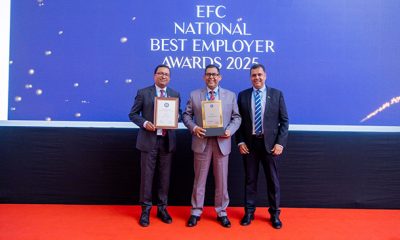
HNB recognized among Top 10 Best Employers of 2025 at the EFC National Best Employer Awards
-

 Midweek Review2 days ago
A question of national pride