
News
CEB GM Eng. Rohan Seneviratne steers electricity sector toward sustainable and renewable future

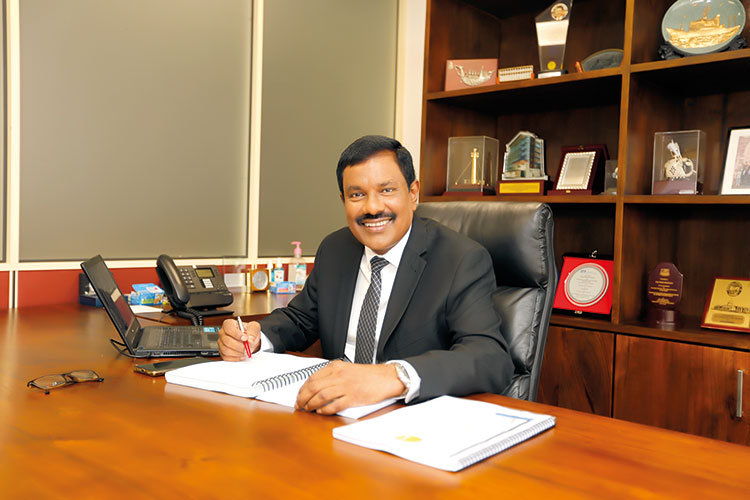
“Our focus is on achieving 70% renewable energy by 2023. This includes 25% from solar panels, 15% from wind power, and 10% from natural gas. However, transitioning the energy mix is a gradual process, requiring meticulous planning and execution. We aim to reach 60% renewable energy by 2026 and eliminate fossil fuel-based electricity generation by 2030.”
“Our electricity conservation efforts must improve as a nation. Efficient electricity usage can reduce the unit cost. Additionally, we are working to reduce generation costs, and I believe that by the next year, these efforts will result in reduced electricity bills for consumers.”
by Sirimantha Rathnasekara
The year 2023 commenced against the backdrop of multiple crises facing our nation. Long queues for oil and gas became a common sight, while daily power cuts lasting five to six hours plunged the country into an energy abyss. The non-availability of 24-hour electricity delivery proved a severe blow to the nation’s economy. However, today, the nation is making a remarkable recovery.
At the outset of the year, the prospect of uninterrupted 24-hour electricity supply was uncertain. Today, electricity flows seamlessly without any hitches, thanks to the dedicated efforts of the Ceylon Electricity Board. This transformation is nothing short of commendable. The Ceylon Electricity Board, previously criticized heavily, now stands as a shining example of a public institution that doesn’t burden the country’s economy. This remarkable turnaround is praiseworthy, and the Electricity Board is surmounting its historical challenges. This success story is a result of collaborative efforts by the HE the President Ranil Wickremesinghe, Minister of Power and Energy Hon. Kanchana Wijesekara, Secretary to the Minister of Power & Energy, Chairman, CEB and the Board members and CEB. Notably, CEB’s General Manager Electrical Engineer Rohan Seneviratne played a pivotal role in systematically guiding his team toward a specific goal.
“In fact, 2023 was an extremely challenging year for us,” remarked General Manager Seneviratne. “Our primary challenge was to ensure round-the-clock electricity supply in a time when the nation’s economy was teetering on the brink. We had to overcome this challenge in a backdrop of fuel shortages necessary for electricity generation.”
Team work to success
Seneviratne attributed their success to teamwork and determination, stating, “We came together as a team – the President, the Minister, the Electricity Board, the Chairman, and my team. This collective effort has already achieved several milestones, with the primary victory being the provision of 24-hour electricity. We are committed to maintaining uninterrupted power supply, irrespective of the crises we may face. This is a significant relief for both the economy and the people, contributing to the nation’s revival.”
However, despite the restoration of continuous electricity supply, concerns about electricity bills linger. Seneviratne acknowledged these concerns but emphasized the importance of considering broader implications. He noted that subsidies provided by various governments in the past had plunged the Electricity Board into a severe financial crisis. The cost of producing electricity units was not being recovered from consumers, which jeopardized the institution’s sustainability.
Seneviratne stressed the economic principles that should govern an organization’s operation. “To sustain an institution, the income must match the expenses. It’s a simple economic theory, applicable to both public and private sectors. When government institutions suffer losses, the public ultimately bears the burden through increased taxes. While consumers may directly feel the impact of electricity bill increases, the public indirectly benefits from a stable economy.”
Discussing potential future electricity bill increases, Seneviratne explained: “According to government policy, electricity tariffs can change twice a year, on January 1st and July 1st. Any changes before these dates are subject to approval by the Public Utilities Commission. We are obligated to report our financial situation to them, and they determine tariff adjustments based on our submissions.”
He elaborated on past adjustments, stating, “In the July 1st tariff revision, we proposed a 3.15% reduction, but the Public Utilities Commission approved a 14.5% reduction. This presented us with certain challenges, but we implemented cost-saving measures.”
CEB’s commitment to renewable energy
Seneviratne also highlighted their commitment to renewable energy, in line with government policy. “Our focus is on achieving 70% renewable energy by 2023. This includes 25% from solar panels, 15% from wind power, and 10% from natural gas. However, transitioning the energy mix is a gradual process, requiring meticulous planning and execution. We aim to reach 60% renewable energy by 2026 and eliminate fossil fuel-based electricity generation by 2030.”
Seneviratne said that global energy trends also supported their emphasis on renewables. “Around the world, the electricity supply mix includes 38% coal, 20% natural gas, 10% nuclear power, and 26% renewables. In the previous year, we generated 50% of our electricity from renewable sources.”
Discussing upcoming projects, Seneviratne mentioned their efforts to connect Sri Lanka and India’s power grids, emphasizing the mutual benefits. He also highlighted the importance of modernizing the transmission system and the focus on minimizing distribution losses. “Our vision is to provide high-quality service to customers through digital transformation,” he said.
“In the pursuit of ensuring a continuous and reliable supply of electricity, we have implemented a system that may entail some inconveniences for the general public. However, this measure is imperative to sustain uninterrupted electricity provision 24 hours a day. Last year, the Electricity Board incurred a staggering loss of Rs. 167 billion. Thanks to the innovative strategies implemented by our team, we anticipate a significant reduction in these losses this year. We are currently settling all bills promptly and acquiring fuel from CPC through upfront payments, with no reliance on borrowed funds. Despite the myriad challenges faced, we successfully managed to import 30 coal shipments, all thanks to the efficiency of our system, affirming the strength of our organization.”
The General Manager has also emphasized our commitment to alleviating the burden of electricity bills on the public. He is firmly dedicated to realizing the government’s target of achieving 70% renewable electricity by 2030, serving as a stalwart leader in this endeavor. In a global scale, the electricity supply mix predominantly comprises 38% coal, 20% natural gas, 10% nuclear power, and 26% renewable energy, among others. The resolute focus of General Manager Seneviratne on renewable energy underscores our achievement of generating 50% of nation electricity requirement from renewable sources during 2022.
Government policy of achieving 70% renewable electricity
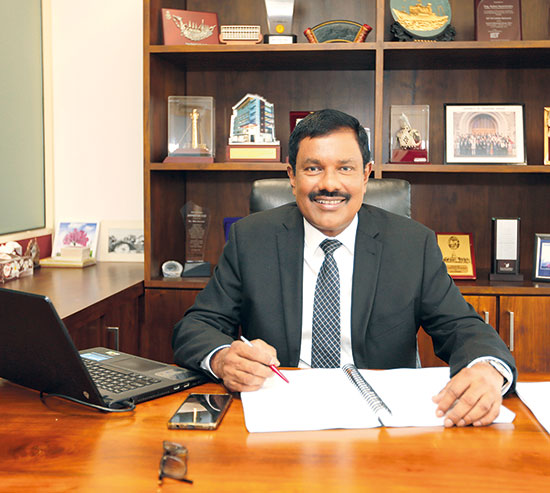 “Currently, we are diligently aligning with the government’s 2023 policy of achieving 70% renewable electricity, comprising 25% solar panels, 15% wind power, and 10% natural gas. However, transitioning the energy mix is a complex process that requires meticulous planning and execution. Our immediate target is to reach 60% renewable electricity by 2026, and we are actively working on introducing natural gas at the earliest opportunity. Our ultimate objective is to cease electricity generation from fossil fuels entirely by 2030.”
These statements from the General Manager offer a glimmer of hope in the nation’s electricity sector, and rightfully so. Under the astute leadership of General Manager Seneviratne, comprehensive plans have been devised to transform these aspirations into tangible accomplishments.
A significant portion, 85%, of the Electricity Board’s expenditures are attributed to electricity generation costs. Therefore, in order to witness a notable reduction in electricity bills for consumers, it is imperative to curtail these generation costs. Several factors have contributed to cost increases, including the rapid escalation of global coal prices at the outset of 2022, coupled with rising oil prices and a strengthening US dollar. However, we are now witnessing a decline in coal prices, offering the prospect of lower costs in the coming year. Furthermore, oil prices have moderated to some extent. The General Manager has shared the encouraging news that these developments will lead to reduced electricity generation costs, benefiting consumers in the coming year.
Integration of Uma Oya Hydro Power project to national grid
In approximately one month, the Uma Oya Hydro Power project will be integrated into the national electricity grid, with Moragolla Hydro Power Project expected to follow suit by the end of the next year. Additionally, we plan to acquire 150 MW of renewable electricity this year, all of which will contribute to a decrease in electricity generation costs by the following year. Wind and solar power are anticipated to play a pivotal role in the future energy mix. However, it’s essential to acknowledge that renewable energy alone cannot provide the necessary balance for the system. Therefore, the construction of more conventional power plants is required. The Sobadhanavi power plant in Kerawalapitiya, scheduled to commence operations on March 1st next year, will provide 212 megawatts of power. Initially, it will run on diesel for the first year, transitioning to natural gas thereafter. Furthermore, we plan to procure a 135 MW power plant in Kelanitissa and construct another 350 MW power plant in Kerawalapitiya by 2026. It is a journey that we are embarking upon collectively,” he said.
The General Manager has outlined a plan to generate electricity from natural gas, a resource currently unavailable to us. However, he has provided an insightful solution to this challenge. “In countries where natural gas is readily available, it is directly piped from underground reserves to power plants without the need for liquefaction. Unfortunately, this isn’t feasible for us due to the absence of natural gas deposits. Consequently, in countries with access to natural gas, it is converted into liquefied form by cooling it to minus 162 degrees Celsius, stored in ships, and then transported to our shores. Upon arrival, it is reconverted into a gaseous state before being supplied to power plants. While this method incurs additional costs compared to sourcing natural gas directly from the ground, it remains more cost-effective than generating electricity from diesel. Furthermore, it is essential to transition away from diesel-powered plants due to their substantial environmental impact. We will initially operate on diesel for a year before transitioning to natural gas, as it poses a significantly lower environmental risk. Therefore, expeditious adoption of natural gas is imperative for our energy future.”
Seneviratne concluded by encouraging electricity conservation and efficiency. “Our electricity conservation efforts must improve as a nation. Efficient electricity usage can reduce the unit cost. Additionally, we are working to reduce generation costs, and I believe that by the next year, these efforts will result in reduced electricity bills for consumers.”
Engineer Rohan Seneviratne, the General Manager of the Electricity Board, stands as a beacon of leadership and professionalism in steering the electricity sector toward a sustainable and renewable future. His vision and dedication have paved the way for a brighter and more energy-efficient Sri Lanka.



Police yesterday issued a public advisory highlighting the growing number of complaints related to lost, misplaced, and stolen mobile phones reported daily to police stations across the country.The police warned that when a mobile phone is lost or stolen, there is a significant risk of misuse if it falls into the hands of unauthorised individuals.
The public has been urged to remain vigilant and take immediate precautionary measures, as lost or stolen mobile phones are frequently used for anti-social, unlawful, and illicit activities. In many such cases, the legitimate owners of the devices become victims, police said.
According to complaints received to date, criminals have been able to exploit mobile phones containing sensitive data, including financial details, personal information, photographs, and other confidential material, to carry out unlawful activities.
The police outlined several important steps to be followed if a mobile phone is lost or stolen:
Immediately deactivate the SIM card through the relevant service provider. This prevents third parties from using the phone for illegal or anti-social activities and facilitates the recovery process if the device is in another person’s possession.
Provide the International Mobile Equipment Identity (IMEI) number when lodging a complaint with the Police.
Keep a secure record of the IMEI number and service details in advance. The IMEI number can be obtained by dialing *#06# on the mobile phone.
Police has also introduced a software-based system to trace mobile phones. Individuals can register their details by visiting the official website,http://ineed.police.lk. Upon submission of the required information, the police will initiate appropriate action, the statement said.
In 2024, the Police recovered 2,796 lost mobile phones and returned them to their rightful owners. Additionally, 928 stolen mobile phones were released to the public following accurate data verification, and legal action was instituted against the offenders.
In 2025, approximately 2,355 lost mobile phones were recovered, while 1,019 individuals found in possession of stolen phones were apprehended and legal proceedings initiated against them.
The police further urged anyone who finds property that does not belong to them to immediately hand it over to the nearest police station or a police officer and obtain an acknowledgement receipt or officially lodge a report.
Retaining property that does not belong to oneself constitutes a criminal offence under the Penal Code, classified as criminal misappropriation. This offence carries a penalty of up to two years’ imprisonment, according to police.
Moreover, any individual who knowingly purchases stolen mobile phones or other stolen property at a reduced price and retains such items commits an offence punishable by up to three years’ imprisonment.
The police also advised that when purchasing a new or second-hand mobile phone, members of the public can verify whether the device has been reported lost or stolen through the “Find Genuine Phone” feature available in the “I Need” system.
Accordingly, the Police urged the public to exercise due diligence regarding the source and authenticity of mobile phones prior to purchase.
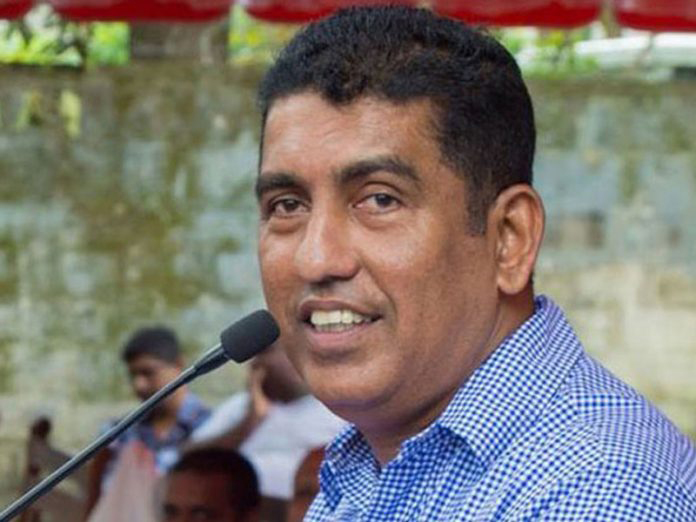
The Colombo High Court on Thursday (12) postponed further hearing of the case filed against former Minister Johnston Fernando and two others to March 6, 2026.The matter was taken up before High Court Judge Mohamed Mihal.
Fernando, and former Sathosa Operational Director Mohamed Shakir, who are currently in remand custody, in connection with a separate case, were produced before court by prison officials.
Following submissions by counsel, Judge Mihal ordered that the case be taken up again on March 6.
The indictment has been filed by the Commission to Investigate Allegations of Bribery or Corruption (CIABOC) against former Trade Minister Johnston Fernando, former Sathosa Chairman Eraj Fernando and former Operational Director Mohamed Shakir.
They are accused of causing a loss to the State by allegedly deploying employees of Lanka Sathosa for political activities during the period 2010 to 2014, when Johnston Fernando held the portfolio of Trade, thereby removing them from their official duties.

The Central Bank of Sri Lanka (CBSL) on Thursday warned residents and businesses against engaging in domestic transactions in foreign currency, stating that such practices are illegal unless expressly authorised.In a statement, the CBSL said it had observed instances where residents within Sri Lanka were conducting transactions in foreign currency instead of Sri Lanka Rupees.
Clarifying the legal position, the Central Bank noted that under the provisions of the Central Bank of Sri Lanka Act, No. 16 of 2023, all transactions executed between or among residents in Sri Lanka must be made in Sri Lankan Rupees, unless otherwise authorised by the Central Bank for the purposes of the Foreign Exchange Act, No. 12 of 2017.
The Bank further informed merchants and the general public that it has not granted approval for local businesses to accept payments from resident customers in foreign currency by converting Sri Lankan Rupees into foreign exchange. This includes payments made through Electronic Fund Transfer (EFT) cards such as credit and debit cards, where funds are credited to Foreign Currency Accounts.
Accordingly, the CBSL cautioned that any resident making payments in foreign currency to a merchant within Sri Lanka, and any merchant accepting such payments without prior authorisation, would be committing an offence under the CBSL Act.
Upon conviction following a summary trial before a Magistrate, offenders would be liable to a fine not exceeding Rs. 25 million, imprisonment of either description for a term of up to three years, or both.The Central Bank urged the public and the business community to strictly comply with the statutory requirements in order to avoid severe legal consequences.
by Shyam Nuwan Ganewatte ✍️

When Prez has to do others’ work

Vehicle permit revival threatens governance credibility – Advocata

Beware of risk of misuse of lost or stolen mobile phones if they fall into wrong hands

High Court puts off case against ex-Minister Johnston and two others

CBSL warns against domestic transactions in foreign currency

Sri Lanka gears up for global cycling adventure

‘Dates have the highest sugar content to fight Coronavirus’

Sunday Island 27 December – Headlines

#SundayIsland 17th December – Headlines

Sunday Island – 28th March

Sunday Island Headlines – 21 March

Sunday Island – 21st February – Headlines
-

 Features6 days ago
My experience in turning around the Merchant Bank of Sri Lanka (MBSL) – Episode 3
-

 Business6 days ago
Remotely conducted Business Forum in Paris attracts reputed French companies
-

 Business6 days ago
Four runs, a thousand dreams: How a small-town school bowled its way into the record books
-

 Business6 days ago
ComBank and Hayleys Mobility redefine sustainable mobility with flexible leasing solutions
-

 Business3 days ago
Autodoc 360 relocates to reinforce commitment to premium auto care
-

 Midweek Review3 days ago
A question of national pride
-

 Business7 days ago
GREAT 2025–2030: Sri Lanka’s Green ambition meets a grid reality check
-
 Opinion2 days ago
Will computers ever be intelligent?