
Latest News
Afghan women ‘banned from midwife courses’ in latest blow to rights

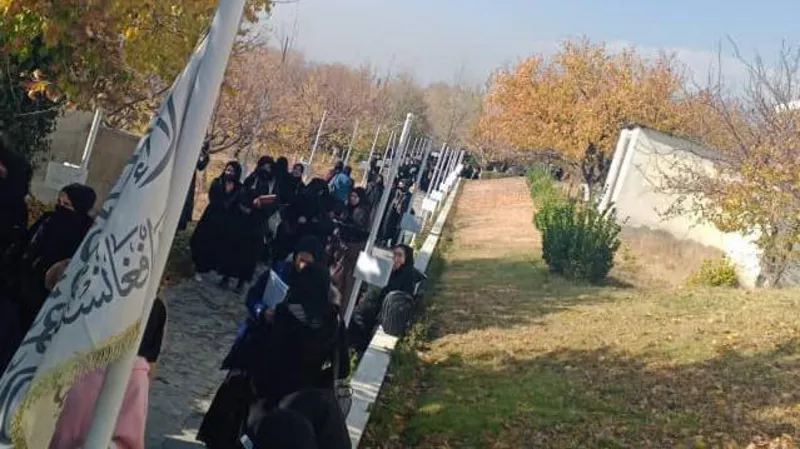
Women training as midwives and nurses in Afghanistan have told the BBC they were ordered not to return to classes in the morning – effectively closing off their last route to further education in the country.
Five separate institutions across Afghanistan have also confirmed to the BBC that the Taliban had instructed them to close until further notice, with videos shared online showing students crying at the news.
The BBC has yet to confirm the order officially with the Taliban government’s health ministry.
However, the closure appears to be in line with the group’s wider policy on female education, which has seen teenage girls unable to access secondary and higher education since August 2021.
The Taliban have repeatedly promised they would be readmitted to school once a number of issues were resolved – including ensuring the curriculum was “Islamic”. This has yet to happen.
One of the few avenues still open to women seeking education was through the country’s further education colleges, where they could learn to be nurses or midwives.
Midwifery and nursing are also one of the only careers women can pursue under the Taliban government’s restrictions on women – a vital one, as male medics are not allowed to treat women unless a male guardian is present.
Just three months ago, the BBC was given acess to one Taliban run midwife training centre where more than a dozen women in their 20s were learning how to deliver babies. The women were happy to have been given the chance to learn.
“My family feels so proud of me,” a trainee called Safia said. “I have left my children at home to come here, but they know I’m serving the country.”
But even then, some of the women expressed fear about whether even this might be stopped eventually.
What will happen to those women – and another estimated 17,000 women on training courses – is unclear.
No formal announcement has been made, although two sources in the Ministry of Health confirmed the ban to BBC Afghan off the record.
In videos sent to the BBC from other training colleges, trainees can be heard weeping.
“Standing here and crying won’t help,” a student tells a group of women in one video. “The Vice and Virtue officials who enforce Taliban rules are nearby, and I don’t want anything bad to happen to any of you.”
Other videos shared with the BBC show women quietly protesting as they leave the colleges – singing as they make their way through the hallways.
One Kabul student said she had been told to “wait until further notice”.
“Even though it is the end of our semester, exams have not yet been conducted, and we have not been given permission to take them,” she told the BBC.
Another student revealed they “were only given time to grab our bags and leave the classrooms”.
“They even told us not to stand in the courtyard because the Taliban could arrive at any moment, and something might happen. Everyone was terrified,” she said. “For many of us, attending classes was a small glimmer of hope after long periods of unemployment, depression, and isolation at home.”
What this means for women’s healthcare also now remains to be seen: last year, the United Nations and Afghanistn need an additional 18000 midwives to meet the country’s needs.
Afghanistan already has one of the worst maternal mortality rates in the world, according to the World Health Organization (WHO), with a report released last year noting 620 women were dying per 100,000 live births.
[BBC]

The Cabinet of Ministers approved the resolution furnished by the President to appoint the Committee on Economic Surveillance headed by the Minister of Labour, Dr. Anil Jayantha Fernando as the Deputy Minister of Finance and Planning and comprised of the relevant heads of the Institutions and eminencies in the field to provide recommendations to the Cabinet of Ministers on the essential policy precautions to be taken by constantly supervising the impact that can affect Sri Lankan economy due to the conflict in the Middle East.
Latest News
Nepal election 2026: Counting continues with rapper Balendra Shah’s party close to super-majority
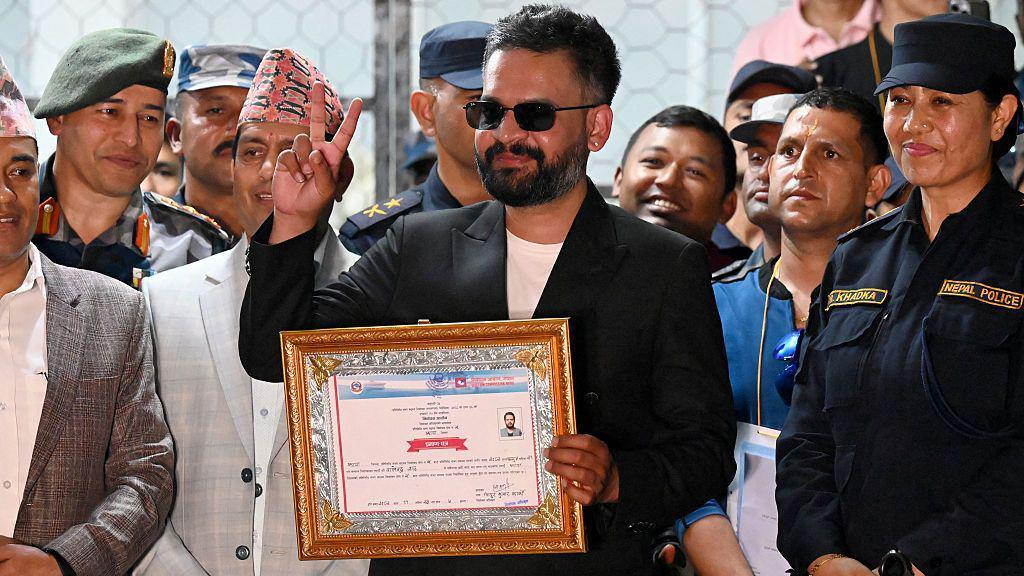
Counting is continuing in Nepal as the party of rapper and ex-Kathmandu mayor Balendra Shah is potentially just one seat away from winning a super-majority in parliament.
The Rastriya Swatantra Party‘s win would mark the first time in decades that a single party has won a majority in Nepal, which has a two-system format that makes it difficult for any one party to win outright
If the RSP secures a two-thirds majority, it would also be the first time in decades that a single party has achieved this

Madagascar’s military ruler Col Michael Randrianirina has dissolved the government unexpectedly, dismissing the prime minister and the entire cabinet, according to a statement from his spokesperson.
“The government has ceased its functions” it said, adding that Randrianirina will appoint a new prime minister “in line with the provisions stipulated by the constitution”.
No reason was given for the move.
Randrianirina seized power last October from Andry Rajoelina, following weeks of youth-led protests on the Indian Ocean island. Rajoelina had been elected president for a third term in a disputed poll in 2023.

Anupama Mangala Wickramaarachchi appointed District Secretary Ampara
Committee on Economic Surveillance to be established

Cabinet nod to include the National Savings Bank for the Interest-Free Loan Scheme for Students

Nepal election 2026: Counting continues with rapper Balendra Shah’s party close to super-majority

Madagascar military leader dissolves government in surprise move

ICC Board meetings in Doha called off due to West Asia conflict

‘Dates have the highest sugar content to fight Coronavirus’

Sunday Island 27 December – Headlines

#SundayIsland 17th December – Headlines

Sunday Island – 28th March

Sunday Island Headlines – 21 March

Sunday Island – 21st February – Headlines
-

 News5 days ago
University of Wolverhampton confirms Ranil was officially invited
-

 News6 days ago
Legal experts decry move to demolish STC dining hall
-

 News5 days ago
Female lawyer given 12 years RI for preparing forged deeds for Borella land
-

 News4 days ago
Peradeniya Uni issues alert over leopards in its premises
-

 Business6 days ago
Cabinet nod for the removal of Cess tax imposed on imported good
-
 News5 days ago
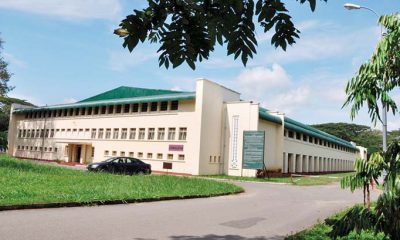
Library crisis hits Pera university
-

 News2 days ago
Repatriation of Iranian naval personnel Sri Lanka’s call: Washington
-

 Business7 days ago
Dialog partners with Ratmalana Audiology Centre for World Hearing Day 2026