
Features
A glimmer of hope: Researcher creates cell lines to help treat mitochondrial diseases in children

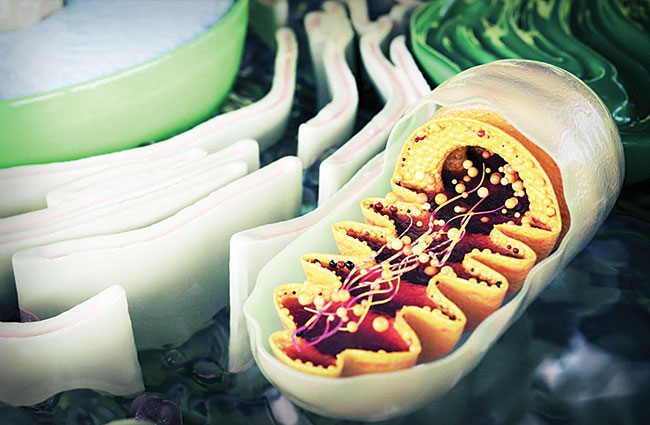
The mitochondrion has garnered quite the reputation for its role as the “powerhouse of the cell.” These tiny, but mighty organelles play various life-sustaining roles, from powering our own cells and organs to fuelling chemical and biological processes. But when they aren’t working properly, a number of rare diseases can occur.
Mitochondrial diseases are a group of debilitating genetic disorders that affect one in 5,000 people throughout the world, most of them being children. Along with these diseases come a variety of health concerns, including, but not limited to; heart disease, developmental and cognitive disabilities, respiratory issues, poor growth, and even premature death. As of this moment, there is no cure.
 But recent work published in the journals Mitochondrion and BMC Molecular and Cell Biology by Aloka Abey Bandara, a research associate professor in the Department of Biomedical Sciences and Pathobiology in the Virginia-Maryland College of Veterinary Medicine, and his team offers mitochondrial disease patients and their parents a glimmer of hope.
Bandara has successfully created live cell models that mimic mitochondrial disease cells. These cells will lay the groundwork for drug studies and future studies for mitochondrial diseases.
“Our cell models will allow us to see what exactly happens to the cells and its processes when a child develops mitochondrial disease. In addition to these factors, we will be able to conduct further study into the toxicity and effectiveness of novel drug candidates,” said Bandara.
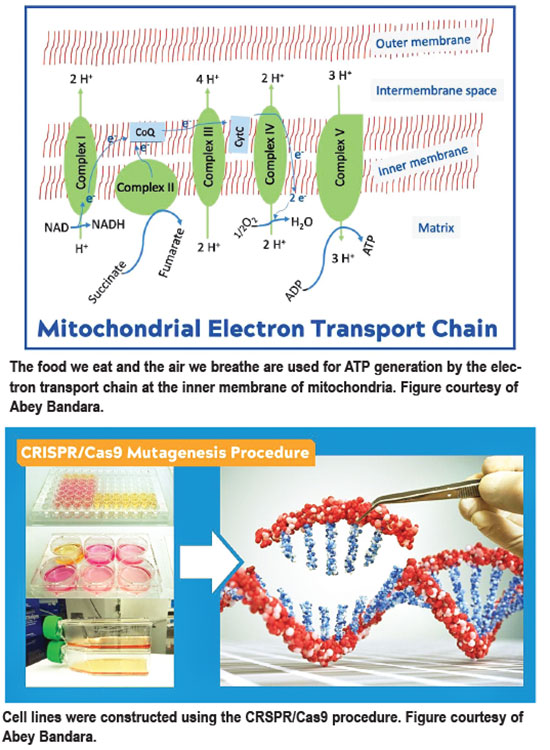
Our bodies produce life-sustaining energy from the food we eat and the air we breathe. Oxygen and nutrients, like glucose, travel throughout the body’s organs, tissues, and cells until they arrive at their final destination: the mitochondria. When the nutrients reach the inner membrane of the mitochondria, a unique series of protein complexes, called the electron transport chain, kicks into gear.
Through a series of reactions, the electron transport chain is able to remove electrons from the nutrients and push them through the mitochondrial membrane, which forms a gradient of protons. When this happens, the body generates adenosine triphosphate, better known as ATP, a molecule that carries energy within cells.
“Sometimes, you can see disruptions or mutations within the electron transport chain proteins,” said Bandara. “As a result, the protein complexes cannot transport electrons, and then energy production is disrupted. Almost all organs of the organism will be affected – heart, eyes, and muscles – and they will not be able to function correctly.”
The electron transport chain is composed of five protein complexes, or groups of proteins. Complex I and Complex II are two protein complexes that are primarily responsible for removing electrons from the nutrients. If they fail to do their duty, the whole electron transport chain fails, and the body cannot produce ATP.
Mitochondrial disease patients can have defects in either Complex I or Complex II. Patients who have Complex I disruptions typically have neurological problems such as seizures and abnormal brain functions. Those with Complex II disruptions can develop many other diseases and are more likely to develop several cancers.
Although researchers are able to pinpoint where exactly the defects are located, creating treatments for these mitochondrial diseases has been a challenge. Therapies, vitamins, and dietary adjustments have been able to help alleviate symptoms and slow down the progression of disease; but, mitochondrial disease, itself, does not have a cure. Therefore, new drugs need to be created, tested, and refined.
Bandara hopes that his cell lines will not only support upcoming research, but also the patients and their families, who are experiencing the mitochondrial disease and all of its impacts firsthand.
“The parents are often helpless because they cannot just go to the pharmacy and get a drug,” said Bandara. “Hopefully, they can see that researchers are taking huge leaps to find a cure for these diseases. Maybe they can feel that they are not alone anymore – that the universities, the government, and science are fighting with them.”
In order to test drug candidates, researchers must first create cellular models, which act as artificial “sick” cells. Cellular models are an excellent tool for drug discovery because mitochondrial disease can be studied without actually needing to extract cells from patients.
To create cells that mimic mitochondrial disease, Bandara had to “knock-out” portions of the genome that create the coding for Complex I and Complex II using CRISPR/Cas9 technology.
First, researchers identified the portion of the genome that needed to be deleted. Then, they designed a piece of RNA that made that point it’s “home base”. The RNA then “guided” an enzyme called Cas9 to its home base on the gene. Cas9 is then able to bind to that point and “cut” it.
After this process was completed, Bandara ran genomic sequencing to confirm that the portion was successfully deleted from the genome. Over several months of hard work, Bandara and his team created two mutant cell lines, one with Complex I removed, and the other without Complex II.
Bandara is one of the few researchers in the world to use the CRISPR/Cas9 technology.
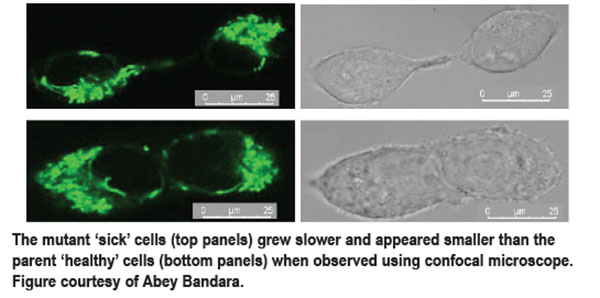
After the mutant cell lines were created, Bandara ran them through a disease model, where he tested the functions of the “sick” cell line against the “parent” cell line, which is composed of healthy cells. Through close analysis, Bandara confirmed that the sick cells consumed far less oxygen, grew very slowly, and did not produce enough ATP for the cells to function properly – the three trademarks of cells with mitochondrial disease.
Once they confirmed that the knockout cell lines properly simulated the cellular dysfunctions of mitochondrial disease, they were able to test a newly developed drug called Idebenone. With this treatment, Bandara showed that cell growth and oxygen consumption can be restored to a certain extent.
These cell lines were the product of a fruitful collaboration of experts from the Virginia Tech Department of Human Nutrition, Foods, and Exercise and the Virginia Tech-Carilion School of Medicine. The construction of mutant cell lines was guided and supported by David Brown, a former associate professor in the Department of Human Nutrition, Foods, and Exercise in the Virginia Tech College of Agriculture and Life Sciences, now the Senior Director of Scientific and Technical Innovation at Stealth BioTherapeutics, a Boston-based biotechnology company.
From this work, the team has received two provisional patents for their cells. These cell lines have already been licensed to two pharmaceutical companies in Boston and Chicago, which will develop new therapies for individuals suffering from mitochondrial diseases.
The cells have been made available for global use by interested researchers and pharmaceutical companies through Ximbio, the world’s largest non-profit specializing in life science research tools of all types.
“Cell models of mitochondrial complex I and II defects carry high societal and economic impact as models for testing drug candidates in a cost- and time-effective manner for the treatment of mitochondrial dysfunction” said Dr. Justin Perry, the business development manager at Ximbio.



World Health Day 2026, observed on April 7, under the above theme, commemorates the anniversary of the World Health Organization’s establishment in 1948, as well as the inaugural World Health Day in 1950. Each year, this significant day highlights a particular public health concern, drawing attention to pressing health issues. It champions wellness, fosters awareness, and galvanizes action against disease.
How is World Health Day Observed?
The World Health Day is observed primarily through WHO-published campaigns, materials, data releases, and institutional communications pertaining to the annual theme. It is anticipated that the WHO will unveil its initiatives as it progresses toward World Health Day.
This year’s World Health Day will manifest as a year-long campaign underscoring the paramount importance of scientific collaboration, empirical evidence, and solidarity in tackling intricate health challenges. It will also adhere to the One Health approach, which endeavors to safeguard the welfare of humans, animals, plants, and the planet. This integrated and collaborative methodology recognizes the intricate interconnections among humans, animals, and environmental health simultaneously confronting threats that could pose deleterious impacts stemming from zoonotic diseases and antimicrobial resistance.
Why is World Health Day 2026 so significant to Sri Lanka?
World Health Day 2026 is significant to Sri Lanka as the year 2026 heralds a momentous milestone in the evolution of public health in Sri Lanka as the nation prepares to commemorate the centenary of the inaugural Health Unit established in Kalutara on July 1, 1926.
The recently articulated National Health Policy of the Ministry of Health emphasizes the fortification of the primary health care system; one of its cornerstone initiatives is the Primary Care Community Centre Project (Arogya), which has already been launched on a pilot basis. This initiative aspires to facilitate early diagnosis, treatment, and follow-up care, thereby augmenting the existing primary health care services. The activities are projected to emphasize primary health care, ensuring equitable access to essential services while integrating digital and community health initiatives within the country, thereby reinforcing the WHO’s objective of accessible, high-quality health coverage for all citizens globally, free from financial burdens.
We, as a nation, are undergoing a significant transformation in the health sector. Beginning this year, we are in a fortunate position to undertake health services on a robust foundation based on scientific evidence, articulated through well-conceived initiatives as guided by the WHO. This innovative thinking and approach stand to play a pivotal role in enhancing the existing services.
As time progresses, this approach is destined to become a cornerstone of scientific service provision and a fundamental aspect of navigating life’s complexities. Innovation, creative thinking, rigorous experimentation, and research characterized by exceptional validity and feasibility will ultimately prevail.
World Health Day in Sri Lanka
During the past decade public health has undergone a profound transformation, evolving from mere disease identification to the cultivation of a community-driven, evidence-based, and resilient health system. Specifically, the initiatives are anticipated to focus on:
Distinct themes that the health sector will address, mirroring the current complexities of the nation, while simultaneously urging action from the government, various organizations, and individuals to implement policies and initiatives that safeguard health.
Fostering skills, capacity, and competencies essential for ensuring that all Sri Lankans access to exemplary, appropriate, cost-effective, and timely health services.
Nostalgic reflections on past public health initiatives, such as National Health Week, school health competitions, health promotion projects, health clinics, selection of healthy infants and mothers, and clean city campaigns, alongside the enthusiastic participation and support of volunteers evoke a spirit of passion and camaraderie. This could also serve as a pivotal stepping stone towards the concept of “healthy cities,” a comprehensive approach to addressing health challenges within communities that has the potential to significantly enhance public health outcomes.
This integrated approach not only aims to enhance the physical well-being of urban populations but also emphasizes the importance of environmental sustainability and social cohesion. By fostering collaboration among local governments, health organizations, and community members, the initiative seeks to create vibrant, healthy neighborhoods that empower citizens to actively engage in their health journeys.
Furthermore, the emphasis on participatory governance encourages the involvement of all stakeholders in decision-making processes. This collaborative framework strengthens the resilience of health systems, enabling them to adapt to emerging challenges, such as the impact of climate change on public health and the pressures of rapid urbanization.
As we celebrate World Health Day, it becomes imperative to reflect on our collective responsibility in striving for universal health coverage.
By investing in education, preventive measures, and comprehensive healthcare frameworks, we can ensure that every individual has the opportunity to lead a healthy and fulfilling life.
Public health is anchored in principles, concepts, and cause-effect relationships that can significantly influence measurable outcomes which are verifiable, reliable, and valid. These principles will encompass innovative and creative attributes. Even health behaviors are often predetermined. In light of this context, “Together for health. Stand with Science” serves as a commendable call for all individuals to be guided by evidence-based facts in their health-related decision-making while placing trust and confidence in public health and endorsing science-led solutions for a healthier and safer future.
Conclusion
The implementation of universal health coverage embodying primary health care services in the 21st century, coinciding with World Health Day and the centenary of the first health unit, represents endeavors that necessitate unwavering commitment and determination. There is an increasing public trust in the services and a growing interest among public health workers in engaging with primary health care. The strengthening of PHC should be pursued irrespective of the challenges ahead. A solid base for the health system is crucial for health systems towards the achievement of universal health coverage.
Let us commemorate World Health Day to acknowledge and honor the commendable efforts of this global organization in its ongoing commitment to enhance the quality of life and well-being of nations. Enormous resources of various kinds have been invested in disease prevention, human resource development, research, and numerous other domains, serving as resplendent exemplars of the WHO’s generous contributions.
Let us also harness the spirit of World Health Day to motivate action, foster innovation, and advocate for policies that advance health equity, thereby laying the groundwork for a healthier future for generations to come.
by A.K Seneviratne
A Former Senior Tutor Public Health
NIHS-Kalutara

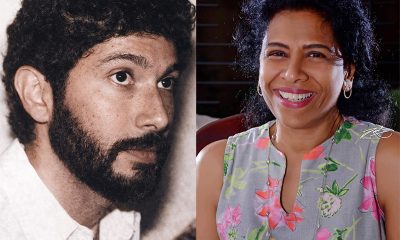
March 13th would have been Richard de Zoysa’s 68th birthday. That seems paradoxical, for he was the epitome of youth and energy, and I cannot imagine him growing old the way those of us left have grown old.
But this is not about him, but about elements of our shared past that came back to me when I met Mario Gomez, with regard to an event to commemorate Chanaka Amaratunga, on the 30th anniversary of his death. Chanaka too would have been 68 this year, born a little over a month after Richard.
Mario is now the Executive Director of the International Centre for Ethnic Studies, and I have been impressed in the last few months by the range of events he has hosted there, most recently yet another of the very different talks about Martin Wickremesinghe that the indefatigable Uditha Devapriya has delivered. I thought then that that would be a great venue for the event for Chanaka, given his close association with Neelan Tiruchelvam, and I was delighted when Mario readily agreed. That event will take place on August 1st or possibly the day before, but it seemed necessary to start planning now.

Ravi
But part of the joy of seeing Mario, and of talking to him at length, which has not happened for years, is remembering when I first met him. This was soon after I got back from Oxford, and thought that the teaching of English, Literature in those days before I moved to English Language too, required revitalization. I wanted to bring it alive, and the first programme I did with this aim, in collaboration with Richard, was about the Romantic poets, the most accessible of the stars in the firmament of English letters.
The programme involved counterpointing the old and the young Romantics, touching on the fact that youthful fervour died, with the early deaths of the younger more committed poets, Byron and Shelley and Keats – whom coincidentally I am now reading about again, a life of Byron, the letters of Keats.
I had a narrative, which I thought Richard had read out but, looking at the script which I have kept, I believe I read it while Richard read the poetry of the older Wordsworth. I had contrasted the younger poets to him and Coleridge and Southey, whose revolutionary ideas faded as they aged, becoming in time pillars of an authoritarian establishment. But the meat of the performance was the readings from these writers, for which Richard produced a host of young people, apart from himself, some of the rising stars of the stage in those distant days.
We had girls for the younger poets, including Ranmali Pathirana whose reading of Shelley I can still hear. She impressed me so much that we used her often in the next few years, and I ultimately took her on as my assistant, when Rex Baker, who had coped with Richard in my previous absence, told me I could go on the university ship that went around the

Mario
world, but had do find anyone but Richard to act for me.
For the older poets we had boys, I had thought two of them Richard’s Josephians as I called them, for he had moved by now to training that school for the Inter School Shakespeare Competition, to the immense irritation of the Thomians. There were several generations of Josephians, whom I conflated in my mind, but Mario reminded me that he and Ravi John belonged to the first generation, and I imagined that it was both of them we used. The third male voice, that of Southey, was Rohan Edrisinha who had been a near contemporary of Richard at S Thomas’ (and we used his sister for the young Wordsworth, for I needed to stress the great changes in him over the years).

Richard
Looking at my script, with names scrawled all over it, it seems Ravi was not in the performance, though it is he who is now remembered as an actor, having finally stopped the run of Thoman best actors in the Shakespeare competition. He also followed in Richard’s path by reading the news, until the former withdrew during JVP times and then Ravi feared that Richard had threatened him, so that he then left the country.
He had earlier read English at Peradeniya, whereas Mario, more solid in build and character (he read Coleridge in our performance), studied law in Colombo, and later distinguished himself in work on rights. Hence his elevation to the ICES post, while Rohan, who has also worked in this field, and in particular on constitutional rights, has also been asked to speak at the event for Chanaka.
I recall Mario also coming home, when I was thinking of a production of Oedipus Rex with Richard in the title role. I can still recall him limping, to try on his walk for the king who had had fetters on his legs in childhood. Mario and Ravi, I thought ideal for the two different messengers, and we even talked to Graham Hatch about design, but then Richard told me that the Thomians, who were angry enough at him, were annoyed at my getting involved in the direction of plays, which was their preserve. And, so, it seemed best to desist, though I still dream of my ideal Oedipus, a play in which I had appeared at the Oxford Playhouse, though in the only minor role in it.
Nearly half a century on, I still recall the performance on the Romantics, on the Ladies College stage, for the principal, Sirancee Gunawardana, was a great supporter of my initiatives. The narrator stood at the left of the stage, myself I now realize, so that Richard would have been at the other end. We had the six younger readers (Kamani Hapugalle was Keats and Natalie Greet Byron) spread out across the stage, and they stepped forward for their readings. Looking at the script now I am still astonished at the depth of the arguments in a days when rote learning was the norm.
But I think too of the different but converging paths of so many of those whom I worked with in those distant days. Richard and Chanaka and Neelan Tiruchelvam all died in the nineties, but it is good to think that Mario continues with some aspects of their idealism, and that my lugubrious Southey will talk about the constitutional reforms which Chanaka championed, and which this country so sorely needs.
by Prof. Rajiva Wijesinha
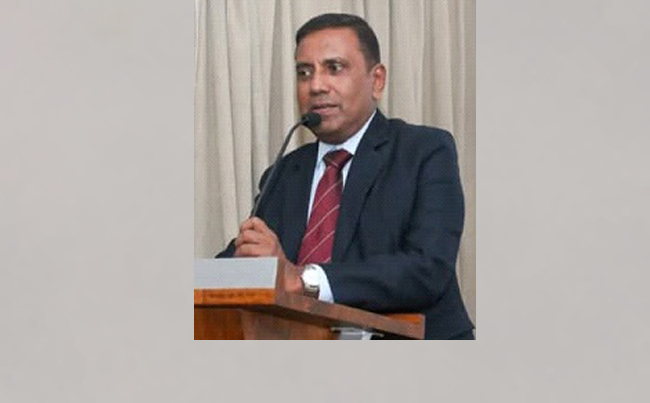
It was on March 10 last year, that unfortunate day when Athula , my friend for 30 long years, had left his residence for the usual morning walk, not imagining in his wildest thoughts about the fate that was to befall on him within a short time from then.
Hardly a day would have passed, without thoughts about this great personality crossing my mind, as he was such a sincere friend, a brother at times, a motivator, an adviser and a partner with whom so many of us worked with so much of joy.
As a disciplined student during our days at Nalanda College, he was a member of the Cadet platoon that won the coveted Herman Loos Trophy, the all island championship award for cadets after a lapse of 39 years.
He rendered yeoman service to Nalanda, through his association with the Nalanda Junior OBA, where he was President during 1995 to 1999 and was eagerly looking forward to its 50th anniversary celebrations last year. Though his untimely departure did not allow him that pleasure, it was a fitting tribute to Athula that Nalanda Junior OBA posthumously bestowed upon him the honour of the Golden Guardian Award at that grand function.
As Athula was a keen follower of discipline and a great enthusiast for improving language skills of fellow Nalandians, a group of his friends, led by Priyanka Wanigasekera and Kumar Gunawardena initiated and presented a memorial award in his name for the Best Cadet and the Best English Orator, at the College Prize Giving starting from 2025.
Athula’s contribution to Nalanda will also be remembered through several articles he wrote to the press about our alma mater, about its history, founders, cricket stars and several appreciations about our coaches, teachers and even about our groundsmen. Unfortunately he was gone before Nalanda celebrated its centenary and we missed a series of articles he certainly would have written to mark the occasion.
There have been so many lives Athula had touched with his caring, friendly and helpful ways and his absence has been sadly felt by all those who had known him, every single day during this past year. It really was a rude shock to face the sad passing of my dearest friend for over 30 years, and his memories will linger on for the rest of my days.
May Athula attain the supreme bliss of Nirvana sooner than later!
Varuna Ratnaweera

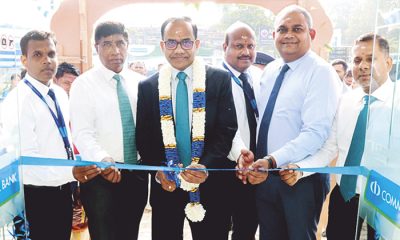
Commercial Bank takes state-of-the-art banking to Kaluwanchikudy

World Health Day 2026: “Together for health. Stand with Science”

Richard de Zoysa and his youthful contemporaries

Vision to Reality: A Year of Learning, Leadership and Global Engagement for COYLE

Wedgefishes and Guitarfishes in Sri Lanka: The Urgent Need for Conservation

JKH sells off Cinnamon Citadel for Rs. 2.8 bn. ahead of opening new Kandy property

‘Dates have the highest sugar content to fight Coronavirus’

Sunday Island 27 December – Headlines

#SundayIsland 17th December – Headlines

Sunday Island – 28th March

Sunday Island Headlines – 21 March

Sunday Island – 21st February – Headlines
-

 News6 days ago
Repatriation of Iranian naval personnel Sri Lanka’s call: Washington
-
 Features6 days ago
Winds of Change:Geopolitics at the crossroads of South and Southeast Asia
-

 News5 days ago
Prof. Dunusinghe warns Lanka at serious risk due to ME war
-

 Sports4 days ago
Royal start favourites in historic Battle of the Blues
-

 Sports3 days ago
The 147th Royal–Thomian and 175 Years of the School by the Sea
-

 News3 days ago
Historic address by BASL President at the Supreme Court of India
-

 News4 days ago
CEBEU warns of operational disruptions amid uncertainty over CEB restructuring
-
 Business4 days ago
BOI launches ‘Invest in Sri Lanka’ forum