
News
Yohani shifts base to Mumbai, learning Hindi, but misses her family


BY S VENKAT NARAYAN
Our Special Correspondent
NEW DELHI, November 5:Sri Lankan singer-songwriter-rapper Yohani has shifted her base to Mumbai. She is focussing on Bollywood, and is learning to speak Hindi, the language in which films are made in Mumbai. Hindi is spoken by half a billion Indians but understood by 1.4 billion Indians who love films made in Bollywood.
In interviews to Indian newspapers, TV channels and popular TV shows, Yohani said she did dream of singing for Hindi films, but didn’t think she would one day shift base to Mumbai. “I honestly didn’t think I would be able to sing for Bollywood. It all still feels like a dream. I’ve grown up listening to Hindi music and watching Bollywood films. I’m a big fan of so many artistes from India, and now I’ve got to work with a few of them. It still feels surreal,” she says.
It is not easy singing in Hindi. “Singing in a different language is quite a challenge. Learning to match the accent changes my vocal texture, so I need to get that right. But I am taking classes and working towards that,” says Yohani.She admits she misses her family: “I’d love to have my family here with me. But sadly, I don’t think they are going to move. My sister is a doctor and her work is mostly in Sri Lanka. Of course, they will come here from time to time to visit.”
She has been spending a lot of time in Mumbai because of work. “I like the three-wheeler rides (autorickshaw) in Mumbai, and I love how my team makes me feel at home here. The traffic is the only thing I dislike!
She is yet to understand Hindi fully. “Even though I don’t fully understand Hindi, I feel the music and it is amazing,” she says.And she has a long list of people she is a fan of in the Indian music industry. “I’m a huge fan of AR Rahman, Pritam, Arijit Singh, Sonu Nigam, Jubin Nautiyal, Guru Randhawa, Badshah, Divine, Neha Kakkar, Shreya Ghoshal, Sunidhi Chauhan… the list goes on. Each artiste here is unique in his/her own way, and they make great music. I feel their music and it is amazing. I aspire to have a body of work like them one day.”
Recently, she performed in Maldives for the first time to participate in the ChanaaChaa concert, and performed hit songs ‘Manike Mage Hithe’, ‘Chammak Challlo’, ‘Kabira’, ‘Ek Ladki Ko Dekha’, and others.Maldivian President Ibrahim Mohamed Solih also attended the concert wherein Yohani delivered a spectacular performance. He also expressed his gratitude to Yohani.
“Getting love from fans is always an enormous feeling but to get it at new place which you have never visited is a surreal experience. But to my surprise I was welcomed with immense love and support. I am so thankful to the beautiful people of Maldives who treated me so well”, she said.












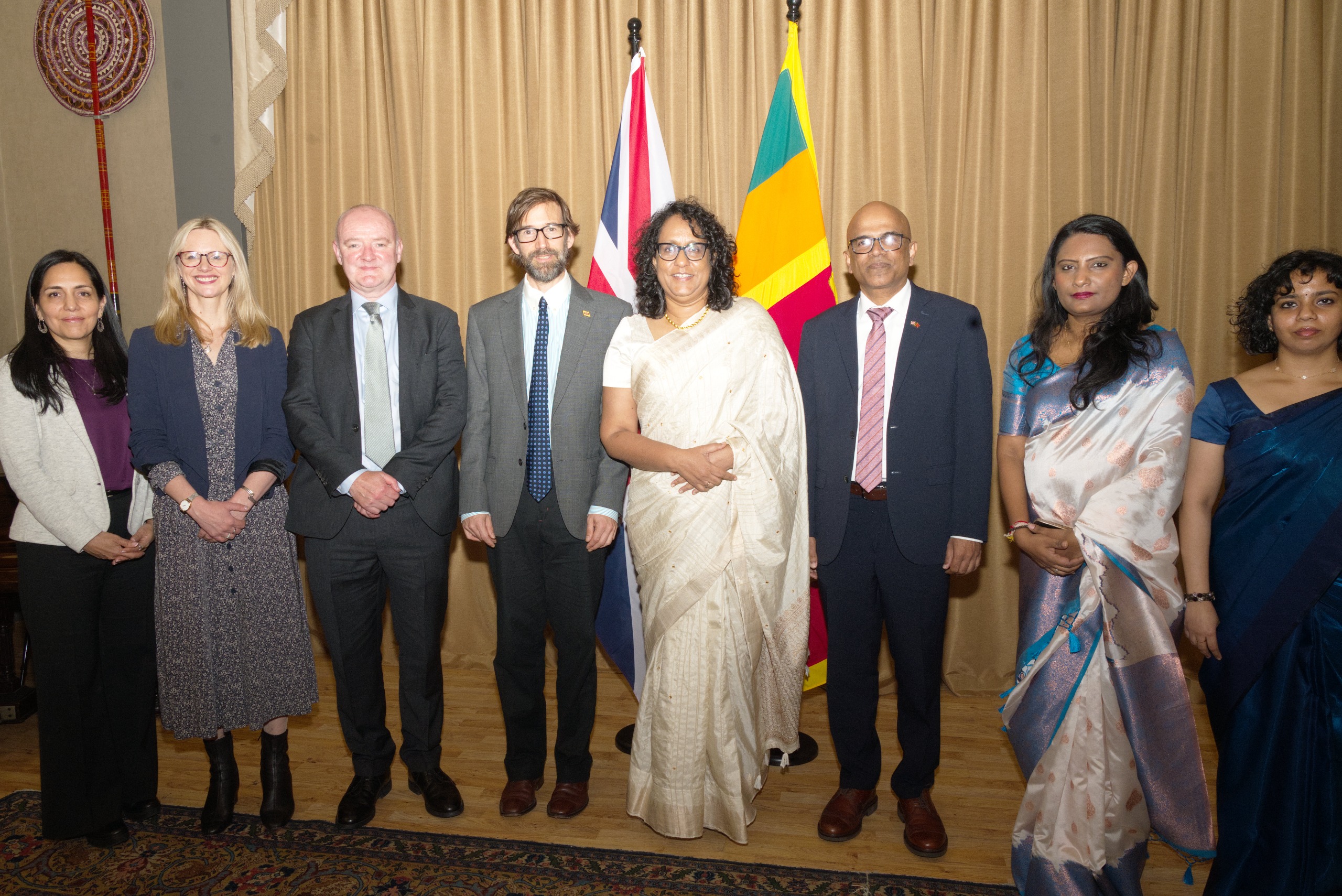
As part of the official visit to London for the 43rd Commonwealth of Learning (COL) Board of Governors Meeting 2026, the Prime Minister of Sri Lanka, Dr. Harini Amarasuriya, held discussions with academic experts from the British Council on Wednesday [20 May 2026].
The discussions focused on strengthening cooperation in education, particularly in the areas of teacher training, English language programmes, education frameworks, and language acquisition skills.
The British Council shared international experience and highlighted its ongoing engagement in Sri Lanka, while expressing readiness to support the country through technical assistance, teacher development initiatives, and policy collaboration.
Discussions also included views on improving quality assurance, expanding research collaboration, and enhancing learning opportunities.
The Prime Minister appreciated the British Council’s continued engagement in Sri Lanka and reiterated the importance of deepening partnerships.
[Prime Minister’s Media Division’
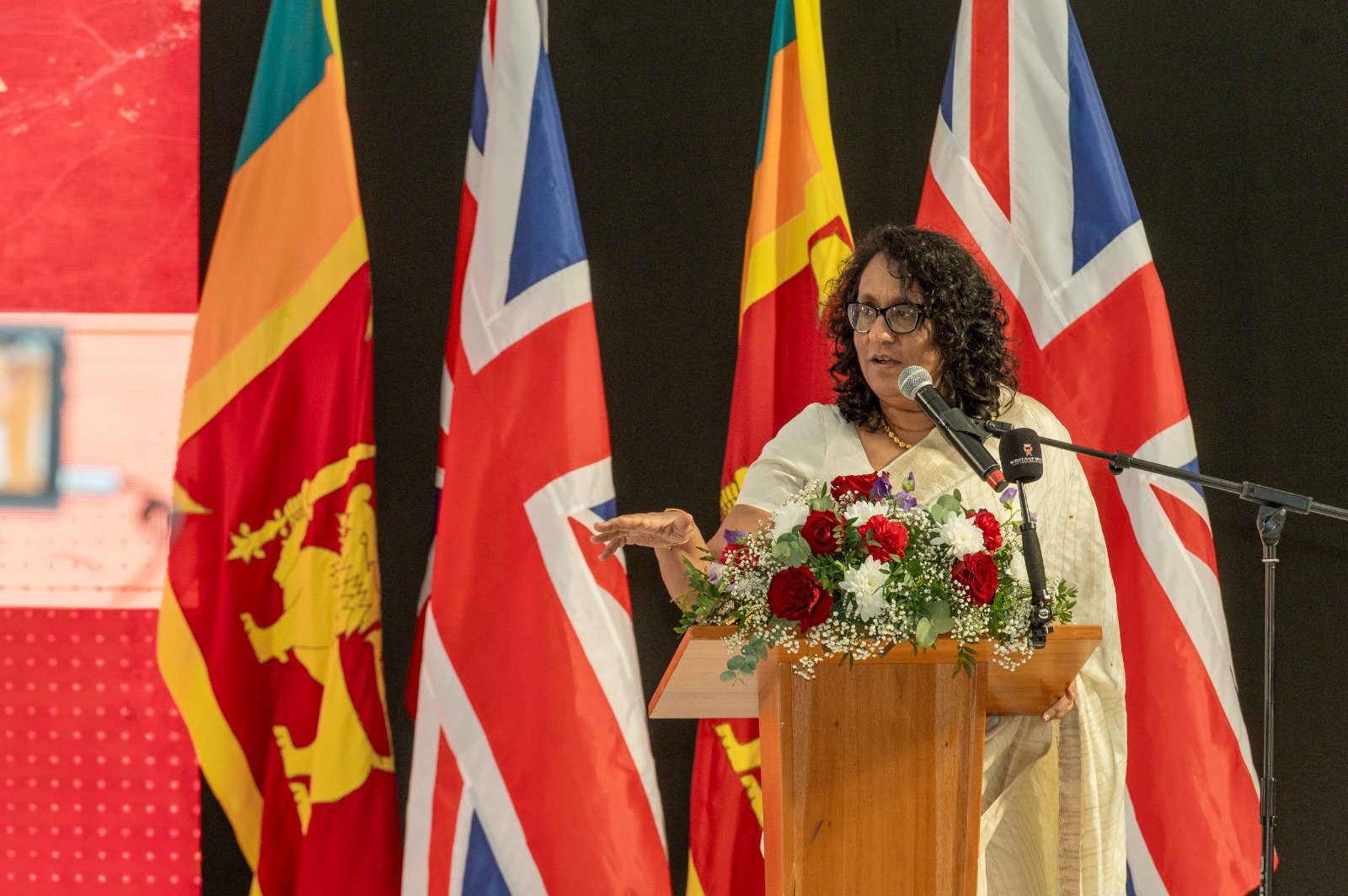
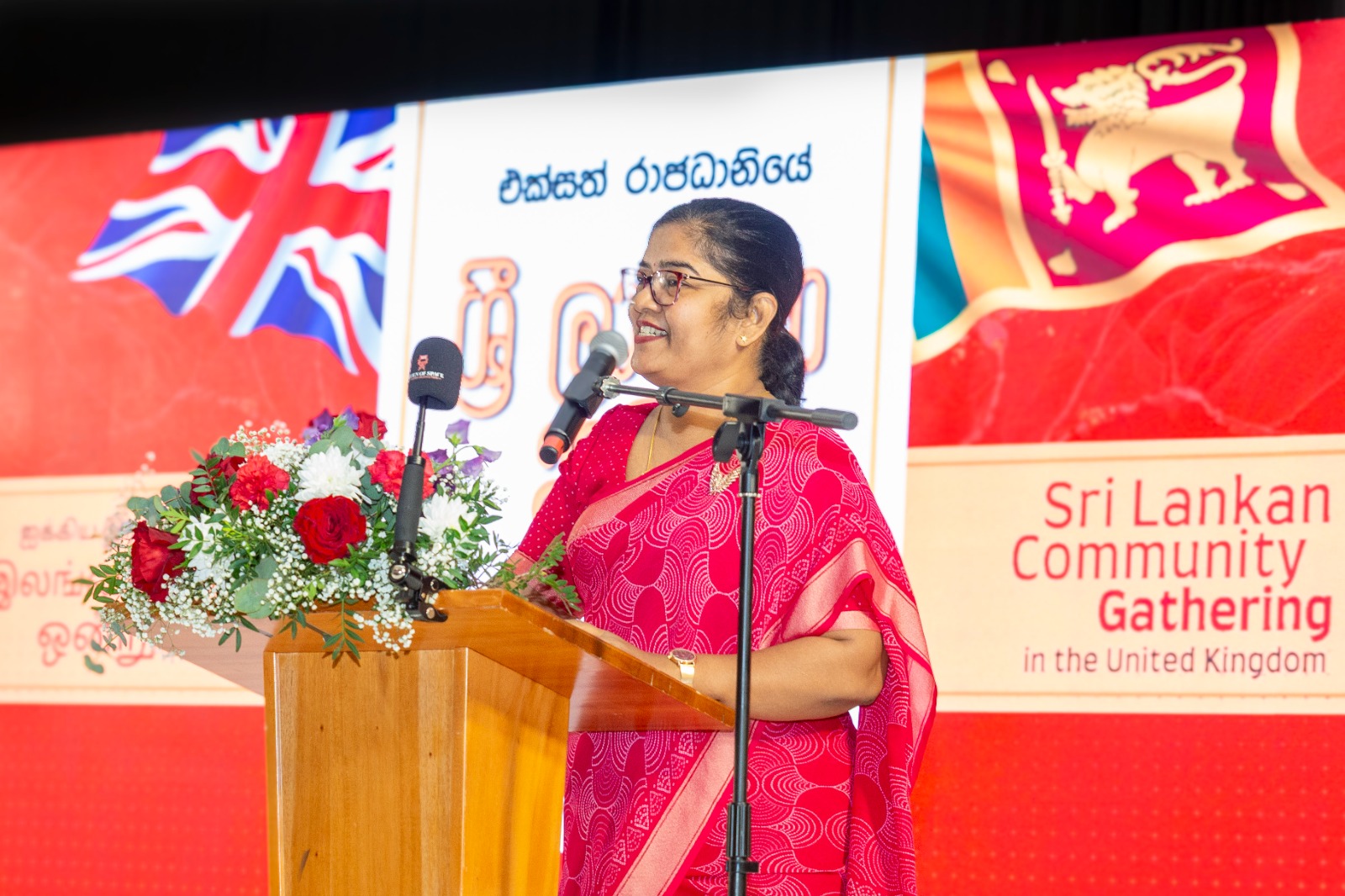
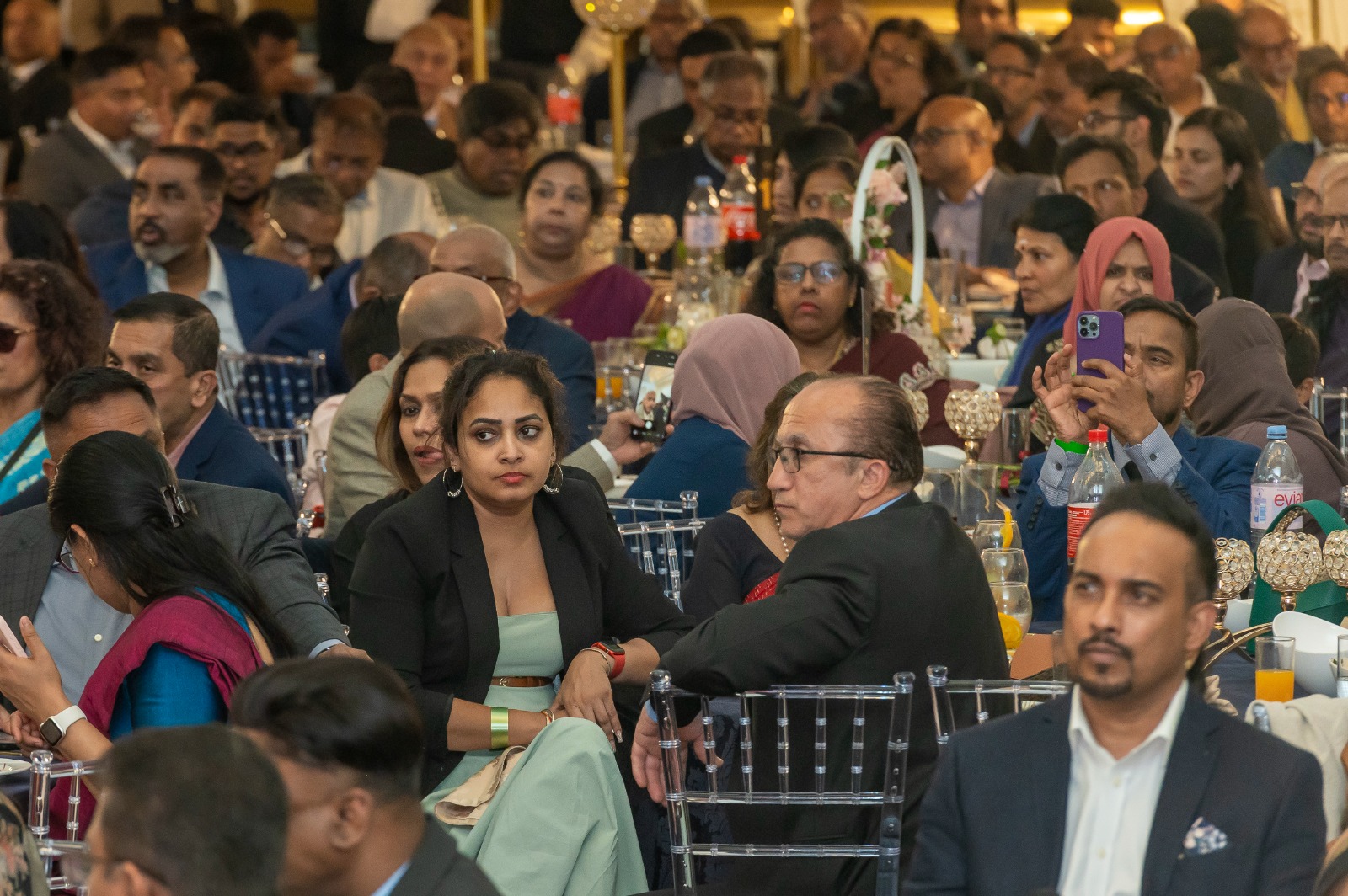
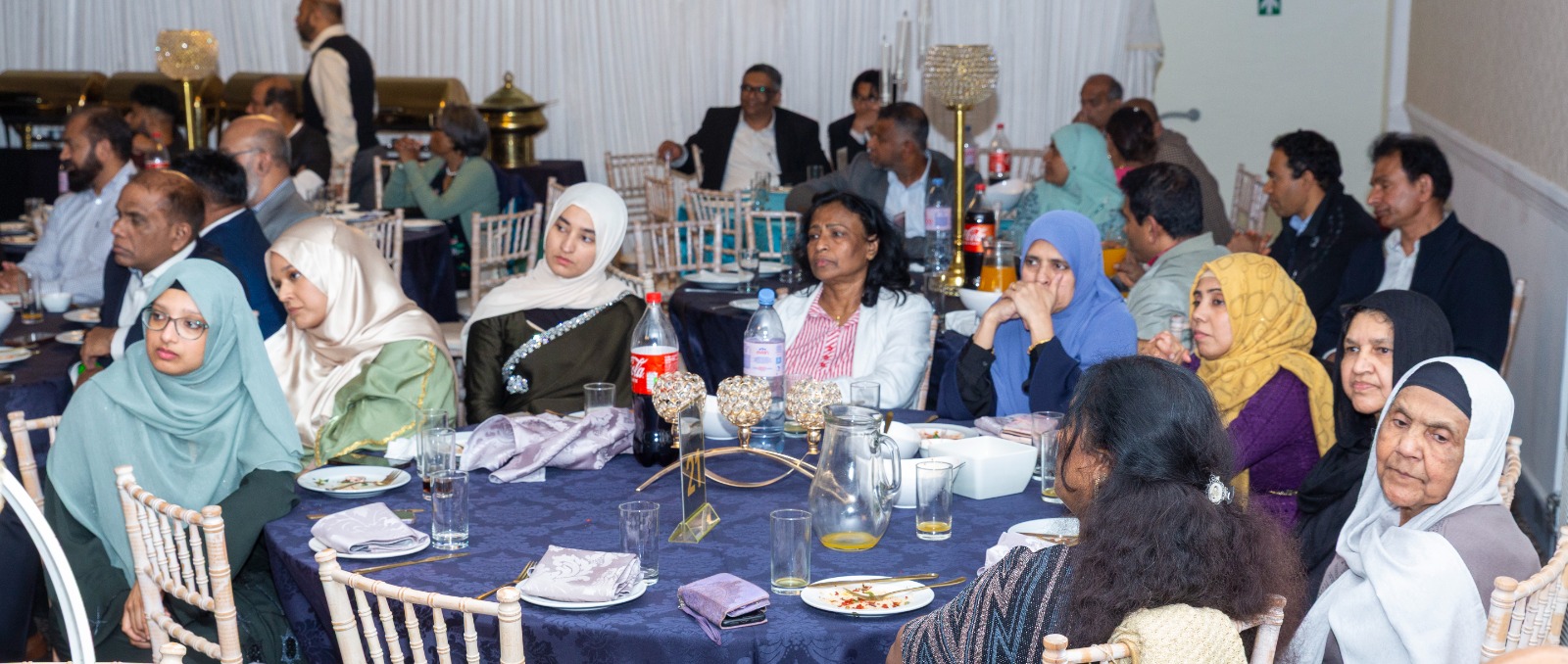
Prime Minister Dr. Harini Amarasuriya, who is currently on an official visit to the United Kingdom, met with members of the Sri Lankan community living in London on Wednesday [20th] and engaged in cordial discussions.
Despite the event being held on a weekday, it was notable that nearly one thousand Sri Lankans representing the Sinhala, Tamil, and Muslim communities attended with great enthusiasm.
Addressing the gathering, Prime Minister Dr. Harini Amarasuriya stated that despite natural disasters and international crises, the present government has succeeded in stabilizing the country’s economy while providing relief to the people. She further noted that Sri Lanka’s political culture has now undergone a positive transformation that is irreversible.
Minister of Women and Child Affairs Saroja Paulraj, addressing the event, stated that a governance system has now been established in the country where all communities are treated equally and the benefits of economic development are shared fairly among all citizens.
Moving away from the traditional method of political gatherings, the event also provided an open platform for members of the Sri Lankan community to directly raise questions and express their views to the Prime Minister and the Minister.
Commenting on the organization of the event, the organizing committee stated that all expenses, including dinner, were borne by the participants themselves. The organizers further remarked that it is unsurprising that opposition groups, accustomed to organizing such events through the misuse of public funds, appear unsettled by this transparent process.
The occasion was attended by the Minister of Women and Child Affairs Saroja Paulraj and Sri Lanka’s High Commissioner to the United Kingdom, Nimal Senadheera.
[Prime Minister’s Media Division]
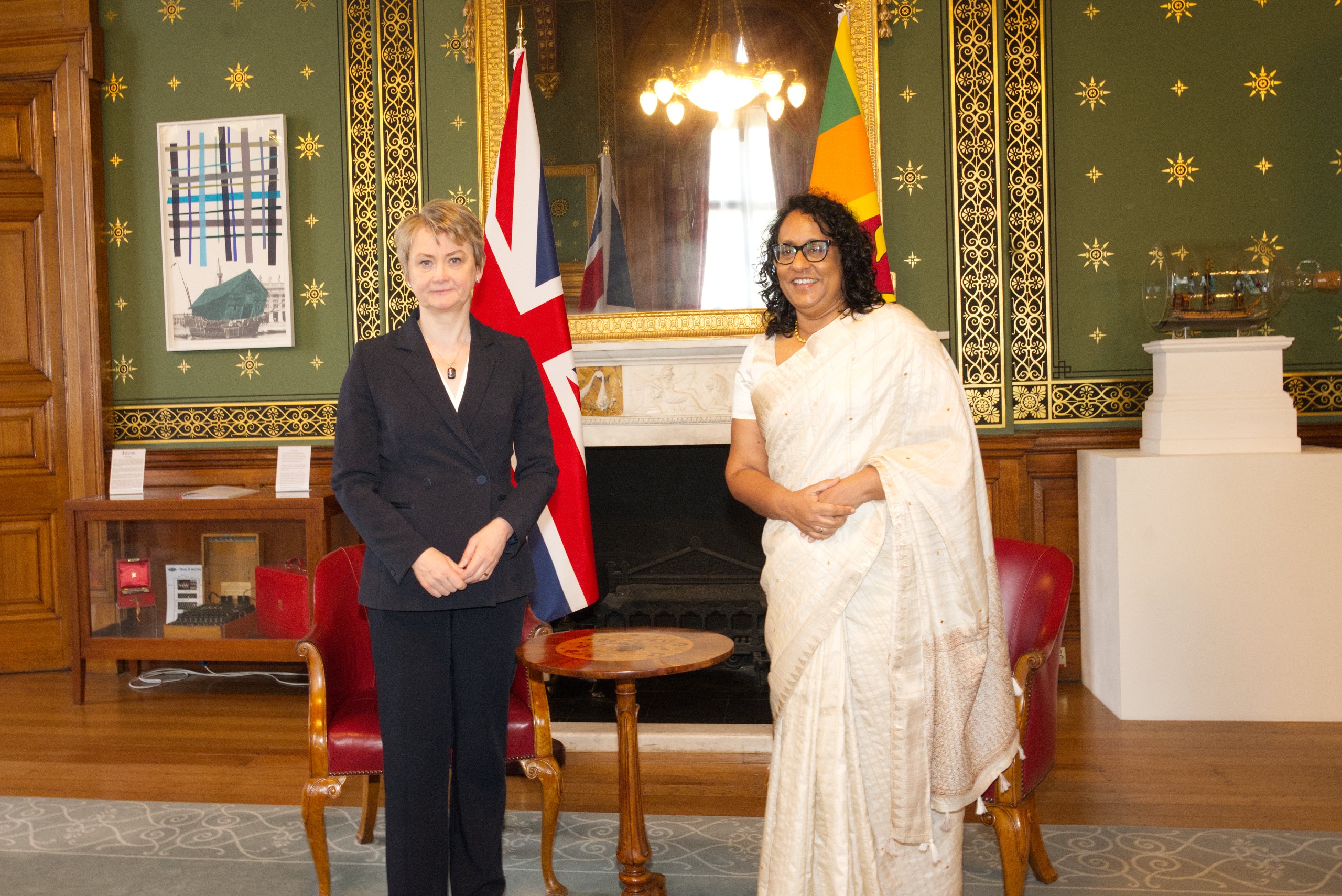
Prime Minister Dr Harini Amarasuriya currently undertaking an official visit to London, United Kingdom, to participate in the 43rd Commonwealth of Learning (COL) Board of Governors Meeting 2026 held a bilateral meeting with the Yvette Cooper MP, Foreign Secretary of the United Kingdom ON Wednesday [20]. The Prime Minister was accompanied by Sri Lanka’s High Commissioner to the United Kingdom, Nimal Senadheera, along with officials from the Sri Lankan High Commission.
During the meeting, the Prime Minister conveyed Sri Lanka’s appreciation to the United Kingdom for the support extended in the aftermath of Cyclone Ditwa, including ongoing rebuilding and recovery assistance. The Prime Minister also commended the United Kingdom’s support in facilitating increased bilateral trade and exports for Sri Lanka.
The Prime Minister briefed the UK delegation on Sri Lanka’s recent economic developments and policy priorities, the Government’s commitment to advancing human rights and reconciliation, as well as Sri Lanka’s positive growth trajectory.
The two sides also exchanged views on current global geopolitical developments, challenges in the energy sector, and the importance of enhancing regional connectivity and long-term energy security.
Both sides also emphasised the importance of strengthening structured academic mobility frameworks while ensuring fairness, clarity, and integrity within migration systems.
They also reaffirmed their commitment to further strengthening bilateral cooperation between the two countries in areas of mutual interest.
[Prime Minister’s Media Division]

PM meets academic experts from the British Council

Gaby Lewis to lead Ireland at T20 World Cup

PM meets Sri Lankan community living in London

Kapila Wijegunawardena to head SLC’s new selection committee

Afghanistan refugee women’s team set for England tour under ECB initiative

DR Congo cancels World Cup training camp over Ebola outbreak

‘Dates have the highest sugar content to fight Coronavirus’

Sunday Island 27 December – Headlines

#SundayIsland 17th December – Headlines

Sunday Island – 28th March

Sunday Island Headlines – 21 March

Sunday Island – 21st February – Headlines
-
 Features5 days ago
Sri Lankan Airlines Airbus Scandal and the Death of Kapila Chandrasena and my Brother Rajeewa
-
 News6 days ago
Lanka’s eligibility to draw next IMF tranche of USD 700 mn hinges on ‘restoration of cost-recovery pricing for electricity and fuel’
-
 News5 days ago
Kapila Chandrasena case: GN phone records under court scrutiny
-
 News5 days ago
Rupee slide rekindles 2022 crisis fears as inflation risks mount
-
 Features2 days ago
Octopus, Leech, and Snake: How Sri Lanka’s banks feast while the nation starves
-
 Business5 days ago
Expansion of PayPal services in Sri Lanka officially announced
-
 News22 hours ago
Steps underway to safeguard Sri Lanka’s maritime heritage
-

 Features7 days ago
Mysterious Death of United Nations Secretary General Hammarskjöld