
News
Direct Relief: Lanka heading for a humanitarian disaster


22mn Lankans lose access to medicine
Since Sri Lanka announced in April that it would default on its foreign debt, its 22 million residents have lost access to most medicine and medical supplies, setting them on course for a humanitarian disaster, according to a report published by the ReliefWeb, the humanitarian information project of the United Nations Office for the Coordination of Humanitarian Affairs.
It said: Unlike Russia’s invasion of Ukraine and the recent hurricane batterings of Puerto Rico and Florida, Sri Lanka’s crisis grew slowly and has garnered few international headlines. But Sri Lankans are suffering amid the harshest economic crisis the country has confronted since gaining independence from the British empire in 1948.
With the country’s foreign reserves depleted, the nationalized healthcare system cannot afford to import medicine and medical supplies in sufficient quantities. Sri Lanka relies on imports for about 85% of its pharmaceutical needs and about 80% of its medical supplies. The country imported $815 million in medicine in 2021, but by May had only about $25 million in foreign reserves to pay for imports of any kind.
Last week in Sri Lanka, Direct Relief staff participated in an extensive series of meetings with Prime Minister Dinesh Gunawardena and much of the country’s healthcare leadership while overseeing the arrival of what may be the largest donation of medicine to the country since the crisis began.
What they encountered was grim. “For the next six months, they’re expecting a catastrophic number of deaths,” said Chris Alleway, Direct Relief’s manager of emergency response and new initiatives, who led the Sri Lanka meetings.
The 3,500-bed National Hospital of Sri Lanka in Columbo, which usually has 1,300 medicines in stock, is now down to requesting only the 60 most essential medicines.
With anesthesia in short supply, most general surgeries in the country have ceased, including kidney transplants. Cancer patients have lost access to medications needed to fight the deadly disease. Diabetes patients must secure and bring their own glucose meters for blood sugar checkups.
Many hospitals are stocked out of basic items like bandages and cotton balls. The stockouts are forcing rural clinics to close their doors and refer patients to larger facilities in urban areas, which also are overwhelmed by the flow of patients.
Due to a severe fuel shortage, the country’s fishing fleets cannot go far out to sea, slashing the supply of fish that is a significant source of protein in the country, including at its largest children’s hospital.
In addition to Prime Minister and the Ministery of Health, Direct Relief staff met with the chairs of the country’s medical universities, including the colleges of oncology, psychiatry, nephrology, hematology, endocrinology, critical care medicine, anesthesiology, and maternal & child health.
Sri Lanka is also losing clinicians as they migrate to other countries with more opportunities, while its medical colleges see the number of applicants for medical education decline sharply.
“Every one of the medical college leaders informed us that they are in a dire situation, with major shortages across the board for everything,” Alleway said. “A lot of them were very emotional in our conversations. You could tell that they’re holding together the health care system to the best of their abilities with limited to no resources.”
Responding to the crisis spurred by Sri Lanka’s default in June of this year, Direct Relief has delivered eight humanitarian shipments totaling 27 tons and 16 million defined daily doses of donated medicine.
The largest shipment from Direct Relief to Sri Lanka—36,600 lbs. (18 tons) of medicine and medical supplies requested explicitly by Sri Lanka’s government—arrived in recent weeks.
“Direct Relief’s donation of $10 million worth of medicine will save many lives,” Prime Minister Gunawardena said in a statement.
The 18-ton shipment included medications to treat infections, wounds, seizures, mental health conditions, glaucoma, cardiovascular disease and respiratory issues.
These products were donated to Direct Relief by companies including Accord Healthcare, Apotex, Baxter International, Teva Pharmaceuticals and Viatris. One particularly considerable contribution from Accord included nearly 200,000 defined daily doses of IV furosemide, which is used to treat edema from heart failure and liver and kidney disease.
Other companies contributing donated medicine to Sri Lanka include AbbVie, Boehringer Ingelheim Cares Foundation, Eli Lilly & Co., Hikma Pharmaceuticals, Integra LifeSciences, Meitheal Pharmaceuticals, and Merck.
Partnering with Sri Lanka’s College of Endocrinologists and the Life for a Child program, Direct Relief has also donated and delivered two shipping containers of insulin that went to 25 health facilities for the benefit of patients under the age of 14 with diabetes.
Direct Relief works closely with Sri Lanka’s Ministry of Health, Ministry of Foreign Affairs, the Sri Lankan Embassy in the United States, the Medical Supply Division, and the National Medicines Regulatory Authority to deliver supplies and will continue to do so.
Direct Relief has also received invaluable assistance from Medical Help Sri Lanka, an organization formed by Sri Lankans in the United States.
“Direct Relief has established trusted relationships at all levels of the government and will continue to provide support as needed,” Alleway said.
In April, Sri Lanka suspended repayment of nearly $7 billion in foreign debt due this year out of a total foreign debt of more than $51 billion. On Sept. 1, the International Monetary Fund announced $2.9 billion in loans “to restore macroeconomic stability and debt sustainability while safeguarding financial stability, reducing corruption vulnerabilities and unlocking Sri Lanka’s growth potential.”
The loans, however, are not expected to restore Sri Lanka’s ability to import medicine quickly. In the meantime, Direct Relief will continue assisting the country to the fullest extent possible, with additional medical aid shipments already underway.


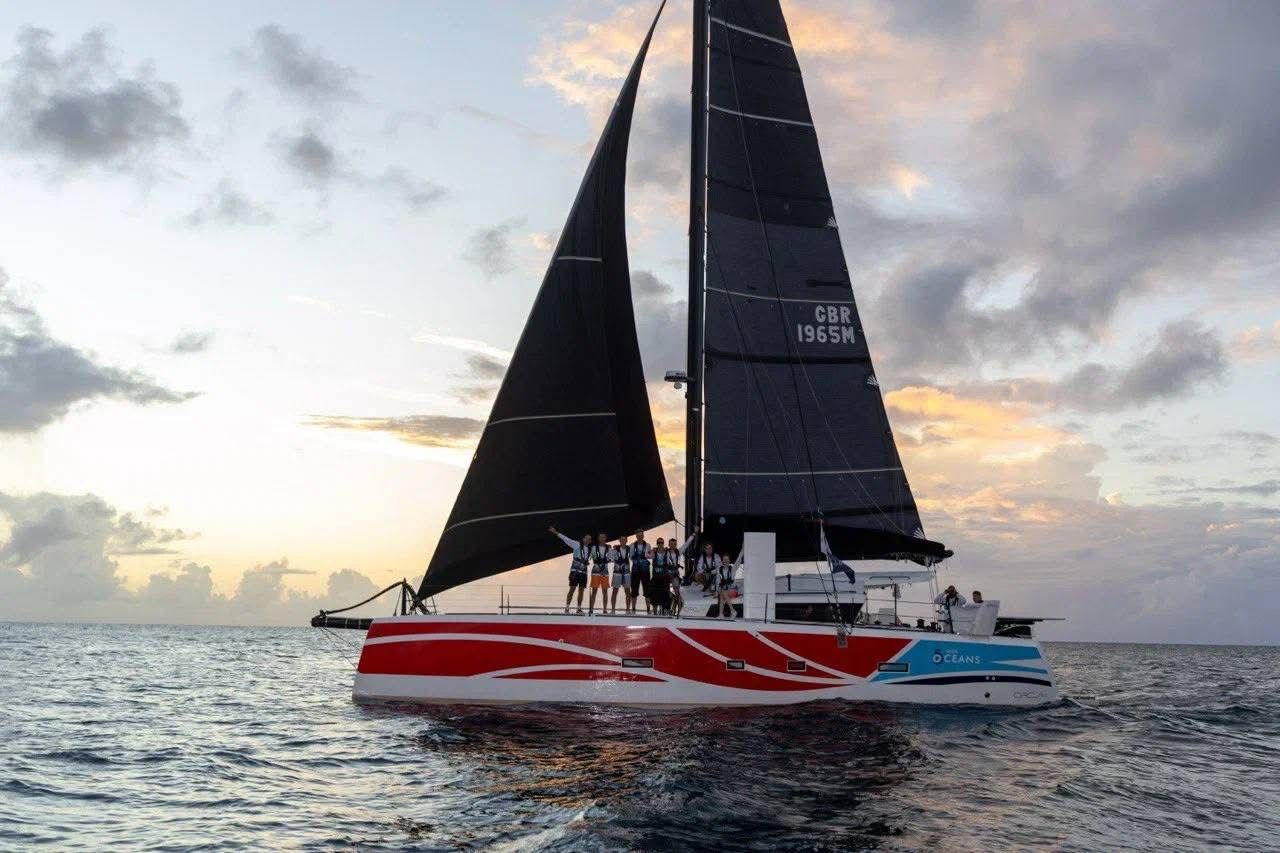
The Russian circumnavigation team, the 5 Oceans Club, made a brief stop in Sri Lanka as part of their second global sailing expedition.
The six-member crew, visited the Russian House in Colombo, on Friday, (24th April) where they shared insights from their journey.
What makes this expedition particularly inspiring is the club’s commitment to inclusivity. They actively encourage children with limb disabilities to experience the ocean and participate in sailing as equals, fostering confidence and a deep connection with nature.
The team also spoke about a specialized sailing school based in Siberia—one of Russia’s most picturesque regions—where children with such challenges are trained and introduced to maritime life. During the session, they offered a glimpse into their daily life aboard the yacht and highlighted how they integrate elements of science into their explorations, making their journey both adventurous and educational.
The crew consists of, Dmitry Kuznetsov – (captain of the boat of the 5 Oceans Club), Vladimir Dudkin – (crew member), Dmitry Dudkin –(cabin boy), Ksenia Kuznetsova – (cabin boy), Natalia Shahinyan – (founder of the charity foundation “Life on the Move”), Sofia Sheremet -(ward of the foundation)
Latest News
Heat Index at Caution Level in the Northern, North-central, North-western, Western, Sabaragamuwa, Southern, and Eastern provinces and in Monaragala district during the day time

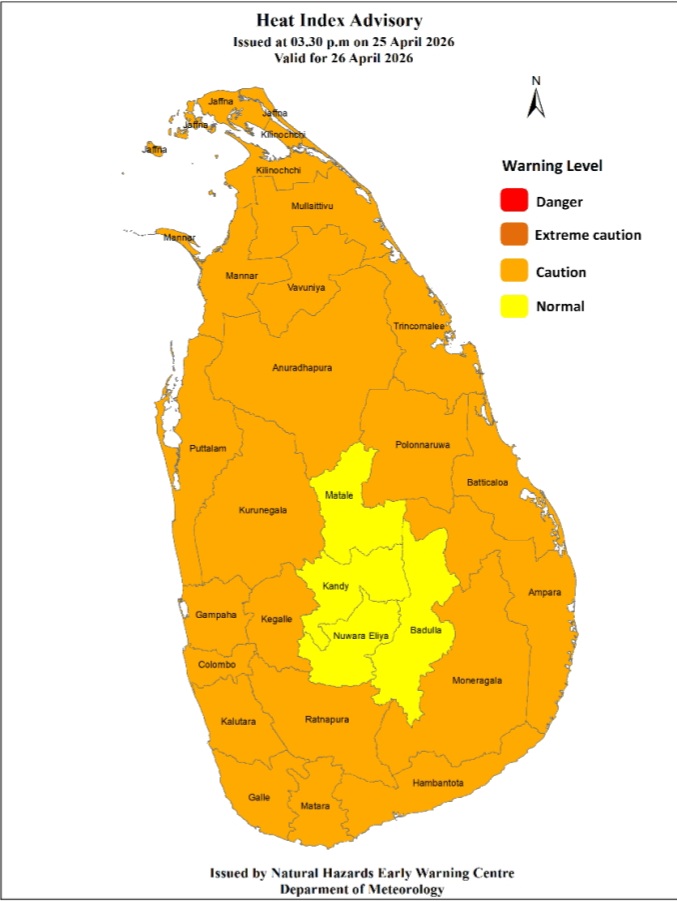
Warm Weather Advisory
Issued by the Natural Hazards Early Warning Centre
Issued at 3.30 p.m. on 25 April 2026, valid for 26 April 2026.
The Heat index, the temperature felt on the human body is likely to increase up to ‘Caution level’ at some places in the Northern, North-central, North-western, Western, Sabaragamuwa, Southern, and Eastern provinces and in Monaragala district during the day time.
The Heat Index Forecast is calculated by using relative humidity and maximum temperature and this is the condition that is felt on your body. This is not the forecast of maximum temperature. It is generated by the Department of Meteorology for the next day period and prepared by using global numerical weather prediction model data.

Effect of the heat index on human body is mentioned in the above table and it is prepared on the advice of the Ministry of Health and Indigenous Medical Services.
ACTION REQUIRED
Job sites: Stay hydrated and takes breaks in the shade as often as possible.
Indoors: Check up on the elderly and the sick.
Vehicles: Never leave children unattended.
Outdoors: Limit strenuous outdoor activities, find shade and stay hydrated.
Dress: Wear lightweight and white or light-colored clothing.
Note:
In addition, please refer to advisories issued by the Disaster Preparedness & Response Division, Ministry of Health in this regard as well. For further clarifications please contact 011-744649

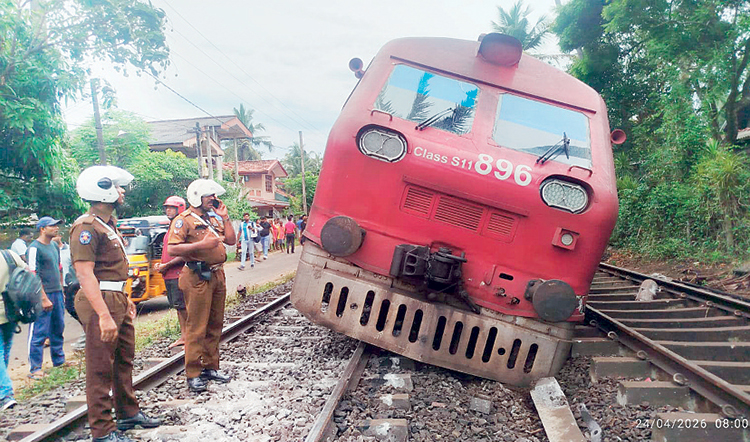
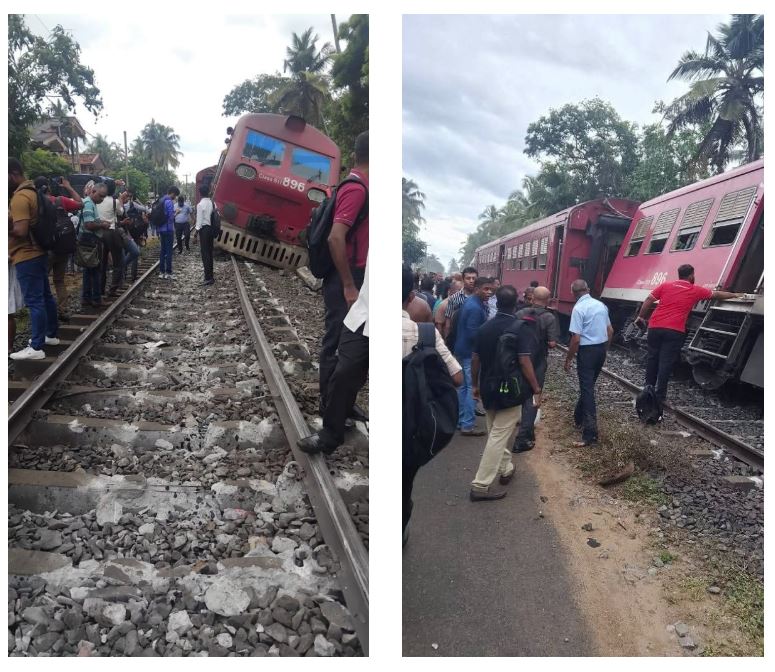
Railway General Manager Ravindra Pathmapriya said on Friday that re-railing operations of the derailed ‘Sagarika’ train have already commenced and that services on the Coastal Line are expected to be restored within two days.
Addressing the media, he said the Minister had instructed officials to take all necessary measures to minimise inconvenience to passengers.
Commenting on the incident, he said: “The damaged train is a significant loss for us, especially as our fleet is already limited. We have incurred this loss and hope to rectify the situation promptly. However, we will need to deploy an alternative train in its place, and discussions are currently underway.”
The ‘Sagarika’ train, operating from Beliatta to Maradana, derailed near the Wadduwa Railway Station on Friday morning (24), causing severe damage to one track of the dual-line section.
The Railway Department has since restricted services on the affected Coastal Line up to Panadura Railway Station.
Arrangements have been made to transport passengers from Panadura to South Kalutara by Sri Lanka Transport Board (SLTB) buses, from where train services will resume towards Matara and Beliatta.
Meanwhile, the Department said efforts are underway to clear the obstruction and restore at least one track by the end of the day.

Russian circumnavigation team arrive in Sri Lanka

Trump unhurt after shots fired at White House correspondents’ dinner

Sooryavanshi ton in vain as Sunrisers Hyderabad raze a 229 chase

Prabhsimran, Shreyas upstage Rahul’s 152* to mow down record T20 chase

Showers expected in the Western, Sabaragamuwa and North-western provinces and in Galle, Matara, Kandy and Nuwara-Eliya districts after 2.00 pm.

Heat Index at Caution Level in the Northern, North-central, North-western, Western, Sabaragamuwa, Southern, and Eastern provinces and in Monaragala district during the day time

‘Dates have the highest sugar content to fight Coronavirus’

Sunday Island 27 December – Headlines

#SundayIsland 17th December – Headlines

Sunday Island – 28th March

Sunday Island Headlines – 21 March

Sunday Island – 21st February – Headlines
-
 News6 days ago
Rs 13 bn NDB fraud: Int’l forensic audit ordered
-

 News4 days ago
Lanka faces crisis of conscience over fate of animals: Call for compassion, law reform, and ethical responsibility
-

 Opinion7 days ago
Shutting roof top solar panels – a crime
-
 News3 days ago
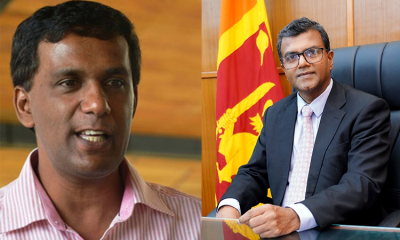
Whistleblowers ask Treasury Chief to resign over theft of USD 2.5 mn
-

 News3 days ago
No cyber hack: Fintech expert exposes shocking legacy flaws that led to $2.5 million theft
-

 News7 days ago
Church calls for Deputy Defence Minister’s removal, establishment of Independent Prosecutor’s Office
-
 News4 days ago
USD 2 mn bribe: CID ordered to arrest Shasheendra R, warrant issued against ex-SriLankan CEO’s wife
-

 Features7 days ago
The Digital Pulse: How AI is redefining health care in Sri Lanka?