
News
UNDP and WHO hand over vital and essential medicines to Health Min

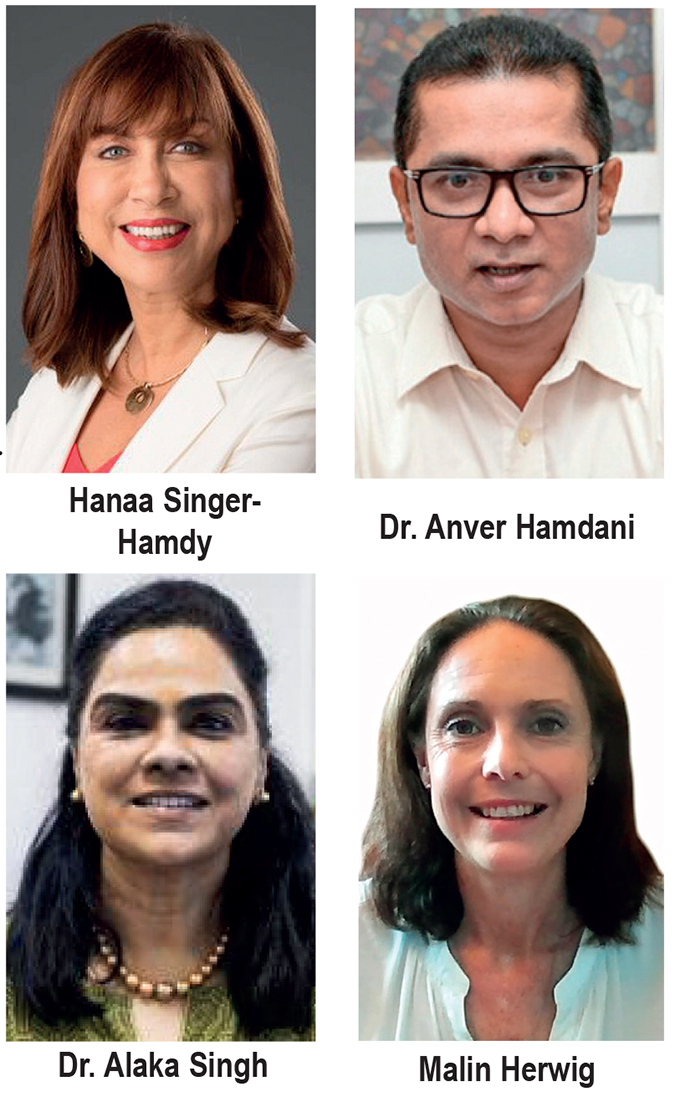
Addressing the immediate needs of the ongoing socio-economic crisis, the United Nations Development Programme (UNDP) in Sri Lanka has come forward to procure and deliver vital and essential medicines and medical supplies for the country, together with the World Health Organization (WHO) in Sri Lanka with the financial support of the United Nations’ Central Emergency Response Fund (CERF).
The medicines and medical supplies were handed over to the Ministry of Health this morning, in the presence of Health Minister Keheliya Rambukwella by Hanaa Singer-Hamdy, Resident Coordinator, United Nations in Sri Lanka; Malin Herwig, Officer-in-Charge, UNDP in Sri Lanka, and Dr. Alaka Singh, Representative, WHO in Sri Lanka with the participation of wider representatives from partner organizations.
Highlighting the role of the UN in contributing towards health sector security, UN Resident Coordinator, Hanaa Singer-Hamdy said: “A number of favourable health indicators over the past years demonstrated that Sri Lanka’s health system was one of the most robust in the region. Together, we must ensure that the current crisis does not reverse these impressive results. Therefore, a comprehensive sectoral response is required to address the pressing needs that have arisen in the medical sector. Working in close coordination as outlined in the Humanitarian Needs and Priorities Plan (HNP) through WHO-led efforts and capitalising on UNDP’s global procurement network, the UN will continue to support and create lasting impacts on lives and livelihoods across the country.”
Director Medical Technical Services, Coordinating In Charge/ COVID-19, Ministry of Health, Dr. Anver Hamdani, said: “In the current Sri Lankan context, the medical sector has been gravely affected due to the shortages of medicine and other vital items in order to serve the people in need. The Ministry of Health is grateful for the support provided in the procurement of life saving essential and non-essential medical items for the people of Sri Lanka and look forward to the continued collaboration in this effort.”
Sri Lanka’s socio- economic crisis has pushed the health care system, with many vital and essential medicines and medical items in the public and private sectors being are out of stock. Concurrently, the price of drugs have increased by 30 per cent island wide. UNDP and WHO working closely with the Ministry of Health identified gaps in availability of medicines, consumables, devices and equipment across the country, and have accordingly procured these vital and essential medicines and medical items.
WHO Representative in Sri Lanka Dr. Alaka Singh said: “Essential medicines have been particularly impacted by the current crises, with critical implications for the health system. Access to affordable and quality health care is crucial social protection, especially in difficult economic times. WHO appreciates donor response to the UN call for resources for medicines and to UNDP for accelerated procurement. WHO is continuing to work with the Ministry of Health to safeguard health in Sri Lanka.”
UNDP Officer-in-Charge in Sri Lanka Malin Herwig stated, “At this critical time, UNDP has utilized its global procurement network to quickly get the needed medicines to Sri Lanka, working closely with WHO Sri Lanka, along with all relevant counterparts to respond to the current context of the health sector. The medicines handed over today is one such effort, contributing towards the needs of the people of Sri Lanka.”

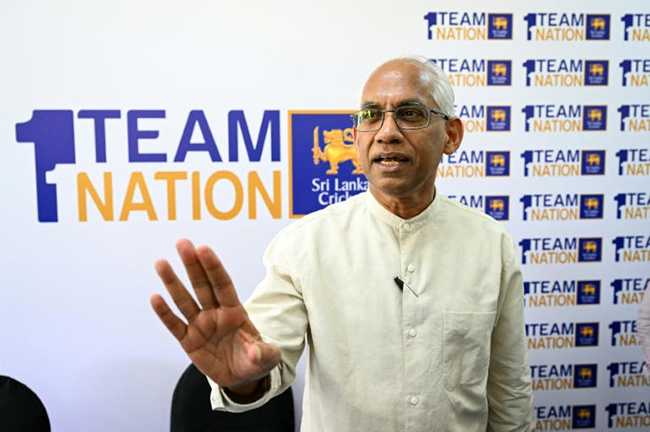
(AFP)Financial irregularities surrounding Sri Lankan cricket were far worse than feared, government-appointed administrators said Thursday, promising a full accounting and sweeping reforms.
“We have already ordered a forensic audit of the accounts,” Eran Wickramaratne, interim president of Sri Lanka Cricket (SLC), told his first news conference since taking office last month.
He said financial irregularities were “far greater than initially feared”.
He said the new SLC leadership — handpicked by the government of President Anura Kumara Dissanayake — would bring in sweeping reforms as concerns linger over international sanctions.
The current administration was appointed following the mass resignation of SLC’s elected officials last month — a move that raised fears of possible suspension by the International Cricket Council (ICC) over political interference.
The SLC, the country’s richest sports body, was suspended for two months in 2023 on similar grounds.
Wickramaratne, however, said discussions with the ICC were underway on reforming the SLC.
“Our talks with the ICC have been extremely cordial and constructive,” he said.
“We have been very open and transparent in what we are doing, and they want us to pursue open and transparent methods in doing this.”
Reforms include drafting a new constitution aimed at curbing abuses that allowed groups to retain power for a prolonged period, he added.
Four-time SLC president Shammi Silva and his entire committee stepped down in April after the government intervention, clearing the way for the current overhaul.The previous administration had also faced criticism over the national team’s performances, including an early exit from the T20 World Cup, which Sri Lanka co-hosted with India earlier this year.
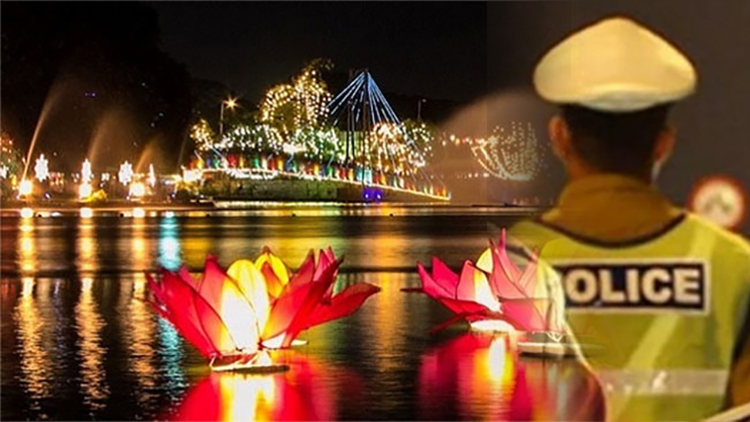
The Police have announced a special islandwide security programme for Vesak Week to ensure the public can observe religious activities in a peaceful and secure environment, free from fear or inconvenience.
The Police Department said the measures have been introduced in view of heightened religious observances across the country during the Vesak season, with Buddhists worldwide preparing to mark Vesak Full Moon Poya Day on 30 May 2026.
Authorities said large crowds are expected at major Buddhist sites, including ancient places of worship, while Vesak lantern displays, pandals and Bhakthi Gee programmes will be held across the island.
Under the special security plan, the Inspector General of Police has directed all police stations to take steps to minimise traffic congestion and ensure public convenience in areas with high footfall.
The Police Department said enhanced day and night mobile patrols will be deployed across all divisions, alongside special security operations aimed at safeguarding public safety and protecting property during the festive period.
Authorities also warned that strict legal action will be taken against individuals or groups whose behaviour is deemed to undermine the dignity and sanctity of Vesak or cause inconvenience to devotees.
In a set of public guidelines issued for the season, the Police Department urged organisers of Dansal programmes to comply with health and safety standards and implement proper crowd management measures to prevent congestion.
The public has also been advised to refrain from behaviour deemed inappropriate for the religious season, avoid excessive noise, and ensure responsible use of loudspeakers with prior approval.
Devotees have been requested to abstain from alcohol and narcotic substances during Vesak activities, while being urged to remain vigilant against theft in crowded areas and ensure the safety of children and elderly persons.
The Police Department further encouraged the public to report emergencies via hotlines 118 and 119, and to submit relevant video footage of traffic violations or environmental offences through designated WhatsApp channels for legal action.
Authorities said the measures are aimed at ensuring that Vesak is observed in a spirit of peace, devotion and public harmony across the country.
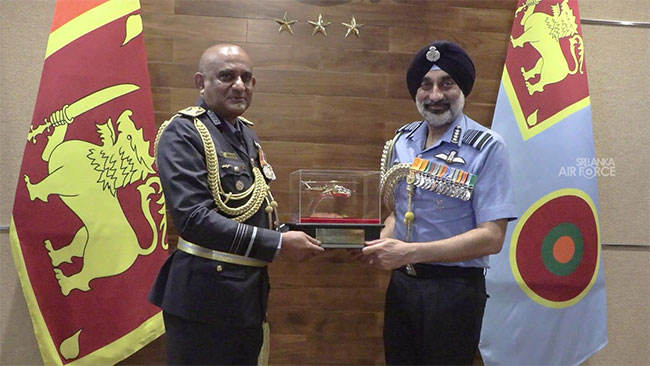
(ANI) May 22:Marking a critical milestone in regional security cooperation, India’s Chief of the Air Staff, Air Chief Marshal AP Singh, addressed the National Defence College (NDC) in Sri Lanka during his three-day visit to the island nation.
Speaking on the strategic imperative of “Air Power in the 21st Century,” the Air Chief Marshal highlighted the evolving dynamics of modern warfare and the growing necessity of robust bilateral military partnerships in the Indian Ocean Region.
The high-level interaction served as a central fixture of his three-day official visit to the island nation, aimed at anchoring the defence ties between the two neighbours.
Sharing the details in a post on X, the Indian High Commission in Sri Lanka said that the Air Chief also interacted with the Commandant and the National Defence College course participants.
The Chief of the Air Staff Air Chief Marshal A P Singh visited the National Defence College, Sri Lanka on 20 May 26. He spoke on the topic ‘Air power in the 21st century’ and interacted with the Commandant and NDC course participants
Earlier on Wednesday, the High Commission shared that the Air Chief was received with a Guard of Honour at SLAF headquarters prior to formal meetings on Tuesday, prior to his call on with the Commander of SLAF.
“He also called on the Deputy Minister of Defence Maj Gen Aruna Jayasekara (Retd), and the Secretary Defence, AVM Sampath Thuyacontha (Retd). ACM A P Singh paid his respects to the IPKF martyrs by laying a wreath at the monument in Bataramulla”, the post added.
Air Chief AP Singh had arrived in Sri Lanka on an official visit from 19-21 May 26.
India and Sri Lanka have a longstanding defence partnership.
Earlier in April, the two countries reaffirmed their growing maritime partnership through the fourth edition of the bilateral diving exercise, IN-SLN DIVEX 2026, conducted at Colombo from April 21-28.
The exercise witnessed participation of the Indian Navy’s Diving Support and Submarine Rescue Vessel, INS Nireekshak, alongside diving teams from both navies- underscoring enhanced operational coordination and professional synergy, the Indian Navy said in a statement.
As India continues to deepen its military engagements with friendly nations, the multilateral military Exercise PRAGATI 2026 commenced on Wednesday at Umroi Military Station, Meghalaya, with the participation of 12 friendly nations, namely Bhutan, Cambodia, Indonesia, Laos, Malaysia, Maldives, Myanmar, Nepal, Philippines, Seychelles, Sri Lanka and Vietnam.

Suspect killed after shooting at Secret Service agents, officials confirm

Trump says Iran deal ‘largely negotiated’ including reopening Strait of Hormuz

Showers expected in the Western, Sabaragamuwa and North-western provinces and in Galle, Matara, Kandy and Nuwara-Eliya districts

Devine intervention brings New Zealand back from the dead

US police responding to dozens of shots fired near the White House

Sri Lanka cricket finances ‘greater than feared’: interim chief

‘Dates have the highest sugar content to fight Coronavirus’

Sunday Island 27 December – Headlines

#SundayIsland 17th December – Headlines

Sunday Island – 28th March

Sunday Island Headlines – 21 March

Sunday Island – 21st February – Headlines
-
 Features4 days ago
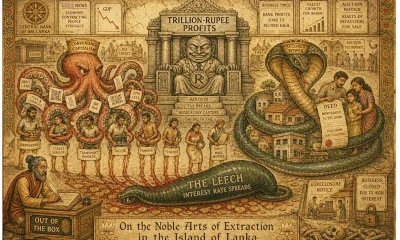
Octopus, Leech, and Snake: How Sri Lanka’s banks feast while the nation starves
-
 News3 days ago
Steps underway to safeguard Sri Lanka’s maritime heritage
-
 Opinion3 days ago
Murder of Ehelepola family, Bogambara Wewa and Sightings of Wangediya
-

 Editorial3 days ago
A play without its protagonist
-
 Sports4 days ago
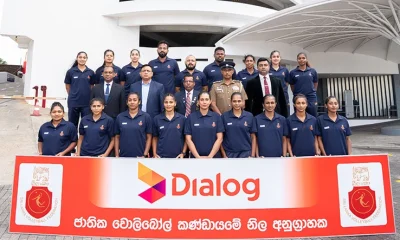
Sri Lanka women’s volleyball team ready for Central Asian challenge
-
 Midweek Review4 days ago
Overall SLPP failures stressed in new Aragalaya narrative
-

 Opinion2 days ago
The need to reform Buddhist ecclesiastical order
-
 Latest News5 days ago
At least 100 dead in Ebola outbreak in DR Congo, official says