
News
Chamuditha complains his life is in danger, but won’t give up ‘Salakuna’

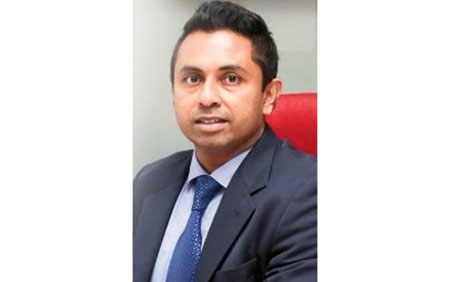
‘No point in seeking police protection, have written a letter to be released if I’m harmed’
By Shamindra Ferdinando
Popular Hiru TV anchor Chamuditha Samarawickrema says there are threats to his life, but he will continue to host the weekly live ‘Salakuna’ programme.
“I am determined to go ahead with it whatever the obstacles are,” Samarawickrema told The Island yesterday (6) identifying some specific threats.
Asked whether he would lodge a complaint with the police, Samarawickrema said obviously there was no point in doing so. Acknowledging there were honest officers and men,
Samarawickrema said that those at the helm of law enforcement ruined the once proud service.
The way law enforcement authorities had handled the Shangri-La case following the exposure of influential makeup artist Chandimal Jayasinghe’s birthday party therein on the night of May 30 in violation of Covid-19 health guidelines demonstrated their partiality, the Hiru journalist said.
Instead of going to police, he had decided to pen a detailed letter in case those angered and affected by the Hiru exposure on May 31 night and the subsequent developments resorted to violence. Answering another question, Samarawickrema said that ‘Salakuna’ would conduct a live interview with Mass Media Minister Keheliya Rambukwella tonight (7). “If I’m harmed, the letter will be in the public domain. The public will know the identities of those responsible,” Samarawickrema said, adding that as part of precautions he had given Harendra Jayalal’s YouTube channel an interview, which was released online on Saturday night.
Asked to name those threatening him, Samarwickrema said that there were four specific threats from a notorious businessman, two persons from the Polonnaruwa District and another whose henchmen had threatened to sever an arm and a leg of his. All of them had been mentioned in the letter, he said.
The popular TV anchor emphasised that he didn’t have any issue with Chandimal Jayasinghe, model Piyumi Hansamali or Shangri-la hotel. The contentious issues raised during two-hour ‘Salakuna ’programme on the night of 31 May, with Police Spokesman DIG Ajith Rohana, who is also the senior officer in charge of the Police Legal Division and Public Health Inspector Union President Upul Rohana participated as participants, had caused quite a stir, Samarawickrama said.
The ‘Hiru’ team comprised Samarawickrema, Chapa Bandara and Kalindu Widanage.
Samarawickrema said that the media couldn’t be faulted for reporting the Shangri-La party.
Public Security Minister Rear Admiral (retd) Sarath Weerasekera’s intervention in the Shangri-La affair, too, should be probed, Samarawickrema said, pointing out that in a statement issued on the night of 04 June, the Public Security Ministry had acknowledged he received calls from both Hansamali through her lawyer Manju Sri and Chandimal claiming they were being moved to a quarantine centre in Passara without basic essential items such as clothes.
Samarawickrema said that he worked as a freelancer in addition to running two social media channels-Truth with Chamuditha and cnb (Chamuditha News Brief).
Samarawickrema emphasised that at a time the entire country was struggling to tackle the pandemic, the government couldn’t under any circumstances allow ministers, regardless of their portfolios and seniority, pursue personal agendas.
Samarawickrema recalled how transport minister SLPP heavyweight Gamini Lokuge had caused a serious setback to the government’s battle against Covid-19 by doing away with travel restrictions imposed in Piliyandala area recently. The government had done nothing about it, Samarawickrema alleged, saying that the SLPP’s much touted ‘One Country, One Law’ slogan had apparently become a joke.
When Moratuwa Mayor Saman Lal Fernando meddled with the vaccination programme recently, he had been arrested by the police, produced in court and remanded till 11 June but those who allowed a party to be held at Shangri-La had gone scot-free, Samarawickrama said, adding that some people taken into custody in Jaffna for partying had been remanded.
Samarawickrema also acknowledged that Opposition political parties, too, had refrained from commenting on the issue at hand. However, former Minister Ravi Karunanayake, JVP leader Anura Kumara Dissanayake, MP, Roshan Ranasinghe, MP and Minister Mahindananda Aluthgamage over the phone inquired about the incident. Yes, perhaps, Opposition lawmakers, too, may be wary of attracting the wrath of those who launched what Samarawickrema called a social media tirade against him and ‘Hiru.’

News
Wife, counsel seek regular access to ex-Spy Chief Sallay held under President’s detention order

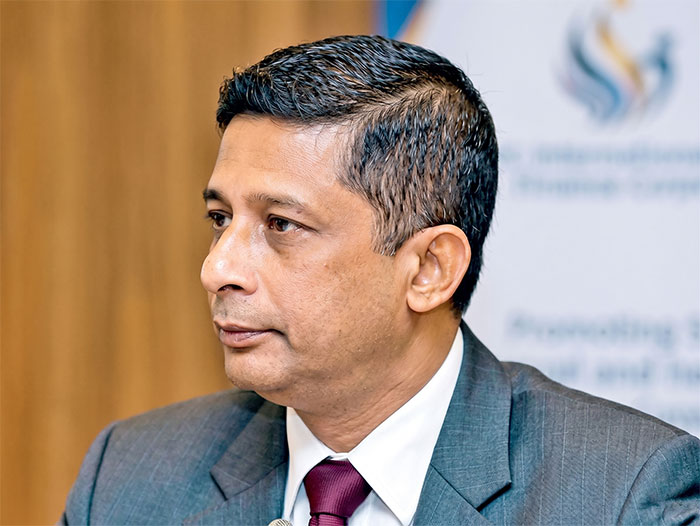
Wife of former State Intelligence Chief Maj. Gen. (Retd.) Suresh Sallay has asked CID Director retired SSP Shani Abeysekera to allow her, her family members and lawyers to visit her husband in the National Hospital, Colombo. Sallay’s counsel has also written to Abeysekera, asking for permission to visit the former spy held on a detention order signed by President Anura Kumara Dissanayake.
The text of Manori’s letter: “I respectfully request your assistance in granting me, and my daughter or alternatively my son, permission to visit my husband, Rtd. Major General Suresh Sallay, who is currently at the National Hospital, Colombo.
“As you are aware, my husband is presently engaged in a fast-unto-death campaign. His physical condition and emotional well-being are of deep concern to our family. During this difficult period, the presence and support of his immediate family are extremely important to him.
“I firmly believe that regular visits from me with our daughter or our son would help uplift his spirits, provide him with much-needed emotional strength, and may encourage him to reconsider continuing this course of action. Family support can play a vital role in preserving his mental and emotional health while he remains hospitalised.
“In view of these exceptional circumstances, I kindly request that permission be granted for either me and my daughter or my son to visit him daily during the period of his hospitalisation.
“I would be most grateful for your compassionate consideration of this request.”
“The text of the counsel’s letter: “I write in my capacity as Counsel for Rtd. Major General Suresh Sallay, who is presently under detention and admitted to the National Hospital, Colombo.
As you are aware, Major General Sallay has embarked on a fast-unto-death campaign, giving rise to serious concerns regarding his physical and mental well-being. In these circumstances, it is imperative that I be granted reasonable and regular access to my client during his hospitalisation.
As his legal representative, I have a professional obligation to monitor his condition and obtain instructions from him so that I may accurately apprise the relevant courts of his health status and any developments affecting his rights and welfare. Effective legal representation requires continuous communication with my client, particularly in light of the grave circumstances presently confronting him.
I also wish to respectfully highlight that Major General Sallay has placed explicit trust and confidence in me as his counsel. Indeed, I was the first person he contacted following his arrest.
Given the trust he reposes in me, I believe I am uniquely positioned to engage with him constructively and persuade him to discontinue this campaign and instead place his confidence in the legal remedies and judicial processes available to him.
For these reasons, I respectfully request that I be granted permission to visit my client on a daily basis during the period of his hospitalization.
Such access would not only facilitate the discharge of my professional responsibilities but may also contribute meaningfully towards safeguarding his health and encouraging a resolution through lawful and institutional means.
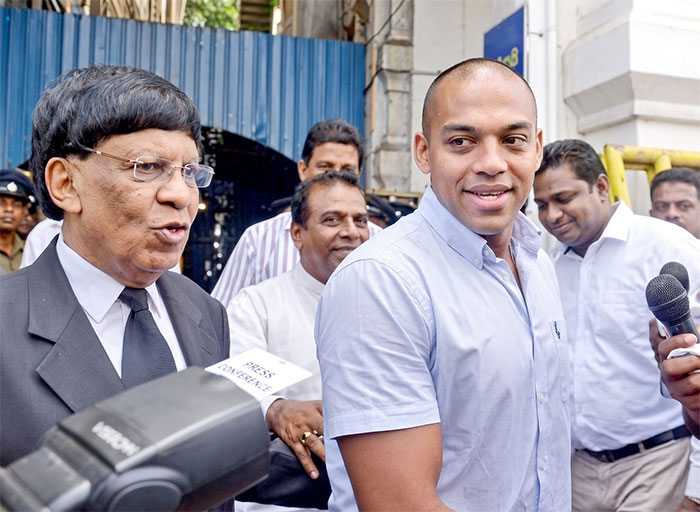
Yoshitha Rajapaksa, who served as a Lieutenant in the Sri Lanka Navy, has now been summoned to the Commission to Investigate Allegations of Bribery or Corruption next Tuesday (16) for questioning over his participation in a Royal Navy training programme in the United Kingdom outside established procedures.
The Commission is expected to record statements in relation to several complaints received regarding his recruitment and subsequent service in the Navy after he enlisted on December 14, 2006.
According to sources, the investigation focuses on allegations concerning the educational qualifications considered at the time of his enlistment, as well as foreign training opportunities he is said to have received while in service, which are suspected to have been granted in violation of due process.
The Bribery Commission has launched the inquiry under the provisions of the Anti-Corruption Act, officials said.
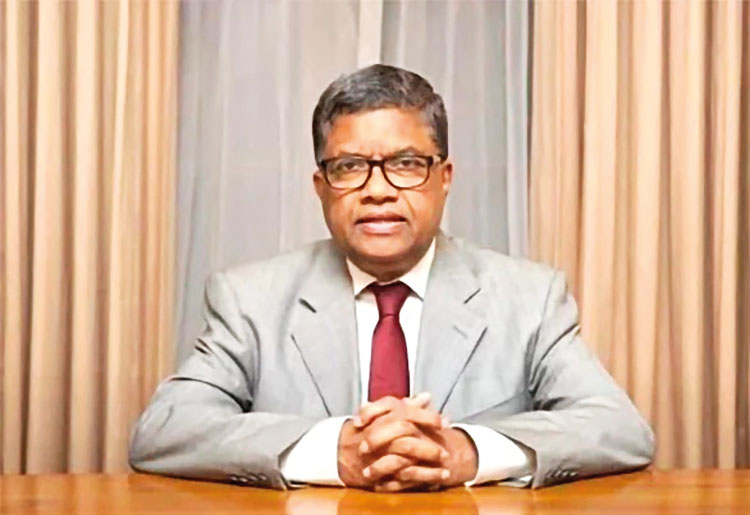
Sri Lanka Communist Party has urged the NPP government to initiate a credible review of the PTA (Prevention of terrorism Act) and related practices that enable arbitrary detention and torture.CPSL General Secretary Dr. G. Weerasinghe issued the following statement regarding the arrest of retired Maj. Gen. Suresh Sallay:
The CPSL expresses its deep concern over the continued detention of former Intelligence Chief Major General (retd.) Suresh Sallay, who was arrested on 25 February and has now been held for 95 days under the PTA.
Maj. Gen. Sallay’s initial detention under the PTA was for 90 days, after which the Colombo Magistrate extended his period of custody. The CPSL notes that the PTA was specifically referenced in the 2024 manifesto of the ruling New People’s Power (NPP) — “A thriving nation, a beautiful life” – which promised the “abolition of all oppressive acts including the Prevention of Terrorism Act (PTA) and ensuring civil rights of people in all parts of the country.” The party calls attention to this commitment and urges that it be honoured in both letter and spirit.
The CPSL is alarmed by reports from legal counsel and medical personnel alleging that Major General Sallay has suffered both physical injuries and severe psychological distress while in custody. President’s Counsel Shavindra Fernando informed the Court that the Judicial Medical Officer’s report diagnosed Maj. Gen. Sallay with post-traumatic stress disorder, anxiety and depression, and identified injuries at five locations on his body. The report, counsel says, indicates alleged torture.
Further, counsel and family members have raised serious complaints about inhumane treatment in detention. Mrs. Manori Sallay has filed a formal complaint with the Inspector General of Police alleging inadequate food, lack of basic sanitation and other inhumane conditions. Additional court submissions stated that Maj. Gen. Sallay was denied proper meals, and on one night was reportedly served rice with gravy on a piece of newspaper placed on the cell floor. By contrast, media reports indicate that some detainees have been permitted access to the CID canteen.
The CPSL acknowledges the necessity of lawful procedure in the investigation and prosecution of criminal and terrorism cases. At the same time, the party is compelled to note credible allegations that proper procedure has not been followed in this case. These lapses reinforce concerns that the arrest and continued detention may be politically motivated.
Human rights organisations have long criticised the PTA as a draconian statute that facilitates prolonged arbitrary detention without trial and creates opportunities for torture and coerced confessions. The CPSL reiterates these concerns and underscores the contradiction between the NPP’s manifesto pledge to abolish oppressive legislation and the continued use of the PTA in this instance.
The Communist Party of Sri Lanka therefore calls on the Government and relevant authorities to:
Immediately ensure that Major General Suresh Sallay receives full medical care and protection from further mistreatment.
Make public the full medical report of the Judicial Medical Officer and permit independent medical examination by a qualified neutral body.
Adhere strictly to legal procedure in the investigation and prosecution of this matter, ensuring access to counsel, adequate food, sanitation, and humane detention conditions.
Provide transparent justification for any further extensions of detention under the PTA and allow timely judicial review in accordance with constitutional safeguards.
Honour the NPP manifesto pledge by initiating a credible review of the PTA and related practices that enable arbitrary detention and torture.
The CPSL stands for the rule of law, human dignity and civil rights. While recognising the state’s responsibility to investigate genuine security threats, the party will not remain silent where there are credible reports of abuse, procedural irregularity, and possible political motivation. The CPSL will monitor the case closely and urge civil society and human rights bodies to do the same.”

Wife, counsel seek regular access to ex-Spy Chief Sallay held under President’s detention order

CIABOC summons Yoshitha over his participation in British Navy training programme

Communist Party condemns ill-treatment of Sallay, calls for review of PTA

Justice Minister responds to social media claims he represented Easter Sunday ringleader

Several SLTB Depots suffer losses due to their remote locations

Three Lankans among seven suspects arrested in Kuwait for alleged drug links

‘Dates have the highest sugar content to fight Coronavirus’

Sunday Island 27 December – Headlines

#SundayIsland 17th December – Headlines

Sunday Island – 28th March

Sunday Island Headlines – 21 March

Sunday Island – 21st February – Headlines
-
 News5 days ago
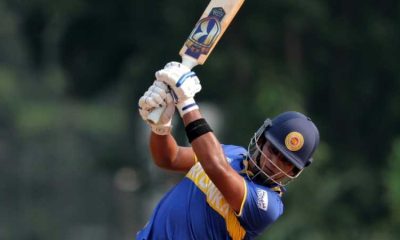
Women’s T20 World Cup 2026 warm-up: Chamari Athapaththu’s 94 helps Sri Lanka beat Pakistan
-

 News6 days ago
Asst. Manager, security officer arrested over Rs 30 mn snatch at Horana PB branch
-

 Editorial4 days ago
Probe Sallay’s complaint
-
 News5 days ago
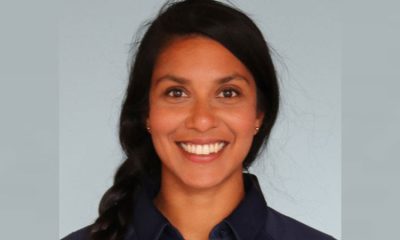
Lankan-Canadian inducted to Toronto Sports Hall of Fame
-
 News2 days ago
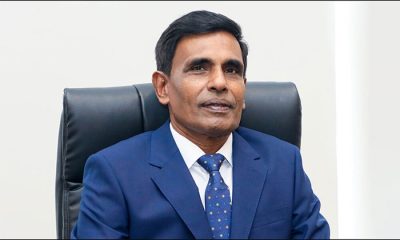
Local firms move millions of dollars overseas for phantom imports: Govt.
-

 Editorial5 days ago
Prez in the dock
-

 Features5 days ago
Entering MIT for my Ph.D program, coping with harsh Boston winter and breasting the tape
-
 News6 days ago
No blanket ban on musical performances; only those promoting LTTE