
Features
World Health Day 2026: “Together for health. Stand with Science”

World Health Day 2026, observed on April 7, under the above theme, commemorates the anniversary of the World Health Organization’s establishment in 1948, as well as the inaugural World Health Day in 1950. Each year, this significant day highlights a particular public health concern, drawing attention to pressing health issues. It champions wellness, fosters awareness, and galvanizes action against disease.
How is World Health Day Observed?
The World Health Day is observed primarily through WHO-published campaigns, materials, data releases, and institutional communications pertaining to the annual theme. It is anticipated that the WHO will unveil its initiatives as it progresses toward World Health Day.
This year’s World Health Day will manifest as a year-long campaign underscoring the paramount importance of scientific collaboration, empirical evidence, and solidarity in tackling intricate health challenges. It will also adhere to the One Health approach, which endeavors to safeguard the welfare of humans, animals, plants, and the planet. This integrated and collaborative methodology recognizes the intricate interconnections among humans, animals, and environmental health simultaneously confronting threats that could pose deleterious impacts stemming from zoonotic diseases and antimicrobial resistance.
Why is World Health Day 2026 so significant to Sri Lanka?
World Health Day 2026 is significant to Sri Lanka as the year 2026 heralds a momentous milestone in the evolution of public health in Sri Lanka as the nation prepares to commemorate the centenary of the inaugural Health Unit established in Kalutara on July 1, 1926.
The recently articulated National Health Policy of the Ministry of Health emphasizes the fortification of the primary health care system; one of its cornerstone initiatives is the Primary Care Community Centre Project (Arogya), which has already been launched on a pilot basis. This initiative aspires to facilitate early diagnosis, treatment, and follow-up care, thereby augmenting the existing primary health care services. The activities are projected to emphasize primary health care, ensuring equitable access to essential services while integrating digital and community health initiatives within the country, thereby reinforcing the WHO’s objective of accessible, high-quality health coverage for all citizens globally, free from financial burdens.
We, as a nation, are undergoing a significant transformation in the health sector. Beginning this year, we are in a fortunate position to undertake health services on a robust foundation based on scientific evidence, articulated through well-conceived initiatives as guided by the WHO. This innovative thinking and approach stand to play a pivotal role in enhancing the existing services.
As time progresses, this approach is destined to become a cornerstone of scientific service provision and a fundamental aspect of navigating life’s complexities. Innovation, creative thinking, rigorous experimentation, and research characterized by exceptional validity and feasibility will ultimately prevail.
World Health Day in Sri Lanka
During the past decade public health has undergone a profound transformation, evolving from mere disease identification to the cultivation of a community-driven, evidence-based, and resilient health system. Specifically, the initiatives are anticipated to focus on:
Distinct themes that the health sector will address, mirroring the current complexities of the nation, while simultaneously urging action from the government, various organizations, and individuals to implement policies and initiatives that safeguard health.
Fostering skills, capacity, and competencies essential for ensuring that all Sri Lankans access to exemplary, appropriate, cost-effective, and timely health services.
Nostalgic reflections on past public health initiatives, such as National Health Week, school health competitions, health promotion projects, health clinics, selection of healthy infants and mothers, and clean city campaigns, alongside the enthusiastic participation and support of volunteers evoke a spirit of passion and camaraderie. This could also serve as a pivotal stepping stone towards the concept of “healthy cities,” a comprehensive approach to addressing health challenges within communities that has the potential to significantly enhance public health outcomes.
This integrated approach not only aims to enhance the physical well-being of urban populations but also emphasizes the importance of environmental sustainability and social cohesion. By fostering collaboration among local governments, health organizations, and community members, the initiative seeks to create vibrant, healthy neighborhoods that empower citizens to actively engage in their health journeys.
Furthermore, the emphasis on participatory governance encourages the involvement of all stakeholders in decision-making processes. This collaborative framework strengthens the resilience of health systems, enabling them to adapt to emerging challenges, such as the impact of climate change on public health and the pressures of rapid urbanization.
As we celebrate World Health Day, it becomes imperative to reflect on our collective responsibility in striving for universal health coverage.
By investing in education, preventive measures, and comprehensive healthcare frameworks, we can ensure that every individual has the opportunity to lead a healthy and fulfilling life.
Public health is anchored in principles, concepts, and cause-effect relationships that can significantly influence measurable outcomes which are verifiable, reliable, and valid. These principles will encompass innovative and creative attributes. Even health behaviors are often predetermined. In light of this context, “Together for health. Stand with Science” serves as a commendable call for all individuals to be guided by evidence-based facts in their health-related decision-making while placing trust and confidence in public health and endorsing science-led solutions for a healthier and safer future.
Conclusion
The implementation of universal health coverage embodying primary health care services in the 21st century, coinciding with World Health Day and the centenary of the first health unit, represents endeavors that necessitate unwavering commitment and determination. There is an increasing public trust in the services and a growing interest among public health workers in engaging with primary health care. The strengthening of PHC should be pursued irrespective of the challenges ahead. A solid base for the health system is crucial for health systems towards the achievement of universal health coverage.
Let us commemorate World Health Day to acknowledge and honor the commendable efforts of this global organization in its ongoing commitment to enhance the quality of life and well-being of nations. Enormous resources of various kinds have been invested in disease prevention, human resource development, research, and numerous other domains, serving as resplendent exemplars of the WHO’s generous contributions.
Let us also harness the spirit of World Health Day to motivate action, foster innovation, and advocate for policies that advance health equity, thereby laying the groundwork for a healthier future for generations to come.
by A.K Seneviratne
A Former Senior Tutor Public Health
NIHS-Kalutara


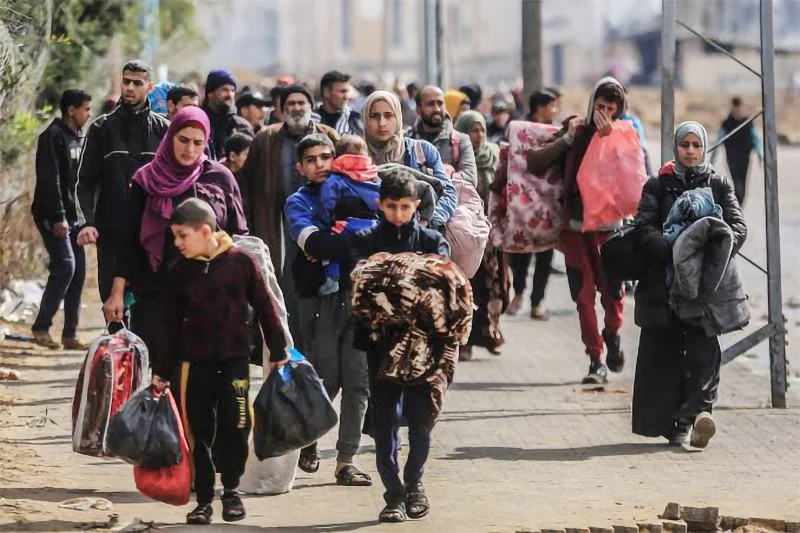
 Despite some sections of the Trump administration persisting with the view that the possibility could not be entirely ruled out of there being a diplomatic solution to the current US-Iran hostilities in West Asia, the skeptic could not be blamed for thinking otherwise. The intensity, scale and frequency of the tit-for-tat strikes by the antagonists over the past few days against selected military targets and civilian infrastructure in particular in West Asia make the adoption of this stance excusable.
The continuing hostilities render the mentioning of the MOU signed between the warring parties in mid-June a laughable matter. While it could very well be that the foes are wishing privately for a cessation of hostilities before long, what seems to be uppermost on their minds right now is to negotiate with each other from a position of strength. This strategy compels them to incapacitate each other militarily to the extent possible, lest they have to concede too much to each other during negotiations. Hence the stepped-up hostilities.
However, even on the question of there being a negotiated political settlement in the West Asian theatre in the longer term, the skeptic could come to be seen as scoring over the optimist. Developments on the ground account for this.
At the time of writing Israel’s Netanyahu government is going ahead in fairly care-free fashion with the establishment of more Jewish settlements in the Gaza and the West Bank, and it’s all happening under the apparently complacent gaze of the US. In fact, some quarters estimate that Israel is in control of some 65% of the Gaza Strip. Ethnic cleansing, that is, is being drastically stepped-up.
Accordingly, in terms of the power relations of West Asia, the world is almost back to the status quo of the late forties of the last century when the state of Israel was established and the Palestinians were reduced to a microscopic minority in the land they came to inhabit. Therefore, even the impartial observer would be compelled to ask: ‘Will a negotiated peace be ever possible in the Middle East?’
The humanist in the observer would prefer to answer this question in the affirmative and it is indeed the ideal stance to adopt considering the staggering human and material costs of the conflict. But the way ahead to peace could be expected to be highly hazardous and arduous. Among other odds, it would also prove an uphill endeavour to win minds and hearts.
The US’ Trump administration would need to be counted out in this pursuit. This is on account of the fact that it has been far too wayward in its management of West Asian affairs in particular over the past couple of years. Given its unpredictable character it is a matter for conjecture whether it could be counted on to live up to its commitments.
Moreover, Israel could be expected to ‘go it alone’ in the Middle East regardless of whether US help is coming or otherwise. It has indicated as much in recent times and Israel could be doubted on this score only at the doubter’s peril. Because time and again Israel has demonstrated that it could steadfastly defend its interests even single-handedly in the Middle East. History bears this out.
However, a durable alliance with the US would stand Israel in good stead. On the matter of military and intelligence assistance, for example, the US’s help proved invaluable for Israel in the past and going forward this is bound to be so as well. Moreover, it is unlikely that the Trump administration would give up on Israel, considering that a strong Israel is crucial for the furtherance of the US’ strategic and economic interests in West Asia.
But whether the above factors would have a considerable bearing on the question of working out a durable solution to the West Asian tangle is an entirely different matter. Israel, as in the case of the Palestinian enclaves, is acutely security conscious and would need to satisfy itself fully that it could live in a security environment that would guarantee its complete safety, going forward.
The Middle East is badly in need of another peace effort on the lines of the Oslo Accords of the mid-nineties that brought the key actors together and helped hammer out a solution that addressed some of their notable concerns. To be sure, that process did not prove to be the ideal answer to the tangle, but it yielded some respite to the region and drove home that one-time sworn foes could indeed negotiate with a degree of success. The West Bank authority, although falling short of fulfilling some key Palestinian aspirations, is testimony that a degree of success is possible if the intent is right.
Given the current realities of West Asia, peace-making is bound to be an uphill challenge. The violence faced in recent times by the Palestinian community, in particular, has been nothing less than mind-numbing. Merciless has been the violence visited on them by the Israeli side. In such circumstances, durable peace in the region could smack of an idealist’s dream.
Nevertheless, there needs to be urgently, a meeting of minds over the divides. The US would need to be counted out as an honest broker in bringing the sides together but the rest of the West would do well to step up to the challenge.
In this exercise the onus would be on the world’s democracies to take the initiative and doggedly stay the course. An acceptable combination would be the EU and the UN. Given their credentials, the main sides in West Asia ought to find them the least controversial.
Even if the relevant institutional and political arrangements could be shored up to take a reconciliation process forward, winning hearts and minds for the peace drive would prove a grueling challenge. Over the past few years in particular tens of thousands of hearts and minds on both sides of the divide have been bruised badly in the runaway murderous violence that has come to define the Middle East.
These badly scarred personalities would need to experience healing without much delay. It is therefore a multi-faceted challenge that is at hand. Since wide-ranging expertise would be needed in the healing process, people’s participation in peace-making, ranging over the divides, would need to be made a durable reality. It will be a time for enthroning humanity and ensuring the rejection of all forms of violence and coercion.
 For many Sri Lankans, Thailand is the go-to holiday — beaches, temples, food, and that famous warm hospitality.
In fact, I’ve been to Amazing Thailand 24 times myself, and was honoured with the Friends of Thailand International Media Award by the Tourism Authority of Thailand for promoting Thai tourism.
The good news I have for you today is that you don’t even need a passport to get a taste of Amazing Thailand.
The Royal Thai Embassy, in Colombo, is bringing a vibrant slice of Thailand, to the city of Colombo, with Thai Festival 2026 — a cultural experience like never before.
Whether you are an avid enthusiast of Thai culture, a total novice, or simply just interested in exploring foreign cultures, Thai Festival 2026 is going to be the perfect opportunity for you to get more than just a glimpse into one of the most celebrated cultural heritages in South East Asia. And ENTRANCE IS FREE.
The festival will be held on the 1st and 2nd of August, 2026, at Siam Nivasa, 43, C.W.W. Kannangara Mawatha, Colombo 7, and the East Parking Area, of the Colombo Municipal Council, from 11:00am to 5:00pm.
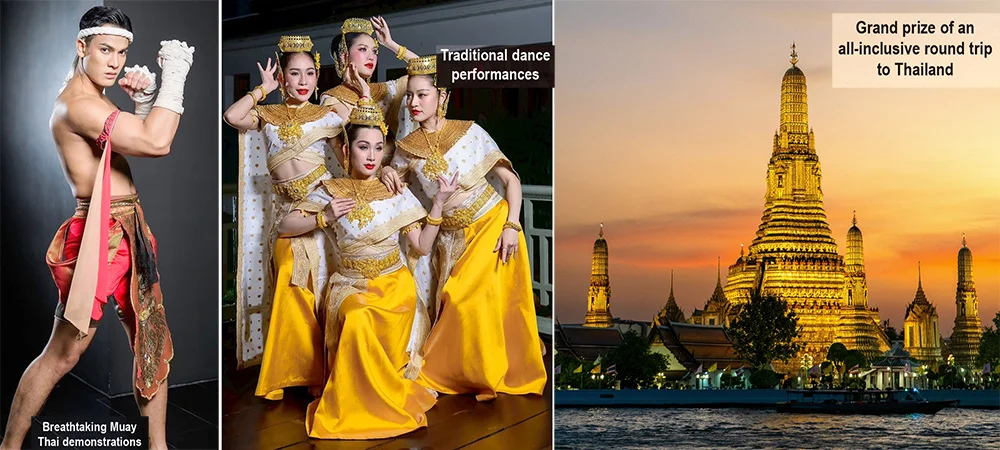
Both days will be full of live entertainment, and dispersed throughout with Thai cultural displays, including exhilarating traditional dance performances and breathtaking Muay Thai demonstrations.
Exploring art and craft specific to Thailand, tasting irresistible authentic Thai cuisine, and playing arcade games, are just a few more fun-filled events available for visitors at the festival premises.
An array of Thai products will also be available for purchase.
While at the festival, you will find Sri Lankan Alumni from Thai universities sharing their experiences with you and willing to answer any questions you might have, related to studying abroad in Thailand.
You can also register for the Muay Thai workshop that will be happening on the 7th and 8th of August, 2026, in Colombo.

Irresistible authentic Thai cuisine
Visitors can also stand a chance to win traditional Thai souvenirs, get exclusive photo opportunities, and, the big one — to enter the raffle draw, at the end of each day, for the grand prize of an all-inclusive round trip to Thailand.
Be sure to avail yourself of this exceptional opportunity and add a cultural spin to your weekend.
To keep up with the latest updates on Thai Festival 2026, head over to the Thai Festival official social media pages.
The Royal Thai Embassy in Colombo official webpage:
https://colombo.thaiembassy.org
Official social media:
Facebook: @RTEColombo
Instagram: @thaiembassysrilanka
Thai Festival official social media:
Facebook: Thai Festival in Colombo
Instagram: @thaifestival_colombo
TikTok: @thaifestival.incolombo
 Hair fall, in this heat, can be so frustrating, and noticing a thin patch is even more worrying. The good news is … yes, with a little care and kitchen ingredients, you can nourish your scalp and support healthy regrowth.
Try these four easy home remedies … even our grandmothers trusted:
* Coconut Oil and Curry Leaves Tonic:
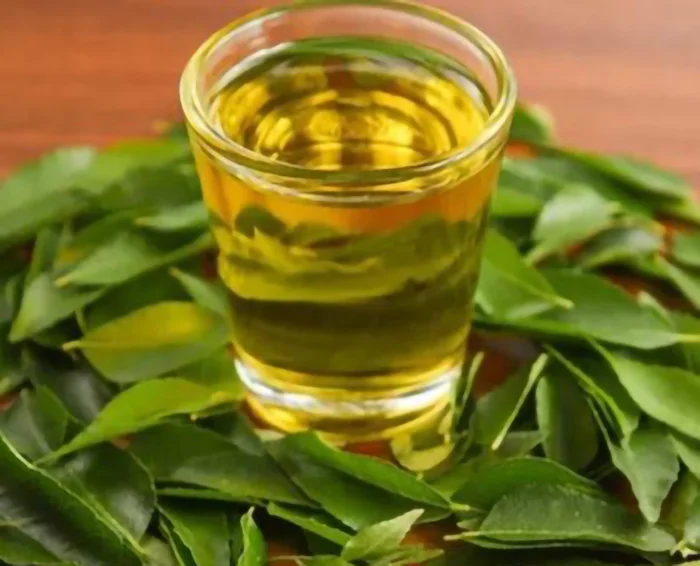
Warm 04 tablespoons of coconut oil, with a handful of curry leaves, till the leaves turn black. Cool, strain, and massage into scalp 02-03 times a week. Leave for 01 hour, or overnight.
Why:
Coconut oil deeply nourishes, while curry leaves help strengthen roots and add shine.
* Onion Juice for Spot Treatment:
With cotton, dab the juice of 01 small onion, directly on the thin/bald patches. Leave for 20-30 minutes, and then wash with a mild shampoo. Use twice a week.
Why:
Rich in sulfur, onion juice helps boost blood circulation to the scalp.
* Aloe Vera and Castor Oil Mask:
Mix 02 tablespoons of fresh aloe vera gel and 01 tablespoon castor oil and apply to the scalp, focusing on thinning areas. Leave for 45 minutes, and then rinse with cool water.
Why:
Aloe vera soothes the scalp, while castor oil coats hair to make it look thicker.
* Fenugreek and Curd Strengthening Pack:
You will need 02 tablespoons fenugreek seeds, soaked overnight, and 02 tablespoons plain curd.
Grind to a paste, apply to scalp for 30 minutes, and then wash.
Why:
Fenugreek strengthens strands and reduces breakage.
Extra Tips for Healthy Hair:
Avoid tight hairstyles that pull on the scalp.
Eat iron and protein rich foods: greens, dhal, eggs, fish.
Use lukewarm water, not hot.
Be gentle when brushing and drying.
Manage stress — it plays a big role in hair fall.
Important: If bald patches are growing, or there is itching/redness, please consult a dermatologist.
Home remedies support hair health, but a doctor can find the exact cause.
Remember, healthy hair starts with a healthy, happy you.

More than 4,200 Israelis storm Al-Aqsa Mosque in Jerusalem

Feroza, Amin, Sandhu shine as Pakistan go 1-0 up against Sri Lanka

Colombo District Waste Management subcommittee convenes at Parliament

Government to coordinate Kotte Rajamaha Viharaya Sri Dalada Maha Perahera

Taskin Ahmed withdraws from LPL to prepare for Australia tour

US and Saudi Arabia announce nuclear cooperation deal

‘Dates have the highest sugar content to fight Coronavirus’

Sunday Island 27 December – Headlines

#SundayIsland 17th December – Headlines

Sunday Island – 28th March

Sunday Island Headlines – 21 March

Sunday Island – 21st February – Headlines
-
 Features5 days ago
Two memorable excerpts from a former SLAF commander’s memoir
-
 Business5 days ago
‘Giving up was never an option’: The fisherman who fought back after losing millions in SL
-

 Latest News6 days ago
Davis cup Asia/Oceania Group IV 2026 to be held in Colombo from 20th to 25th July
-
 Features5 days ago
Erdoğan’s New Republic
-

 Life style5 days ago
Taste of the Swiss Alps comes to Colombo
-
 News6 days ago
Evidence recorded in money laundering case against Yoshitha Rajapaksa
-
 Midweek Review2 days ago
Three high-profile alleged suicides shaping key investigations
-
 News6 days ago
Dengue outbreak gallops ahead: Infections surpasses 73,455, leaving 50 dead