
News
UNDP’s assessment confirms widespread economic fallout from Cyclone Ditwah

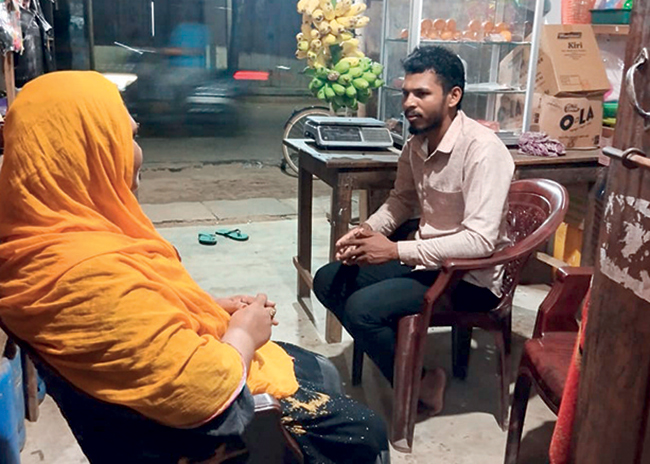
Nearly all communities affected by Cyclone Ditwah in Sri Lanka suffered damage to homes, roads and other critical infrastructure, according to a new United Nations Development Programme (UNDP) assessment released on Wednesday, underscoring the scale of recovery needs and the urgency of accessible financing for the most vulnerable.
The qualitative assessment, based on key informant interviews with 510 local officials, business leaders, and community representatives across 85 divisional secretariat divisions in the 22 most affected districts, found that 95% of respondents reported damage to residential, transport, industrial or community infrastructure within their area, with housing and roads most frequently cited.
Cyclone Ditwah struck Sri Lanka on 26 November, 2025, and is the country’s deadliest disaster since the 2004 tsunami. An initial UNDP geospatial analysis, released in December 2025, estimated that floodwaters inundated nearly 20% of the country’s land area, exposing approximately 2.3 million people. Building on this analysis, the qualitative assessment findings point to deep and widespread recovery needs, with many communities lacking the materials, labour, and financing required to rebuild.
“We commend the Government of Sri Lanka’s announcement on plans to provide LKR 95 billion in support to MSMEs, including a 3% concessional loan scheme, which is a crucial step in accelerating recovery. At the same time, it is essential that we prioritise support for the many that operate outside formal systems—those who often remain unseen yet form the backbone of the local economy,” said Azusa Kubota, UNDP Resident Representative in Sri Lanka.
“The RAPIDA assessment underscores the importance of moving beyond short-term humanitarian assistance toward a comprehensive approach to early recovery and resilience-building. This is vital to ensure vulnerable populations do not fall back into poverty and get trapped in the cycle. Investing in recovery efforts that strengthen local economies—including targeted support for the informal sector—will be central to building disaster resilience and secure sustainable livelihoods for all.”
UNDP’s assessment highlights widespread economic fallout. A large majority of respondents (93%) reported that livelihoods had been affected in their area, citing crop and livestock losses, job losses and business closures, including in the informal sector, which employs a large share of Sri Lanka’s workforce. Key recovery needs include support for micro enterprises, access to low interest loans and capital for small businesses to rebuild their infrastructure and stocks.
More than half of those interviewed reported that vulnerable groups, such as older people, persons with disabilities and female-headed households, were among those affected. The most common coping mechanisms included government aid or support (reported by 76% of respondents), followed by assistance from international organisations at 45%, and informal lending at 40%. These patterns point to rising household debt stress, with implications for both household welfare and the pace of recovery for micro and small enterprises.
Respondents also identified shortages of construction materials, limited availability of skilled labour, and funding constraints as obstacles to rebuilding damaged infrastructure, while citing delays in approvals and weak coordination between institutions as slowing recovery efforts.
Environmental and health risks emerged as additional concerns, with local officials reporting water contamination, soil erosion, and damage to ecosystems, pointing to longer-term climate and public health impacts.
Sri Lanka, like other countries in South Asia, is increasingly exposed to extreme weather events linked to climate change, including floods, cyclones and prolonged droughts.
UNDP said the findings highlight the need for continued support to restore infrastructure and livelihoods, particularly for informal workers and small businesses, while strengthening the climate and disaster resilience of enterprises and industries as the country transitions from emergency relief to recovery and reconstruction.

Latest News
UPDATE: Flash flood on Nepal-Tibet border kills more than 100, with hundreds of tourists missing

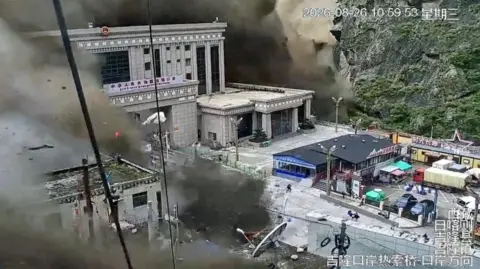
More than 100 people have been killed in Nepal and Tibet, and hundreds of tourists are missing, after a massive flash flood and mudslide
The missing tourists include more than 100 from India, 54 from the US, and 33 from the UK, as well as more than 100 from Nepal itself, according to Nepal’s tourist board. The area is popular with pilgrims and trekker.
Dozens of police officers and army prtxonnel are also missing, as well as power workers. My family was swept away in front of me, one woman tells us – she and her son survived by climbing to a rooftop
In Tibet, Chinese state media report three dead and 265 missing, CCTV from Tibet shows a wall of water and mud hitting buildings at a border crossing.
Authorities initially thought an earthquake may have triggered a landslide – the US Geological Survey now says the sesimic energy was instead generated by a landslide.
(BBC)
Latest News
Advisory for High Waves for the sea areas extending from Colombo to Pottuvil via Galle, Matara and Hambantota
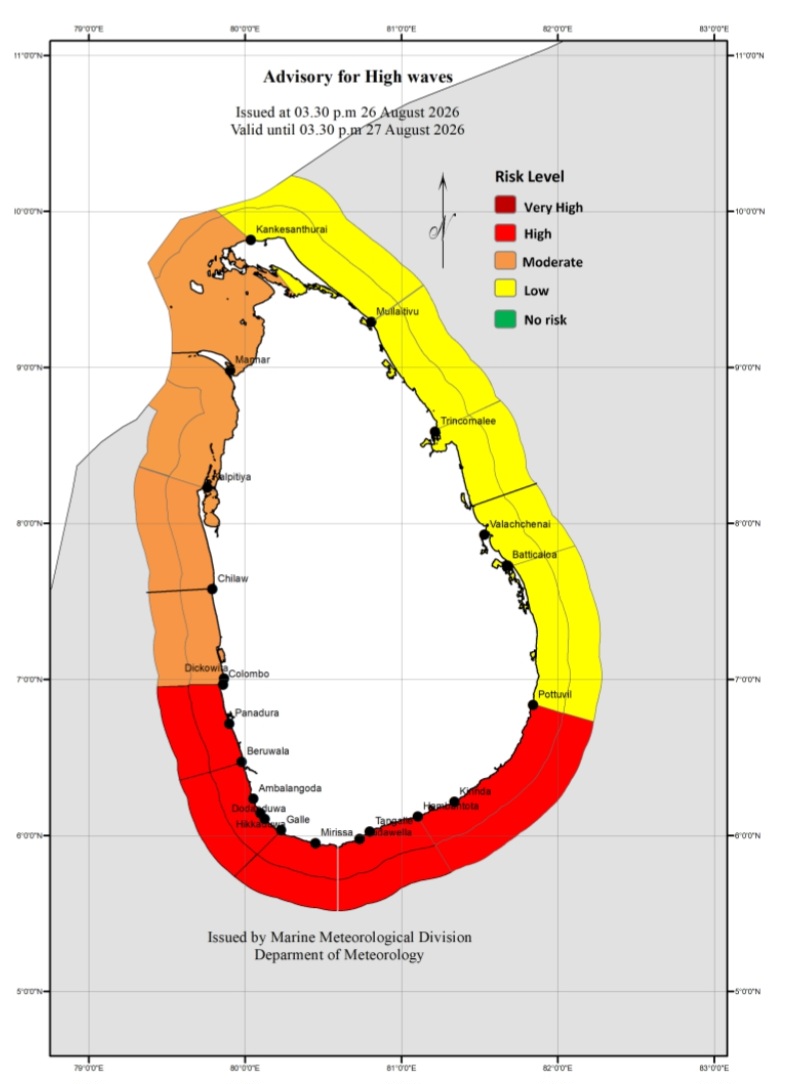
Advisory for High Waves
Issued by the Natural Hazards Early Warning Centre Issued at 03.30 p.m. on 26 August 2026 Valid for the period until 03.30 p.m. 27 August 2026
An advisory for high waves has been issued for the sea areas extending from Colombo to Pottuvil via Galle, Matara and Hambantota and naval and fishing communities engaged in activities in the aforementioned sea areas, as well as coastal communities living in the aforementioned nearshore areas, are advised to remain vigilant in this regard
The swell waves (about 2.0 m – 3.0 m) height (This is not for land area) may increase in the sea areas off the coast extending from Colombo to Pottuvil via Galle, Matara and Hambantota. There is a possibility that near shore sea areas off the coast extending from Beruwala to Matara via Galle, may experience surges due to swell waves.
News
We must create social awareness to ensure the physical and mental well-being of children with disabilities – PM
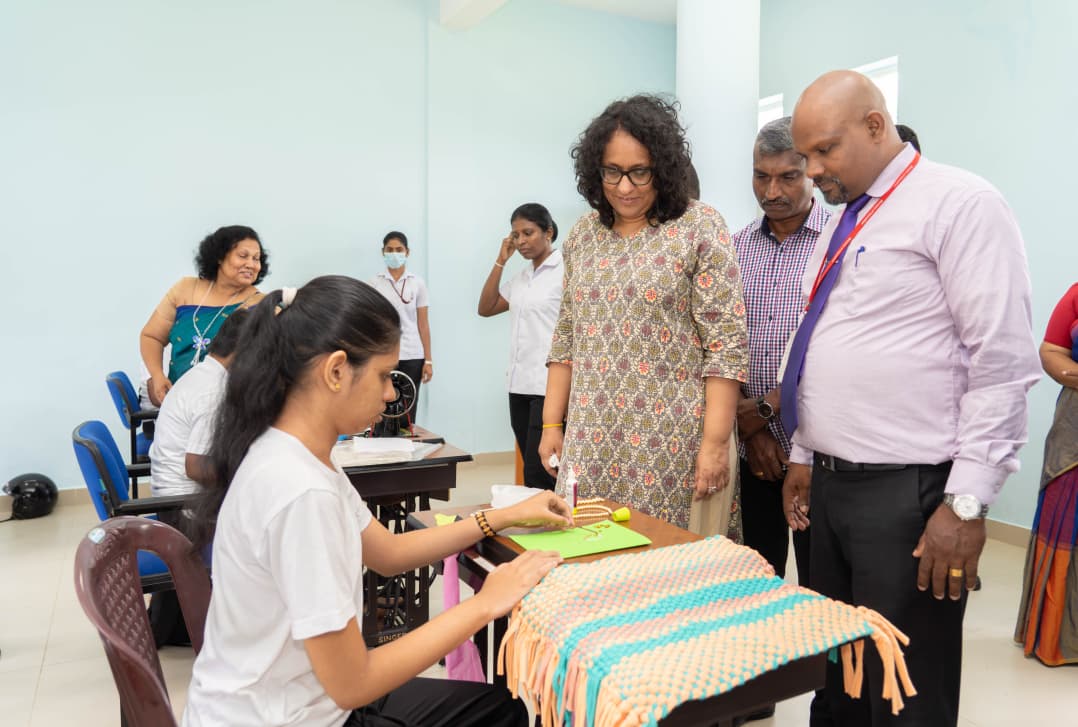
Prime Minister Dr. Harini Amarasuriya stated that, given their particular vulnerability children with disabilities require protection, and stressed the need to foster social awareness to protect them from negative social influences while promoting their physical and mental well-being. She emphasized the need to implement awareness programmes for parents, teachers and other members of society towards this end.
The Prime Minister made these remarks on Tuesday [August 25] while visiting and observing the National Institute of Special and Inclusive Education – Shishyodaya, located in Veniwelkola.
The purpose of the Prime Minister’s visit was to observe the institutional structure and gain an understanding of the areas that require further development.
The Prime Minister emphasized that a systematic mechanism should be established to transform the institution, which was established in 2019 outside the basic standards and plans for Inclusive Education, into an institution that provides quality education to children and fulfills the targeted objectives of inclusive education. She also proposed appointing a special committee to make the necessary recommendations in this regard.
The Prime Minister further stated that steps would be taken in coordination with the Ministry of Health to address the shortage of therapists and medical professionals required to provide clinical services to students at the institution. She also stressed that the maintenance of equipment and buildings should be carried out properly using the financial allocations provided for such purposes.
The Prime Minister further noted that finding sustainable solutions to the issues faced by the institution is essential, while immediate interventions should be made to address issues that can be resolved without delay. The welfare of the teachers serving at the institution was also discussed during the visit.
Member of Parliament Anura Panagoda, Chairman of the Homagama Pradeshiya Sabha Kasun Rathnayake, Secretary to the Ministry of Education, Higher Education and Vocational Education Nalaka Kaluwewa, ministry officials, parents and students were present.
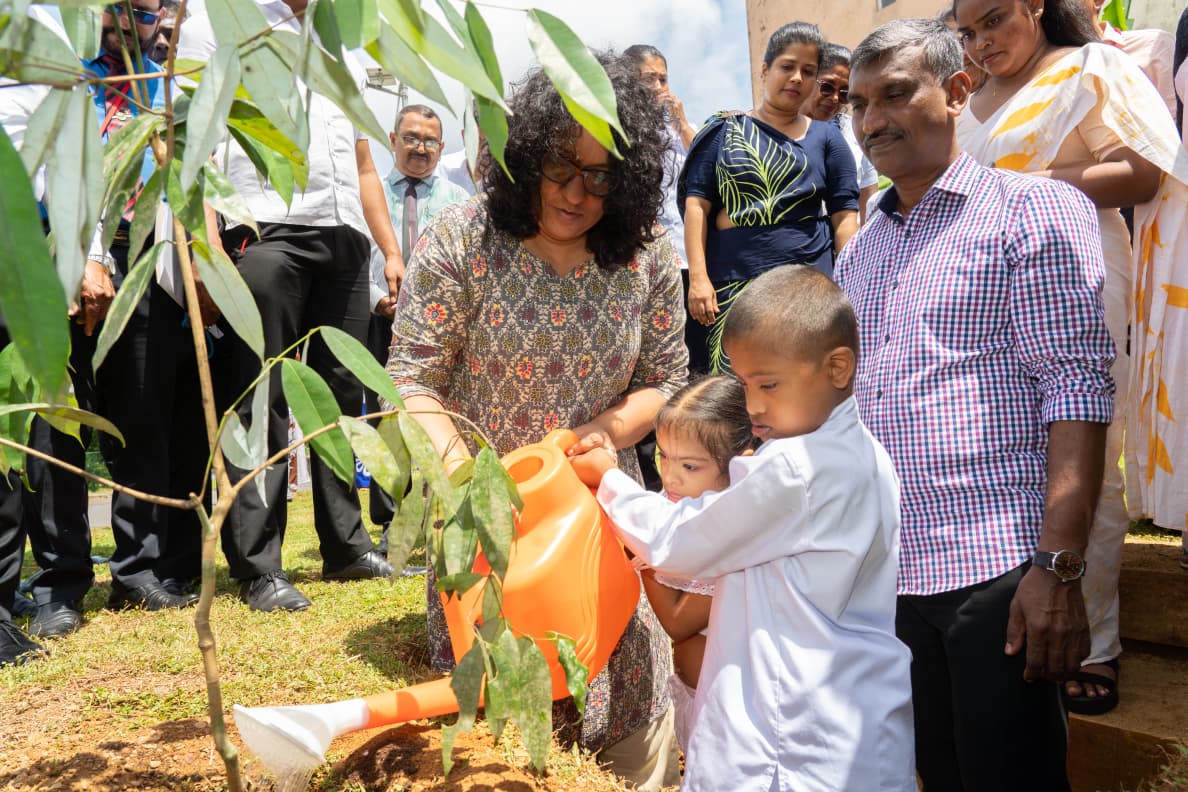
[Prime Minister’s Media Division]

UPDATE: Flash flood on Nepal-Tibet border kills more than 100, with hundreds of tourists missing

At least eight killed, hundreds missing after Nepal flash flood

India close in despite Sooriyabandara, Kamindu fifties

Advisory for High Waves for the sea areas extending from Colombo to Pottuvil via Galle, Matara and Hambantota

We must create social awareness to ensure the physical and mental well-being of children with disabilities – PM

BCCI AGM set for September 18 in Mumbai

‘Dates have the highest sugar content to fight Coronavirus’

Sunday Island 27 December – Headlines

#SundayIsland 17th December – Headlines

Sunday Island – 28th March

Sunday Island Headlines – 21 March

Sunday Island – 21st February – Headlines
-
 News6 days ago
Country’s first woman Surveyor General appointed
-

 Business5 days ago
SriLankan Airlines makes ShakthiSAT Mission possible for talented Sri Lankan student
-

 Sports7 days ago
Tharanga, Weber headline stellar Lausanne javelin field
-

 Features6 days ago
Medical education in Sri Lanka: Then and now
-
 Business7 days ago
Mannar’s offshore opportunity: the dollar question behind Sri Lanka’s oil and gas search
-
 Latest News6 days ago
Imran Khan moved to private hospital amid deteriorating health
-

 Latest News6 days ago
Government has declared 21, 22 and 23 August 2026 as national days of mourning
-
 Features4 days ago
My secondary schooling after Royal Primary