
Sports
Wesley, DSS, Bens win


Under-19 Limited Overs Cricket
by Reemus Fernando
Wesley rode on a vital eighth wicket stand, D.S. Senanayake were boosted by all-round performances of Amitha Dabare while Chamath Chathurya stood out for St. Benedict’s as they registered victories in the Under-19 Division I Limited Overs Tournament matches played on Wednesday.
Chasing 199 runs to win Denuwana Mendis put on an unbroken 35 runs stand for the eighth wicket with Kushan Chamalka for Wesley to beat Gurukula by two wickets. While Sahil Dias continued his good form with the bat to score 62 runs inclusive of eight fours and a six, Sidath Dharmasiriwardana and Semila Liyanage made vital contribution in the middle order for them to stay in contention. However Wesley were in a spot of bother when Liyanage was out. They were 164 for seven in the 44th over. But a run a ball 14 by Chamalka and an aggressive 36 by Mendis helped them reach the target with 13 balls to spare.
For DSS, Maneendra Jayathilaka stroked 51runs inclusive of four fours and two sixes. While Manura Gathsara scored an unbeaten 40, Amitha Dabare produced all round performances. He scored 45 runs before taking three wickets to restrict De Mazenod.
For Bens, spinner Chamath Chathurya was the pick of the bowlers as he took four wickets to defend a score of 149 runs. Deciding to bat first, the home team were 64 for seven wickets at one stage after Rishitha Perera rattled the top order with a four wicket haul. But Thenuka Nandalal stroked an aggressive 77 runs (in 66 balls) inclusive of nine fours and three sixes for them to reach their eventual total.
Results
Wesley beat Gurukula by three wickets at Campbell Park
Scores:
Gurukula
198 for 9 in 50 overs (Tharindu Himsara 31, Rashmika Mevan 30, Sithija Chamod 35, Vihanga Iranjana 27, Malshan Lakshitha 35; Denuwana Mendis 2/39, Thenuka Perera 2/36, Ravindu Sigera 2/27)
Wesley
199 for 7 in 47.5 overs (Sahil Dias 62, Sidath Dharmasiriwardana 33, Semila Liyanage 22, Denuwana Mendis 36n.o., Kushan Chamalka 14n.o.; Thushara Wanigasingha 3/37, Rashmika Mevan 2/32)
DSS beat De Mazenod by 58 runs at DSS ground
Scores:
DSS
248 for 8 in 50 overs (Amitha Dabare 45, Vinuka de Silva 21, Maneendra Jayathilaka 51, Manura Gathsara 40n.o., Sansidu Gunarathne 19; Sihina Sithumina 2/52, Pramodya Rajamunindra 2/35, Chanuka Silva 3/37)
De Mazenod
194 all out in 43.4 overs (Sahan Kosala 50, Chamodya Pasindu 31, Sihina Sithumina 37; Randiv Dissanayake 2/09, Amitha Dabare 3/34, Pasindu Denipitiya 2/35)
St. Benedict’s beat St. Anne’s by 38 runs at Kotahena
Scores:
St. Benedict’s
149 all out in 40 overs (Pasan Suwahas 22, Hasindra Kavirathne 17, Thenuka Nandalal 77; Rishitha Perera 4/33, Pasindu Tennakoon 2/09)
St. Anne’s
111 all out in 27.4 overs (Kavindu Ekanayake 27, Bimsara Kalhara 22; Hasindra Kavirathne 2/13, Chamath Chathurya 4/21, Malinda Perera 2/27)


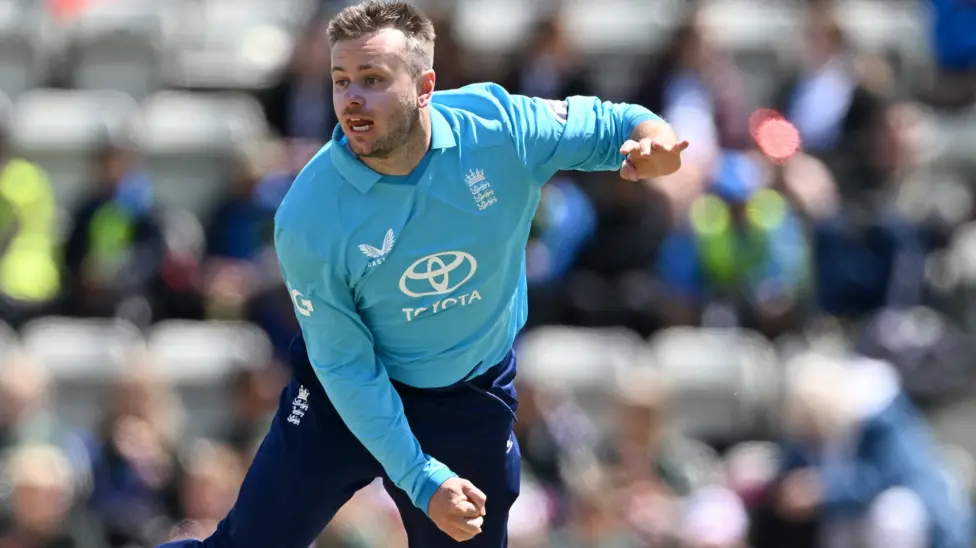
Leg-spinner Mason Crane could play for England for the first time in eight years after being recalled for the one-day international tri-series in Pakistan.
The 29-year-old won his only Test cap against Australia in Sydney in 2018 and is now given an opportunity in the series which also involves Sri Lanka next month.
Crane, who also played two T20 internationals in 2017, could also push his case in the fight to be England’s number one spinner in Test cricket.
Sam Curran and Adil Rashid both return after injuries, and uncapped pair James Coles and Henry Crocombe are included.
Jos Buttler is out with the hamstring injury he sustained last week, while Jacob Bethell is continuing his recovery from knee surgery.
Brydon Carse, who is under an investigation from the Cricket Regulator following an incident outside a nightclub in Derby in August, remains absent.
England are on a diet of white-ball cricket until three Tests in South Africa in December as they build up to the 50-over World Cup in southern Africa next year.
The tri-series in Pakistan involves the three teams taking part playing each other twice, with the top two advancing to the final. Following the trip to Pakistan, England play three one-day internationals and five T20s in Australia in November.
As England continue to shape their backroom staff following the arrival of Stephen Fleming as Test coach, Jeetan Patel, Mike Yardy, David Saker and Carl Hopkinson will assist white-ball head coach Brendon McCullum in Pakistan.
That means Marcus Trescothick, who took temporary charge of the Test team for the series against Pakistan in the home summer, misses the trip.
It is understood the make-up of the coaching staff is part of a plan to rotate the coaches – fielding coach Sarah Taylor and fast-bowling coach Tim Southee are also not going to Pakistan.
All of Trescothick, Taylor and Southee are likely to be part of England’s coaching team for other tours this winter.
England squad for tri-series in Pakistan:
Harry Brook (Yorkshire – captain), Gus Atkinson (Surrey), Sonny Baker (Hampshire), Tom Banton (Somerset), James Coles (Sussex), Jordan Cox (Essex), Mason Crane (Glamorgan), Henry Crocombe (Sussex), Sam Curran (Surrey), Liam Dawson (Hampshire), Ben Duckett (Nottinghamshire), Will Jacks (Surrey), Jamie Overton (Surrey), Adil Rashid (Yorkshire), Joe Root (Yorkshire), Josh Tongue (Nottinghamshire).
(BBC)

Sri Lanka won the toss and elected to bowl first in the Asian games semifinal clash against India.
Sri Lanka XI: Lasith Croospulle, Sineth Jayawardene, Sohan de Livera (wk), Ashen Bandara, Sahan Arachchige (c), Nuwanidu Fernando, Chamika Karunaratne, Wanuja Sahan, Tharindu Rathnayake, Binura Fernando, Vijayakanth Viyaskanth

England call up Crane and rest Archer for Pakistan series

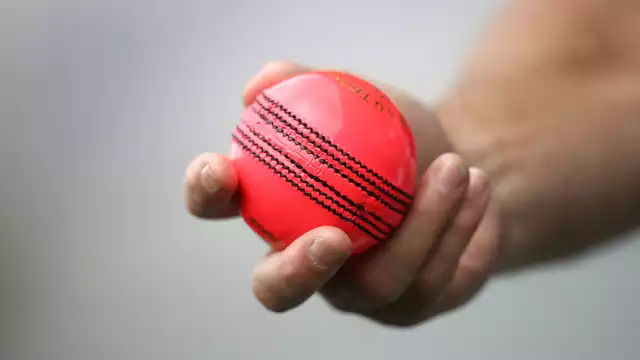
ICC introduces pink-ball daytime Test trial, new time-wasting penalties

Discussion on Anuradhapura Sacred City Development Plan

India enter Asian Games final after Kishan and Bumrah ride roughshod over Sri Lanka

I extend my heartfelt wishes to all the sons and daughters of our country for a Happy World Children’s Day – President

Sri Lanka bowl first in semi final clash against India

‘Dates have the highest sugar content to fight Coronavirus’

Sunday Island 27 December – Headlines

#SundayIsland 17th December – Headlines

Sunday Island – 28th March

Sunday Island Headlines – 21 March

Sunday Island – 21st February – Headlines
-

 News4 days ago
Police remove Thileepan statue in Jaffna
-

 Editorial6 days ago
Birth of a bad law
-

 Features7 days ago
Beyond traditional jobs: Why Sri Lanka needs to facilitate the gig economy
-

 News6 days ago
TIN mandatory for key transactions from Nov. 1
-

 Features4 days ago
The 22nd Amendment, constitutional recovery and illiberal slippage
-

 Features4 days ago
Of foreigners as CEOs of Lankan ventures
-

 News4 days ago
Sajith rejects Jt. Opp. protest sabotage claim; SJB TU chief demands remedial action
-

 Editorial7 days ago
PST: Old devil in new costume?