
Latest News
The Men’s 100: Jos Buttler’s 70 leaves Northern Superchargers stuck in third


With the return of Sir James Anderson to the Manchester Originals‘ line-up, there was an extra frisson at Headingley for the local derby as the Northern Superchargers looked to record eight wins from eight for the women and men at their northern fortress. Alas for Harry Brook’s side, although they will still be in the Eliminator at the Kia Oval on Saturday, it was not to be.
Starting on the same points total as the Trent Rockets but with a significant deficit in net run rate, the Superchargers were looking for a big win to give themselves a decent chance of finishing second in the group stages.
The Originals won the toss and chose to field, with Anderson bowling the first ten, and rapidly picking up his first and second wickets in The Hundred, accompanied by a broad grin. He then had Brook dropped in the deep before seeing England’s white-ball captain try his falling-over scoop, the ball merely dribbling a few feet from the bat, Brook ending up on his bottom and Anderson in stitches.
Brook (20 off 20) was then caught off Scott Currie and Zak Crawley (17 off 17) holed out, and at 73 for 5 off 67 balls, the Originals were in the box seat.
Enter the 40-year-old Samit Patel, three years younger than Anderson perhaps, but still very much a senior citizen in professional cricketing terms. When he was dismissed off the penultimate delivery, he had pummeled four fours and three sixes in his 19-ball 42 and, along with David Miller (30 off 22), given the Superchargers something to defend despite Tom Aspinwall’s impressive 3 for 17.
The Superchargers’ opening pair of Jacob Duffy and Matthew Potts were tidy, Phil Salt (9 off 13) and Ben McKinney (6 off 8) struggling to break free but once they had gone, Jos Buttler and Rachin Ravindra (47* off 23) showed just why they are rated two of the best white-ball batters in the world, a thrilling partnership of 99 off 48 ensuring the Originals finished the competition on a high and consigning the Superchargers to a third-place group finish, barring a catastrophic defeat by the Rockets to the Phoenix tomorrow at Trent Bridge.
Buttler was imperious, smiting seven fours and five sixes in his 37-ball 70 before being bowled by Adil Rashid, at which point only 10 were needed off 21 balls. Rashid conceded 39 from his 20, the most he has ever leaked in The Hundred, and successive boundaries from Ravindra sealed the deal with seven wickets and 16 balls to spare.
Meerkat Match Hero Jos Buttler said: “The surface was a bit tricky, a bit slow. I thought we bowled exceptionally well apart from three or four balls and that allowed us to chase it down. We showed our best cricket in this last game when we were already out of the tournament, which is frustrating.
“Overall, over the course of the tournament, we left a lot out there. In a couple of games, we failed to get over the line and we are where we deserve to be in the end. Tonight we showed what we are truly capable of as a team.”
Brief scores:
Manchester Originals [Men] 140 for 3 in 84 balls (Jos Buttler 70, Rachin Ravindra 47*; Jacob Duffy 1-16, Tom Lawes 1-20, Adil Rashid 1-39) beat Northern Superchargers [Men] 139 for 8 in 100 balls (Zak Crawley 17, Harry Brook 20, David Miller 30, Samit Patel 42; James Anderson 2-30, Josh Tongue 2-26, Scott Currie 1-37, Tom Aspinwall 3-17) by seven wickets
[Cricinfo]

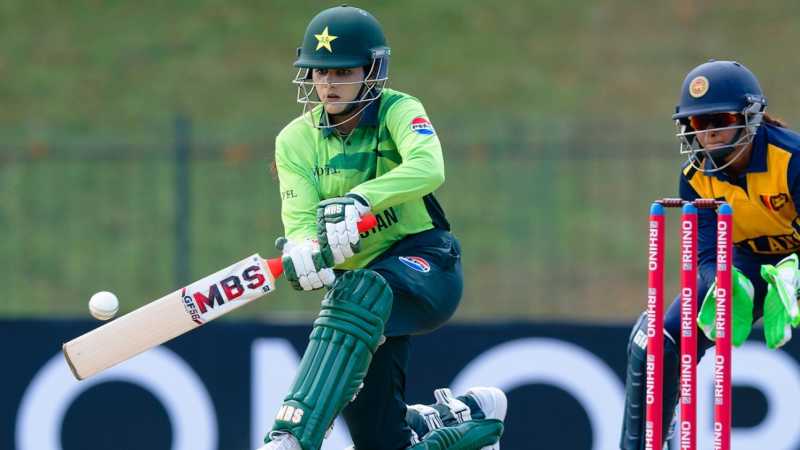
Half-centuries from Gull Feroza and Sidra Amin helped Pakistan start their tour of Sri Lanka on a winning note. After restricting Sri Lanka to 210 for 9, thanks to Nashra Sandhu’s 3 for 42, Pakistan got home with five wickets and seven overs to spare in the first woman’s ODI in Hambantota.
Vishmi Gunaratne, reunited with captain chamari Athapaththu at the top of the order, helped Sri Lanka lay a solid foundation after they opted to bat. The hosts raced to 31 without loss in the first five overs. Gunaratne and Athapaththu soon brought up their fifth fifty-run partnership in ODIs, the most by an opening pair for Sri Lanka.
Once spin came on, the scoring slowed down. Gunaratne was the first to depart when she became Sandhu’s first victim. Athapaththu and Hasini Perera then added 53 for the second wicket before the Sri Lanka captain was bowled by Sandhu. Pakistan applied the squeeze when Sri Lanka were 109 for 2 in the 24th over. The only notable stand for Sri Lanka thereon was between Nilakshika Silva and Kavisha Dilhari, who added 42 for the fifth wicket. But Sri Lanka’s final surge never came and they lost 5 for 32 in the last seven overs to be restricted to a below-par total.
Pakistan hardly broke a sweat in their chase. Feroza struck her fourth successive ODI half-century. She was rapid in the first powerplay, and was the aggressor in the 58-run opening partnership with Sadar Shamas. Feroza then added 90 for the second wicket with Amin, who batted steadily. Feroza eventually fell for a breezy 77-ball 78 while Amin scored 57 off 94 before being dismissed, with victory in sight.
The win was Pakistan’s fifth consecutive ODI win, which put them second on the ICC Women’s Championship points table.
Scores:
Pakistan Women 211 for 5 in 43 overs (Gull Feroza 78, Sidra Amin 57; Kavisha Dilhari 2-37) beat Sri Lanka Women 210 for 9 in 50 overs (Nilakshika Silva 46, Chamari Athapaththu 46; Nashra Sandhu 3-42, Tasmia Rubab 2-34) by five wickets
(CRICINFO)
[Cricbuzzz]

World Bank estimates Venezuela earthquakes caused $19.6bn in damage

More than 4,200 Israelis storm Al-Aqsa Mosque in Jerusalem

Feroza, Amin, Sandhu shine as Pakistan go 1-0 up against Sri Lanka

Colombo District Waste Management subcommittee convenes at Parliament

Government to coordinate Kotte Rajamaha Viharaya Sri Dalada Maha Perahera

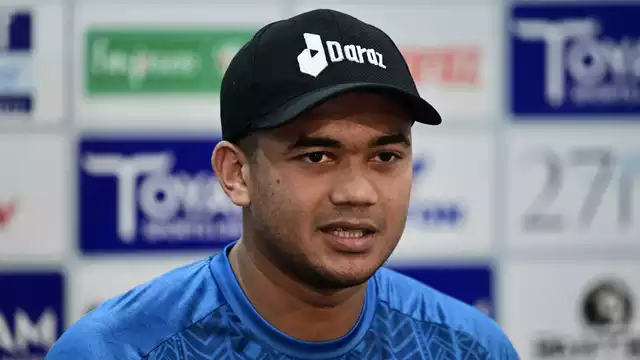
Taskin Ahmed withdraws from LPL to prepare for Australia tour

‘Dates have the highest sugar content to fight Coronavirus’

Sunday Island 27 December – Headlines

#SundayIsland 17th December – Headlines

Sunday Island – 28th March

Sunday Island Headlines – 21 March

Sunday Island – 21st February – Headlines
-

 Features5 days ago
Two memorable excerpts from a former SLAF commander’s memoir
-

 Business5 days ago
‘Giving up was never an option’: The fisherman who fought back after losing millions in SL
-
 Latest News6 days ago
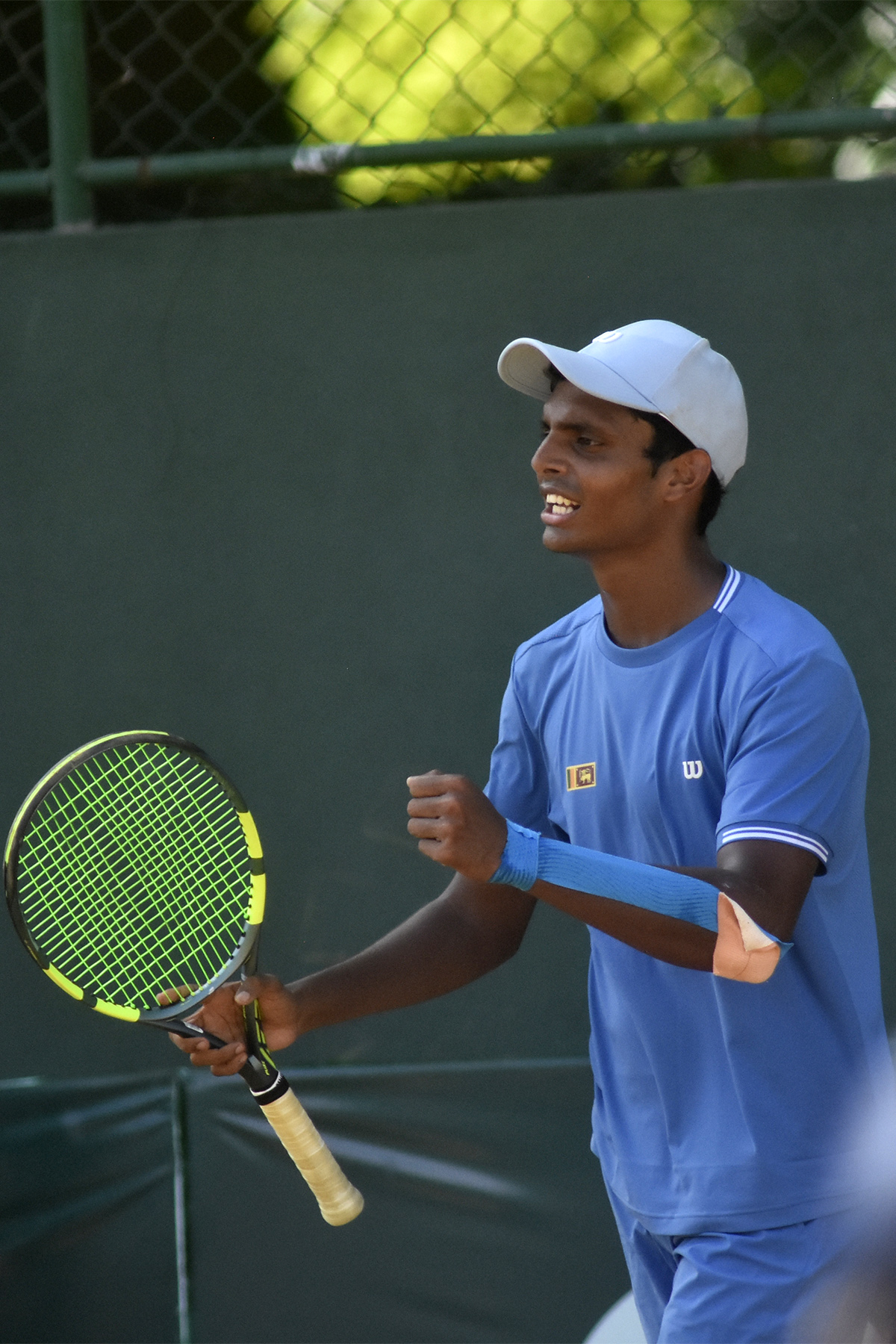
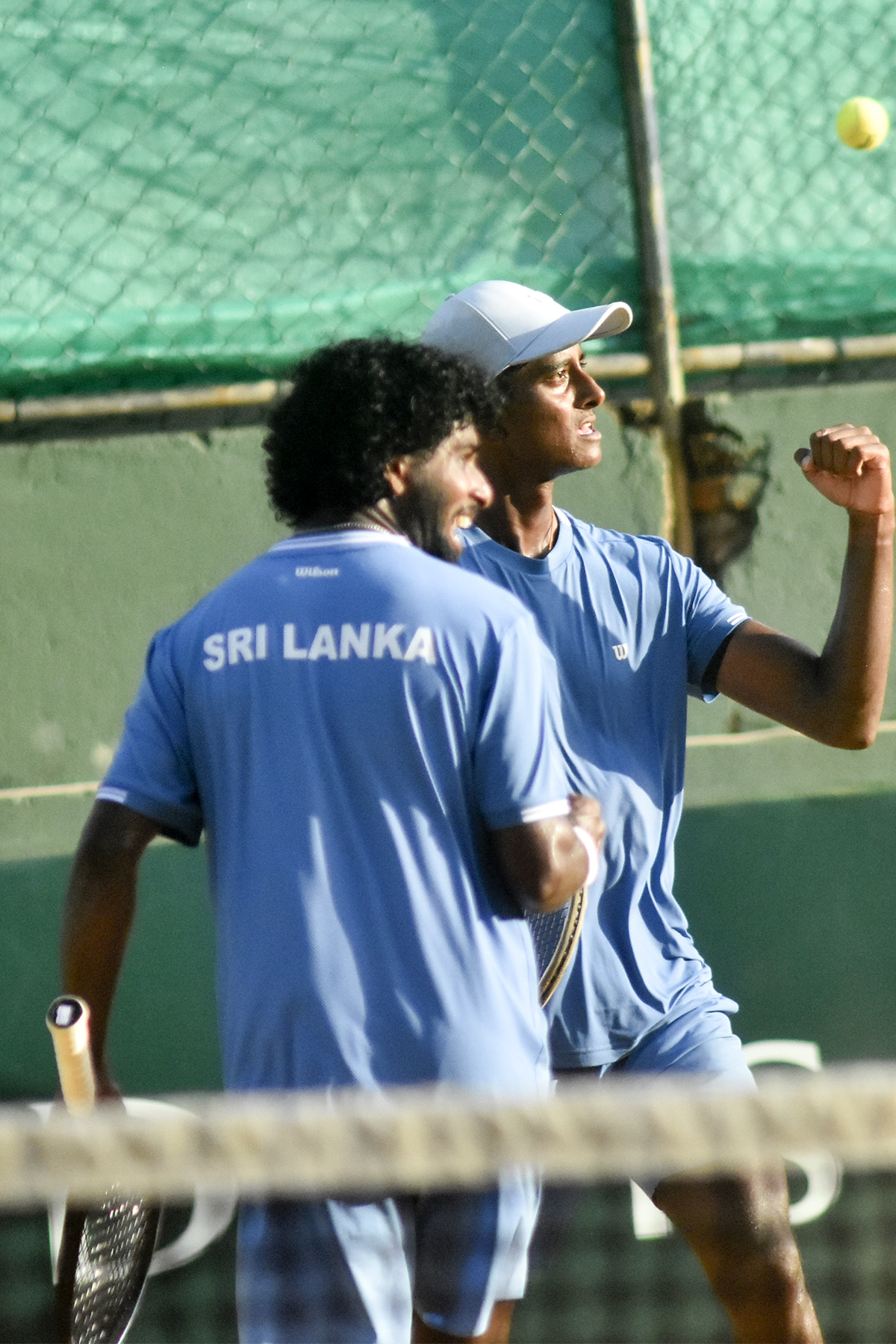
Davis cup Asia/Oceania Group IV 2026 to be held in Colombo from 20th to 25th July
-

 Features5 days ago
Erdoğan’s New Republic
-

 Life style5 days ago
Taste of the Swiss Alps comes to Colombo
-

 News6 days ago
Evidence recorded in money laundering case against Yoshitha Rajapaksa
-
 Midweek Review2 days ago
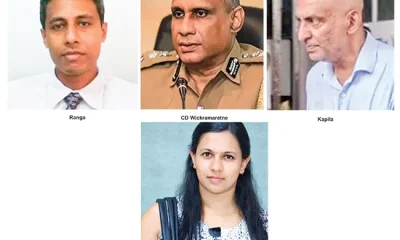
Three high-profile alleged suicides shaping key investigations
-

 News6 days ago
Dengue outbreak gallops ahead: Infections surpasses 73,455, leaving 50 dead