
Sports
Sri Lanka Rugby Players prop MEPA’s ‘Sayura Rakina Rella’ beach cleanup

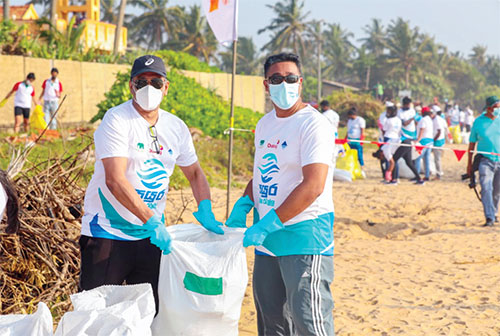
Harsha Samaranayake, SGM, Brand and Media, Group Marketing, Dialog Axiata PLC and Rizly Illiyas, President, SLR leading the way at the beach cleanup.
On a balmy Thursday afternoon, Dialog Axiata PLC (Dialog), Sri Lanka’s premier connectivity provider, together with Sri Lanka Rugby (SLR) inaugurated the first phase of the ‘Sayura Rakina Rella’ sustainable beach clean-up programme by the Marine Environment Protection Authority (MEPA) deployed to protect and preserve our oceans. The initiative kickstarted with the collection of over 770 kilograms (KG) of waste material from the Sarakkuwa beach (Negombo) which was handed over to the Wattala Pradeshiya Sabha for its safe and sustainable disposal.
Players from the present Sri Lanka men’s and women’s Rugby teams as well as former Tuskers such as Asoka Jayasena, Hisham Abdeen, Dilroy Perera, Ajith Upawansa, RMS Rathnayake and Jude Pillai, MEPA goodwill ambassadors, musical artists Bathiya & Santhush, young rugby players from the Western Lions Academy, officials from SLR together with the Dialog team volunteered for two-hour to restore the beach to a pristine condition.
According to a pollution index transcribed by the World Bank in 2015, Sri Lanka ranked as the 5th worst beach polluter of the world, mainly due to poor disposal of plastic waste. On average, a Sri Lankan produces 500g of non-degradable waste per day resulting in a mammoth amount of 100 million KGs of solid waste added into Sri Lanka’s coastal waters, according to 2017 records. During the total two-hour collection process at ‘Sayura Rakina Rella’, 275.89 KG of plastic, 102.6 KG of metal, 83 KG of glass, 250 KG of organic and 63 KG of paper waste was collected.
“We are thankful for Dialog and SLR for coming forward for this important initiative to safeguard Sri Lanka’s natural assets. We at MEPA sincerely hope that these initiatives, in the long run, inspire other sporting bodies, corporates and civil society to come forth and do their civic duty and we believe that initiatives of this nature enable corporates to be an agent of change in building a better tomorrow. We hope that by paving the way for initiatives of this nature, we can turnaround the present status quo especially as the country is on the cusp of opening its borders for tourism,” Dharshani Lahandapura, Chairperson of MEPA said.
 “Rugby 7s giants in the Pacific Ocean like Fiji, Samoa and Tonga play most of their rugby on the beaches. They play touch rugby especially on the beach to develop their mind-blowing ball handling skills, which is something that I don’t see much today in Sri Lanka,” Rizly Iliyas, President of SLR said. He further elaborated, “When we were school children, we used to come to the beach often to play touch rugby. However, due to increased pollution, the beaches are not safe to come to as one can easily hurt themselves from household waste that is buried in the sand. Under this sustainability initiative, we would like to discourage the public from polluting and to take on their roles as responsible citizens by following proper garbage disposal methods”.
“As the proud sponsor of Sri Lanka Rugby, Dialog Axiata is pleased to join hands with SLR and MEPA to conserve our marine resources which have been under threat as a result of careless waste disposal,” Harsha Samaranayake, Senior General Manager, Brand and Media, Group Marketing at Dialog Axiata PLC said. “It is our belief that sports, like Rugby with a large following, will be a game changer in influencing its followers and the public on the necessity of preserving one of our country’s greatest natural assets” he added.

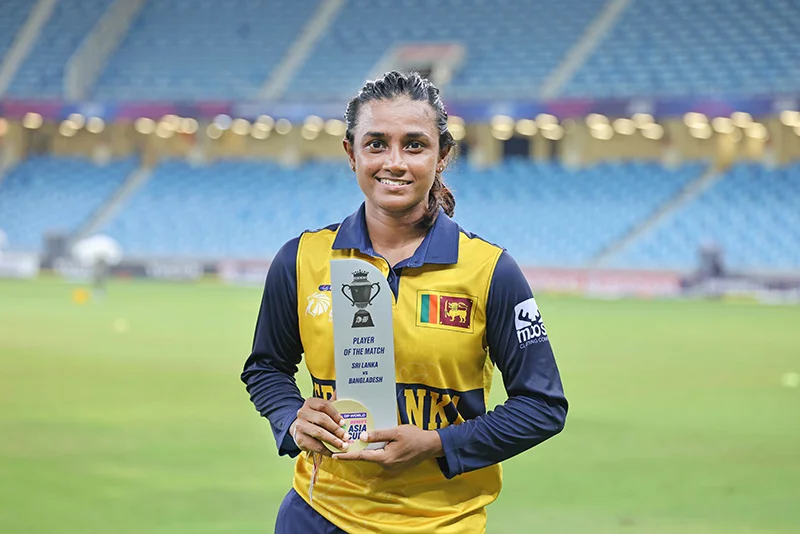
Sri Lanka’s women continue to provide compelling evidence that they could be genuine contenders for the next World Cup, while their male counterparts have, in recent years, largely been making up the numbers at global events.
The defending Asia Cup champions, who stunned formidable India in Dambulla two years ago to lift the title, marched into this year’s semi-finals with an unbeaten record.
Sri Lanka topped their group with three wins from three games and importantly, will avoid India in the semi-finals. Their opponents in Friday’s knockout clash will be either Pakistan or Thailand.
For years, Sri Lanka have leaned heavily on their talismanic captain Chamari Athapaththu, one of the greats of the women’s game. More recently, however, others have begun putting their hands up when the skipper has fallen cheaply. That growing depth has also given Chamari greater freedom to play her natural, attacking game.
Last week, Nilakshika de Silva produced a rescue act against Indonesia. On Sunday, after the captain fell to only her second ball, it was the turn of vice-captain Harshitha Samarawickrama to take charge and steer Sri Lanka home through choppy waters.
Chasing 115 to win their final group game against Bangladesh at Dubai Sports City, Sri Lanka were quickly in trouble as seamer Marufa Akter sent both openers packing cheaply. With wickets continuing to tumble at the other end, Harshitha kept her head while others were losing theirs.
At 44 for five, with half the side back in the pavilion, Sri Lanka were staring down the barrel. Harshitha and Nilakshika then began the repair job, adding 38 for the sixth wicket to drag the innings back from the brink.
Marufa has been an outstanding find for Bangladesh and they rely heavily on her for breakthroughs. With one over remaining in her quota, she was summoned back to break the partnership and did precisely that, removing a well set Nilakshika as she attempted to improvise.
There was, however, no stopping Harshitha.
She found a reliable ally in wicketkeeper Kaushini Nuthyangana and the pair calmly took Sri Lanka across the line with an unbroken 33 run stand for the seventh wicket. Harshitha finished unbeaten on 38 off 47 balls, striking four fours and two sixes.
Sri Lanka got home with four balls to spare, maintaining their perfect record in the competition. Yet beneath the celebrations there will be a nagging concern: the batting has collapsed too often, leaving one or two players with far too much heavy lifting to do. That is something they will need to address before the stakes rise further.
Sri Lanka will play the second semi-final on Friday, with the final scheduled for Sunday.
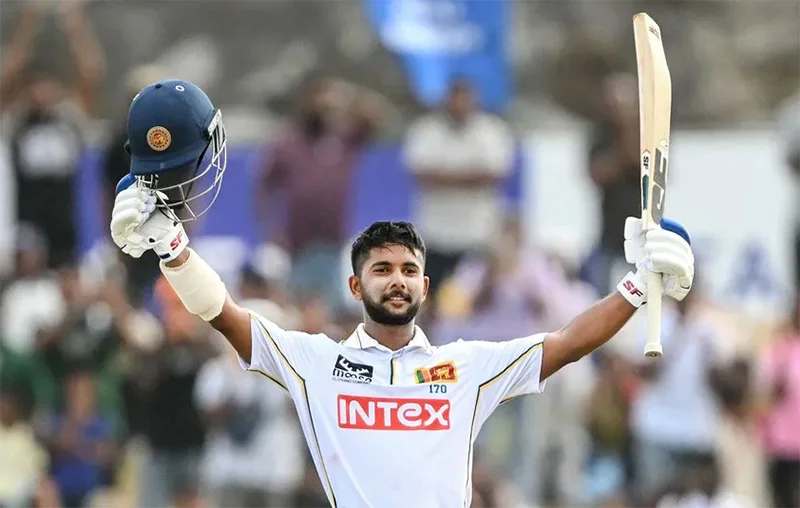
The just-concluded two Test series against strong Indian side has restored Sri Lanka’s pride and confidence, thanks largely to a remarkable display of fighting spirit. At the centre of this remarkable story is Sonal Dinusha, whose extraordinary batting performance turned what appeared to be certain defeat into an epic draw.
Sonal made headlines by scoring three centuries and a big half-century across the two Tests. In doing so, he joined an elite group of Sri Lankan batsmen who have scored three centuries in a two Test series, including Aravinda de Silva, Kumar Sangakkara and Kamindu Mendis.
There is an even more remarkable dimension to Sonal’s achievement. By scoring a century in both innings of a Test match, he joined another distinguished group of Sri Lankan batsmen who have accomplished this rare feat.
Yet, as with every great sporting story, there are several fascinating sub stories within the main story.
One of those sub stories is the emergence of Pasindu Sooryabandara, who became Sri Lanka’s first Test concussion substitute when he replaced Dinesh Chandimal in the first Test in Galle.
The concussion substitute rule is one of the significant innovations introduced by the ICC. It allows a player to replace a teammate who suffers a concussion or other head injury during a match, subject to the relevant medical assessment and the approval of the match referee. The substitute can then participate fully in the match, within the conditions governing concussion replacements.
Pasindu’s own concussion substitute story initially appeared far less glamorous. His first innings ended with the disappointment of a first ball golden duck. But that setback did not end his story.
Instead, the Sri Lankan selectors and team management showed faith in the young batsman by retaining him for the second Test at the Sinhalese Sports Club. That confidence was richly rewarded. Pasindu responded with a composed 80 in the first innings and a superb 92 in the second, providing the crucial foundation for Sri Lanka’s extraordinary resistance.
His batting displayed the qualities expected of a Test top order batsman: solid defence, controlled aggression, patience and above all, temperament. His First Class performances had been repeatedly knocking on the selectors’ door. This time, the door opened and Pasindu walked through it.
But the story does not end with Sonal and Pasindu.
The resilience of the Sri Lankan fast bowlers, led by Asitha Fernando, was another important chapter. Their persistence and discipline kept Sri Lanka in the contest when the match appeared to be slipping away.
The Sri Lankan batsmen then produced the kind of courageous resistance that Test cricket demands. Instead of surrendering to the pressure, they fought session by session, partnership by partnership, and run by run. Their collective determination transformed an apparently inevitable defeat into a memorable draw.
That fighting spirit may ultimately prove to be the most valuable outcome of the series.
Sonal Dinusha may rightly occupy the centre of the stage. His three centuries, his remarkable consistency and his role in rescuing Sri Lanka from the brink of defeat have made him the headline maker. Pasindu Sooryabandara, meanwhile, has shown what can happen when talent meets opportunity and confidence.
But behind these individual performances lies something even more encouraging: Sri Lanka have rediscovered the belief that they can compete, fight and survive against strong opposition even when the circumstances appear overwhelmingly against them.
That renewed belief could be extremely important as Sri Lanka face challenging Test assignments against New Zealand and Pakistan in the ongoing World Test Championship cycle.
For the newly appointed coach, this remarkable comeback must have brought a huge sigh of relief. More importantly, it provides evidence that this Sri Lankan Test side possesses the character and resilience required to compete with any opposition, in any conditions.
The epic draw was therefore more than just a result on the scoreboard. It was a statement of character.
Sonal Dinusha wrote the headline. Pasindu Sooryabandara provided one of the most inspiring subplots. The bowlers refused to surrender. And the entire Sri Lankan team reminded everyone of the fighting spirit that has long been associated with Sri Lankan cricket.
Ayampillai Dharmakulasingham
Retired Sri Lankan diplomat
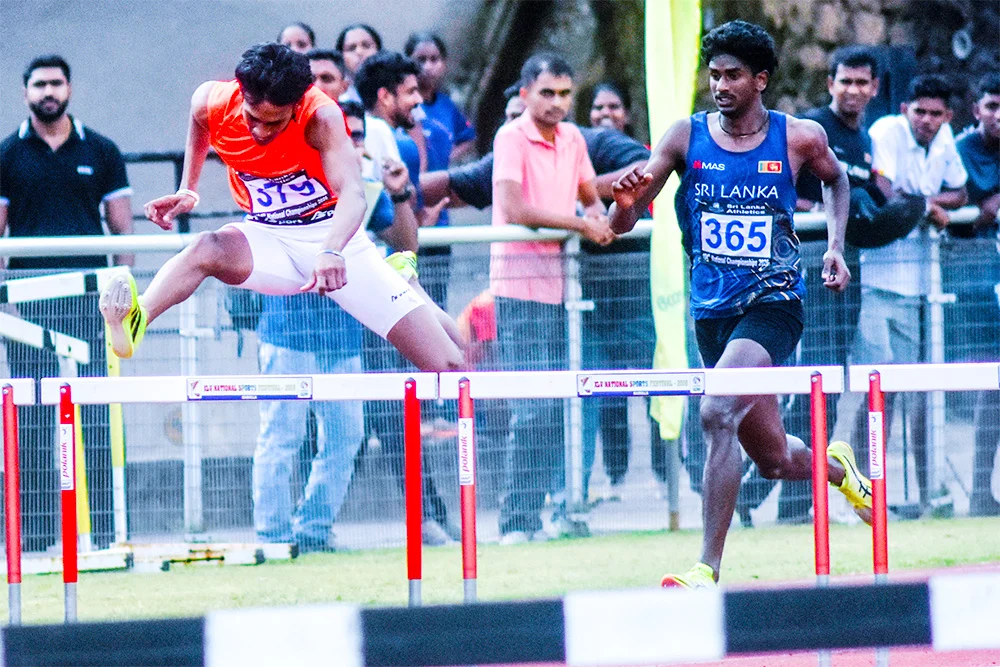
The 104th National Athletics Championship concluded at Diyagama on Sunday. Here are some action pictures form the final day. (Pix by Kamal Wanniarachchi)
-
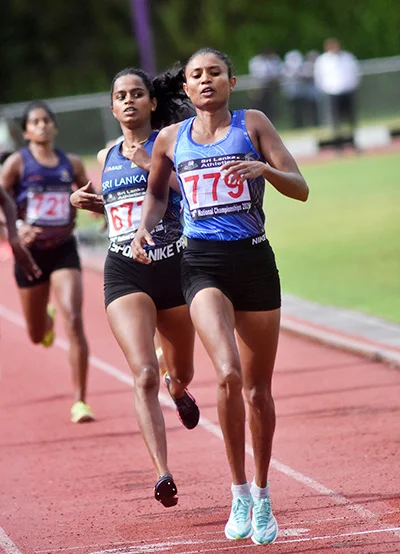
- Veteran Nimali Liyanarachchi won the women’s 800 metres with a time of 2:06.88 seconds.
-
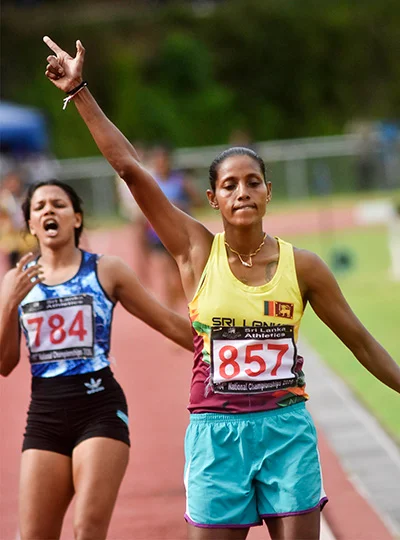
- Lakshika Sugandi was the winner of the heptathlon.
-
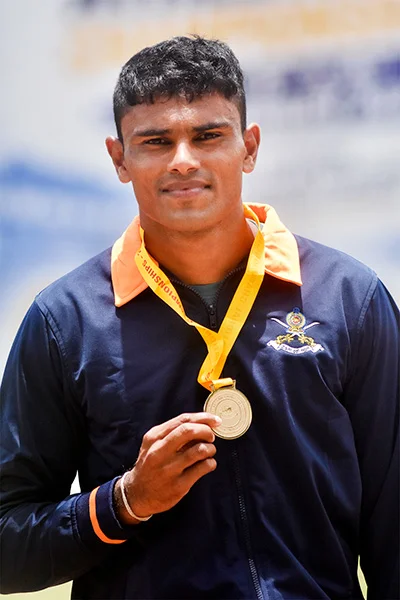
- MMR Lakmal the winner of the decathlon
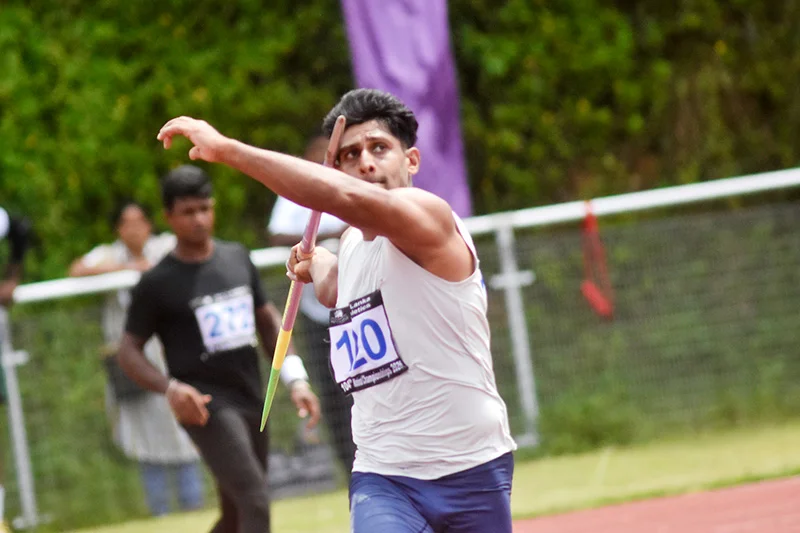
Olympian Sumedha Ranasinghe had little competition in the absence
of Rumesh Tharanga in the men’s javelin throw.
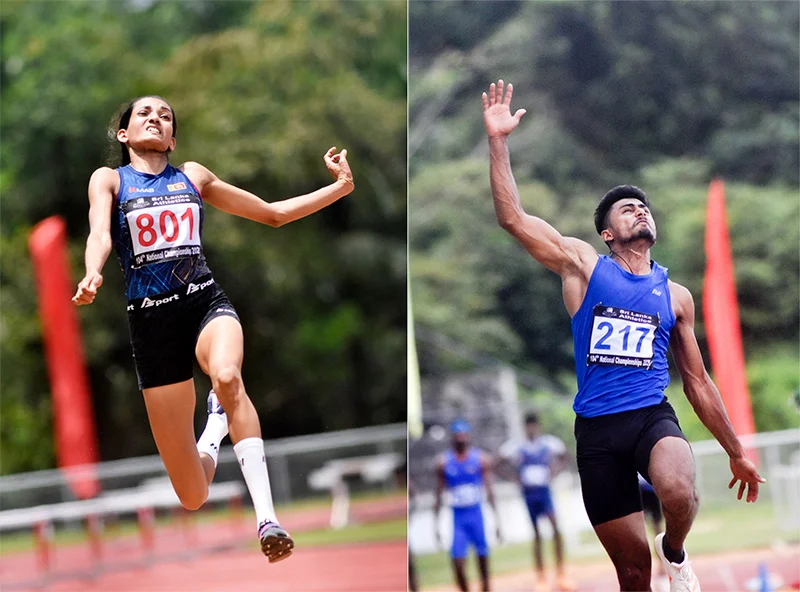
GIS Lankathilaka won the women’s long jump. / KMKC Karunaratne was the winner of the men’s long jump.
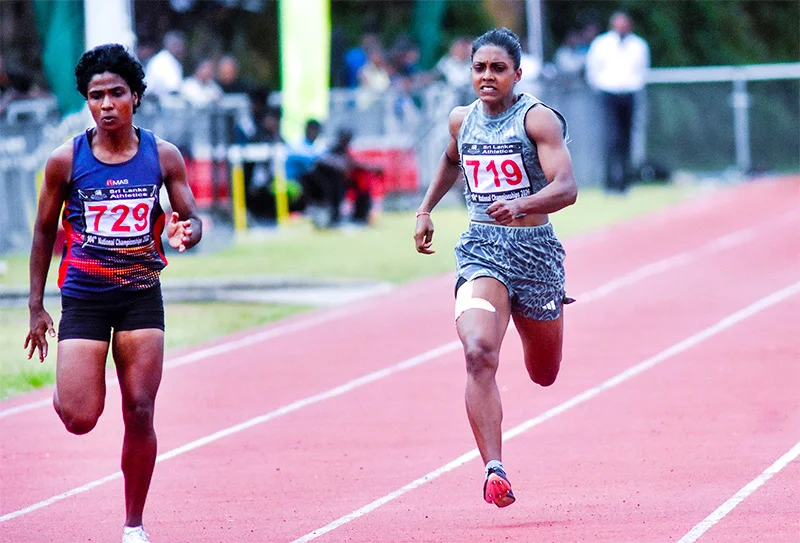
K.R. Hirupama (729) was the winner of the women’s 200m.
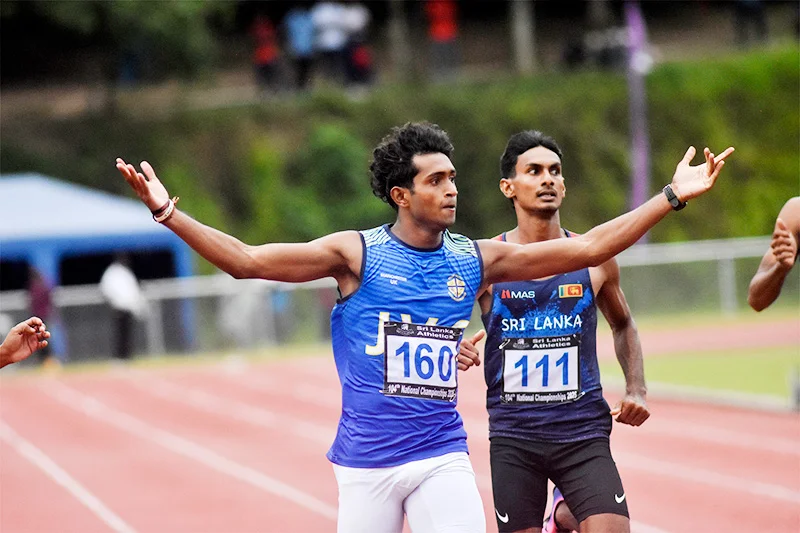
Sadew Rajakaruna won the men’s 200 metres.

Showers in the Uva, Central and Eastern provinces and in Polonnaruwa district

22A: Exclusion of 8 petitions questioned, action filed against SC Registrar, others

Thailand shuts door on undesirables from Sri Lanka

Expertise France and the EU launch media project to strengthen environmental journalism in Sri Lanka

CLA questions non-inclusion of senior judges on five-member SC bench hearing 22A petitions

Whatever on earth happened to meritocracy, pragmatism, and honesty in Sri Lanka?

‘Dates have the highest sugar content to fight Coronavirus’

Sunday Island 27 December – Headlines

#SundayIsland 17th December – Headlines

Sunday Island – 28th March

Sunday Island Headlines – 21 March

Sunday Island – 21st February – Headlines
-

 News5 days ago
Denied of promotion to SC despite vacancies, justice Gurusinghe retires
-

 Latest News6 days ago
Grade 5 scholarship exam results released
-

 News5 days ago
22A: SC urged to suspend hearing, appoint full bench
-

 Midweek Review6 days ago
The local and global dynamics of Sri Lanka’s 22nd Amendment
-
 News3 days ago
Namal remanded until Sept. 18 over Airbus deal investigation
-

 Latest News2 days ago
Tharanga creates history with Diamond League crown in Brussels
-
 News5 days ago
Govt. seeks NATO assistance
-

 News6 days ago
40 professional organisations and TU oppose proposed 22A