
Latest News
Mooney, Sutherland and King star as Australia seal series emphatically

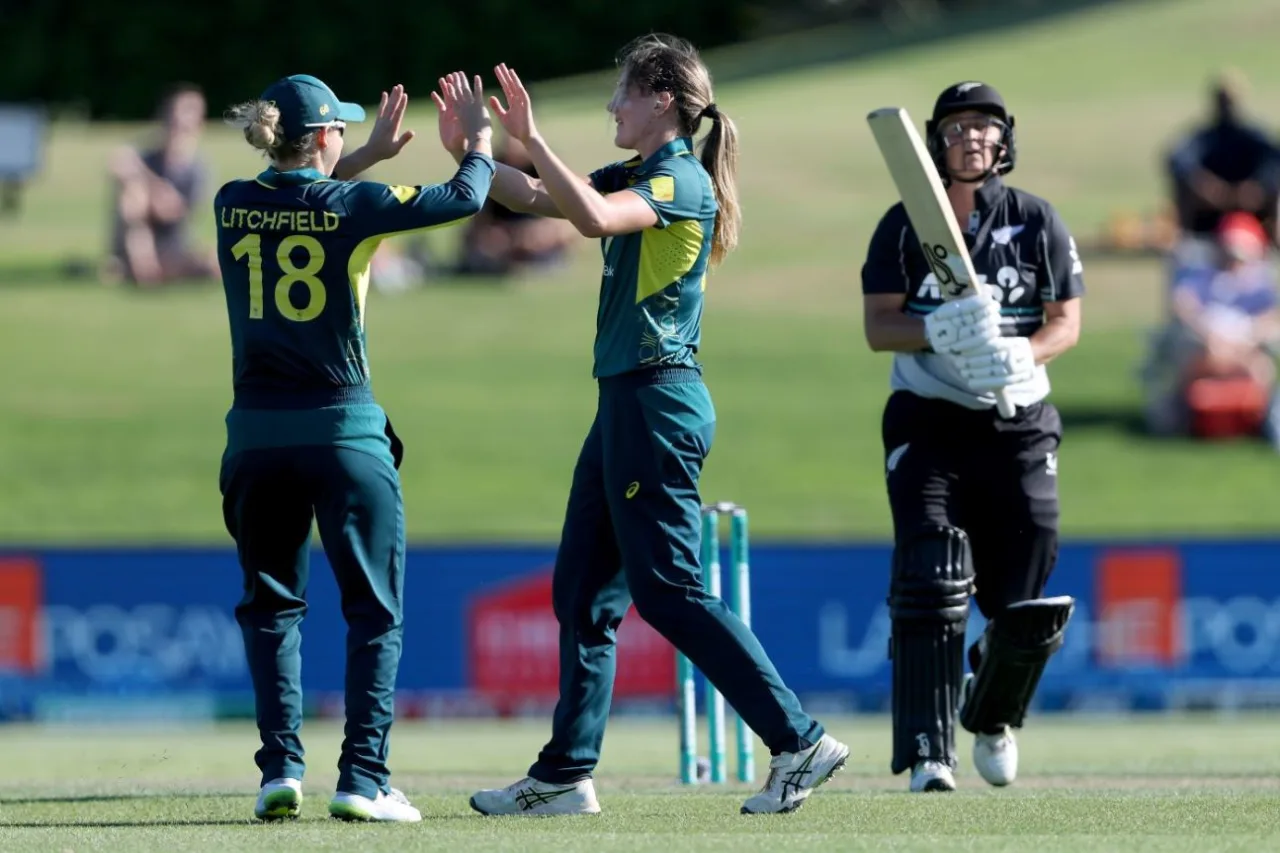
Beth Mooney, Annabel Sutherland and Alana King starred in another dominant Australia performance to crush New Zealand by 82 runs in Mount Maunganui and close out their first women’s T20I series win in New Zealand with one game remaining.
Mooney scored 70 off 42, her fourth 70-plus score in her last five T20Is, to earn Player-of-the-Match honours again and underpin Australia’s mammoth total of 204 for 3, where all five of Australia’s batters on show reached 23 or more. Only Phoebe Litchfield struck at under 153. Georgia Voll’s blistering 36 off 20 set the tone for Mooney to follow before Litchfield, Ellyse Perry and Sutherland all produced valuable cameos.
Sutherland then ripped through New Zealand’s top order, taking three wickets in her first seven deliveries after King had knocked over Suzie Bates, to extinguish any hopes of a record chase as they folded for just 122. Sutherland finished with extraordinary career-best T20I figures of 4 for 8 from 2.1 overs. King, who was oddly left out of Australia’s XI in the first game of the series despite starring in the Ashes, took 3 for 27 having come in for the injured Ash Gardner.
Amelia Kerr took 1 for 27 from four overs and made 40 off 36, but no other New Zealand player conceded fewer than eight runs per over with the ball or scored more than 22 with the bat.
Mooney and Voll once again took the wind out of New Zealand’s sails, this time blasting a 57-run opening stand in 5.1 overs after Australia won the toss and chose to bat on a pristine surface.
Picking up from where the two had left off following their 123-run stand in Auckland, Voll was vicious in her assault on the new ball. She smashed seven boundaries in the first five overs and could have done more damage had she not picked out fielders in the ring with several powerful strikes. She clubbed Eden Carson for three fours in the second over on the innings and then produced back-to-back boundaries off Rosemary Mair in the fourth to reach 33 from 17 before Mooney had got to double-figures.
She fell in unusual fashion, bounced out by Sophie Devine with keeper Polly Inglis up to the stumps. Both Voll and Inglis thought she had missed a pull shot. But Devine thought she heard something, and a review showed a spike on real-time snicko as ball passed bat.
Mooney enjoyed a slice of luck when Devine misjudged an aerial square drive on the deep point rope. She came in too far and it sailed over her head but landed inside the rope.
The left-hand batter then continued her form, accumulating with ease. She shared a 69-run stand with Litchfield, who made a scratchy 32 from 29. When she holed to long-on, Australia upped the tempo with Perry pumping her first delivery over cover for four.
It sparked an electric finish to the innings. Mooney holed out to Amelia Kerr, who very nearly pinned Sutherland lbw first ball with a superb wrong’un. Sutherland needed a review to overturn a decision with ball tracking showing it was just going over middle. Sutherland and Perry proceeded to take 40 from the last 18 balls of the innings. Sutherland smashed an enormous six in her 23 not out from 15. Perry showed her class off the last two balls of the innings, lofting inside out over cover and then reverse lapping fine of third to finish unbeaten on 29 from 15.
New Zealand’s pursuit of the record chase never got going. King bowled Bates in the second over before Sutherland removed Georgia Plimmer and Devine in consecutive balls in the fifth. When Brooke Halliday miscued to mid-on off Sutherland’s first ball of the seventh over, New Zealand were 45 for 4 and Sutherland had 3 for 3.
Amelia Kerr fought hard alongside Maddy Green but the game was well and truly gone. Georgia Wareham trapped Green lbw for 22 before King and Darcie Brown tore through the tail. King removed both Kerr sisters within three balls before Brown picked up two in four balls in the next over.
Sutherland flattened Carson’s off stump to seal the win with New Zealand losing 5 for 13 to be bowled out for 122.
Brief scores:
Australia Women 204 for 3 in 20 overs (Beth Mooney 70, Georgia Voll 36, Phoebe Litchfield 32, Ellyse Perry 29*, Annabel Sutherland 23*; JessKerr 1-39, Sophie Devine 1-38, Amelia Kerr 1-27) beat New Zealand Women 122 in 16.1 overs (Suzie Bates 12, Amelia Kerr 40, Maddy Green 22, Jess Kerr 14; Annabel Sutherland 4-08, Alana King 3-27, Darcie Brown 2-23, Georgia Wareham 1-15) by 82 runs
[Cricinfo]


The Rose Bowl, which has been awarded to the winner of ODI series between the women’s teams of Australia and New Zealand since 1985, has now been expanded to include T20Is as well.
New Zealand’s three match T20I tour of Australia, which begins on Sunday at the North Sydney Oval, will be the first T20I edition of the Rose Bowl. The teams will get to face off again for the trophy in March 2027 when they meet again for three ODIs, also in Australia.
For Rose Bowl series that include matches in both white-ball formats, the trophy will go to the team with the most wins overall. In case of a drawn series, the current holder will retain the trophy.
“The Rose Bowl is a prestigious trophy that holds a lot of meaning to current and past players, and it’s a series we’ve always taken a lot of pride in competing in,”Catherine Campbell, NZC’s chief cricket operations officer and a former New Zealand player, said. “With so much T20I cricket now being played, this is a brilliant opportunity to keep the Rose Bowl relevant and to build on the history between us and our Australian rivals.”
New Zealand captain Melie Kerr was excited by the broadening of opportunities to compete for the Rose Bowl.
“We’re all aware of what the Rose Bowl represents and the importance it holds in the White Ferns whakapapa [genealogy],” said Kerr. “Great players and teams have fought for it over the years and we’d love the opportunity to claim our own piece of that history.”
Australia have held the Rose Bowl continuously since wresting it back from New Zealand in 2000. Since that 3-0 win, Australia have won 18 times with one series – in 2008-09 – shared 2-2. Overall, Australia have won 26 of the 31 ODI series played for the Rose Bowl, with New Zealand winning three times and three series drawn.
North Sydney will host all three T20Is of the upcoming Rose Bowl series, on October 18, 20 and 22.
[Cricinfo]
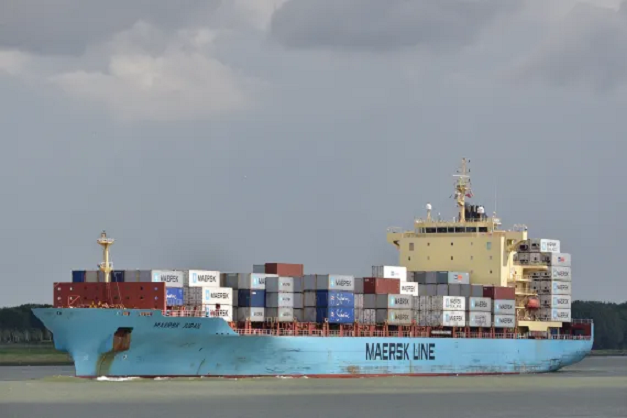
US President Donald Trump claims the US Navy’s “effective” blockade has stopped all Iranian ships from crossing the Strait of Hormuz.
Iran’s Islamic Revolutionary Guard Corps (IRGC) navy says a supertanker carrying more than two million barrels of crude oil has struck a sea mine while attempting to cross the Strait of Hormuz through an “unauthorised” route.
The collision caused a huge explosion and a major fire on board the vessel, the IRGC said in a statement reported by semi-official Tasnim news agency.
It alleged that the tanker had turned off all tracking and radar systems, attempting to pass through the strait using deception and with US military support.
‘The Strait of Hormuz is closed’, the IRGC navy warned, adding that vessels violating Iranian regulations would face severe consequences for relying on US backing.
[Aljazeera]
Squad for the first three ODIs: Shubman Gill [C], Rohit Sharma, Virat Kohli, Shreyas Iyer [VC], KL Rahul [WK], Nitish Kumar Reddy, Axar Patel, Naman Dhir, Anshul Kamboj, Gurnoor Brar, Ruturaj Gaikwad, Arshdeep Singh, Ishan Kishan [WK], Mohammed Siraj, Prasidh Krishna*, Kuldeep Yadav
Squad for fourth and fifth ODIs: Shreyas Iyer [C], Rohit Sharma, Virat Kohli, Tilak Varma, Ishan Kishan [WK, VC], Nitish Kumar Reddy, Axar Patel, Naman Dhir, Auqib Nabi, Gurnoor Brar, Ruturaj Gaikwad, Arshdeep Singh, Kumar Kushagra [WK], Mohammed Siraj, Yash Thakur, Kuldeep Yadav
[Cricbuzz]

Review of progress in reforms and modernisation of key state revenue-collecting institutions

Rose Bowl expanded to include Australia vs New Zealand T20Is

Trump claims US Navy blockade stops Iranian ships in Hormuz

Showers above 75 mm are likely at some places in the Western, Sabaragamuwa, Central and North-central provinces and in Trincomalee and Mullaitivu districts

Cut power bills by 3-5%, don’t hike them, consumers demand

Asgiri Mahanayake calls for immediate release of Gnanasara Thera

‘Dates have the highest sugar content to fight Coronavirus’

Sunday Island 27 December – Headlines

#SundayIsland 17th December – Headlines

Sunday Island – 28th March

Sunday Island Headlines – 21 March

Sunday Island – 21st February – Headlines
-

 News6 days ago
Sri Lanka escalates anti-graft drive with Shiranthi’s jailing
-

 Latest News5 days ago
Farhan and Sadaqat help Pakistan seal series in style
-

 News6 days ago
Iranian ships stranded, Lanka fears US sanctions
-

 Latest News4 days ago
Nissanka’s return headlines Sri Lanka’s Test squad against Pakistan
-

 Features5 days ago
Intake 16: 45 years of duty and honour
-

 News5 days ago
Malwathu Chapter issues statement on talks with President over Gnanasara Thera’s robes
-

 News6 days ago
Navi Pillay’s Lankan affairs in focus as she wins 2026 Nobel Peace Prize
-

 News5 days ago
CP alleges NPP has taken the blame for illegal US sanctions on Iranian vessels