
Opinion
Priest, Prophet and Martyr for Justice

by Rev. Fr. Leopold Ratnasekera
OMI.
Oblate Seminary, Ampitiya.
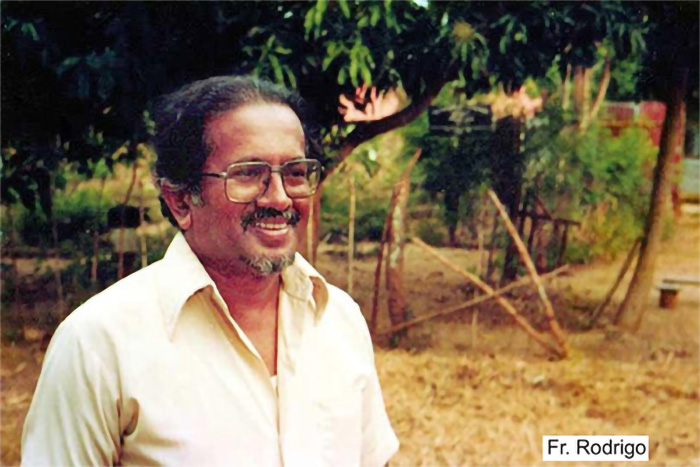
The 37th anniversary of the death of Fr. Michael Paul Rodrigo is being celebrated on 10th November this year. He was a Catholic Priest belonging to the Oblate Congregation (OMI) working in the village hamlet of Alukalavita-Buttala in the Monerāgala district located at the 12th Mile-post on the Kataragama road, where he had founded a Christian-Buddhist Fellowship and Dialogue Centre since 1980. He was brutally gunned down at point-blank range on that fateful evening in the middle of a Holy Mass he was celebrating with two of his co-workers. The assassination finally came following a series of death-threats against his presence and work in Buttala. To this day those responsible for this dastardly crime remain unknown. It is indeed a tragedy continuing to be a mystery surrounding the death of an innocent man who paid the price for bravely facing challenges that came from the powers-that-be who cast spells of suspicion and questioned his work among the poor farmers and peasants of this historic Ūva-Wellassa province.
Once an agriculturally thriving area with soil rich for farming and paddy cultivation, about eighty-thousand acres of its land had been taken over for a sugar-cane project by a multi-national corporation: “Booker-Tate Agriculture International establishing a factory in Pelawatte, making the local farmers and peasants lose their land as well as means of employment and traditional farming livelihoods. Fr. Michael Rodrigo had taken issue with the government and even writing to the President about the injustice that was crippling the lives of the poor of Wellassa and asking for redress. The Wellassa episode of the erosion of local enterprise is one of the tragic instances of the open-economy unleashed at that time. There was serious concern over the environmental impact caused by deforestation and the use of chemical fertiliser. The priest in solidarity with the monks and the people of Buttala had raised a strong voice against this oppression of the poor and demanded social justice to the peasants of Ūva. Fr Rodrigo often clashed with the authorities on behalf of the youth in Buttala. The Centre for Buddhist-Christian dialogue named “Suba Seth Gedara” was a humble house of wattle and daub which later transformed itself into a clinic, a school, and small library to address the community’s health and educational needs and a garden for indigenous medicinal plants to match. The Centre also facilitated collaboration between the farming youth and university students which helped improve the skills and techniques of their trade.
Fr. Michael Rodrigo was born on 30th June 1927 at Dehiwela and had his secondary education at St. Peter’s College, Bambalapitiiya. He was trained for priesthood in Rome where he was ordained as a priest on 4th April 1954. On his return to the country, he was posted to the staff of the newly inaugurated National Seminary of Ampitiya and eventually proceeded to Rome again for a Ph.D. (1957) at the prestigious Jesuit-run Gregorian University. After a spell of teaching in Ampitiya he embarked on a sabbatical to Paris where at the Catholic Institute of Paris he earned a doctorate in Theology (1973). Though equipped with two doctorates with research in Buddhist-Christian comparative studies, he declined a professorship in Paris and chose instead active social involvement with rural poor. Always interested in Buddhism as a vehicle of dialogue with the Buddhists of his motherland, his doctoral thesis in Rome was on: “Some Aspects of Enlightenment of the Buddha” making an in-depth psychological and metaphysical analysis of the enlightenment and was awarded first-class honours. The second doctorate in Paris was entitled: “The Moral Passover from selfishness to selflessness in Christianity and other Religions in Sri Lanka”. On his return from Paris, he assisted Bishop Leo Nanayakkara OSB of Badulla diocese in inaugurating a new style of a seminary where priestly training was more contextual and including exposure programs. This experimental seminary was named “Sēvaka Sevana” at Bandārawela. From here Fr. Michael Rodrigo extended his interest to live out an option for the poor and chose Buttala, one of the poorest villages in the Monerāgala district thus directing his knowledge and experience for the care and liberation of the poor who had lost their land and livelihood. He decided to do it in an entirely Buddhist milieu (99%). In due course winning over the monks, he was able to work together with the people in many projects that affected the living standards of the people, education and religious formation of the youth.
It was the time when winds of change came over the Catholic Church which opened up to the world and its joys and hopes, to the various religious traditions and cultural diversities of humanity as well as identifying with struggles of the world poor and the oppressed. Fr. Michael Rodrigo brimming with this spirit of reform plunged himself into action in his own home-country, the motherland of Sri Lanka venturing right into a Buddhist village (99%), where poverty was widespread. The situation proved ideal to begin his work of dialoguing with the Buddhists and working for their liberation, confronting the oppressive forces that were dehumanizing the poor of Buttala. They needed to be empowered with knowledge and skills, trained to utilise their natural resources, and live with dignity. When structures and systems get entrenched, liberation is needed to neutralise them to harmonize the liberation process. He also wished to be an agent of reconciliation healing the aching memory linked to Christianity in the aftermath of the Ūva-Wellassa rebellion of 1818 that led to the massacre of people by the colonial British. He had a thorough knowledge of Buddhism including texts in Pāli and could even give an “anusāsanā” on a Pōya day in the temple when requested. The monks and the Buddhist laity marveled at his knowledge of Buddhism. He was able to present the Buddhist radical teachings of the ten pāramithās and four brahma-vihāras such as mettā and karunā (mercy and loving kindness) aligning them with Christian moral values of mercy and compassion convinced that Buddhism and Christianity could co-exist. Mettā comes from the Pāli word “mejjati” ie melting in loving kindness to all paralleled with Christianity’s “compassion” from the Greek meaning ‘welling from the bowels’. Both have kindred roots. What Fr. Michael Rodrigo did was no mere social work but bringing the religious teachings to bear on his work and people’s struggles. Oppression is both anti-Buddhist and anti-Christian. Working together the religions could release the power needed to usher in liberation.
He was against new-liberal economic policies embedded in the immoral agenda of the multi-national economic procedures and especially the subcultures of the governments in office. He followed the “pedagogy of the Oppressed” proposed by the Brazilian author Paolo Frêre who promulgated conscientisation as needed to unleash the forces of liberation which came alive at the village level at Ūva-Wellassa. Fr. Michael used to say that he is a Buddhist by culture and a Christian by religion. Dialogue was at the core of all his endeavours. While to Christians he posed the challenge of God’s preference of the poor, he invited the Buddhists to look closely at anatta (impermanence) and sangha to see their relevance in social life. His true message lay in his life-style and spirituality, posing a challenge to people of all faiths. His dream was to see Buddhists live genuinely according to the tenets of their religion and help one another attain a fuller humanity: one of contentment, peace, fraternity and justice: the so-called Sāradharma virtues. He was sensitive to the environment and decried deforestation and use of chemical fertilisers that poison the land, the home of the people. Instead, to overcome poverty, he improved rural agriculture and ecological mechanisms tapping local labor and resources. His rejection of the mega profit-maximising projects of the TNC’s was one of the factors that ignited suspicion and hostility from the powers-that-be. Added to this unfortunately was the completely false accusation that he was a sympathiser of the JVP youth. The youth to whom Suba-Seth Gedara was open came there seeking education, skill-learning and spiritual empowerment.
Father Michael was endowed with a sparkling sense of humour as well, adding lustre to his conversations and talks with gems of wit. He was surely the most educated man in the Ūva province, a true prophet and the only stalwart who came forward to fight for the dignity of the peasantry of Buttala and forever to be remembered as a saint living and journeying with them. There is recent news of him being declared a martyr-saint in the Catholic Church but people overwhelmingly affirm that he became a saint at the very moment of his death, having lived a life of love and self-emptying for the poor and taking part in their struggles. An immortal oft-repeated saying of Fr. Michael Rodrigo to be gratefully remembered at his anniversary is: “We must be ready to die for our people, if the hour comes, and in the moment it comes”. His last words have been in reference to Archbishop Saint Oscar Romero of San Salvador who was also gunned down at his altar in March 1980: “If they kill me, I shall rise up in the hearts of the people… Let my blood be the seed of freedom and a sign that hope may soon be a reality to them”. Fr. Michael Rodrigo OMI, our Sri Lankan prophet and martyr for justice continues to be alive in the memory of the people of Buttala. Celebrating his glorious death provides an occasion to renew our commitment to keeping his dream alive and be energized in our work of inter-religious dialogue and action for social justice.


Reference ,the Indian High Commissioner’s recent comments ( The Island, 9th Jan. ) on strong India-Sri Lanka relationship and the assistance granted on recovering from the financial collapse of Sri Lanka and yet again for cyclone recovery., Sri Lankans should express their thanks to India for standing up as a friendly neighbour.
On the Defence Cooperation agreement, the Indian High Commissioner’s assertion was that there was nothing beyond that which had been included in the text. But, dear High Commissioner, we Sri Lankans have burnt our fingers when we signed agreements with the European nations who invaded our country; they took our leaders around the Mulberry bush and made our nation pay a very high price by controlling our destiny for hundreds of years. When the Opposition parties in the Parliament requested the Sri Lankan government to reveal the contents of the Defence agreements signed with India as per the prevalent common practice, the government’s strange response was that India did not want them disclosed.
Even the terms of the one-sided infamous Indo-Sri Lanka agreement, signed in 1987, were disclosed to the public.
Mr. High Commissioner, we are not satisfied with your reply as we are weak, economically, and unable to clearly understand your “India’s Neighbourhood First and Mahasagar policies” . We need the details of the defence agreements signed with our government, early.
RANJITH SOYSA
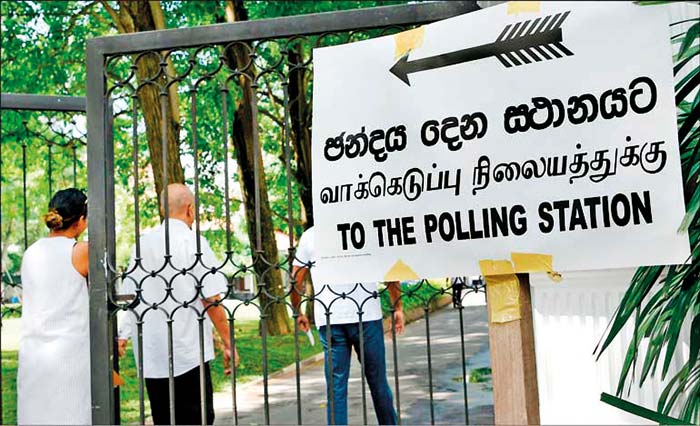
At every election—general or presidential—we do not truly vote, we simply outvote. We push out the incumbent and bring in another, whether recycled from the past or presented as “fresh.” The last time, we chose a newcomer who had spent years criticising others, conveniently ignoring the centuries of damage they inflicted during successive governments. Only now do we realise that governing is far more difficult than criticising.
There is a saying: “Even with elephants, you cannot bring back the wisdom that has passed.” But are we learning? Among our legislators, there have been individuals accused of murder, fraud, and countless illegal acts. True, the courts did not punish them—but are we so blind as to remain naive in the face of such allegations? These fraudsters and criminals, and any sane citizen living in this decade, cannot deny those realities.
Meanwhile, many of our compatriots abroad, living comfortably with their families, ignore these past crimes with blind devotion and campaign for different parties. For most of us, the wish during an election is not the welfare of the country, but simply to send our personal favourite to the council. The clearest example was the election of a teledrama actress—someone who did not even understand the Constitution—over experienced and honest politicians.
It is time to stop this bogus hero worship. Vote not for personalities, but for the country. Vote for integrity, for competence, and for the future we deserve.
Deshapriya Rajapaksha

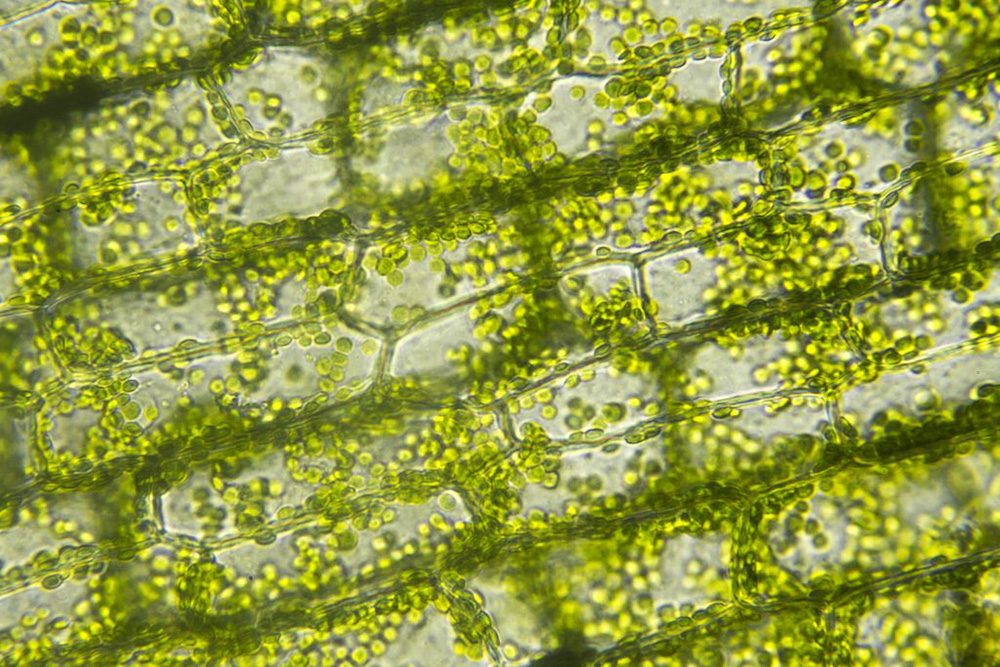
Chlorophyll is the green pigment found in plants, algae, and cyanobacteria. It is essential for photosynthesis, the process by which light energy is converted into chemical energy to sustain life on Earth. As it is green it reflects Green of the sunlight spectrum and absorbs its Red and Blue ranges. The energy in these rays are used to produce carbohydrates utilising water and carbon dioxide and releasing oxygen in the process. Thus, it performs, in this reaction, three functions essential for life on earth; it produces food and oxygen and removes carbon dioxide from the atmosphere to maintain equilibrium in our environment. It is one of the wonders of nature that are in peril today. It is essential for life on earth, at least for the present, as there are no suitable alternatives. While chlorophyll can be produced in a lab, it cannot be produced using simple, everyday chemicals in a straightforward process. The total synthesis of chlorophyll is an extremely complex multi-step organic chemistry process that requires specialized knowledge, advanced laboratory equipment, and numerous complex intermediary compounds and catalysts.
Chlorophyll probably evolved inside bacteria in water and migrated to land with plants that preceded animals who also evolved in water. Plants had to come on land first to oxygenate the atmosphere and make it possible for animals to follow. There was very little oxygen in the ocean or on the surface before chlorophyll carrying bacteria and algae started photosynthesis. Now 70% of our atmospheric oxygen is produced by sea phytoplankton and algae, hence the importance of the sea as a source of oxygen.
Chemically, chlorophyll is a porphyrin compound with a central magnesium (Mg²⁺) ion. Factors that affect its production and function are light intensity, availability of nutrients, especially nitrogen and magnesium, water supply and temperature. Availability of nutrients and temperature could be adversely affected due to sea pollution and global warming respectively.
Temperature range for optimum chlorophyll function is 25 – 35 C depending on the types of plants. Plants in temperate climates are adopted to function at lower temperatures and those in tropical regions prefer higher temperatures. Chlorophyll in most plants work most efficiently at 30 C. At lower temperatures it could slow down and become dormant. At temperatures above 40 C chlorophyll enzymes begin to denature and protein complexes can be damaged. Photosynthesis would decline sharply at these high temperatures.
Global warming therefore could affect chlorophyll function and threaten its very existence. Already there is a qualitative as well as quantitative decline of chlorophyll particularly in the sea. The last decade has been the hottest ten years and 2024 the hottest year since recording had started. The ocean absorbs 90% of the excess heat that reaches the Earth due to the greenhouse effect. Global warming has caused sea surface temperatures to rise significantly, leading to record-breaking temperatures in recent years (like 2023-2024), a faster warming rate (four times faster than 40 years ago), and more frequent, intense marine heatwaves, disrupting marine life and weather patterns. The ocean’s surface is heating up much faster, about four times quicker than in the late 1980s, with the last decade being the warmest on record. 2023 and 2024 saw unprecedented high sea surface temperatures, with some periods exceeding previous records by large margins, potentially becoming the new normal.
Half of the global sea surface has gradually changed in colour indicating chlorophyll decline (Frankie Adkins, 2024, Z Hong, 2025). Sea is blue in colour due to the absorption of Red of the sunlight spectrum by water and reflecting Blue. When the green chlorophyll of the phytoplankton is decreased the sea becomes bluer. Researchers from MIT and Georgia Tech found these color changes are global, affecting over half the ocean’s surface in the last two decades, and are consistent with climate model predictions. Sea phytoplankton and algae produce more than 70% of the atmospheric oxygen, replenishing what is consumed by animals. Danger to the life of these animals including humans due to decline of sea chlorophyll is obvious. Unless this trend is reversed there would be irreparable damage and irreversible changes in the ecosystems that involve chlorophyll function as a vital component.
The balance 30% of oxygen is supplied mainly by terrestrial plants which are lost due mainly to human action, either by felling and clearing or due to global warming. Since 2000, approximately 100 million hectares of forest area was lost globally by 2018 due to permanent deforestation. More recent estimates from the UN’s Food and Agriculture Organization (FAO) indicate that an estimated 420 million hectares of forest have been lost through deforestation since 1990, with a net loss of approximately 4.7 million hectares per year between 2010 and 2020 (accounting for forest gains by reforestation). From 2001 to 2024, there had been a total of 520 million hectares of tree cover loss globally. This figure includes both temporary loss (e.g., due to fires or logging where forests regrow) and permanent deforestation. Roughly 37% of tree cover loss since 2000 was likely permanent deforestation, resulting in conversion to non-forest land uses such as agriculture, mining, or urban development. Tropical forests account for the vast majority (nearly 94%) of permanent deforestation, largely driven by agricultural expansion. Limiting warming to 1.5°C significantly reduces risks, but without strong action, widespread plant loss and biodiversity decline are projected, making climate change a dominant threat to nature, notes the World Economic Forum. Tropical trees are Earth’s climate regulators—they cool the planet, store massive amounts of carbon, control rainfall, and stabilize global climate systems. Losing them would make climate change faster, hotter, and harder to reverse.
Another vital function of chlorophyll is carbon fixing. Carbon fixation by plants is crucial because it converts atmospheric carbon dioxide into organic compounds, forming the base of the food web, providing energy/building blocks for life, regulating Earth’s climate by removing greenhouse gases, and driving the global carbon cycle, making life as we know it possible. Plants use carbon fixation (photosynthesis) to create their own food (sugars), providing energy and organic matter that sustains all other life forms. By absorbing vast amounts of CO2 (a greenhouse gas) from the atmosphere, plants help control its concentration, mitigating global warming. Chlorophyll drives the Carbon Cycle, it’s the primary natural mechanism for moving inorganic carbon into the biosphere, making it available for all living organisms.
In essence, carbon fixation turns the air we breathe out (carbon dioxide) into the food we eat and the air we breathe in (oxygen), sustaining ecosystems and regulating our planet’s climate.
While land plants store much more total carbon in their biomass, marine plants (like phytoplankton) and algae fix nearly the same amount of carbon annually as all terrestrial plants combined, making the ocean a massive and highly efficient carbon sink, especially coastal ecosystems that sequester carbon far faster than forests. Coastal marine plants (mangroves, salt marshes, seagrasses) are extremely efficient carbon sequesters, absorbing carbon at rates up to 50 times faster than terrestrial forests.
If Chlorophyll decline, which is mainly due to human action driven by uncontrolled greed, is not arrested as soon as possible life on Earth would not be possible.
(Some information was obtained from Wikipedia)
by N. A. de S. Amaratunga ✍️

Implementation of the National Fisheries and Aquaculture Policy

Expressions of Interest called to develop selected locations within the Pelawatte Sugar Factory premises
Minimum purchasing price of Samba and Kiri Samba paddy incresed

Showers in the Northern, North-central, Uva, Western, Eastern, Sabaragamuwa, North-western and Central provinces and Galle and Matara districts

Govt. extends ban on LTTE

Police obtain court order banning Wimal’s protest

‘Dates have the highest sugar content to fight Coronavirus’

Sunday Island 27 December – Headlines

#SundayIsland 17th December – Headlines

Sunday Island – 28th March

Sunday Island Headlines – 21 March

Sunday Island – 21st February – Headlines
-

 News2 days ago
Sajith: Ashoka Chakra replaces Dharmachakra in Buddhism textbook
-

 Business2 days ago
Dialog and UnionPay International Join Forces to Elevate Sri Lanka’s Digital Payment Landscape
-

 Features2 days ago
The Paradox of Trump Power: Contested Authoritarian at Home, Uncontested Bully Abroad
-

 Features2 days ago
Subject:Whatever happened to (my) three million dollars?
-

 News2 days ago
Level I landslide early warnings issued to the Districts of Badulla, Kandy, Matale and Nuwara-Eliya extended
-

 News2 days ago
National Communication Programme for Child Health Promotion (SBCC) has been launched. – PM
-

 News2 days ago
65 withdrawn cases re-filed by Govt, PM tells Parliament
-

 Opinion4 days ago
The minstrel monk and Rafiki, the old mandrill in The Lion King – II