
News
Ex-MP backs BASL chief’s call for domestic war crimes probe


The Anura Kumara Dissanayake-led peoples’ government and the country’s armed forces must consider seriously the advice given by President’s Counsel Anura Meddegoda, in his capacity as the new President of the BASL, former State Counsel and ex- parliamentarian M. M. Zuhair said in a statement issued over the weekend.
Declaring that Sri Lanka must investigate alleged war crimes through a domestic mechanism, Meddegoda had said, “If war crimes aren’t investigated (here), even political leaders might face travel restrictions”.
Zuhair stated: “In my view, not only political leaders but also investigators, prosecutors and even judges and their families, who fail to uphold human right laws, may get exposed not only for international travel restrictions but also for other forms of legal harassment. Anura Meddegoda PC had served for nearly a decade assisting the International Criminal Court (ICC)
Geneva with reference to the human rights violations in the 1990s in the former Yugoslavia. Prior to that, he had served in the Attorney General’s Department of Sri Lanka for nearly two decades. He is also the current President of the Bar Association of Sri Lanka (BASL), though his views have been made in his personal capacity. He is spot on when he says Sri Lankan political leaders can be prosecuted in the ICC for alleged war crimes, even though we are not parties to the Rome Statute.
It is understandable that the three-member new Cabinet may not have had reasonable time to give fresh ‘course changing’ directions to the Foreign Ministry, which continued the former governments’ policy on the matter at the United Nations Human Rights Council’s (UN HRC) sessions, concluded on Friday 11th October 2024. The government must, as advised, opt for ‘internal investigations of war crimes’ and avoid external interference as a matter of priority soon after the 14/11 General Elections. A genuine domestic investigation into the war crimes alleged against the armed forces as well as the LTTE and prosecutions of suspected offenders will help clear the armed forces from the oft repeated accusations of war crimes alleged against the country. Prosecutions of offenders, if any, will bring to an end, the otherwise much more harmful consequences of the HRC set up special mechanism on Sri Lanka, which is already engaged in monitoring, collecting and reporting on the situation of human rights in Sri Lanka. At the just concluded Geneva sessions, the HRC has not only extended the period for collection of evidence but has also decided to ‘reinforce’ the HRC’s capacity to collect evidence of Sri Lanka’s HR violations.
Instead of rejecting outright the HRC resolution 51/1, domestic investigations and prosecutions, as suggested by Meddegoda, would certainly be in the national interest, given also the fact that the powerful core group pushing the war crimes allegations in the international fora includes the United States, the United Kingdom and Canada amongst others. More importantly, in order to overcome our economic plight, we need to work with the Western controlled international financial institutions.
ICC prosecutions will be in addition to possible arrest and prosecutions under the extra territorial jurisdictions envisaged by the UN HRC in any country that chooses to prosecute, with evidence being collected not only of war crimes but also all other reported cases of human rights violations, based on Sri Lankan constitutional provisions as well as under international human rights and humanitarian laws as the prosecuting country decides. The government must change course in the UNHRC on war crimes issues. A local investigation of allegations does not mean admission of war crimes!
There is no point at that time of screaming that Israel is not being prosecuted for far more serious crimes of genocide and apartheid in Palestine.”


USS Canberra of the United States Navy departed the island on 14 Jun 26, following a successful replenishment port call. The Sri Lanka Navy extended a traditional naval farewell to the departing vessel at the Port of Colombo.
During the ship’s stay, the Commanding Officer of USS Canberra called on the Commander Western Naval Area at the Western Naval Command Headquarters
News
The use of local organic Agricultural products in the Bakery Industry will strengthen both local farmers and the tourism industry – PM

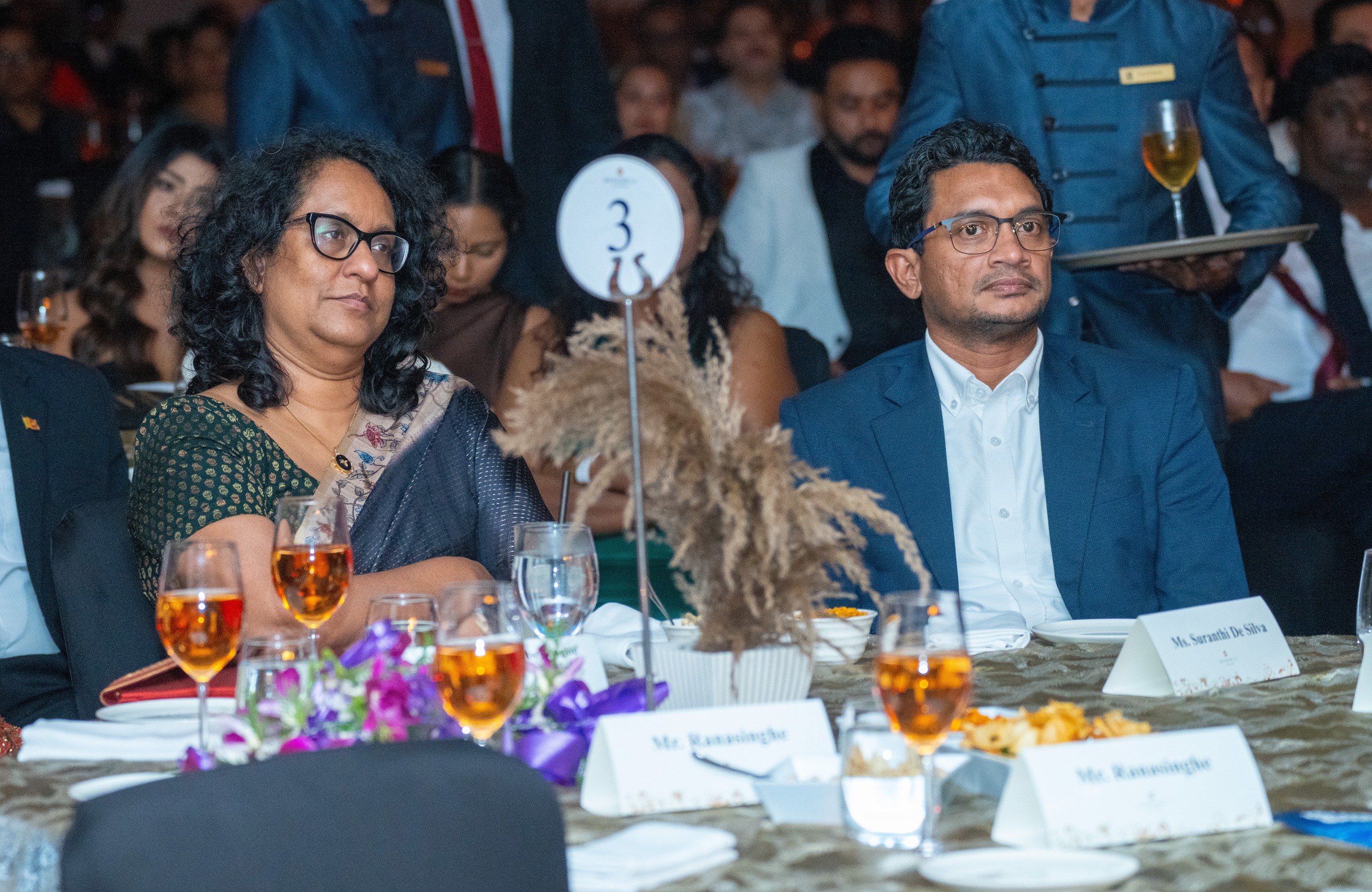
Prime Minister Dr. Harini Amarasuriya stated that the use of local organic agricultural products in bakery production would provide significant support to both local farmers and the growth of the tourism industry.
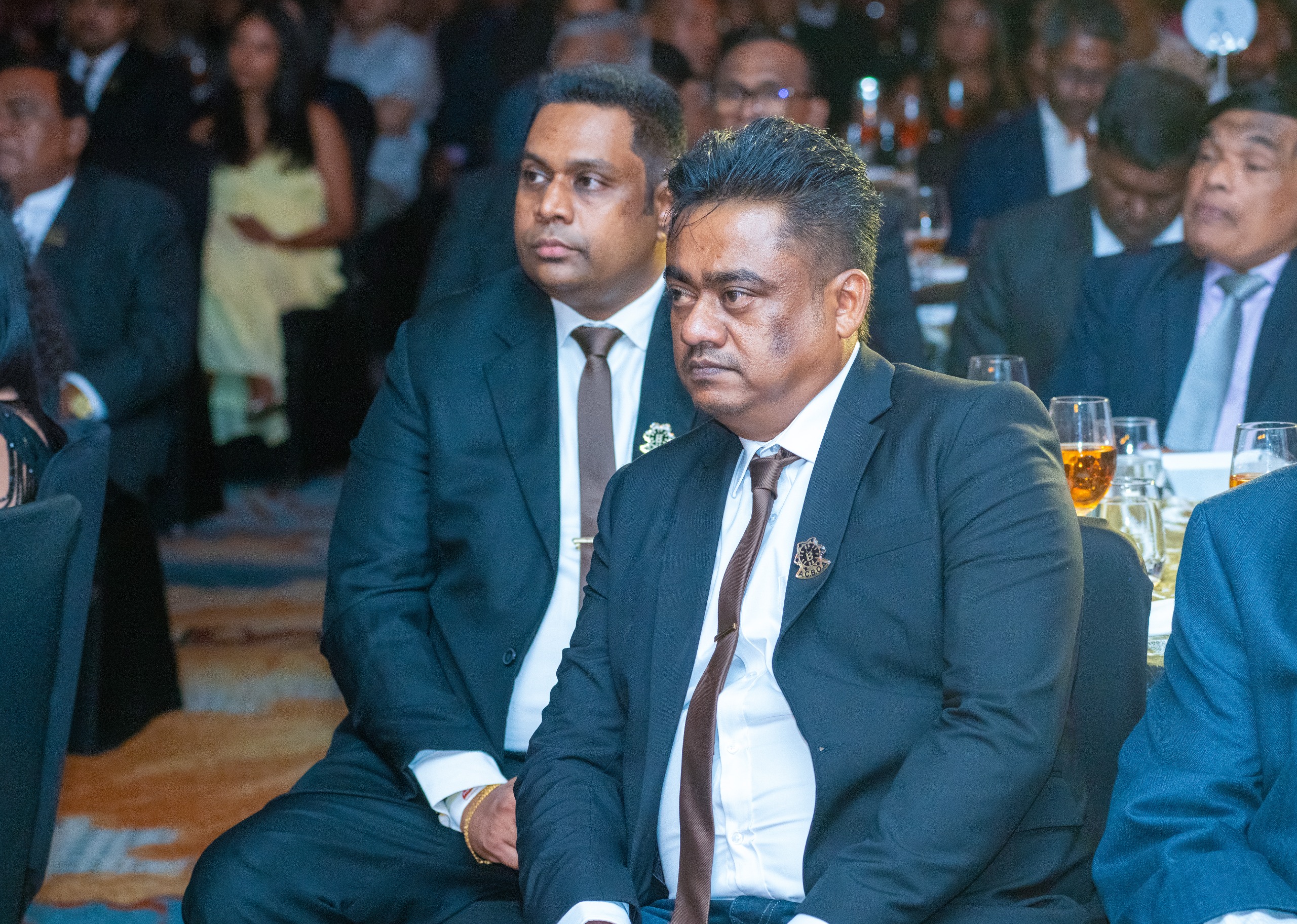
The Prime Minister made these remarks while addressing the Annual meeting of the All Ceylon Bakery Owners’ Association, held at the Shangri-La Hotel, Colombo, on Friday (12 June).
The Prime Minister stated,
“At a decisive moment when the country is moving towards a new phase of economic transformation, I believe that the bakery industry has the potential to become a key driver of the national economy, rather than remaining limited to flour-based products alone.
The food production must be mainly considered the quality and safety of food. Therefore, instead of focusing solely on taste, we should introduce nutritious and healthy products to the market that are free from artificial flavourings and colourings.
By using ingredients such as rice flour, finger millet, foxtail millet, green gram, and indigenous tubers to create value-added products, the bakery industry has the opportunity to capitalize on the growing global trend towards health-conscious diets.
The use of local organic agricultural products in food prepared for foreign tourists will provide substantial benefits to local farmers while also contributing to the growth of the tourism industry. At the same time, the government remains committed to strengthening local entrepreneurs by reducing challenges related to the importation of raw materials, providing concessionary loans for new technologies, and offering the technical assistance required to meet international standards.
The government has already launched programmes through the Ministry of Industries to provide the necessary training and market linkages to help small and medium-scale bakery owners develop and expand their businesses”.
The occasion was attended by the Deputy Minister of Industries Chathuranga Abeysinghe, President of the All Ceylon Bakery Owners’ Association N.K. Jayawardana, and a number of members of the Association were also present at the event.


Prime Minister’s Media Division

Prime Minister Dr. Harini Amarasuriya met with a delegation from the UNICEF on Friday (June 12) at Temple Trees to discuss ongoing efforts to support the recovery of the education sector following the impact of Cyclone Ditwah.
Discussions focused on the implementation of activities outlined in the report titled “Cyclone Ditwah Education Emergency Response Plan: Phase 1 Progress Updates (January–April 2026).” The meeting provided an opportunity to review the progress achieved during the initial phase of the response and to discuss future interventions aimed at supporting children and schools affected by the disaster.
The Prime Minister and the UNICEF delegation also exchanged views on strengthening collaboration to ensure the continuity of education and the well-being of affected children.
The UNICEF delegation included Emma Brigham, UNICEF Representative, Begona Arellano, Deputy Representative, and other UNICEF officials.

(Prime Minister’s Media Division)

USS Canberra departs Colombo

The use of local organic Agricultural products in the Bakery Industry will strengthen both local farmers and the tourism industry – PM

Prime Minister meets with UNICEF delegation

Qatar net late against Switzerland to secure historic first World Cup point

Australia stun Turkiye 2-0 in counterattacking masterclass

Five Indian air force staff killed as transport plane crashes in Assam

‘Dates have the highest sugar content to fight Coronavirus’

Sunday Island 27 December – Headlines

#SundayIsland 17th December – Headlines

Sunday Island – 28th March

Sunday Island Headlines – 21 March

Sunday Island – 21st February – Headlines
-

 Editorial7 days ago
Probe Sallay’s complaint
-
 News3 days ago
CIABOC summons Yoshitha over his participation in British Navy training programme
-
 News5 days ago
Local firms move millions of dollars overseas for phantom imports: Govt.
-
 Midweek Review5 days ago
July 09: An inexcusable overall security failure and exceptional contingency plan
-

 Opinion6 days ago
Could Sri Lanka once again face an economic crisis similar to 2022?
-

 News5 days ago
AI raises concerns over arrest of Sallay and rapper under PTA
-
 News6 days ago
Sallay refuses to end hunger strike unless probe is taken out of CID led by Shani
-
 Latest News6 days ago
Iran and Israel say they will pause strikes but warn of retaliation if ceasefire breached again