
Latest News
‘Times Institute of Higher Education’ inaugurated by the President


President Ranil Wickremesinghe announced that the country will soon see the establishment of numerous new educational institutions, both public and private. These new institutions will provide young people with opportunities for higher education that meet global standards.
The President made this statement during a ceremony this morning (12) at the Galle Face Hotel, Colombo, where he inaugurated the “Times Institute of Higher Education.”
The Times Institute of Higher Education, which is a subsidiary of Wijaya Newspaper Company Limited, has been set up to offer education aligned with international standards. It is working in collaboration with three foreign universities and higher education institutions to achieve this goal.
A diverse array of job-oriented education courses are offered at the Times Institute of Higher Education, encompassing three main qualification categories: certificate, diploma, and advanced diploma courses. Additionally, the institute provides professional skill development programs as well as undergraduate and postgraduate programs through its Digital Academy.
The institute’s activities will be overseen by a five-member advisory board, appointed by the Wijaya Newspaper Company. This board comprises experts in the field and aims to ensure that the education provided meets global standards. The governing authority has expressed its commitment to enhancing the quality of education for Sri Lankan youth by establishing connections with more foreign universities in the future.
During the inauguration event, President Wickremesinghe also launched the new website for the “Times Institute of Higher Education.”
Addressing the gathering President Ranil Wickremesinghe further elaborated;
Today, I had the privilege of inaugurating the Times Institute of Higher Education, an institution designed to meet the demands of modern education. This institute aims to offer diploma opportunities to students who have completed their A-level examinations.
As our country advances toward an export-oriented economy and looks ahead to the mid-21st century, acquiring new knowledge becomes crucial. Consequently, we will need more institutions like this one in the future. The Times Institute also features a digital academy, which will greatly benefit the youth of our nation.
We plan to allocate government funds to support 50,000 youths to receive vocational training at recognized institutions. We have the capability to establish such institutions to provide this training, complementing existing training programs. Additionally, as our country develops over the coming years, increased investment opportunities and the creation of new industries are expected to generate approximately 100,000 new jobs in both the public and private sectors.
To achieve this, it is crucial that educational institutions meet high standards. Therefore, we plan to expand the number of both public and private educational institutions in our country. Our goal is to provide the youth with the support they need to access quality employment opportunities.
Minister of Education Dr. Susil Premajayantha, representatives from international educational institutions, including New Zealand’s High Commissioner to Sri Lanka, H.E. David Pine, Senior Advisor to the President on Climate Change Ruwan Wijewardene, University Grants Commission (UGC) Chairman Prof. Sampath Amaratunge and its officials, Director of Times School of Higher Education Janaka Rathnakumara and its academic staff, university lecturers, the Board of Directors of the Wijaya Newspaper Company, and various other invitees were also present at the event.

Latest News
UPDATE: Seven killed and 23 missing after boat capsizes off northern Cyprus, says Turkish Cypriot PM
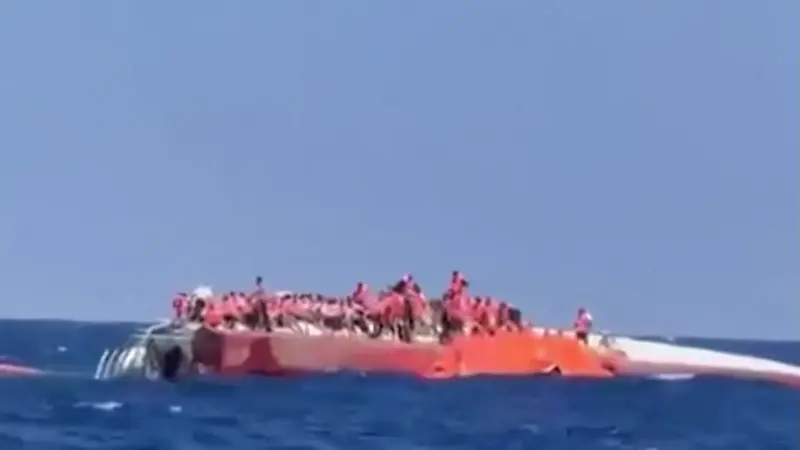
Seven people have died after a passenger boat capsized near northern Cyprus, the Turkish Cypriot PM says. Search and rescue operations are under way to find 23 people missing, says Ünal Üstel, the prime minister of the self-declared territory
He says 267 people were on board the vessel when it capsized, and 237 have been rescued
[BBC]
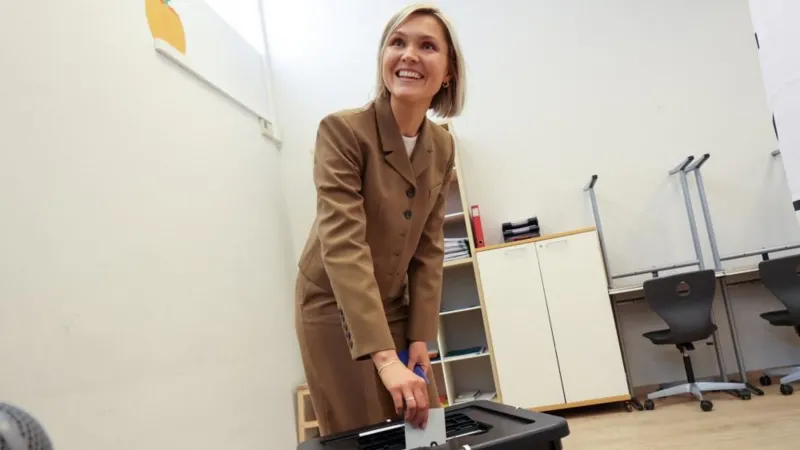
Iceland has voted against resuming talks on joining the European Union 13 years after they were broken off.
Public broadcaster RUV reported that 52.8% of 225,031 voters rejected the government’s proposal, while 47.2% had said yes. Some 12,600 votes separated them.
Prime Minister Kristrún Frostadóttir’s centre-left government promised to hold a referendum by 2027, but brought it forward because of international tensions, including US President Donald Trump’s threats against Greenland.
However, debate in this island nation of almost 400,000 people centred more on its fishing industry rather than security concerns.
With some 270,000 people eligible to vote, RUV reported the turnout of 82.5% was the highest in any election in Iceland since 2009.
Already part of the EU’s single market and Schengen border-free zone, EU membership would bring Iceland into the customs union and eventually the euro.
Iceland began its application to join the EU in 2009 in the wake of the 2008 financial crisis and the collapse of Iceland’s banking system.
Its application was already well advanced when a eurosceptic government came to power in 2013 and put talks on hold. Fishing rights was the biggest obstacle then – as it remains today.
Fish and marine industries account for almost 40% of Iceland’s exports and many No voters feared they would cede some control of their lucrative fishing grounds under the EU’s common fisheries policy.
The referendum campaign fuelled debate about Iceland’s place in the world, Kristrún said after casting her ballot in the capital on Saturday.
“This is a great day, we’ve been waiting for this for years to be able to have a vote,” Kristrún said, adding that her government would continue its work regardless of the outcome.
The question on the ballot was: “Should Iceland resume accession negotiations with the European Union?”
A Yes vote would not have been a final decision on joining the EU, but a move towards an accession agreement, which would then have to be approved by a second referendum.
Equally, the No vote does not rule out the chance of Iceland resuming talks in the future.
While economic issues dominated the referendum campaigns, security concerns also featured.
Iceland is a founder member of Nato but it has no military and relies on its allies for defence.
The country has backed Ukraine during Russia’s full-scale invasion and officials have been alarmed by Russia’s increased maritime manoeuvres near the island.
Trump’s expressed interest in taking over Greenland has also raised concerns.
[BBC]
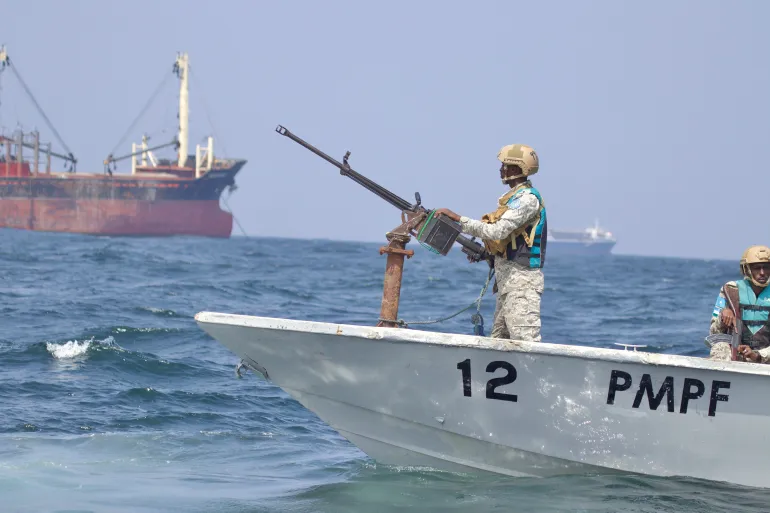
Turkish and Somali forces have freed a cargo ship held captive by pirates off the coast of Somalia’s semi-autonomous Puntland state, according to authorities.
In a statement on X on Saturday, the Somali Ministry of Defence said that “14 pirates” died in the operation to free the Cameroon-flagged MV Latuf.
Four of their boats were also destroyed, it said.
The Defence Ministry said that “sustained pressure from the forces ultimately compelled the remaining pirates to abandon the vessel”, allowing the forces to take control of the ship.
The rescue operation was conducted under a defence cooperation agreement between Somalia and Turkiye, aimed at strengthening maritime security, protecting Somalia’s coastline and combating piracy, it said.
The Somali Defence Ministry did not provide details about any casualties or the wellbeing of the ship’s crew.
A local elder, Abdullahi Warsame, from the Jiifle community in the Godob Jiraan district of Puntland’s Nugal region, told The Associated Press news agency that the vessel and its crew had been freed.
The MV Latuf left the Turkish Port of Tekirdag in late July. It was hijacked on August 17 in waters off the coast of the Nugal region of Puntland, a semi-autonomous federal state in northeastern Somalia.
According to the Marine Traffic website, the cargo ship has continued its voyage to its reported destination in Dar-es-Salaam in Tanzania.
Piracy was rampant off the coast of Somalia in the 2000s, peaking in 2011, before being curbed by international naval deployments and new protection measures for commercial shipping.

Head teacher evacuated 900 children minutes before school washed away by Nepal floods

UPDATE: Seven killed and 23 missing after boat capsizes off northern Cyprus, says Turkish Cypriot PM

Iceland votes against restarting talks on joining EU

“Rathuwewi Mihimadala” Book Launched with the Participation of the Prime Minister

Turkiye, Somalia forces free cargo vessel hijacked by pirates

Ferry carrying 260 people capsizes off northern Cyprus coast

‘Dates have the highest sugar content to fight Coronavirus’

Sunday Island 27 December – Headlines

#SundayIsland 17th December – Headlines

Sunday Island – 28th March

Sunday Island Headlines – 21 March

Sunday Island – 21st February – Headlines
-

 News6 days ago
Missing doctor’s body found in Mahiyanganaya
-
 News6 days ago
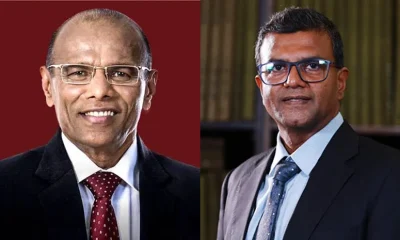
Australia declines to release Finance Secy Suriyapperuma’s citizenship details
-
 News6 days ago
22A: BASL suggests CJ recuse himself from hearing petitions
-

 News3 days ago
Eight politicians in drug kingpin probe
-

 Editorial7 days ago
Govts. drag feet as undergrads age
-
 Features5 days ago
Insights from Chieftains of Uva: Genealogy of two Kandyan Families – Part II
-

 Business3 days ago
Sri Lanka opens up: A new season of direct connectivity
-

 Features3 days ago
Redefining ageing in Sri Lanka