
Business
What inspired INSEE Cement to establish i2i collaboration space


INSEE Cement’s Director – Productions and Solutions Portfolio Dr. Moussa Baalbaki recently gave an interview to the media on harnessing the potential of Sri Lanka’s construction industry to trailblaze the path to zero carbon emissions by 2050. The following are some excerpts from it.
Q. What inspired INSEE Cement to establish the i2i collaboration space and what makes it unique in the industry?
The inspiration behind the INSEE i2i (Innovation to Industry) collaboration space was our commitment to elevate the national construction industry through open innovation and collaboration. We recognized the need for a dedicated space where various internal and external stakeholders could come together to develop new products and solutions. What makes the i2i collaboration space unique is that it is the only facility of its kind in Asia, promoting cooperation among engineers, researchers, students, innovators, architects, academics, professional bodies, industry experts, and even competitors. This initiative is timely, addressing the rapid changes in the construction industry, which increasingly favours performance-based and sustainable designs.
Q. How has the i2i collaboration space contributed to the expansion of INSEE Cement’s products & solutions portfolio over the past few years?
The i2i collaboration space has played a pivotal role in expanding our products & solutions portfolio. Through i2i, we have introduced several innovative building materials under the SANSTHA brand. Over the past few years, we have successfully launched Superior Blended Cements, INSEE SANSTHA Mortar, INSEE SANSTHA Paint, and INSEE SANSTHA PVC products. These products are a direct result of the collaborative efforts and innovation fostered at the i2i collaboration space, enabling us to meet the evolving needs of the construction industry.
Q. Can you describe some of the key partnerships and collaborations that have been formed through the i2i centre?
The i2i collaboration space has facilitated numerous partnerships and collaborations. We have engaged with various industry stakeholders, including Siam City Cement’s business partners, local and international NGOs, government bodies, and academic institutions. These collaborations have been instrumental in promoting innovation and sustainability in Sri Lanka’s construction industry. For example, we have worked closely with universities to support PhD research on topics like sustainable concrete design and construction and demolition waste management.
Q. What role does i2i play in supporting Sri Lanka’s ambitious plans to achieve net zero carbon emissions by 2050?
The i2i collaboration space is integral to our efforts to support Sri Lanka’s green development agenda. Through this initiative, we are developing sustainable and efficient products, such as Superior Blended Cements, which reduce carbon emissions b per ton of cementitious material produced. INSEE Cement is also the first company in Sri Lanka to receive Environmental Product Declarations (EPDs) for its comprehensive cement product portfolio. These EPDs provide standardized and third-party verified information about the environmental performance of our products throughout their lifecycle, aligning with our commitment to achieving net zero carbon emissions by 2050.
How has the i2i collaboration space influenced industry practices and standards in Sri Lanka?
The i2i collaboration space has significantly influenced industry practices and standards in Sri Lanka by promoting higher quality and performance standards. Our state-of-the-art testing facilities and knowledge-sharing initiatives have elevated the local building materials industry to international best standards. The i2i collaboration space has also played a key role in advocating for sustainable and environmentally friendly construction practices, which has been recognized through awards such as the Green Industry Awards for low carbon and climate-resilient production.
Q. Can you elaborate on the research and development activities conducted at the i2i collaboration space?
The i2i collaboration space is equipped with modern equipment providing more than 40 different types of test modules for the construction industry. These include advanced testing methods for assessing the durability, chemistry, rheology, and strength of concrete. Key functional areas include the Durability Space, Chemistry and Rheology Space, Aggregate Space, and Strength and Wet Space. These areas allow us to conduct comprehensive research and development activities, ensuring that our products meet the highest standards of quality and performance.
Q. How does the i2i collaboration space engage with and benefit various industry stakeholders, including young engineers and academics?
As a market leader, INSEE Cement is committed to engaging and benefiting a wide range of industry stakeholders through the i2i collaboration space. We organize hybrid knowledge-sharing sessions that facilitate open discussion and promote new products and solutions. The centre also functions as an information library, offering mentoring and coaching on advanced concrete technology by INSEE experts. We invest in academic research, supporting PhD students working on innovative construction industry topics. The facility is accessible to university students, young engineers, and architects, providing them with a learning space to foster innovation in the construction industry.
Q. How do you see the i2i collaboration space evolving to meet the changing needs of the construction industry in Sri Lanka?
The i2i collaboration space will continue to evolve by embracing new technologies and methodologies to meet the changing needs of the construction industry. We aim to foster a culture of continuous improvement and collaboration, driving the development of advanced sustainable constructions. By engaging with a diverse range of stakeholders and creating an inclusive and inspiring environment, we are committed to building the future leaders of the industry. INSEE Cement will continue to lead by example, promoting sustainable development and contributing to the nation’s growth.


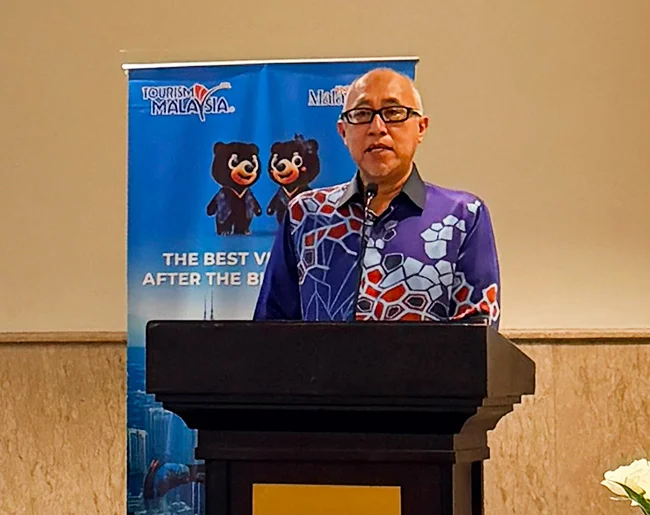
Malaysia is intensifying efforts to attract more Sri Lankan travelers by promoting its diverse tourism offerings, strong air connectivity, Muslim-friendly facilities and expanding business partnerships ahead of the ‘Visit Malaysia 2026’ (VMY2026) campaign.
Addressing the Tourism Malaysia product presentation yesterday in Colombo, Malaysian High Commissioner to Sri Lanka Badli Hisham Adam said tourism remains one of the strongest pillars of the long-standing bilateral relationship between Malaysia and Sri Lanka, helping strengthen cultural understanding, business links and people-to-people ties.
The event, organised by Tourism Malaysia Chennai in collaboration with the High Commission of Malaysia in Colombo, brought together Malaysian tourism stakeholders, airline representatives, Sri Lankan travel industry professionals and members of the media to explore new business opportunities.
The High Commissioner said Sri Lanka continues to be an important source market for Malaysia, with growing numbers of Sri Lankan travelers seeking destinations that combine diversity, affordability, quality experiences and convenient connectivity.
“As part of ‘Visit Malaysia 2026’, we warmly invite Sri Lankan travelers to discover the richness of Malaysia, he said.
Highlighting Malaysia’s tourism strengths, the envoy said the country offers a wide range of attractions, including multicultural cities, UNESCO World Heritage Sites, pristine beaches, tropical rainforests, cool highlands and unique wildlife.
These are complemented by world-class shopping, family-friendly attractions, educational opportunities, wellness and medical tourism, business events and internationally renowned hospitality.
He also stressed Malaysia’s position as the world’s leading Muslim-friendly destination, supported by an extensive halal ecosystem with internationally recognised certification, halal-certified restaurants, easily accessible prayer facilities and family-oriented amenities across the country.
Despite ongoing geopolitical uncertainties around the world, the High Commissioner said Malaysia remains a stable, peaceful and welcoming destination for international travelers.
He urged Sri Lankan travel agents to strengthen collaboration with Malaysian tourism providers by developing innovative travel packages targeting leisure travelers, business visitors and event participants.
The presentation featured leading Malaysian tourism partners, including Wyndham Ion Majestic, Lotus Desaru, Key Term Holidays representing the Sabah Tourism Board and Asian Overland representing The PULSE Group, showcasing Malaysia’s diverse tourism experiences and investment in the Sri Lankan market.
The envoy also acknowledged the contribution of airline partners and the media in enhancing Malaysia’s visibility and improving travel connectivity between the two countries.
Looking ahead to ‘Visit Malaysia 2026’, he said the future growth of tourism would depend on stronger collaboration, innovation and meaningful partnerships between industry stakeholders.
He expressed confidence that closer cooperation between Malaysia and Sri Lanka would generate fresh business opportunities while encouraging more Sri Lankan visitors to experience Malaysia’s culture, diversity and hospitality.
The High Commissioner concluded by expressing hope that the networking session would lead to stronger commercial partnerships and contribute to the success of ‘Visit Malaysia 2026’, further deepening tourism and economic ties between the two friendly nations.
By Ifham Nizam
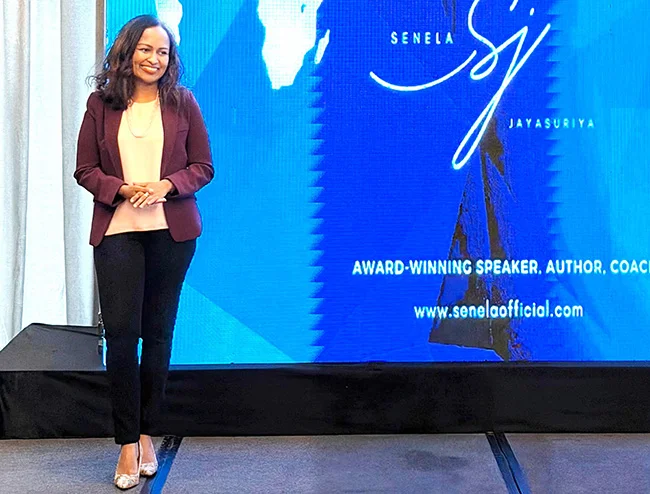
Women Empowered Global (WEG), a network of award‑winning female leaders, corporate CXOs and entrepreneurs, experts and thought leaders dedicated to empowering women from six continents, unveiled the ‘WEG Leadership Lab’, a 24‑week virtual intensive programme, commencing 26 September. The programme is designed exclusively for women leaders who are ready to accelerate their careers, amplify leadership visibility, and drive transformational growth.
The women‑only leadership experience breaks the mould of conventional training, offering a powerful blend of masterclasses, mentorship, and practical leadership tools tailored for rising leaders, managers, and senior professionals. Participants will gain international exposure, sharpen essential skills, and the opportunity to join a vibrant knowledge‑sharing community which fosters confidence, resilience, and impact.
“The WEG Leadership Lab is not for casual growth. It is for women who are serious about transforming their leadership journey,” said Senela Jayasuriya, Founder/CEO, Women Empowered Global. “By combining global expertise with local delivery, we are creating pathways for women across manufacturing, trading, finance, marketing, technology, and management, as entrepreneurs, business owners, fractional executives, or corporate leaders, to thrive and build a more inclusive leadership landscape.”
WEG’s platform facilitates international exposure and career development for professionals and connects more than 4,000 members worldwide. The Leadership Lab builds on WEG’s flagship initiatives, including the 1 Million Women in Power campaign, the African Women Leadership Forum, the Business Hub, and the Global Online Academy. The programme aims to deliver a transformative journey equipping women to step boldly into leadership roles locally and internationally.
Led by Senela Jayasuriya (MBA, UK), an internationally recognized and awarded leadership & empowerment coach and innovation partner, keynote speaker, and certified expert, WEG collaborates with DEI specialists, corporate boards, Business and HR leaders, to design programmes which advance women’s careers, leadership visibility, equity, and inclusion. To date, she has successfully delivered leadership development programmes to more than 20,000 professionals.
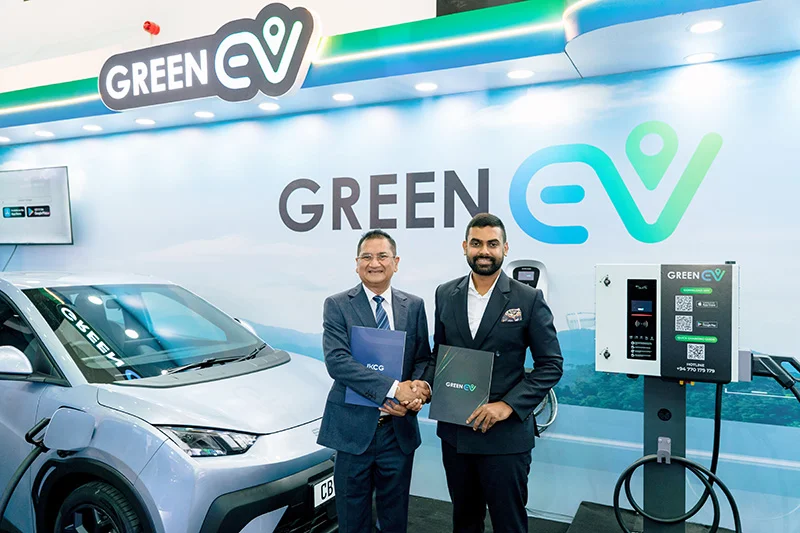
John Keells CG Auto (JKCG Auto), the authorised distributor of BYD and Denza in Sri Lanka, has launched a strategic partnership with Green EV on 26th June 2026 to significantly expand the charging infrastructure available to its customers across the island. The collaboration, formalised through a Memorandum of Understanding (MOU), marks a pivotal step in JKCG Auto’s ongoing commitment to building a comprehensive and reliable New Energy Vehicle (NEV) ecosystem in Sri Lanka.
Through this partnership, BYD and Denza owners will gain seamless access to Green EV’s public charging network of 100+ DC fast chargers and 70 AC chargers, spanning 20 districts and all nine provinces of Sri Lanka, from Jaffna in the north to Hambantota in the south, and from Puttalam on the northwest coast to Trincomalee and Ampara on the eastern seaboard, encompassing a mix of 40kW, 60kW, and 120kW fast-charging infrastructure. The network has been designed to ensure that customers can charge conveniently and confidently, whether in the heart of Colombo or in suburban and outstation communities, removing one of the most commonly cited barriers to EV adoption in Sri Lanka. Further strengthening customer confidence, Green EV has partnered with SLIC to provide a comprehensive insurance cover of LKR 100 million for every Green EV charging station, offering protection against potential damages and ensuring complete peace of mind for every user.
The initiative reflects JKCG Auto’s broader strategy to invest in the foundations of sustainable mobility, ensuring that the transition to electric vehicles is supported not only by world-class vehicles, but by a dependable ecosystem that addresses the practical needs of everyday ownership.
“If the future of mobility in Sri Lanka is going to be electric, success will hinge on how accessible we are able to make the actual vehicles, as well as the enabling infrastructure around them. JKCG Auto is proud to partner with other visionaries like Green EV to ensure that we eliminate range anxiety, so that every customer – whether in Colombo or anywhere in Sri Lanka will have the confidence to go electric,” JKCG Auto Chief Executive Officer, Charith Panditharatne.

A few showers will occur in the Western, Sabaragamuwa and North-western provinces and in Kandy, Nuwara-Eliya, Galle and Matara districts

Customs asked to resume probe or face legal action

Outgoing Chinese Ambassador Qi Zhenhong bids farewell to Mahanayake Theras

Move to extend retirement age of top judges: BASL asks govt. to stop process pending meaningful consultations

Govt. mum on identities of JVP founder’s wife and children

Three high-profile alleged suicides shaping key investigations

‘Dates have the highest sugar content to fight Coronavirus’

Sunday Island 27 December – Headlines

#SundayIsland 17th December – Headlines

Sunday Island – 28th March

Sunday Island Headlines – 21 March

Sunday Island – 21st February – Headlines
-
 Business3 days ago
‘Giving up was never an option’: The fisherman who fought back after losing millions in SL
-

 Features3 days ago
Two memorable excerpts from a former SLAF commander’s memoir
-
 Latest News4 days ago
Davis cup Asia/Oceania Group IV 2026 to be held in Colombo from 20th to 25th July
-

 Features3 days ago
Erdoğan’s New Republic
-

 Life style3 days ago
Taste of the Swiss Alps comes to Colombo
-

 News4 days ago
Dengue outbreak gallops ahead: Infections surpasses 73,455, leaving 50 dead
-
 News4 days ago
Evidence recorded in money laundering case against Yoshitha Rajapaksa
-

 News5 days ago
Money laundering case against Yoshitha, fixed for pre-trial conference